Termite Risks After Replacing a Florida Roof or Soffit
A new roof can solve leaks while leaving hidden termite conditions behind. In Florida, roof and soffit work may expose damp wood, open concealed gaps, or disturb areas where termites already live.
The roofing materials themselves usually aren't the problem. Aluminum soffits, shingles, and roof tiles don't feed termites. The concern is the wood, moisture, and access points around them. A careful inspection after the project can prevent a small discovery from becoming major structural damage.
Key Takeaways
- Roof and soffit replacement can reveal termite damage that existed before construction began.
- Wood behind fascia, eaves, roof decking, and attic edges deserves close attention.
- Drywood and subterranean termites leave different signs and require different treatment plans.
- Water leaks, wood-to-soil contact, construction debris, and unsealed gaps can raise termite risk.
- A pest inspection and roofing follow-up should happen when you find damaged wood, mud tubes, pellets, wings, or recurring moisture.
Why Roof and Soffit Work Can Expose Termite Problems
Replacing roofing materials often involves removing shingles, flashing, fascia, gutters, vents, or soffit panels. These components can hide the roof's edges for years. Once workers open the area, they may find soft decking, damaged rafter tails, stained fascia, or wood that has lost its strength.
That damage doesn't always come from termites. Long-term leaks can cause wood rot, while carpenter ants and wood-boring beetles can create other types of damage. Still, roof work gives you a valuable chance to distinguish the causes before new materials cover everything again.
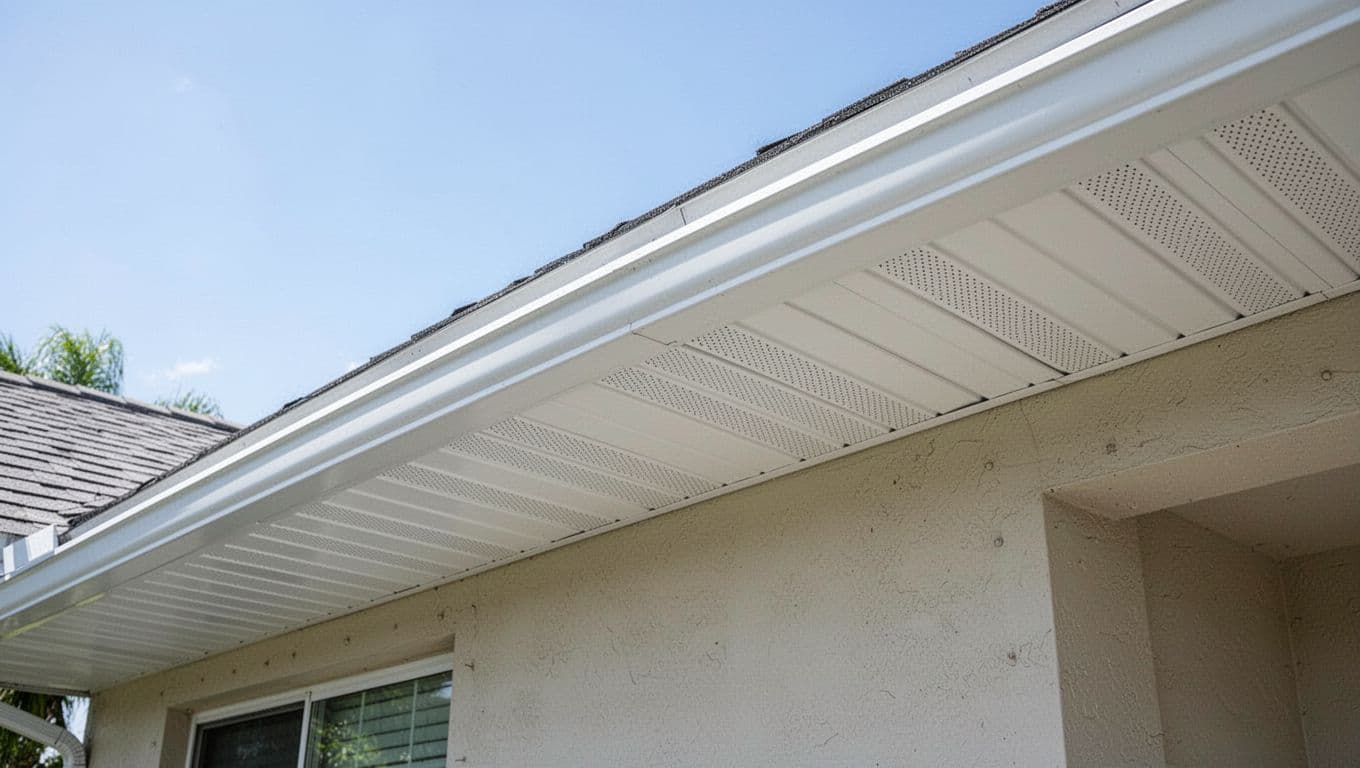
A new soffit can also change how you see the edge of the home. Installers may remove old panels and expose gaps around vents, utility lines, attic openings, and the fascia board. Subterranean termites can use small concealed routes from soil or masonry into wall and roof cavities. Drywood termites can remain inside roof framing or other dry wood above ground.
Roof replacement may disturb an established colony, but it doesn't remove every termite. Workers might discard visibly damaged boards while leaving nearby activity inside inaccessible framing. For that reason, a clean-looking finished roof doesn't prove that the structure is termite-free.
The condition of the materials removed during construction can provide useful evidence. Ask whether the contractor found hollow wood, mud, galleries, pellet-like droppings, or moisture staining. Photos taken before replacement can help a pest professional and roofer decide whether the issue needs treatment, repair, or both.
Florida Termite Risks Around Roofs, Eaves, and Attics
Florida homes face two common termite patterns. Drywood termites live inside relatively dry wood and don't need contact with soil. They may infest roof decking, fascia, soffit framing, attic lumber, window trim, or other wood above the foundation.
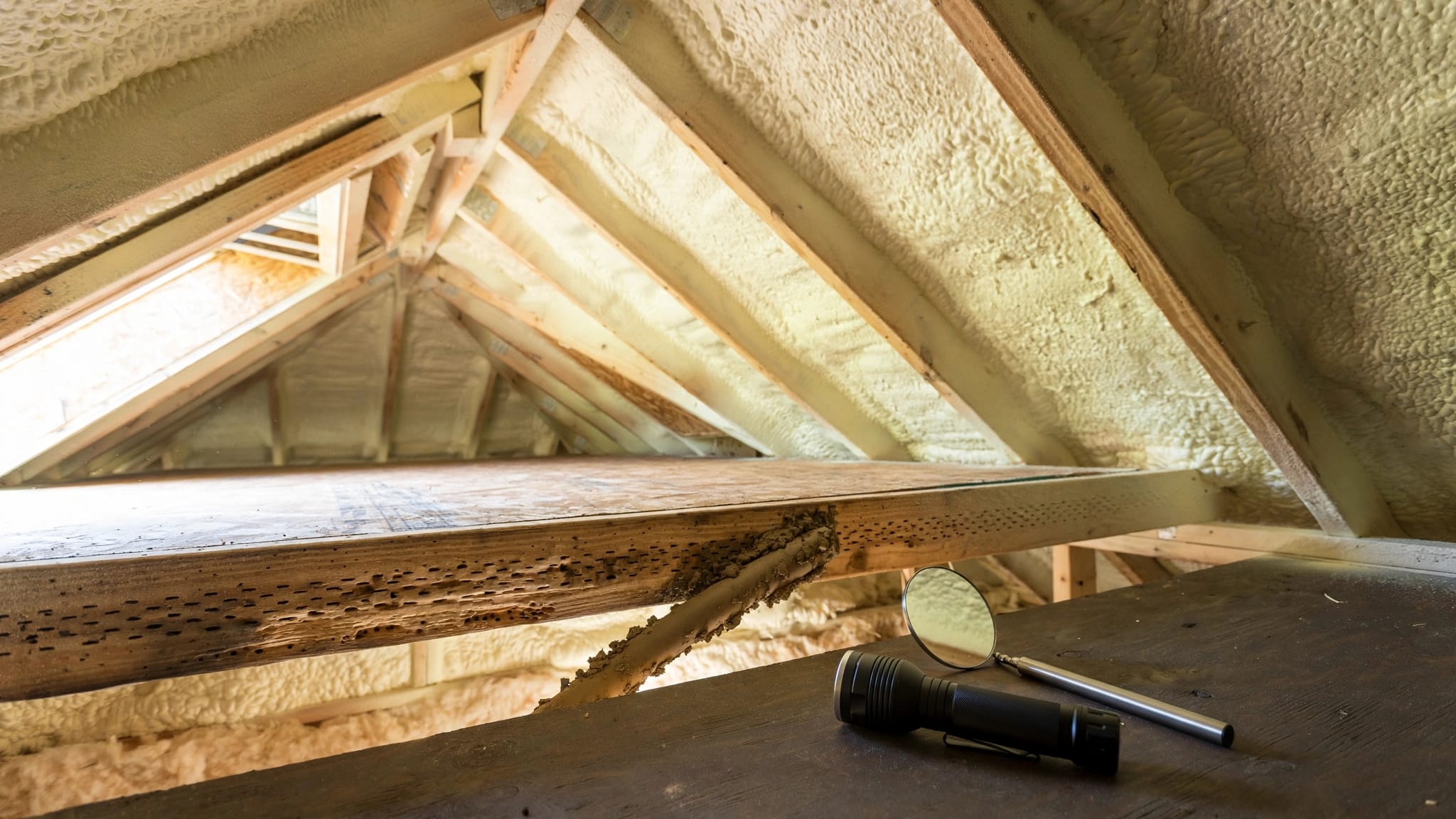
Drywood activity can remain hidden for a long time. Small kick-out holes may appear on the surface, with hard, sand-like pellets below them. Discarded wings near windows, doors, or attic openings can also indicate a reproductive swarm. Because drywood termites live within the wood, replacing one visible board may not address activity elsewhere.
Subterranean termites depend on soil moisture and usually approach a structure from below. They can move through cracks, construction joints, plumbing penetrations, wall voids, and other hidden paths. Their shelter tubes often look like narrow lines of dried mud along masonry, foundation edges, or wood.
The distinction matters because treatment depends on the termite type, the location of the colony, and the extent of the infestation. A roofline problem doesn't automatically mean the entire house needs the same treatment. An inspection can identify whether the activity is local to a roof component or connected to a larger colony.
Cape Coral, Fort Myers, Punta Gorda, Bonita Springs, and Sanibel all have warm conditions that support year-round pest activity. Heavy rain, high humidity, irrigation, and storm damage can add moisture around the structure. These conditions don't create termites by themselves, but they can make access and survival easier.
For a closer look at the differences, review this guide to understanding termite species in Florida. Knowing what you find helps prevent the wrong response.
Moisture and Construction Details That Raise the Risk
Moisture is one of the most important conditions to check after roof work. A new roof should reduce water entry, but flashing errors, blocked drainage, damaged gutters, or an unsealed roof penetration can still wet the wood below. Even a small leak near an eave can affect fascia, sheathing, insulation, and attic framing.
Soffit ventilation also deserves attention. Vented soffits help air move through the attic, while damaged or poorly fitted panels can allow insects and water to enter. A sealed soffit doesn't replace proper attic ventilation, and blocking a vent can trap heat and moisture around the roof structure.
The materials around the new roof matter as well. Termites don't eat aluminum or vinyl soffits, but wood behind those panels can still support an infestation. Fascia boards, blocking, roof decking, truss ends, and framing at roof extensions may remain vulnerable if they were not replaced or properly repaired.
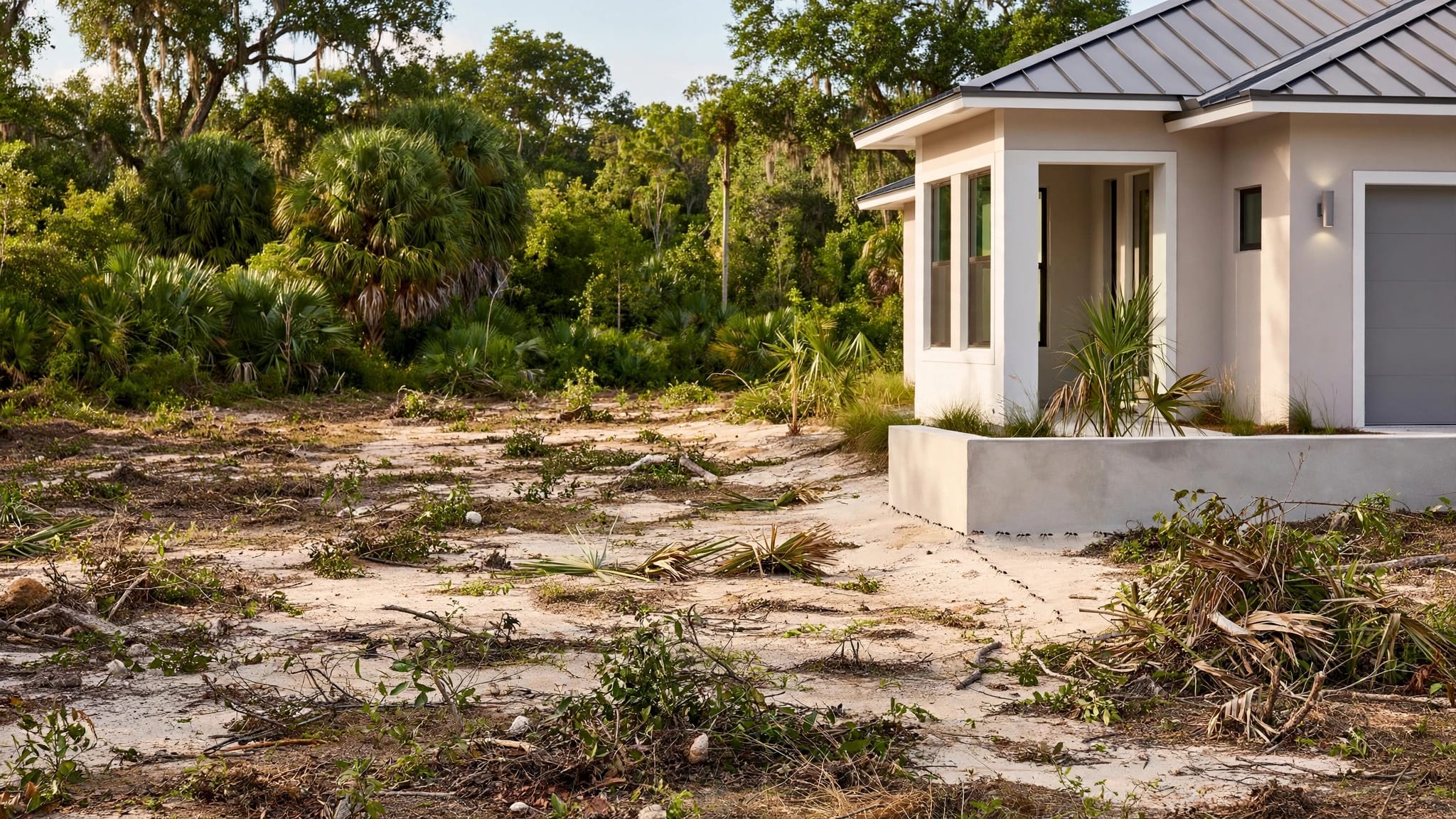
Construction debris can create another problem. Cardboard, scrap lumber, old trim, and discarded pallets left near the home provide food and shelter for pests. Wood piles should stay away from exterior walls and remain elevated from the ground. Remove debris promptly after the contractor finishes.
Look closely at features that bring moisture or wood near the structure:
- Downspouts that release water beside the foundation can keep soil damp.
- Irrigation spray that hits the fascia or soffit can create repeated wetting.
- Mulch, firewood, and old stumps can sit too close to exterior walls.
- Unsealed openings around cables, pipes, and vents can provide hidden entry routes.
- Roof valleys, gutters, and flashing should direct water away from wood surfaces.
You can find more practical guidance in these termite prevention tips for homeowners. Small maintenance problems are easier to correct before they affect concealed framing.
What to Inspect After a Roof or Soffit Replacement
Start with a visual check after the contractor completes the work. Walk around the home during daylight and inspect the eaves, fascia, gutters, downspouts, exterior doors, and foundation edges. Look for new gaps, mud tubes, staining, sagging boards, or panels that don't sit flush.
If the contractor provided before-and-after photos, compare them with the finished areas. Pay attention to wood that stayed in place. A new soffit may cover old framing, so ask what the crew removed and what they left intact.
Inside the attic, look for water stains, damp insulation, damaged wood, wings, pellets, and narrow openings in roof components. Only enter the attic if you can do so safely. Avoid stepping between ceiling joists, and don't touch electrical equipment or unstable insulation.
A few signs deserve prompt attention:
- Mud tubes along masonry or foundation surfaces may point to subterranean termite activity.
- Pellet-like droppings below small holes can indicate drywood termites, although a professional should confirm the source.
- Hollow or blistered wood may contain galleries or may have suffered moisture damage.
- Discarded wings near windows, doors, attic vents, or light fixtures can follow a termite swarm.
- Recurring dampness after rain may indicate a roof, gutter, flashing, or ventilation problem.
You can compare your observations with these common termite warning signs, but online photos cannot establish the full extent of an infestation. Termites often travel behind finished surfaces, so visible evidence may represent only part of the problem.
Don't spray insecticide into a wall or roof cavity. Don't seal mud tubes or fill suspected holes before an inspection. Those actions can destroy evidence and may push activity into less visible areas.
When to Call a Pest Professional and Roofer
Call a licensed pest professional when you find live termites, shelter tubes, frass pellets, wings, damaged wood, or repeated signs in more than one location. Ask for an inspection that covers the roofline, attic, soffit framing, exterior walls, foundation, and accessible interior areas.
The inspector should identify the likely termite type and explain where activity appears active. A useful report should separate termite damage from water damage and other wood-destroying pests. It should also identify conditions that support future activity, such as leaks, soil contact, or unsealed penetrations.
Contact the roofer at the same time when you find moisture, loose flashing, gaps around vents, damaged gutters, or wood that the crew left unrepaired. Pest treatment won't correct a leak, and a roofing repair won't eliminate termites inside structural wood. The two problems often need coordinated attention.
Ask both companies what they found, which materials require replacement, and whether photos document the affected areas. Keep the inspection report, repair invoice, treatment agreement, and warranty information with your home records. These documents can help if activity returns or a future buyer asks about the work.
Timing matters after storms or major construction. Schedule a follow-up when the roof has been exposed to heavy rain, when soffits were opened, or when workers found unexplained wood damage. If the home is a vacation rental, tell the property manager what signs to watch for between visits.
A prompt inspection doesn't mean the entire roof is compromised. It gives you a clear answer before hidden damage spreads or repairs become more difficult.
Conclusion
A new Florida roof or soffit can improve protection while also revealing conditions that termites have used for months or years. The main risks involve hidden wood damage, moisture, construction gaps, and debris around the home.
Check the roofline, attic, soffits, fascia, gutters, and foundation after the project. If you see mud tubes, pellets, wings, hollow wood, or recurring leaks, arrange pest and roofing inspections before covering the evidence. Early identification protects the work you just paid for and helps keep termite problems contained.
Schedule a Free Inspection: