Florida Pest Prevention for Gyms and Fitness Centers
A pest sighting can unsettle gym members, but consistent cleaning, repairs, and monitoring help keep small problems from spreading. Florida pest prevention matters year-round because warm, humid conditions and frequent rain can leave pests with food, moisture, and shelter near a fitness center.
Gyms also have varied risk areas: locker rooms, smoothie counters, staff kitchens, loading doors, and equipment storage each need different attention. A clear routine helps staff spot warning signs early and respond without exposing members to unnecessary pesticide use.
Key Takeaways
- Keep training floors, locker rooms, and storage areas clean and easy to inspect.
- Fix leaks, remove standing water, and keep waste in closed, regularly emptied bins.
- Close gaps around doors, pipes, and utility lines to limit pest entry.
- Check monitoring devices and record sightings, droppings, damaged packaging, and moisture.
- Avoid improvised pesticide use around members and equipment. Coordinate treatment with a qualified pest-control professional.
Florida Pest Risks in Fitness Centers
Southwest Florida businesses commonly encounter ants, roaches, spiders, mosquitoes, termites, rats, and mice. In a gym, the combination of frequent deliveries, food and drink, damp spaces, and doors that open repeatedly can create opportunities for pests to enter or find resources.
Warm weather can support pest activity through much of the year. Humidity and heavy rain can also make leaks, damp storage, and poorly draining outdoor areas harder to ignore. These conditions don't mean every gym will have an infestation, but they make routine inspection more useful than waiting for a member complaint.
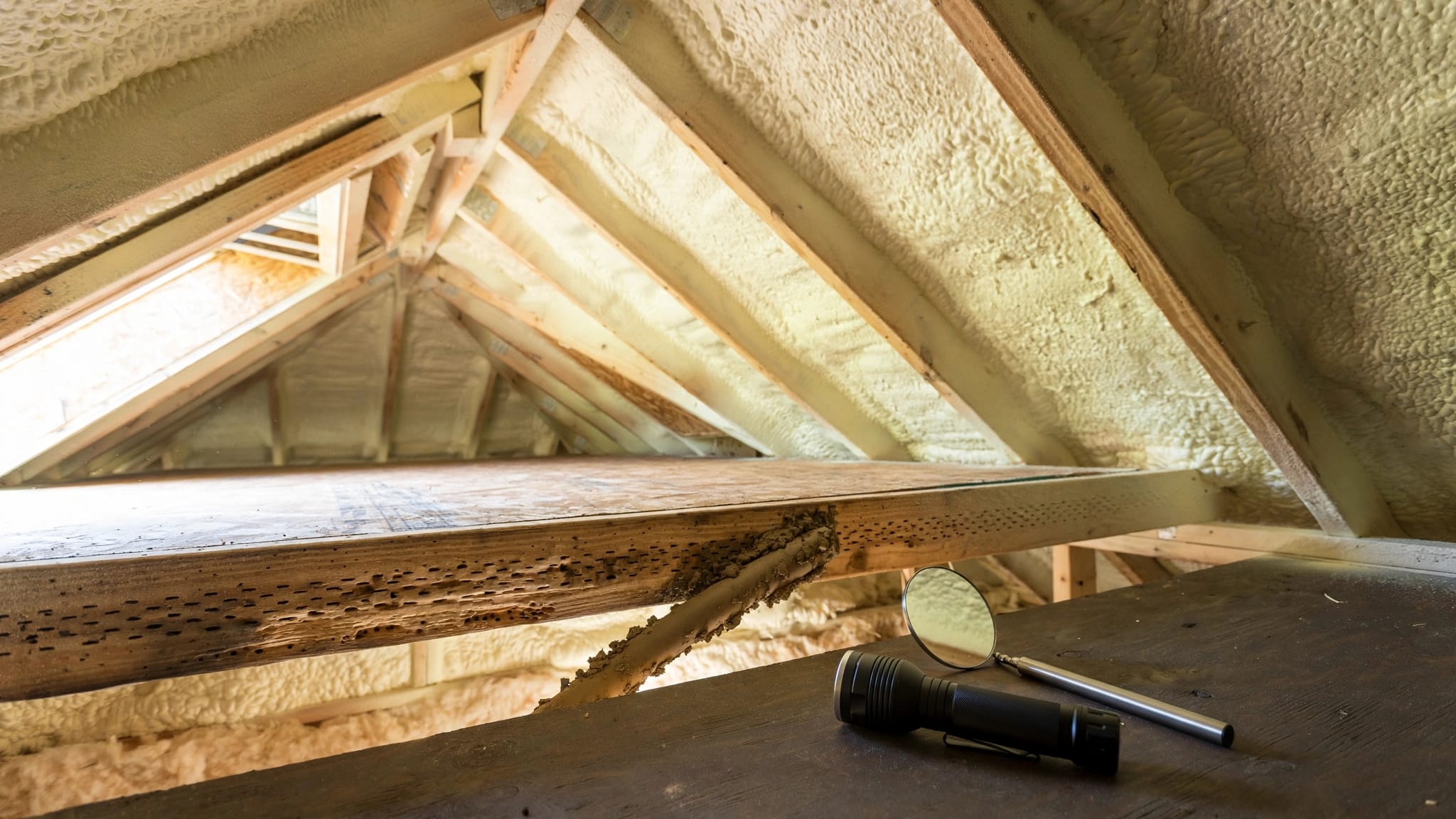
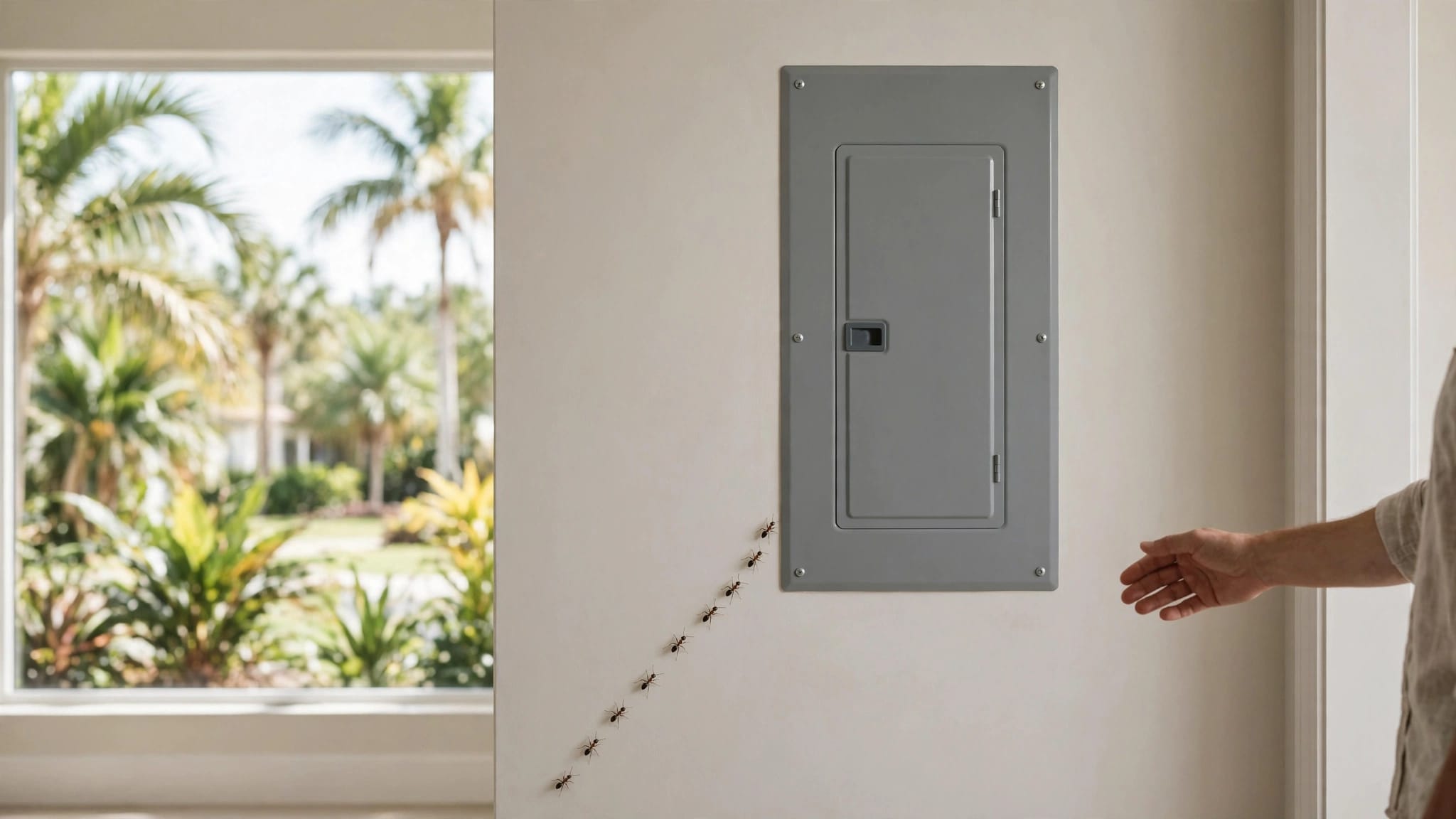
Different pests point to different conditions. Ants may be drawn to food residue, while roaches can exploit water and hidden crevices. Rodents can enter through small openings and may leave droppings or gnaw marks. Mosquitoes often develop outdoors where water collects, so prevention includes the grounds as well as the building.
The aim is to remove the conditions that attract pests, block easy access, and catch activity early. A clean floor helps, but it won't solve a leaking pipe or an exterior gap.
Prevent Pests in Member-Facing Areas
Members notice pests most readily in visible, high-use spaces. Keep these areas orderly, and make cleaning and maintenance part of the opening and closing routines.
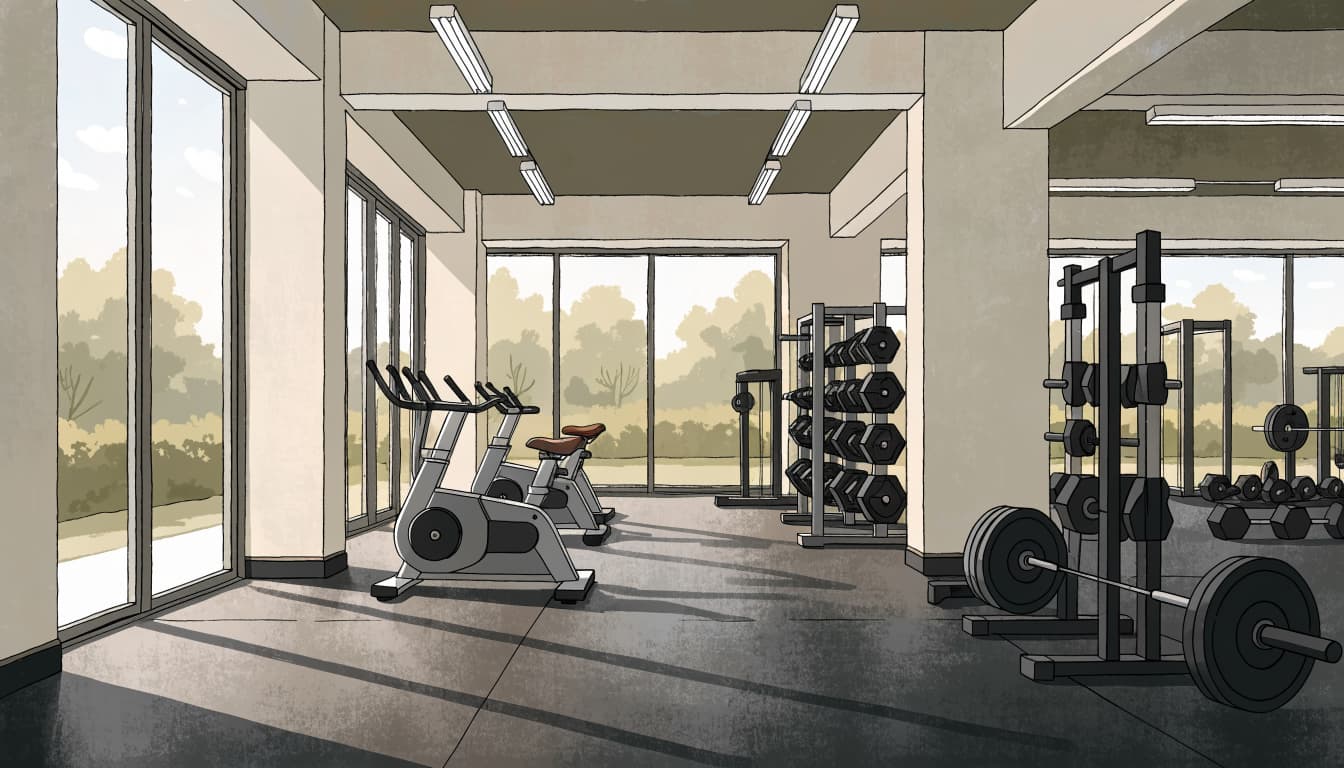
Keep training floors and reception areas clear
Wipe up spilled drinks and protein shakes promptly. Check under cardio equipment, benches, and vending machines, where dust and food residue can collect. Empty small trash bins before they overflow, especially near reception, vending, and seating areas.
Keep mats, resistance bands, and other equipment off damp floors when practical. Store portable gear on racks rather than in piles against walls. This makes routine cleaning easier and gives staff a clear view of corners and wall edges.
Include locker rooms and showers
Check locker-room floors, drains, benches, and the spaces beneath lockers for standing water, debris, and signs of pest activity. Report dripping taps, slow drains, loose pipe fittings, and damaged grout for repair. A persistent leak can maintain the moisture pests need even when the room looks clean.
Use adequate ventilation and dry wet areas as part of regular housekeeping. Keep cleaning supplies stored properly, not beside food or personal belongings, and don't leave damp towels or discarded packaging in corners overnight.
Control Food, Waste, and Moisture Behind the Scenes
Staff rooms, juice bars, and receiving areas can attract pests if food and waste remain accessible. Treat these spaces as part of the gym's pest-prevention routine, not as areas that need attention only after a sighting.
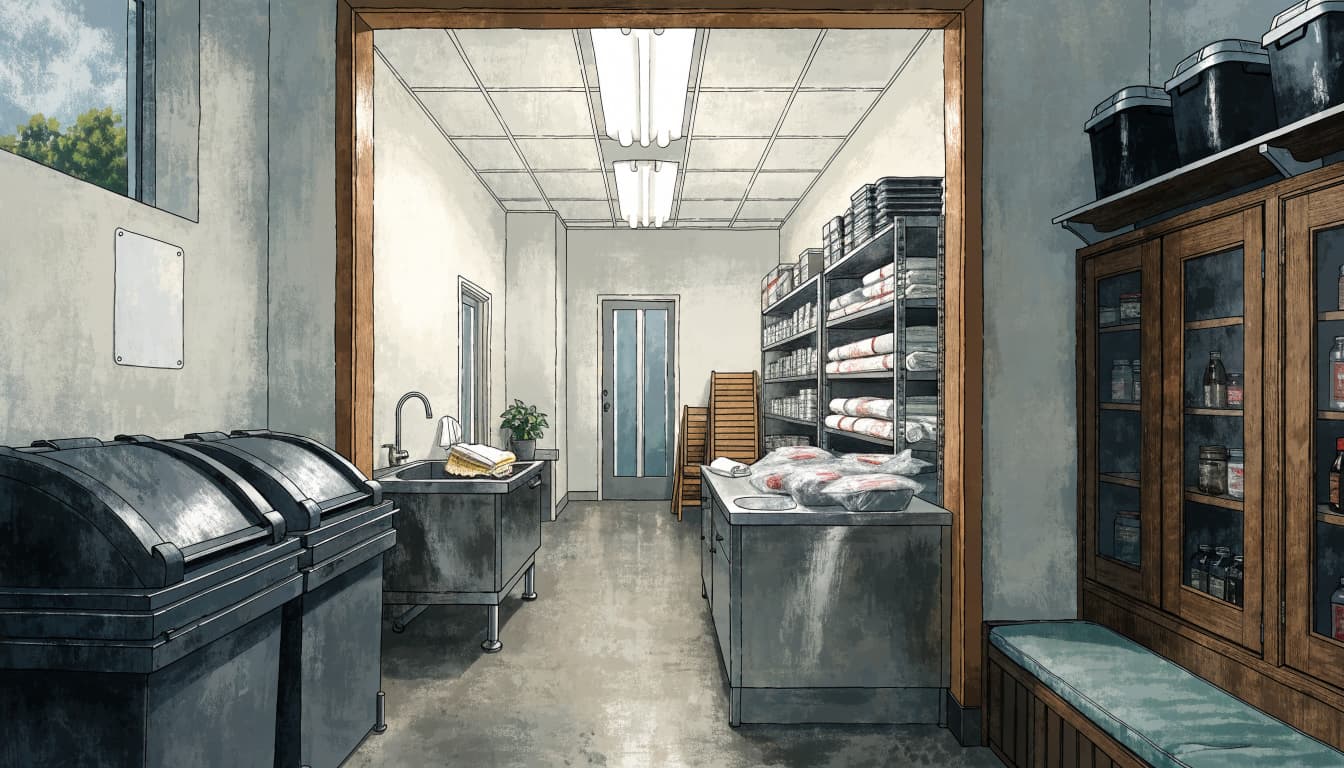
Store food and manage waste
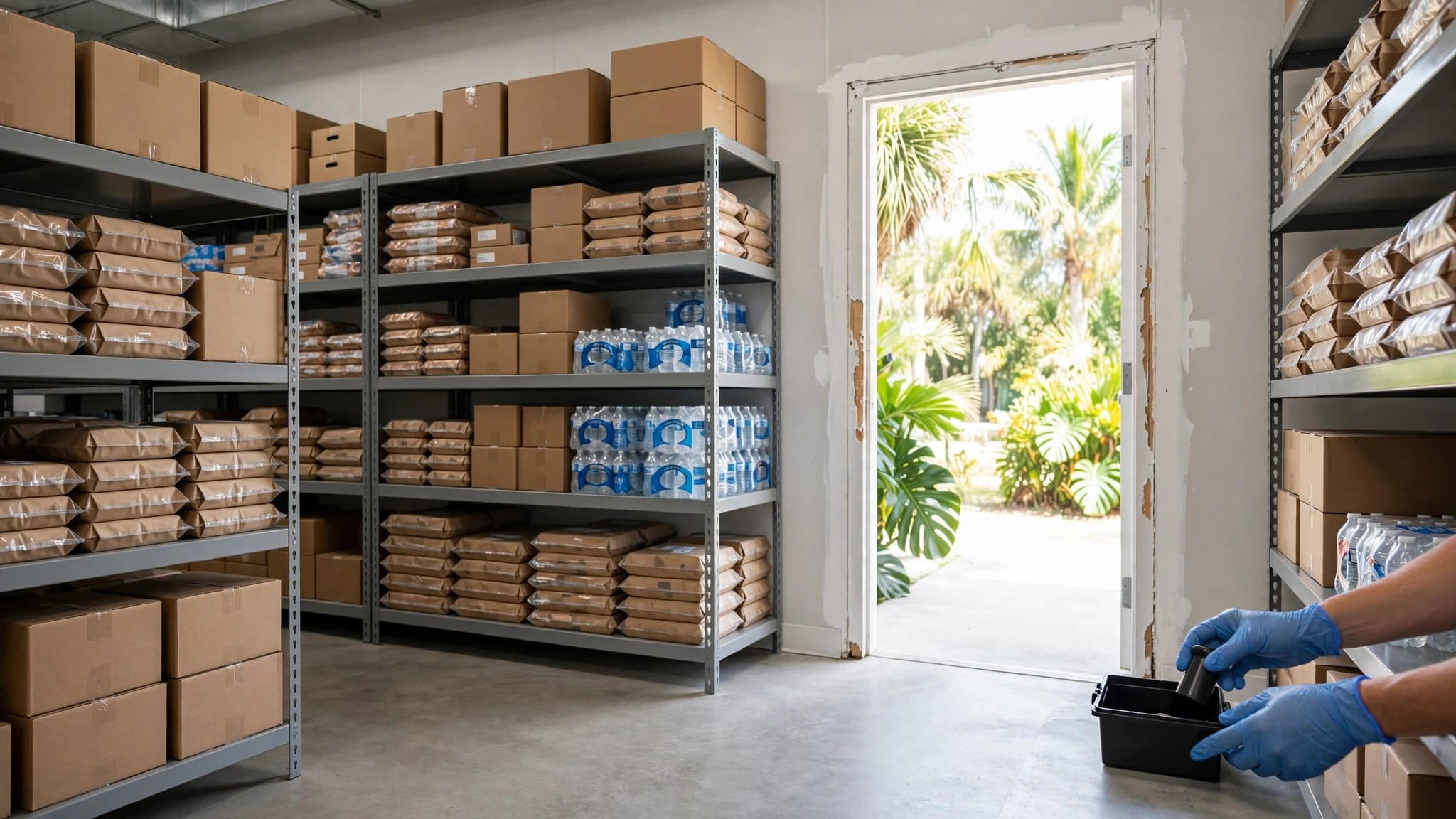
Keep staff snacks in sealed containers, and clean crumbs from counters, shelves, and microwaves. If the facility sells drinks or snacks, clean syrup and ingredient spills as soon as they happen. Store dry goods off the floor and away from damp walls so staff can see and clean around them.
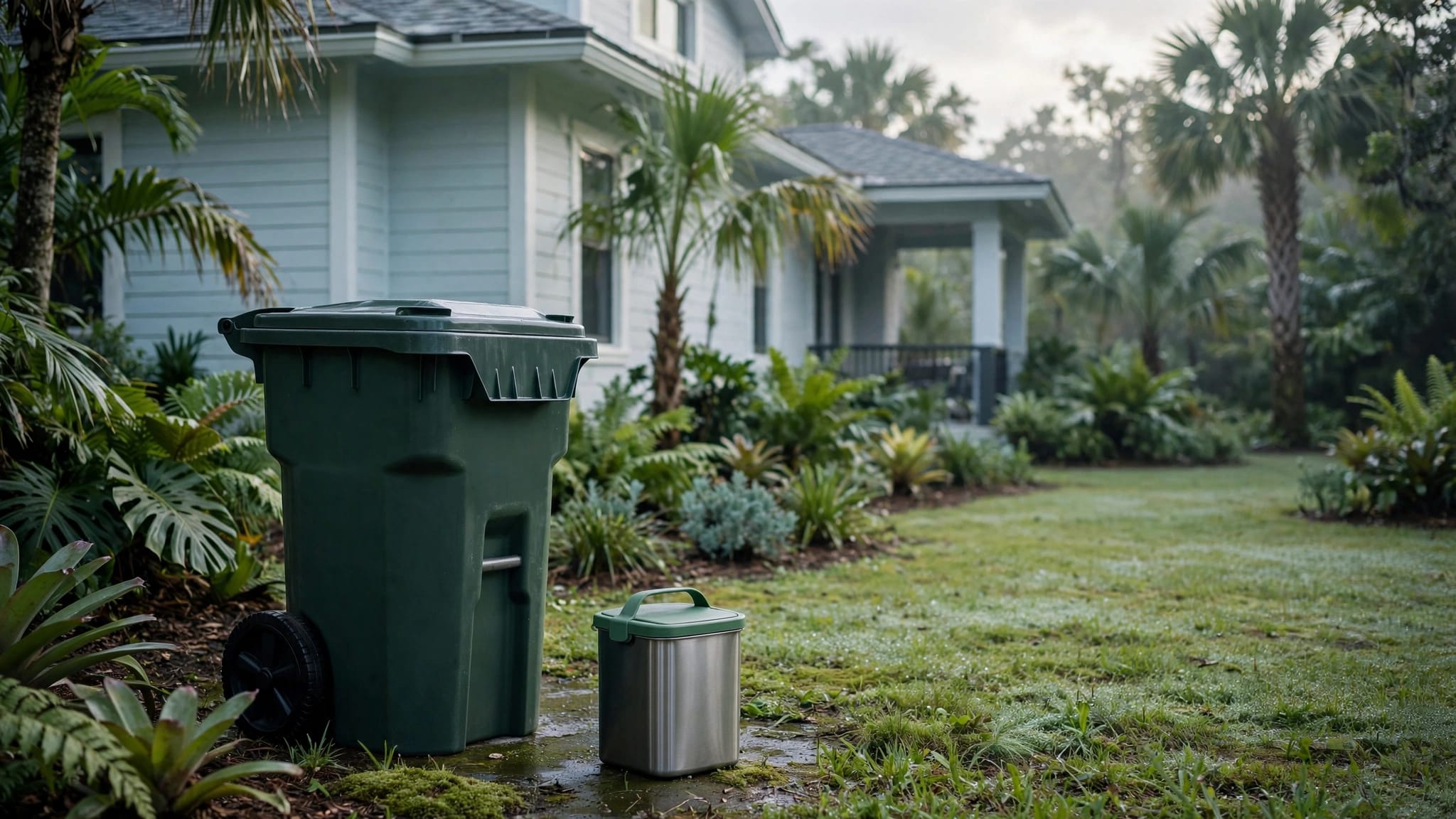
Use bins with fitted lids wherever food or packaging is discarded. Empty them on a dependable schedule, then clean residue from the inside and the floor around them. Outdoor dumpsters should stay closed, with waste kept inside rather than beside the container.
Find and remove water sources
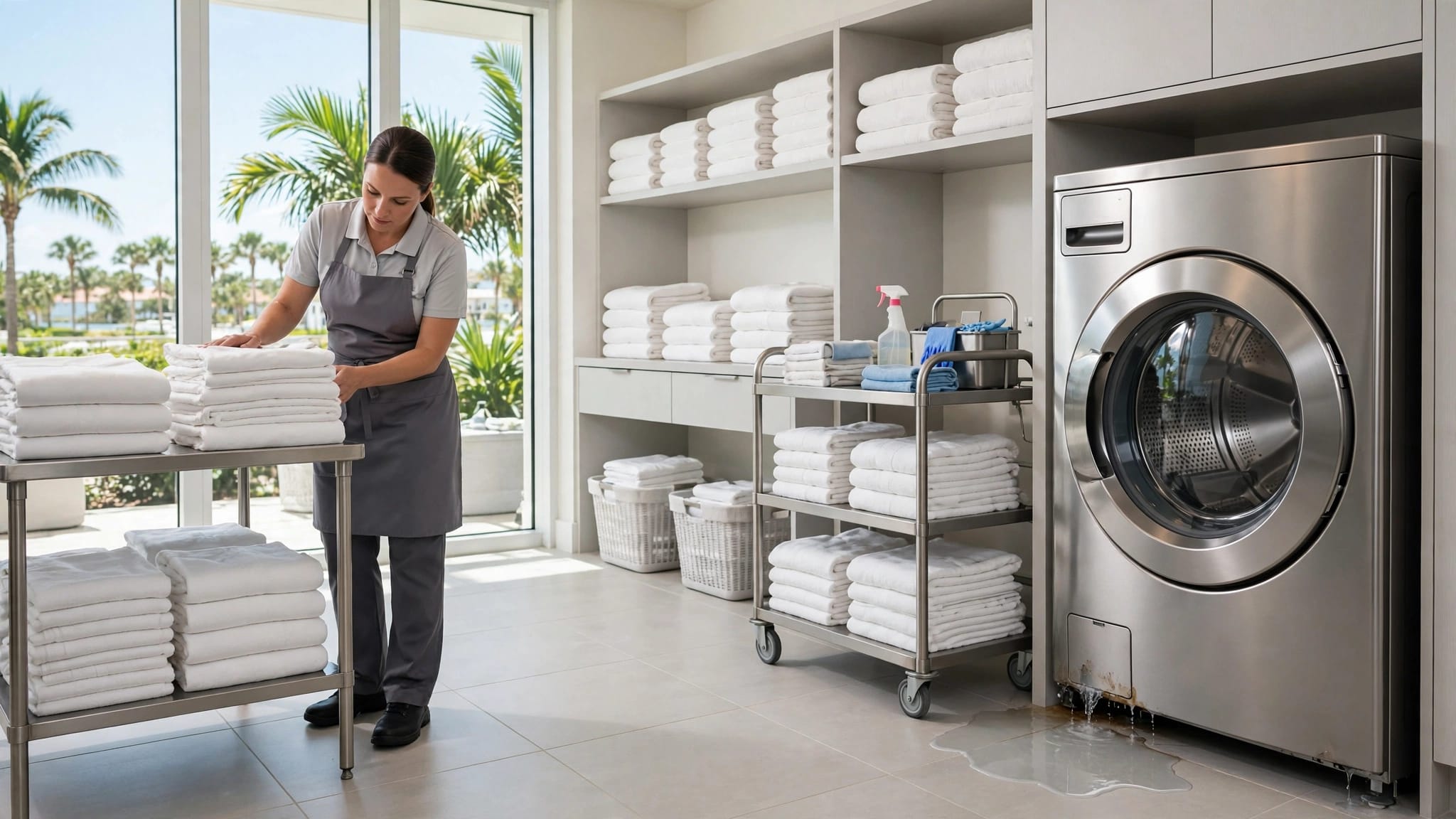
Inspect beneath sinks, around water fountains, near ice machines, and beside utility equipment. Look for leaks, condensation, drain problems, and water trapped in cleaning buckets. Dry the area and arrange repairs when moisture returns.
Outside, check that gutters and drains carry water away and that irrigation doesn't keep the building perimeter wet. Remove standing water from trays, buckets, and other containers. These steps also reduce outdoor conditions that can support mosquitoes.
Build a Monitoring Routine
Cleaning prevents many pest problems, but it doesn't replace inspection. A short, repeatable routine helps managers catch activity before it becomes a recurring issue.
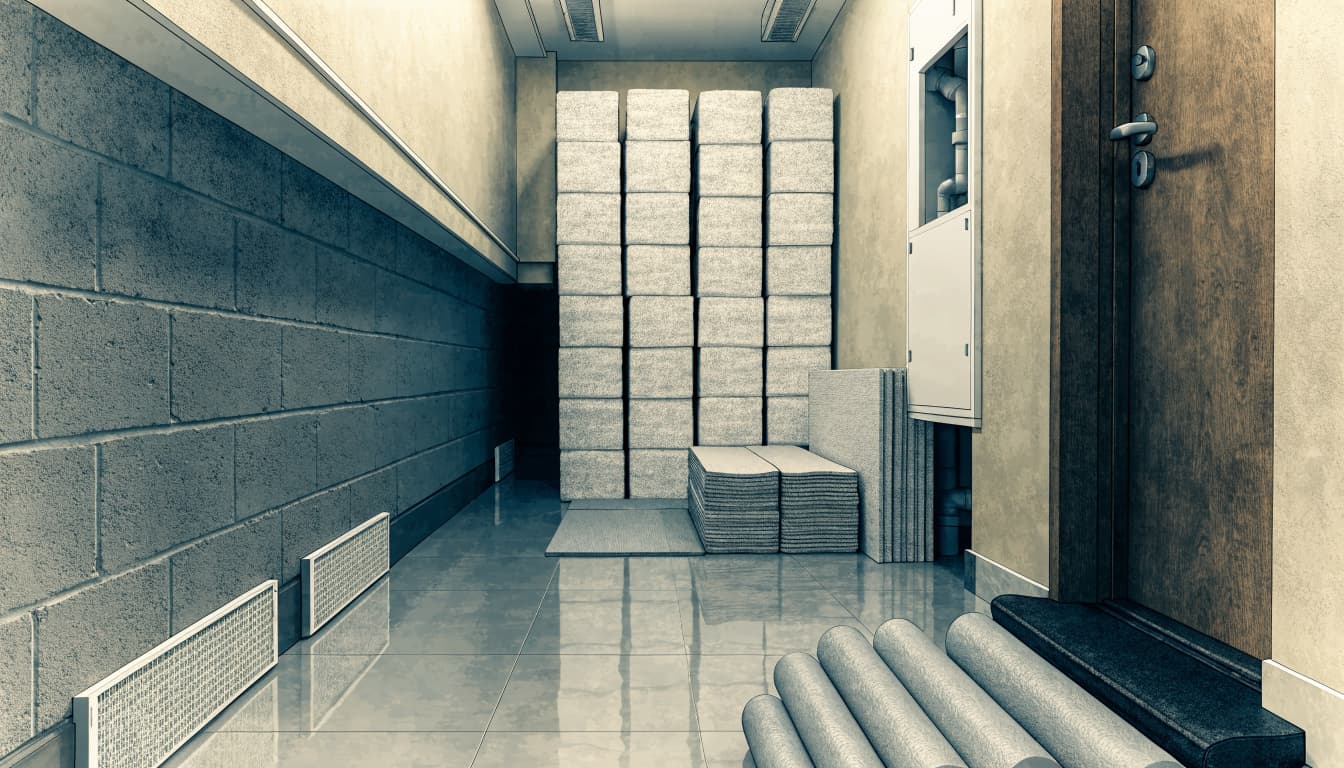
Inspect likely hiding and entry points
During daily opening or closing checks, staff can scan food areas, locker rooms, waste stations, and known leak locations. Look for live pests, droppings, gnaw marks, shed insect skins, damaged food packaging, and unusual odors. Record the location and date rather than relying on memory.
Once a week, inspect storage rooms, equipment closets, utility spaces, and exterior doors more closely. Check the wall-floor edges, pipe penetrations, door sweeps, and gaps around deliveries. Keep storage organized so staff can reach the perimeter and see signs of activity.
Use monitoring devices carefully
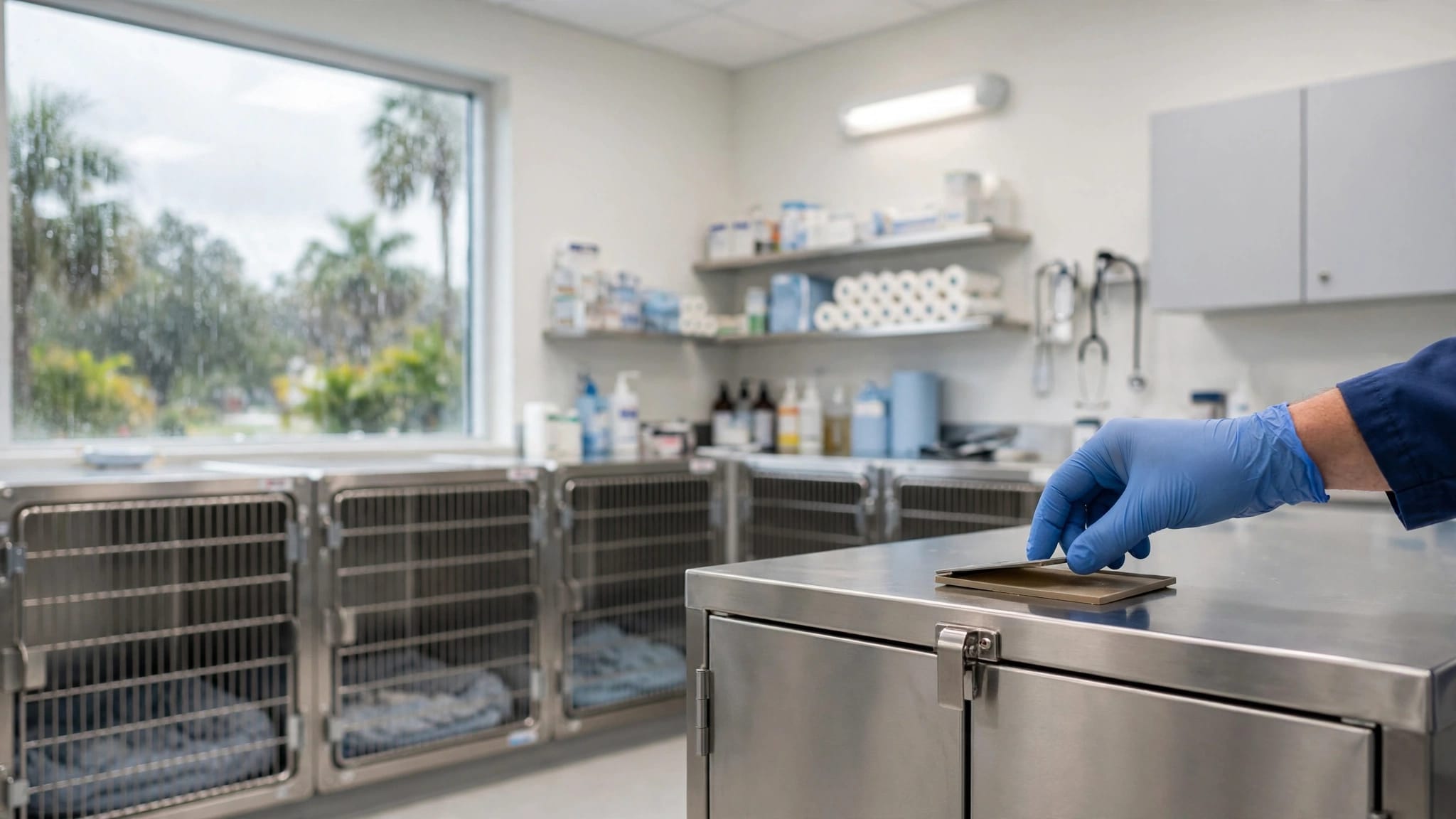
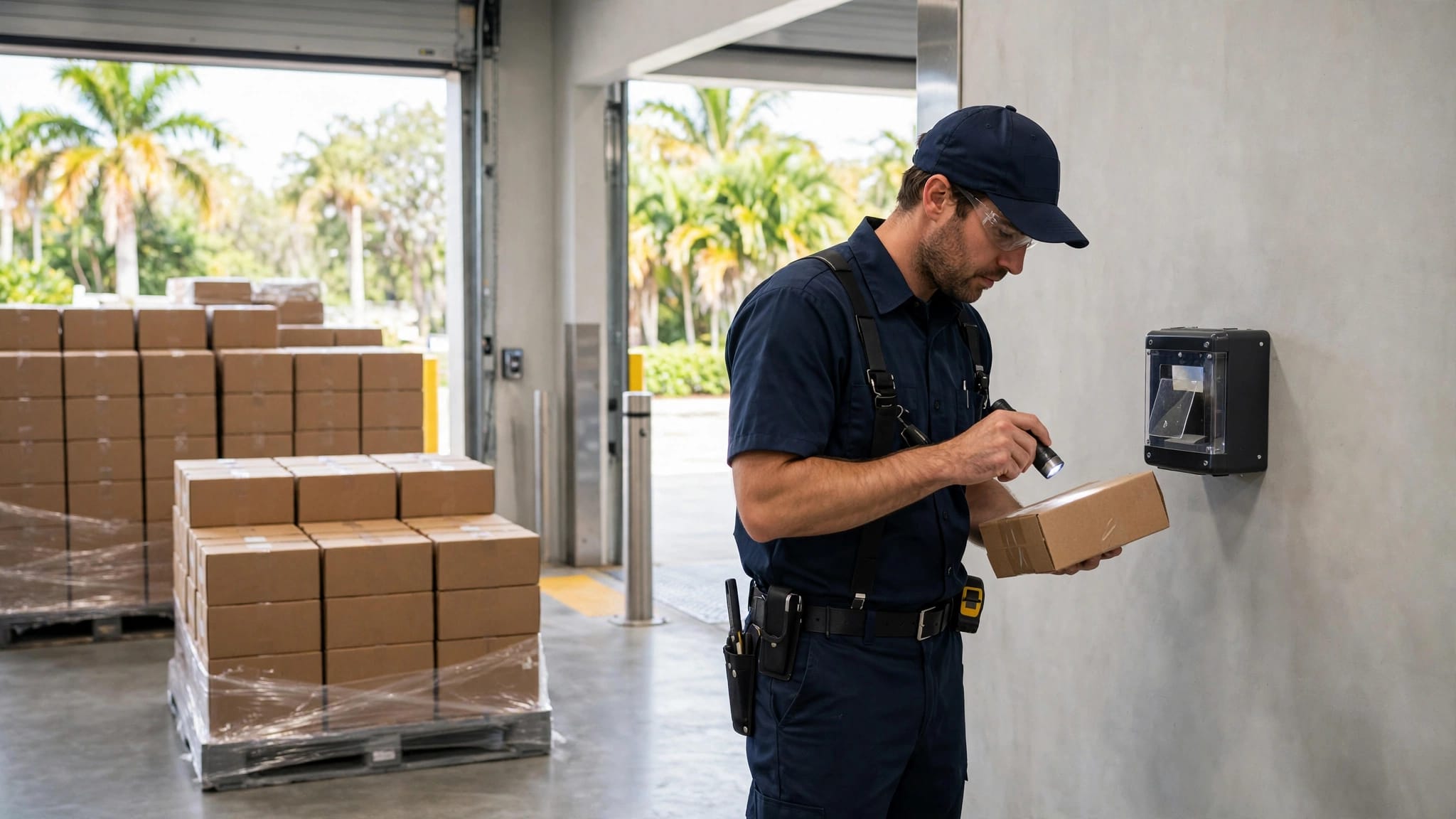
A pest professional can recommend monitoring devices and appropriate locations based on the building and the pest concern. Place devices where they won't create a trip hazard or come into contact with members, children, pets, or cleaning equipment. Label and record each device's location, then review it on a set schedule.
A device showing activity is a signal to investigate the nearby conditions and entry routes. It doesn't by itself explain how pests entered. Keep the record with maintenance notes so repeated findings can be compared over time.
A monitor is most useful when staff can identify its exact location and connect a finding to an inspection record.
Respond to Pest Sightings Without Creating New Risks
A sighting should prompt a calm, documented response. Staff shouldn't assume every pest requires the same treatment, and a quick spray can create additional exposure or obscure where the activity began.
Record the location and protect the area
Ask staff to note the date, time, exact location, and what they observed. If pests appear on or near exercise equipment, take that equipment out of use until it can be cleaned and assessed appropriately. Keep members away from any affected area while staff address immediate sanitation or maintenance issues.
Clean food residue and remove accessible waste, but avoid disturbing suspected nests or droppings without suitable procedures. Report leaks, damaged seals, and gaps to maintenance. Repeated sightings in one place deserve follow-up even if cleaning removes the visible evidence.
Avoid improvised pesticide use
Don't apply household sprays, foggers, or pest products around members, food-preparation surfaces, or fitness equipment as an improvised fix. Products have label directions for where and how they can be used. A trained professional can identify the pest and select a suitable approach for the location, while coordinating any treatment around facility use.
When to Call a Commercial Pest Professional
Contact a pest professional when sightings recur, evidence appears in multiple rooms, rodents leave droppings or gnaw marks, or staff can't identify an entry point. Bring the inspection notes and maintenance history. These details can help focus attention on the conditions and locations involved.
A commercial plan should account for the gym's operating hours and include member-facing and back-of-house areas. It should also address exterior access points, since pest activity can begin outside and move indoors. In Southwest Florida, our commercial pest control in Cape Coral covers interior areas such as break rooms, storage, bathrooms, and utility spaces, along with exterior pest prevention.
Before work begins, discuss the areas that need attention, how the facility should prepare, and any restrictions on access during treatment. Staff should understand which areas need to remain clear and when normal use can resume, based on the professional's instructions and product label directions.
FAQ About Gym Pest Prevention
Which pests are common in Southwest Florida gyms?
Ants, roaches, spiders, mosquitoes, termites, rats, and mice are among the pests reported at local commercial properties. A gym's food service, lockers, storage, plumbing, and exterior grounds can each present different conditions to inspect.
How often should staff inspect the facility?
A brief daily check works well for visible, high-use areas and known moisture problems. Set aside time each week for a closer inspection of storage spaces, utility rooms, exterior doors, and monitoring devices. Increase attention to an area when staff report repeat activity or a repair is pending.
Can gym staff spray a pest when they see it?
Staff should avoid reaching for a household pesticide as a quick fix. The product label sets where and how it can be applied, and a gym includes equipment, food areas, and member traffic that require careful coordination. Report the sighting, keep people away from the affected spot when needed, and arrange professional guidance.
Keep Prevention Consistent
A strong gym pest-prevention routine starts with everyday habits: clean food residue, manage waste, dry damp areas, and seal likely entry points. Regular checks turn isolated signs into useful information, especially when staff record where and when they see them.
Florida's climate keeps moisture and pest pressure on a gym's radar throughout the year. Consistent upkeep helps protect member-facing spaces while giving staff a clearer path to act when signs appear.
Schedule a Free Inspection: