Florida Pest Prevention for Assisted Living Facilities
A spotless dining room won't keep pests out if a delivery door stays open. Effective assisted living pest control combines daily prevention with professional inspection and treatment, always putting resident safety first.
Florida's warmth, humidity, and heavy rain make moisture control and building maintenance ongoing responsibilities. Meanwhile, shared kitchens, frequent deliveries, and resident belongings give pests several ways inside.
Start with a facility-wide routine that helps staff spot problems early without disrupting care.
Key Takeaways
- Give staff a clear reporting process, and assign someone to track repairs and professional follow-up.
- Reduce pest access by maintaining doors and screens, correcting moisture problems, and protecting food storage.
- Leave treatment decisions to qualified professionals, with written instructions coordinated around resident care.
Routine prevention belongs in everyday facility operations. Suspected infestations need professional assessment, especially when activity involves resident rooms, food preparation areas, or rodents.
Build a Resident-First Assisted Living Pest Control Plan
An integrated pest management approach combines inspection, prevention, monitoring, and targeted treatment when needed. In assisted living, that approach also needs clear communication between care staff, housekeeping, maintenance, and the pest control provider.
Make reporting easy across every shift
Choose a facility contact who receives pest reports and coordinates the response. Staff should record the location, time, and evidence, rather than guessing the pest or dismissing a single sighting.
A photograph can help identification when staff can take one without disturbing residents or handling the pest. Keep resident information private, and explain how families can report concerns.
Train employees to escalate activity in dining areas and resident rooms promptly. They shouldn't apply household sprays or move monitoring devices on their own.
Track corrections, not just sightings
Keep a shared log of sightings, technician findings, repairs, and follow-up dates. Record who owns each corrective task so a leaking pipe doesn't remain unresolved after treatment.
During rounds, housekeeping can check behind movable furniture while maintenance examines utility spaces. However, coordinate access with care staff and respect residents' privacy.
Review recurring locations with the technician. Repeated activity near one doorway can point to an entry problem that another pesticide application won't correct.
Close Entry Points Before Pests Get Inside
Exclusion means repairing openings that pests use to enter. It's routine prevention, but suspected rodent entry or concealed damage may require professional inspection before repairs.
Check the building perimeter
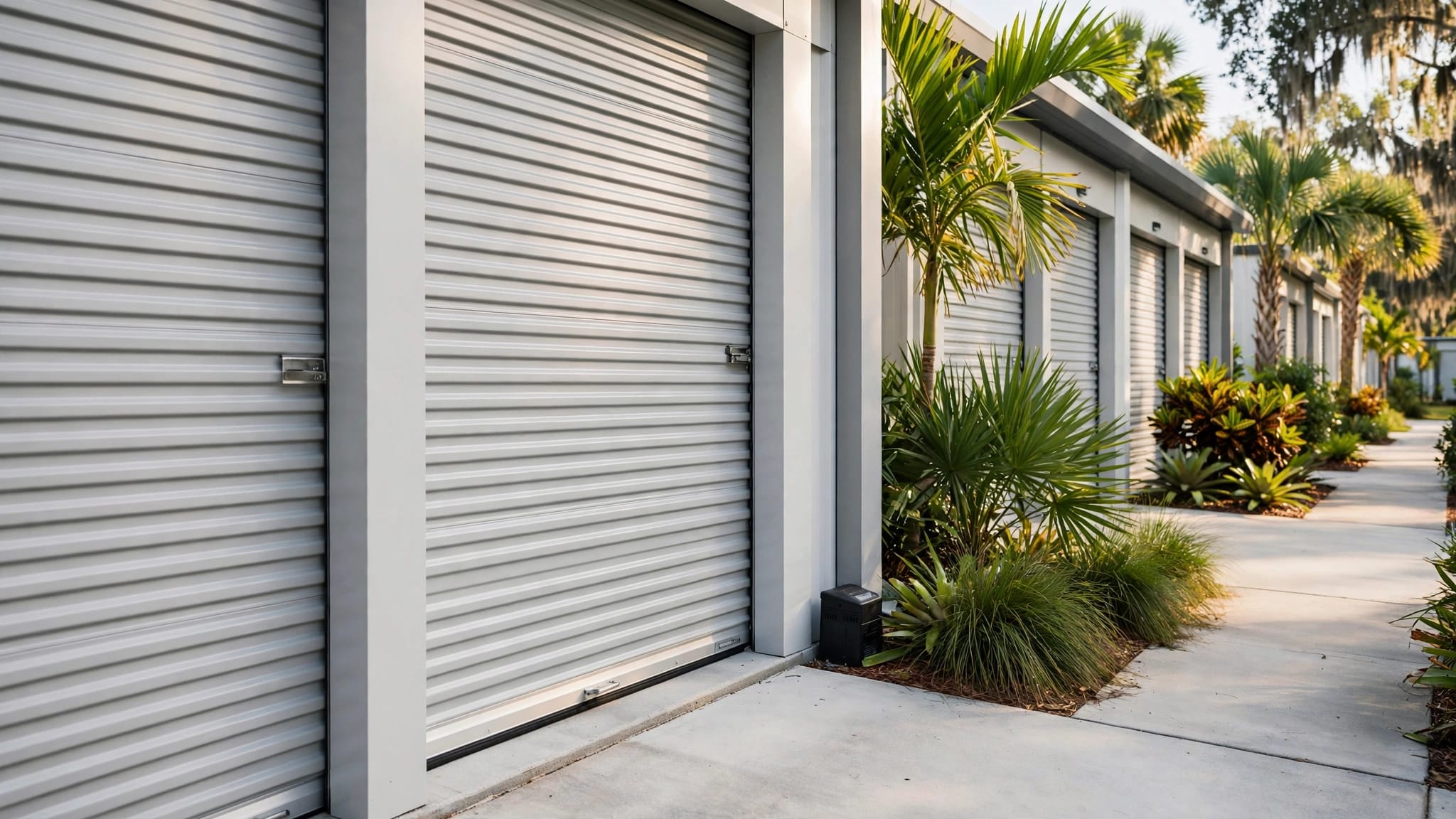
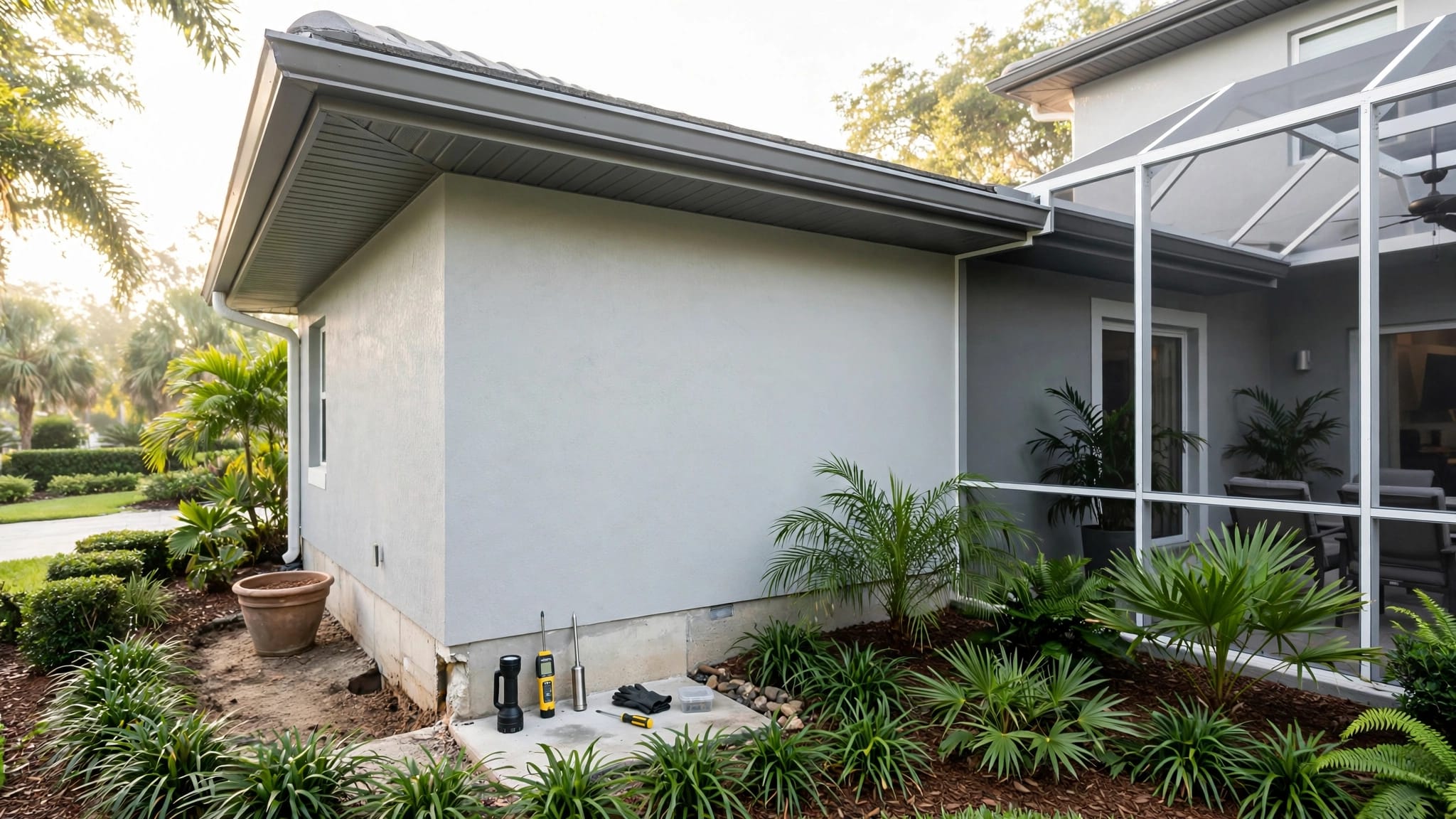
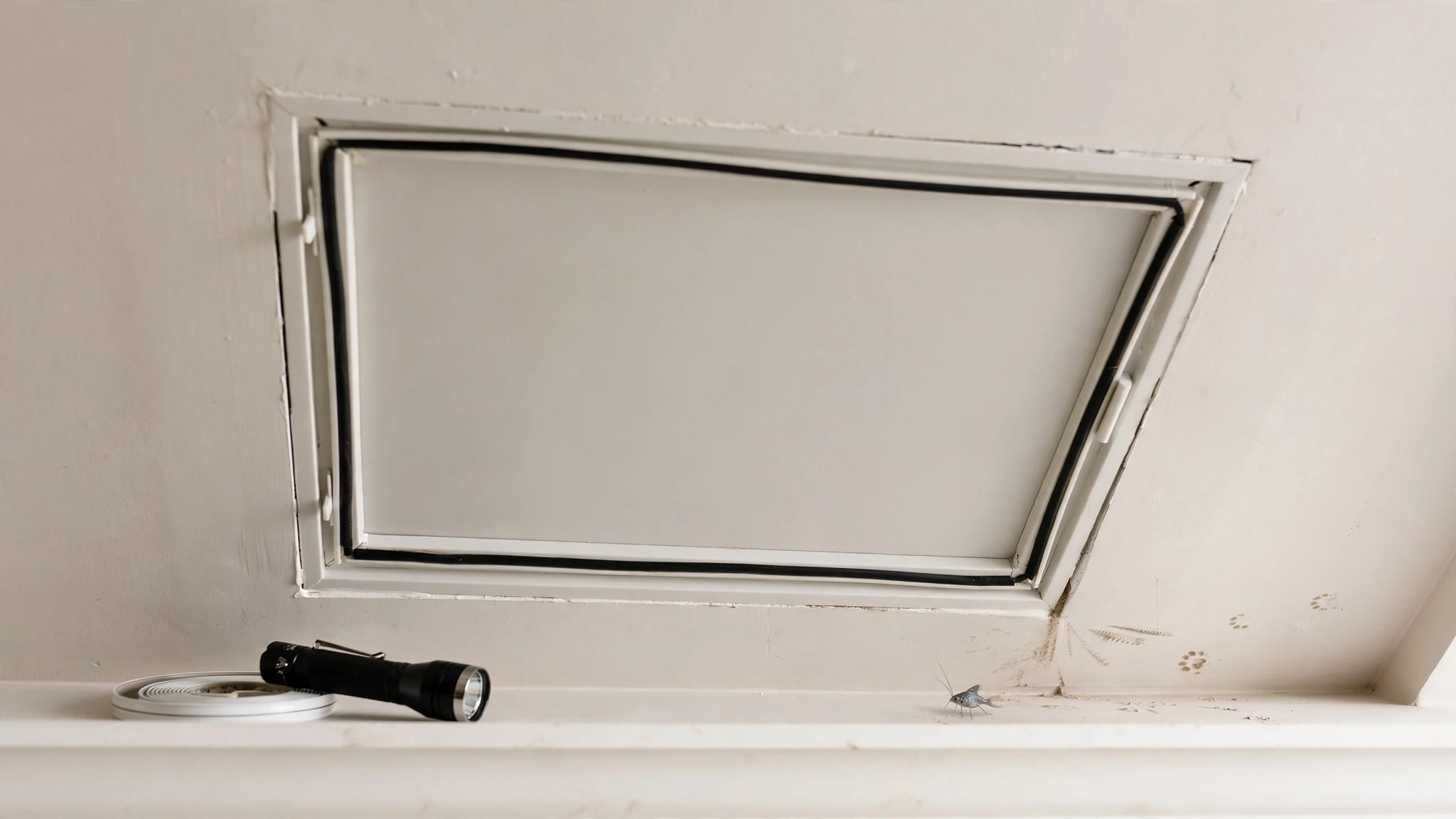
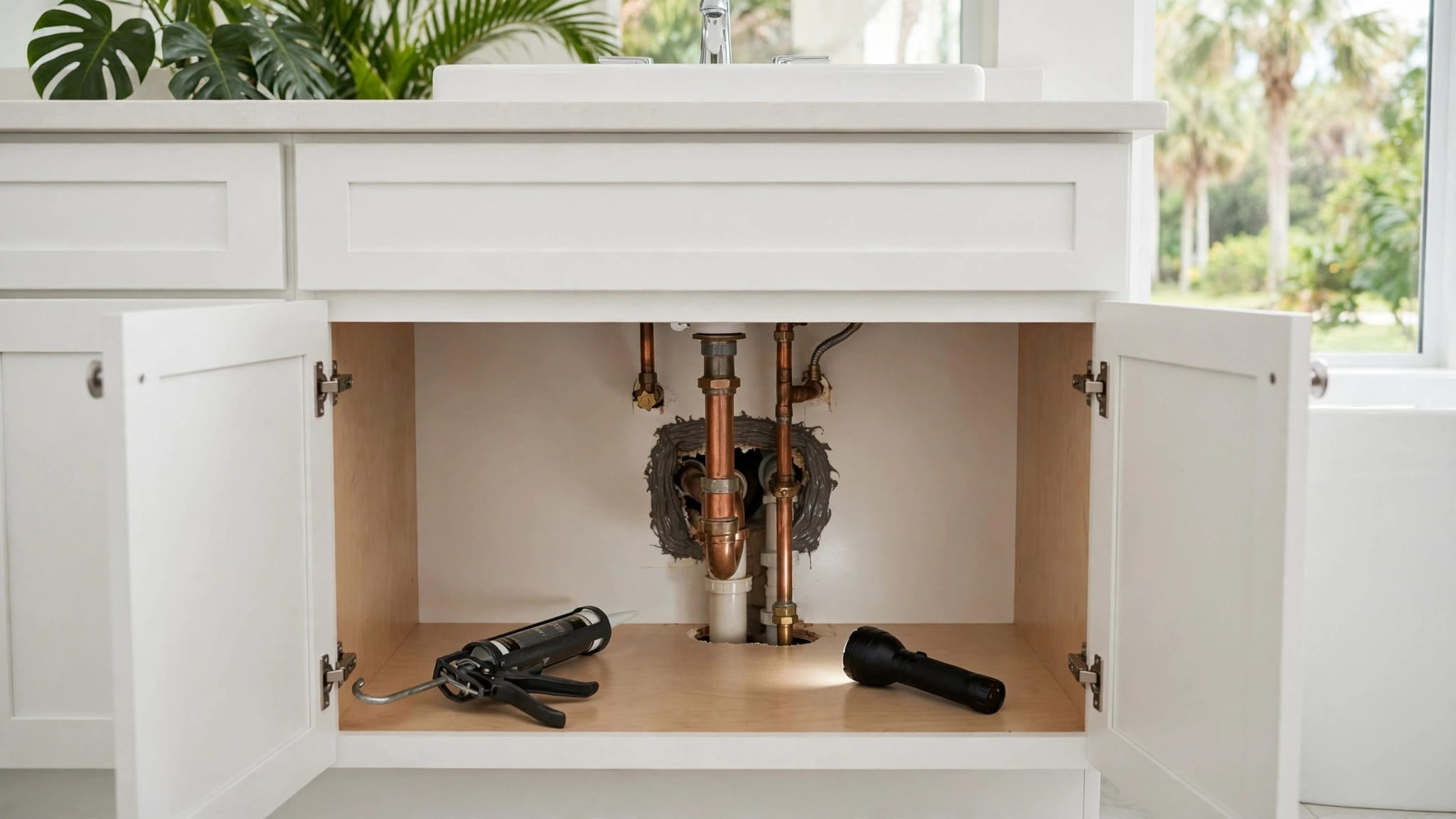
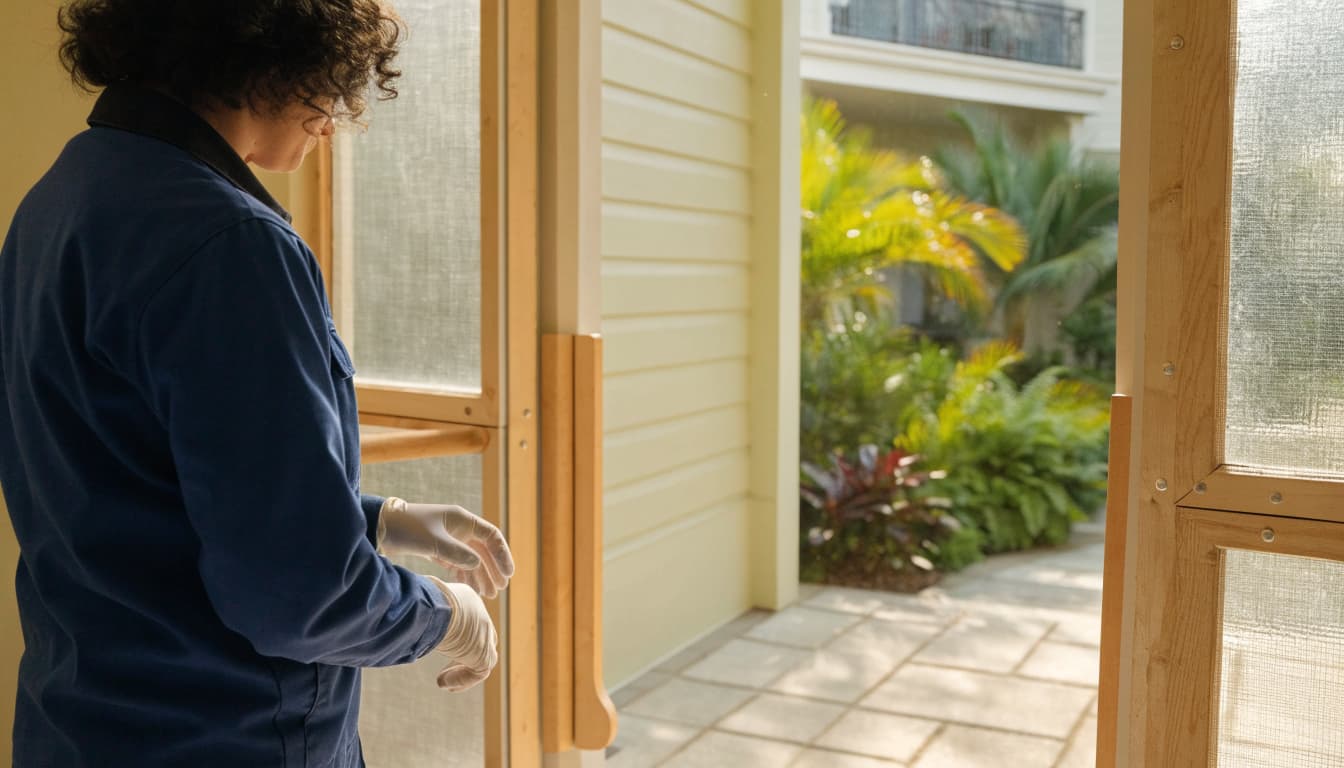
Inspect door sweeps, weatherstripping, window screens, and openings around plumbing or cables. Include loading areas, laundry entrances, mechanical rooms, and screened outdoor spaces.
Repair damaged screens and poorly fitting doors promptly. Use materials suited to the opening and building system; don't block ventilation, drainage, or required exits.
Because landscaping can conceal defects, keep wall edges accessible for inspection. Ask the technician to identify suspected rodent routes before maintenance closes them, particularly where animals could remain inside.
Control deliveries and movement between spaces
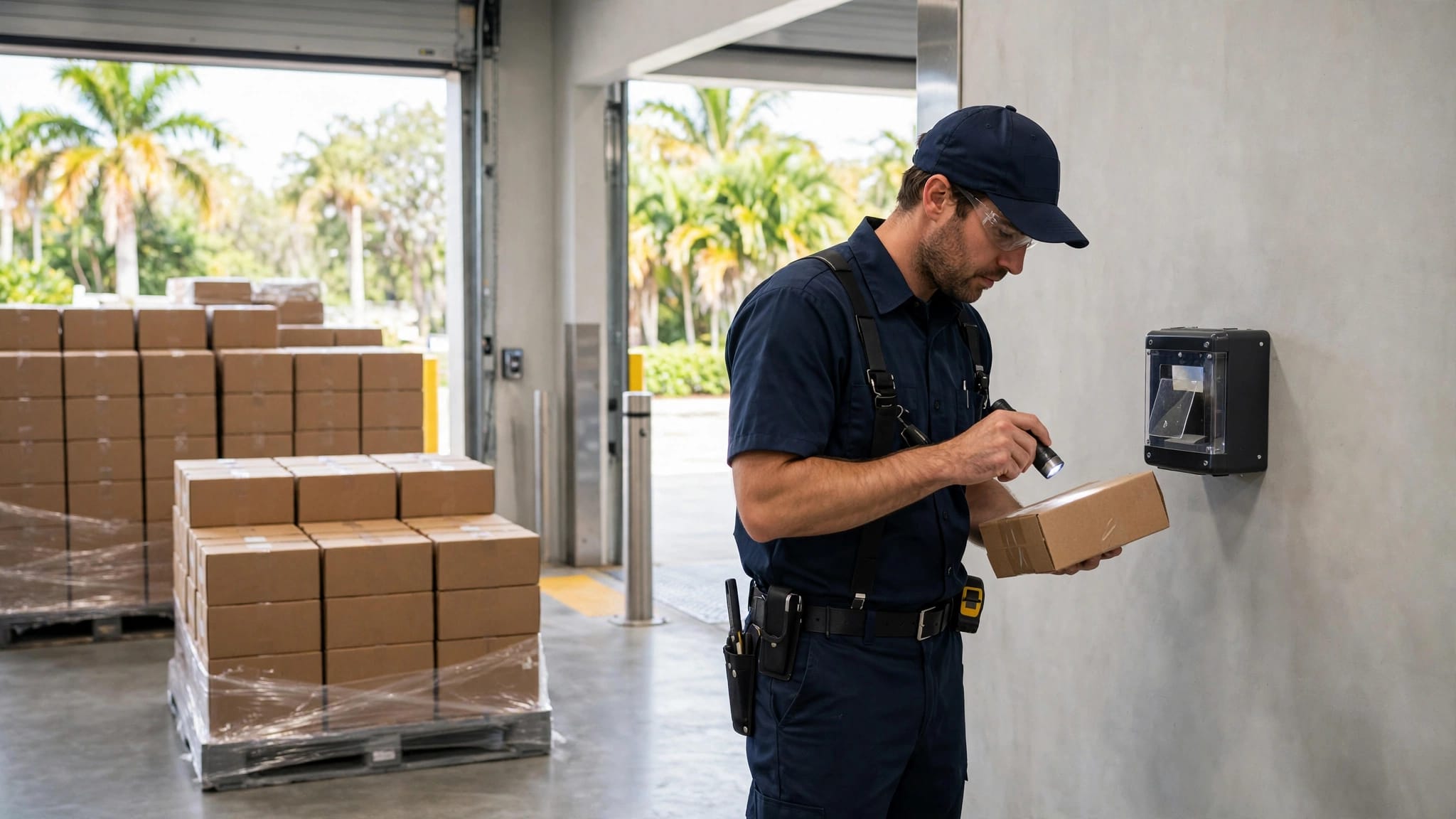
Keep receiving doors closed between deliveries, without interfering with accessibility or emergency egress. Staff should inspect incoming cartons for insects, droppings, or damage before storing them.
Remove unnecessary cardboard rather than allowing stacks to accumulate in kitchens or utility rooms. Also, inspect donated furniture and returned belongings through a documented process before placement.
Avoid moving items from a room with suspected pest activity into shared storage. That can complicate inspection and spread certain pests elsewhere.
Protect Kitchens, Snacks, and Resident Rooms
Food protection extends beyond the main kitchen. Resident snacks, spilled nutritional drinks, staff break rooms, and activity areas can attract ants or cockroaches.
Store food in closed containers, and clean spills promptly. Include appliance edges, cart wheels, shelving supports, and accessible spaces beneath equipment in cleaning routines. These areas can hold residue even when counters look clean.
Coordinate with residents and families about snack storage without taking away appropriate access to food. Residents who need assistance may also need help keeping bedside containers closed and removing used dishes.
Housekeeping should report persistent crumbs, moisture, or pest evidence so care staff can address the cause respectfully. Avoid blaming residents for infestations.
In food storage areas, check packages for damage and keep shelving accessible for inspection. Remove compromised food from use according to facility procedures.
Cockroach activity in a kitchen warrants professional identification and assessment. Staff can correct sanitation problems immediately, but they shouldn't spray food-contact surfaces or assume cleaning alone will resolve established activity.
Manage Moisture, Waste, and Landscaping
Florida rain and irrigation can create pest-friendly conditions around an otherwise well-maintained building. Inspect exterior areas after heavy rain and whenever staff report new activity near entrances.
Correct water problems at their source
Check plumbing leaks, air-conditioning condensate drainage, gutters, and areas that stay wet. Repair the cause rather than repeatedly drying the same floor or cabinet.
Outside, look for water collecting in plant saucers, unused containers, and drainage depressions. Keep irrigation directed away from walls and doorways.
Moisture-associated pests can enter during wet conditions. Shield's guidance on millipede prevention after heavy rain reinforces the importance of checking damp exterior areas and entry points.
Keep waste areas accessible and orderly
Use containers with well-fitting lids, clean spills around waste stations, and arrange collection before overflow becomes routine. Check service doors near dumpsters for gaps.
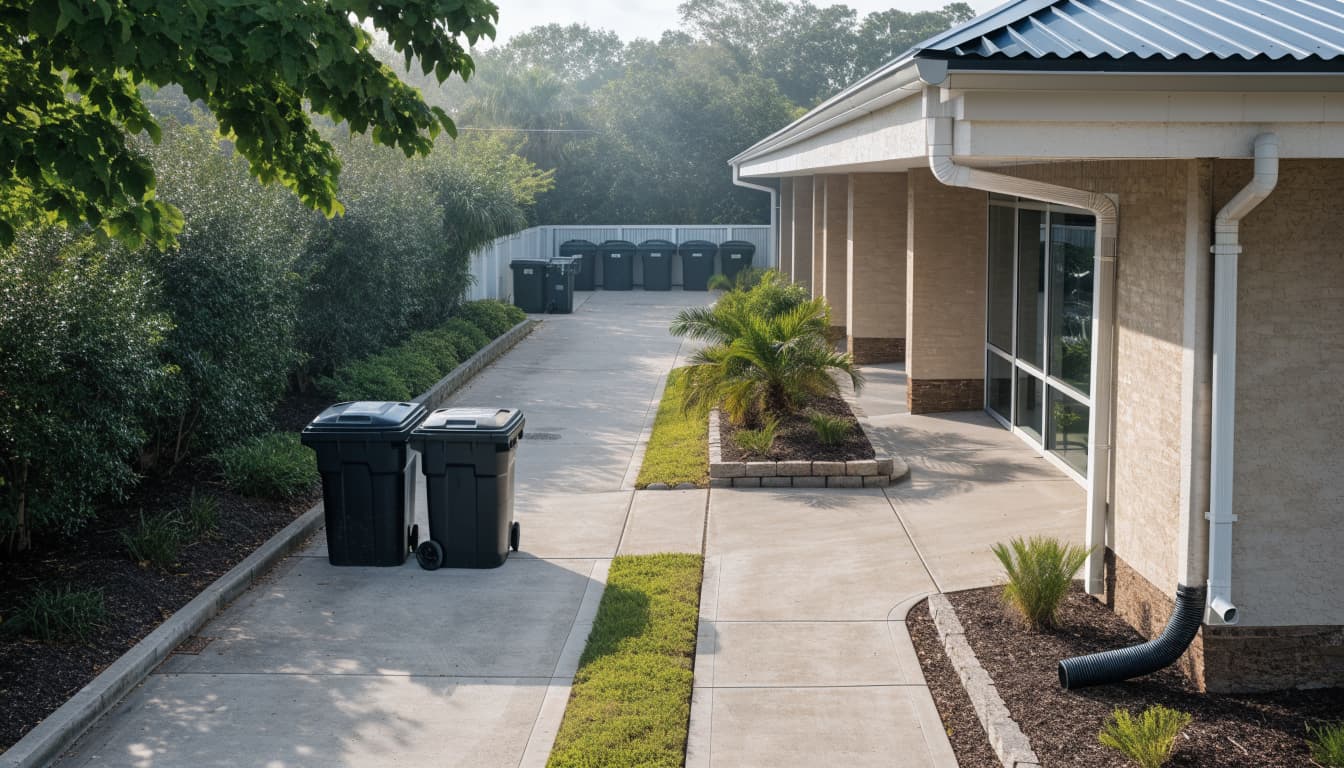
Trim vegetation away from building surfaces, and remove accumulated debris that conceals pest activity. Provide technician access to exterior walls rather than blocking them with planters or stored equipment.
Facilities near waterways should include service yards and waterfront edges in inspections. For recurring activity, rat prevention around dumpsters needs both waste management and professional evaluation.
Respond Promptly to Suspected Pest Activity
A sighting needs a calm, documented response. First protect residents and affected areas, then arrange identification and inspection rather than choosing treatment based on appearance alone.
Contain suspected bed bug activity
Bed bugs can arrive on belongings or furniture, and their presence doesn't establish poor housekeeping. Report suspected insects, dark spotting, or shed skins near beds and upholstered seating.
Bites alone don't confirm bed bugs. Ask a professional to inspect before treating or discarding furniture.
Don't move bedding, furniture, or other belongings through the facility without a containment plan. Follow professional instructions for bagging, laundering, room preparation, and nearby-room inspections.
Coordinated bed bug treatment and monitoring matters in shared buildings. Follow-up should check whether activity continues, rather than ending when the first treatment finishes.
Escalate rodents and concealed damage
Droppings, gnaw marks, damaged packaging, and repeated noises deserve prompt inspection. Keep residents away from affected areas, and don't dry-sweep or vacuum suspected rodent droppings.
Arrange appropriate cleanup procedures with qualified personnel. Meanwhile, the pest professional should assess entry points, nesting areas, and activity beyond the sighting location.
Don't place loose poison or exposed traps where residents can reach them. Device selection and placement belong in the professional plan.
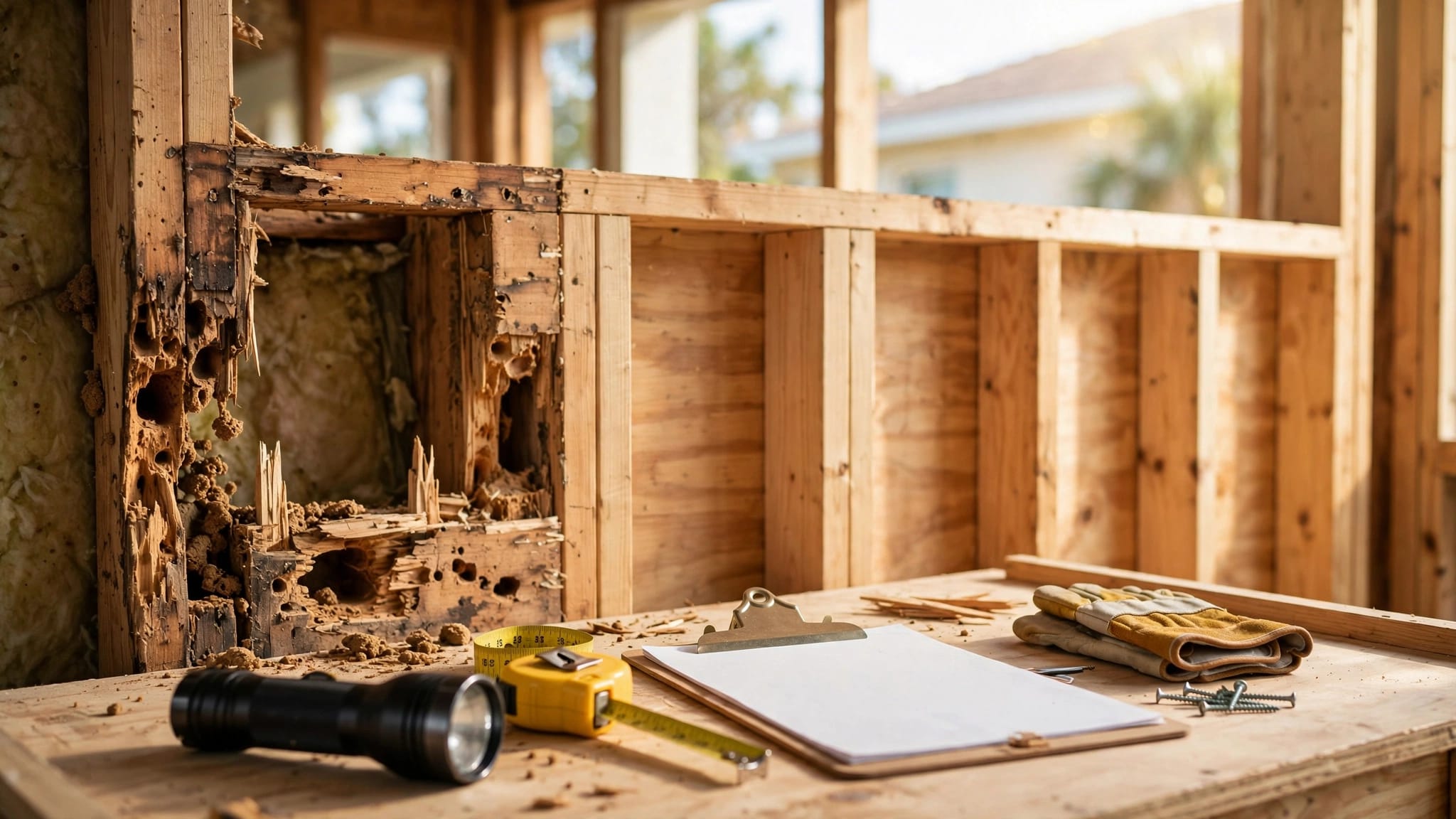
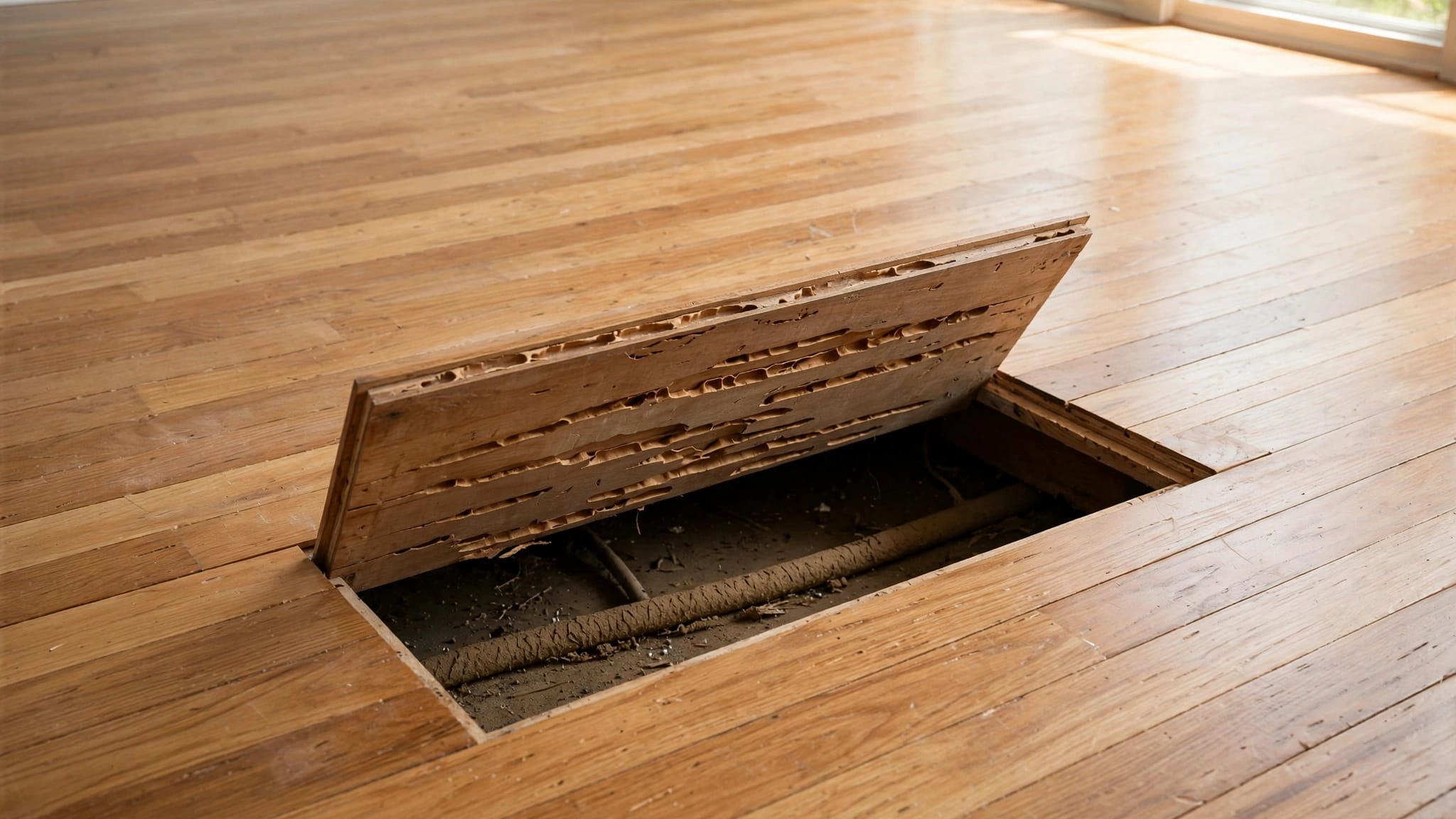
Also report suspected termite evidence, such as mud tubes or discarded wings. General pest service doesn't automatically include termite inspection or treatment.
Coordinate Professional Treatment Around Resident Care
Professional treatment starts with identification and inspection. The provider should explain the proposed method, application locations, preparation requirements, and follow-up before work begins.
Share resident needs before scheduling
Facility leadership and care staff should discuss relevant resident needs with the provider. That includes respiratory conditions, mobility limitations, cognitive impairment, and medical equipment in affected spaces.
Plan any temporary room changes carefully. If residents must leave an area, arrange assistance, supervision, and access to meals or medications through the care team.
Protect food, personal items, and equipment according to written instructions. Also coordinate access to locked utility rooms and screened patios so the technician can inspect the full treatment area.
Follow product-specific restrictions
Avoid blanket claims that a pesticide is harmless, even when a service uses targeted applications. Exposure depends on the product, placement, and whether staff follow its directions.
Ask for product names and applicable preparation and re-entry instructions. Follow label requirements and the provider's written directions.
An absent odor doesn't establish that a treated room is ready for re-entry. Follow the stated restrictions.
Keep staff and residents from touching or relocating bait stations and monitoring devices. Report damage or tampering promptly.
Choose a Florida Pest Control Provider With a Written Scope
Florida structural pest control falls under Chapter 482, Florida Statutes, and Chapter 5E-14, Florida Administrative Code. Verify the company's relevant credentials through the Florida Department of Agriculture and Consumer Services (FDACS).
Ask whether the provider has experience with occupied care settings. General Household Pest and Rodent Control, termite control, and fumigation are distinct credential categories, so confirm that the proposed work matches the provider's qualifications.
Request a written scope covering inspection areas, target pests, service frequency, emergency response, and follow-up. The estimate should also identify exclusions and explain how additional work gets approved.
Compare quotes by scope rather than price alone. Rodent exclusion, bed bug treatment, and termite work may require separate estimates.
Shield Home & Pest Control offers free inspections and estimates across Southwest Florida. Its commercial pest control services provide a starting point for discussing a facility-specific plan.
Separately, confirm current assisted-living requirements with the Agency for Health Care Administration (AHCA). A pest service agreement doesn't establish facility compliance.
Frequently Asked Questions
How often should an assisted living facility receive pest service?
Set the schedule after an inspection of pest activity, building conditions, and operational risks. Regular monitoring may need more frequent follow-up during an active problem. Daily prevention continues between professional visits.
Ask the provider to explain how findings will change the schedule, rather than accepting a fixed frequency without an assessment.
Can facility employees handle treatment themselves?
Staff should focus on reporting, cleaning, moisture correction, and approved maintenance tasks. Refer suspected infestations and pesticide decisions to the qualified provider.
Don't assume a retail product is appropriate for resident rooms or commercial kitchens. Any application needs to meet the product's directions and applicable requirements.
Keep Prevention Connected to Resident Care
Assisted living pest control works best when staff close entry points, remove pest resources, and report activity promptly. Professional treatment then addresses identified problems with a documented plan.
Keep resident safety at the center of scheduling, preparation, and follow-up. A clean dining room is only one part of protection; consistent maintenance and clear responsibility keep the whole facility better prepared.
Schedule a Free Inspection: