Millipedes In Cape Coral After Heavy Rain How To Stop Them
If you live in Cape Coral, you already know what happens after a hard rain. The yard stays damp, the air feels thick, and suddenly you spot a few "hundred-leggers" along the lanai or garage wall. Millipedes in Cape Coral are usually harmless, but they can become a real nuisance fast.
The good news is that millipedes don't want to live inside your home. Most can't survive long indoors because the air is too dry. The bad news is that when they wander in, they can leave an odor and may stain surfaces if crushed.
This guide focuses on Integrated Pest Management (IPM). That means quick relief now, plus smart changes that reduce the next surge after storms.
Why millipedes show up after heavy rain in Cape Coral
 Photo by THAI THIEN
Millipedes are outdoor decomposers. Think of them like little cleanup crews that recycle mulch, leaves, and dead plant material. They need moisture to avoid drying out, so they hide in shaded, damp spots like mulch beds, palm fronds, leaf piles, and under pavers.
After heavy rain, two things happen:
First, their hiding places can flood. Water fills the air gaps in mulch and soil, so millipedes move upward and outward looking for breathable spaces. That's why you'll see them on walls, pool decks, and sidewalks.
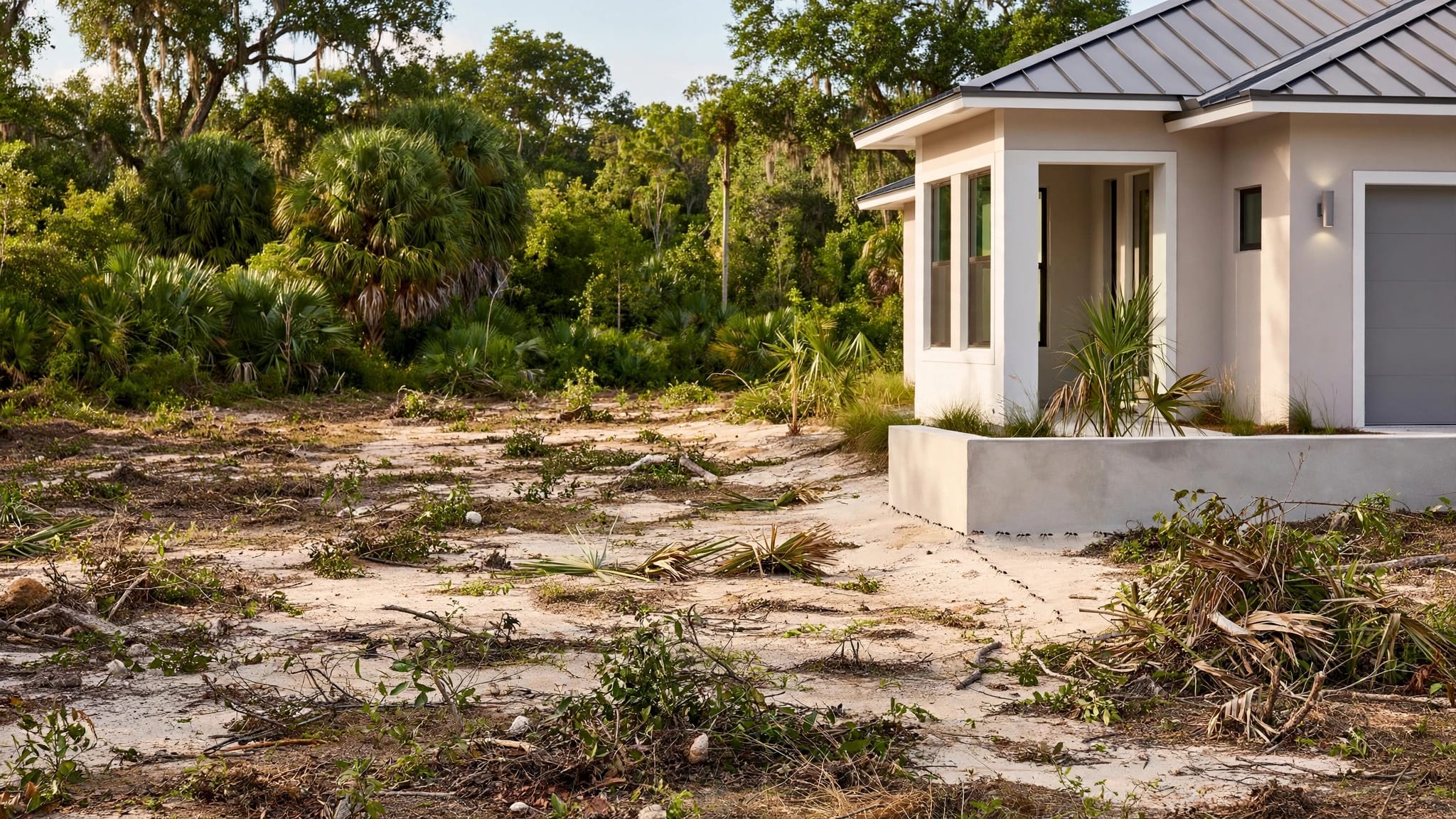
Next, they follow moisture and shelter toward your house. In Southwest Florida, homes often have ideal "welcome mats" near the foundation, including thick mulch, wet leaf litter, and shaded landscaping. Add a tiny gap under a garage door, and you've got a direct path inside.
Cape Coral's sandy soils also play a role. Sand drains quickly, but it can still hold pockets of moisture under mulch and decorative rock. In addition, irrigation can keep those areas wet even when the rain stops, which extends the problem for days.
If you're seeing lots of millipedes indoors, it usually points to outdoor moisture and organic debris near the home, not an indoor infestation.
It's also easy to confuse millipedes with centipedes. Millipedes are slower, more rounded, and tend to curl up. Centipedes move fast and can bite. Correct ID matters because the control plan changes.
Your 24 to 48 hour action plan after a storm (quick relief that works)
When millipedes surge right after a downpour, speed matters. At the same time, don't reach for random sprays. Start with the basics that remove them safely and cut off easy entry.
Here's a practical storm-after checklist you can finish in one evening and the next morning:
- Vacuum or sweep them up first. Use a shop vac for garages and lanais. Avoid crushing them on porous surfaces because stains and odor are more likely.
- Dry the perimeter. Open the garage briefly to remove humid air, then close it. Run fans in the garage or laundry area if those spaces feel damp.
- Check door bottoms and thresholds. A worn sweep is like leaving a window cracked. Pay extra attention to garage corners and lanai sliders.
- Reduce outdoor lighting at night. Lights can attract other insects, which can increase "activity" around entry points. That extra movement doesn't help.
- Pull back wet debris. Rake soggy leaves, palm bits, and grass clippings away from the foundation so the first 12 inches around the home can dry.
Use this quick table to focus your inspection on the spots that cause most indoor sightings:
| Common entry spot | What to look for today | Fast fix |
|---|---|---|
| Garage door corners | Light visible at the bottom | Replace/adjust door seal |
| Sliding lanai doors | Gritty track, gaps, worn pile weatherstrip | Clean track, replace worn strip |
| Front door threshold | Loose threshold, cracked caulk | Re-caulk or adjust threshold |
| Weep holes and block gaps | Debris packed in holes | Clear debris, don't plug permanently |
| Plumbing/AC line penetrations | Gaps around pipes | Seal with appropriate caulk/foam |
If you want to use a product, keep it IPM-friendly. Spot-treat cracks and crevices according to the label, and focus on exterior entry points rather than fogging rooms. Broad indoor spraying rarely solves millipedes because they don't feed on your pantry or fabrics.
Also, skip "more water." It's tempting to hose them away, but soaking the foundation area can keep the migration going.
A longer-term rainy season prevention plan (IPM for millipedes)
Stopping millipedes long term in Cape Coral comes down to moisture control, habitat changes, and exclusion. You're trying to make the area right next to your house less inviting, like removing shade and snacks from a porch where stray cats keep showing up.
Start with landscaping and yard habits that fit Florida conditions:
- Keep mulch 2 to 3 inches deep. Deeper mulch holds moisture and becomes prime habitat.
- Create a dry buffer near the foundation. Pull mulch and leaves back 6 to 12 inches from exterior walls when possible.
- Clean up organic buildup weekly in rainy months. Leaf litter tucked behind shrubs stays wet and feeds decomposers.
- Water smarter. Fix mis-aimed sprinklers and avoid watering late in the evening. The goal is for surfaces to dry before night.
- Improve drainage in low spots. In sandy soils, small grading changes can still prevent water from pooling near the slab.
- Store items off the floor in the garage. Cardboard and clutter hold humidity, which makes millipedes linger longer.
Exclusion is the next big win. Once you seal and maintain the "envelope" of the home, you'll see fewer surprise visitors after storms. Check weatherstripping each spring, and look closely at lanai and garage thresholds since those areas take a beating from sun and rain.
Finally, consider a targeted exterior barrier treatment applied per label, aimed at cracks, expansion joints, and likely entry points. This works best after you've reduced moisture and debris, otherwise millipedes keep breeding comfortably outdoors and more will replace the ones you stop.
For homeowners who like to read local science-based guidance, UF/IFAS Extension has solid information on millipedes and other moisture pests, including why they're common around homes and how habitat changes help.
When it's time to call a pro (and what to expect)
Sometimes the numbers are just too high, especially after back-to-back storms. If you're vacuuming daily, seeing them in multiple rooms, or noticing gaps you can't easily fix, a professional inspection can save time and frustration.
A good millipede plan should include:
- A detailed exterior inspection for moisture, mulch contact, and entry points
- Practical recommendations you can actually follow (not just "spray more")
- Targeted treatments focused on exterior harborage and entry areas
- Advice that fits Cape Coral conditions, including drainage and irrigation patterns
Millipedes aren't dangerous in the way termites or roaches are. Still, the stress is real when they keep showing up. Getting control often means tightening up the exterior and changing a few yard habits, then using treatments only where they count.
Bottom line
Millipedes after heavy rain are a common Cape Coral problem, and it doesn't mean your home is "infested." Start with the 24 to 48 hour cleanup and exclusion steps, then shift to moisture and mulch management for rainy season. With the right IPM approach, you can keep millipedes outside where they belong, and get your lanai and garage back to normal.
Schedule a Free Inspection: