Keep Rodents Out of Florida RVs During Summer Storage
An RV left unused through a Florida summer can offer rodents shelter, nesting material, and food crumbs. Effective rodent prevention for RVs combines three steps: remove attractants, close entry points, and use deterrents only as backup.
Heat, humidity, heavy rain, and long storage periods make preparation especially important in Southwest Florida. A careful inspection before storage, followed by safe checks after storms, can catch problems before they grow.
Why summer storage can attract rodents
Food and shelter are easy to miss
A few crumbs beneath a dinette or a forgotten bag of pet food can attract pests. Cardboard, paper towels, and fabric also provide material for nesting. Once inside, rodents may hide in cabinets, storage bays, or other sheltered spaces.
Even a clean RV can have access points around vents, utility lines, or damaged screens. So, removing food helps, but it won't solve an entry problem by itself.
Florida weather adds pressure
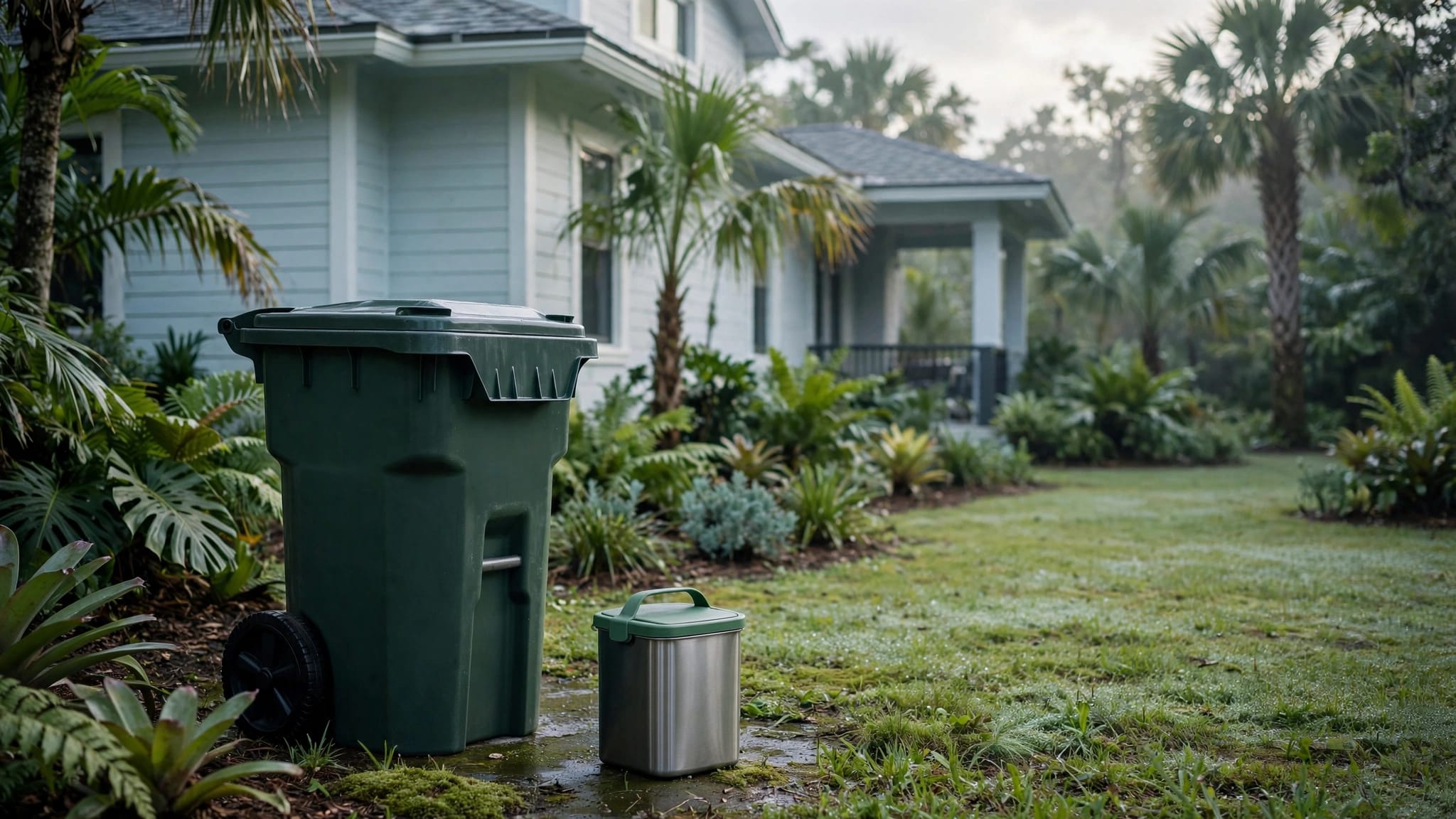
Southwest Florida's hot, humid summers bring frequent rain and storms. When outdoor areas get wet, an RV's dry interior can offer shelter. Dense plants, fallen fruit, birdseed, and open trash containers near the parking spot can also draw rodents close.
Long storage gives you fewer chances to notice fresh droppings, gnaw marks, or disturbed materials. Plan for a check before departure and periodic inspections during storage, especially after severe weather.
Inspect the RV before putting it away
Look for signs and likely routes
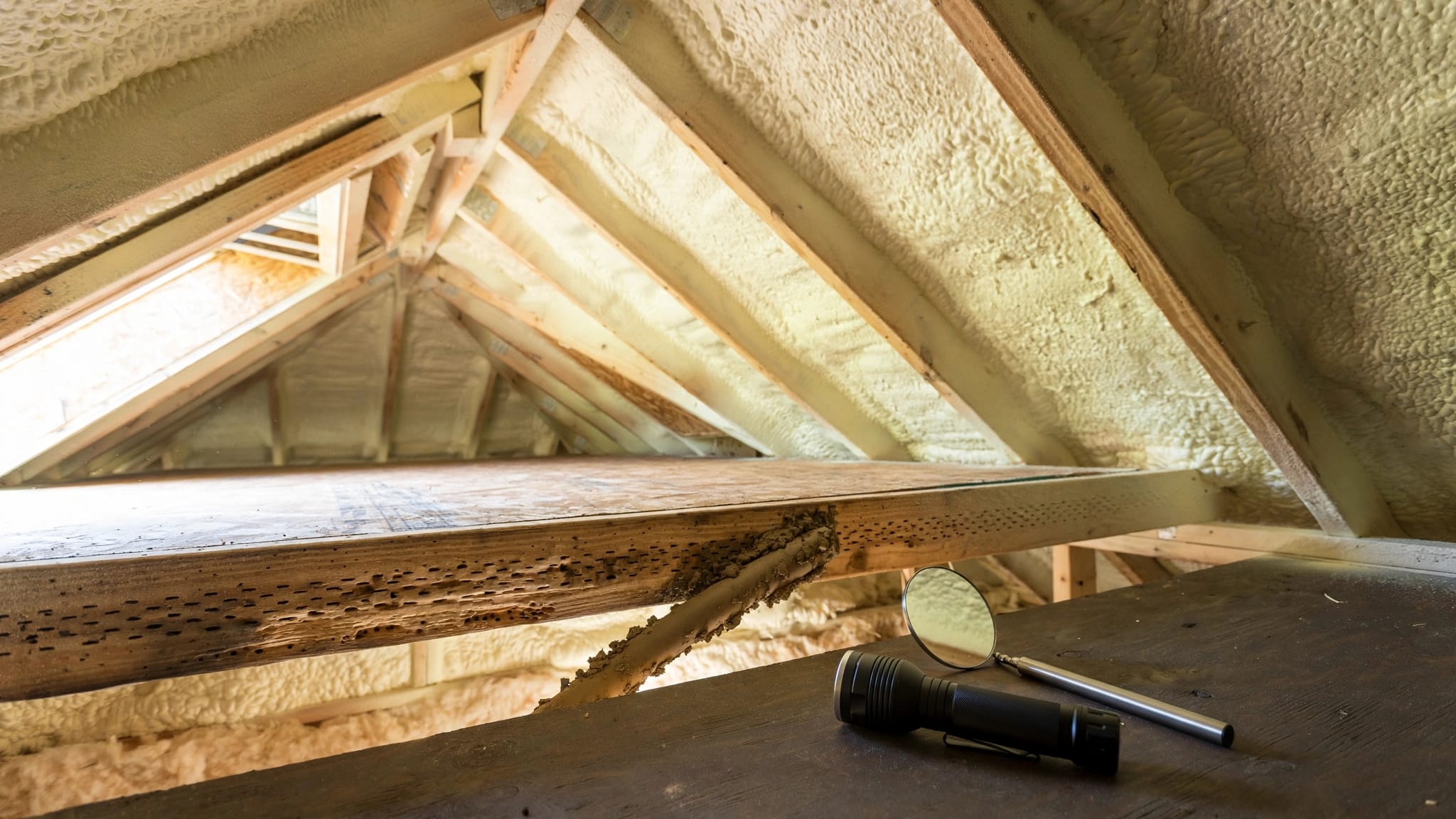
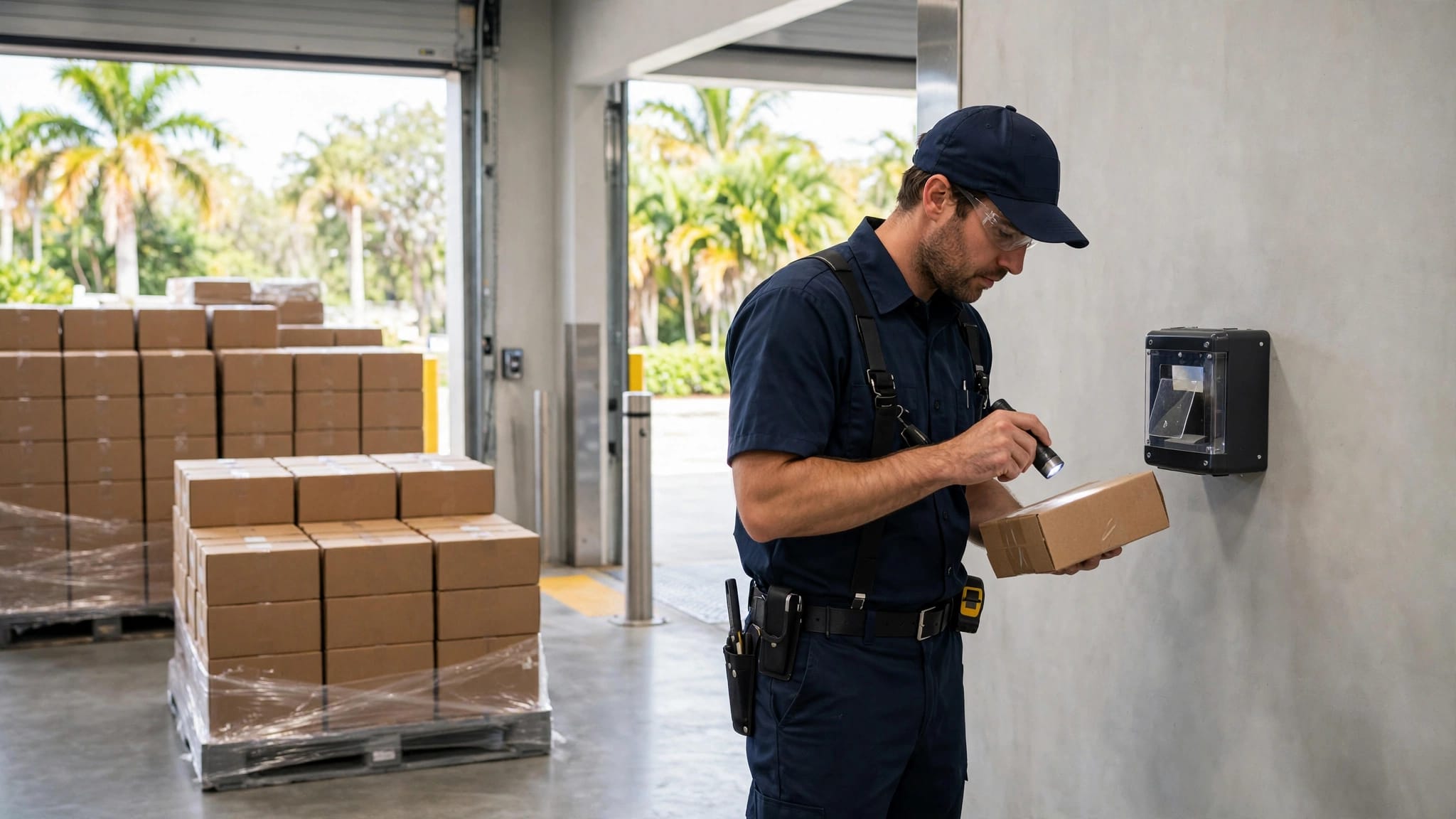
Start inside and outside, checking the galley, cabinets, storage compartments, and the area beneath the vehicle. Look for droppings, chewed material, rub marks, nesting debris, or openings around utility connections. Rodents often travel along edges, so inspect corners and the perimeter carefully.
Also check door seals, vent screens, access panels, and the points where cables or pipes enter. This guide to finding rodent entry points covers common routes around buildings, several of which may help you spot vulnerable areas near an RV.
Address activity before sealing
If you find fresh signs, don't seal every opening immediately. A rodent could be left inside, where it may cause further damage or die in an inaccessible space. First identify whether there's active activity and arrange safe removal. Then close openings without blocking necessary airflow or access to service components.
If you find chewed wiring, damaged electrical parts, or signs inside an appliance compartment, avoid reaching into the area. Have a qualified RV technician assess the damage.
Remove food and nesting materials
Clean the galley and secure dry goods
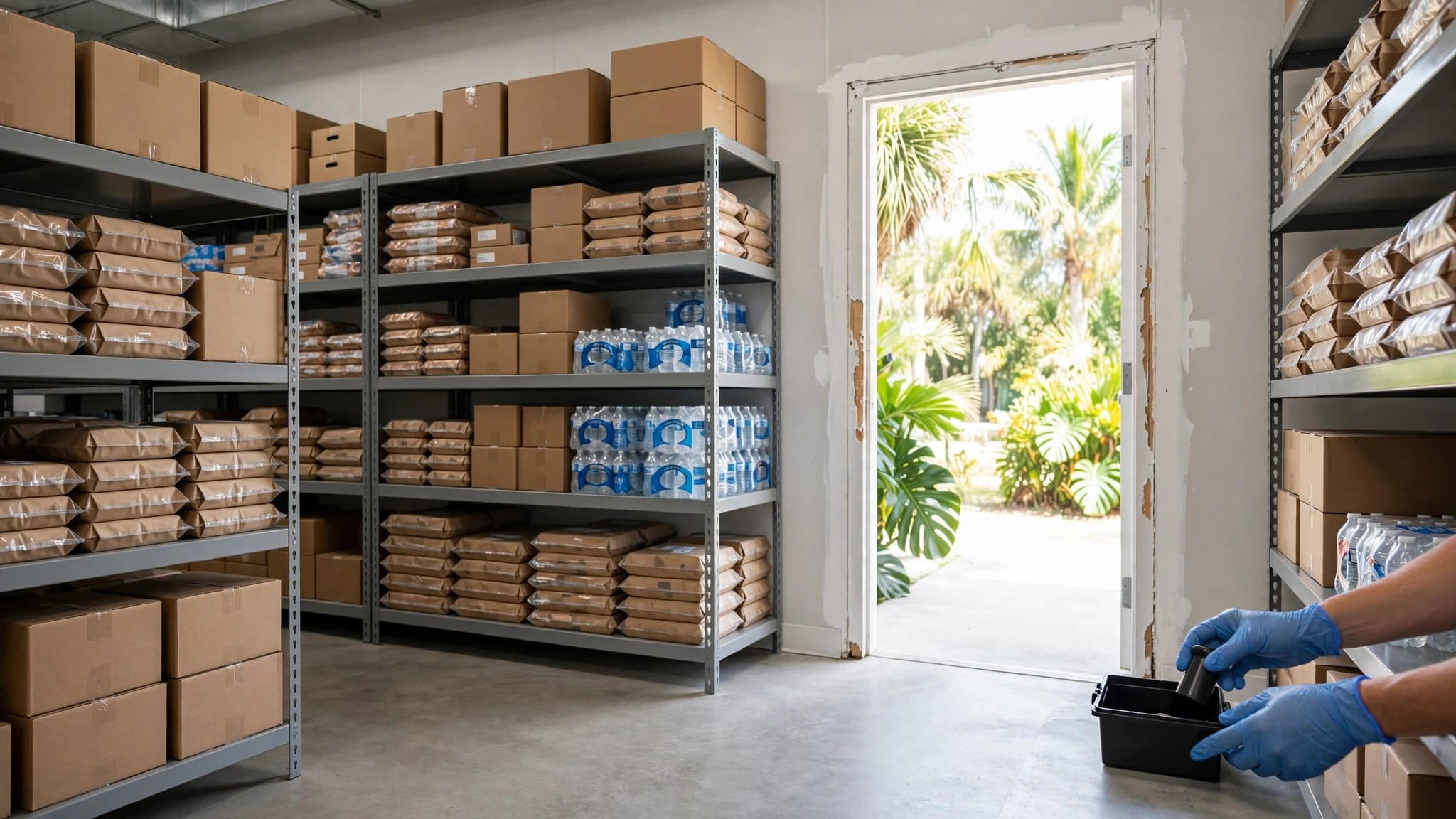
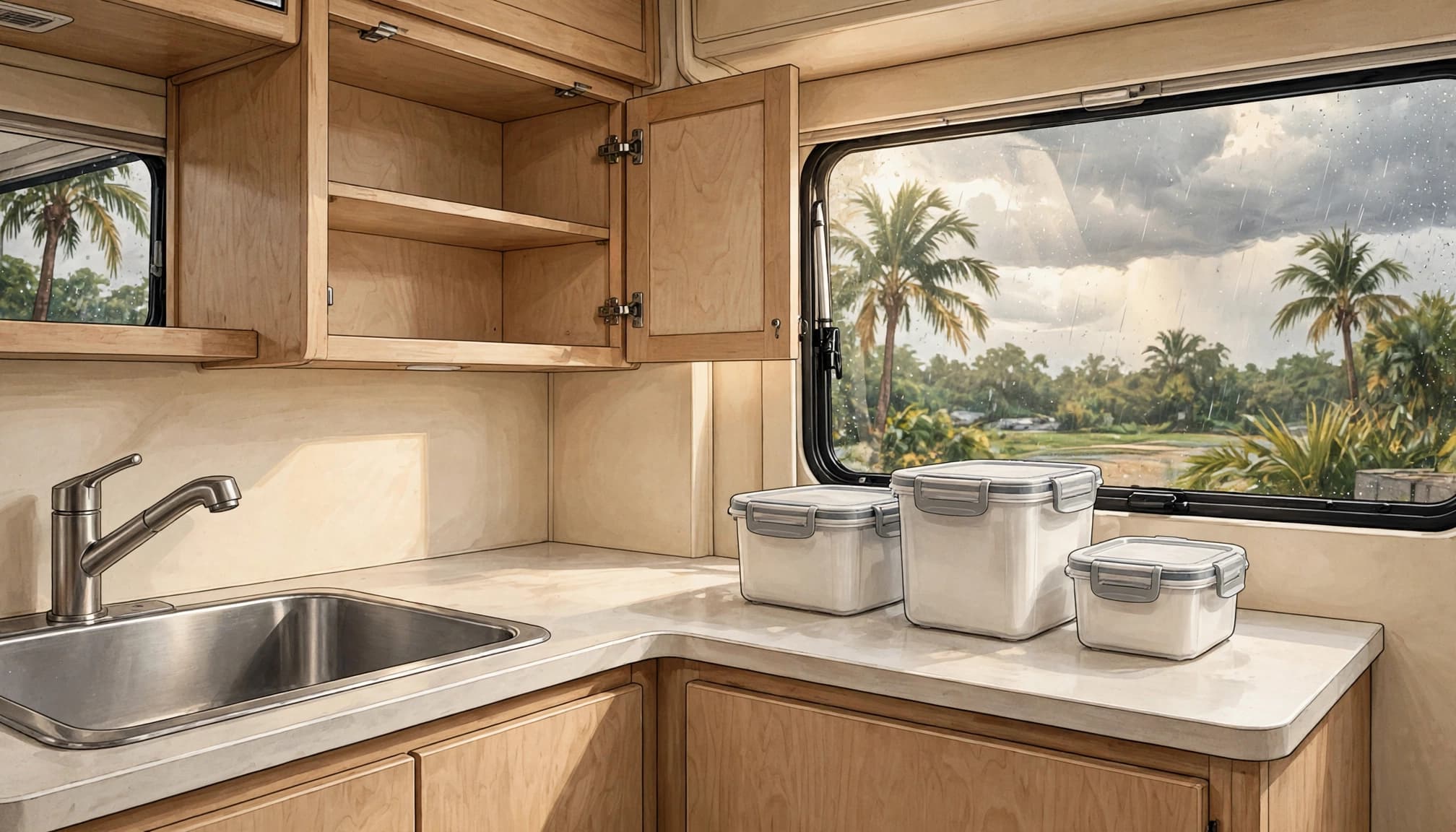
Remove all food before storage, including packaged snacks, pet food, spices, and emergency supplies. Wipe counters and shelves, vacuum crumbs from crevices, and clean beneath seats and appliances where accessible. Empty the trash, then wash and dry the bin.
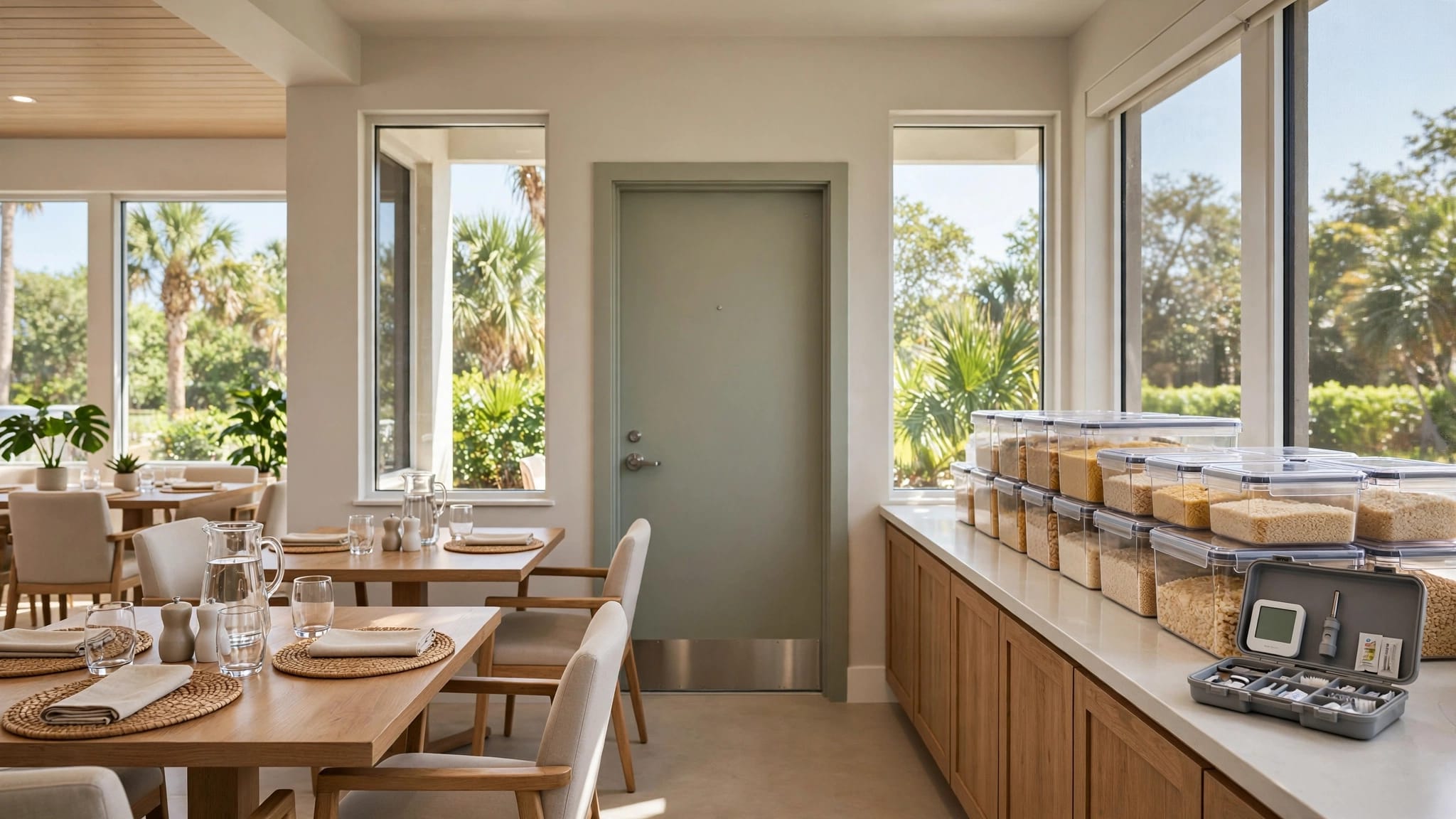
If you need to leave dry goods inside, use rigid containers with tight-fitting lids. Avoid relying on cardboard boxes or thin bags, which can be chewed or used as nesting material.
Clear out damp or soft materials
Take out towels, bedding, paper products, and clothing if they can be stored elsewhere. Florida humidity can leave fabrics and paper vulnerable to mildew, while soft materials may give rodents a place to nest. Dry the interior before closing it up, and avoid leaving standing water in sinks or containers.
Follow the RV manufacturer's storage directions for plumbing, appliances, and ventilation. Keeping the interior dry supports both pest prevention and general care during a long idle period.
Seal openings while preserving airflow
Check vents, seams, and utility openings
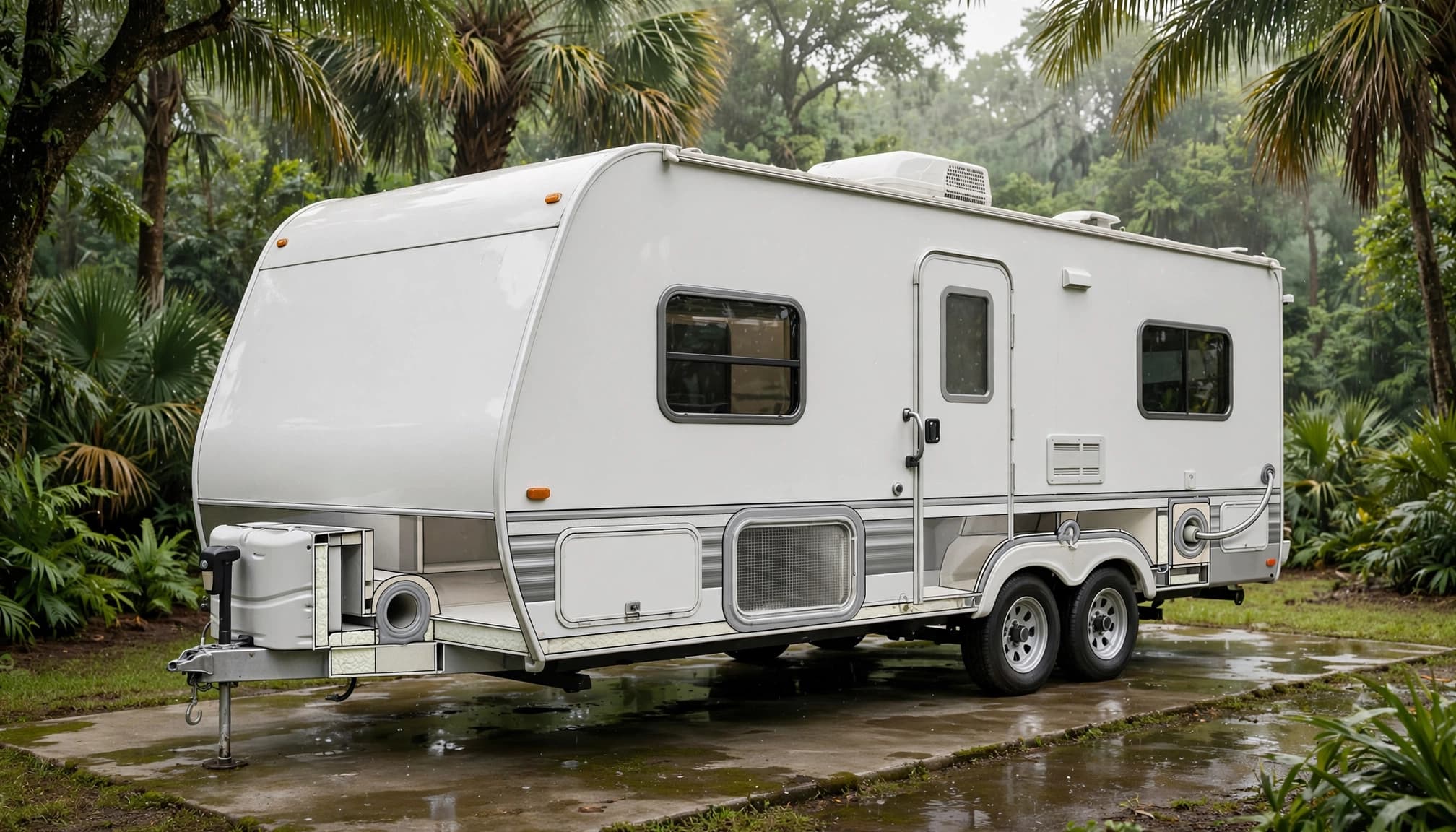
Inspect screens and covers for tears, loose edges, or gaps. Pay attention to openings around plumbing, electrical service, cables, and exterior compartments. Repair damaged screens with suitable rodent-resistant material, and secure it firmly so it can't shift or leave a gap.
For small exterior gaps, use a sealant compatible with the RV's materials and conditions. Metal flashing or sturdy screening can reinforce damaged edges where appropriate. Expanding foam alone isn't a dependable barrier because rodents can chew through it. These durable materials for rodent exclusion are common in building repairs, but RV surfaces and components need materials that fit their construction.
Don't seal ventilation or service access
The goal is to keep rodents out while preserving the airflow the RV needs. Don't cover designed ventilation openings, refrigerator vents, or other manufacturer-required openings. Likewise, don't seal over electrical connections, drainage paths, or service panels.
If you're uncertain about a roof opening, appliance vent, or wiring penetration, ask an RV technician to handle the repair. A barrier that blocks ventilation or interferes with a component can create a different problem.
Make the storage area less inviting
Keep the immediate parking area free of fallen fruit, seed, pet food, and food waste. Close trash lids, clear loose debris, and trim vegetation that touches or crowds the RV. Dense landscaping can provide shelter close to the vehicle, while overhanging branches may offer an easy route to its roof.
Choose a parking space with clear access around the RV when possible. That makes it easier to spot droppings, damage, and displaced screens. After storms, check the area for fallen branches, torn covers, pooling water, and new debris, but wait until conditions are safe.
Use deterrents as a secondary layer
A deterrent may help discourage rodents, but it can't replace repairs or sanitation. A scent, device, or other repellent won't remove food crumbs or close a gap. Treat deterrents as an added layer after you've removed attractants and addressed entry points.
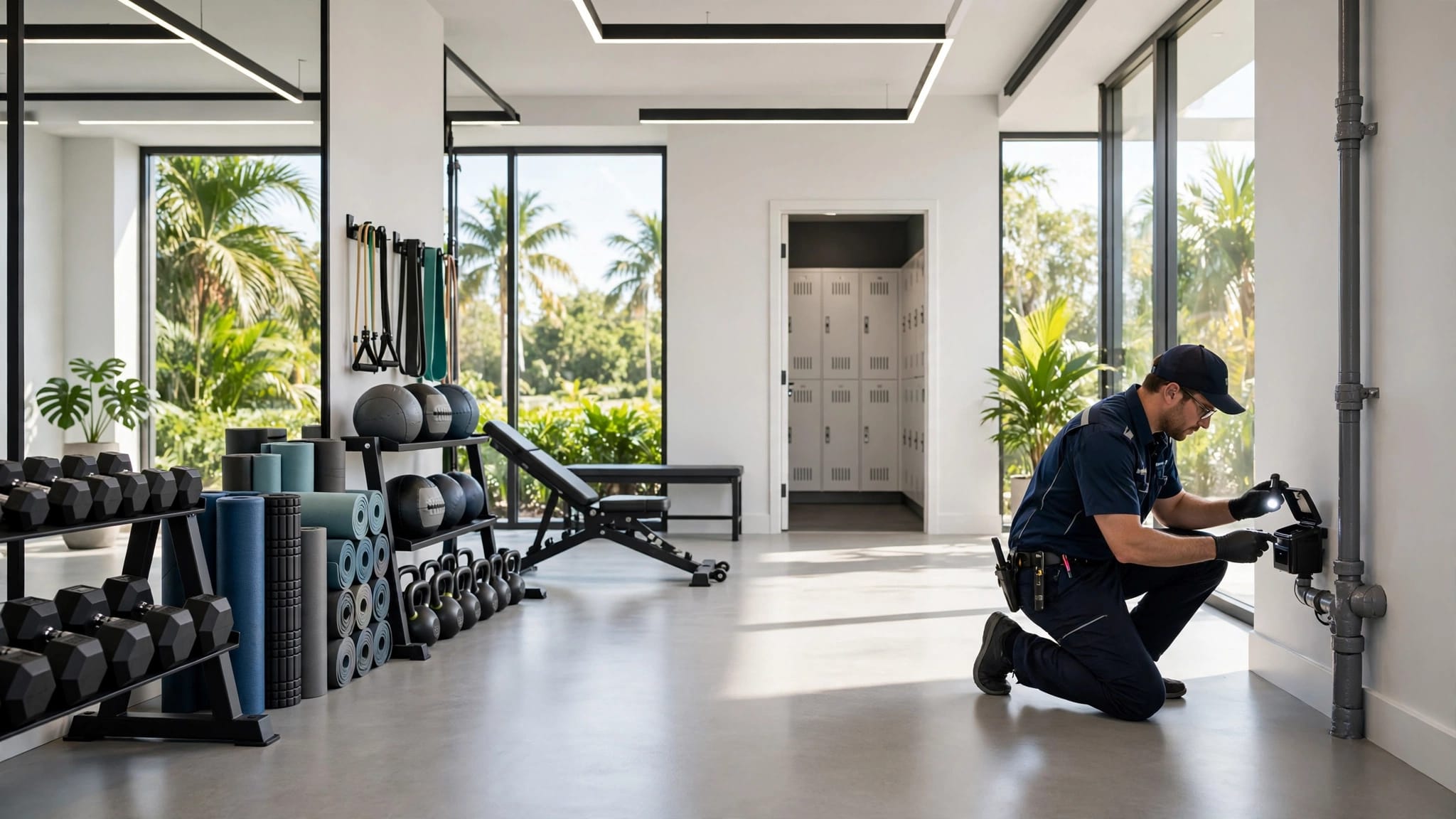
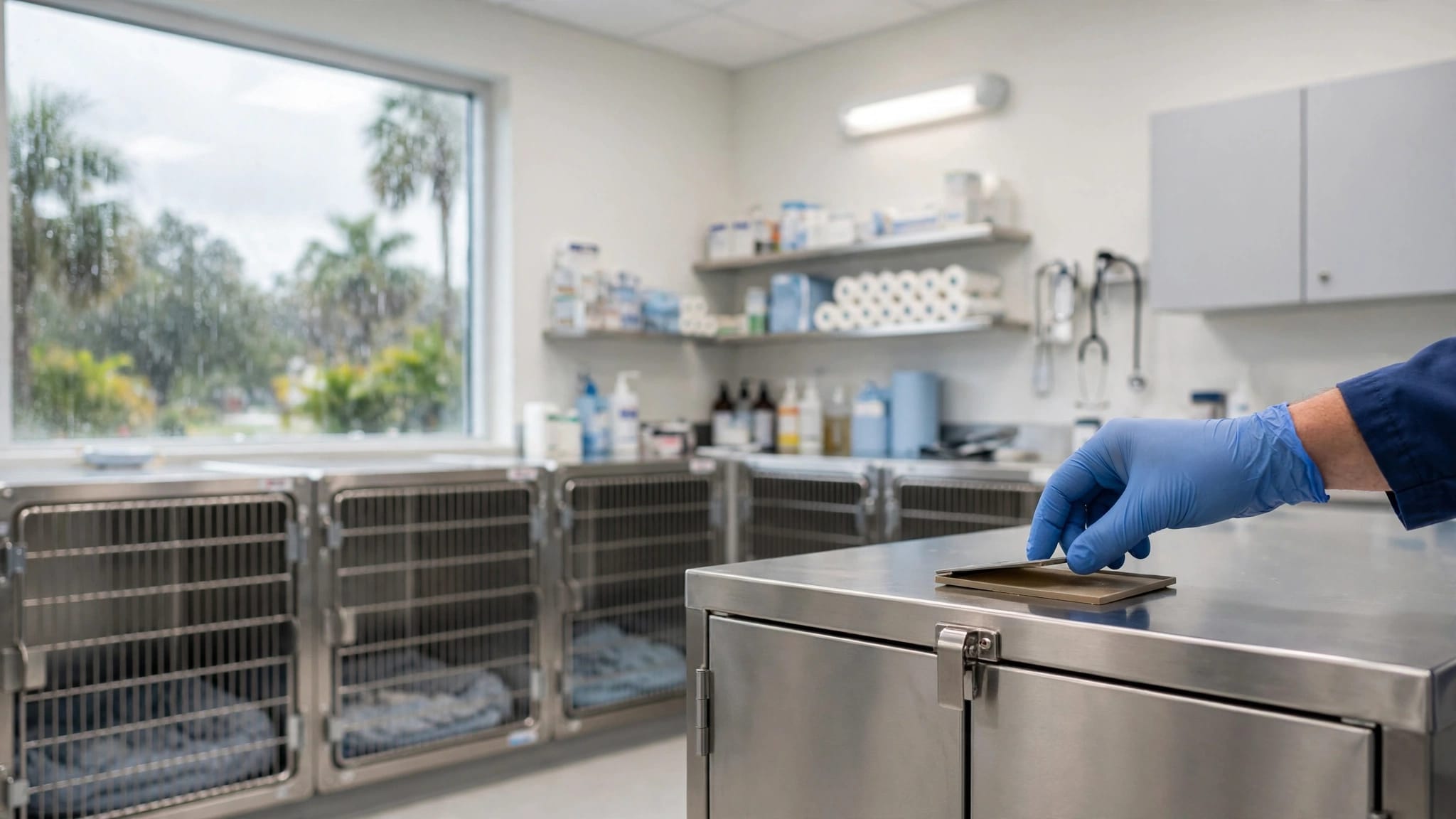
Avoid placing poison bait inside an RV or using chemicals in ways that could expose people, pets, or wildlife. Rodenticides can harm animals that eat a poisoned rodent, and poison doesn't fix the opening that let the animal in. For property-level help, ECO Rodent Shield for poison-free rodent control uses a technician-installed, non-toxic deterrent zone intended to make rodents avoid protected areas.
Set a routine for long storage
Make a simple inspection schedule
For extended storage, arrange for a responsible person to inspect the RV periodically. Ask them to look for droppings, gnawing, disturbed storage, damaged screens, or signs of water entry. After a storm, check again when it's safe to reach the vehicle.
A quick inspection is more useful when the inside is uncluttered. Keep a clear path to cabinets and service compartments, and note any damage so it can be addressed before the RV returns to use.
Respond safely to fresh signs
If an inspection finds signs of rodents, keep people and pets away from contaminated areas. Don't sweep or vacuum droppings while dry, since that can stir particles into the air. Use appropriate protective precautions and follow public-health guidance for cleanup, or arrange professional help if there's extensive contamination.
When the signs suggest an active infestation, a pest professional can assess the activity and recommend a control plan that fits the site. Once rodents are out, close their routes and keep food sources removed.
Key takeaways
- Remove food, pet supplies, trash, and nesting materials before storage.
- Inspect vents, seals, utility openings, and lower edges for damage or gaps.
- Repair openings with suitable materials, but preserve required ventilation.
- Keep vegetation, fallen fruit, and trash away from the RV.
- Use deterrents alongside exclusion and sanitation, not in place of them.
- Check periodically and after storms, then respond promptly to new signs.
Frequently asked questions
Do dryer sheets or strong scents keep rodents out of an RV?
Don't rely on scented products as the main defense. Their presence doesn't remove food or block entry, and a scent may fade during a long storage period. Focus first on cleaning, sealing appropriate gaps, and maintaining screens.
Should I use poison bait inside a stored RV?
No. Bait can expose people, pets, and wildlife to risk, and a poisoned rodent may die somewhere difficult to reach. Prevention through sanitation and exclusion is safer. If rodents are already active, seek a control plan that addresses the activity without leaving poison inside the vehicle.
What should I do if I find droppings before a trip?
Treat the signs as a reason to pause and inspect further. Check nearby cabinets and compartments for additional activity, and look for a possible entry route. Avoid stirring droppings into the air during cleanup. If you find extensive contamination, damaged wiring, or continuing activity, arrange qualified help before traveling.
Keep the RV protected through the summer
Florida's summer conditions make consistent prevention worthwhile. Clear out food and nesting material, close suitable entry points, and keep ventilation open where the RV requires it. The strongest protection comes from combining these steps , then checking the vehicle after storms and during long storage periods.
Schedule a Free Inspection: