How Hidden Moisture Attracts Pests in Southwest Florida Homes
A small drip under the sink can create a bigger home-maintenance problem than its size suggests. In Southwest Florida, moisture attracting pests is a common pattern because warm air, heavy rain, and long humid seasons give insects and rodents many places to find water and shelter.
Moisture alone doesn't prove you have an infestation. Still, finding and drying problem areas early can reduce pest pressure and help you spot damage before cosmetic repairs hide the clues.
Moisture Attracting Pests in Southwest Florida Homes
Florida's humidity doesn't stay outdoors. It reaches cabinets, garages, attics, lanais, wall cavities, and air-conditioning components. When a home also has a slow leak, poor drainage, or wet landscaping, those damp zones can support pest activity.
Humidity keeps damp areas from drying
Air that feels sticky outdoors can also slow drying inside the home. Condensation may form near cold plumbing lines, windows, ductwork, and air handlers. A minor water source that would dry quickly in a cooler climate can linger longer here.
Roaches, ants, silverfish, springtails, and other small insects may gather near these areas. They need more than water to establish a lasting indoor problem, but steady moisture makes a space more usable.
Rain changes where pests travel
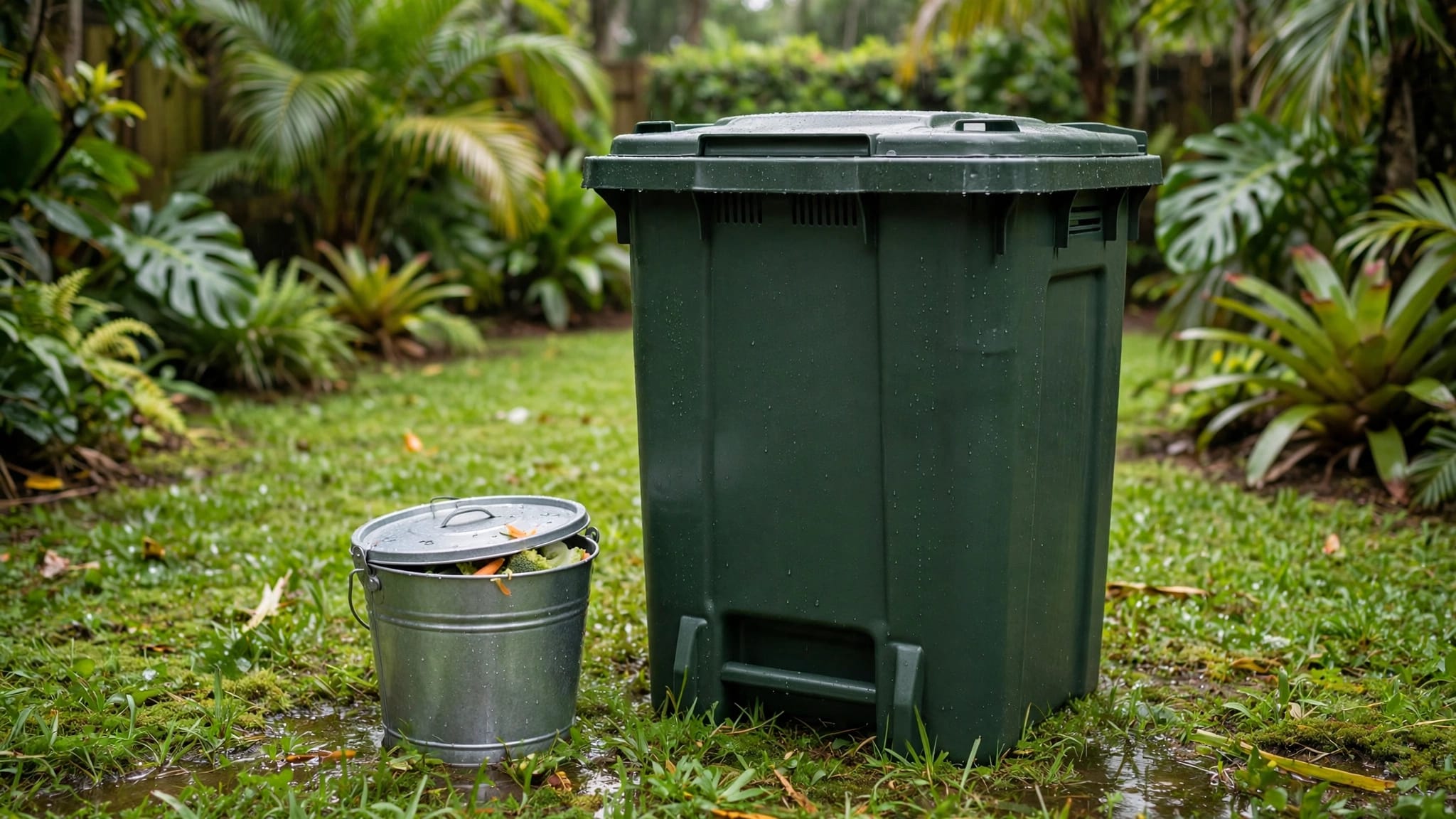
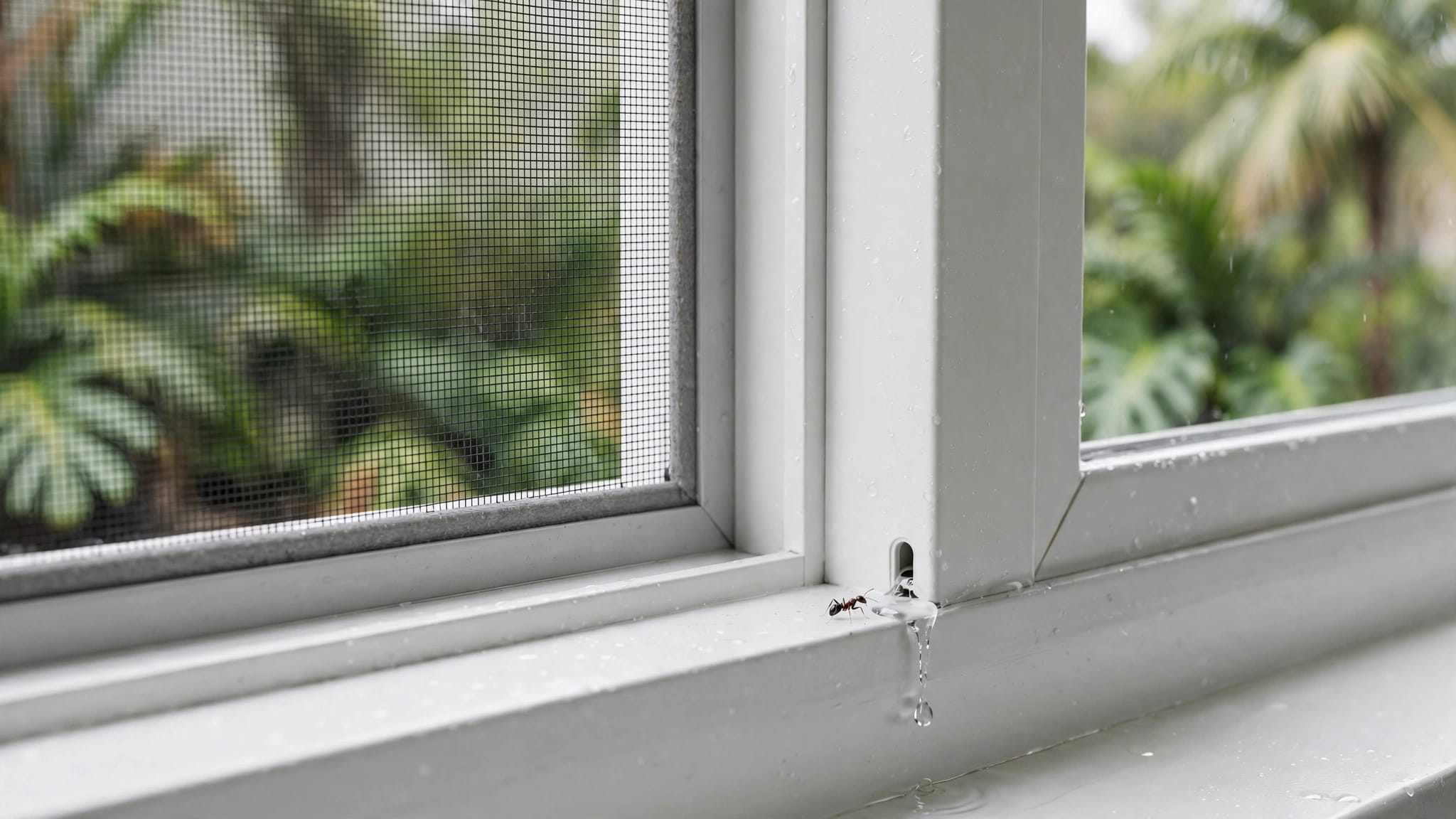
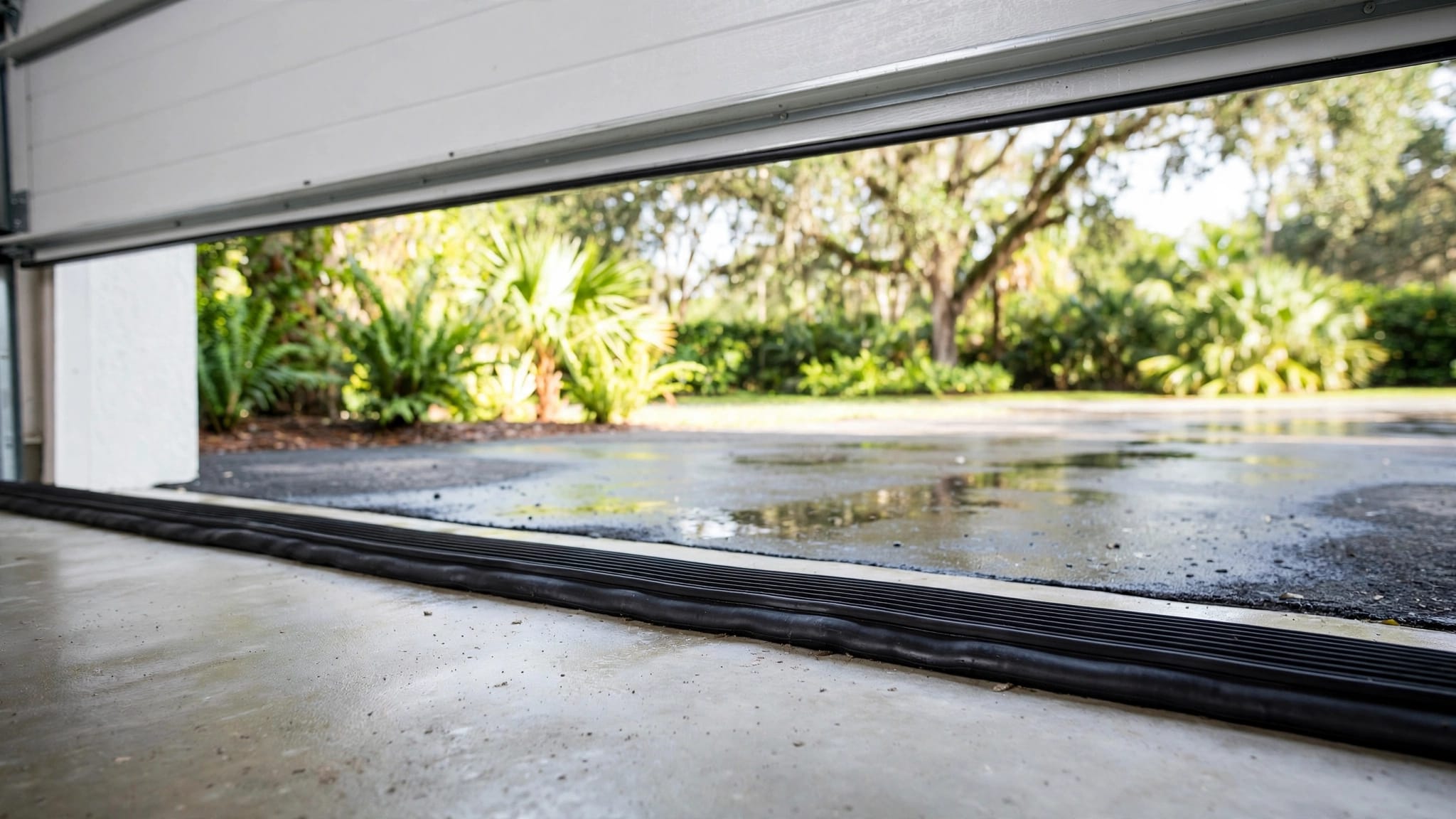
Heavy rain can flood nests and hiding places in mulch, soil, leaf litter, and landscape beds. As a result, ants and roaches may head toward garages, doors, window frames, and wall openings that lead to drier shelter.
Standing water also gives mosquitoes a place to develop. Meanwhile, rodents may look indoors for water during dry stretches or for a dry nesting site after storms disrupt outdoor cover.
A damp spot is a condition to correct, not proof that a pest is living behind the wall.
The Hidden Places Where Water Collects
Most moisture problems start in ordinary places that homeowners rarely inspect closely. A quick monthly walk-through can reveal a new problem before wood, drywall, or cabinet materials stay wet for too long.
Plumbing, appliances, and air-conditioning equipment
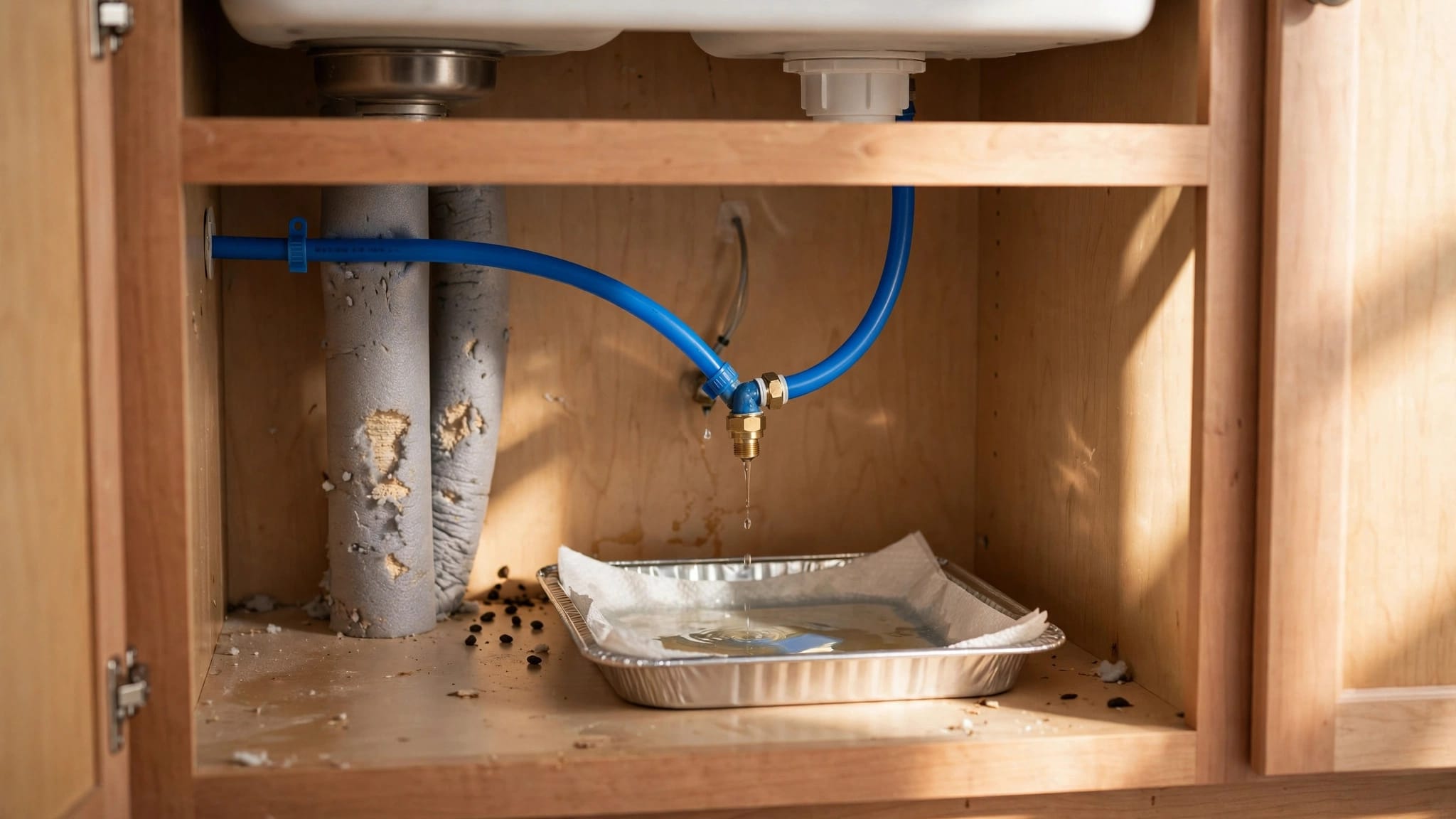
Check the cabinet under every sink for dampness, swollen particleboard, rusted supply-line connections, or a musty smell. Look behind toilets and washing machines, around water heaters, and at refrigerator water lines when accessible.
Air-conditioning systems also deserve regular attention. Inspect the drain pan and condensate line for standing water, overflow, or nearby staining. If a drain line repeatedly clogs, have an HVAC professional diagnose the cause rather than treating the symptom.

Gutters, drainage, and wet exterior walls
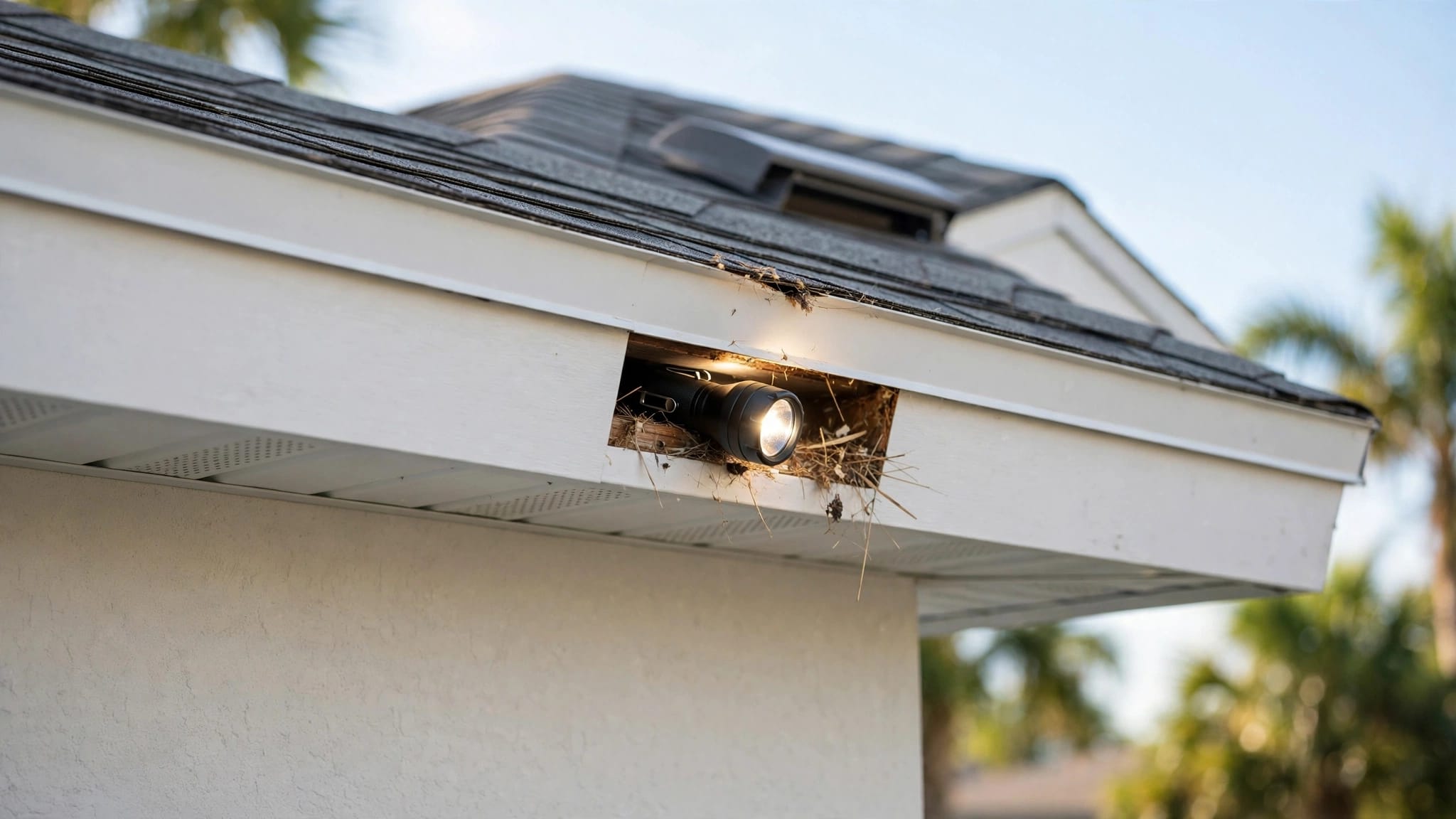
After a hard rain, walk the outside of the house. Look for water pooling by the slab, dripping gutters, overflowing downspouts, wet soffits, damaged flashing, and irrigation that sprays the wall or foundation.
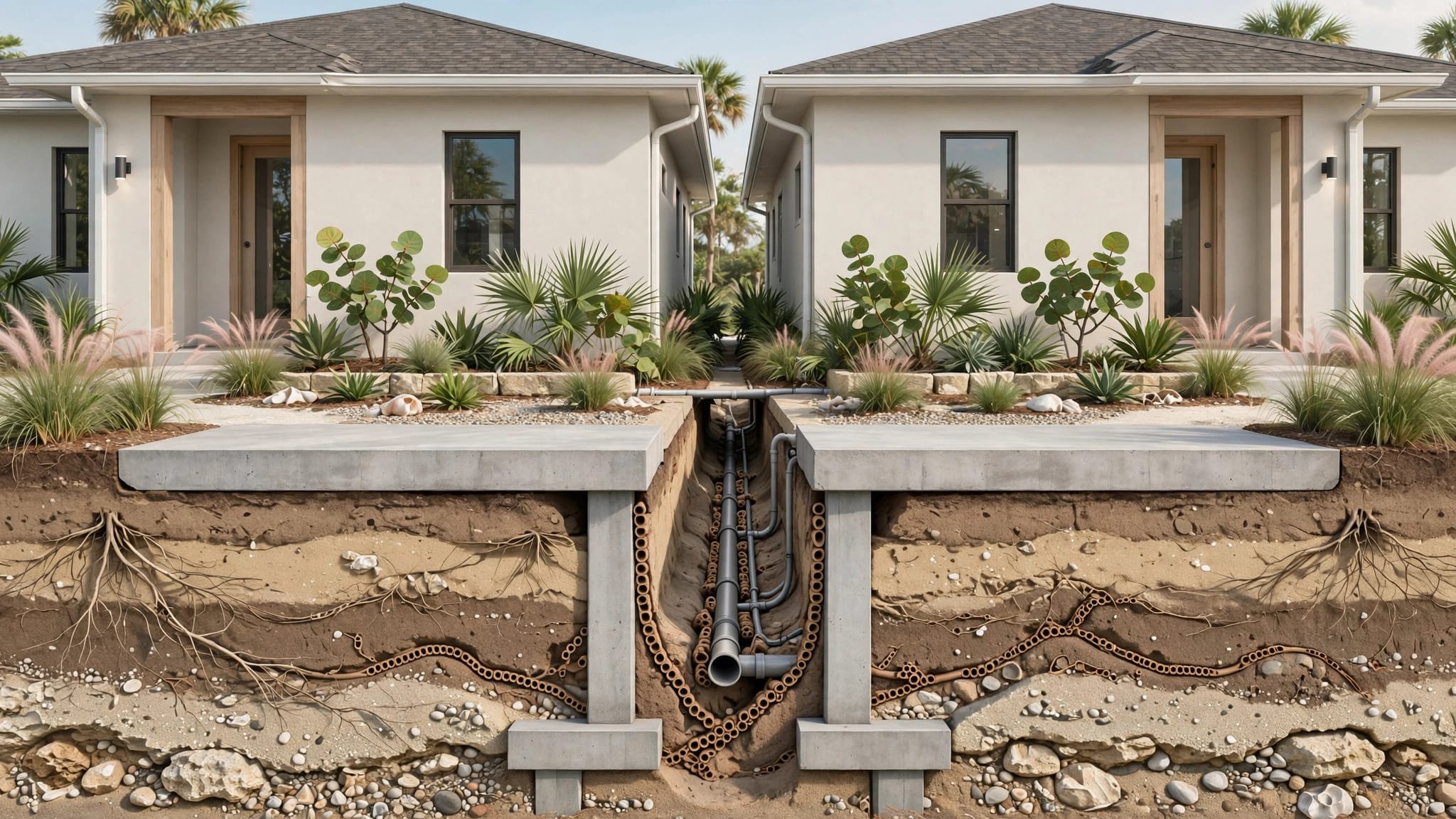
A leaky hose bib or an irrigation head aimed at the house can keep soil wet in one narrow area for weeks. That matters because wet soil near the structure can increase conditions favorable to subterranean termite activity.

Mulch, stored items, and shaded gaps
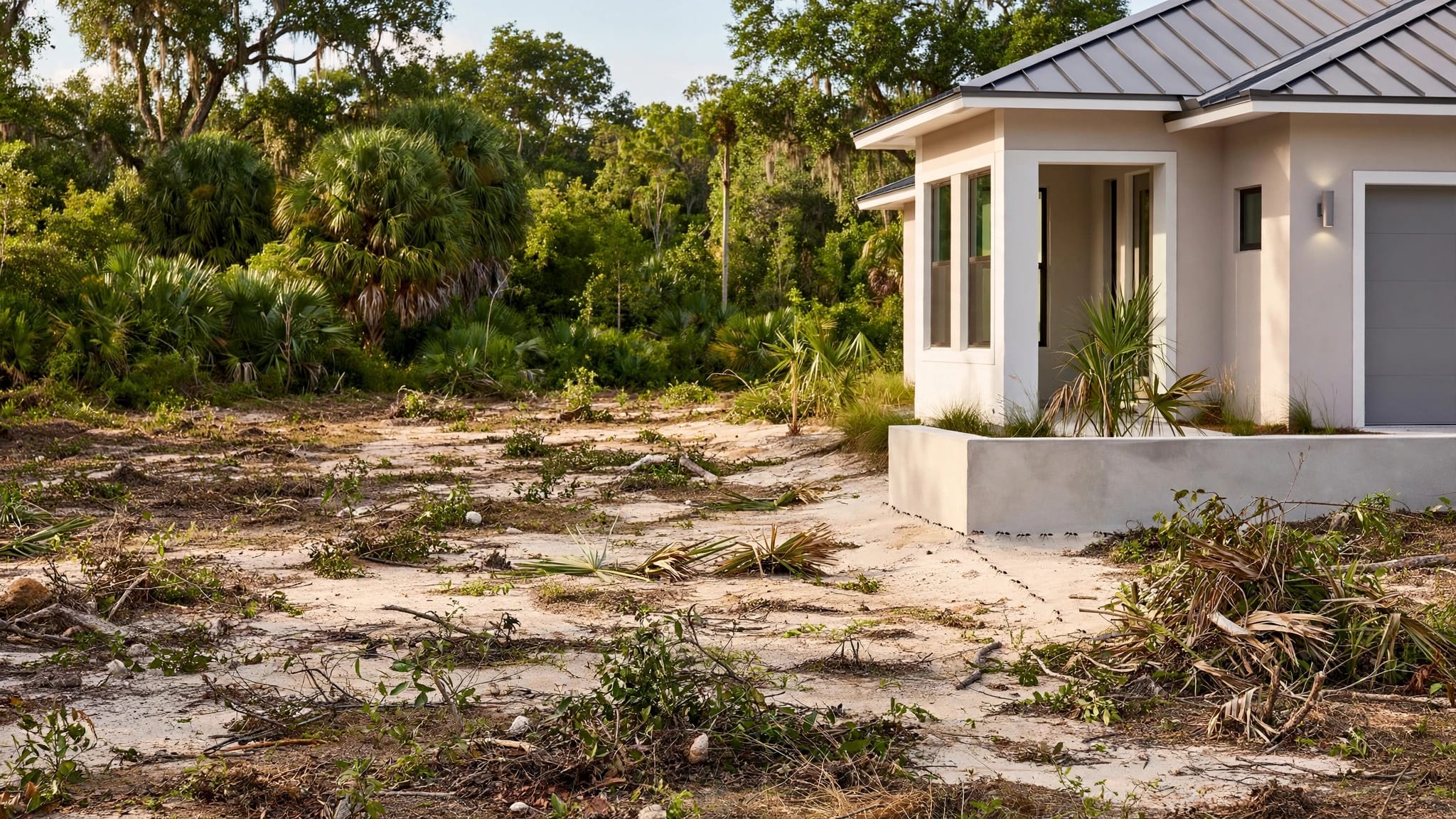
Mulch piled against stucco, exterior trim, or foundation edges holds moisture close to the home. Pull it back so you can see the lower wall and keep an open inspection area around the structure.
Also move firewood, lumber, cardboard, and damp outdoor items away from exterior walls. Dense shrubs and groundcover should not press against the house. Air movement and clear sightlines make moisture problems easier to catch.
Pests That Benefit From Damp Conditions
Different pests use moisture in different ways. The right response depends on what you find, where you find it, and whether there is evidence of an active infestation.
Subterranean termites need damp soil
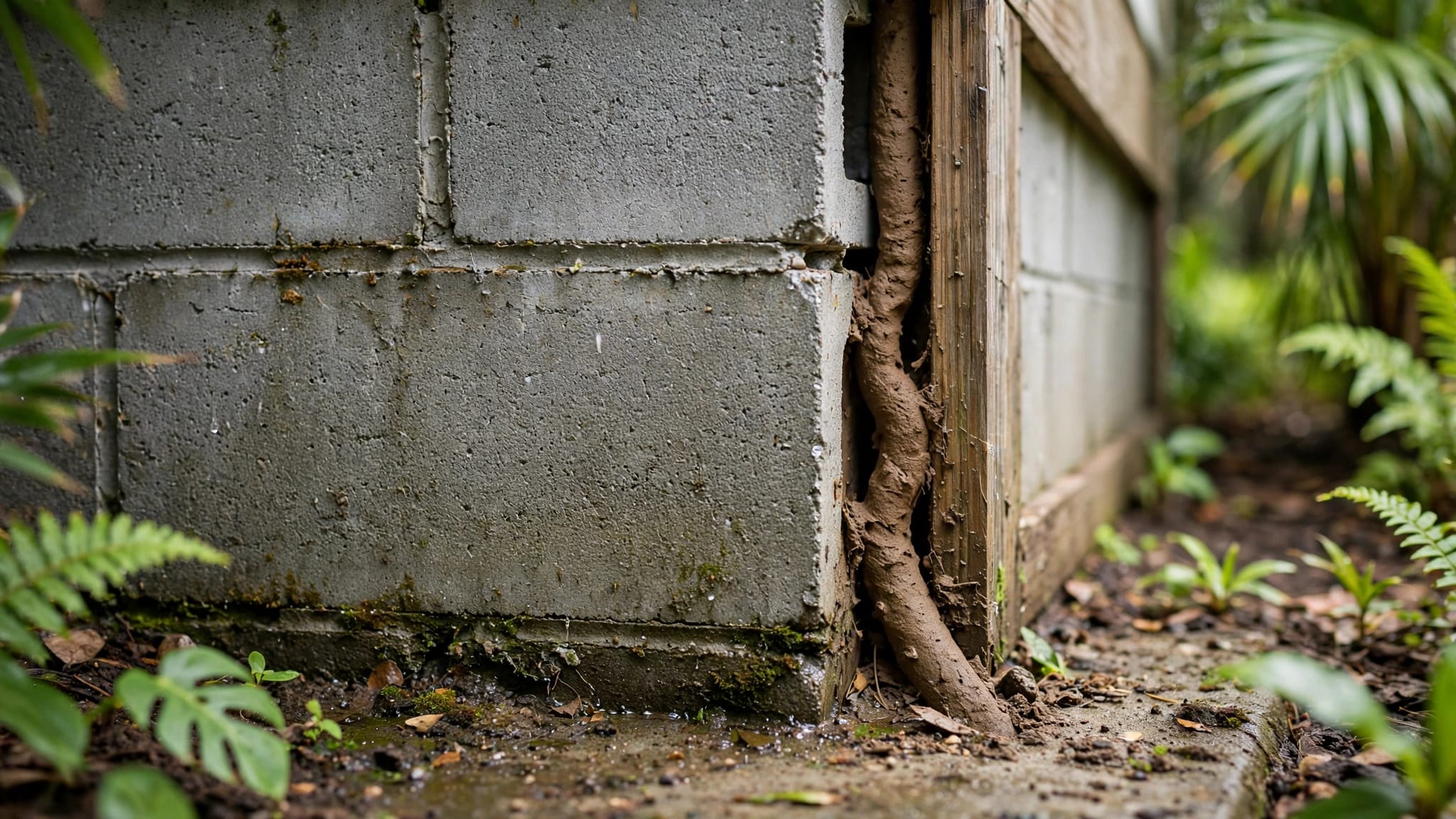
Subterranean termites need moisture and contact with soil. They can travel from the ground through thin, muddy shelter tubes along foundation edges, block walls, slabs, and plumbing penetrations.
Look near garage walls, lanai edges, expansion joints, and areas below leaking plumbing. A slow drip or irrigation overspray can keep nearby soil damp enough to support activity. Learn more about drywood and subterranean termite differences before assuming every termite sign has the same cause.
Drywood termites behave differently. They live inside dry wood and may leave hard, sand-like pellets through tiny kick-out holes. They don't need soil contact, so moisture control is still helpful but won't rule them out.
Roaches, ants, and mosquitoes follow water
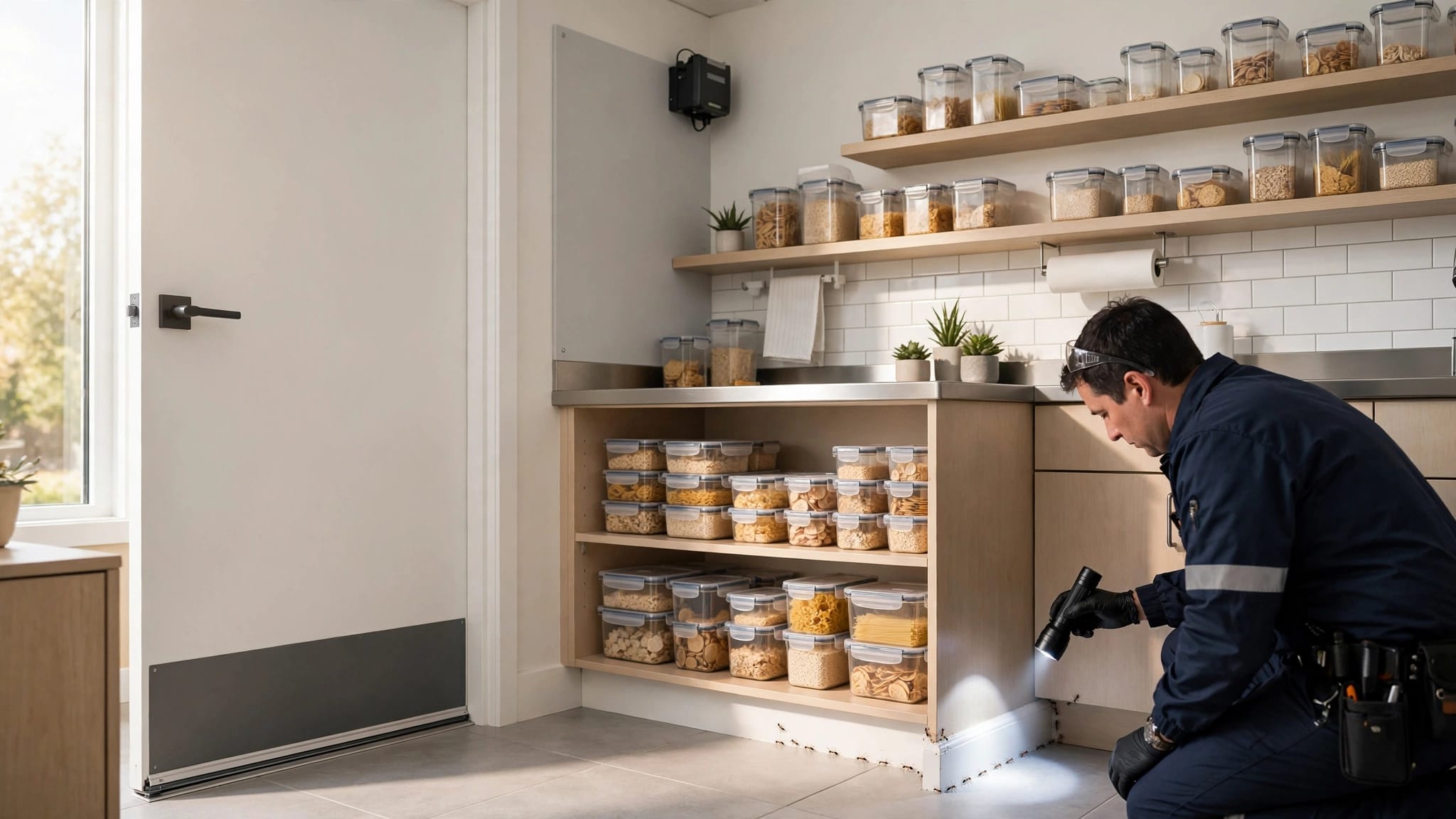
Roaches often appear around kitchens, bathrooms, garages, and laundry areas where water, food crumbs, and hiding places overlap. Ants may trail toward leaky plumbing, pet bowls, or wet exterior walls, especially after rain disrupts outdoor colonies.
Mosquitoes need standing water, not just humid air. Empty water from plant saucers, tarps, toys, clogged gutters, and containers after rain. A small puddle near a patio or pool cage can become a repeat source if it never drains.
Rodents use moisture clues and entry gaps
Rats and mice are not drawn to water in the same way mosquitoes are. Yet a leaking pipe, damp garage, or cluttered utility space can point them toward an accessible home. Once inside, they also need food, nesting material, and protected routes.
Watch for droppings, gnaw marks, rub marks, shredded material, or gaps around pipes, soffits, vents, and utility lines. Persistent rodent activity calls for rodent inspection and exclusion services, not moisture repair alone.
Inspect Before You Cover the Evidence
Paint, caulk, and new trim can hide the source of water damage or pest activity. Take a few minutes to document what you see before cleaning or repairing a suspicious area.
Signs that deserve a closer look
Photograph water stains, bubbling paint, sagging trim, soft wood, damaged drywall, and dark discoloration. Then check for pest evidence such as mud tubes, discarded wings, pellet-like frass, insect bodies, droppings, or gnawing.
Soft wood and peeling paint can result from leaks, humidity, wood-decay fungi, termites, or a mix of problems. A dry wall surface doesn't rule out hidden moisture. Likewise, a damp wall doesn't prove termites caused the damage.
Check the pattern, not one clue
A stain below a window may point to failed caulk, roof flashing, wind-driven rain, or condensation. Damage around a toilet or water heater often points first to plumbing. Mud tubes near a slab require a termite inspection, even if a nearby leak is obvious.
For homes being bought or sold, understand that a WDO inspection has a focused purpose. This Florida WDO inspection guide explains that these inspections cover wood-destroying organisms and decay concerns, not every hidden defect, mold issue, or rodent problem.
Moisture Control and Pest Treatment Work Together
Drying an area removes one condition pests may use. It does not automatically eliminate insects, rodents, eggs, nests, or a termite colony already present. Pest treatment also can't stop a plumbing leak or correct bad drainage.
Start with practical moisture fixes
Repair active plumbing leaks promptly. Clear gutters and downspouts, direct water away from the foundation, and adjust irrigation so it doesn't wet the house. Keep the AC drain system maintained and use bathroom exhaust fans during showers.
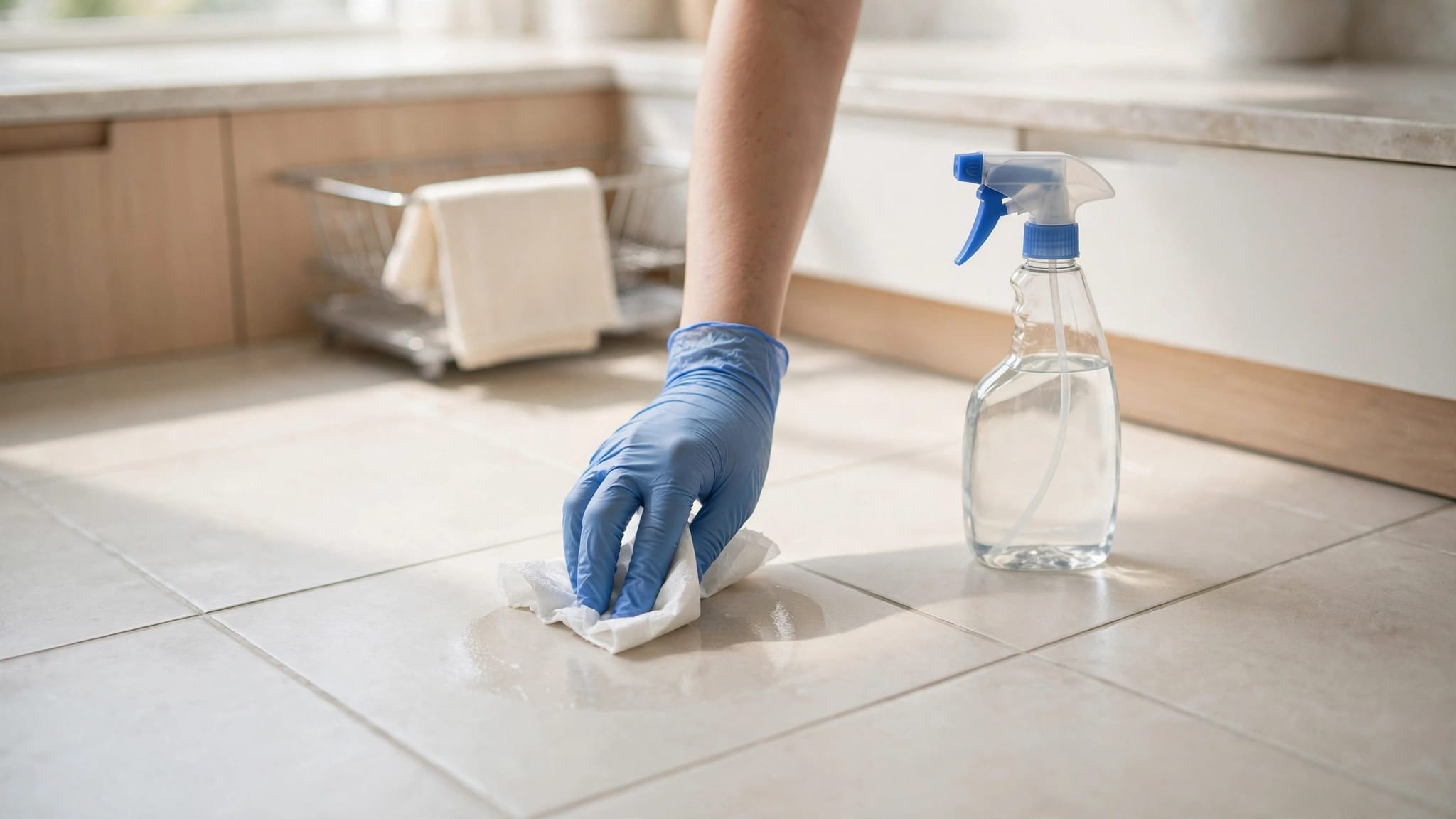
Inside cabinets and garages, remove damp cardboard and wipe up spills. Outdoors, keep trash containers closed, clear wet leaf debris, and avoid storing materials against the house.
Match treatment to the pest
A mosquito issue may need water removal and targeted treatment around resting areas. Roaches may require sanitation, exterior harborages to be reduced, sealing, and a pest-control plan. Rodents need trapped or removed animals plus exclusion work that blocks return entry.
Termites need a separate, evidence-based approach. Avoid spraying suspected mud tubes, using foggers, or sealing over damaged areas before an inspection. Those actions can hide important signs and make it harder to identify the activity.
When a Professional Inspection Is the Right Move
Call a qualified plumber, roofer, or HVAC technician when a leak, drainage issue, or condensate problem keeps returning. If you smell mold, see widespread staining, or find soft structural wood, arrange a licensed professional assessment before repairs begin.
Termite and wood-damage concerns
Request a termite inspection if you find shelter tubes, discarded wings, drywood termite pellets, hollow-sounding trim, unexplained soft wood, or repeated bubbling paint near wet areas. An accessible, average-sized termite inspection can take one to two hours.
A Florida-licensed pest professional can examine accessible foundation walls, garages, attic areas, porches, moisture conditions, and likely entry points. For more details on suspicious wall damage, review these termite damage warning signs in drywall.
Persistent insects and rodents
Recurring roaches, ants, mosquitoes, or rodents after you fix water sources usually mean another factor remains. It may be an overlooked opening, exterior shelter, food source, nesting area, or pest population nearby.
A thorough local inspection should look beyond the room where you see the pest. Southwest Florida pest control services can address active activity while helping identify conditions that keep pressure on your home.
Key Takeaways
- Hidden moisture can support pest activity, but it does not confirm an infestation by itself.
- Check under sinks, around appliances, AC equipment, gutters, downspouts, and foundation edges after storms.
- Keep mulch, stored wood, cardboard, and dense vegetation away from exterior walls.
- Fix leaks and drainage issues, then use pest treatment or exclusion for the pest you actually have.
- Get professional help for suspected termites, structural damage, mold concerns, repeating leaks, or persistent infestations.
Frequently Asked Questions
Can high indoor humidity attract pests?
High humidity can make bathrooms, closets, garages, and other enclosed spaces more favorable for moisture-loving pests. However, humidity alone rarely explains an infestation. Look for water sources, food, clutter, and access points as well.
Keeping indoor relative humidity near 50 percent or lower when practical can help reduce damp conditions. If humidity stays high despite normal AC operation, ask an HVAC or moisture-control professional to inspect the home.
Will fixing a leak get rid of roaches or ants?
Fixing a leak removes an important water source, so it can reduce activity. Still, roaches and ants may remain if they have food, shelter, or another route into the house.
Clean the affected area, dry the cabinet or wall cavity, seal practical gaps, and monitor for continued activity. If sightings continue week after week, a targeted pest inspection can identify the source.
Does moisture mean a home has termites?
No. Moisture can support subterranean termite conditions and wood decay, but it is not proof of termites. Drywood termites can also infest wood without a wet-soil connection.
Look for direct evidence such as mud tubes, pellets, wings, or damaged wood. A professional inspection is the safest way to separate termite activity from water damage or an older repair.
Keep Water Problems From Becoming Pest Problems
Southwest Florida homes face rain, humidity, irrigation, and year-round pest pressure. The most reliable response is to watch for moisture early, correct the water source, and keep exterior entry routes and shelter areas under control.
Dry, accessible, well-maintained spaces give pests fewer reasons to stay near your home. When warning signs keep returning, a qualified inspection can identify what routine cleaning and repairs cannot see.
Schedule a Free Inspection: