Termite Damage in Florida Window Frames and Door Jambs
A door that sticks or a soft window corner can point to more than normal Florida wear. Termite damage Florida homeowners find around frames and jambs often begins behind paint, trim, or drywall, where a quick look can't show the full extent.
Humidity, wind-driven rain, irrigation, and year-round termite activity can affect the same areas. Acting before cosmetic repairs cover the evidence gives pest and building professionals a clearer path to the source.
Key Takeaways
- Window frames and door jambs can hide termite galleries even when paint and trim look mostly intact.
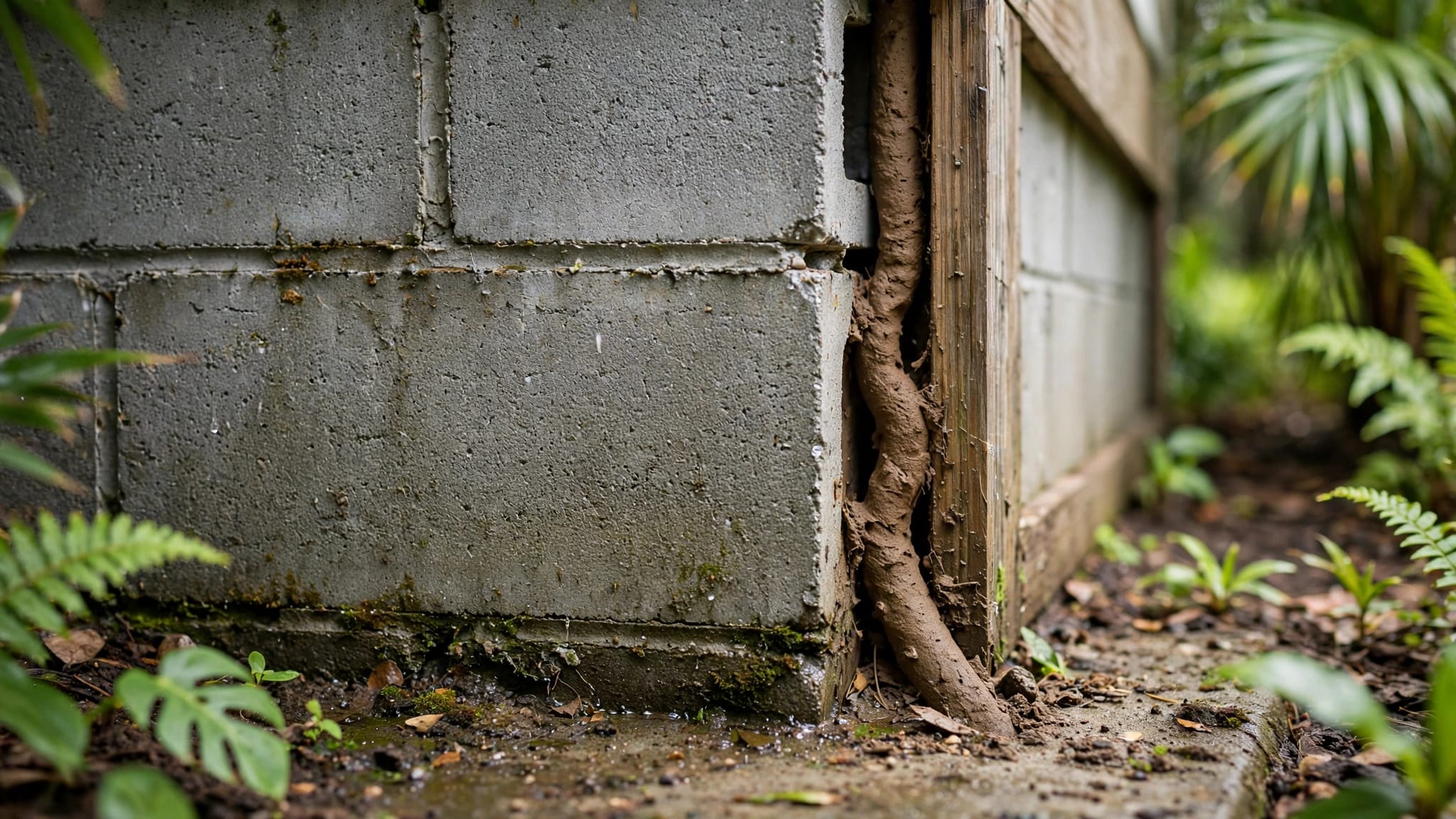
- Drywood termites may leave hard, sand-like pellets, while subterranean termites often leave mud shelter tubes.
- Water damage, fungal decay, carpenter ants, and termites can occur in the same piece of wood.
- Photograph the area and address active leaks, but don't seal holes or remove major trim before an inspection.
- Treatment and repair depend on the termite species, the home's construction, and how far the damage extends.
Termite Damage Florida: Why Frames and Jambs Are Vulnerable
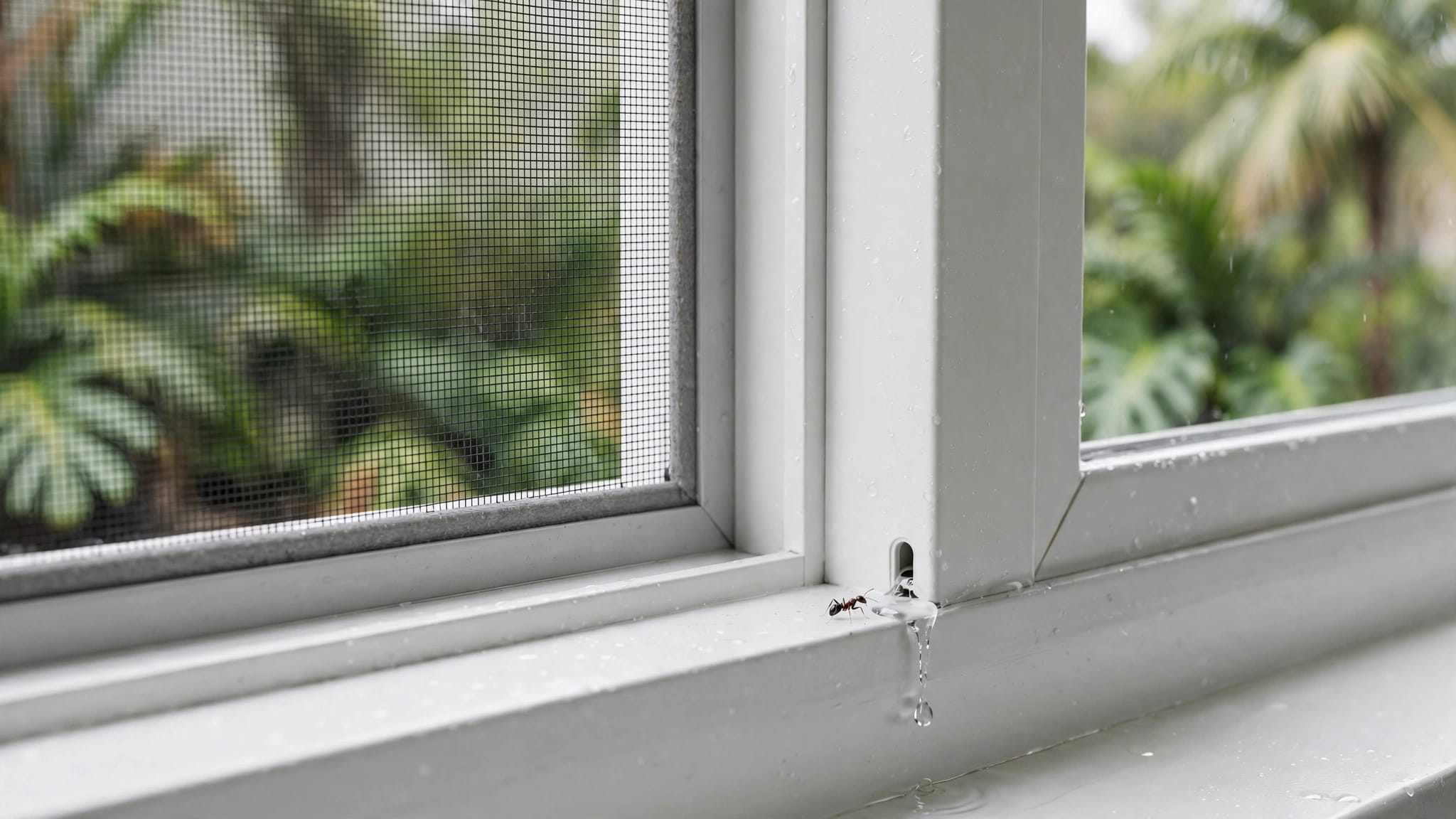
Wood trim around exterior openings sits at the meeting point of indoor framing, outdoor weather, and small gaps. A failed seal, cracked paint, or a damp threshold can make that area harder to inspect and easier for pests to use.
Drywood termites can infest sound wood
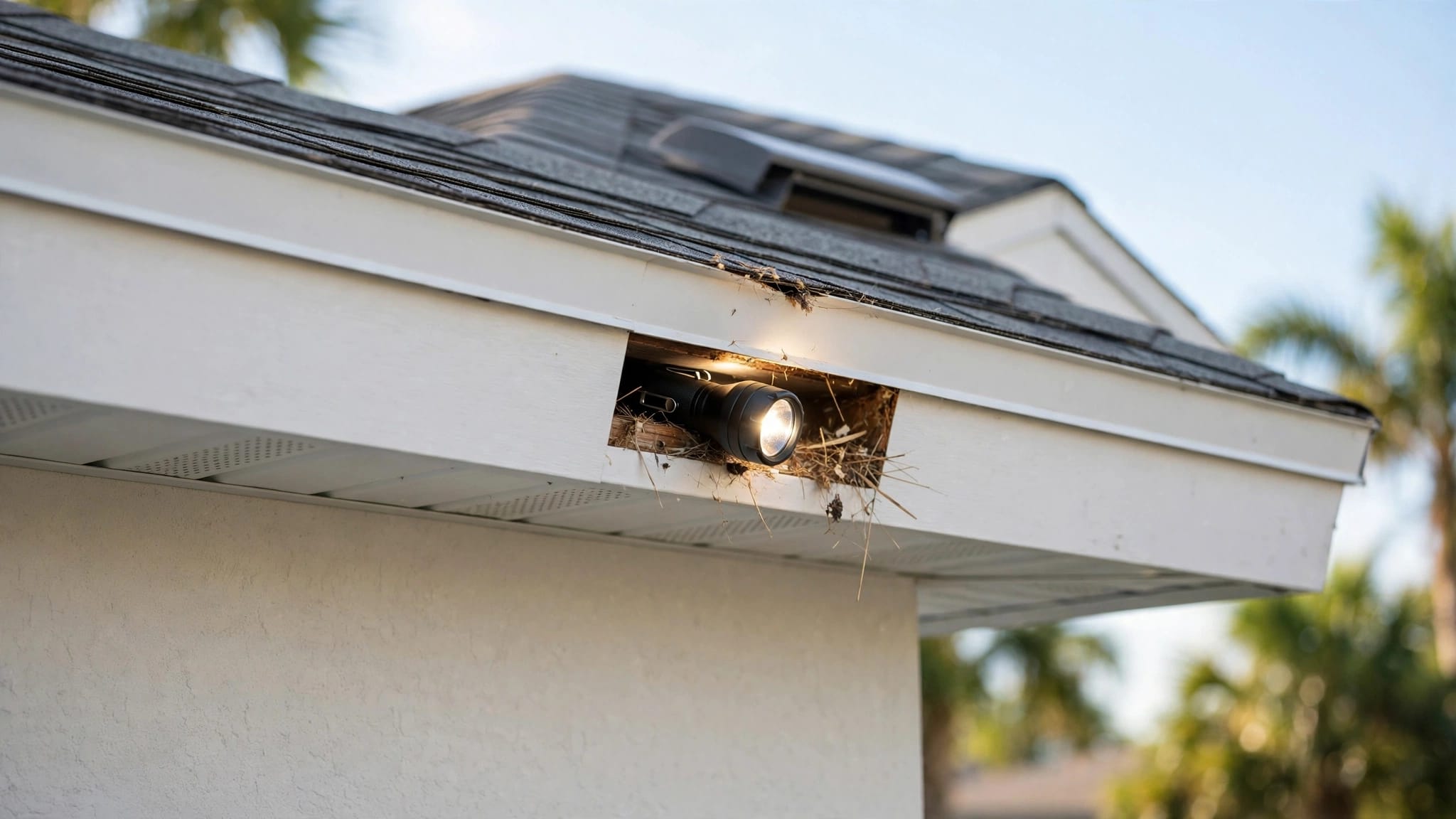
Drywood termites live inside the wood they consume and don't need soil contact. UF/IFAS lists doors, window sills, wood frames, attic lumber, and fascia among the places they can infest.
They can enter through small cracks, joints, vents, or exposed wood. A colony inside a window casing may leave only a few pellets on the sill while feeding continues out of sight.
Subterranean termites use hidden travel routes
Subterranean termites live in soil and need moisture. They may travel upward through foundation cracks, slab edges, plumbing penetrations, utility chases, or adjoining landscaping.
At a door jamb, their galleries can follow framing behind the trim. Mud tubes on block, concrete, wood, or near the threshold are an important clue, although a missing tube doesn't rule out activity.
Warning Signs Around Windows and Doors
A single blemish doesn't identify the cause. However, several changes in the same location deserve prompt attention, especially when they return after cleaning or repairs.
Pellets, wings, cracks, and unusual paint changes
Drywood termite frass consists of small, hard pellets that may collect beneath a tiny kick-out hole. It often resembles coarse sand or pepper-like grains, not fluffy sawdust. For more detail, see these drywood termite frass signs on window sills.
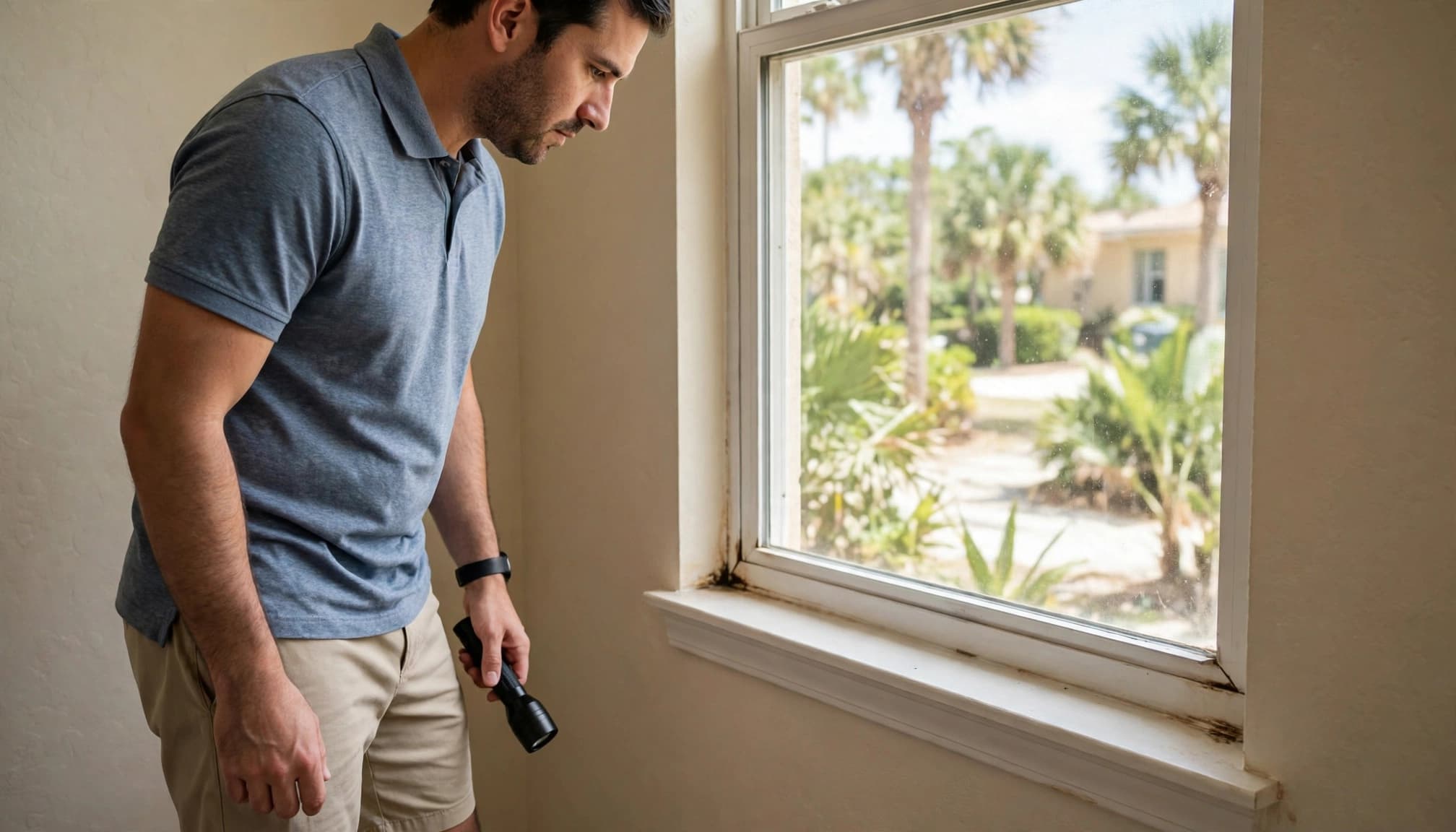
Also watch for discarded wings near windows, doors, or lights. Blistered paint, hairline cracks in trim, pin-sized openings, and a door jamb that suddenly feels weak can all support the case for an inspection.
Surface wood can conceal deeper damage
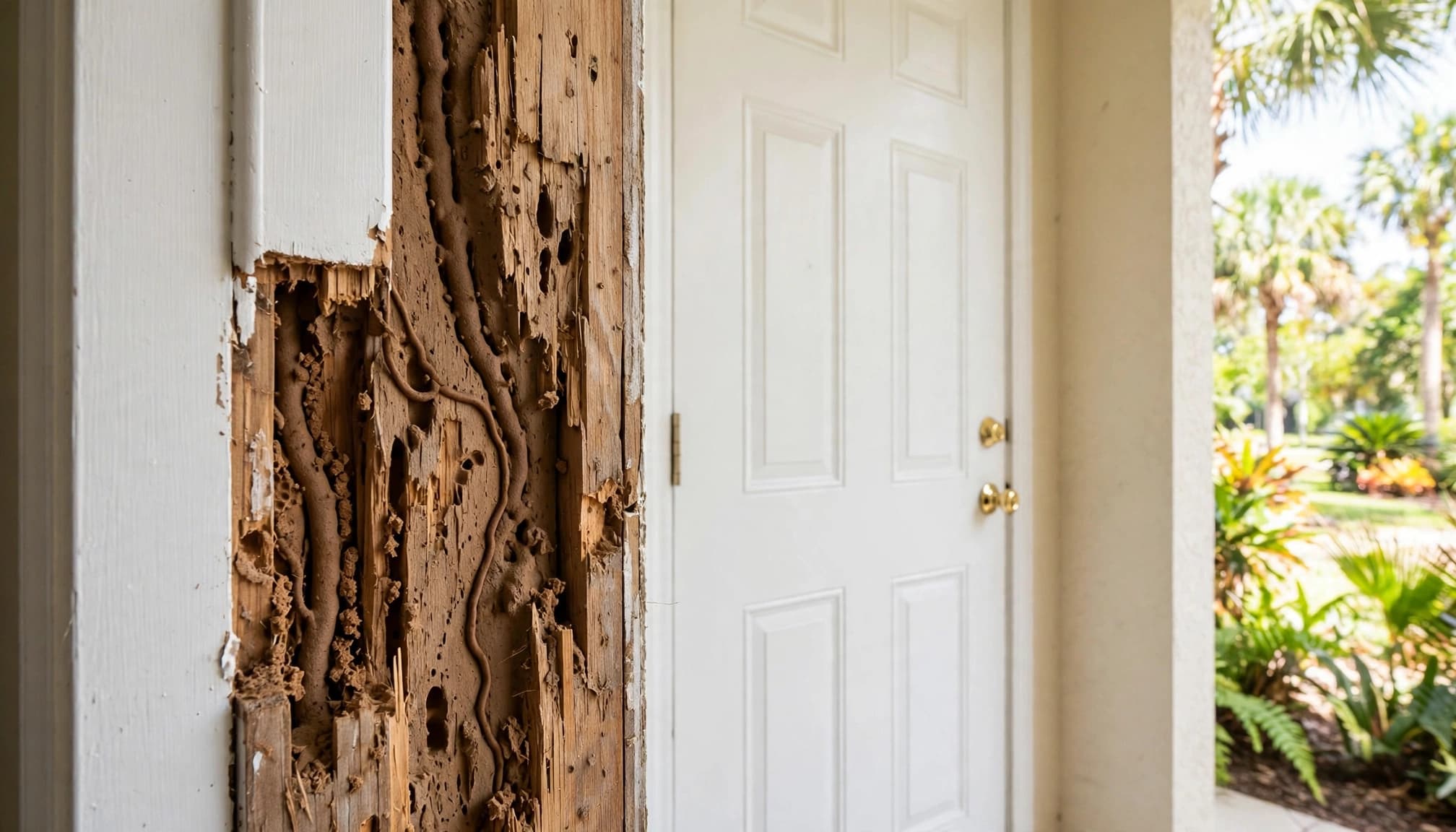
Termites often leave a thin outer layer of wood or paint intact. Behind it, feeding may create hollow, layered, or honeycomb-like galleries. Tapping may produce a different sound, but sound alone can't confirm damage or tell you whether framing remains safe.
Door movement also matters. A latch that no longer aligns, loose trim, or a bowed jamb can result from moisture, settlement, failed fasteners, termite feeding, or several conditions together. Don't rely on a homeowner inspection to judge structural safety.
Termites, Water Damage, Rot, and Carpenter Ants
Florida's wet season can blur the visual line between insect damage and water intrusion. Start by looking for patterns, then have a qualified professional identify the cause.
Water damage usually follows a moisture path
Water often leaves stains, swelling, peeling paint, mold, a musty odor, or wood that feels spongy, stringy, and crumbly. The damage may track from a roof leak, failed window seal, plumbing line, clogged condensate drain, or poor drainage outside.
Still, wet wood doesn't exclude termites. A past leak can hide galleries, while termite-damaged wood can take on water more easily. This guide can help you compare termite and water damage without treating surface clues as a final diagnosis.
Carpenter ants leave a different kind of debris
Carpenter ants excavate galleries for nesting but do not eat wood. Their debris often looks like coarse sawdust and can include insect parts. Termite evidence is more likely to include dry pellets, mud tubes, discarded wings, or wood galleries with soil staining.
Ants and termites may both appear where wood stays damp. A licensed inspection can separate carpenter ant versus termite damage and identify moisture conditions that need repair.
A damp window frame can have rot, termites, carpenter ants, or more than one problem at once. Fixing only the visible wood may leave the underlying issue active.
Document Damage Before Repairs Begin
Once trim is removed or a hole is filled, useful clues can disappear. Preserve what you find while taking reasonable steps to limit active water intrusion.
Take clear photos and note the location
Photograph the full window or door first, then take closer photos of pellets, tubes, staining, cracks, wings, and damaged wood. Include nearby walls, the exterior side of the opening, and any plumbing or air-conditioning equipment that could affect the area.
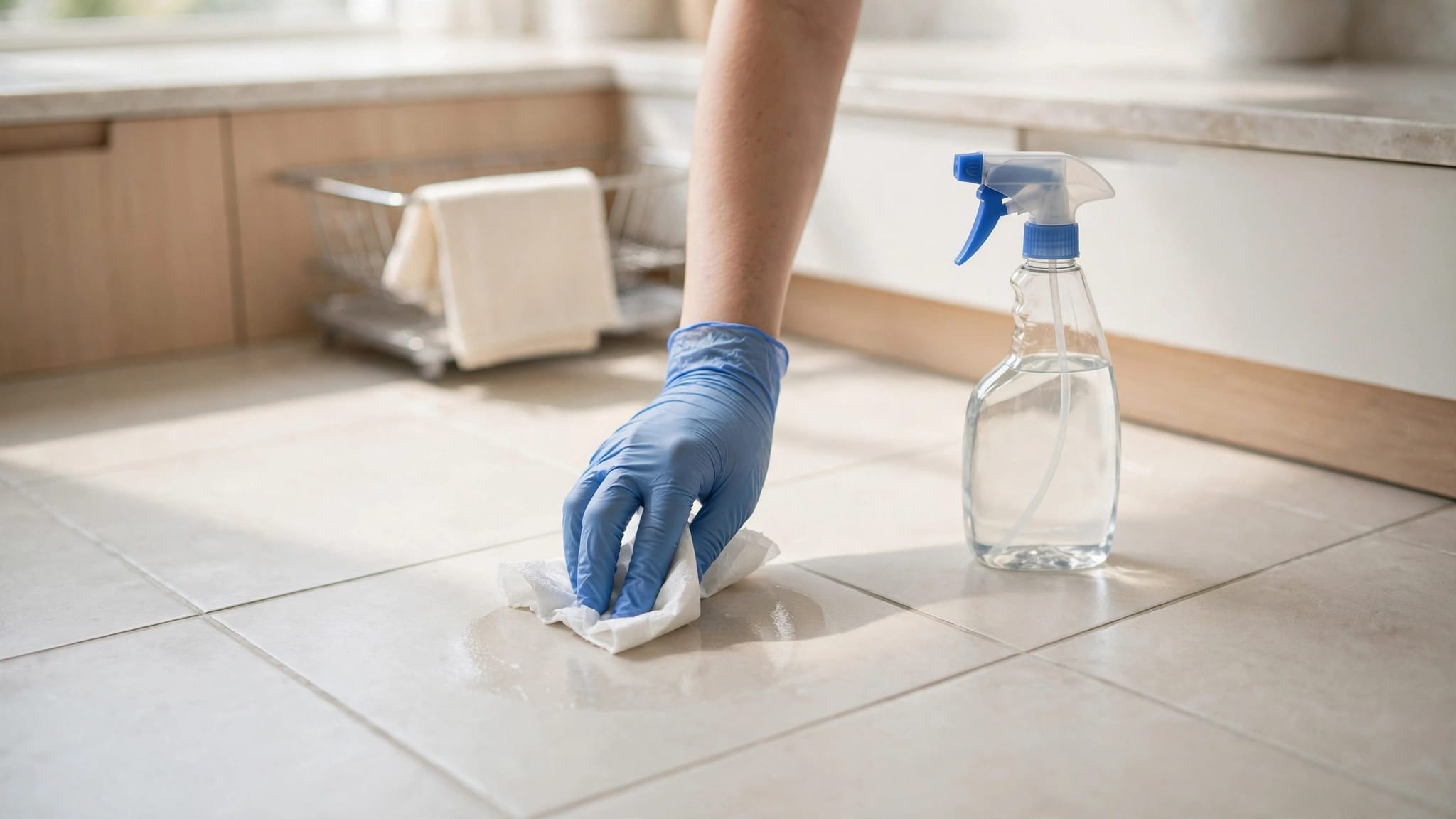
Write down when you first noticed it and whether the condition changes after rain, irrigation, or appliance use. If possible, collect a small loose sample in a sealed container without digging into the wood.
Avoid spraying into holes, sealing suspected kick-out holes, or pulling off large sections of trim before the pest inspection. Those actions can hide evidence and make the extent of activity harder to trace.
Know what a Florida WDO inspection can show
A Florida wood-destroying organism inspection is visual and applies to accessible areas. It may identify evidence of termites, fungal decay, carpenter ants, or conditions that support them. Hidden framing behind finished walls can remain inaccessible.
The written report, known as FDACS Form 13645, records findings, inspected and uninspected areas, and conducive conditions. Review how to read a Florida WDO report carefully, including comments about location, evidence, and limits of the inspection.
Repair Window Frames and Door Jambs in the Right Order
Repair starts after the pest-control assessment identifies what is active, what is old, and what conditions helped the problem develop. A pest professional addresses the infestation, while a qualified contractor or building professional evaluates and repairs the wood.
Treat the cause before closing the opening
Drywood, subterranean, and dampwood termites need different recommendations. Treatment may depend on where activity occurs, how accessible the wood is, and whether the colony appears limited or spread through a wall, roof, or connected trim.
If water is involved, correct the failed seal, roof issue, plumbing leak, drainage problem, or air-conditioning condensate issue. Replacing wood before controlling termites or moisture can lead to the same trouble in new materials.
Replacement is often better than patching damaged trim
UF/IFAS advises replacing infested wood when drywood termite damage is limited to window or door trim. A contractor can remove compromised casing or jamb material, inspect adjoining framing as appropriate, and rebuild the opening so the door or window operates correctly.
Extensive damage, sagging, major movement, or uncertain structural safety calls for a qualified building professional. Never assume a cosmetic patch restores the strength of a damaged jamb or supporting frame.
Moisture Control and Termite Prevention for Florida Homes
Prevention works best when exterior openings stay dry, visible, and easy to inspect. It also makes early termite signs easier to find.
Keep water away from frames and foundations
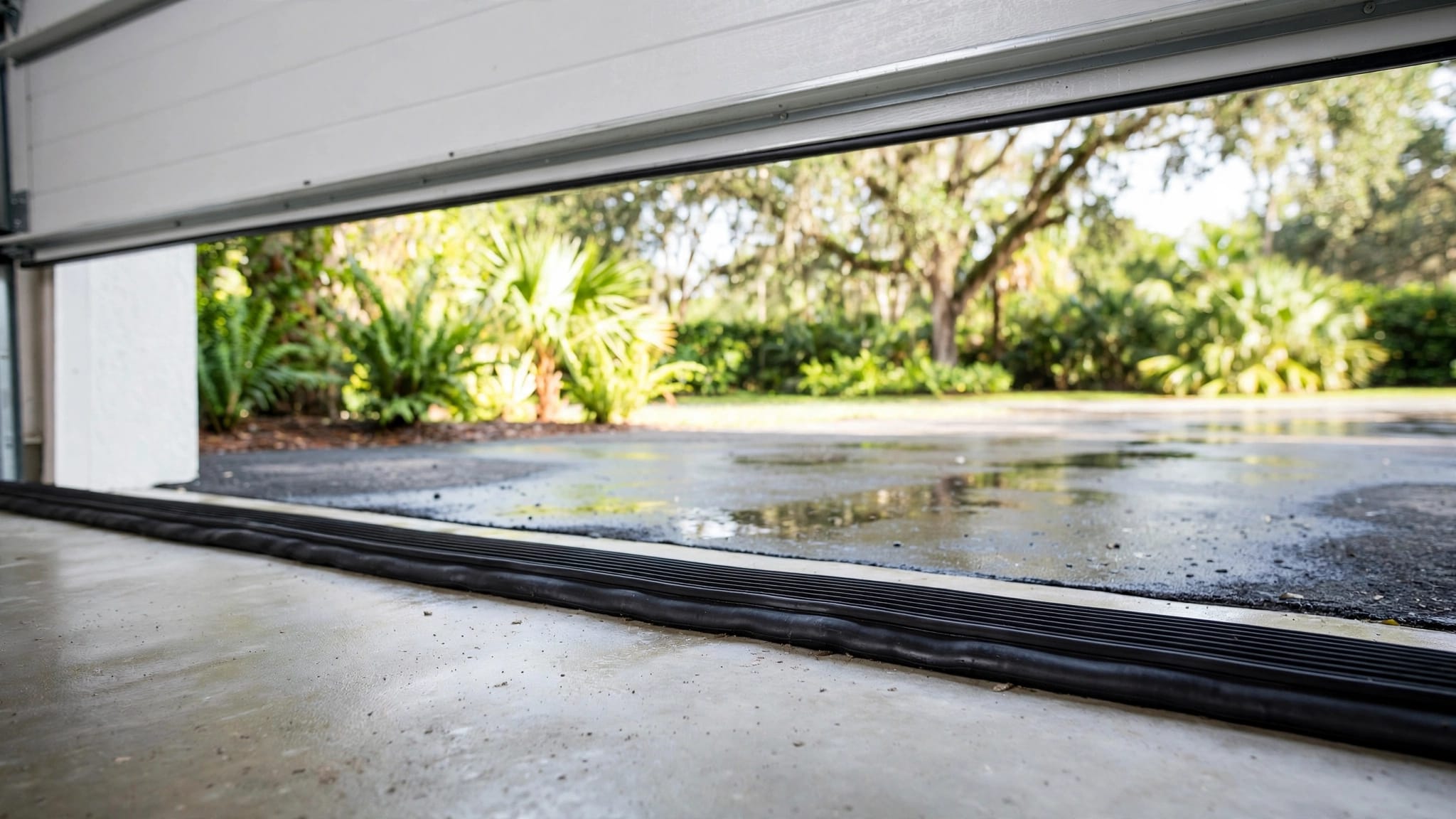
Clean gutters and direct downspouts away from the home. Repair damaged roof materials, failed caulk, and weatherstripping around exterior doors and windows. Check that irrigation doesn't repeatedly soak trim, siding, or slab edges.
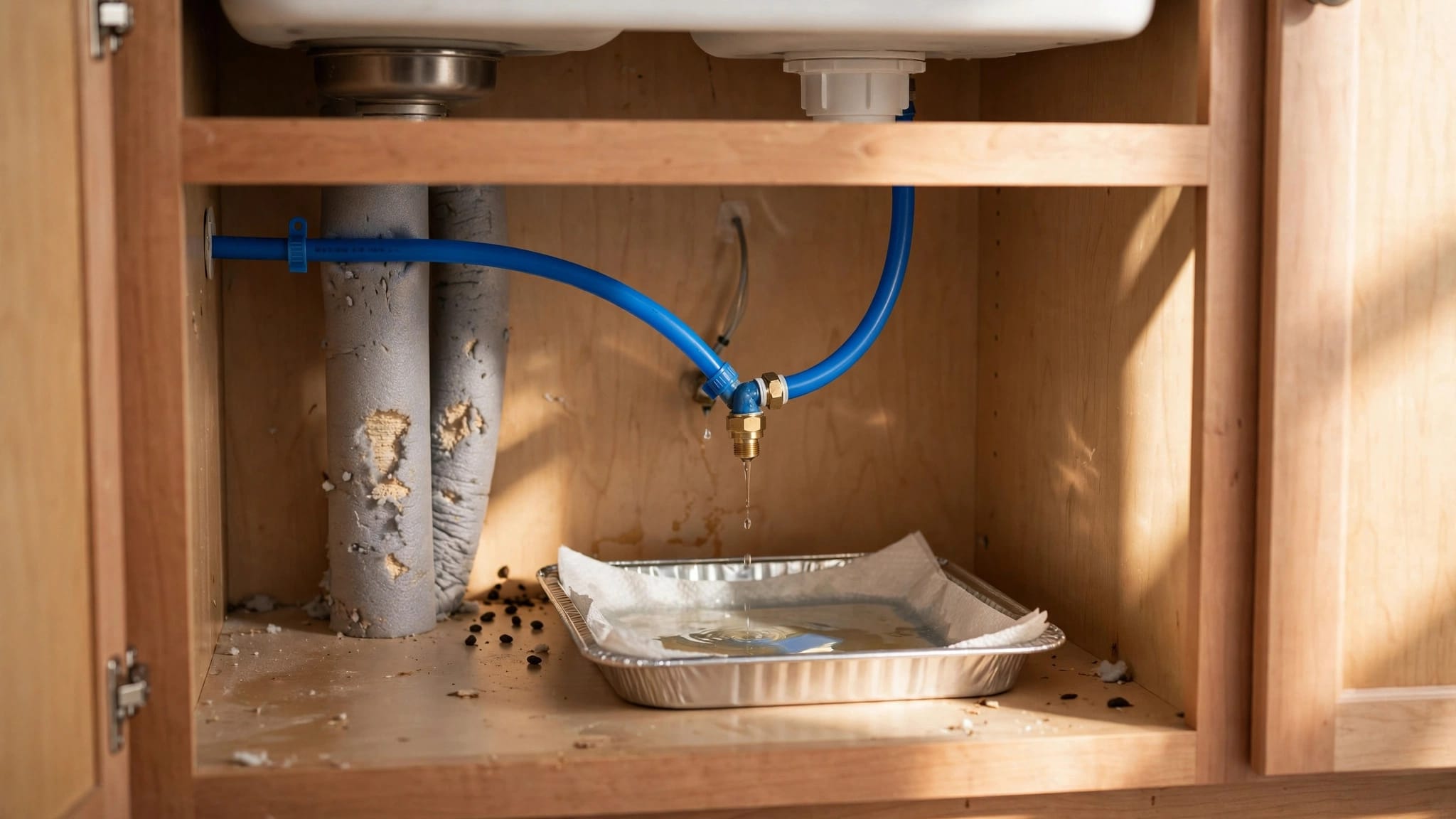
Inside, inspect the air-conditioning drain line and pan, plumbing connections, and walls near water-using appliances. A small recurring leak can soak hidden framing for months.
Reduce termite access around the house
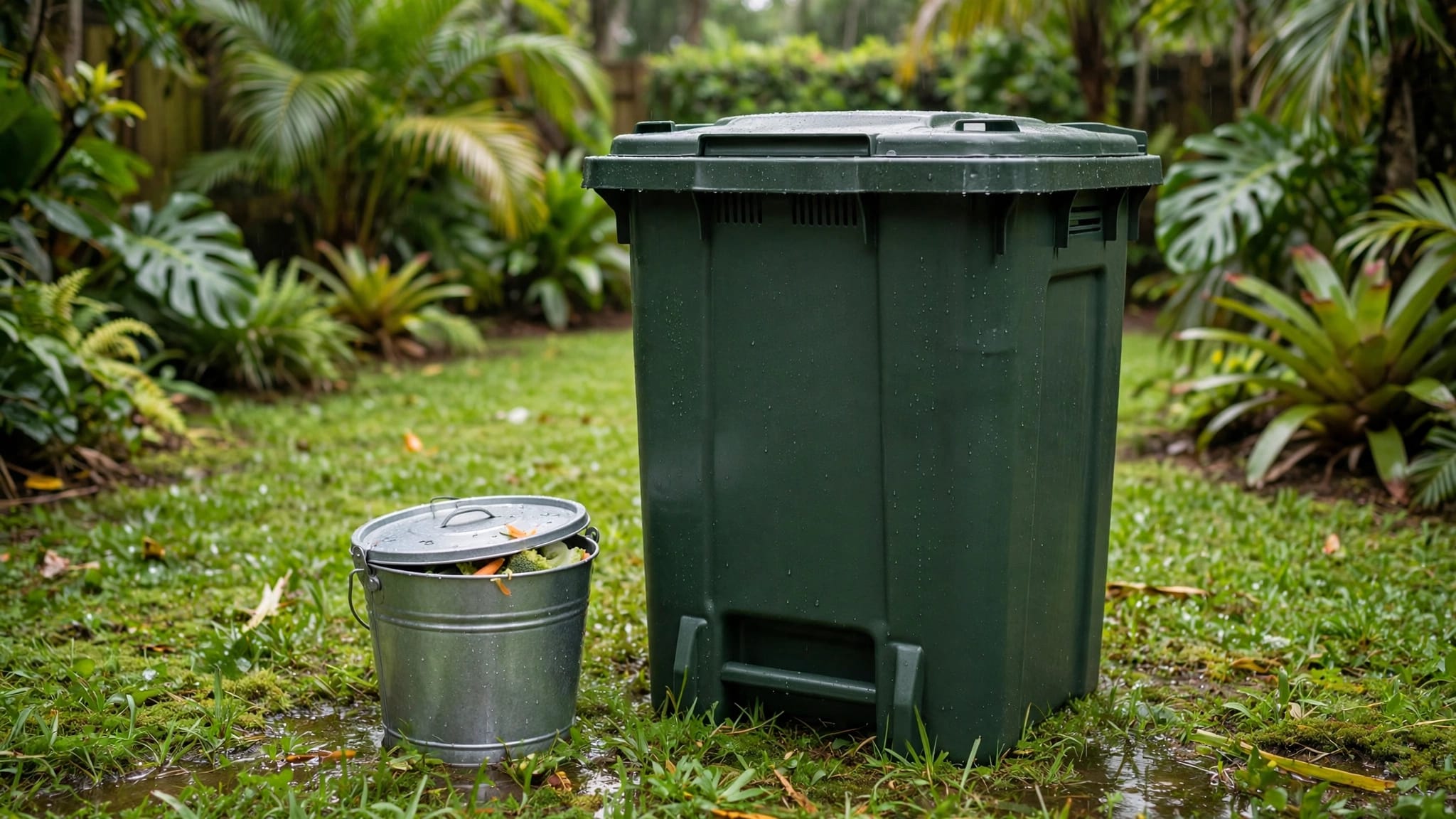
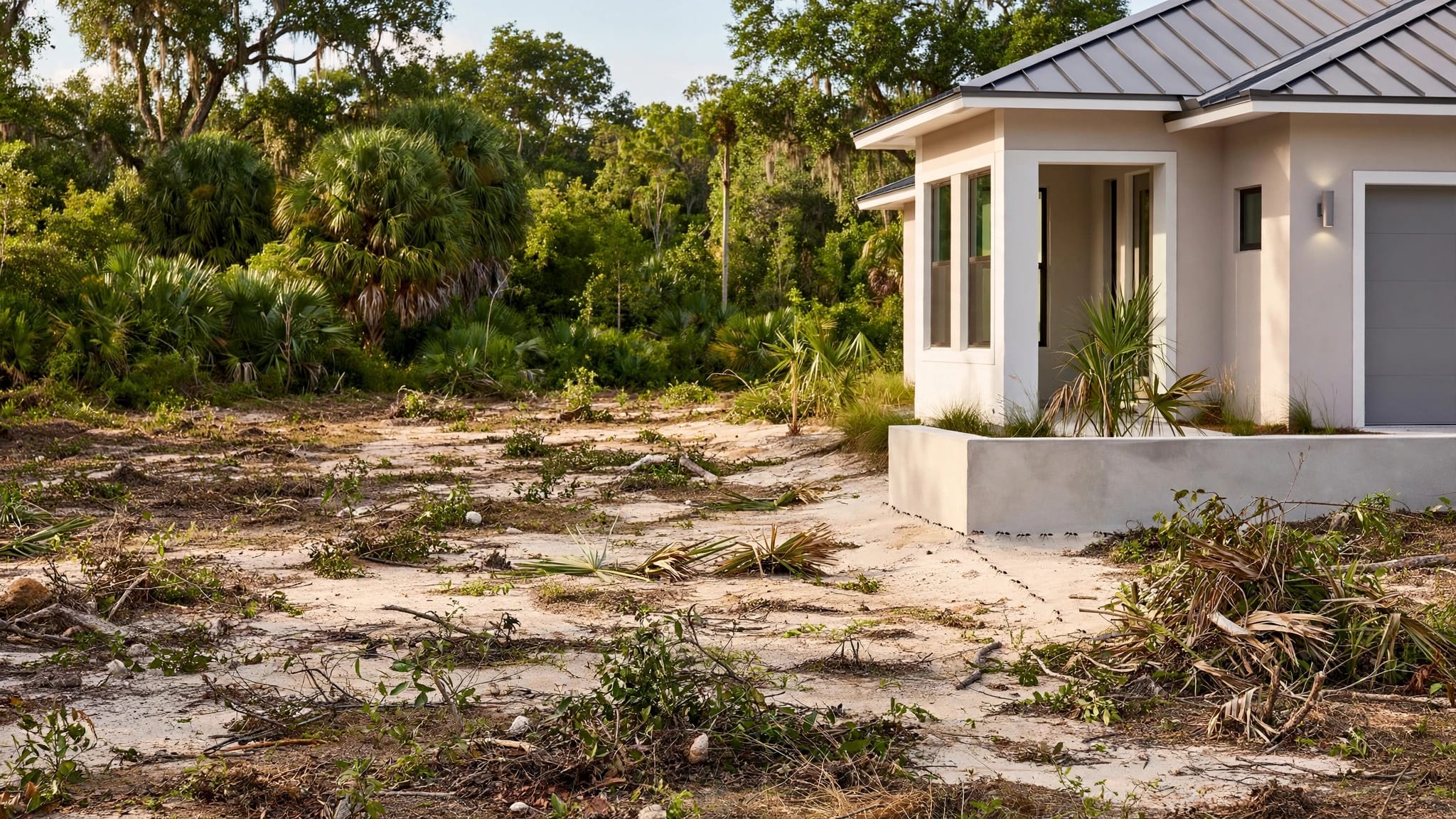
Keep mulch, soil, landscape timbers, and stored wood from touching exterior wood components. Store firewood off the ground and away from the house. Trim plants so lower walls, foundation areas, and door thresholds remain visible.
UF/IFAS recommends sealing small cracks and joints, screening vents with 20-mesh material, maintaining painted wood, and using pressure-treated lumber where it fits the repair. Pressure treatment lowers risk, but cut ends, cracks, moisture exposure, and untreated connections still need attention. Use these termite control tips for Florida homeowners as part of regular home maintenance.
Frequently Asked Questions
Can termites damage a window frame without visible pellets?
Yes. Drywood termites may keep evidence inside the wall or push pellets out only occasionally. Subterranean termites may feed behind trim without a visible tube at the window itself. A lack of pellets doesn't clear the area.
Should I replace a soft door jamb immediately?
Stop an active leak if you can do so safely, then document the damage and arrange an inspection. Replacement may be necessary, but removing the jamb first can conceal pest evidence. If the door is loose, severely misaligned, or safety is uncertain, contact a qualified building professional promptly.
Does a termite treatment repair damaged wood?
No. Treatment addresses termites according to the species and activity found. It doesn't restore wood that has lost strength, rotted, or shifted. Repair decisions should follow a pest assessment and, when needed, a contractor's or building professional's evaluation.
Protect the Openings That Protect Your Home
Small changes around a Florida window frame or door jamb can reveal a hidden moisture or termite problem early. Termite damage Florida homeowners catch before repainting or patching is easier to document and investigate.
Keep exterior openings dry, preserve evidence, and bring in qualified help when activity, concealed damage, or structural safety is unclear. The right treatment and repair plan begins with identifying the actual cause.
Schedule a Free Inspection: