Can Pests Get Through Florida Window Weep Holes?
Yes, small pests can sometimes enter through window weep holes, but seeing insects near a window doesn't prove those openings are the route inside. Weep holes drain water from the window assembly, so closing them can create a moisture problem.
In Florida, inspect the window as a whole: drainage openings, frame seals, screens, and nearby gaps each have a different job. Start by understanding what the weep holes do and how to protect them.
Can pests enter through Florida window weep holes?
What the openings are for
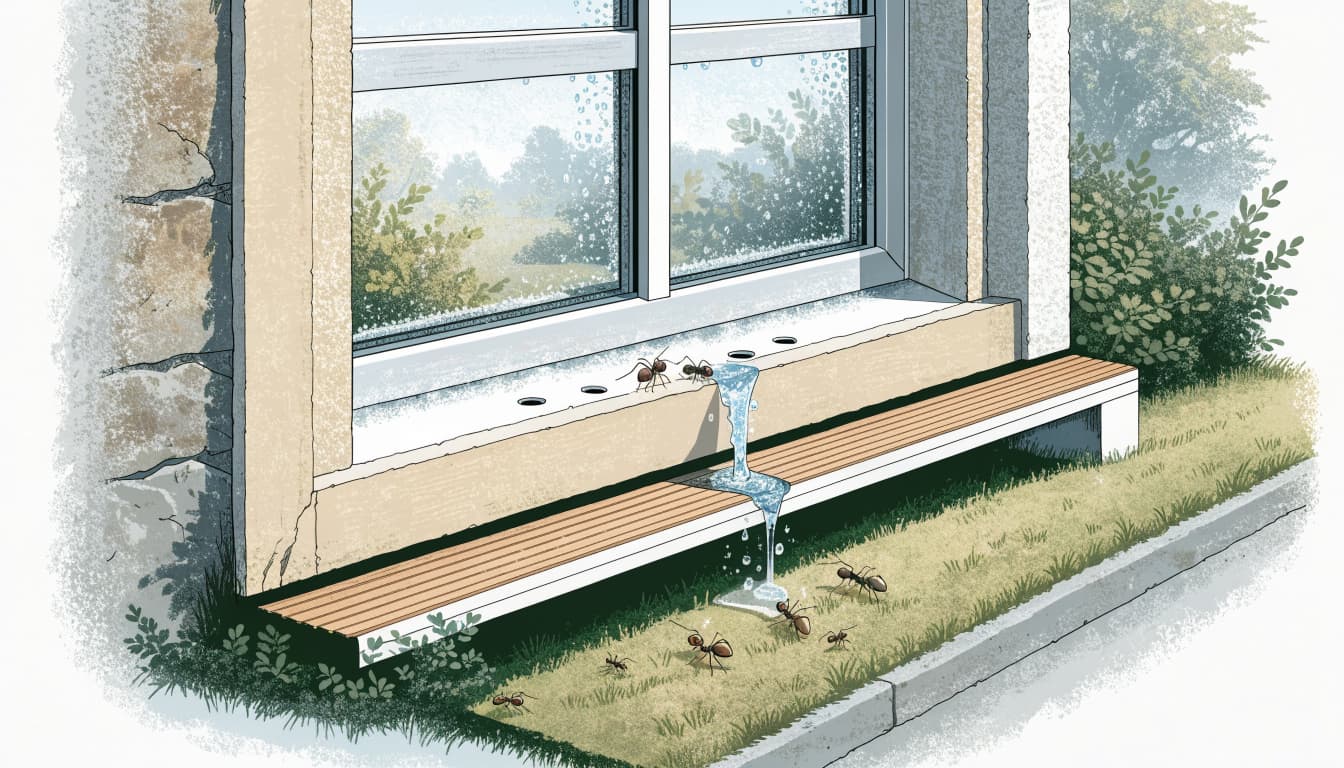
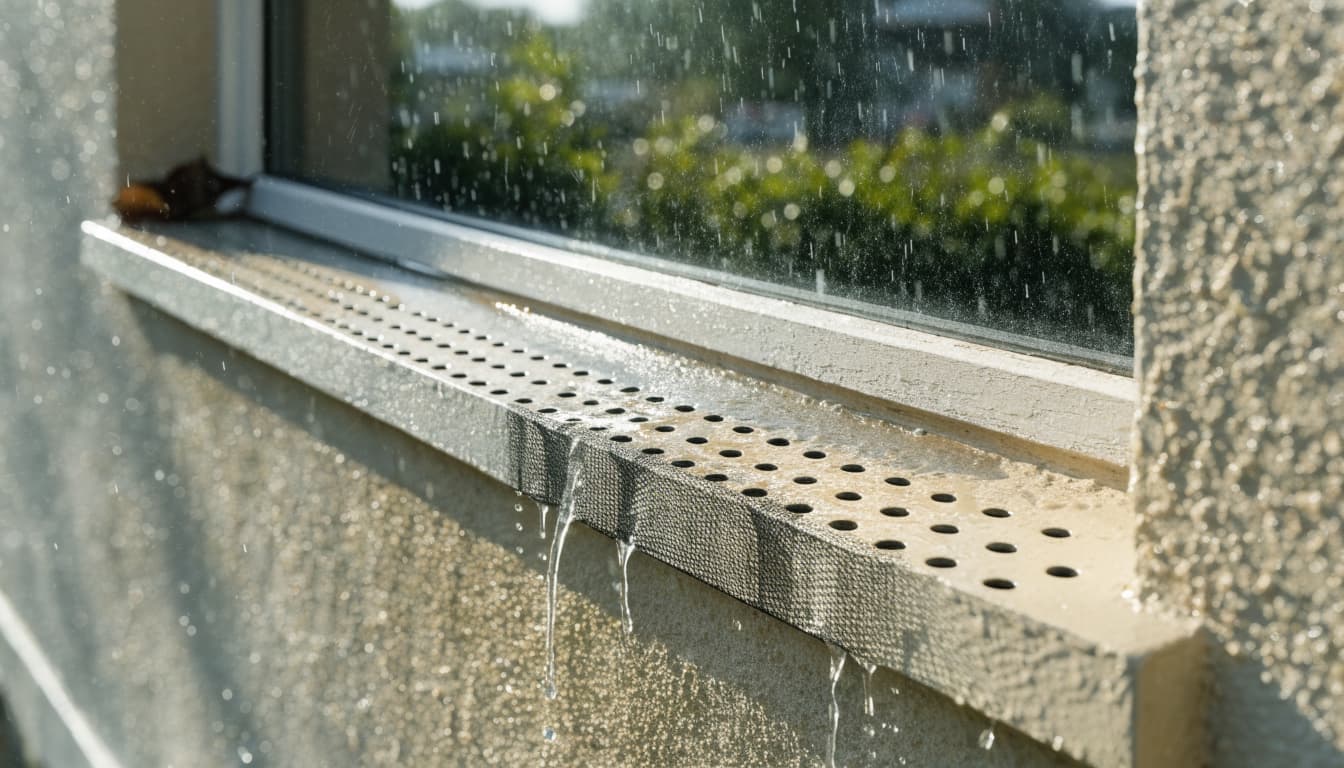
Weep holes are small openings near the bottom of some window frames. They let water that collects inside the frame drain outdoors. This drainage matters during Florida's rainy weather, when wind-driven rain can reach window assemblies.
Depending on the window and the condition of its frame, insects may be able to get close to or pass through an opening. However, activity on a sill or screen can also come from a gap around the frame, a torn screen, or another nearby access point. Don't assume the weep hole is responsible based on one sighting.
Why you shouldn't plug them
Blocking weep holes can keep water from draining as intended. Moisture may then collect in the frame or move into the surrounding wall, creating a larger repair issue than the pest activity.
If you suspect a pest is using a weep hole, ask a window professional about a pest-resistant option designed to preserve drainage. Don't fill the opening with caulk or foam. The goal is to limit access without interfering with the window's water management.
Reduce pest access without blocking drainage
Inspect the frame and screen
Look for cracked or missing caulk around the outside of the window frame. Check that the frame sits firmly against the wall, the window closes fully, and the screen has no tears or loose edges. These nearby gaps can provide easier access than a designed drainage opening.
Also clean debris from the window track so the sash can close properly. If a screen frame is loose or damaged, repair it. For more places to inspect around a Florida home, see our guide to common pest entry points in slab homes.
Keep the drainage path clear
Remove leaves and loose debris around the sill, but don't push material into the weep holes. Watch what happens after rain: water should drain outward rather than remain pooled in the track. Persistent dampness near a window can attract pests and may point to a drainage or maintenance concern.
Check other likely routes near the window
Insects often gather on the exterior screen or wall before finding a gap elsewhere. Examine worn weatherstripping, cracked caulk, loose screen frames, and the edges around sliding doors. Stink bugs and other insects can enter through small openings around windows and doors, so the screen itself may not be the only issue.
Branches, shrubs, and damp debris close to the house can also bring pest activity near windows. Trim vegetation that touches the structure, and move wet leaves away from the wall. Our tips on keeping stink bugs out around windows and screens cover related entry points.
When recurring pest activity needs attention
A single insect near a window doesn't necessarily indicate an infestation. Repeated sightings in the same room or along the same window deserve a closer look, especially after you've repaired visible screen or caulk damage.
Pay attention to where insects appear, when they show up, and whether activity continues after rain or screen repairs. That pattern can help distinguish a nearby source from an entry gap. Avoid sealing drainage openings as a quick fix. If pests keep appearing, residential pest control in Cape Coral can help identify the likely access points and treatment needs.
Key takeaways
- Window weep holes drain water and should stay open.
- Pests near a window may be using another gap or damaged screen.
- Repair frame seals and screens, but don't caulk over drainage openings.
- Repeated sightings call for a broader look at the window and nearby conditions.
Frequently asked questions
Should I put mesh over window weep holes?
Only use a pest-resistant solution that's appropriate for the window and keeps drainage working. A cover that traps water can cause moisture damage. If you suspect the weep hole is the route, ask a window professional about a compatible option.
Can I seal a window weep hole with caulk?
No. These openings are part of the window's drainage path. Sealing them can prevent water from escaping and push moisture into the frame or wall.
What if ants or roaches keep appearing by the window?
Check the screen, track, frame seal, and nearby sources of moisture or food. If sightings continue after visible gaps are repaired, a pest inspection can help determine whether another entry point or a larger pest issue is involved.
Keep the window draining and address the actual gap
Window weep holes are designed to move water out, so blocking them can trade a pest concern for moisture damage. Keep the drainage path clear, repair nearby screens and frame gaps, and take repeated sightings seriously. Identifying the route is the first step toward a lasting fix.
Schedule a Free Inspection: