Rodent-Proof Storage for Florida Garages and Sheds
A Florida garage or shed can protect your belongings, or quietly provide rodents with food, shelter, and nesting material. Rodent-proof storage starts with more than a tight lid. You also need to control moisture, reduce clutter, elevate stored items, and close the routes rats and mice use to enter.
Pet food, birdseed, grass seed, cardboard, paper products, and fabrics deserve special attention. In Southwest Florida, heat, humidity, heavy rain, and storm cleanup can make storage areas more attractive to pests. The right setup helps protect your belongings while making rodent activity easier to spot.
Why Florida garages and sheds attract rodents
Garages and sheds are often cool, shaded, and filled with undisturbed items. That combination gives rodents places to hide while keeping food and nesting material nearby.
Moisture, cardboard, clutter, and food access
Cardboard boxes absorb moisture and can become nesting material. Humidity also affects paper, fabrics, upholstery, and stored decorations. When these items sit directly on a garage or shed floor, they can stay damp after rainwater enters or condensation forms.
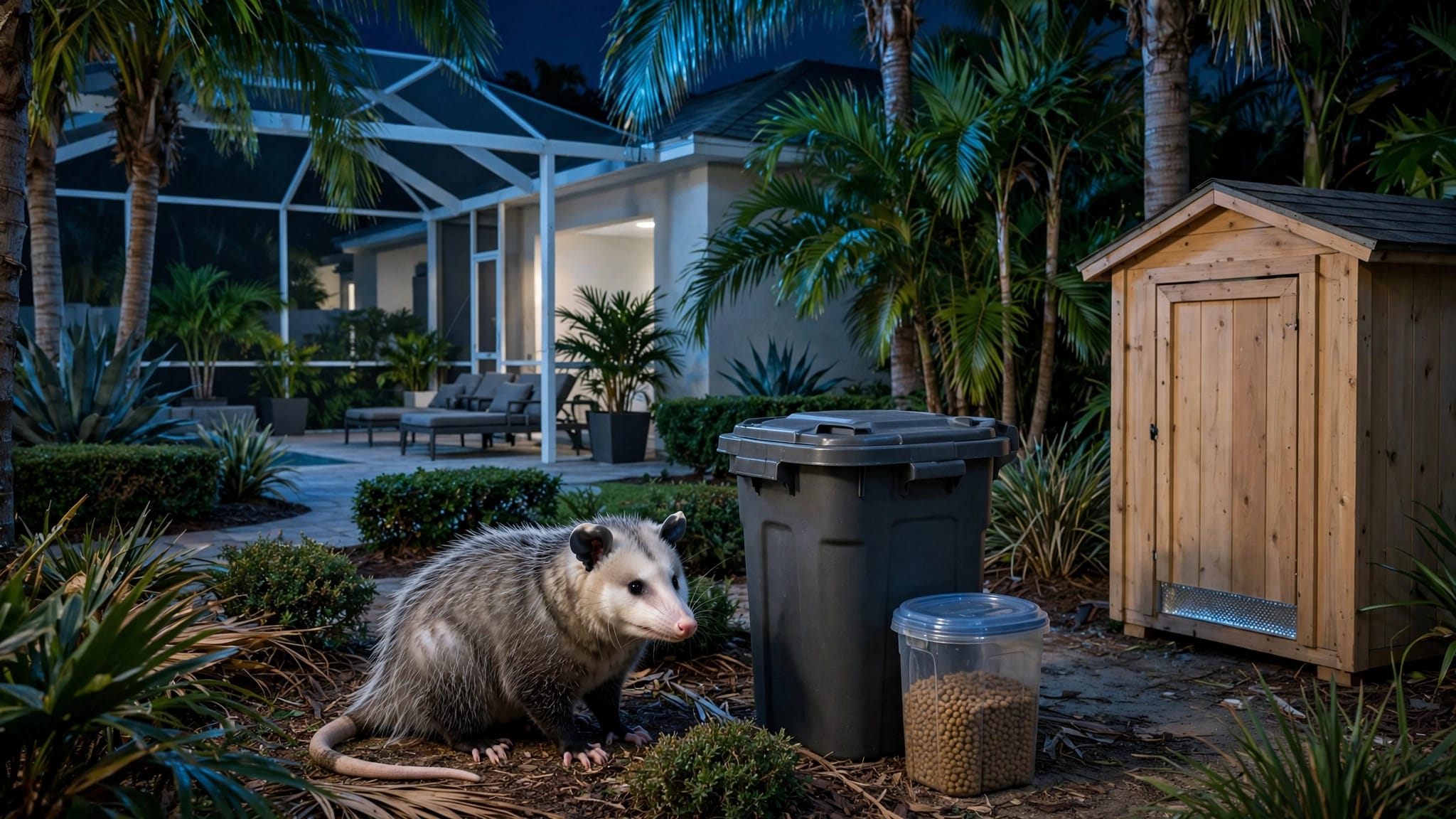
Food creates an even stronger reason for rodents to stay. Keep pet food, birdseed, grass seed, and grilling supplies in hard-sided containers with tight-fitting lids. Clean up spilled seed and remove fallen fruit from areas near the shed or garage.
Clutter matters because stacked boxes, unused appliances, bags of soil, and loose fabric create protected travel routes. Leave visible space around walls and corners so you can inspect for droppings, rub marks, gnawing, or shredded material.
Garage-to-wall and garage-to-attic routes
Rodents may enter through a garage and then move into wall voids or attic spaces. Common trouble spots include garage door corners, side doors, attic transitions, roof returns, soffits, vents, and openings around plumbing, electrical lines, and air-conditioning equipment.
A garage that looks clean can still have an entry problem. Daylight beneath a side door, worn weather stripping, or a misaligned threshold may provide access. For a location-specific checklist, review these rodent protection steps for garages and storage buildings.
Choose storage that rodents cannot breach
Storage containers should keep food, moisture, and nesting materials away from pests. They should also let you organize belongings without creating hidden spaces along the walls.
Use sealed plastic bins instead of open cardboard
Hard-sided plastic totes with tight-fitting lids are a better choice for holiday decorations, clothing, documents, tools, and household supplies. Check that each lid closes fully and that the container has no cracks, warped edges, or chewed corners.
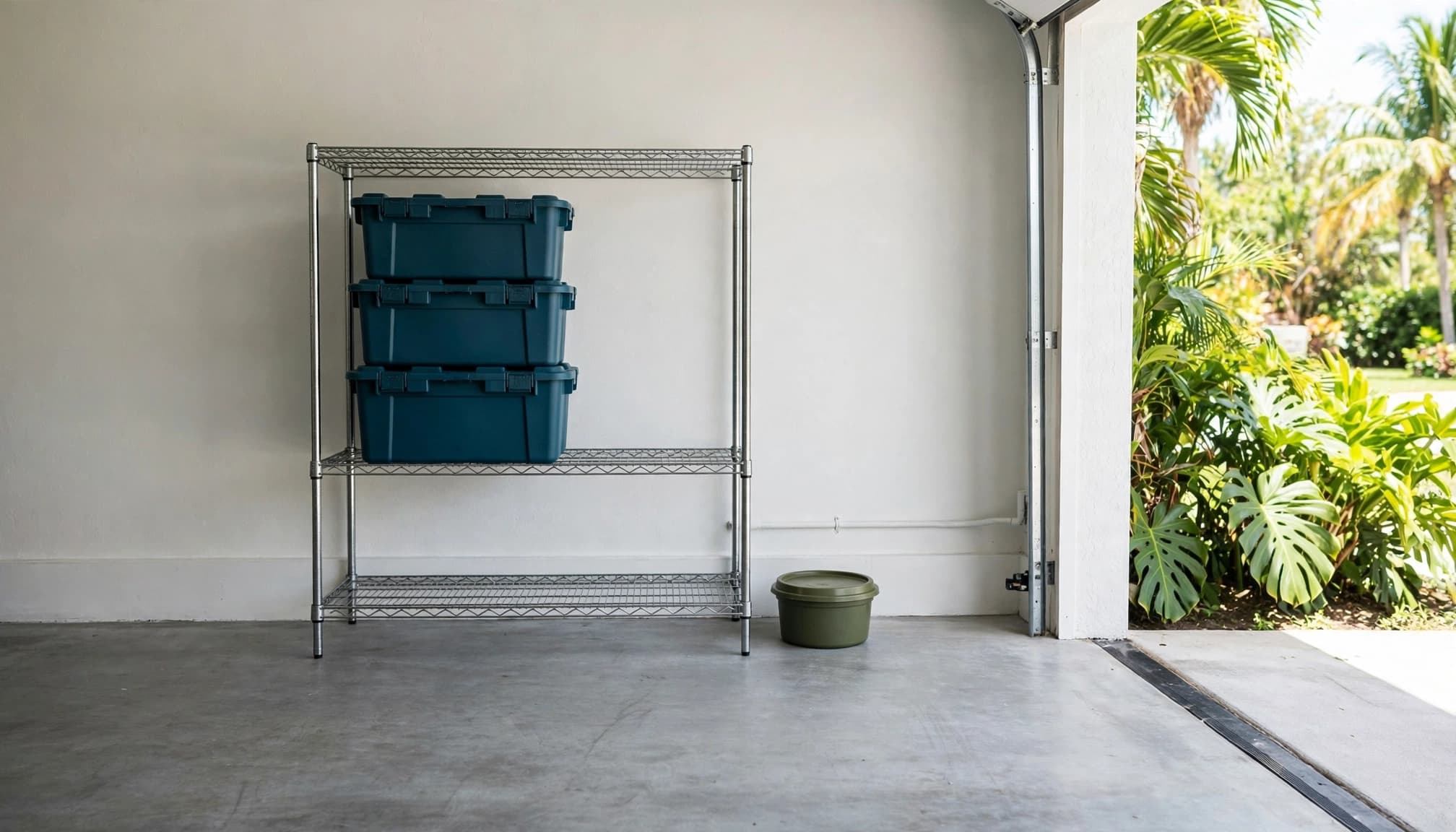
Use separate containers for pet food, birdseed, and grass seed. Wipe residue from the outside of each container, and avoid leaving open bags beside the storage bin. Fabric items should be clean and dry before you seal them away. Moisture trapped inside can lead to mildew even when rodents cannot reach the contents.
Raise containers off the floor
Shelving, pallets, or other stable supports can keep storage above minor water intrusion and make inspections easier. Leave enough room to see beneath and behind the containers. Avoid placing heavy bins directly against drywall, garage doors, or shed walls.
Elevation doesn't replace a sealed structure. Rats and mice can still climb, squeeze through openings, and follow clutter to a container. However, raised storage reduces hidden floor-level spaces and gives you a clearer view of new droppings, tracks, gnaw marks, or water damage.
Keep shelves stable and avoid overloading them. A falling container can damage belongings or create a new pile where rodents can hide.
Prepare sheds for Florida rain and storms
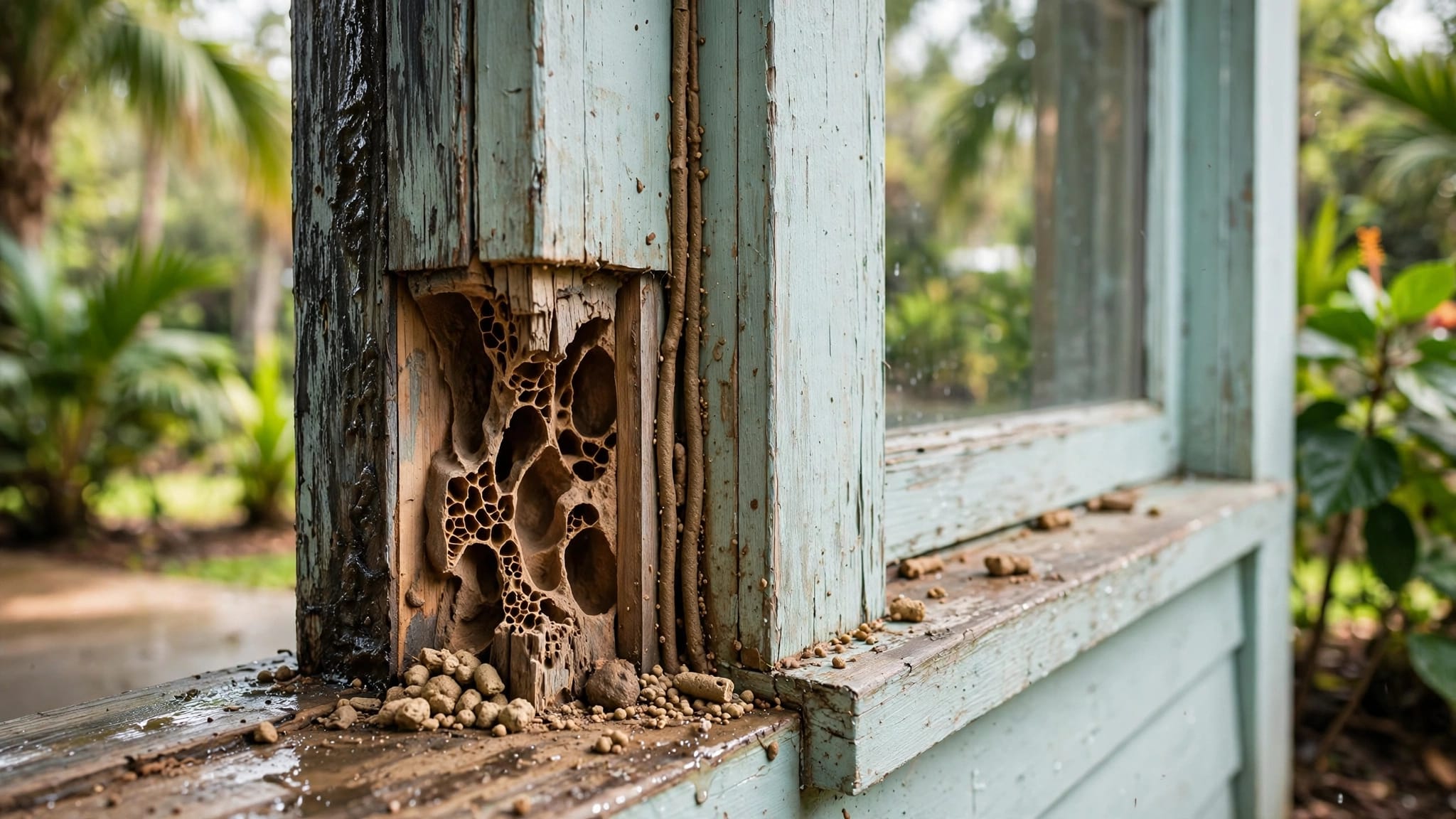
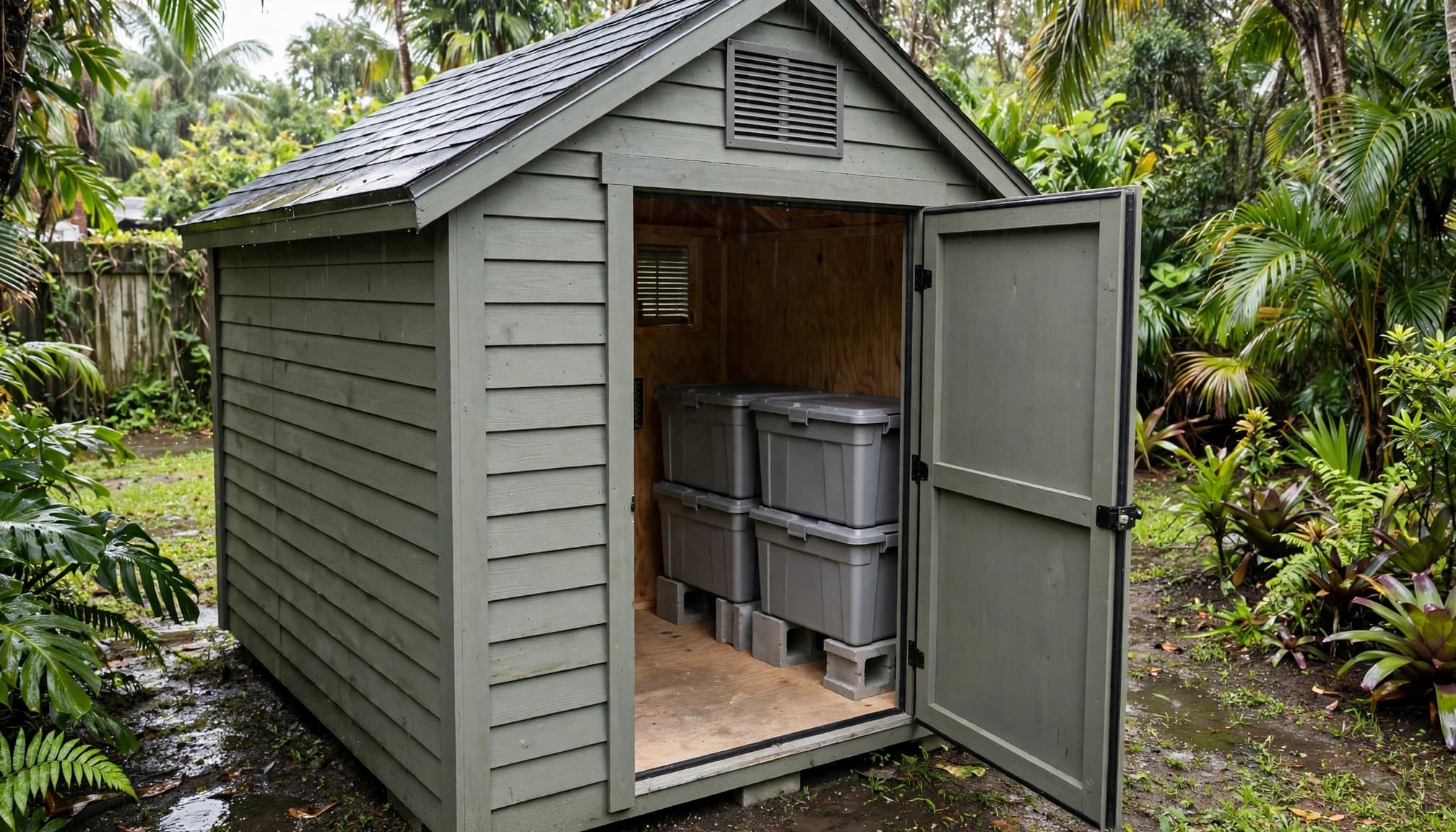
Sheds need protection from both rodents and weather. Rain can enter through damaged doors, shifted panels, roof gaps, and worn seals. Storm preparation should include the storage area, not only the main house.
Close gaps while maintaining airflow
Inspect the shed door, corners, roof edges, vents, and floor perimeter. A tight, rodent-resistant door sweep should close visible gaps without preventing the door from opening. A brush sweep may help with an uneven threshold, although softer brush material can be damaged over time.
Use durable materials that fit the location. Metal flashing, 1/4-inch hardware cloth, mortar, and exterior-rated sealant are generally more reliable barriers than expanding foam alone. Rodents can chew soft foam and some plastic materials. Secure screening and flashing with appropriate screws and washers.
Don't block needed attic or shed ventilation. Protected vents should allow controlled airflow while keeping rodents out. If a gap involves unsafe wiring, don't remove electrical covers or appliance panels. Have a licensed electrician handle electrical openings.
Secure seed, pet food, chemicals, and fabrics
Store lawn seed, birdseed, pet food, and fertilizer in sealed containers. Keep grass seed off the floor and clean any spill immediately. Lawn chemicals should remain closed and stored according to their labels, away from children and pets.
Before a storm, move loose items into sealed bins and raise containers above the lowest part of the floor. Secure the shed door and check that the structure hasn't shifted after high winds or heavy rain. These hurricane pest preparation steps for garages and sheds also apply when you are cleaning up after a storm.
Inspect and seal likely rodent entry points
Storage improvements work best when they are paired with a careful inspection. Look at both the storage building and the surrounding property.
Check doors, vents, soffits, and utility openings
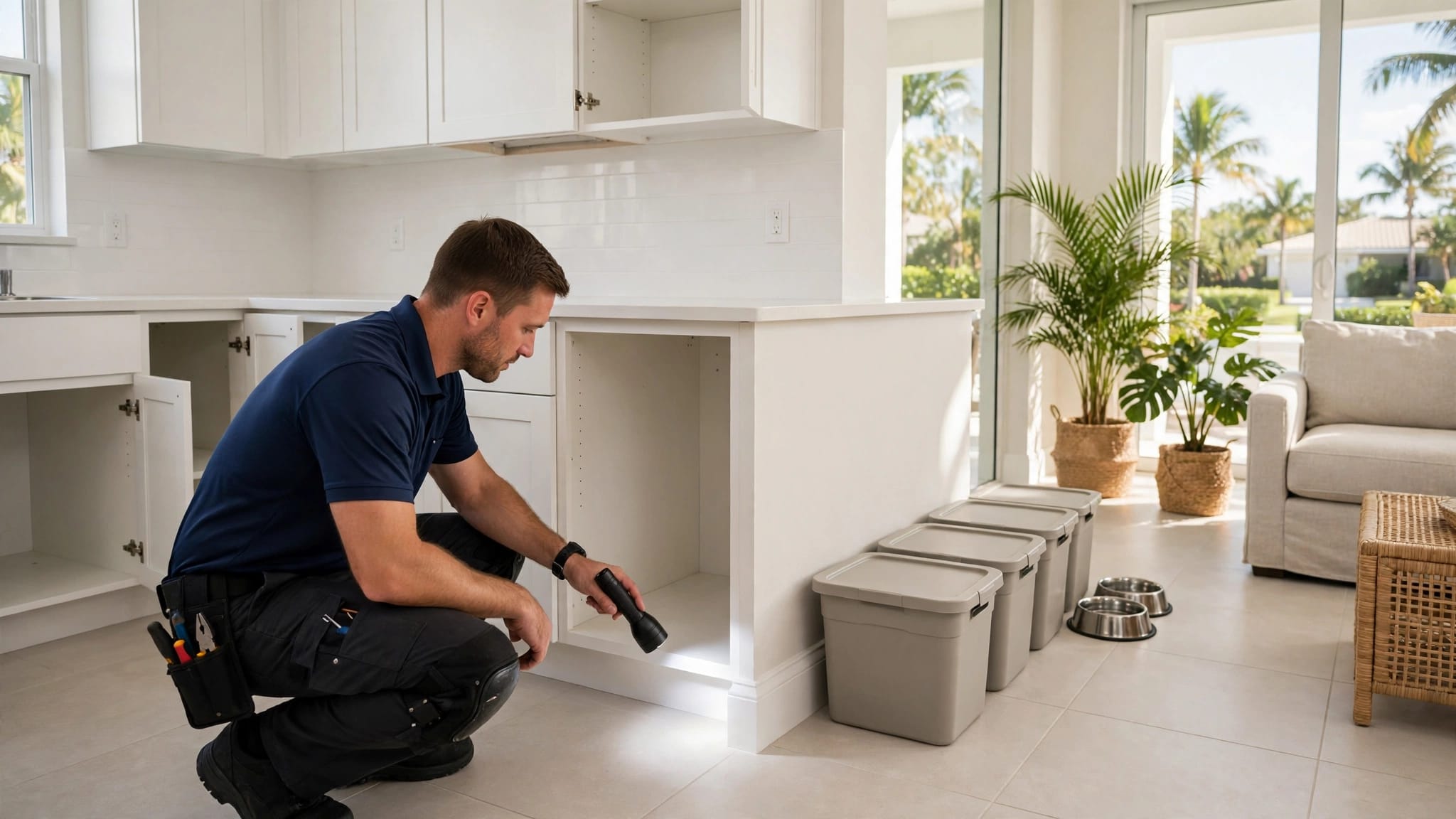
Start with the bottom corners of garage doors and side doors. Look for daylight, worn weather stripping, loose thresholds, and damaged sweeps. Next, inspect pipe penetrations, cable openings, air-conditioning line entries, wall joints, and the garage-to-attic transition.
On sheds and detached garages, examine roof returns, soffits, vents, floor edges, and damaged panels. Roof rats are climbers, so trim palm fronds and tree branches away from rooflines. Remove fallen fruit and spilled birdseed from nearby areas.
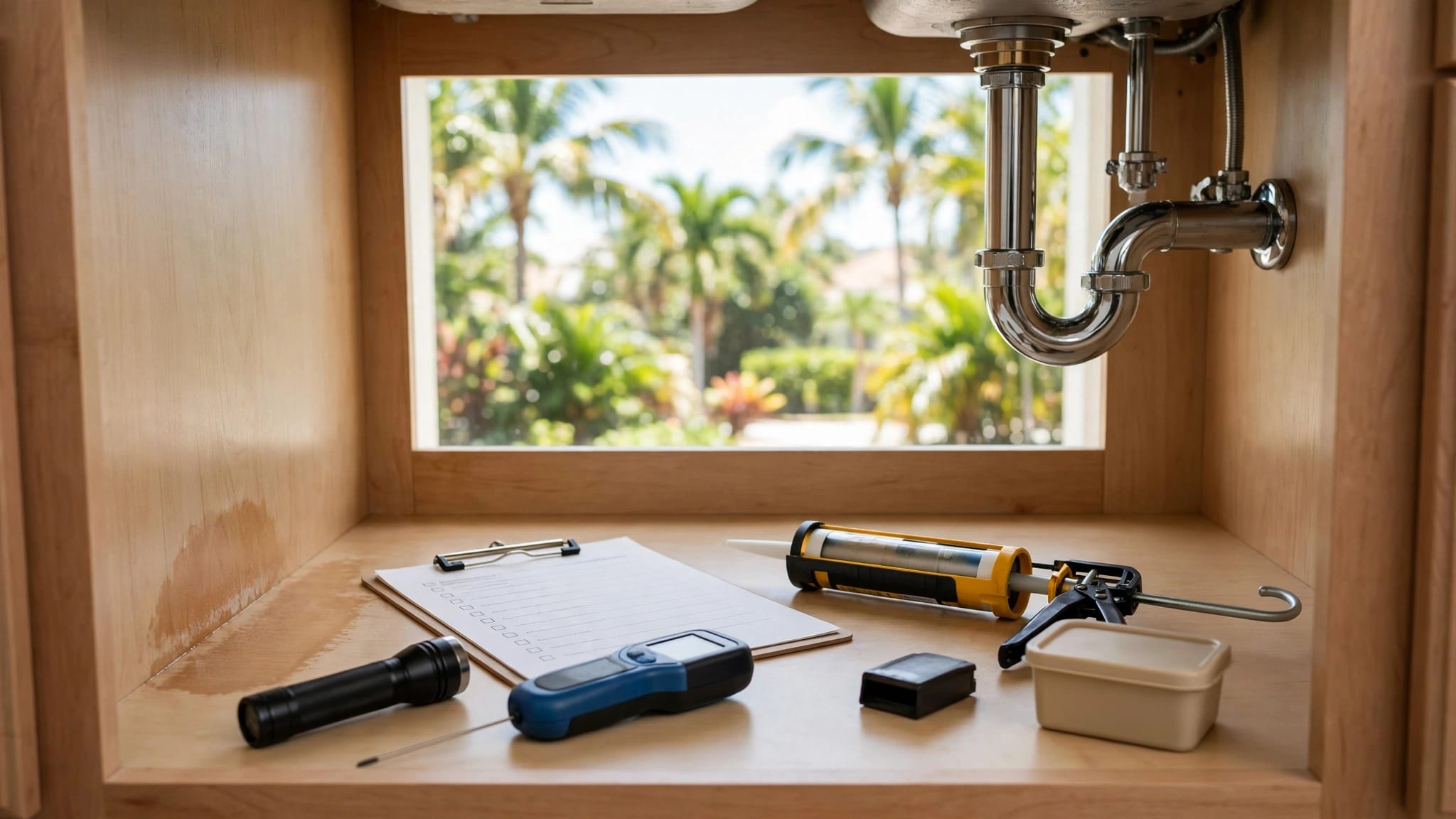
For small gaps, exterior-rated sealant may help when applied over a suitable backing material. Larger or chewed openings may need metal flashing, hardware cloth, or mortar. These gap-sealing tips for mice and garages cover common trouble areas.
Inspect before sealing an active route
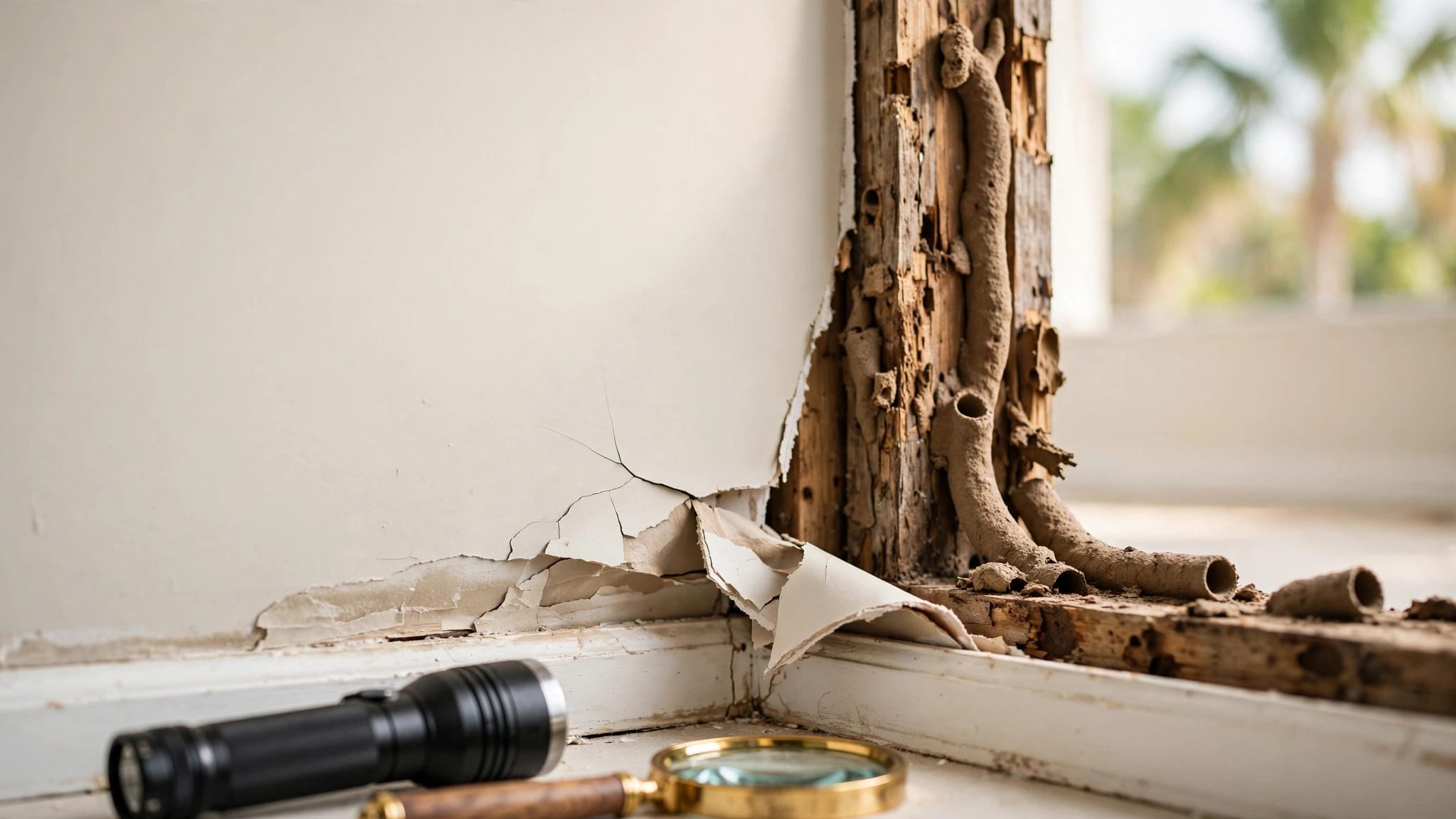
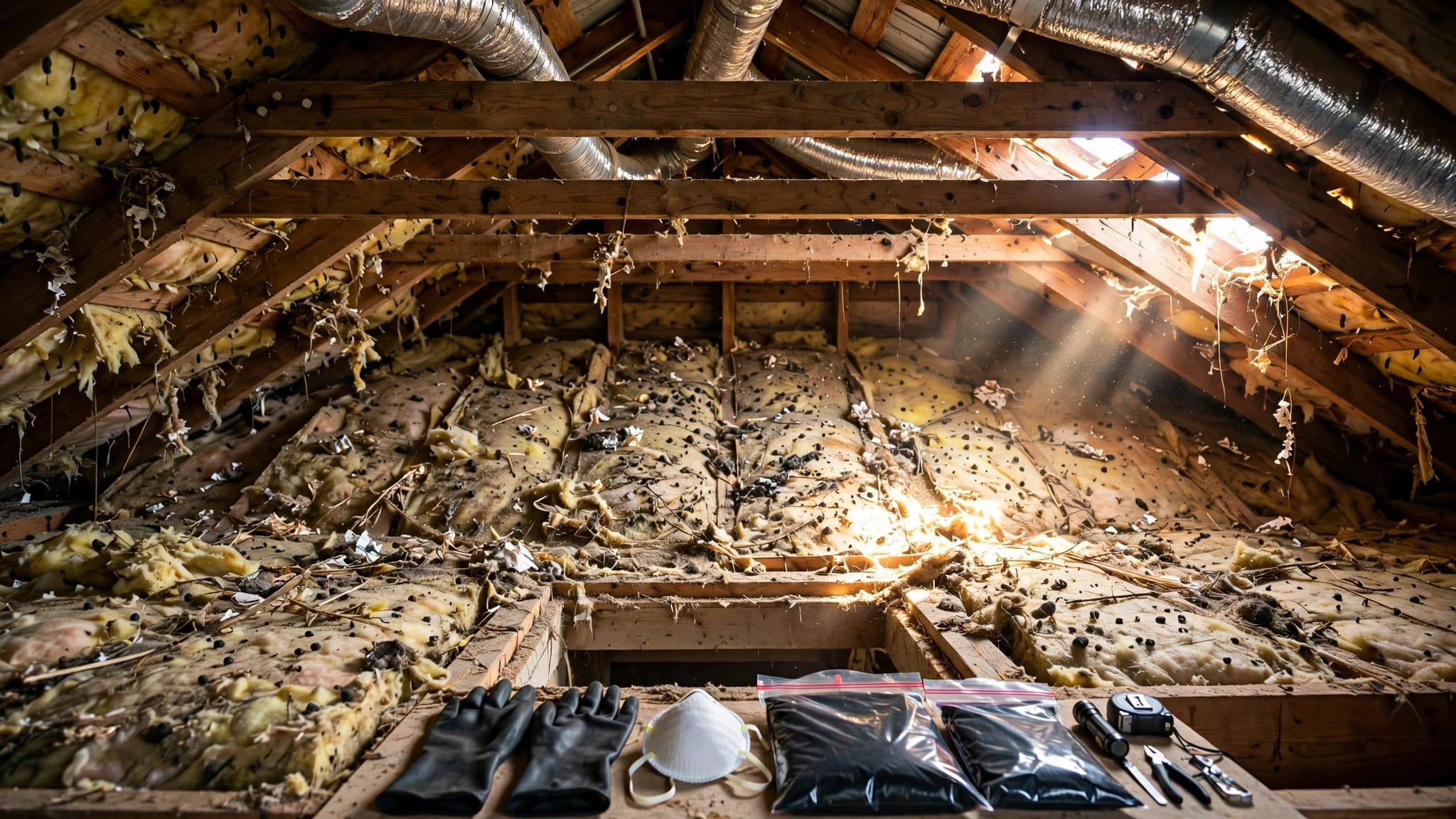
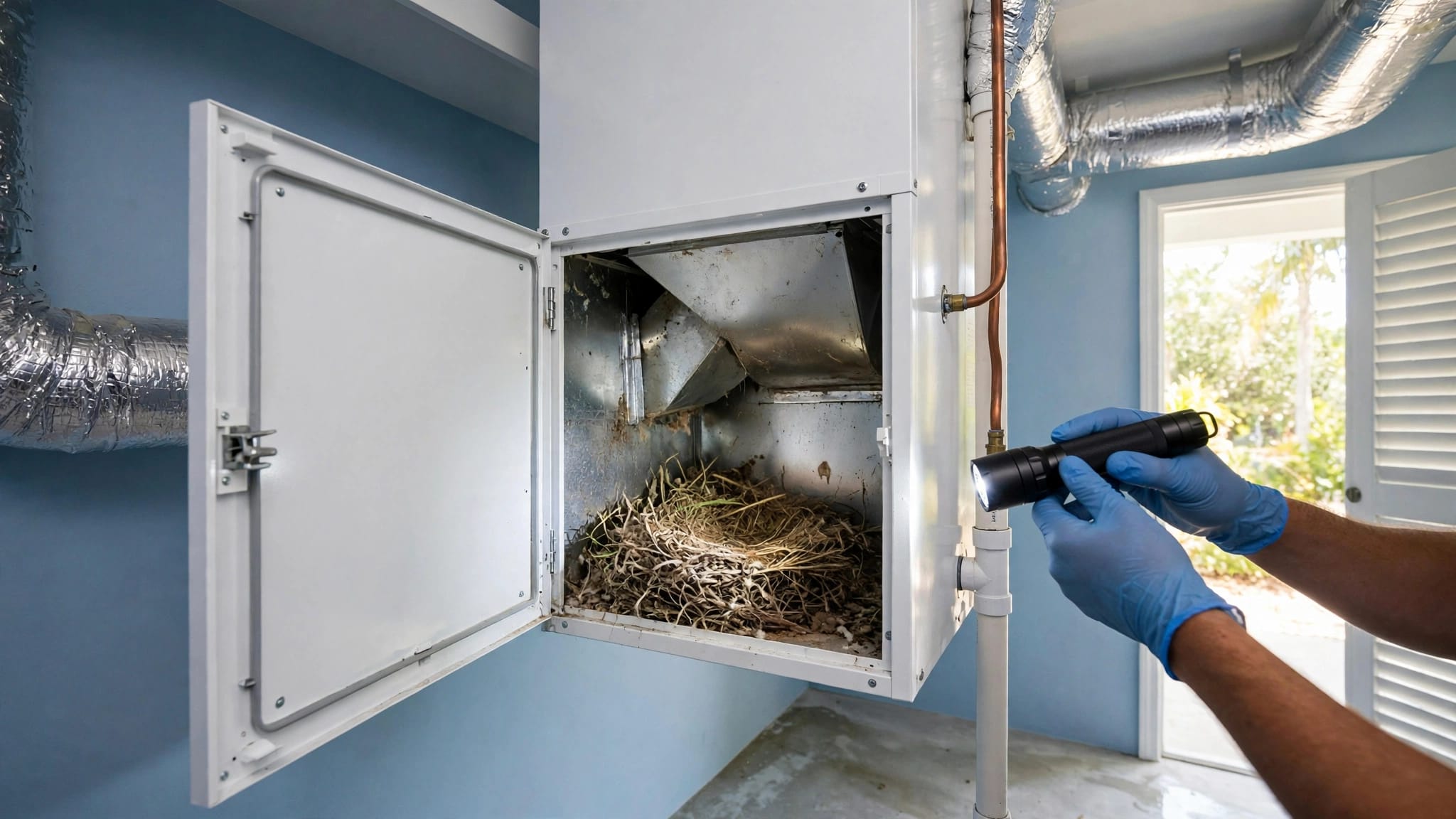
Fresh droppings, scratching sounds, grease marks, urine odors, shredded paper, nesting material, and gnaw marks suggest current or recent activity. Chewed wiring deserves prompt attention because it can create a safety concern.
Don't seal every opening immediately if rodents may still be inside. A rushed repair can trap an animal or push it farther into a wall, cabinet void, or ceiling. First identify the animal, locate the active route, and determine whether removal or trapping is needed.
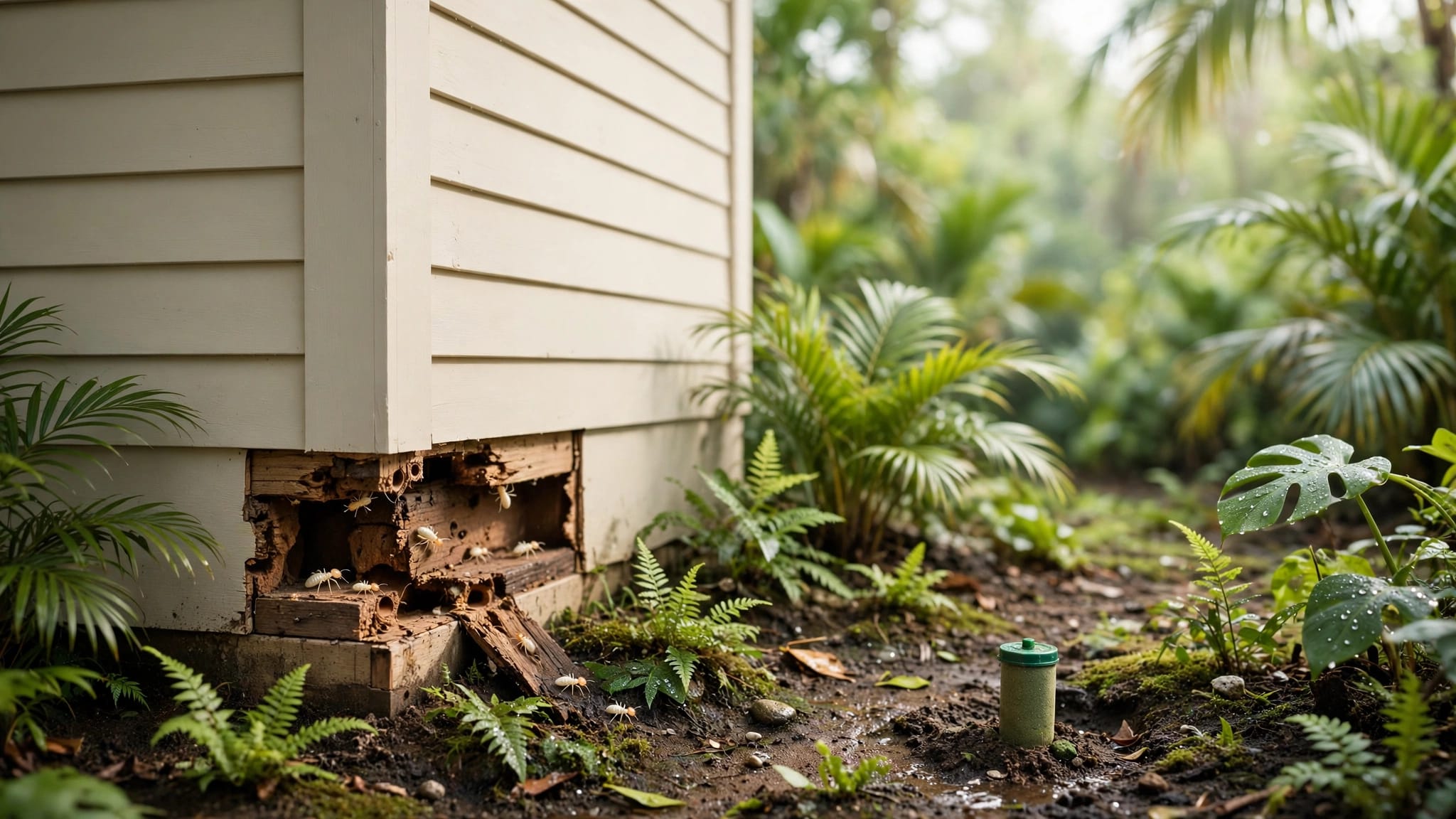
Rats and mice aren't the only animals that can enter a Florida structure. A bat, bird, squirrel, or other wildlife may require a different response. When signs extend into the attic or walls, sealing roofline and soffit entry points should follow a complete assessment.
Build a routine for rodent-proof storage
Rodent prevention is easier when storage areas receive regular attention. A quick inspection can catch a damaged seal or new droppings before the problem spreads.
Use a simple monthly inspection
Once a month, check:
- Garage door corners, side-door sweeps, and shed thresholds.
- The floor beneath and behind storage containers.
- Pet food, birdseed, grass seed, and grilling supplies.
- Vents, roof edges, soffits, and utility penetrations.
- New droppings, gnaw marks, rub marks, odors, or shredded material.
- Damp cardboard, mildew, leaks, and storm-related damage.
Keep vegetation, brush piles, and loose materials away from shed walls. Trim branches that touch the roof, and remove fallen fruit near garages, fences, and storage buildings. Rodents need protected routes as well as food, so reducing outdoor shelter helps.
Know when to call a pest professional
A few preventive improvements may help when there are no signs of activity. Repeated droppings, ongoing scratching, strong odors, damaged wiring, or visible rodents indicate a larger problem.
Avoid handling droppings or nesting material with bare hands. Don't sweep or vacuum dry contamination. Keep people and pets away, ventilate the area when appropriate, and seek professional guidance for extensive contamination or strong odors.
Rodenticides can harm children, pets, hawks, owls, and other wildlife when used incorrectly. They can also leave a poisoned animal inside a wall or ceiling. A qualified pest professional can assess the route and decide whether trapping, baiting, exclusion, or a combination is appropriate. Shield PCS describes its rodent services as using trapping, baiting, and exclusion through Southwest Florida pest and rodent control.
Key Takeaways
- Replace cardboard storage with hard-sided bins that have tight-fitting lids.
- Keep pet food, birdseed, grass seed, paper, and fabrics contained and dry.
- Raise containers off garage and shed floors, while keeping shelves stable.
- Inspect door bottoms, thresholds, vents, soffits, roof edges, and utility openings.
- Use hardware cloth, metal flashing, mortar, and exterior-rated sealant where appropriate.
- Don't use expanding foam as the only barrier.
- Maintain ventilation instead of sealing vents completely.
- Inspect after heavy rain, storms, repairs, and long periods away from home.
- Arrange professional help for active, extensive, or indoor rodent activity.
Frequently Asked Questions
What is the best container for rodent-proof storage?
A hard-sided plastic container with a tight-fitting lid is a practical choice for most garage and shed items. Use clean, dry containers and replace any lid or bin that has cracks, gaps, or chew damage. Store food products in containers designed to close securely and keep them away from walls.
Can rodents chew through plastic storage bins?
Some rodents can damage softer or thinner plastic materials. Choose durable hard-sided containers, inspect them regularly, and keep them elevated where possible. A container cannot correct an entry gap, so combine storage changes with structural inspection and exclusion.
Should I seal a shed if I hear scratching inside?
Arrange an inspection before sealing the suspected opening. Closing a route while an animal remains inside can trap it or redirect it into a wall or ceiling. The response also depends on whether the animal is a rat, mouse, bat, bird, squirrel, or another species.
How should I clean rodent droppings in a garage?
Avoid dry sweeping or vacuuming droppings and nesting material. Wear appropriate protective equipment, follow disinfectant label directions, and keep children and pets away from the area. Extensive contamination, strong odors, or repeated signs call for qualified pest and cleanup assistance.
Conclusion
Rodent-proof storage in Florida depends on both organization and exclusion. Sealed containers protect belongings, raised shelves improve visibility, and reduced clutter removes hiding places. Dry storage, maintained ventilation, secure food containers, and storm inspections add another layer of protection.
If you find repeated droppings, gnaw marks, odors, scratching, or damaged wiring, storage changes alone may not solve the problem. A professional inspection can identify the route, address active rodents safely, and guide durable repairs that help keep your garage or shed protected.
Schedule a Free Inspection: