Florida Warehouse Pest Prevention for Loading Docks
Loading docks are one of the easiest places for pests to enter a warehouse. Open doors, incoming trailers, damaged pallets, spilled food, moisture, and wall gaps can create access and shelter within the same work zone.
Effective Florida warehouse pest prevention begins before treatment is needed. Facility teams should combine exclusion, sanitation, monitoring, employee training, and licensed pest-control support. The loading dock deserves its own routine because small maintenance problems there can affect storage areas, break rooms, and product handling spaces.
Why Loading Docks Attract Pest Activity
Warehouses provide food, shelter, and storage areas that can support pest activity. A dock adds more opportunities because doors open often, trucks arrive from different locations, and materials may sit outside before receiving.
Common Florida concerns
Rodents, cockroaches, ants, flies, and mosquitoes can appear around commercial facilities when food, moisture, or shelter is available. Termites may also concern properties with vulnerable wood components, although loading-dock activity does not automatically mean a termite problem.
Rodents may travel through utility routes, nearby storage areas, canals, seawalls, or adjacent properties. That makes exterior housekeeping important even when the first sighting occurs indoors. A rat near the dock may have entered through a door gap, arrived in a trailer, or followed a food odor from the waste area.
Why prevention beats repeated treatment
A pesticide application may reduce activity, but it won't correct a torn dock seal, overflowing dumpster, wet cardboard pile, or blocked drain. Those conditions can continue attracting pests after treatment.
A practical integrated pest management plan identifies the condition supporting activity, corrects it, and then uses monitoring to check whether the change worked. This approach also helps control commercial pest infestation financial risks before they affect inventory, schedules, or customer confidence.
Florida Warehouse Pest Prevention Starts at the Dock
The physical condition of the loading dock determines how easily pests can cross the building envelope. Inspect the threshold, door, seal, walls, drains, and nearby concrete apron as one connected area.
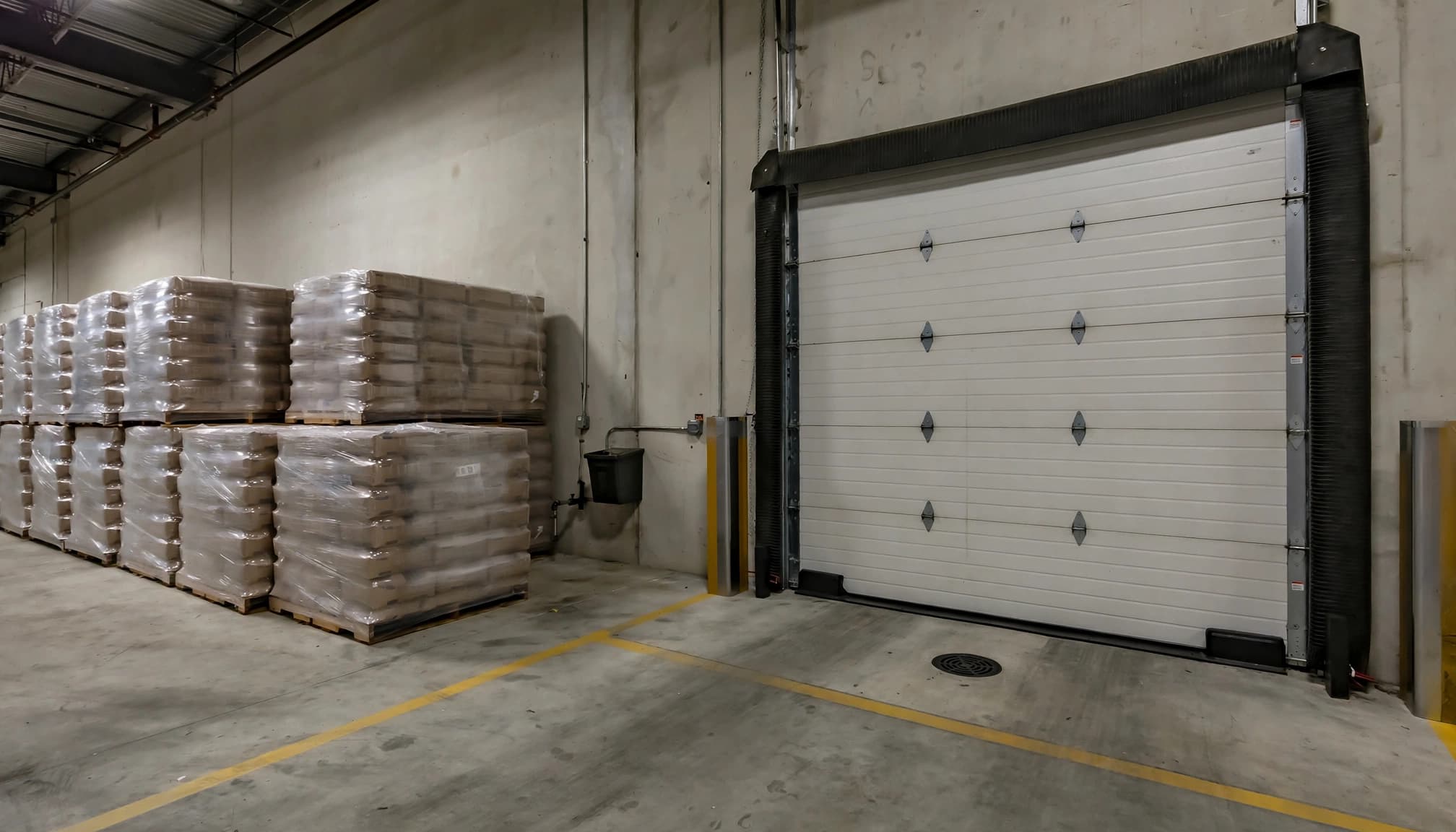
Check doors, seals, and thresholds
Dock doors should close fully and remain aligned with the frame. Look for daylight beneath the door, torn weather stripping, damaged rubber seals, gaps at the corners, and holes around wiring or conduit.
Inspect the joint where the wall meets the floor. Cracks, broken masonry, and unsealed utility penetrations can become entry points for insects and rodents. Maintenance staff should create work orders for repairs instead of treating those defects as minor cosmetic issues.
Keep dock doors closed when they aren't needed. A door that stays open during breaks, shift changes, or slow receiving periods gives pests more time to enter.
Keep drains and inspection paths clear
Floor drains, dock plates, and low areas need regular attention. Remove leaves, packaging, mud, and spilled product without covering or blocking required drainage.
Pooled water can attract insects and increase moisture around cracks, stored materials, and wall joints. After heavy rain, inspect the exterior apron and nearby drainage routes for water that remains after the rest of the surface dries.
Set pallets and equipment far enough from walls to allow inspection. A clear strip makes droppings, gnaw marks, insects, and moisture stains easier to find.
Control Trailers, Pallets, and Incoming Materials
Pests can arrive with shipments even when the building is well maintained. Receiving procedures should give employees a simple way to identify and isolate suspicious loads without disrupting the entire operation.
Inspect trailers before unloading
Ask receiving staff to look at trailer floors, corners, wall seams, door edges, and the space beneath pallets before product enters the warehouse. They should note droppings, live or dead insects, nesting material, gnaw marks, unusual odors, and wet or damaged packaging.
When employees find evidence, they should keep the affected shipment separated from clean inventory. A supervisor can then contact the supplier, document the finding, and ask a licensed pest professional whether further inspection is needed.
Trailer inspections don't require employees to handle pests. Staff should never reach into dark voids or confront an animal. They can close the area, restrict access, and report the location.
Manage pallets and packaging
Keep incoming pallets clean, dry, and in good condition. Remove broken pallets, loose cardboard, stretch wrap, and unused materials instead of allowing them to accumulate beside the dock.
Store pallets on an organized schedule and avoid creating hidden spaces against walls. Outdoor pallet stacks should remain visible and away from vegetation, dumpster enclosures, and building openings.
A damaged or wet pallet needs attention before it reaches storage. Depending on the product and company policy, the load may need to be rejected, repacked, cleaned, or held for evaluation.
Sanitation, Waste, and Standing Water
Dock sanitation connects receiving, storage, waste handling, and exterior maintenance. A clean interior can still experience pest pressure if the dumpster pad or compactor area provides food and shelter.
Remove food and grease quickly
Clean product spills as soon as the receiving process allows. Pay attention to broken bags, leaking containers, beverage residue, discarded food, and grease near compactors or loading equipment.
Waste containers should have lids that close properly and should not overflow. Schedule cleanup around pickup times so spills don't remain on the pad for days.
A useful inspection includes the area beneath dock equipment, behind bollards, beside compactors, and under stored materials. These protected locations can hide droppings and nesting material.
Keep the exterior visible and dry
Trim vegetation away from gate lines, enclosure walls, and building edges. Remove unused equipment, discarded pallets, cardboard, and debris that could provide cover.
Keep the dumpster pad dry and easy to inspect. The guidance in wildlife-proof trash storage for Southwest Florida businesses also applies to dock-adjacent waste areas, where shrubs, clutter, and food odors can attract rodents and wildlife.
Don't seal or fill a gap if doing so blocks required drainage or access for waste haulers. Coordinate repairs with facility maintenance so exclusion work doesn't create a water problem.
Manage standing water
Empty containers, repair leaking hoses, correct irrigation overspray, and report recurring puddles. Check low areas after rain, especially around drains, dock plates, and dumpster pads.
Mosquito activity can increase around standing water, while damp conditions can support other insects. A licensed professional can help determine whether the source needs drainage work, habitat reduction, or an approved treatment.
Monitoring and Documentation Make Prevention Measurable
A monitoring program helps the facility identify trends before a single sighting becomes a recurring problem. It also gives maintenance teams and pest professionals specific information to act on.
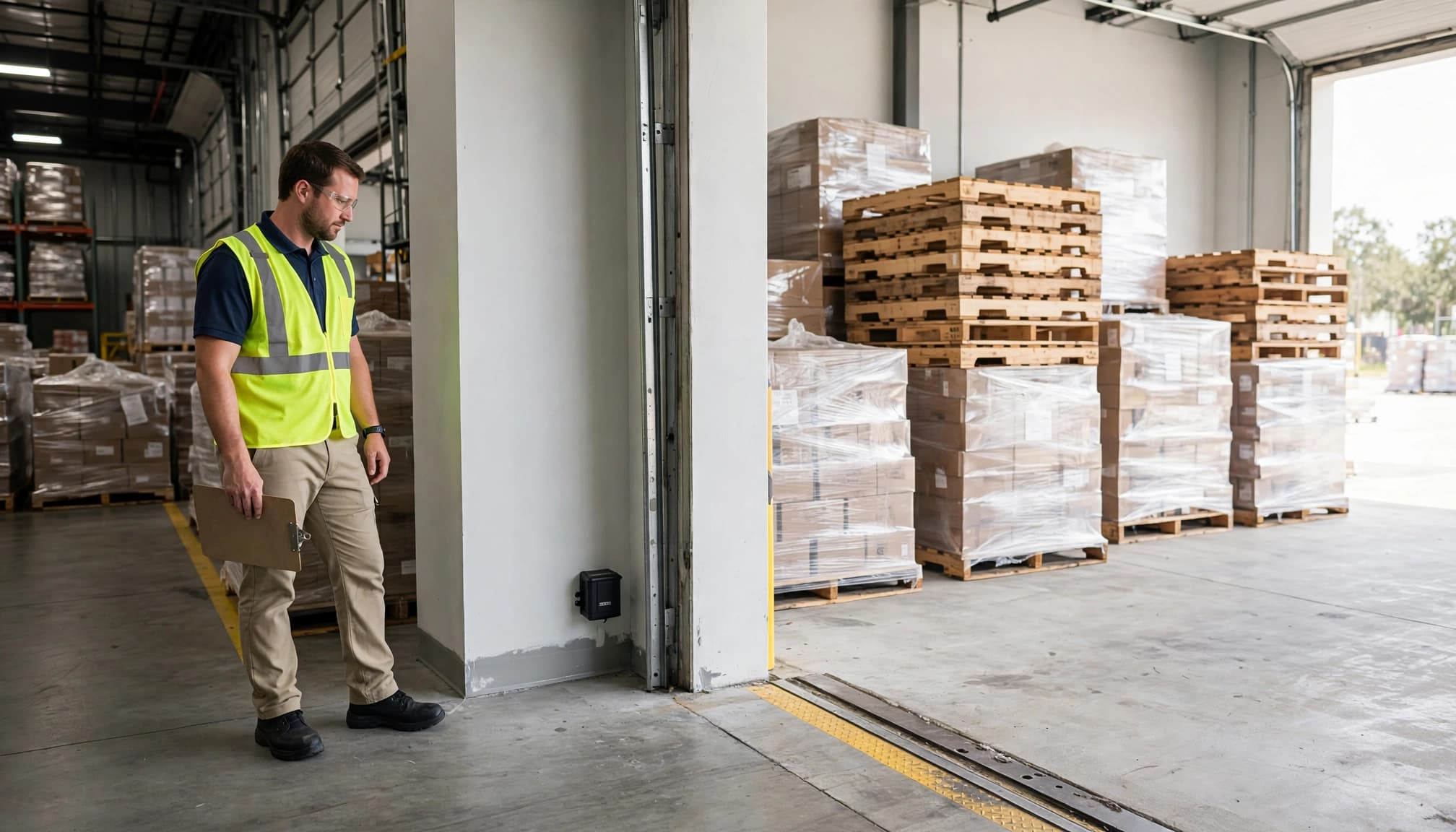
Build a repeatable inspection routine
Assign responsibility for the dock walk instead of assuming someone will notice problems during normal work. A routine inspection should cover:
- Door seals, thresholds, corners, and wall penetrations.
- Droppings, gnaw marks, insects, nesting material, and unusual odors.
- Pallet condition, cardboard accumulation, and product spills.
- Drains, hoses, puddles, dumpster pads, and compactor areas.
- Vegetation, exterior gaps, damaged panels, and debris near the building.
Inspect at the start of the operating day, after severe weather, and whenever employees report activity. The schedule can change based on the facility's findings and seasonal conditions.
Keep useful records
A good record identifies the date, location, observed condition, corrective action, person responsible, and completion date. Include photographs when they help explain a damaged seal, standing-water area, or sanitation problem.
Service records should identify inspection findings, monitoring results, treatments performed, products used when applicable, label precautions, and follow-up recommendations. Keep these records with maintenance work orders so the facility can show whether identified conditions were corrected.
Florida's Chapter 482 addresses the licensing, operation, and enforcement standards for pest-control businesses and operators. When selecting a provider, review Florida commercial pest control compliance and confirm that the company and technician hold the credentials required for the work.
Train Employees to Report Conditions Early
Employees often see the first sign of activity. Training should make reporting easy and prevent well-meaning actions from creating additional risk.
Teach signs, locations, and reporting
Show staff what droppings, gnawing, damaged packaging, insect evidence, nesting material, and grease trails may look like. Explain that sightings should include the exact dock door, trailer, pallet row, or waste area.
Employees should report activity rather than move monitoring devices, sweep evidence away, or apply an unapproved product. A photo taken from a safe distance can help the supervisor and licensed provider inspect the right location.
Clarify treatment and safety rules
Only authorized personnel should handle pesticides or disturb treatment equipment. Staff need clear instructions about restricted areas, product storage, preparation requirements, and re-entry directions.
A licensed provider should explain the treatment plan and follow product-label requirements. Ask the company who will perform the work, what pest it targets, what repairs or sanitation changes are needed, and what records the facility will receive.
When to Call a Licensed Pest Professional
Contact a professional when activity repeats, evidence appears in multiple areas, rodents enter occupied spaces, or sanitation and repairs don't stop the problem. Escalation is also appropriate when a trailer or shipment shows signs of pest activity and the source isn't clear.
A provider should inspect the dock, exterior perimeter, waste area, storage zones, and likely travel routes. In Southwest Florida, that may include areas affected by canals, seawalls, neighboring properties, or dense vegetation.
Ask whether the plan uses exclusion, sanitation recommendations, monitoring, and targeted treatment rather than relying on routine spraying alone. If rodents are a concern, discuss whether a non-toxic commercial rodent control option fits the facility and its surrounding wildlife considerations.
For local operations, commercial pest control in Cape Coral can include inspection of entry points, storage areas, utility rooms, and exterior zones. The same type of site-specific planning can support facilities in Fort Myers, Punta Gorda, Bonita Springs, and Sanibel.
Key Takeaways
- Treat the loading dock as a connected system of doors, seals, drains, trailers, pallets, waste areas, and exterior surfaces.
- Repair gaps, torn seals, leaking equipment, and drainage problems instead of relying on pesticide applications alone.
- Inspect trailers and pallets before materials enter storage, then isolate questionable loads.
- Keep dumpsters closed, prevent overflow, clean spills promptly, and remove clutter near the building.
- Use monitoring stations and written records to identify patterns and confirm corrective actions.
- Train employees to report evidence safely and avoid moving devices or applying products.
- Coordinate treatment with a licensed Florida pest-control provider when activity continues or the source is uncertain.
FAQ: Loading Dock Pest Prevention in Florida
How often should a warehouse inspect its loading dock?
Create a documented routine that matches the facility's activity and history. Daily dock walks can cover visible conditions, while more detailed inspections can occur on a scheduled basis and after severe weather. Increase attention when employees report sightings, shipments arrive with damage, or drainage changes.
What should employees do if they see a rat near the dock?
Keep people away from the animal and don't corner, touch, feed, or attempt to trap it. Record the location and time, secure food and waste, and notify a supervisor. A licensed professional can identify entry points, travel routes, and the control method appropriate for the site.
Can warehouse staff apply pest products around the dock?
Employees should not apply products unless they are authorized, trained, and permitted to do so under the company's procedures and applicable requirements. Treatment should follow the product label and coordinate with a licensed pest-control professional.
What records should a facility keep?
Maintain inspection logs, pest sightings, corrective work orders, monitoring results, service reports, treatment details, and employee training records. Ask the provider which documents apply to the facility and keep copies with the site's compliance and maintenance files.
Conclusion
A loading dock becomes easier to protect when the facility treats entry points, shipments, waste, moisture, monitoring, and employee reporting as one prevention plan. Small corrections, such as replacing a damaged seal or cleaning a spill before pickup, can remove the conditions that support recurring activity.
The strongest Florida warehouse pest prevention programs combine daily operational habits with professional inspection and targeted treatment when needed. A clean, dry, well-documented dock gives pests fewer ways to enter and gives your team a clearer response when evidence appears.
Schedule a Free Inspection: