Termite Prevention in Florida Home Remodeling
Termites can reach a Florida home before the first new wall is framed. Remodeling may expose soil, disturb treated zones, create plumbing gaps, and leave wood debris near the foundation. Those changes can open routes that were difficult to see in the original structure.
A practical termite prevention Florida plan starts before demolition and continues through final approval. The right steps depend on the permit, construction scope, termite species, building design, and local requirements. Use this guide to coordinate your contractor, pest professional, and building department.
Key Takeaways
- Ask the local building department whether your project requires termite protection, treatment certificates, inspections, or a final release.
- Arrange a preconstruction inspection before disturbing slabs, foundations, exterior grade, landscaping, or existing termite barriers.
- Control moisture throughout the project by repairing leaks, managing rainwater, and protecting exposed materials.
- Remove sawdust, scrap lumber, cardboard, stumps, and other cellulose debris from the work area.
- Keep wood, mulch, and soil from bridging the foundation or touching untreated structural components.
- Use treated materials for their intended application, but don't assume pressure-treated lumber makes the entire structure termite-proof.
- Keep treatment records, product details, applicator information, photographs, and local inspection approvals with your home documents.
Termite Prevention Florida: Start Before Demolition
Florida's termite protection rules are clearest for new construction and permitted work. However, not every remodel automatically requires the same treatment or paperwork. A kitchen update may have different requirements from an addition, slab alteration, porch enclosure, or project that changes the exterior grade.
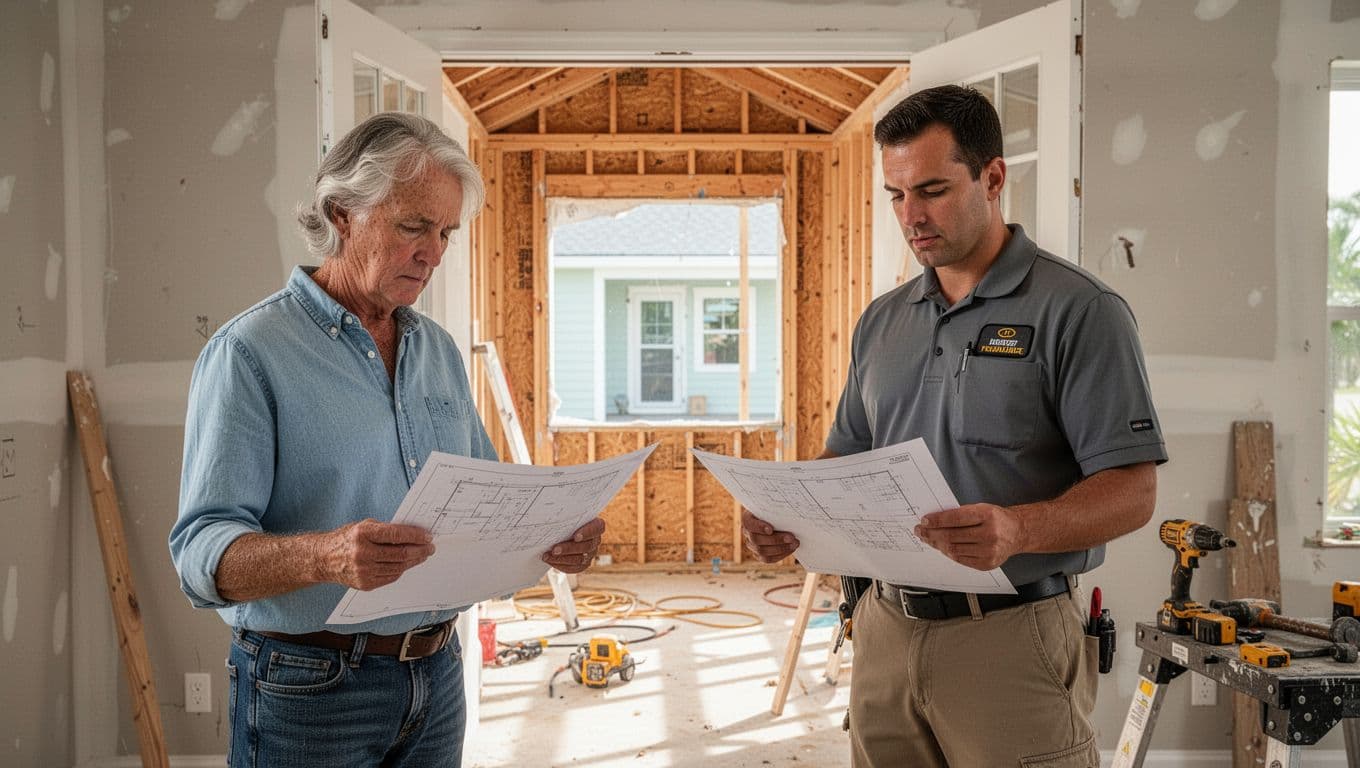
Ask the building department early
Give the local building department a clear description of the project. Ask whether the work affects the slab, foundation, soil, grade, utility penetrations, exterior walls, decks, porches, or other areas related to termite entry.
Florida Building Code materials refer to a Certificate of Protective Treatment for Prevention of Termites and a Notice of Termite Protection. Local officials may also require treatment certificates to be posted at the jobsite, uploaded to a permit file, or submitted before final approval.
Procedures can differ between Cape Coral, Fort Myers, Punta Gorda, Bonita Springs, Sanibel, and nearby jurisdictions. Confirm the current process with the authority handling your permit instead of relying on an older contractor checklist.
Schedule a preconstruction inspection
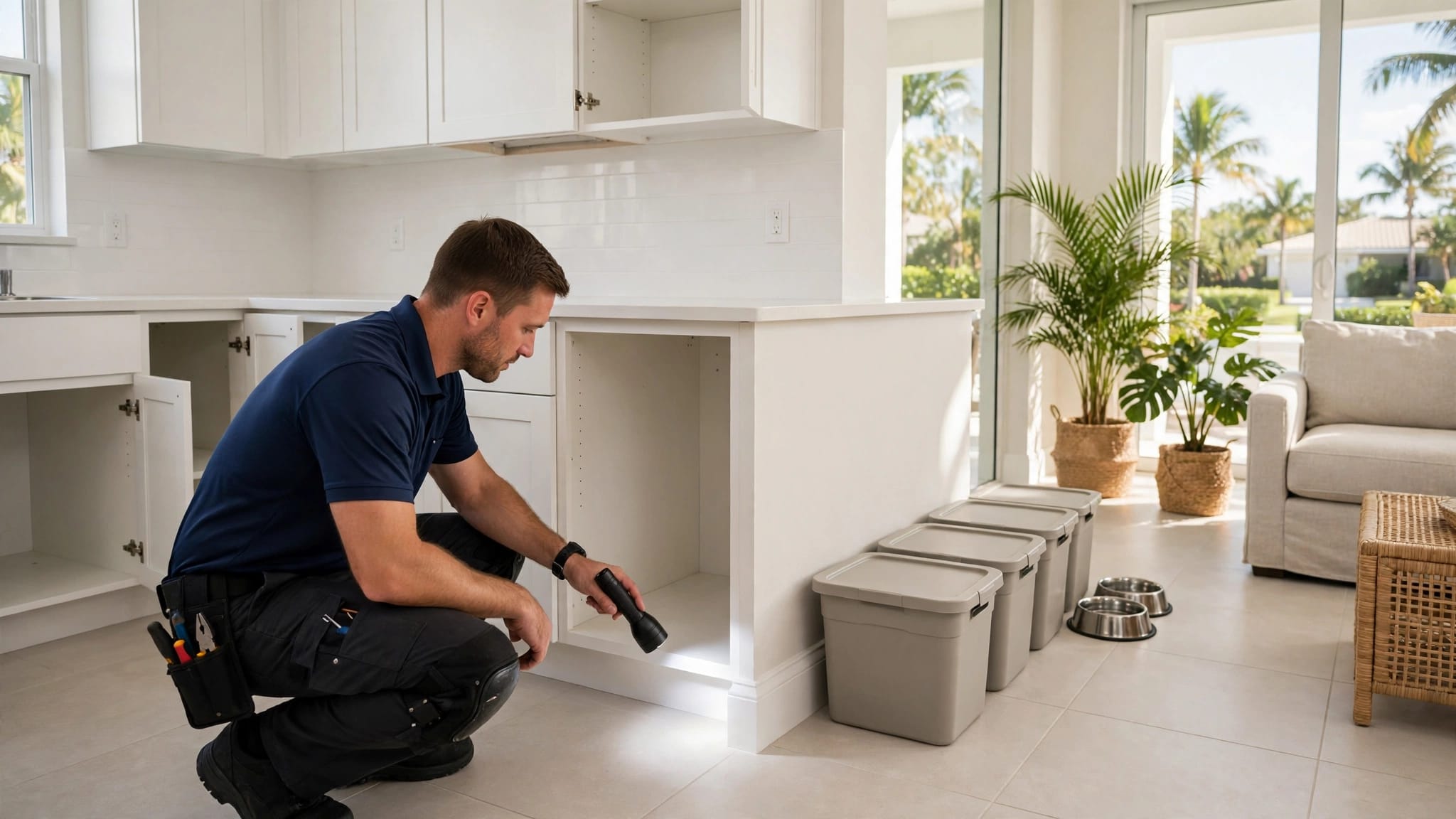
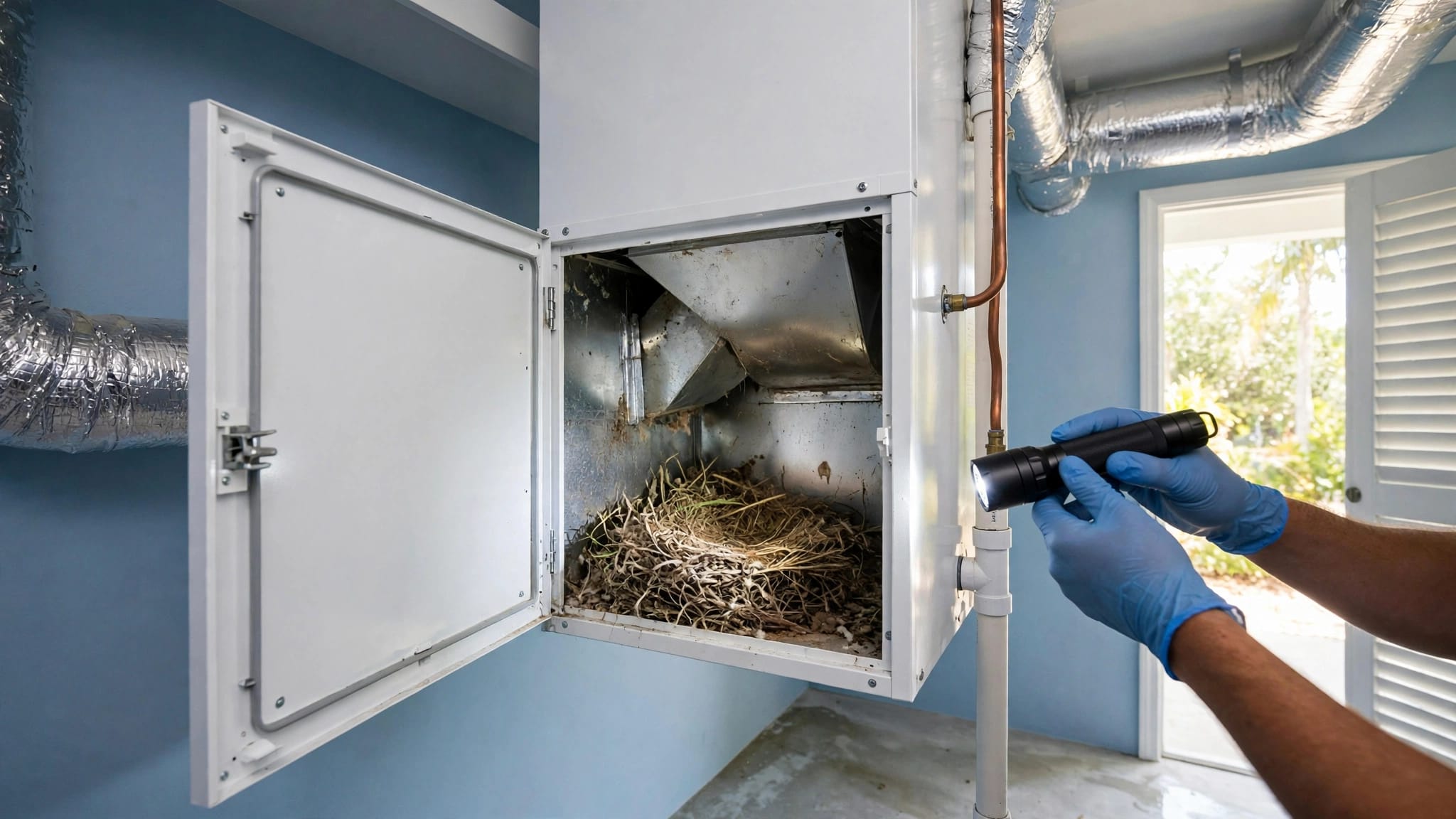
A licensed pest professional can inspect accessible foundation edges, garages, porches, attics, utility penetrations, plumbing areas, existing wood, and detached structures. The inspection should document current conditions before walls, flooring, cabinets, or fill materials hide them.
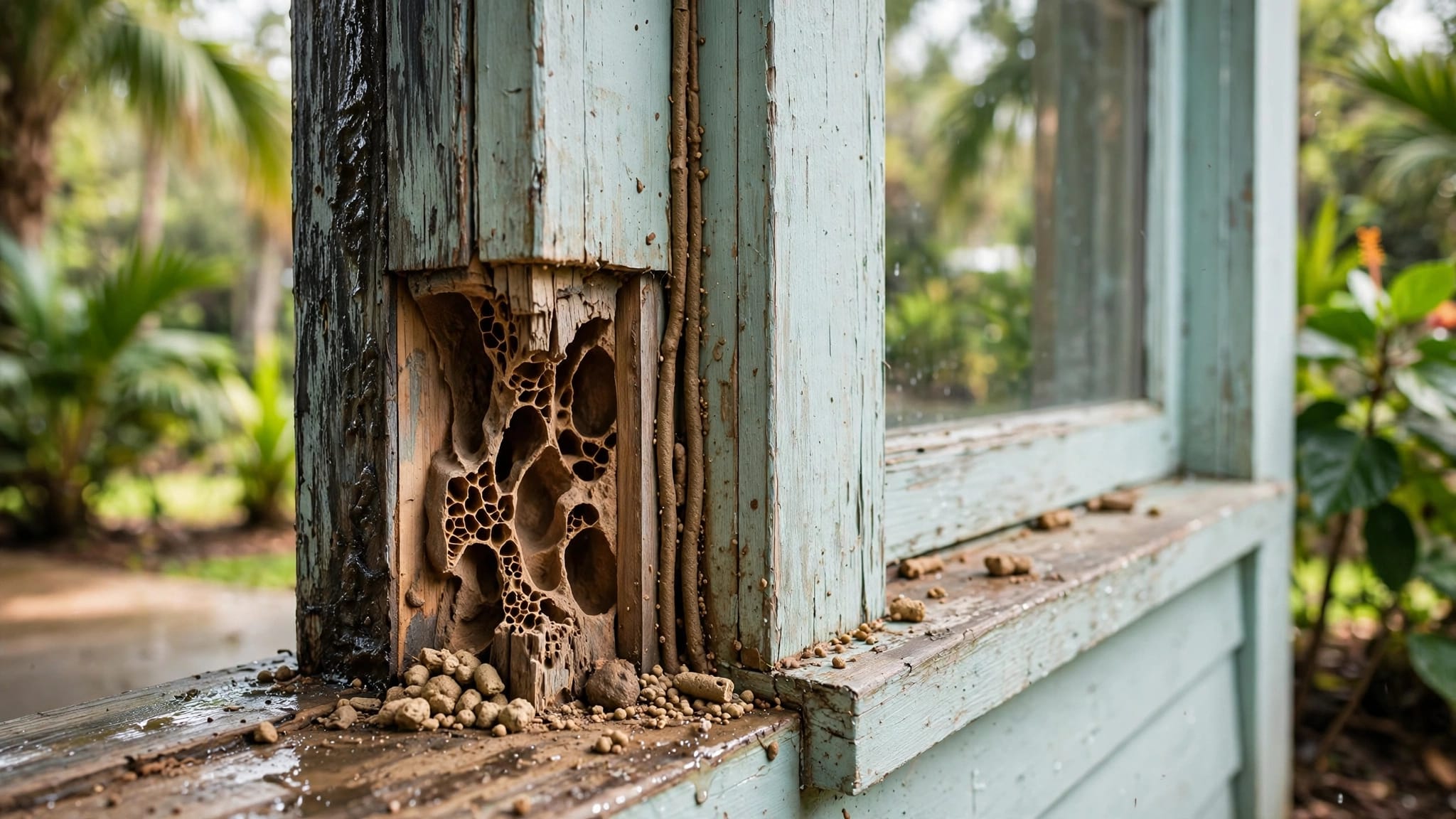
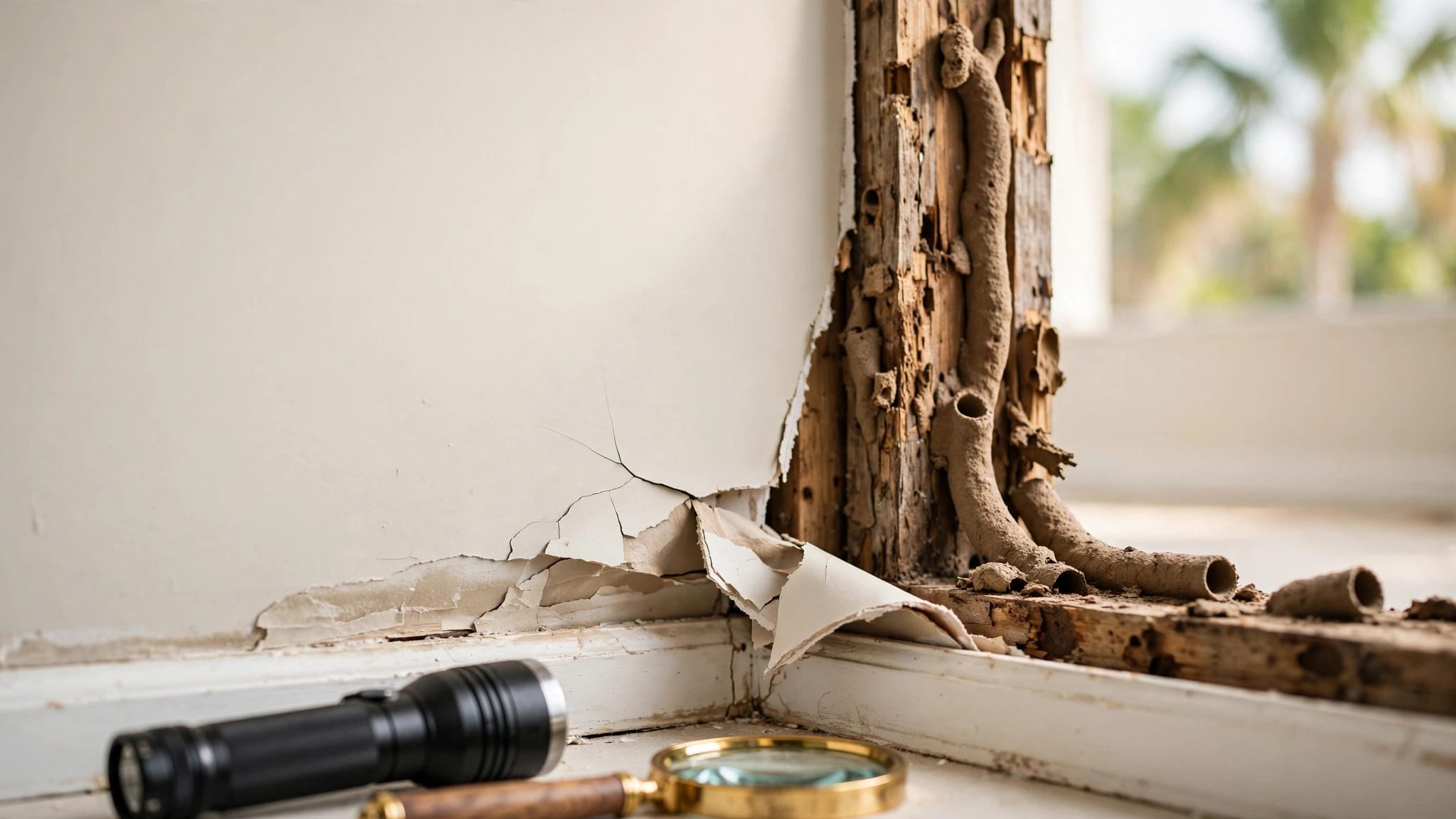
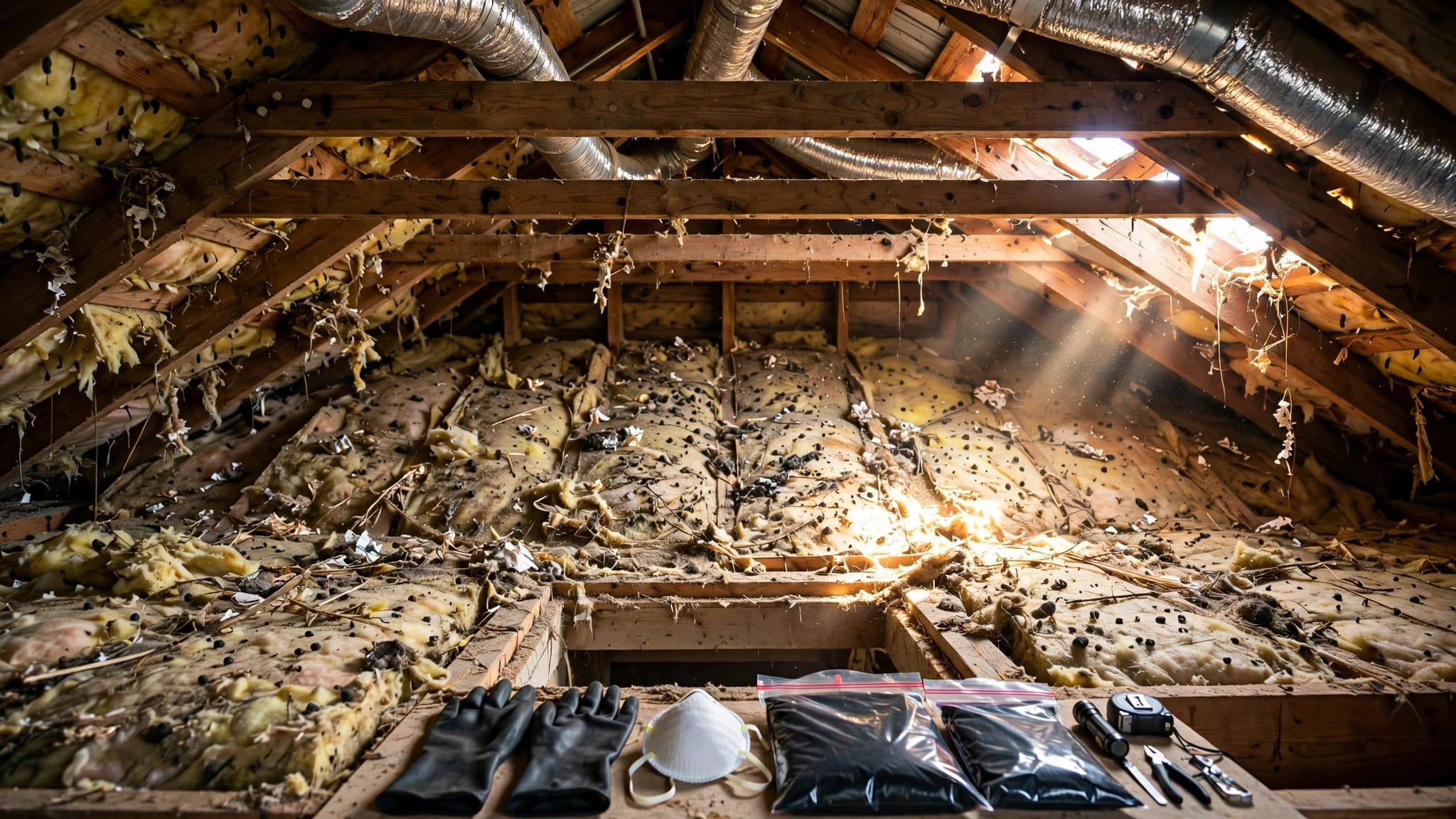
Ask the technician to identify visible termite activity, old damage, moisture problems, shelter tubes, wood-to-soil contact, and areas likely to become inaccessible. Photos taken before work begins can help separate existing conditions from damage discovered later.
Control Moisture Before It Becomes a Termite Route
Florida's warm temperatures, humidity, heavy rain, irrigation, and air-conditioning condensation can keep building materials damp. Moisture doesn't prove termites are present, but it can support hidden entry routes and make damaged wood harder to inspect.
Repair leaks before closing walls
Check roof coverings, flashing, gutters, downspouts, hose bibs, windows, doors, supply lines, washing machine connections, and air-conditioning drain pans. During remodeling, inspect temporary plumbing and newly installed lines before insulation and drywall cover them.
Direct downspouts away from the foundation. Keep irrigation from spraying siding, slab edges, and exposed framing. If a wall cavity or subfloor has been wet, allow it to dry and correct the source before replacing the finish.
A moisture meter can help a professional locate damp areas that look dry on the surface. Keep records of leak repairs, drying work, and replaced materials.
Maintain clearance around the foundation
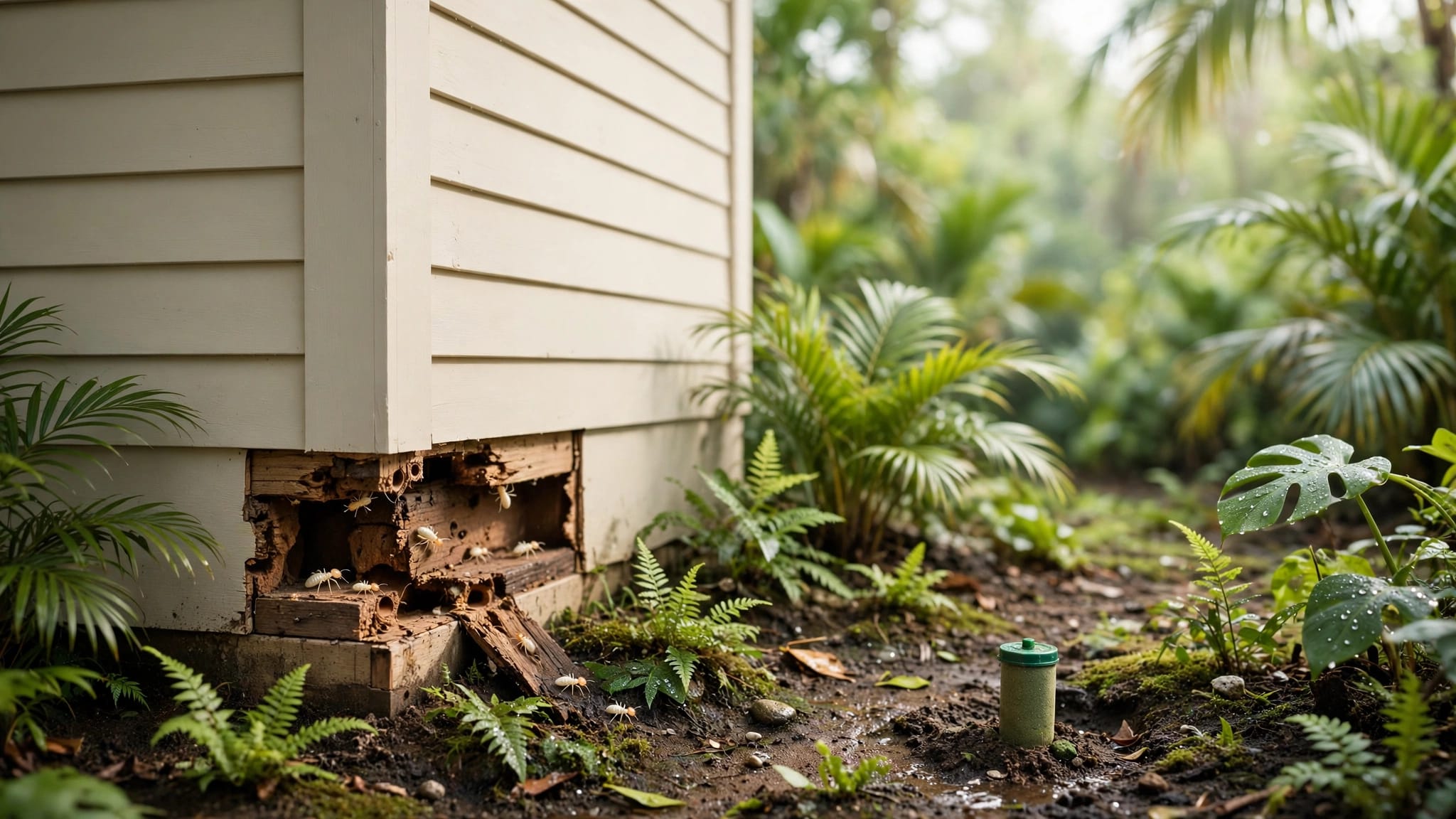
Soil, mulch, stored lumber, cardboard, and construction waste should not touch exterior wood or conceal the lower wall. Keep foundation edges visible enough for inspection. The Charlotte County termite protection handout identifies 6 inches as the exterior earth-grade figure for its guidance, but homeowners should verify how the current local code applies to their project.
Don't bury siding, trim, weep areas, or structural connections beneath new landscaping. A raised flower bed or paver installation can cover the very edge a technician needs to inspect.
A finished wall can hide a construction gap for years, while a clear foundation edge gives you a chance to find it early.
Protect Slabs, Soil, and Construction Gaps
Subterranean termites can travel through soil, cracks, utility openings, expansion joints, and concealed voids. Remodeling can disturb a previously treated area, especially when workers trench for plumbing, cut concrete, move soil, or attach a new structure to the home.
Mark every disturbed area
Before excavation or slab cutting, photograph the original conditions and mark areas where treatment may have existed. Tell the pest professional and contractor where soil, concrete, grade, or foundation materials will change.
A disturbed chemical barrier may need retreatment. Some local guidance refers to a retreat of the disturbed area, followed by documentation and a final exterior treatment when required. The correct procedure depends on the treatment method, project scope, and building official.
Don't assume a new application can happen after the concrete is poured. Timing matters because later access may be limited.
Seal penetrations with suitable materials
New plumbing, electrical conduits, drain lines, vents, and utility chases can leave gaps through slabs and walls. Have the contractor seal openings using materials and methods appropriate for the surface and local construction requirements.
Expanding foam alone isn't a termite-control plan. It can conceal activity, and termites may travel behind it. Ask the contractor to coordinate penetrations with the pest professional when the opening passes through a protected zone.
Deck ledgers, stairs, outdoor kitchens, screened lanais, ramps, and storage areas deserve the same attention. These attachments often create shaded, damp points where inspection access is limited.
Handle Wood, Materials, and Debris Carefully
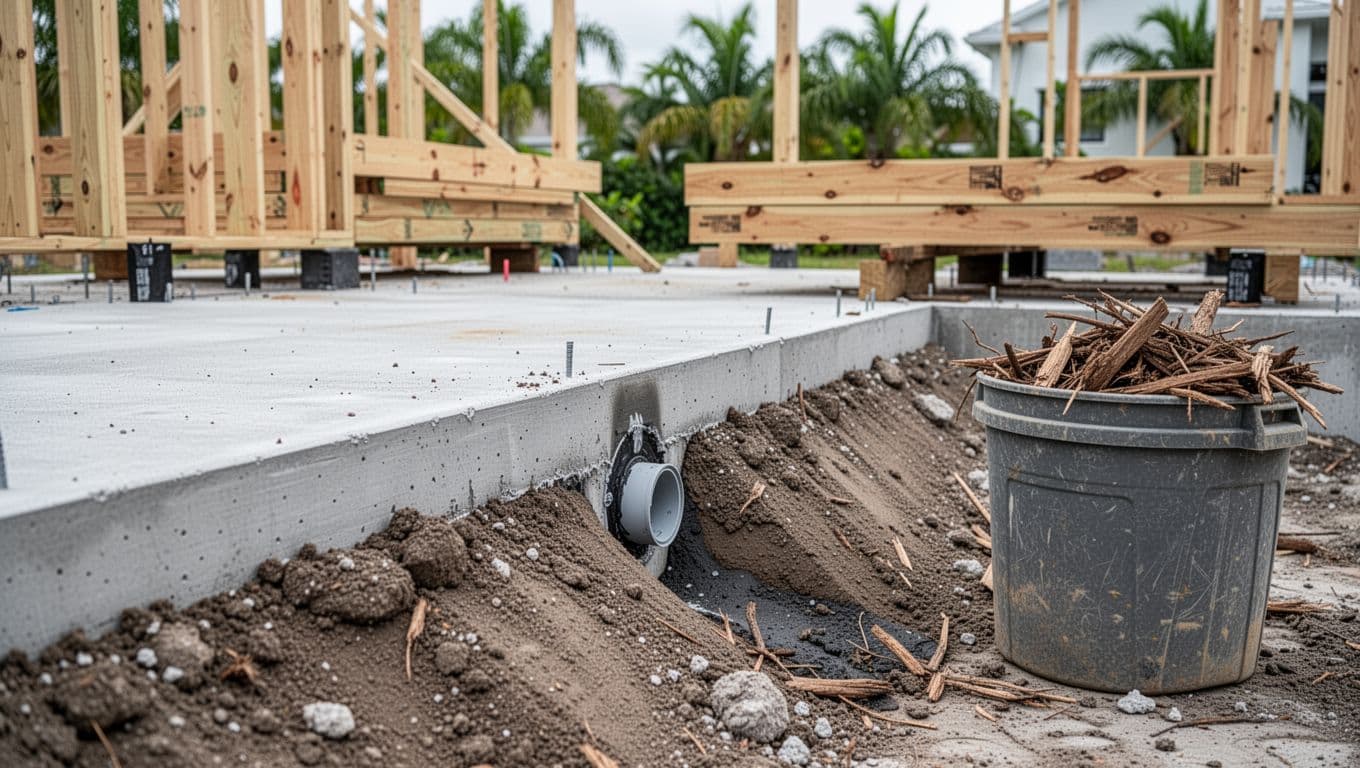
Construction creates temporary termite risks even when the finished design is sound. Scrap lumber, sawdust, cardboard, pallets, and untreated cutoffs can provide food and shelter near the building.
Keep the worksite clean
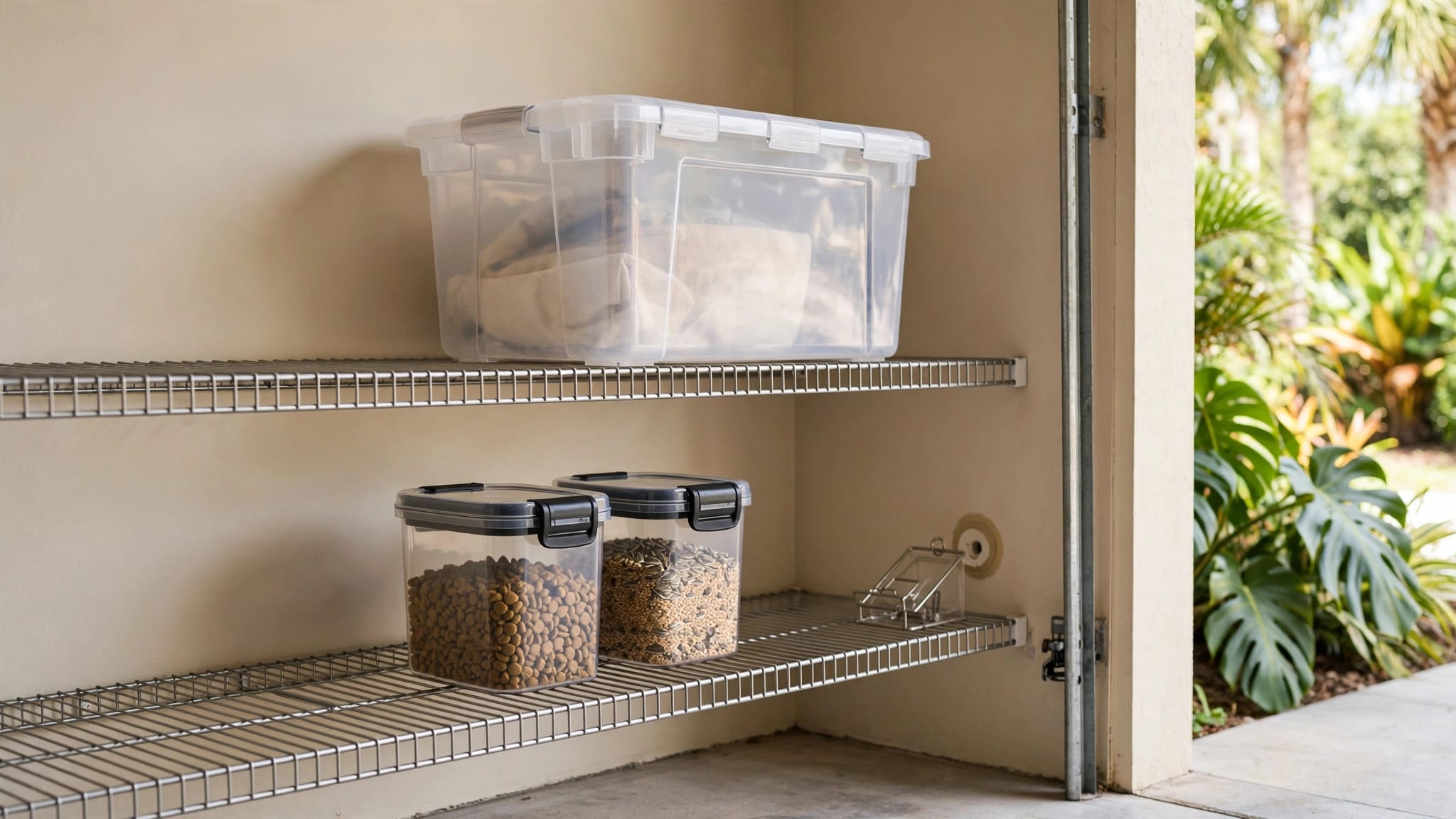
Remove wood debris regularly instead of allowing it to collect beneath decks, inside wall cavities, under stairs, or along the slab edge. Store usable lumber off the ground and protect it from rain. Keep cardboard and paper products dry and away from exterior walls.
Don't leave stumps, old fence sections, removed trim, or demolition lumber beside the home. If workers discover decayed or termite-damaged wood, preserve a small sample or photograph when appropriate, then have a professional assess it before disposal.
Clean conditions also make it easier to spot mud tubes, discarded wings, damaged wood, and moisture stains.
Choose treated materials for the actual use
Pressure-treated lumber can reduce risk, but it doesn't protect nearby untreated wood or eliminate termite entry. Cutting, drilling, cracking, leaching, poor installation, and continuous moisture can reduce its protection.
Use materials rated for the location. Wood exposed to soil, wet conditions, or structural support needs may require a different treatment level than above-ground lumber. Verify the product label, intended use, and local requirements with the contractor and pest professional.
Accessible framing may be suitable for a labeled wood treatment during construction. Such treatment doesn't repair existing damage or reach wood hidden behind finished walls. It should complement moisture control, clearances, inspection access, and any soil or baiting plan.
Compare Treatment Methods With a Licensed Professional
The right treatment depends on the termite type, construction, access, moisture, evidence of activity, and work being performed. Subterranean termites need soil or protected routes, while drywood termites can live inside roof framing, trim, furniture, and other dry wood without direct soil contact.
Understand the available approaches
Florida guidance recognizes several protection categories, including registered termiticides, baiting systems, pesticides applied to wood, and other approved methods labeled for preventive treatment in new construction.
Liquid treatments may create a treated zone around soil or entry areas. Baiting systems require monitoring and depend on termites finding the stations. Wood treatments may protect accessible framing but have limits when wood is concealed or repeatedly exposed to moisture.
A professional may recommend one method or a combination. Compare the treatment area, preparation requirements, follow-up visits, warranty terms, and conditions you must maintain. Don't choose based only on the lowest initial price.
Review the written contract
Florida Statutes Section 5E-14.105 requires a written contract for each treatment intended to control or prevent wood-destroying organisms. The agreement should identify the property, covered termite type, treated areas, and whether the service is limited to a spot treatment.
Review the Consumer Notice Form FDACS-13692, Rev. 07/21, when written consent is required. Request a copy before work or payment, and ask the provider to explain exclusions, retreatment conditions, moisture obligations, and access requirements.
A spot treatment may address a defined area without protecting the rest of the structure. Make sure the contract matches what you believe you are purchasing.
Build a Complete Closeout File
Good documentation protects the homeowner after construction ends. It can also help future contractors, inspectors, buyers, and warranty reviewers understand what happened behind finished surfaces.
Collect certificates and treatment details
Keep copies of treatment certificates, invoices, inspection reports, photographs, product names, application dates, treated areas, concentration, gallons used, and applicator information. Florida building materials identify these details as part of treatment documentation.
When a required treatment is completed, local procedures may require a duplicate certificate on a weather-resistant jobsite posting board. One copy may go to the permit holder and another to the building-permit file.
Before final approval, ask whether all required applications are complete. If a protected component was disturbed, don't allow it to be covered until the building official or designated professional releases the work.
Confirm notices and future access
Florida Statutes Section 482.226 addresses inspection and treatment notices near an attic, crawl area, or another accessible location. The notice must be durable for at least three years, measure at least 3 by 5 inches, and identify the licensee and inspection date.
Ask where the notice will be placed and photograph it for your records. Keep attic panels, crawl-space entries, utility areas, and foundation edges accessible. Avoid covering inspection points with cabinets, landscaping, storage, or permanent finishes.
After construction, arrange follow-up inspections based on the property's conditions and any service agreement. Recheck the home after major landscaping, plumbing repairs, storms, or future additions.
FAQ: Termite Prevention During a Florida Remodel
Does every Florida remodel require termite treatment?
No. Requirements depend on the permit, scope of work, construction changes, and local building department. Work that disturbs soil, slabs, foundations, grade, or protective barriers deserves early review, even when the project isn't treated like new construction.
Is pressure-treated wood enough?
No. Treated lumber is one protection layer. It doesn't protect untreated framing, eliminate moisture, seal utility openings, or prevent termites from entering through another route. Use the material for its labeled application and combine it with proper installation and inspection access.
What should I do if workers find termites?
Stop covering the area and photograph the evidence if it can be done safely. Don't spray unapproved chemicals into walls or soil. Contact a licensed pest professional to identify the termite type, determine whether activity is current, and coordinate treatment with the construction schedule.
When should I schedule the inspection?
Schedule one before demolition or excavation, then coordinate additional inspections when protected areas are disturbed and before they are covered. The final timing should follow the permit requirements, treatment method, and instructions from the local building official and pest professional.
Keep Termite Protection Part of the Remodel
A Florida remodel can improve a home's protection, but only when construction details and pest control stay coordinated. Moisture repairs, clean work areas, suitable materials, visible foundation edges, sealed penetrations, and accurate records all reduce avoidable risk.
The strongest termite prevention Florida plan fits the actual property and remains documented after the last inspection. Before work begins, involve your contractor, local building department, and licensed pest professional so hidden routes are addressed before finished surfaces make them difficult to reach.
Schedule a Free Inspection: