Southwest Florida Rainy Season Pest Calendar
Rain can change pest behavior in Southwest Florida in a single afternoon. After a heavy shower, ants move fast, roaches look for dry shelter, and mosquitoes find every puddle they can. A smart southwest florida pest calendar helps you stay ahead of that cycle instead of cleaning up after it.
If you live in Cape Coral, Fort Myers, Punta Gorda, Bonita Springs, or Sanibel, timing matters. The same storms that feed your landscaping can also feed pest problems around the roofline, yard, and foundation. This calendar shows what to watch, month by month, so you can act before small signs turn into bigger headaches.
Why Rainy Weather Turns Up Pest Pressure
Warm rain does not wash pests away in Southwest Florida, it pushes them into drier spots near your home. That often means soffits, garages, attic access points, pool cages, and the thin strip of soil beside the slab.
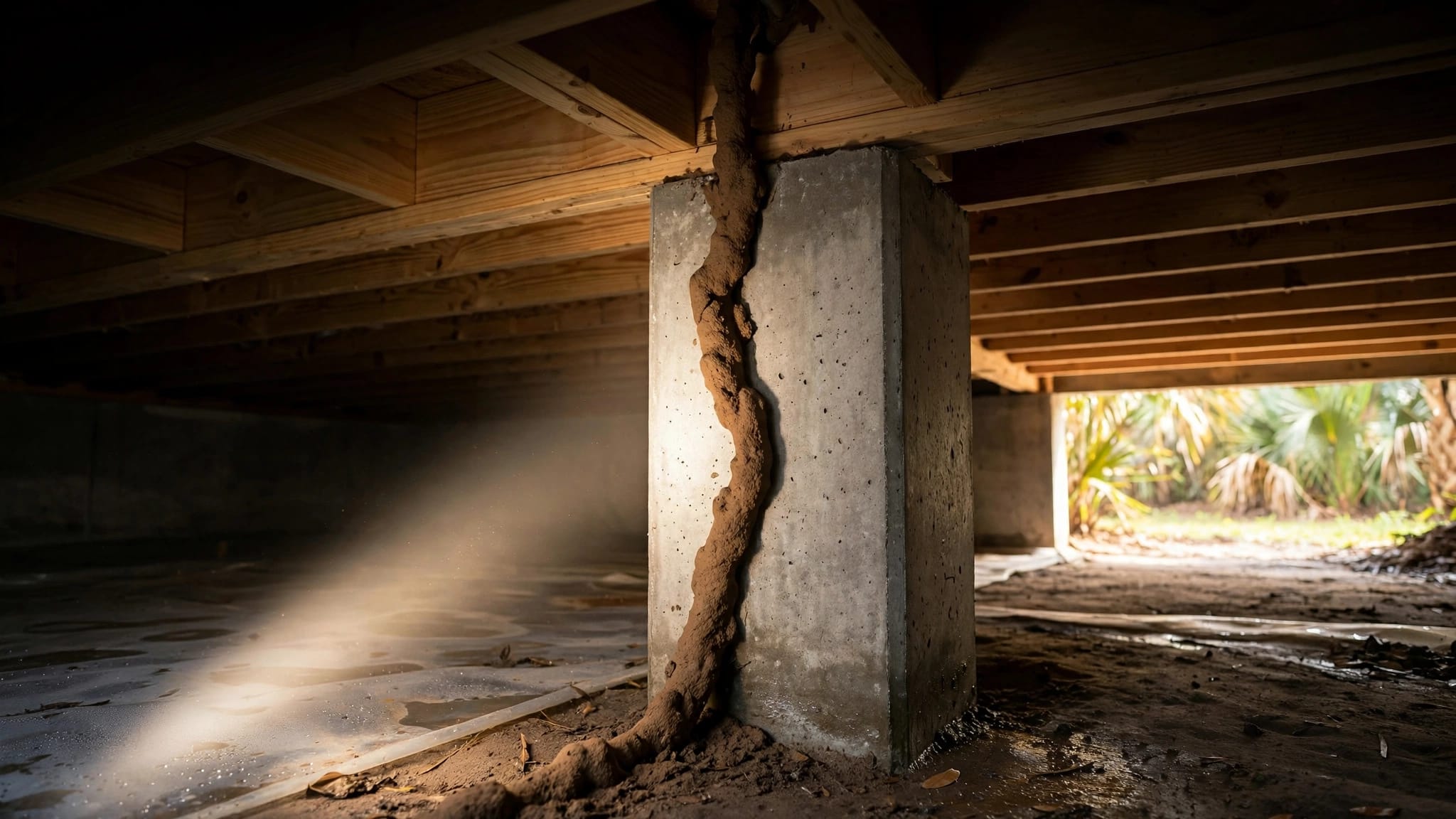
After a storm, the whole perimeter changes. Gutters overflow, mulch stays wet, and standing water collects in planters, toys, tarps, and birdbaths. Mosquitoes use that water fast. Ants spread through soft soil. Roaches and rodents look for shelter and food. Termites also stay active when moisture hangs around wood, mulch, and leaky trim.
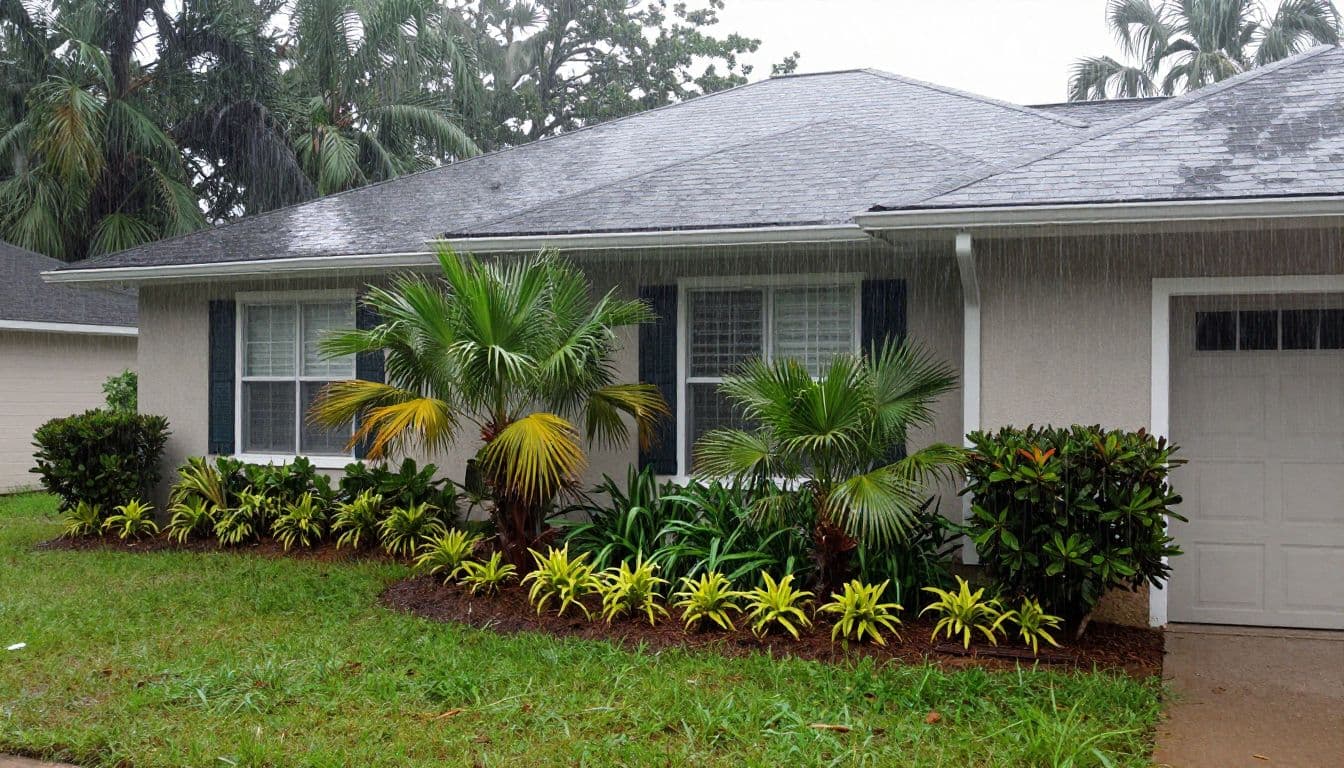
Standing water after a storm is more than a cleanup issue, it is a pest invitation.
The good news is that most trouble spots are visible. If you can find the wet, shaded, or cluttered areas, you can cut down the pressure before pests settle in.
Early Rainy Season: April and May Prep Work
Before daily storms settle in, use the drier weeks to tighten up the outside of the house. This is the time to fix problems that pests will use later.
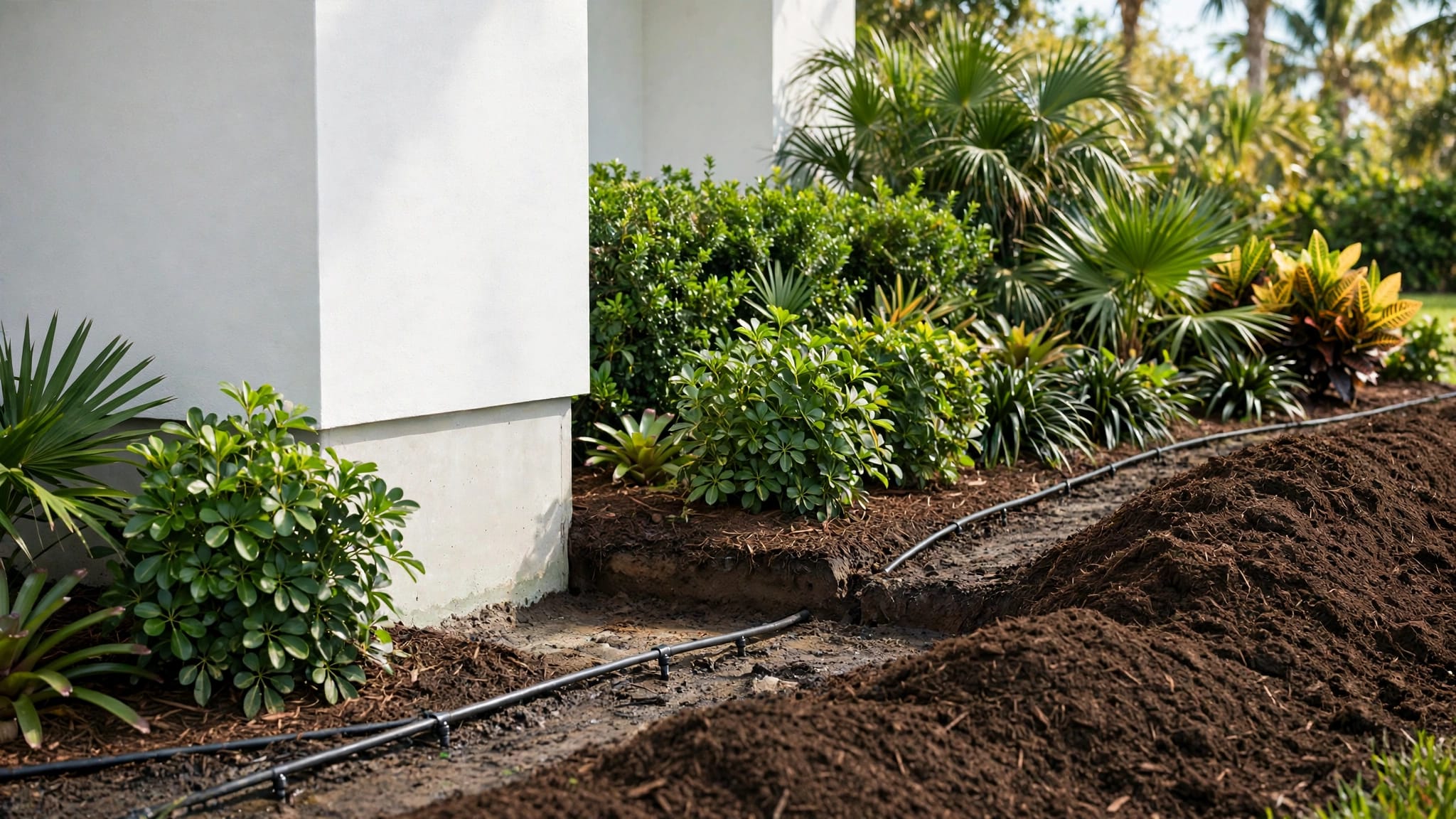
Start with the roof edge and work down. Clean out gutters so water moves away from the house instead of spilling into the flower beds. Trim back shrubs that touch walls, screens, and windows. That little gap matters more than most people think, because thick plants give ants, roaches, and rodents a hidden path.
Take a slow walk around the yard after watering or rain. Look for low spots that hold water, clogged drains, and flowerpots that trap runoff. Empty anything that can collect water, even small items like buckets, toys, and saucers under pots. Mosquitoes do not need much.
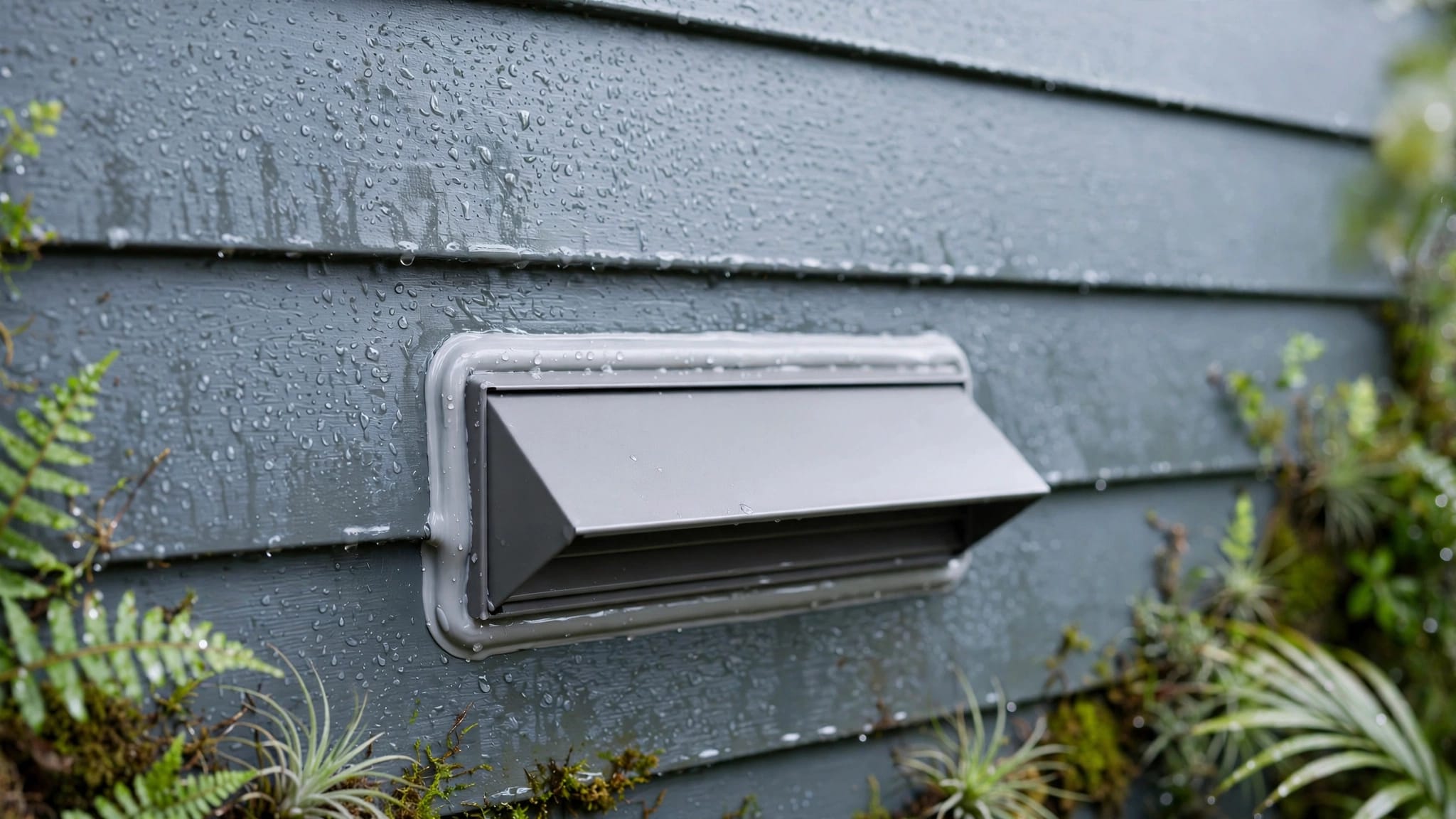
Then check the entry points. Door sweeps, weather stripping, screen tears, and gaps around utility lines are common weak spots. If you can see daylight under a door, pests can usually find the opening too.
A few small tasks go a long way:
- Clear gutters and downspouts so water drains away from the home.
- Trim shrubs and palm fronds that touch siding or windows.
- Fix torn screens and worn door sweeps before storm season gets busy.
- Remove standing water from planters, tarps, toys, and low spots.
- Check irrigation settings so the yard stays damp, not soggy.
If ants keep crossing the kitchen floor or roaches keep showing up near the garage, residential pest control in Cape Coral can help homeowners get ahead of the pattern before the wettest months arrive.
Peak Rainy Season: June Through September
This is the stretch when pest pressure feels constant. Afternoon storms, humid mornings, and soaked landscaping create a steady rhythm pests love. Mosquitoes rise fast, but they are not the only issue. Roaches, fire ants, termites, and rodents all take advantage of the same weather.
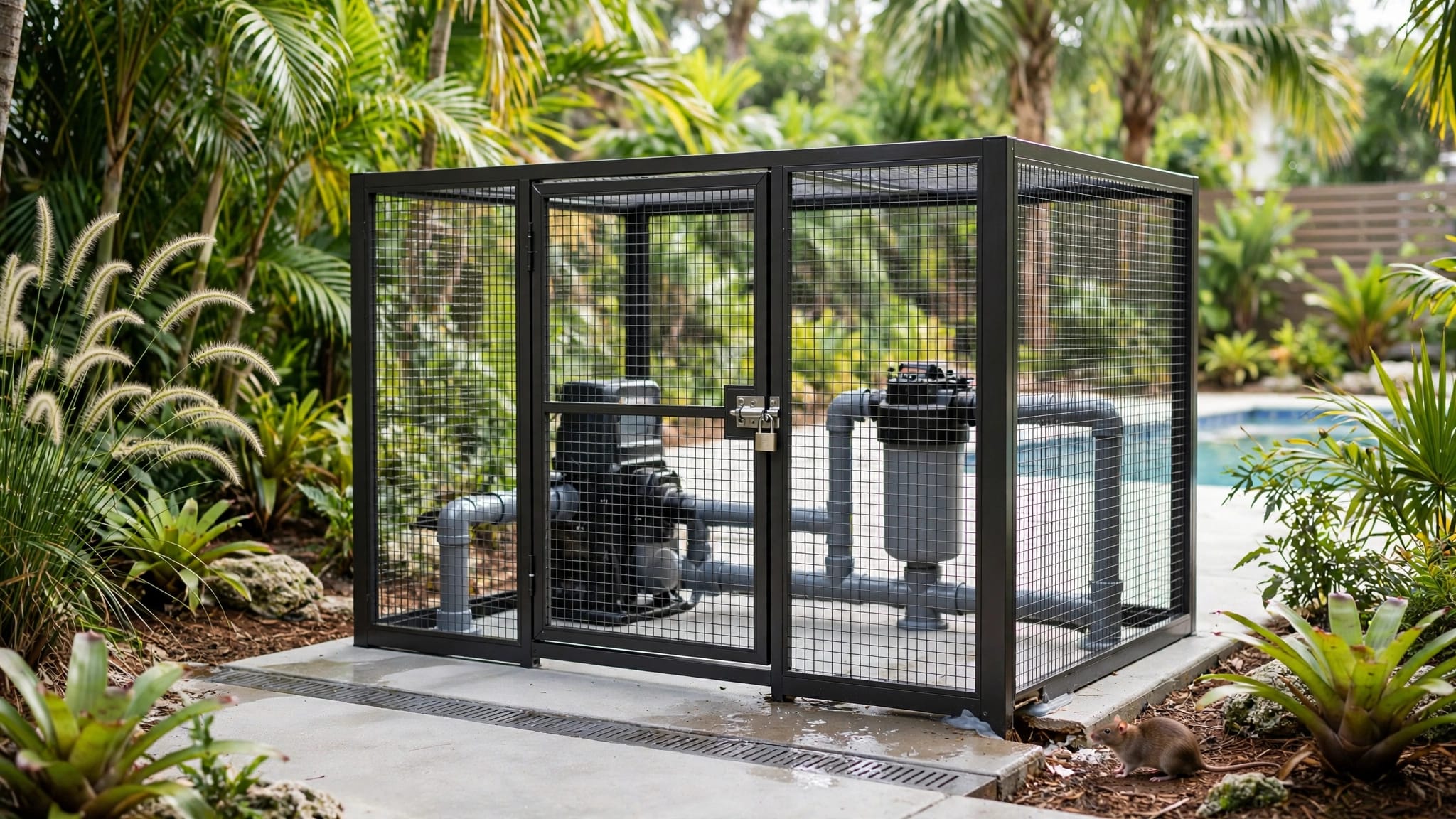
Watch the areas that stay damp the longest. Mulch beds near the foundation, shaded side yards, pool cages, and drains under downspouts often become problem zones. If your home sits near mangroves, canals, or flood-prone ground, the pressure can feel even higher after repeated storms.
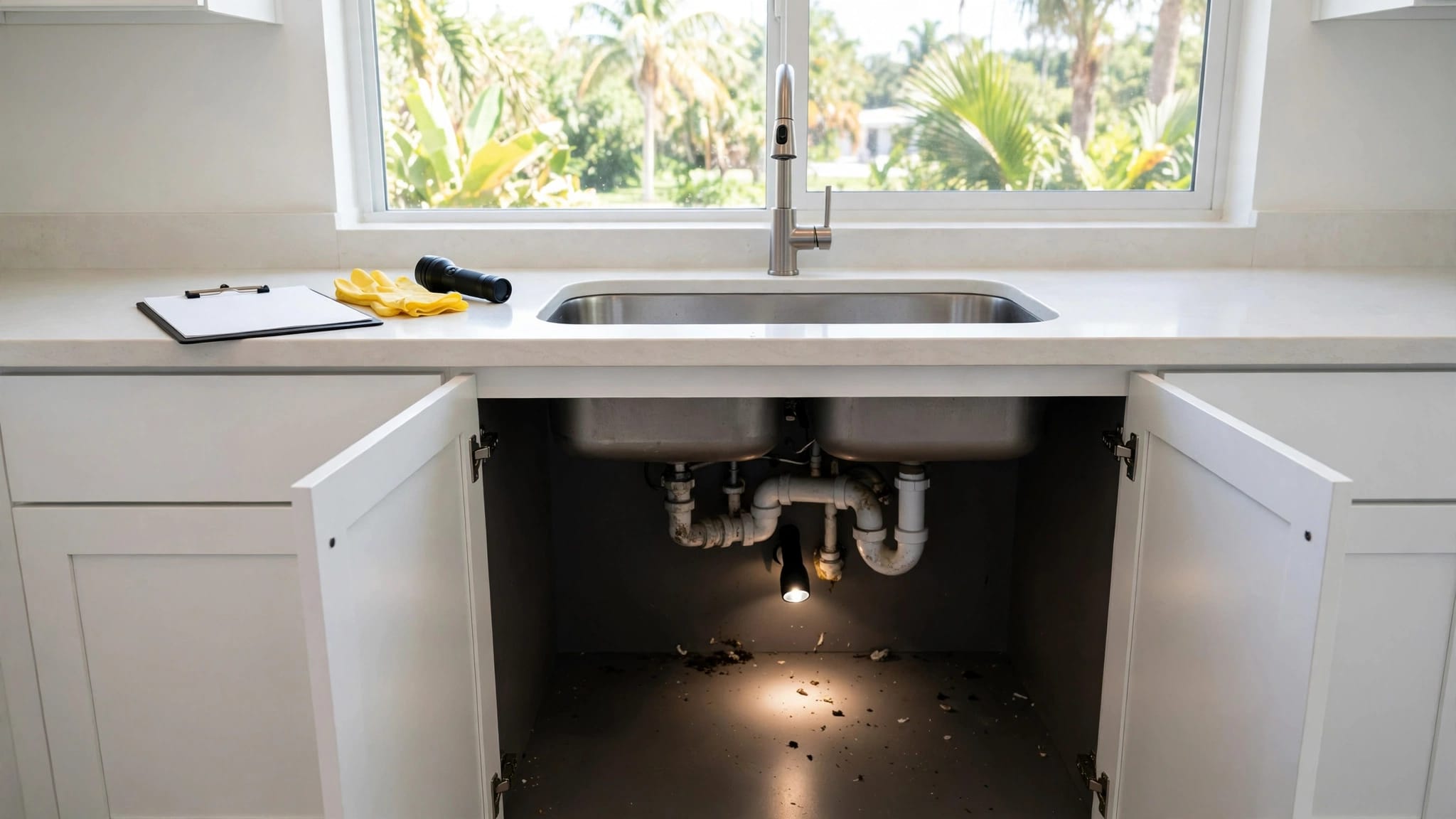
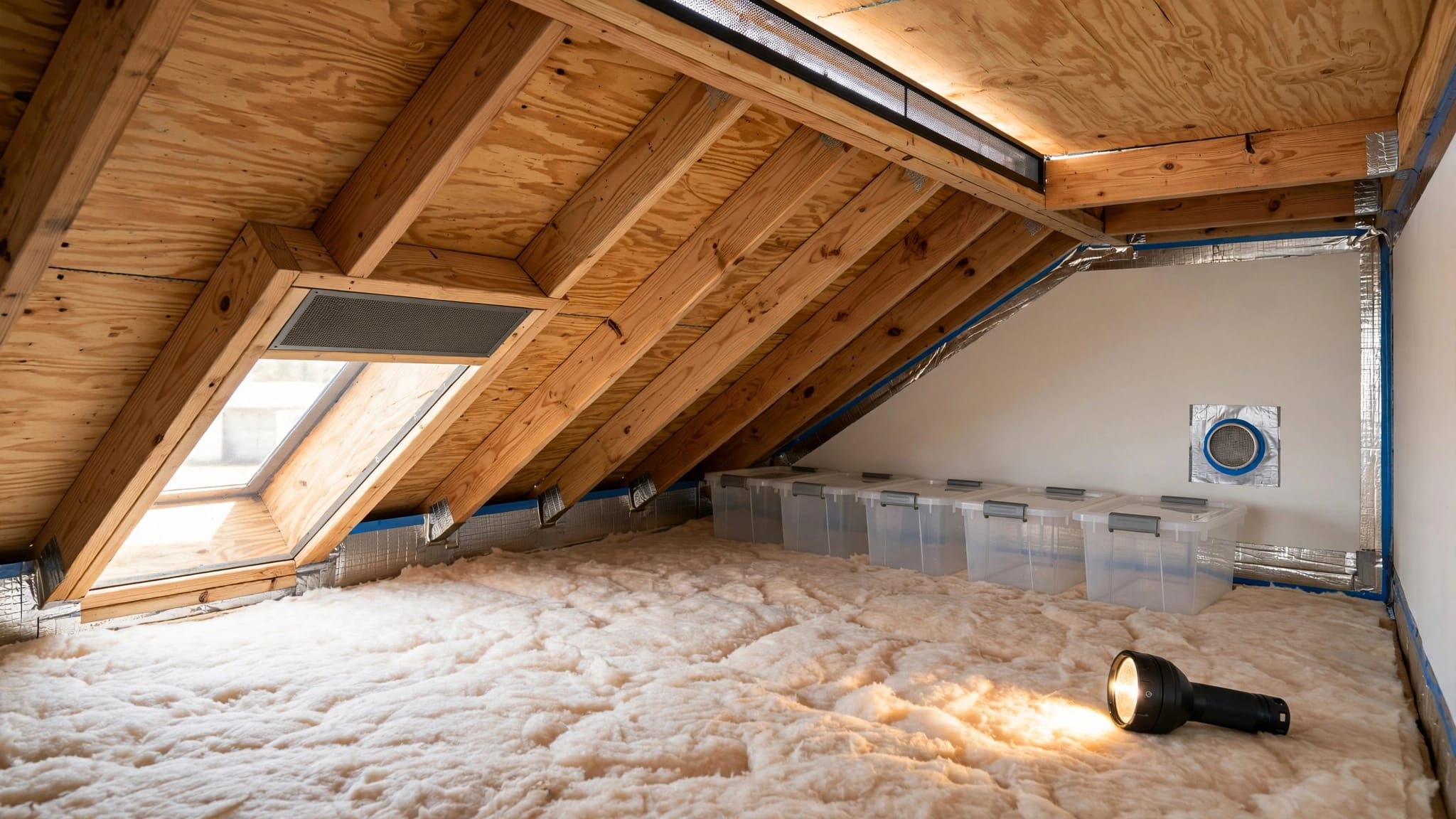
Inside the house, rainy season problems often show up in the garage, laundry room, and pantry. Roaches may slip in around plumbing lines or appliance gaps. Rodents may use the attic, soffits, or garage as a dry shelter after a storm. In Southwest Florida, that kind of movement is common once heavy rain pushes outdoor nests apart.
Fire ants can also become more active in wet yards. When soil floods, colonies move or rebuild in raised spots. That can put mounds along walkways, edging, and play areas. If you have pets or kids using the yard, those spots need extra attention.
This is also the season to keep the doors and windows on a tight schedule. Close doors quickly, repair any torn screens, and check that garage seals still touch the floor. A small gap is enough for pests to get inside on a humid night.
For homes with recurring problems, professional pest control services can find the source, treat active activity, and help break the cycle that storms keep feeding.
Southwest Florida Pest Calendar by Month
A monthly view makes the pattern easier to spot. The calendar below focuses on the rainy season months most Southwest Florida homeowners feel first.
| Month | Pest Pressure to Watch | Best Homeowner Focus |
|---|---|---|
| April | Early ants, mosquitoes, spiders | Clean gutters, trim plants, fix screens |
| May | Mosquitoes, roaches, fire ants | Empty standing water, seal gaps, check drains |
| June | Heavy mosquito activity, ants | Watch mulch beds, lanai edges, and downspouts |
| July | Roaches, mosquitoes, palmetto bugs | Secure trash bins, inspect garage and pool cage openings |
| August | Termites, ants, rodents after storms | Look for swarmers, wet wood, droppings, and burrows |
| September | Mosquitoes, roaches, rodents | Clear debris, dry low spots, check attic and soffits |
| October | Rodents, ants, lingering mosquitoes | Reset drainage areas, store outdoor items, inspect weather stripping |
| November | Rodents, termites near damp wood | Seal entry points, clean leaf piles, schedule an inspection if activity keeps returning |
The pattern is simple. Water, shade, and clutter raise pest pressure, while dry, open, well-sealed spaces lower it. If the same spots on your property keep showing up on this calendar, that is a sign the area needs more than a quick cleanup.
Late Rainy Season: October and November
Late rainy season can lull homeowners into relaxing too early. Storms may be less frequent, but the damage they left behind can still support pests. Wet mulch, fallen palm debris, clogged drains, and damp crawl spaces all keep pest activity going.
Rodents often become more noticeable at this point. As nights cool and outdoor food sources shift, they look for steady shelter in attics, garages, and wall voids. If you hear scratching overhead, see droppings near storage boxes, or notice gnaw marks on corners, do not wait for the next storm to act.
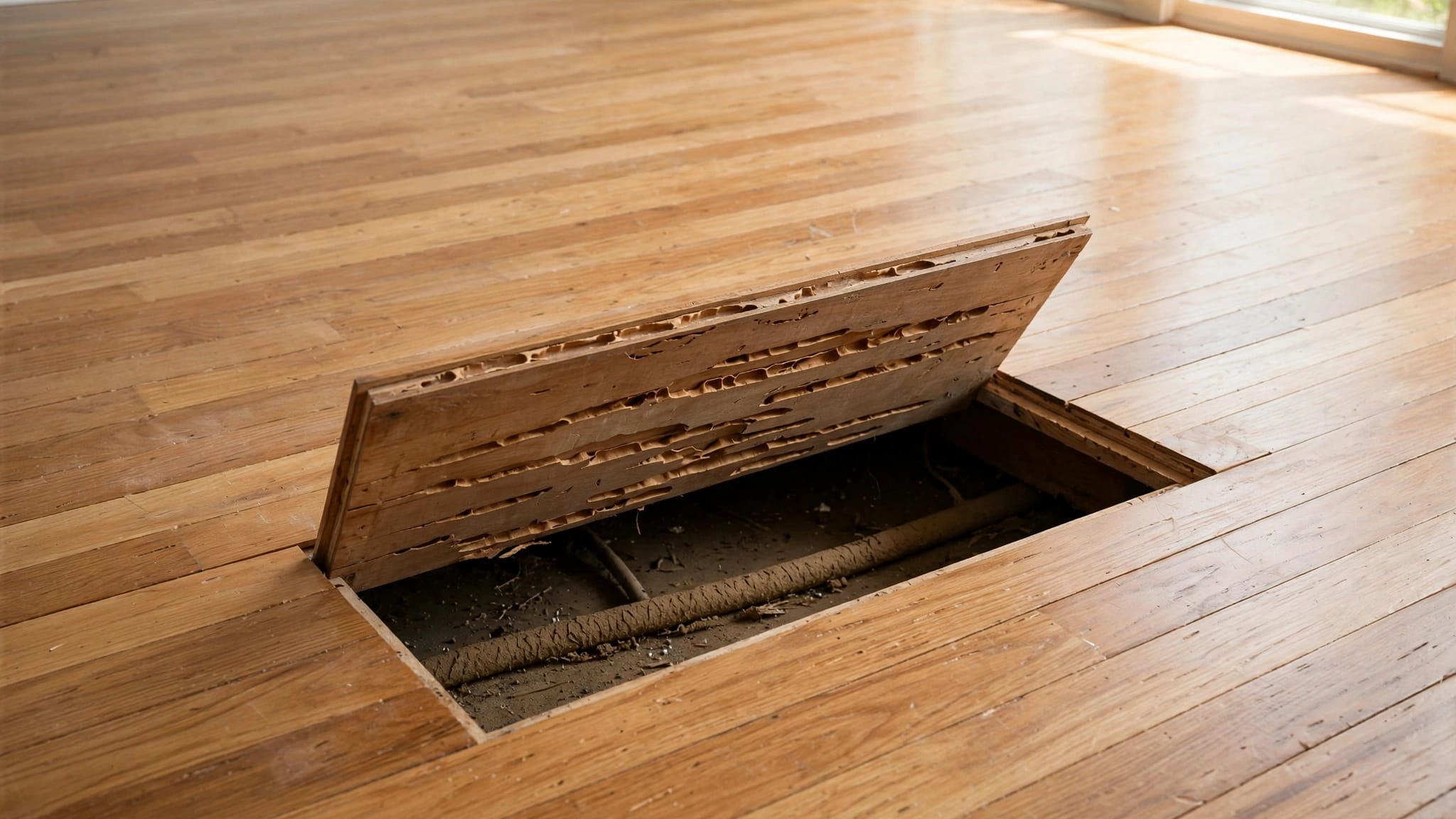
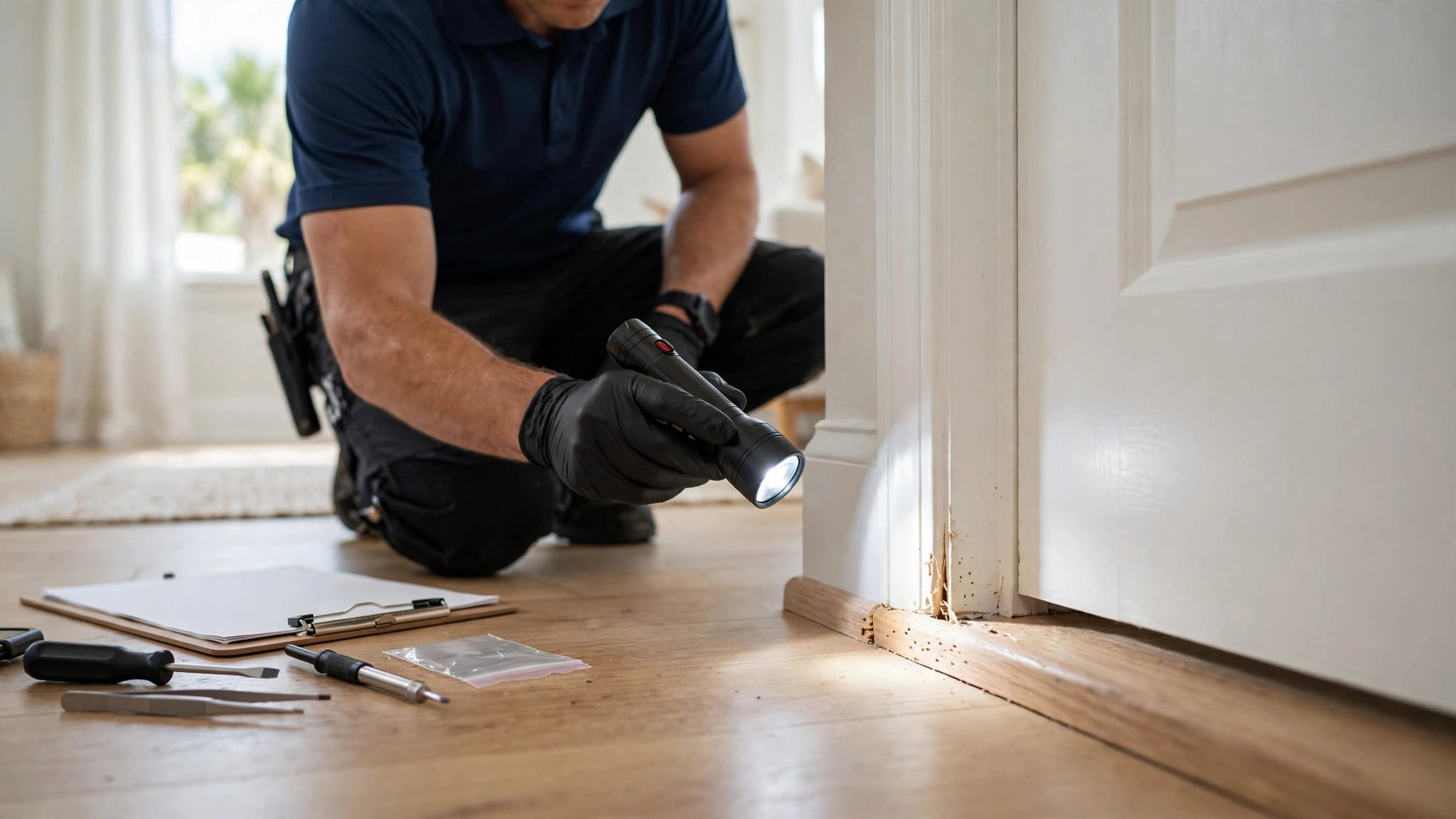
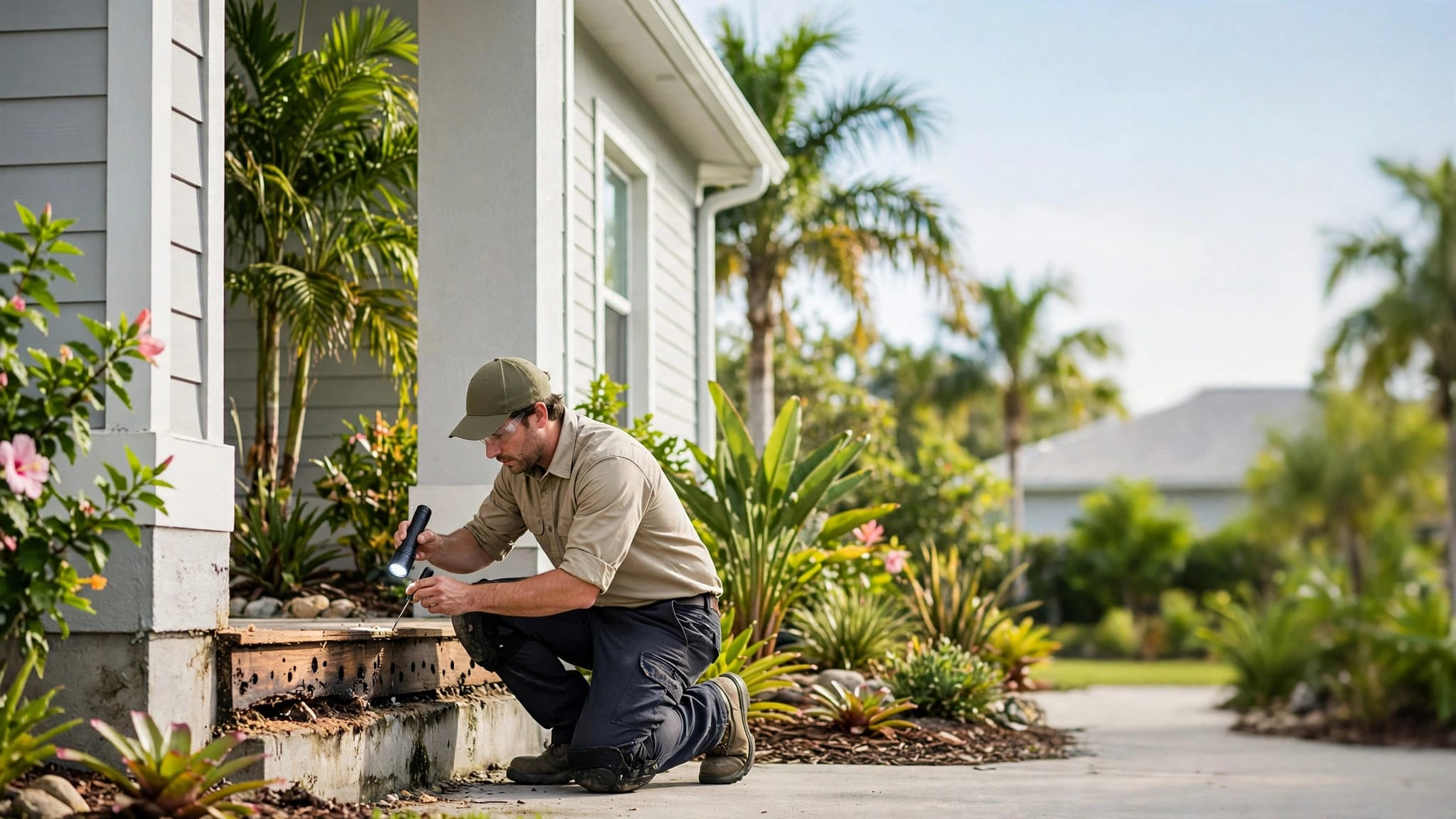
Termite pressure also deserves a closer look. Swarmers may show up near windows or porch lights, and damp wood around trim or fascia can hide damage for a while. After a wet summer, a simple inspection around window frames, door jambs, and roof edges can reveal problems early.
By late season, the goal is to dry the property out as much as possible. Clear leaf piles, pull debris away from the foundation, and check that downspouts still move water away from the house. Small fixes now can keep winter pest problems from starting early.
When a Professional Should Step In
Some pest problems are easy to manage with cleanup and sealing. Others keep coming back no matter how many times you rinse, sweep, or spray. That is the point where a local inspection makes sense.
Call for help if you see termites, rodent droppings, repeated roach activity, or mosquito breeding that keeps returning after rain. A pro can trace where pests are entering, which moisture sources are feeding them, and what needs to be treated first. That matters with termites and rodents, because both can cause damage that homeowners often miss until it spreads.
Persistent activity around the kitchen, attic, garage, or lanai is a good sign that the problem is bigger than one room. In those cases, a service plan built for Southwest Florida weather can save time and stress. For local homeowners who want a closer look at ongoing pest issues, residential pest control in Cape Coral is a practical place to start.
Conclusion
Rainy season in Southwest Florida does not have to mean nonstop pest problems. The key is simple, watch water, seal openings, and keep the yard from turning into a shelter.
A steady southwest florida pest calendar works better than waiting for the next swarm, trail, or scratching sound. Dry things out early, check them again after storms, and treat repeat activity as a warning sign.
When termites, rodents, or stubborn infestations keep showing up, a local inspection is the next smart move.
Schedule a Free Inspection: