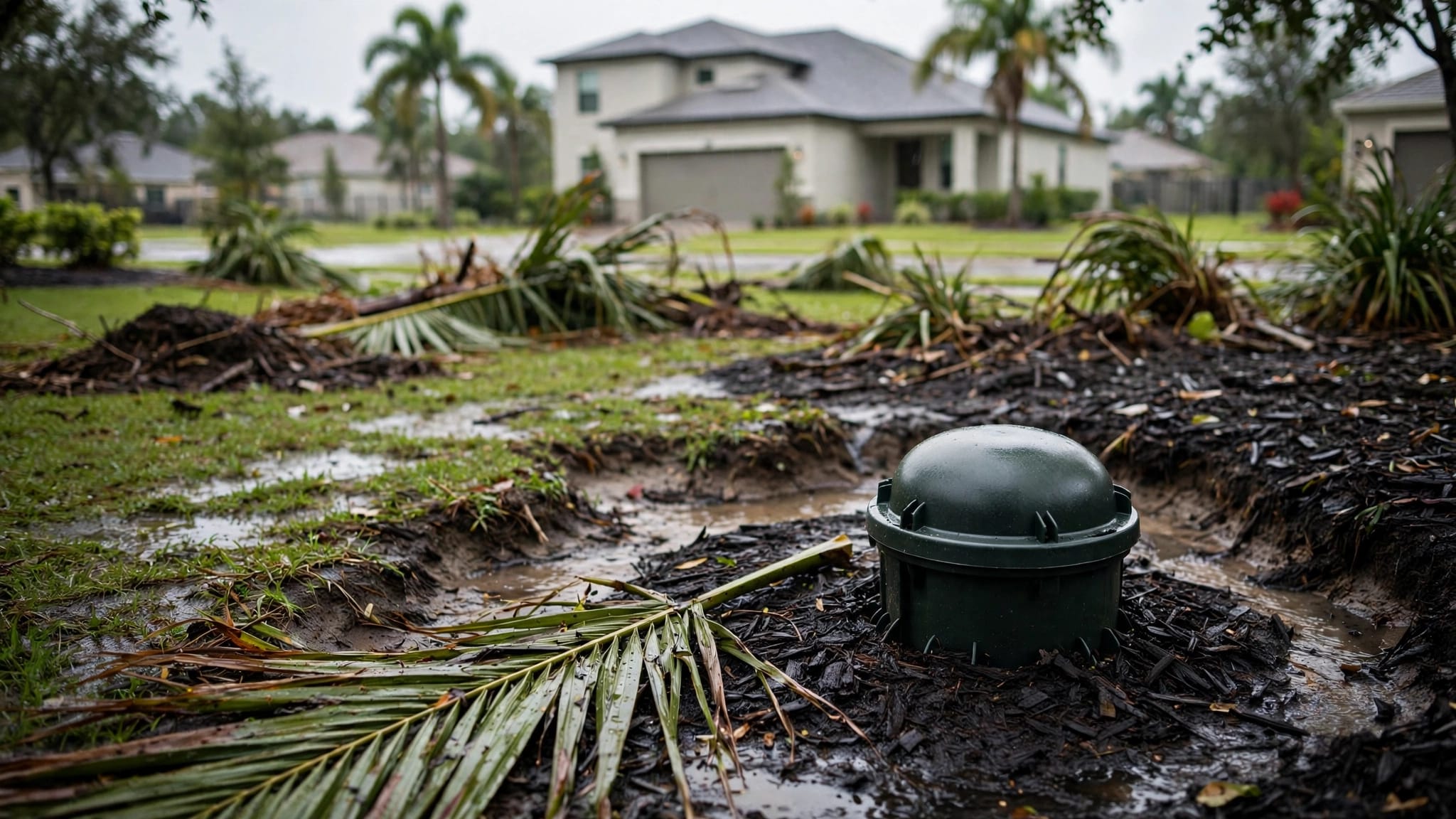
Red-Shouldered Bugs on Cape Coral Stucco and Pool Decks
Clusters of red-shouldered bugs on a Cape Coral stucco wall can look alarming at first glance. They move fast, gather in tight groups, and seem to appear right after warm rain or bright sun hits the house.
The good news is simple. Red-shouldered bugs are usually a nuisance pest, not a threat to your home's structure. What matters is knowing why they show up, how to clean them off, and how to make your stucco walls and pool areas less attractive to them.
How to Spot Red-Shouldered Bugs on Exterior Walls
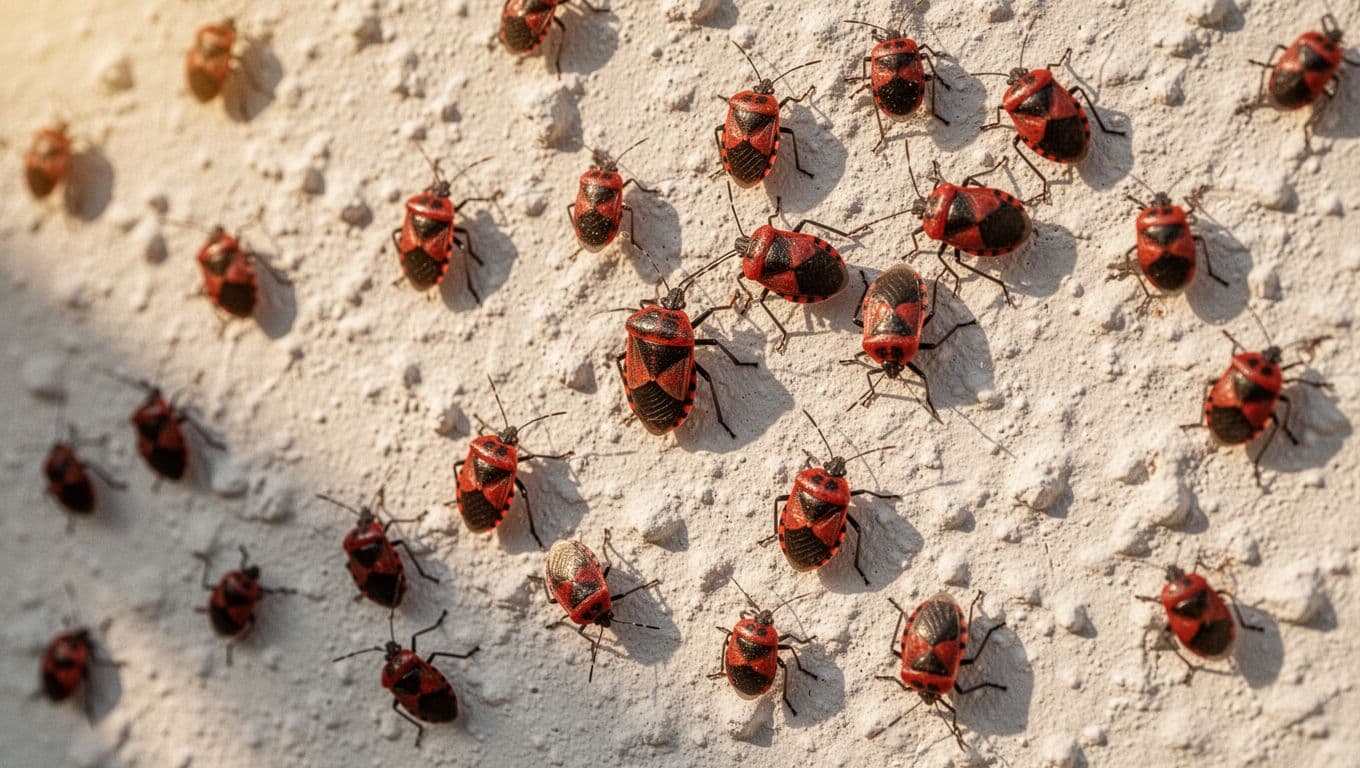
These bugs are easy to miss when they're alone, but hard to ignore in a cluster. Adults have a red and black pattern that stands out on light stucco, pavers, and painted lanais. Younger bugs are smaller and brighter, so a mixed group can look like a moving patch of color.
They often gather on warm, sunny sides of the house. That makes Cape Coral stucco a perfect resting spot, especially when the wall gets afternoon heat. You may also see them along window frames, screen edges, soffits, and pool deck corners.
They do not build nests in the wall. They simply rest, feed, and move in groups. If you see dozens at once, it usually means the property nearby has a food source they like, often seed-heavy plants or trees.
Why Cape Coral Walls and Pool Decks Draw Them In
Cape Coral homes give these bugs everything they want for part of the year. Heat matters a lot. Stucco holds warmth, pool decks stay sunlit, and screened lanais create calm, sheltered edges where insects can land and stay for a while.
Moisture plays a part too. After rain or heavy irrigation, bugs often shift to dry, warm surfaces. A stucco wall or pool cage frame can become the best spot on the property within minutes. In other words, the wall is not the problem. The wall is the landing pad.
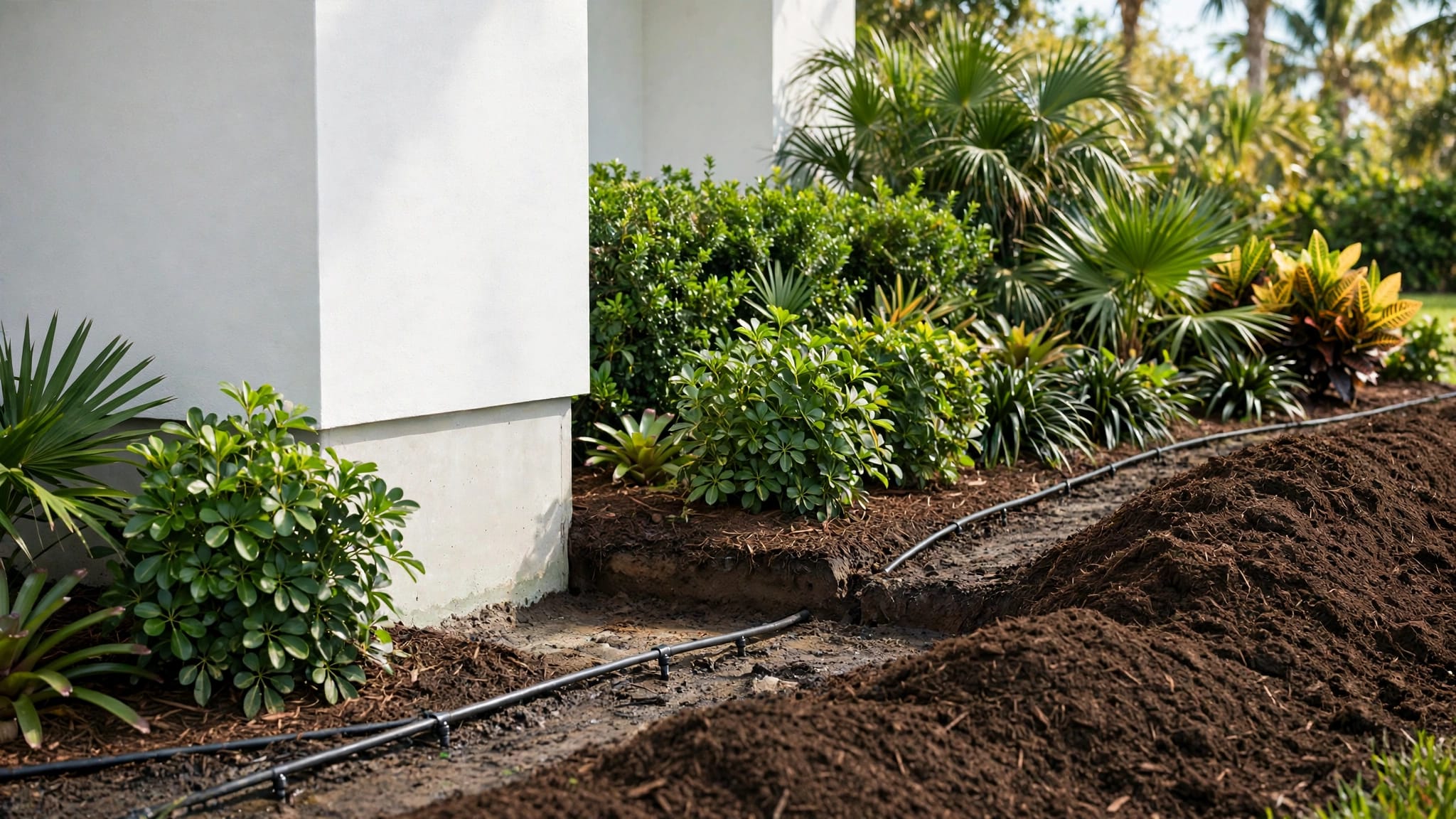
The biggest attractor is often seed-producing plants near the home. Red-shouldered bugs feed on seeds from certain ornamentals and trees, so yards with heavy seed drop tend to see more activity. When those plants sit close to the house, the bugs do not need to travel far.
Bright exterior lighting can add to the issue. Light draws movement at night, then the bugs settle on nearby walls and screens by morning. That is why one home on the block may seem covered while the next one stays mostly clear.
In Southwest Florida, the pattern often comes and goes with the season. You may see more of them after rain, during warm stretches, or when nearby landscaping sheds seed pods. If the pressure is light, it may fade on its own. If the source stays in place, the bugs often return.
What They Mean for Your Home, Family, and Pets
Red-shouldered bugs are mostly a nuisance, not a danger. They do not chew wood, burrow into walls, or spread the kind of damage people associate with termites or roaches. They also do not bite people in any meaningful way.
That said, they can still be a problem. When crushed, they can leave a stain on light stucco or pool decking. They also make a mess when they collect near doors, slides, outdoor furniture, or skimmer baskets. If a child or pet bats at them, the result is usually just a little mess and a smell, not an injury.
The bigger frustration is repeat activity. One day you may see a few bugs. The next day, the same wall has a cluster again. That cycle can wear on homeowners, especially when the bugs keep appearing around a clean pool area or screened lanai.
Crushing them on light stucco can leave a stain that's harder to remove than the bug itself.
So while they are not a structural pest, they still call for a steady cleanup plan. The more calmly you handle them, the easier they are to manage.
Cleanup and Prevention Around Lanais and Pool Cages
A fast response keeps the problem from building. For most Cape Coral homes, the best first step is simple removal, then a few small changes around the property.
Use these practical steps around stucco walls and pool decks:
- Vacuum bugs with a hose attachment instead of crushing them on the wall.
- Empty the vacuum outside right away so the insects do not crawl back out.
- Rinse pool decks and lanai floors with a garden hose and mild soap.
- Trim back seed-heavy plants and remove fallen seed pods near the house.
- Check screened pool enclosures for tears, loose corners, and gaps around doors.
- Replace bright white bulbs near entry points with softer lighting when possible.
- Seal obvious cracks around windows, utility lines, and door frames.
These steps work best when you use them together. Cleaning without trimming plants helps only a little. Trimming plants without sealing gaps helps only a little too. The bugs follow the easiest path, so the job is to remove as many easy paths as you can.
A gentle rinse is usually better than a hard blast. Strong pressure can drive insects into screen seams and can also rough up stucco surfaces. For pool decks, a soft brush and soapy water often do the job faster than aggressive spraying.
Keep an eye on the spots where the enclosure meets the house. Screened lanais still let bugs settle along the edges, especially after wind or rain. If one corner gets more activity than the rest, that area is often close to the source.
When Recurring Clusters Call for Pest Control
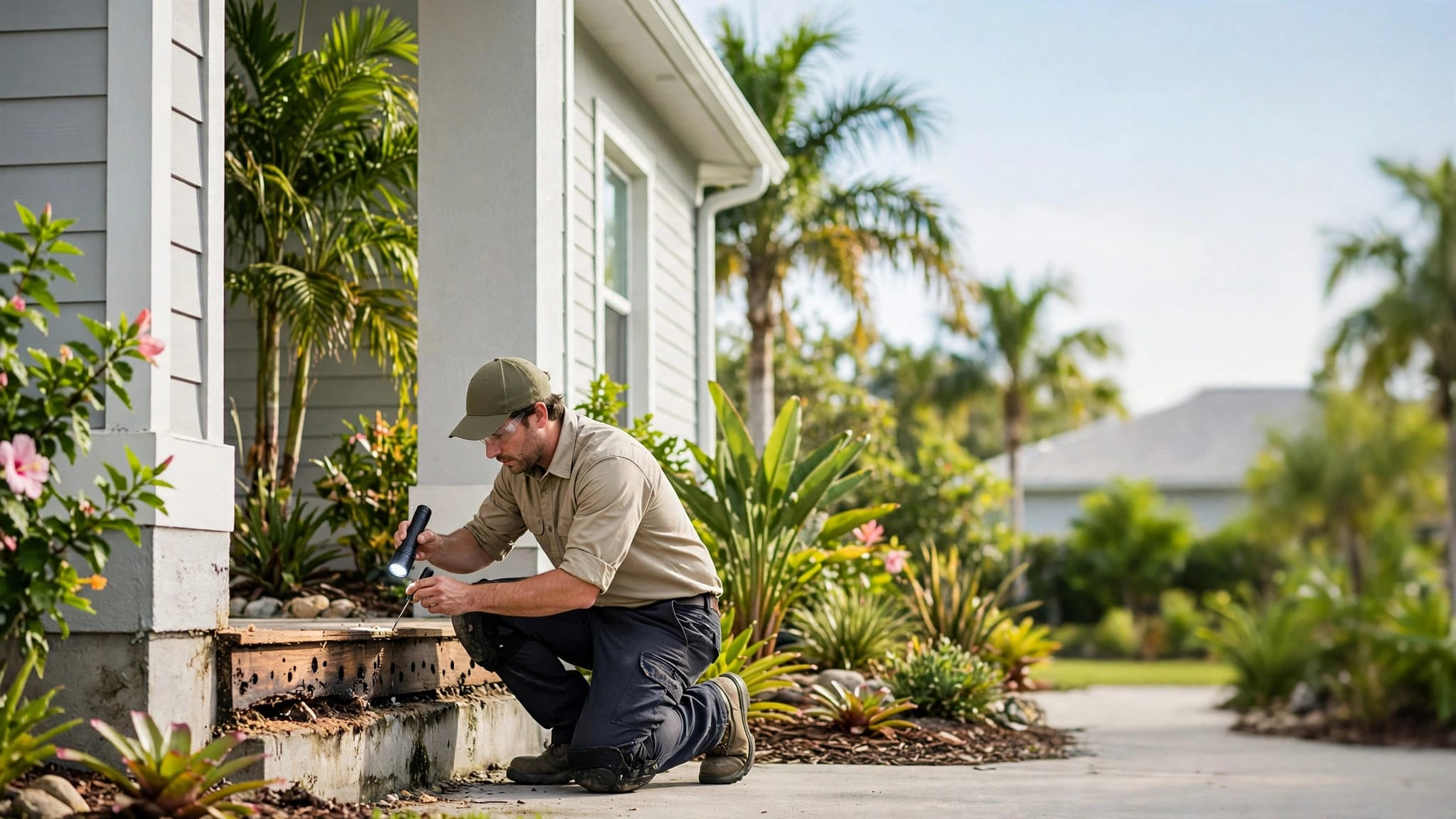
If the bugs keep returning, the issue is probably part of the property layout, not a one-time event. That is where integrated pest management makes sense. The goal is not to spray everything in sight. The goal is to cut off the food source, block easy entry points, and treat the outside edges where bugs land first.
A good plan starts with the property around the house. Nearby host plants may need trimming or replacement. Screened openings may need repair. Exterior walls, door thresholds, and other hot spots may need targeted treatment during active periods.
For homes that keep seeing seasonal pressure, residential pest control in Cape Coral can help reduce the repeated buildup around stucco walls, lanais, and pool decks. That kind of service works best when it supports the cleanup steps you handle yourself.
The important part is setting the right expectation. A single treatment will not stop every bug forever, especially if the yard still has seed-heavy plants and warm, sheltered surfaces. In Cape Coral, recurring activity can be normal. The win is a smaller cluster, fewer reappearances, and less time spent wiping bugs off the same wall.
Conclusion
Red-shouldered bugs on Cape Coral stucco walls and pool decks are common, and they usually point to heat, moisture, and nearby seed sources. They are more annoying than harmful, but they can still stain surfaces and clutter outdoor spaces.
The best results come from steady cleanup, small home repairs, and smarter landscaping around the lanai. When the bugs keep coming back, the answer is usually a targeted outside plan, not a rushed spray job.
A calm, consistent approach keeps the problem manageable, even in a season when the bugs seem to show up everywhere at once.
Schedule a Free Inspection: