Pest-Free Moving Boxes: Keep Bugs Out During a Move
One roach, mouse, or bed bug can turn a fresh move into a pest problem at the new address. The best way to create pest-free moving boxes is to control the packing area, inspect every container, and keep food and moisture away.
That matters in Southwest Florida, where warm, humid garages can sit undisturbed for days. Clean boxes help, but they won't solve an active infestation or a gap that lets rodents enter. Use the process below before packing, while loading, and after arrival.
Why Moving Boxes Attract Pests
Cardboard isn't food, but its folds and seams create dark hiding places. Roaches, silverfish, spiders, and other insects can stay inside boxes that sit untouched in garages, storage rooms, or sheds. Rodents may also investigate boxes because the stacks provide cover near walls.
Used boxes carry more risk than new ones. A box that held groceries, pet supplies, or restaurant items may retain crumbs and odors. Boxes from a damp storage unit can also contain mold, insects, droppings, or damaged areas that make entry easier.
Moisture adds another problem. Damp cardboard softens, separates at the seams, and loses strength. In a humid home, that damage can happen before you notice it. Keep all packing materials dry, especially if you're working in a garage or loading items over several days.
Bed bugs deserve extra attention. They usually travel in furniture, mattresses, clothing, and bedding, but boxes placed beside infested belongings can become part of the problem. Seal textiles before they enter a box, and don't pack items from a known infestation until a pest professional gives you a safe plan.
A sealed box can still carry pests if it was packed beside an active nest or contaminated storage area.
Before packing, identify the conditions that make boxes vulnerable. Then remove those conditions instead of relying on tape alone.
Prepare a Clean Packing Area
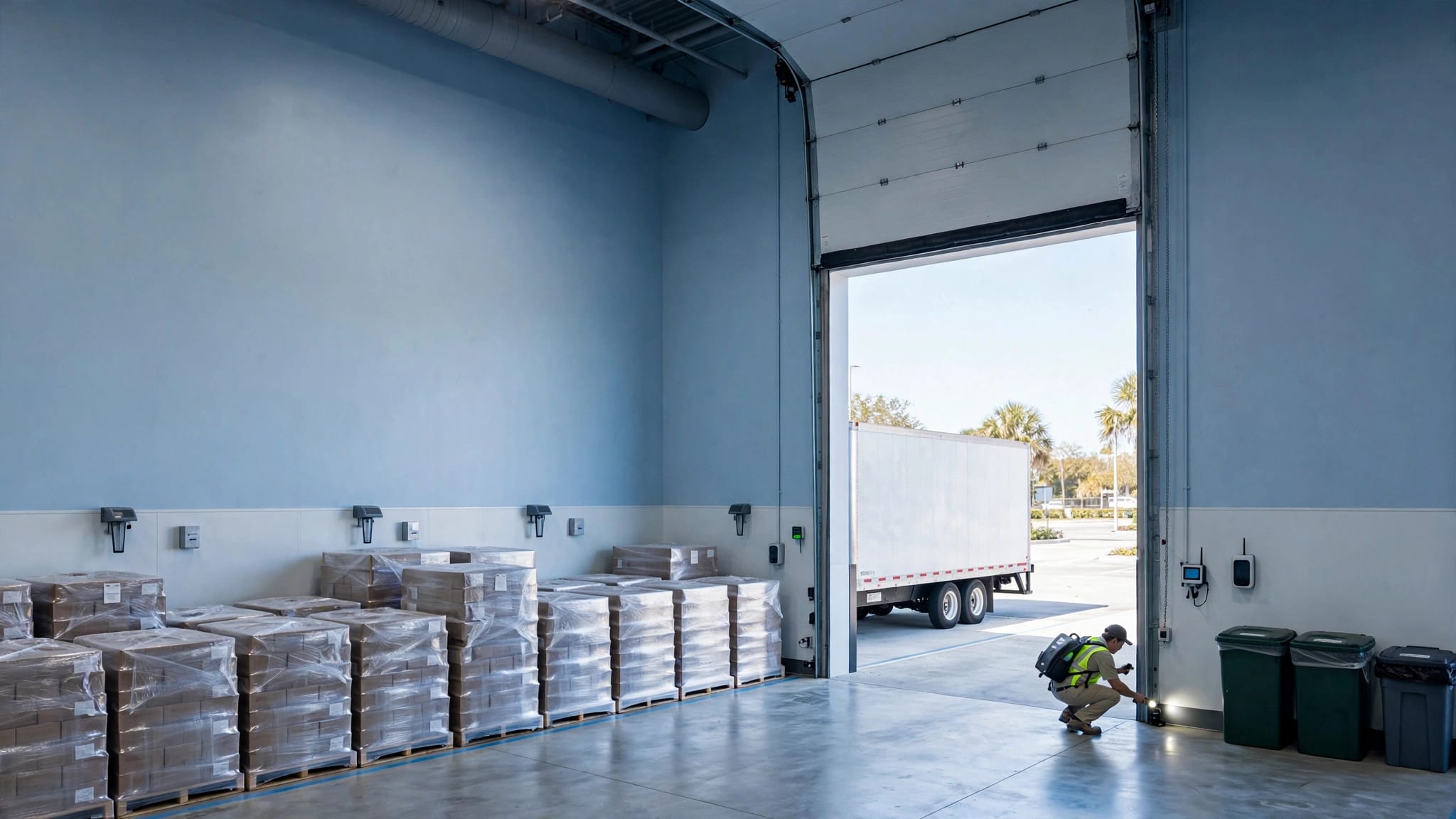
Choose a dry indoor room whenever possible. A spare bedroom, dining area, or finished section of the garage is safer than a porch, shed, or open carport. Clean the floor first, then inspect corners, baseboards, doors, and nearby storage for pest activity.
If you find rodent droppings, don't sweep or vacuum them while they're dry. Ventilate the space, wear disposable gloves, and apply a disinfecting product according to its label. Heavy contamination, strong odors, or repeated droppings call for professional cleanup and pest control.
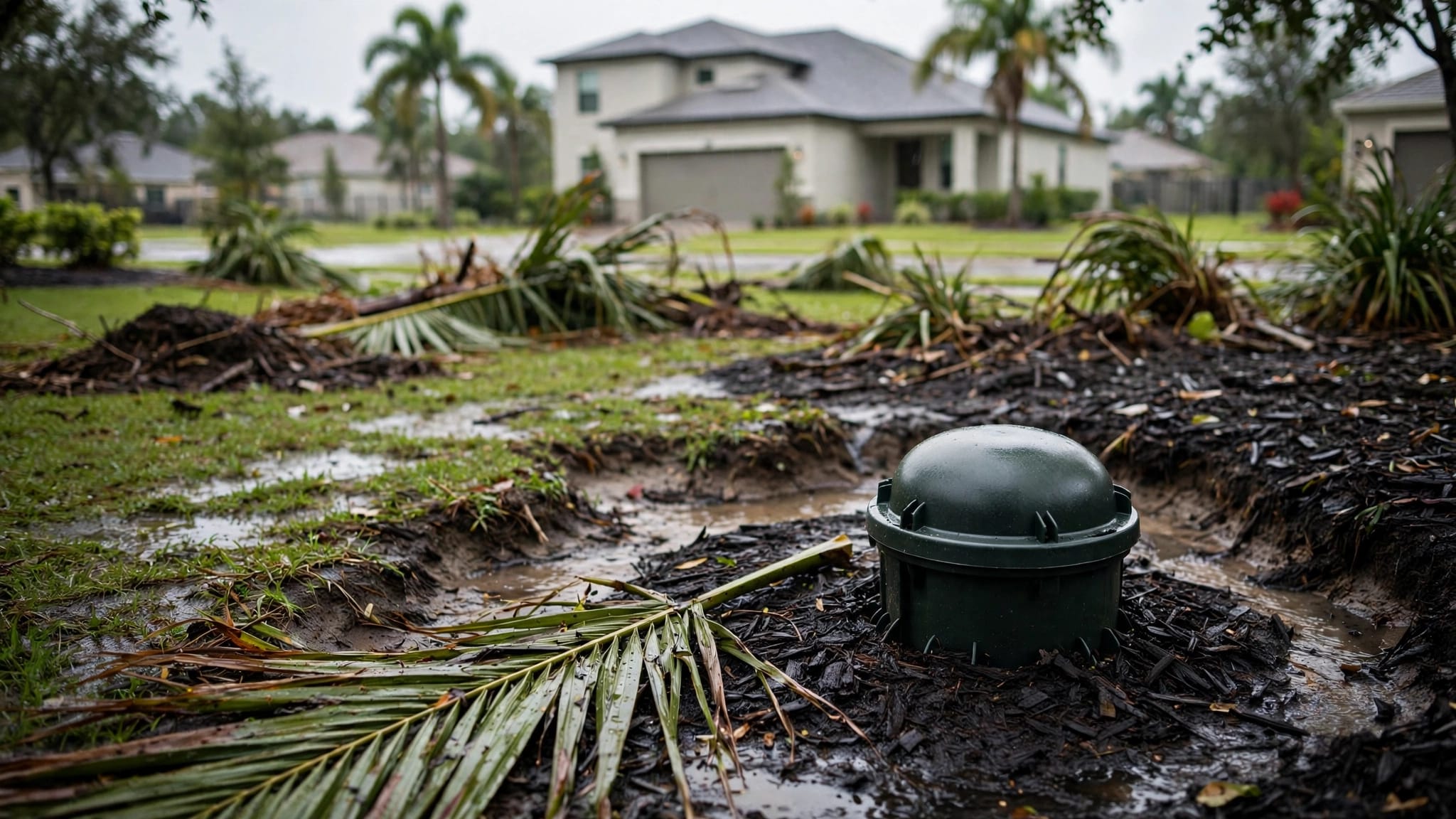
Southwest Florida homeowners may also benefit from these hurricane pest prep tips, especially when garages hold boxes, tools, decorations, or wet items during storm preparation and cleanup.
Keep boxes elevated and visible
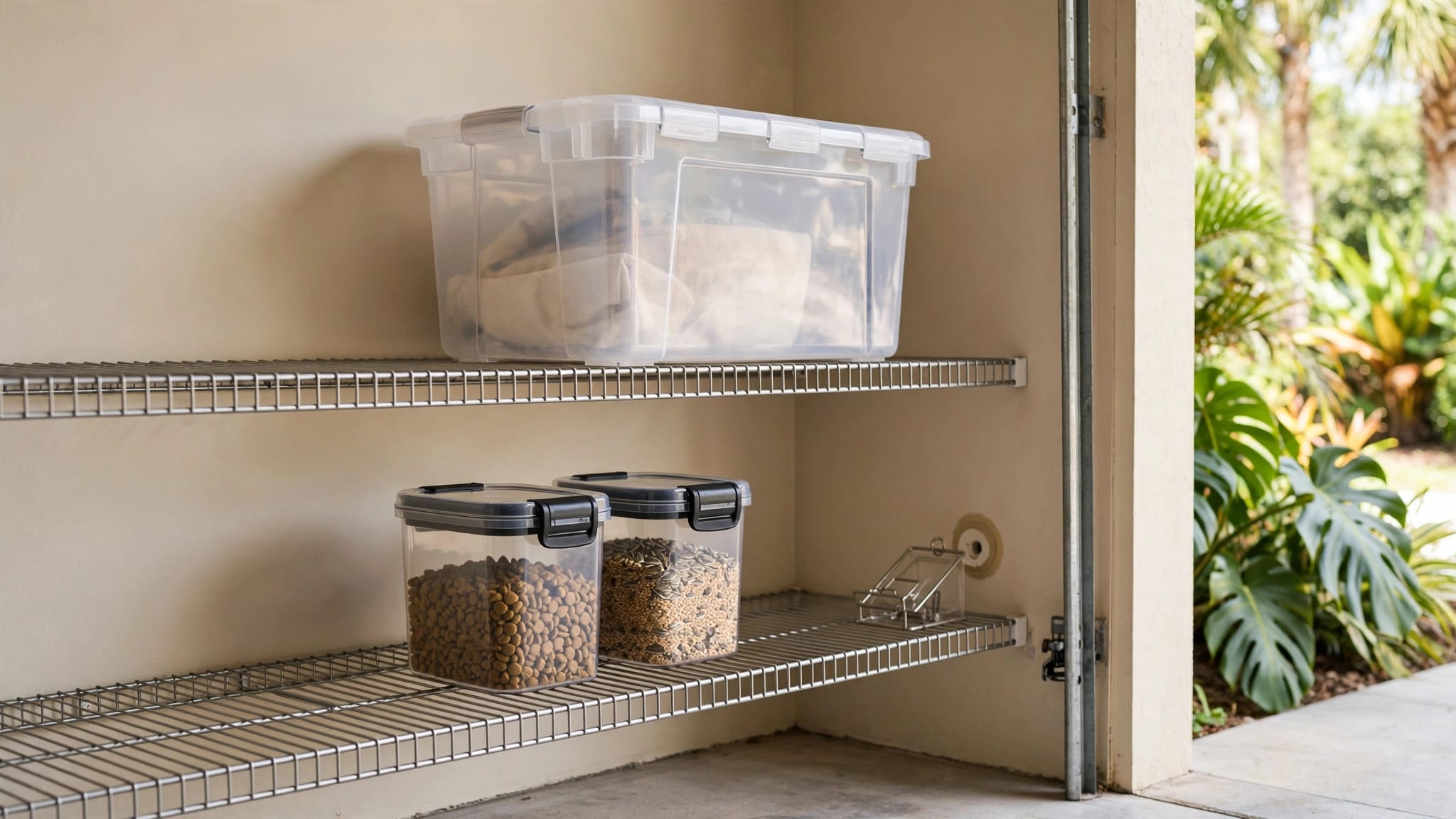
Set empty and finished boxes on a clean table, shelf, pallet, or other raised surface. You don't need to create a complicated storage system. The goal is to keep cardboard away from moisture and give yourself space to inspect underneath.
Leave a small gap between stacked boxes and the wall. Pests often travel along edges, and a tight stack can hide droppings, shed skins, or gnaw marks. A little clearance makes early signs easier to spot.
Before packing, remove anything that competes with your clean setup:
- Take trash, recycling, and empty food containers out of the room.
- Store pet food in a sealed container away from the boxes.
- Move potted plants, firewood, and outdoor equipment elsewhere.
- Repair leaks and dry any wet flooring before cardboard enters the area.

Choose Containers That Block Pest Access
New, clean cardboard boxes are usually the better choice when you need disposable packing materials. Buy boxes in manageable sizes, inspect them before assembly, and reject any box with water stains, holes, droppings, insect bodies, or a stale odor.
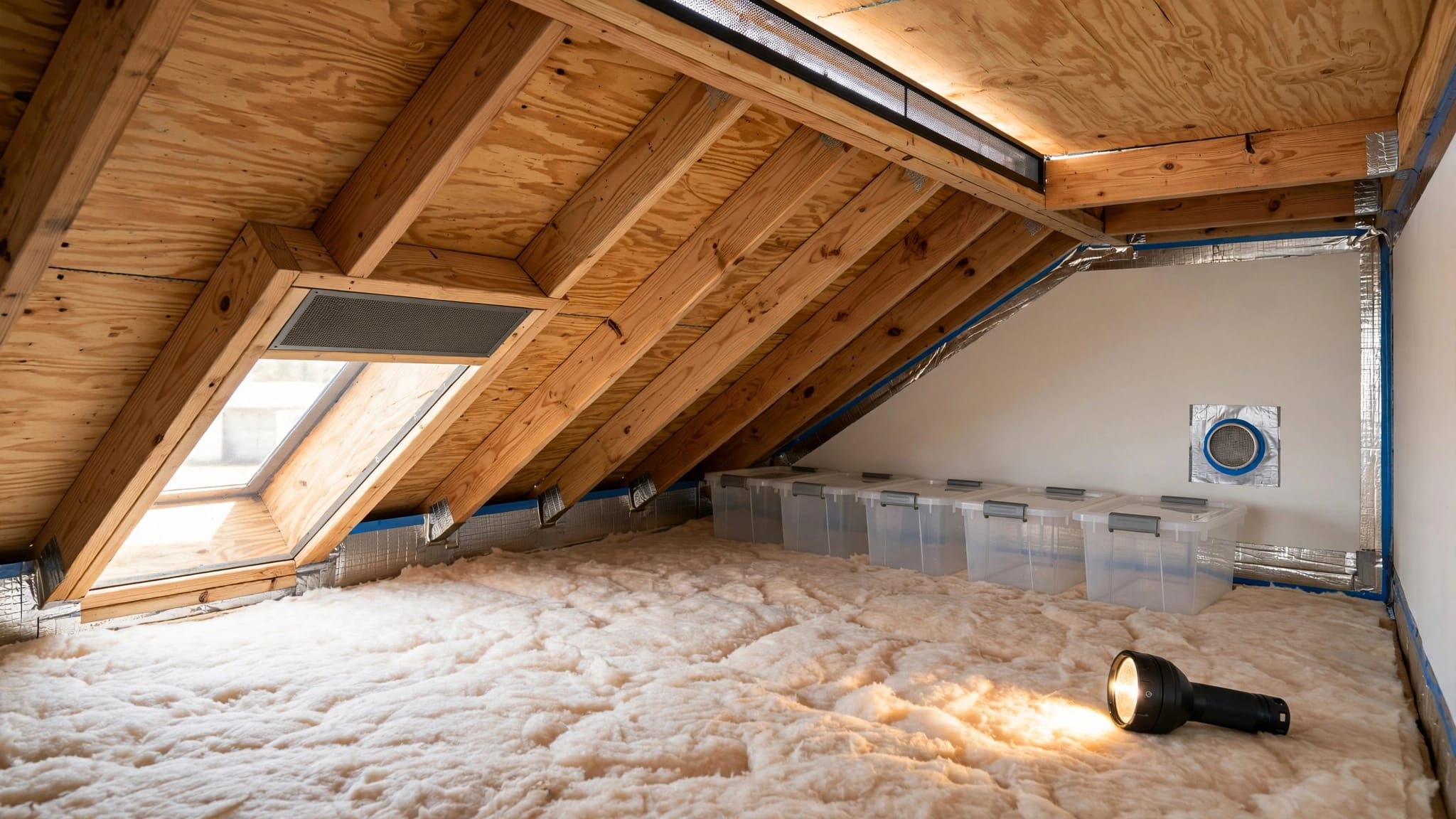
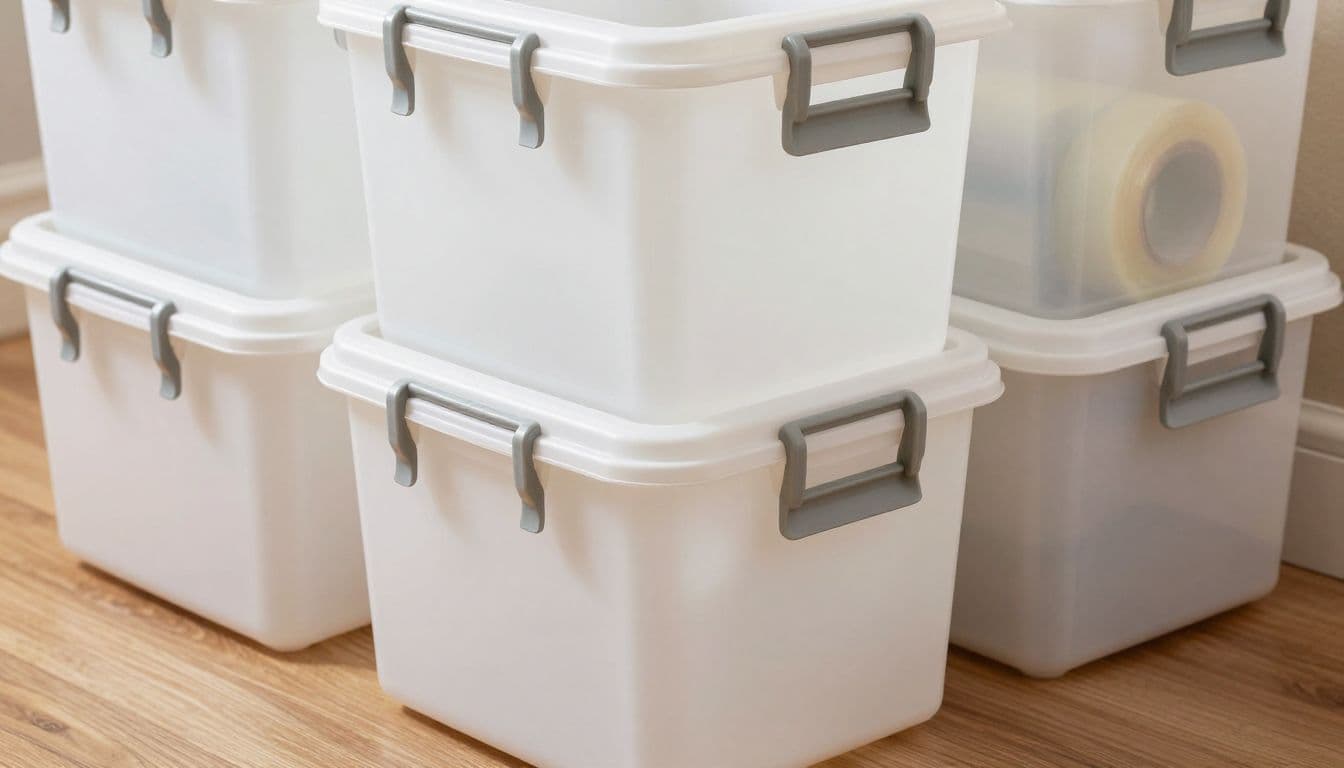
Plastic storage totes with secure lids offer better protection for items that will remain packed after the move. They work well for clothing, linens, children's items, documents, and seasonal belongings. A tight lid helps prevent access, but inspect the rim and latch before you trust it.
Use clean, dry packing materials
Fresh packing paper is a better choice than newspapers or loose paper pulled from a garage. Newspaper ink can transfer to surfaces, while old paper may have picked up moisture or pests. Wash and dry linens before packing them, then place them in clean bags or lidded containers.
Pantry food needs special care. Keep rice, flour, cereal, pet food, and other dry goods in their original sealed packaging or airtight containers. Don't place opened bags or crumbs inside moving boxes. If food has signs of insects, discard it instead of transporting it.
Avoid putting pesticides inside boxes with clothing, dishes, toys, or food. Mothballs are pesticides, not general storage fresheners, and their labels limit how they can be used. Never scatter them through a moving load or use them around children and pets.
How to pack pest-free moving boxes without bringing pests along
Good packing habits reduce the chance that insects or rodents will travel with your belongings. Work with one box at a time, and close each one before starting another.
- Inspect the box before opening it. Check the flaps, corners, bottom, and inside seams under bright light. Discard anything with signs of insects, moisture, droppings, or gnawing.
- Assemble and seal the bottom securely. Use quality packing tape across the center seam and along both end seams. This H-shaped seal supports the box and leaves fewer open edges.
- Pack only clean, dry items. Shake dirt and plant debris outdoors. Wash fabric items, wipe hard surfaces, and let everything dry before it enters the box.
- Keep food and scented products contained. Place pantry goods, pet supplies, candles, and similar items in sealed packaging. Odors and residue can attract pests or reveal a box to rodents searching for food.
- Close the box as soon as it's full. Fold the flaps together and tape every seam. Don't leave open boxes overnight, especially in a garage, attic, or room with known pest activity.
- Store finished boxes off the floor. Keep them in the clean staging area, away from walls, doors, pet bowls, and exterior openings. Check the stack each day if packing takes more than one day.
Don't overfill cardboard boxes. Bulging sides create gaps, weaken the structure, and make handling harder. A box that closes flat is easier to inspect and less likely to split during loading.
With these steps, your pest-free moving boxes stay part of a clean process instead of becoming hidden transport for pests.
Inspect Every Box Before Loading and Unloading
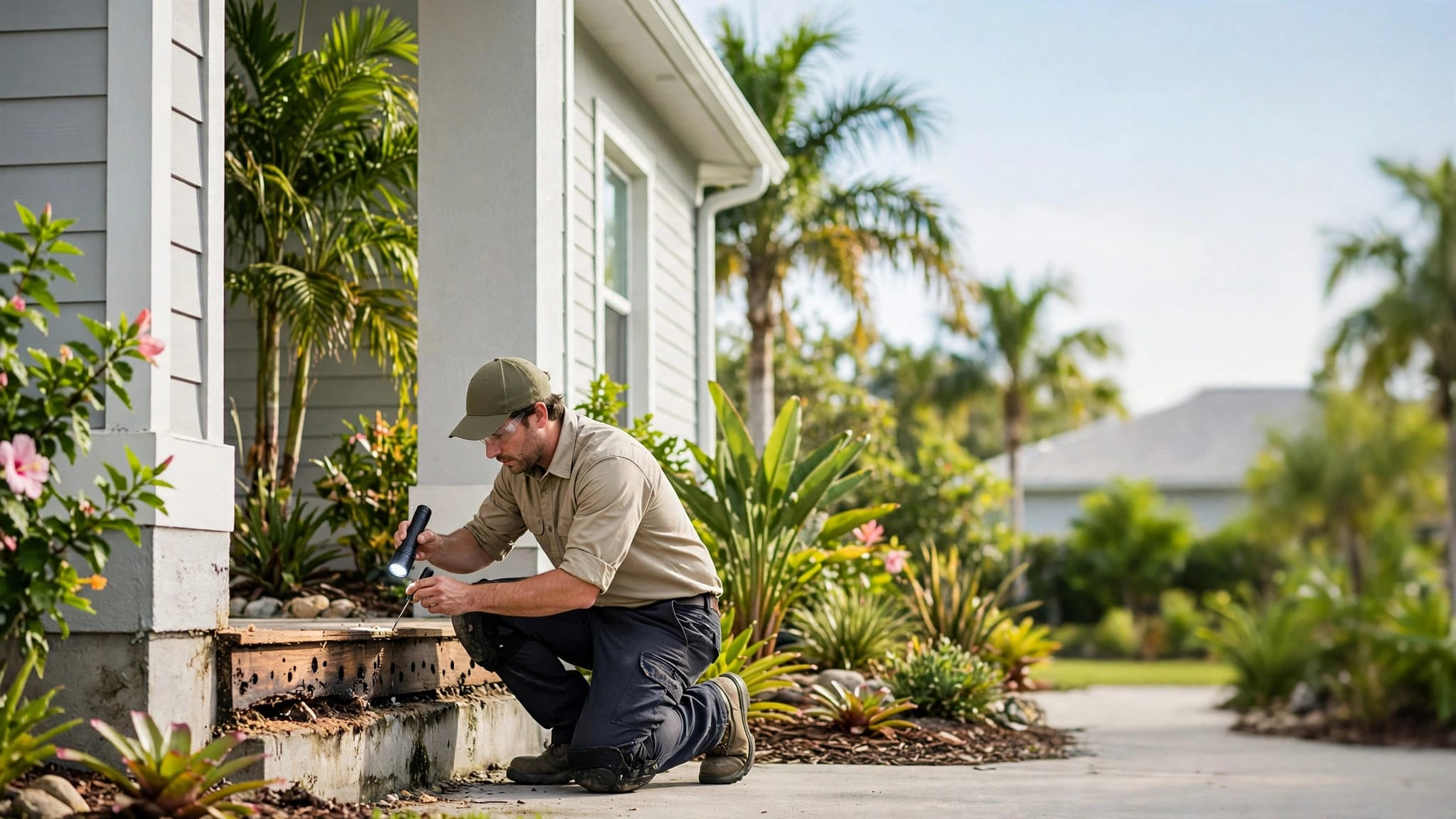
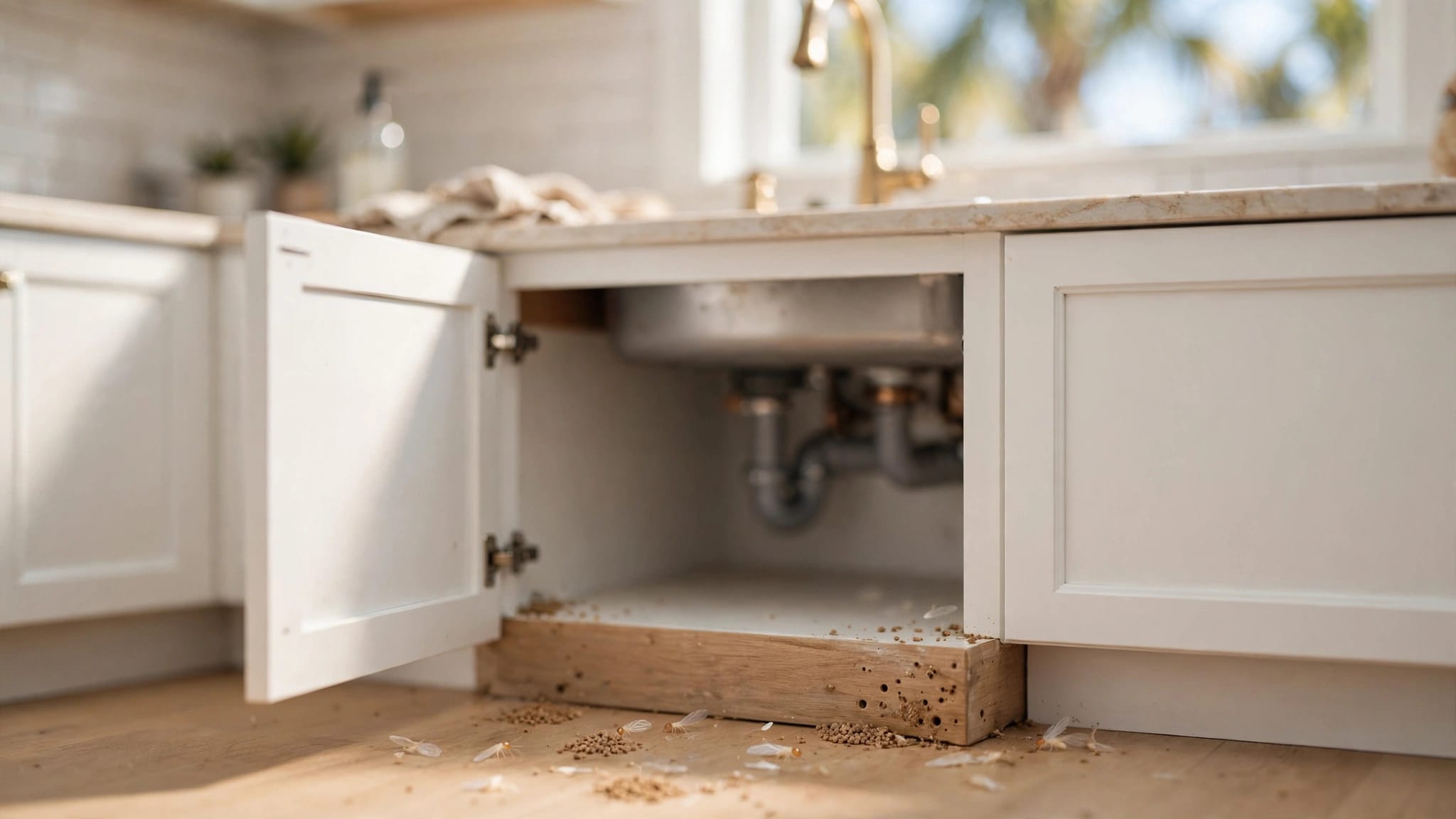
Give each box a final inspection before it enters the moving truck. Look along the bottom edges, tape lines, handles, folded corners, and any holes made by nails or rough handling. Pay attention to live insects, egg cases, droppings, grease marks, shed skins, webbing, and fresh gnaw marks.
A suspicious box should leave the clean stack immediately. Place it in a separate area outdoors or in an empty garage section, and avoid opening it beside your furniture and clothing. If you can't determine whether the evidence is old or active, treat the box as contaminated until you receive professional advice.
Rodent evidence needs careful handling. Droppings near boxes, shredded paper, chewed cardboard, or a strong urine odor can point to activity in the packing area. If you notice repeated signs, review these signs of mice in the house and inspect nearby gaps around plumbing, doors, vents, and utility lines.
Check more than the boxes
Furniture, appliances, luggage, and storage cabinets can carry pests too. Inspect undersides, drawers, cushions, and seams before loading them. Vacuuming loose debris from clean items helps, but it won't correct an active infestation.
Don't load a box simply because it looks sealed. Tape hides seams, but it doesn't remove the pest or its eggs. A short inspection can prevent a much larger problem after the move.
Keep the New Home Pest-Ready
Unload boxes into one clean staging area instead of spreading them through every room. Keep the stack away from walls until you have inspected the room and confirmed that the boxes are dry and intact.
Open boxes gradually, especially if they traveled through rain, a hot truck, or a humid storage space. Look for moisture, insects, droppings, and torn cardboard as you unpack. Move clean items into cabinets or closets, then remove empty boxes instead of keeping them in the garage for months.
Break down cardboard and recycle it promptly. If you need long-term storage, transfer belongings into clean plastic totes with secure lids. Totes still need dry storage and occasional inspection, but they offer a stronger barrier than folded cardboard.
Check the new home's garage door edges, attic access, wall penetrations, and plumbing openings. A box may reveal a pest issue, but entry points often explain why pests appeared in the first place.
When to Call a Pest Control Professional
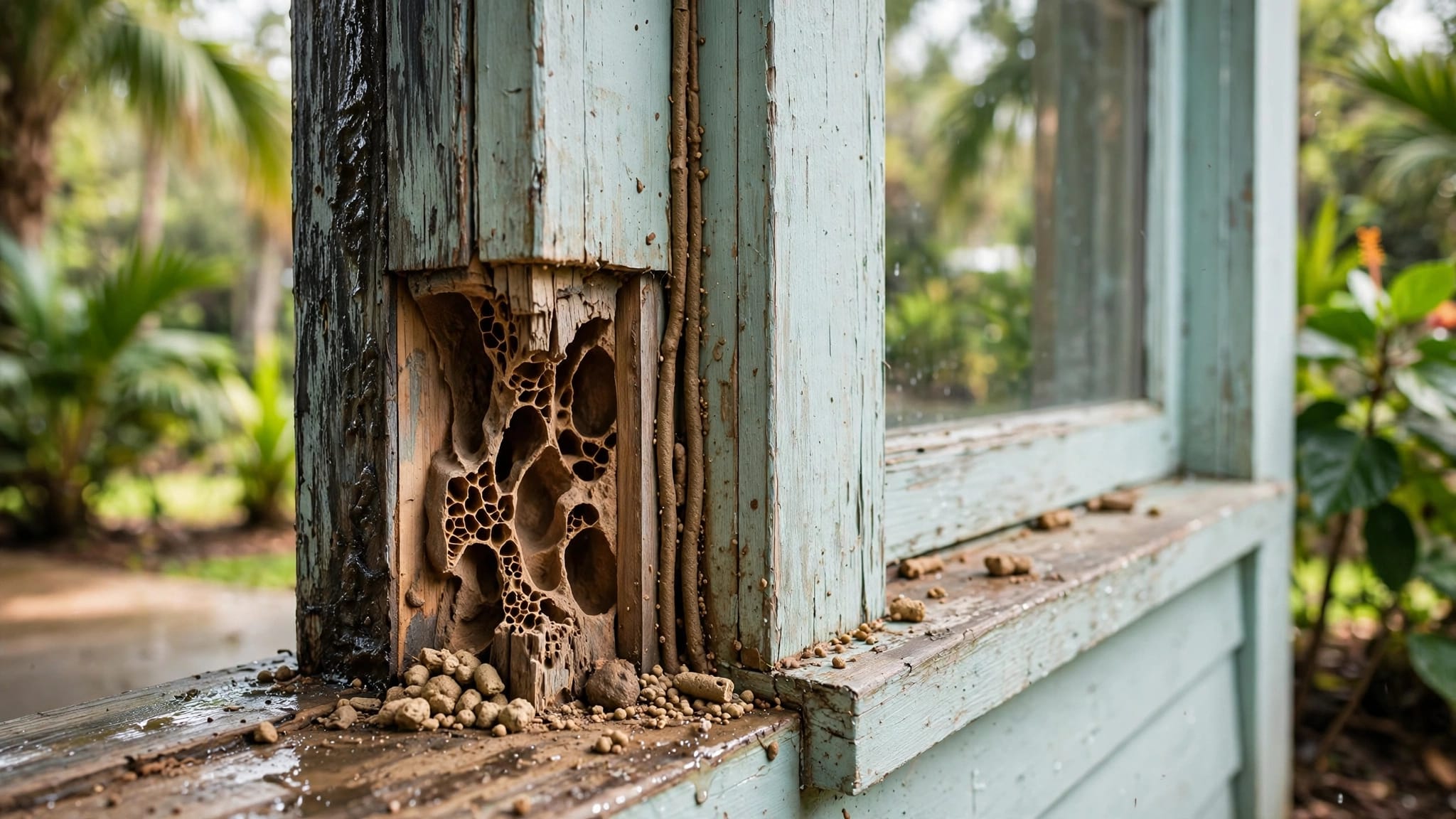
Contact a pest control company before moving if you see live roaches, mice, termites, bed bugs, or repeated droppings. Packing around an active infestation can spread the problem through clothing, furniture, and storage items.
Professional help also makes sense when evidence appears in several rooms, when rodents are active in an attic or wall, or when you find a large amount of contaminated material. For homeowners in Cape Coral, these details on rodent entry point sealing explain why trapping alone may not stop repeat activity.
A technician can identify likely entry points, separate old signs from current activity, and recommend treatment that fits the home. Don't place loose poison or unapproved chemicals inside moving boxes. Keep pesticides in their original containers and follow every label direction.
Keep Your Move Clean From the First Box
Pest-free moving boxes begin with a dry packing area, clean materials, sealed food, and regular inspections. Elevating boxes and switching long-term storage to latching plastic totes adds another layer of protection.
If you find droppings, gnaw marks, live insects, or evidence of bed bugs, stop packing that area and get help before loading the truck. A few careful checks can keep one hidden pest from becoming an unwelcome part of your new home.
Schedule a Free Inspection: