Oleander Caterpillars in Punta Gorda Shrubs and Walkways
Oleander caterpillars can turn a tidy front yard into a mess fast. In Punta Gorda, where shrubs often line entry paths and sidewalks, the damage shows up where everyone sees it first.
These pests do more than chew leaves. They leave behind dark droppings, webbing, and ragged plant edges that drag down curb appeal. When they settle into shrubs near a walkway, they can also create a cleanup problem that keeps coming back.
Warm, coastal weather gives them plenty of time to feed and spread. That makes early spotting and quick action important for both homes and managed properties.
How oleander caterpillars show up on Punta Gorda landscapes
Oleander caterpillars target oleander shrubs first, but they can strip a hedge so hard that it looks burned. In Punta Gorda, they often appear after warm rains and during long stretches of mild weather. That means the problem can show up more than once in a year.
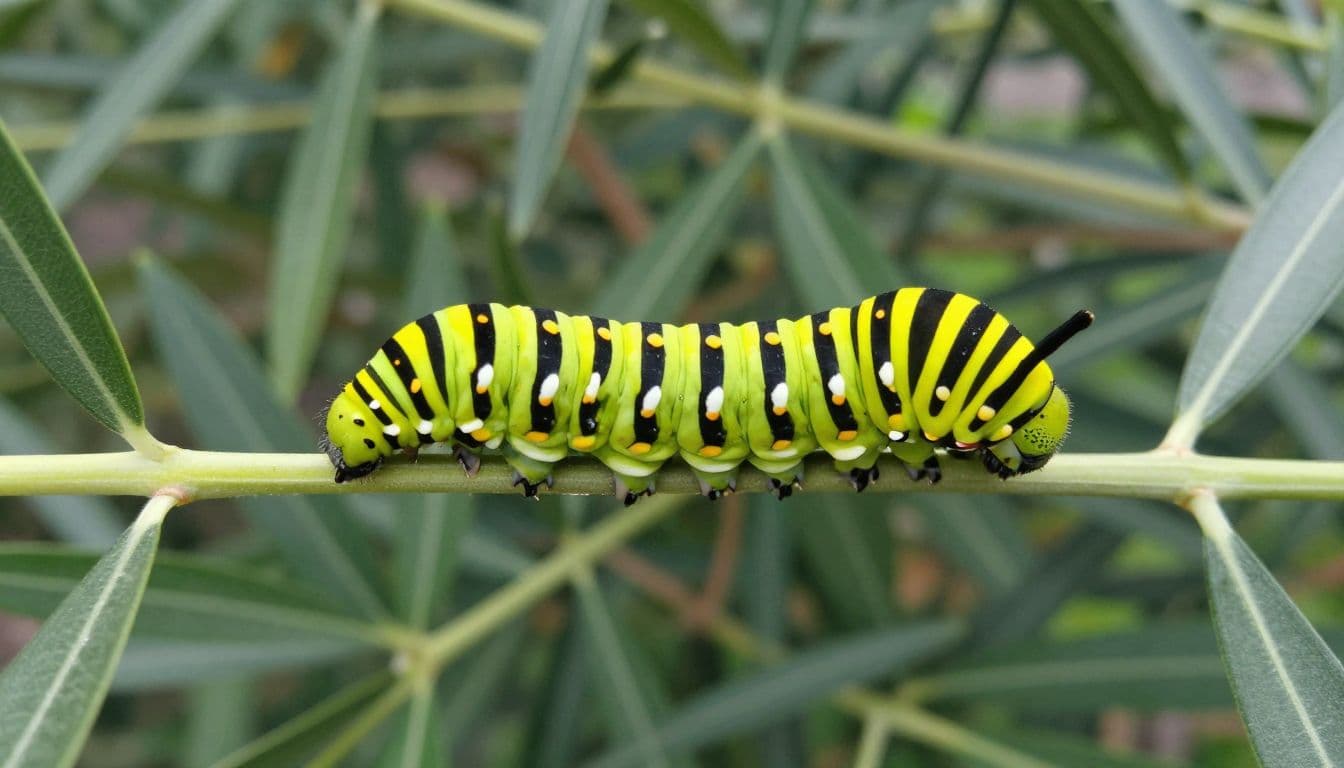
The caterpillars are easy to miss at first. They gather on the undersides of leaves and along tender new growth, where they feed in groups. Once they get established, the leaves begin to look skeletonized, then bare.
A few plants can look rough within days. If the shrubs line a driveway, porch, or sidewalk, the damage stands out right away. That is why many property managers notice the issue only after customers or guests start pointing at the mess.
Check the undersides of the leaves before you spray anything. The caterpillars are often hiding where a quick glance won't catch them.
In some yards, the first sign is not the caterpillar itself. It is the black droppings on pavers, the small silk threads between leaves, or leaf piles under the hedge. Those clues matter because they tell you the infestation is active, not just old damage.
Signs the damage is spreading beyond the shrub
Once oleander caterpillars settle in, the plant damage usually follows a pattern. The leaves look chewed around the edges, then stripped in patches, then nearly gone. On smaller shrubs, the whole plant can look thin and stressed.
Look for these warning signs near front walks and entry paths:
- Chewed leaves that leave only veins behind
- Black frass on concrete, pavers, or mulch
- Fine webbing or silk strands between leaves
- Clusters of striped caterpillars on new growth
- Ragged shrubs that lose their shape fast
When these signs show up near a walkway, the problem gets bigger than a plant issue. Guests, tenants, and delivery drivers all notice the mess. Droppings on hard surfaces also make the area look neglected, even if the rest of the yard is in good shape.
Damaged oleander can also drop leaves and bits of chewed plant material onto paths. That creates extra cleanup and can make the entryway feel unkempt. For vacation rentals and commercial properties, that kind of wear shows up in reviews and first impressions.
If the shrub is already thin, repeated feeding can push it into a decline. In hot coastal areas, stressed plants do not bounce back as fast. That is why it helps to act before the leaves disappear from whole sections of the hedge.
What to do when they show up on shrubs or along paths
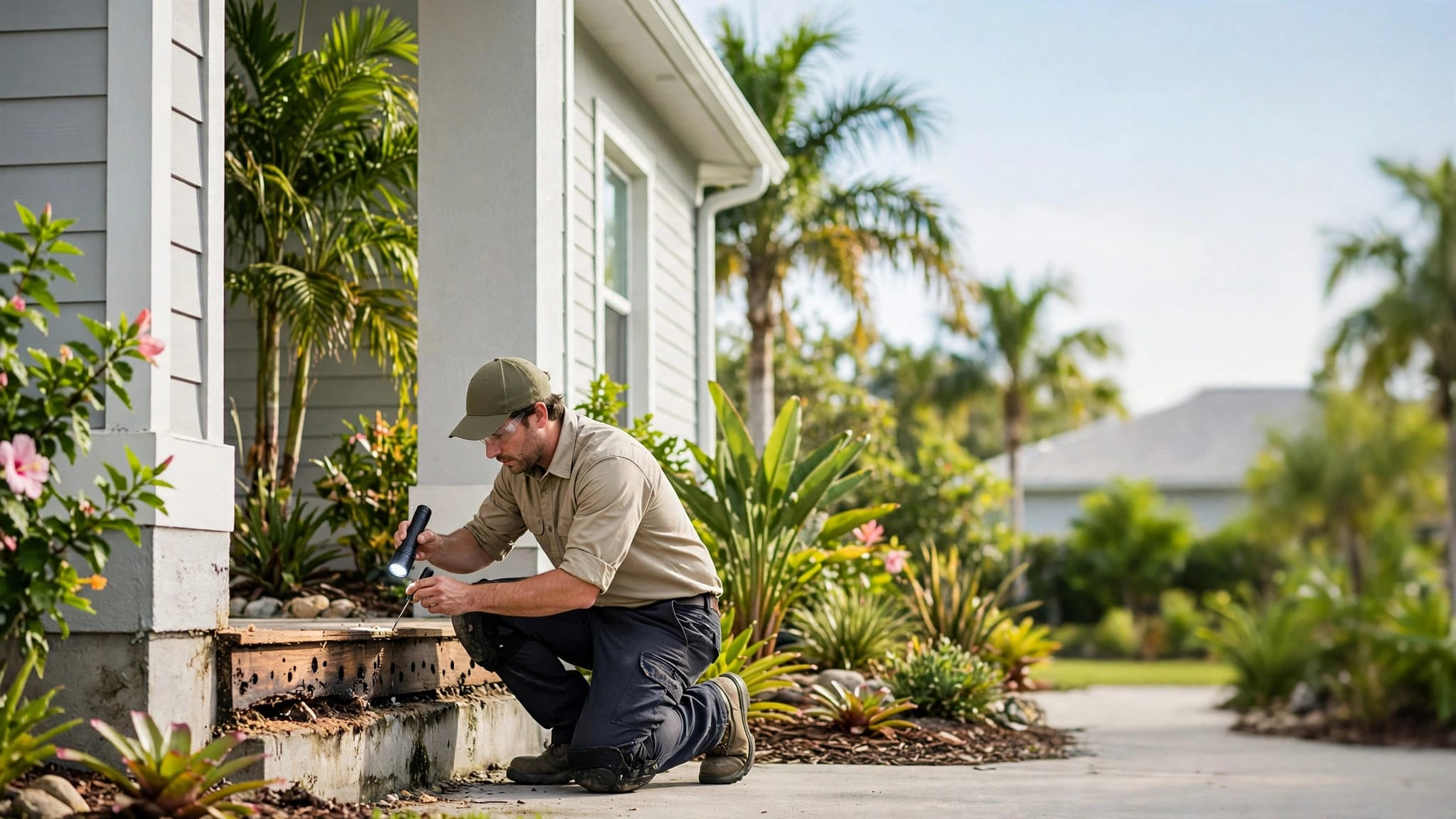
Start with a careful inspection. Check the top and bottom of the leaves, the stems, and the area beneath the shrub. If you find caterpillars, wear gloves and avoid touching them bare-handed. Even dead caterpillars and cut plant parts can leave residue on your hands.
Next, remove the worst damaged leaves and any loose debris on the walkway. Bag the material right away instead of leaving it in the yard. That limits the chance that caterpillars or larvae stay close to the shrub and start feeding again.
If the infestation is small, a strong stream of water can knock some caterpillars off the plant. That can help, but it usually does not solve a larger outbreak. Heavy feeding often means more larvae are still hidden in the shrub.
A targeted treatment plan is safer than guessing with a broad pesticide. Oleander shrubs are common near homes, so spraying the wrong product in the wrong way can create new problems for pets, people, and nearby plants. If you want help with a stubborn outbreak, professional pest control services can identify the pest pressure and recommend a treatment that fits the property.
After treatment, rinse walkways and check the mulch line. Caterpillar droppings and shed material can stick around even after the insects are gone. A clean path helps restore the look of the entrance and makes it easier to see if the problem comes back.
Prevention that works in warm coastal Florida yards
Punta Gorda weather makes prevention a little different from cooler places. Warm temperatures, humidity, and regular rain can keep plant pests active for long stretches. That means inspection has to be part of routine yard care, not a one-time fix.
Trim oleander shrubs so air can move through the branches. Dense growth gives caterpillars more cover and makes it harder to spot them early. Keep the shrub off sidewalks and edges where people brush past it, because that makes cleanup harder and increases the chance of contact.
Water the plant at the base instead of soaking the foliage. Wet leaves do not cause the caterpillars, but stressed or crowded shrubs often take damage faster. Healthy plants recover better after feeding, especially when the infestation is caught early.
Check shrubs after warm rainstorms and during long, mild stretches. In coastal Southwest Florida, those are common times for pest activity to flare up. A quick weekly look can save a lot of trimming later.
If oleander has been a repeat problem, consider whether the plant belongs in that spot. A shrub that sits beside a busy walkway or front entry gets more attention from pests and more exposure to cleanup issues. Replacing it with a lower-risk landscape plant can reduce repeat trouble.
For managed properties, set a simple inspection schedule. Front entrances, pool-side paths, and sidewalk borders need the most attention. Those are the places where a small pest problem becomes visible first.
Keeping curb appeal intact without rushing into risky treatment
Oleander caterpillars are not the kind of pest to ignore just because the shrub is outdoors. They can strip a plant, stain hard surfaces, and make a clean entryway look neglected. In Punta Gorda, where shrubs often frame the first view of a home or business, that matters.
The best response is steady and practical. Watch for early chewing, check the undersides of leaves, clean walkways quickly, and use treatment that fits the situation. When the infestation keeps returning, a local pest professional can help you get ahead of it before it spreads across the property.
A healthy landscape is easier to maintain than a damaged one. Around here, that starts with catching oleander caterpillars before they take over the shrubs by the sidewalk.
Schedule a Free Inspection: