Flesh Flies at Fort Myers Dumpster Pads and Pet Waste Stations
Fort Myers waste areas can turn into fly magnets before anyone notices. A missed bag, a sticky lid, or a pet waste bin that sits too long can bring in flesh flies fast.
These flies are more than a nuisance. They point to decaying organic matter, moisture, and a sanitation gap that can spread across a property.
For HOAs, multifamily communities, and commercial sites, the fix starts with routine cleaning and ends with a system that holds up in Florida heat. The details below show where the pressure builds and how to stay ahead of it.
Why flesh flies show up so fast in Fort Myers
Flesh flies feed where soft organic material breaks down. They are drawn to trash residue, animal waste, grease, and decaying matter. That makes dumpster pads and pet waste stations prime targets.
Warm, humid Southwest Florida weather speeds everything up. Odors travel farther, moisture lingers longer, and fly activity rises faster after rain. In other words, a small cleanup miss can turn into a repeat problem in a day or two.
Many flesh flies in Fort Myers properties also find places where people never look. They gather near drain edges, under bin lids, in cracks in concrete, and around overflow areas. Once a breeding site starts, adults keep returning to the same spot.
Their life cycle can move quickly when conditions stay favorable. That is why properties with steady trash traffic, pet use, and afternoon storms often see the same issue again and again. If the source stays on site, the flies stay close.
Dumpster pads create the right conditions fast
Dumpster pads collect the worst of a property's waste problems. Leachate, food scraps, spilled drinks, and greasy film all cling to concrete. Add heat and moisture, and the pad becomes a strong odor source.
A clean pad is easier to manage than a stained one. A stained pad keeps giving off cues that attract flies long after the trash truck leaves.
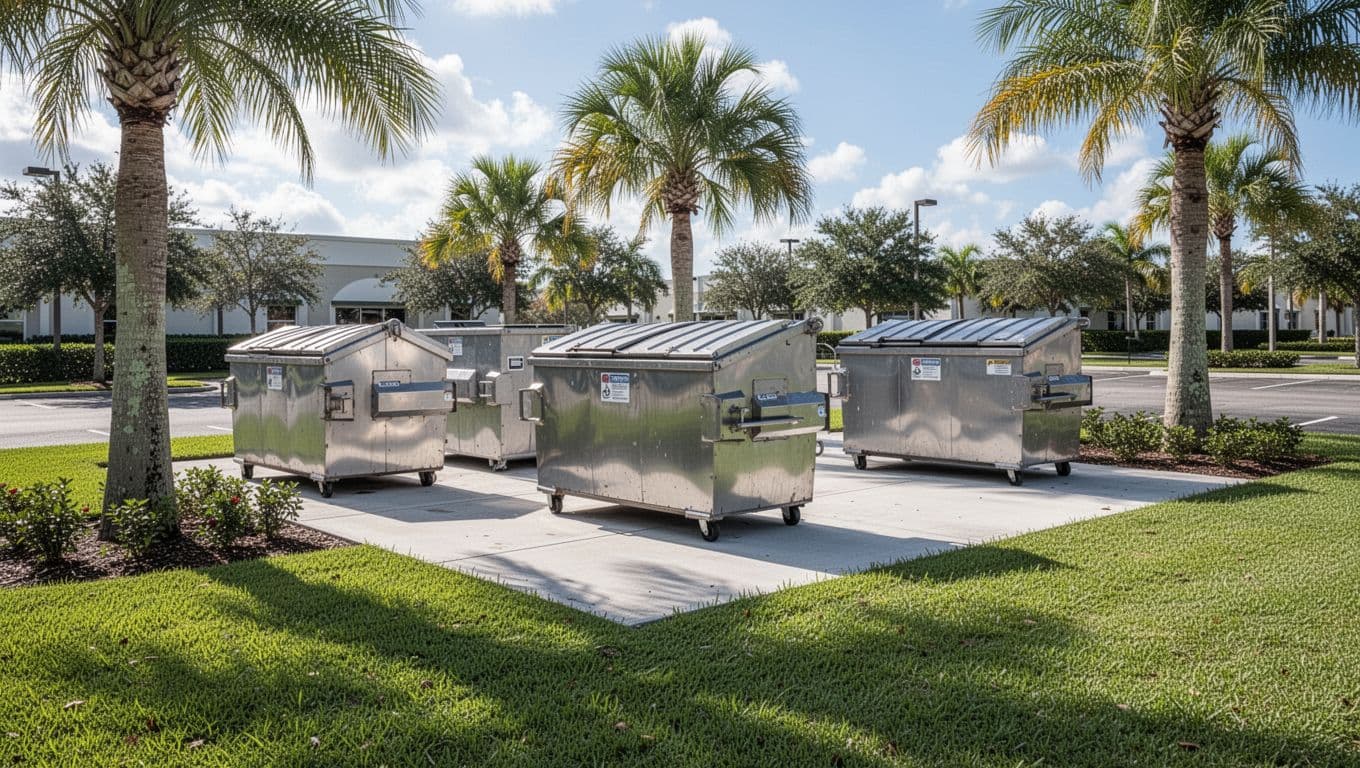
Here are a few common conditions that keep fly pressure high:
| Condition | Why it matters | What to do |
|---|---|---|
| Leachate pooling | Moisture and odor sit in place | Wash the pad, fix drainage, and dry the area |
| Overfilled dumpsters | Waste stays exposed | Adjust pickup schedules and keep lids closed |
| Cracked concrete | Residue hides in seams | Seal cracks and deep clean edges |
| Grease spills | Protein and odor build up fast | Clean spills right away with the right products |
The takeaway is simple. If the pad stays wet, sticky, or open to the air, flies have what they need. Fort Myers rain can make that problem worse by washing waste into low spots and drain lines.
Routine pressure washing helps, but only if staff also remove the source. A fresh rinse over old residue still leaves odor behind.
Pet waste stations need tighter cleaning than most properties expect
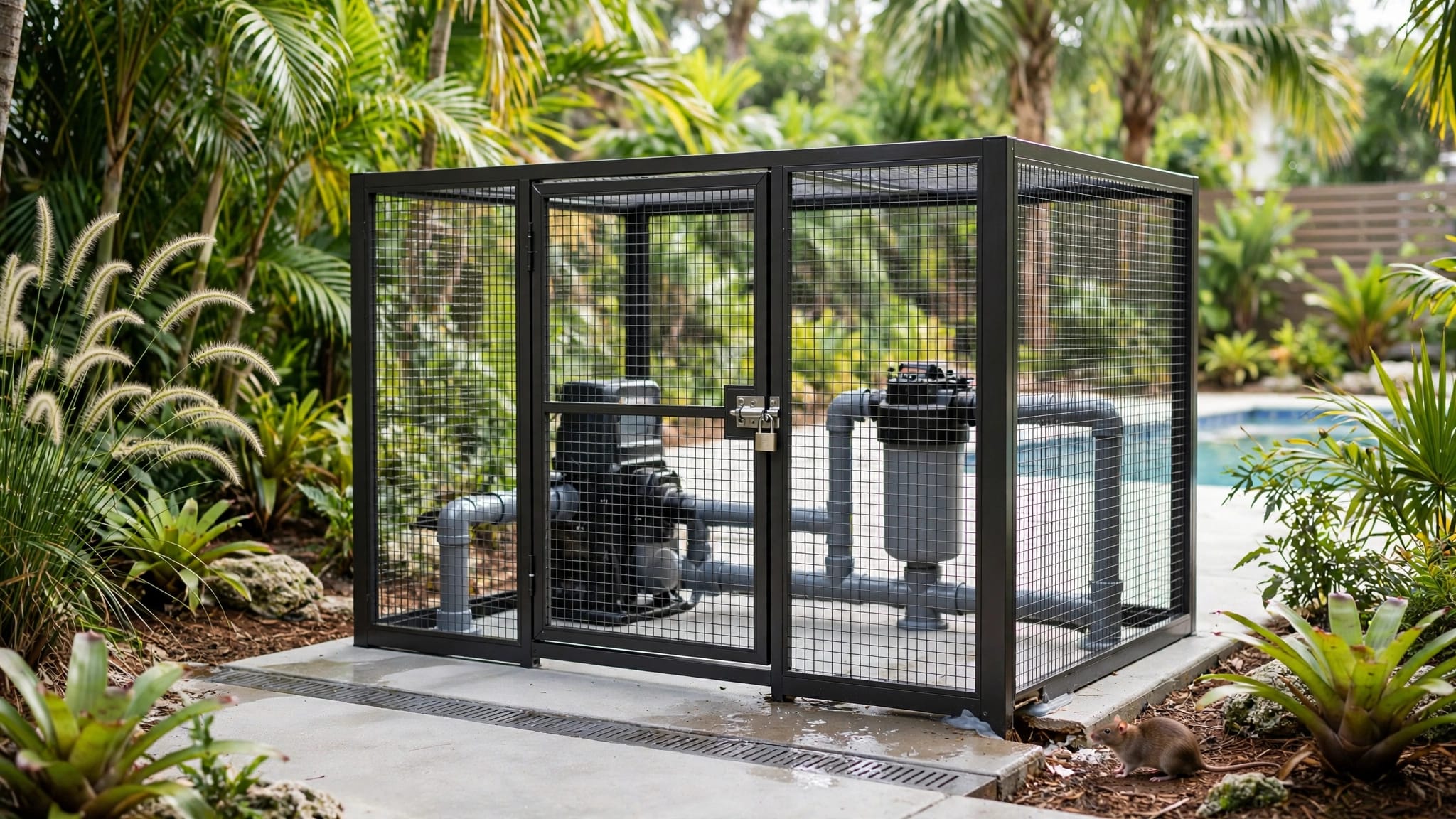
Pet waste stations are useful, but they can become fly hotspots if they are handled like ordinary trash cans. Dog waste bags break, leak, and smell strong in the sun. That odor pulls flies in fast.
A station can look tidy from a distance and still cause trouble. One torn bag in a bin can be enough.
A solid station routine usually includes:
- Emptying bins before they get packed down.
- Replacing liners often, especially in hot weather.
- Cleaning lids, handles, and chute openings.
- Keeping bags stocked so owners do not leave waste on the ground.
- Placing stations away from doors, patio seating, and play areas.
Stations also need good placement. If water from irrigation or rain keeps the area damp, the smell gets stronger and cleanup gets harder. Mulch around a bin can trap moisture too, which gives flies another place to linger.
For communities with heavy dog traffic, pet waste stations need the same attention as dumpsters. Both are waste systems. Both need routine service. Both can create complaints when they slip.
A routine that keeps breeding sites down
The best control plan is the one staff can repeat. Short, frequent service beats rare deep cleaning when the weather is hot and humid.
A good routine often looks like this:
- Inspect waste areas daily.
- Remove loose trash and bag leaks right away.
- Wash dumpster pads and station pads on a set schedule.
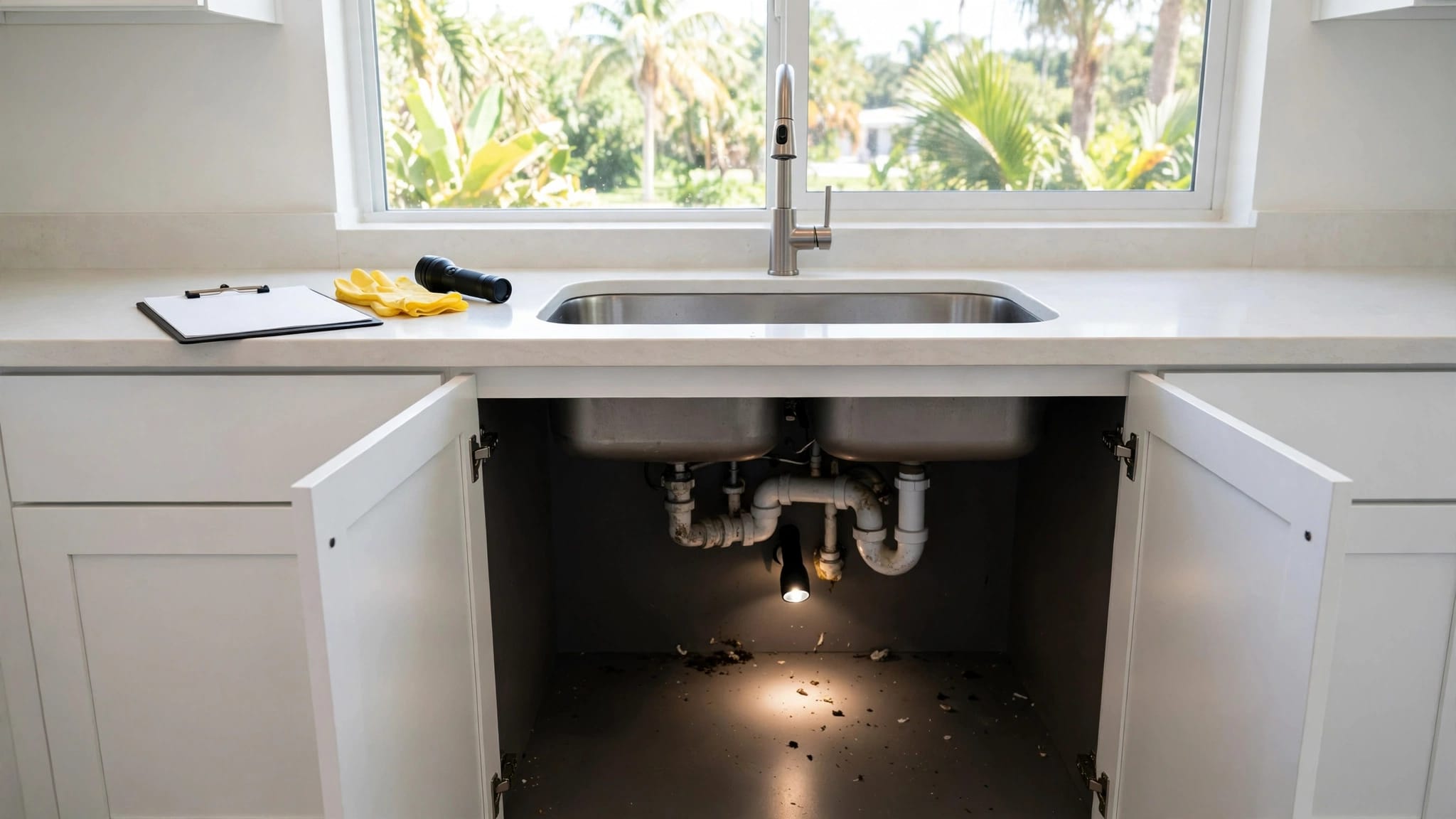
- Check for cracked concrete, standing water, and clogged drains.
- Track pickup times, cleaning dates, and problem spots.
If a waste area smells strong, check the cleaning schedule first.
That habit matters because odor usually appears before a fly complaint. When staff catch the smell early, they can stop the problem before it spreads.
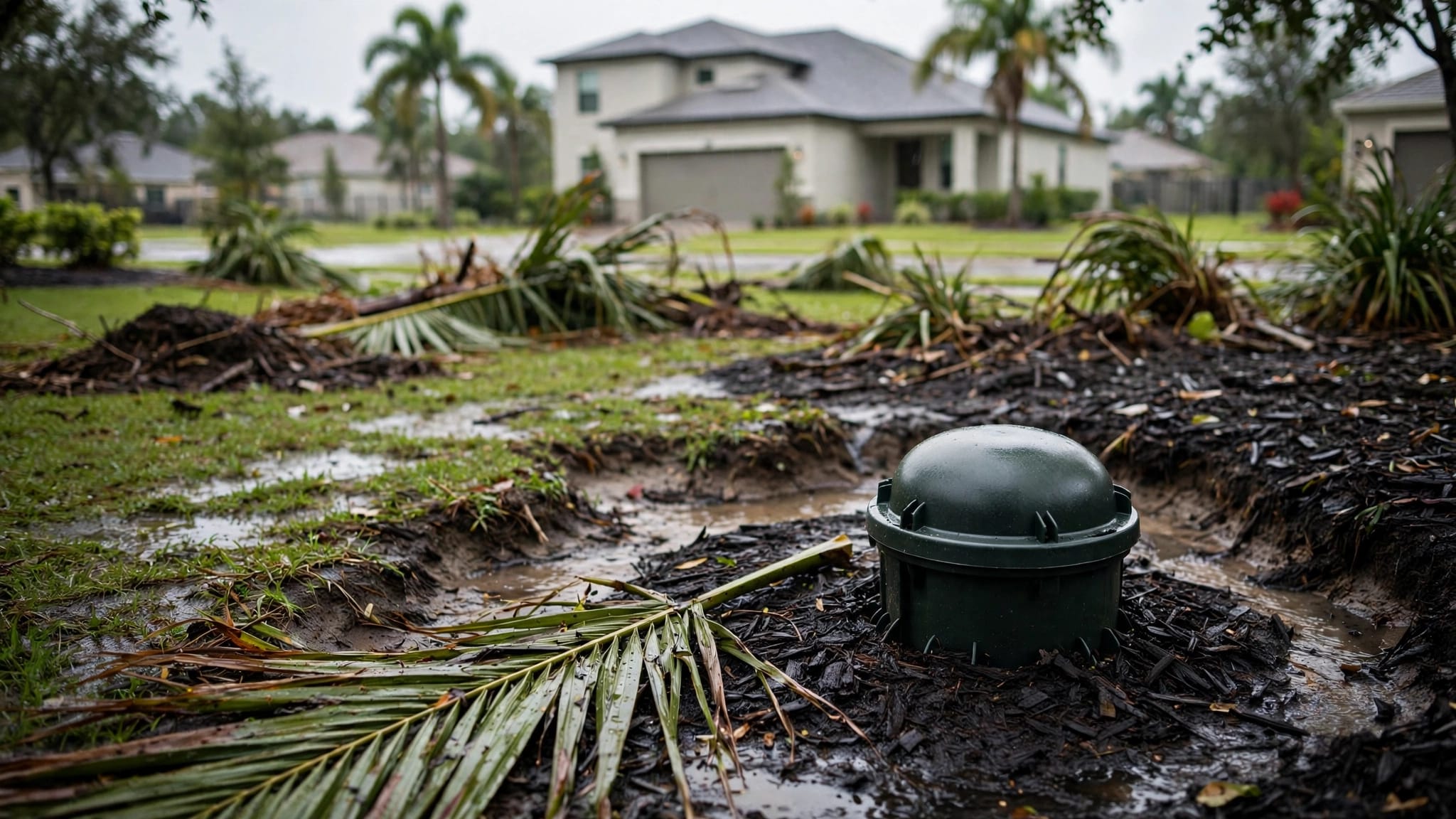
It also helps to cut off breeding sites outside the obvious trash zone. Nearby mats, drain inlets, fence lines, and storage corners can hold old waste residue. In Fort Myers, one storm can move a small problem into three or four spots.
Property managers should also tighten service during busy weeks. Holiday trash, move-ins, tenant turnover, and community events all add pressure. Summer makes that worse because flies develop faster in the heat.
When professional fly control helps
Some properties handle waste well and still fight flies. That usually means the source is hidden, repeated, or harder to reach than staff can manage alone. Common trouble spots include trash enclosure seams, drain channels, compactor areas, and pet stations that get more use than expected.
Professional help makes sense when complaints keep coming back after cleaning. It also helps when one area keeps drawing flies no matter how often it gets washed. A trained technician can spot where odor, moisture, and residue are building up.
For properties that need ongoing help, professional pest control services in Fort Myers can pair sanitation advice with targeted treatment around the worst hotspots. That kind of support matters most for commercial sites, HOAs, and multifamily communities that manage several waste points at once.
Fly control works best when it starts with the source and not just the adult flies. If sanitation stays weak, the problem resets. If sanitation stays tight, the pressure drops.
Keeping Fort Myers waste areas under control
Flesh flies are a warning sign. They tell you a dumpster pad, pet waste station, or nearby drain is holding onto organic waste longer than it should.
Fort Myers heat makes that warning come faster. So do rain, humidity, and daily trash use. The properties that stay ahead of flies are the ones that clean often, watch for odor, and fix small waste issues before they spread.
A clean waste area does more than look better. It cuts off the conditions that let flies settle in and stay.
Schedule a Free Inspection: