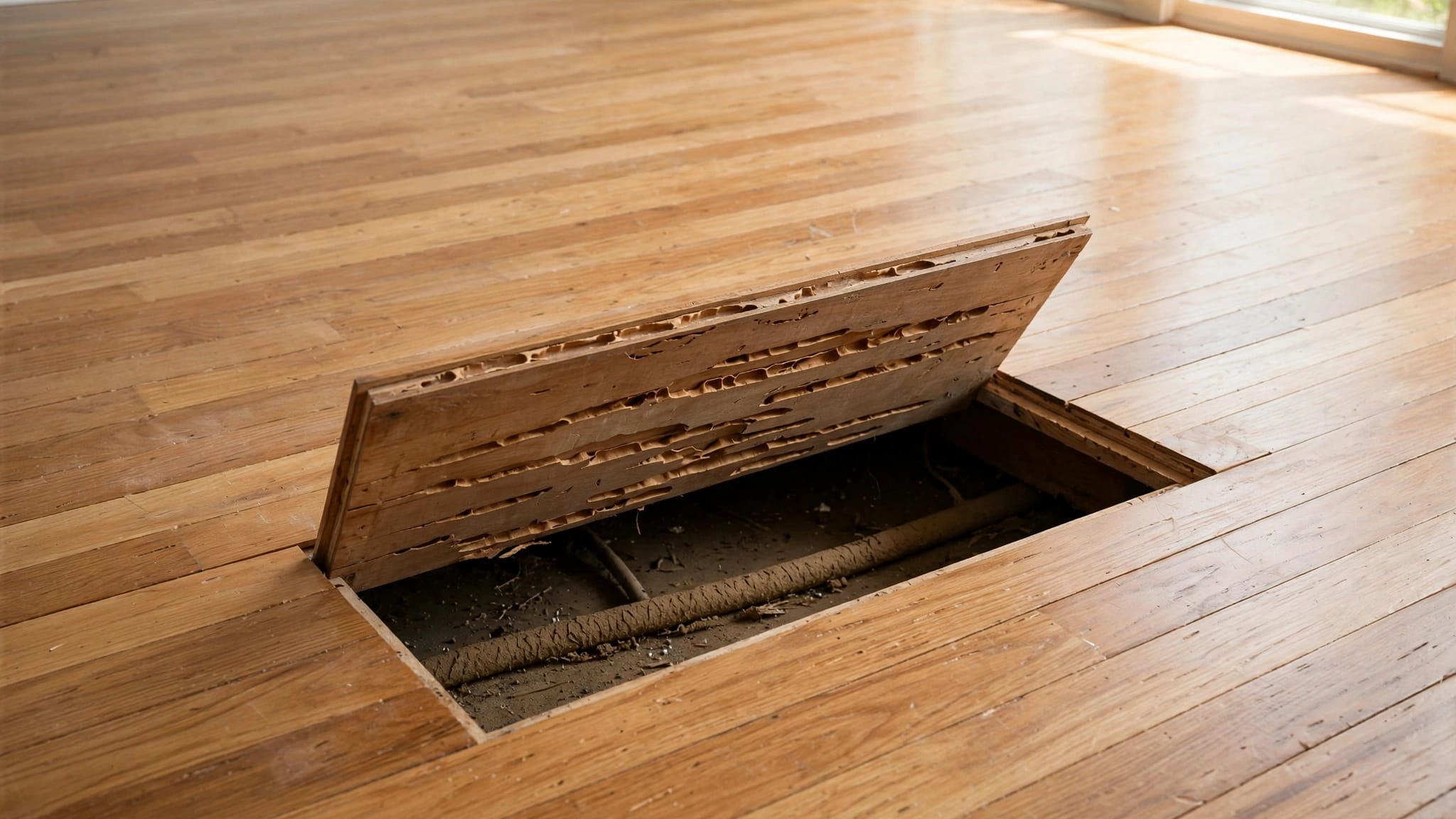
Aedes Aegypti in Cape Coral Planters and Gutters
A small planter saucer can turn into a mosquito nursery after one rainstorm. In Cape Coral, that matters because Aedes aegypti mosquitoes do not need a swamp, they need a few ounces of still water and time.
That makes patios, porches, gutters, and downspouts a bigger problem than many homeowners expect. When water sits after Florida rain, these mosquitoes can multiply fast and stay close to the house.
Key Takeaways
- Small containers are the real risk . Planter saucers, nursery pots, birdbaths, and buckets can all hold enough water for breeding.
- Gutters and downspouts matter too . Leaves, pine needles, and roof debris can trap water after frequent Cape Coral storms.
- Weekly checks beat seasonal cleanups . During rainy months, a short inspection after each storm helps break the breeding cycle.
- Dry, draining yards attract fewer mosquitoes . Clear drainage keeps water from sitting long enough for eggs to hatch.
- If mosquitoes keep coming back, hidden water is usually the reason . A closer inspection often finds clogged drains, shaded puddles, or overlooked containers.
Why Cape Coral Yards Attract These Mosquitoes
Cape Coral gives mosquitoes plenty of help. Warm weather lasts most of the year, afternoon rain is common, and many yards stay watered by irrigation systems. That mix creates the perfect conditions for container-breeding mosquitoes.
Aedes aegypti mosquitoes are especially tied to homes and patios. They prefer small water sources near people, which is why a flower pot, a clogged gutter corner, or a forgotten watering tray can matter more than a nearby canal or ditch.
They also bite during the day, so the problem doesn't stop at sunset. A quick trip to the mailbox, the grill, or the side yard can be enough for a bite. For a broader look at home prevention, see this homeowner guide to mosquito control.
When the source is close to the house, the mosquitoes stay close too. That is why outdoor cleanup in Southwest Florida has to be specific, not random.
Planters, Saucers, and Pots Hold More Water Than You Think
A planter looks harmless until you turn it over and find water trapped underneath. Pot saucers, decorative trays, nursery containers, and oversized cache pots all collect rain and irrigation runoff. Even a little water can stay long enough for mosquito eggs to hatch.
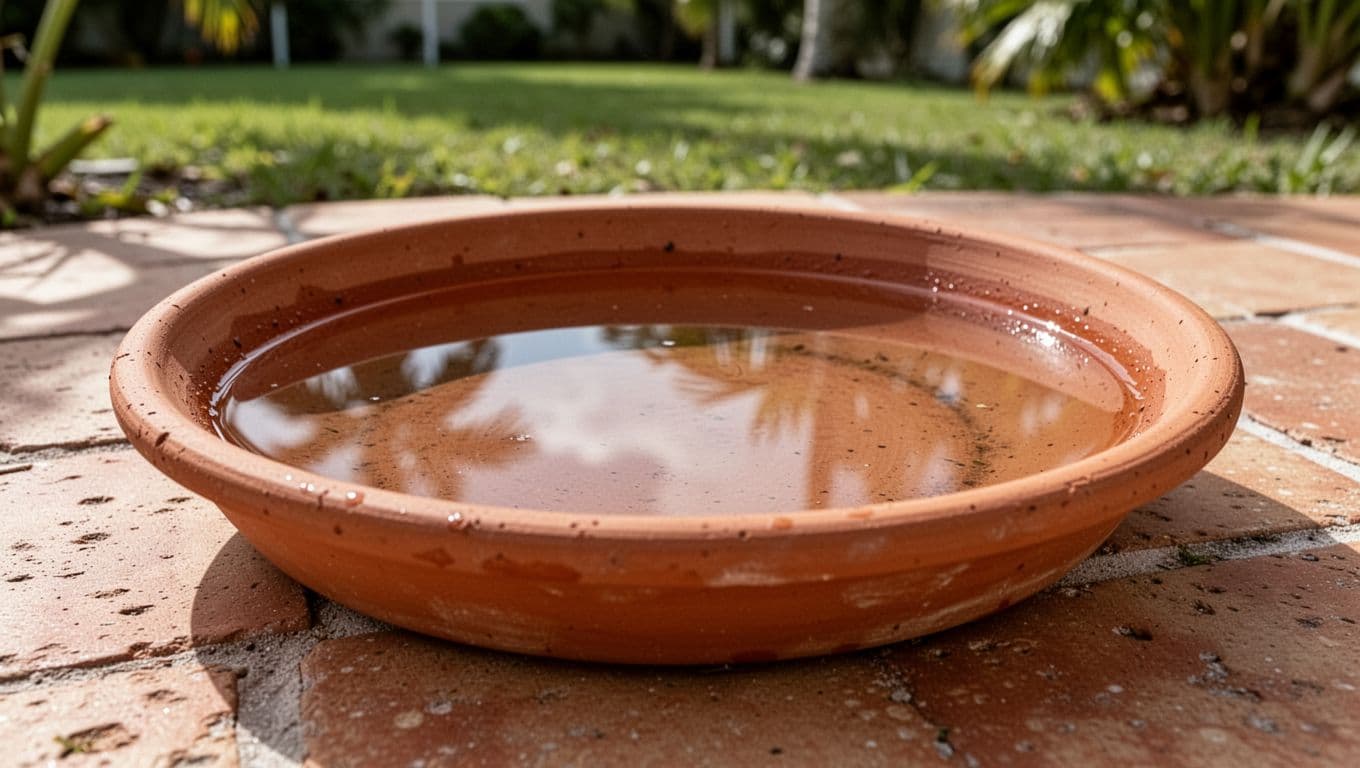
The problem often starts with good intentions. Homeowners water plants, set the pot back in a saucer, then forget about it after the rain starts. In Cape Coral, that water can sit longer than you expect because shade, humidity, and blocked airflow slow evaporation.
Pay special attention to these spots:
- planter saucers under potted flowers and herbs
- empty nursery pots left near the garage or fence
- bromeliads and other plants that naturally hold water
- decorative containers on lanai edges or patios
- buckets, watering cans, and kid toys left outside
A clean, dry pot area helps, but drainage matters just as much. If the saucer must stay in place, empty it often and scrub away algae or debris. Otherwise, the container becomes a quiet breeding site hidden in plain sight.
Gutters and Downspouts Can Feed the Problem
Clogged gutters are easy to ignore because they sit out of sight. Still, they can do real damage during Florida's rainy season. When leaves, palm fronds, seed pods, or roof grit block the flow, water pools in the gutter instead of moving away.
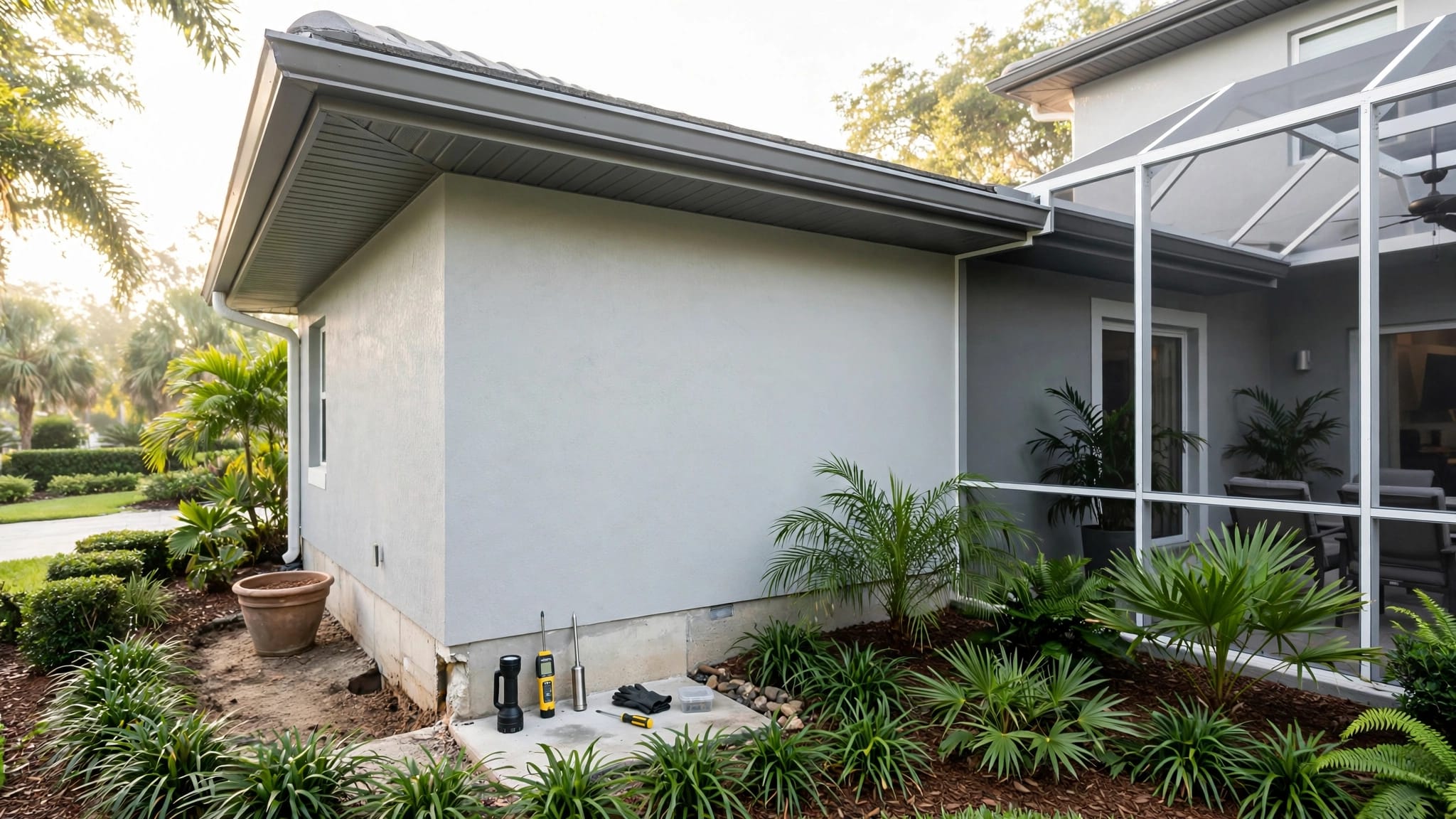
That standing water gives mosquitoes what they need. It also creates overflow, which soaks wall edges, fascia boards, mulch beds, and foundation areas. Once that happens, the yard stays damp longer, and damp areas invite more mosquito activity.
Downspouts need attention too. A damaged elbow, a loose extension, or a low spot near the outlet can trap water after every storm. Even a gutter that looks clean from the ground can hold pockets of water at the corners.
A few checks go a long way:
- clear visible debris after wind or rain
- make sure water leaves the roofline quickly
- confirm downspouts drain away from the home
- watch for overflow marks on siding or fascia
- check for pools near splash blocks and drainage pipes
If your gutters collect debris fast, a regular cleaning schedule helps more than one big cleanup in the fall. Cape Coral weather keeps the cycle moving, so maintenance has to keep pace.
A Simple Inspection Routine for Florida Homes
A short routine after rain can stop small breeding spots before they turn into a bigger problem. You don't need special equipment, just a few minutes and a habit.
- Walk the yard after a storm and look for any water that has not drained.
- Empty planter saucers, buckets, toys, and anything else that caught rain.
- Check the gutters from the ground, then clean visible debris when needed.
- Make sure downspouts are carrying water away from the house.
- Dump water from birdbaths, pet bowls, and outdoor trays, then refill them with fresh water.
- Look for shaded spots where water may hide under tables, planters, or grill covers.
Weekly checks make sense during the rainy season. After a heavy storm, check again the next day. Florida heat can dry some areas fast, but shaded containers and blocked drainage can keep water around much longer.
It also helps to look at the yard as a system. If one area stays wet, water often moves or backs up somewhere else. In other words, a single clog can create more than one mosquito problem.
When Cleanup Alone Is Not Enough
Sometimes the obvious water is gone, yet the mosquitoes keep showing up. That usually means something is being missed. A hidden gutter clog, a slow drain line, a low spot under landscaping, or a forgotten container behind a shed can all keep the cycle going.
This is where careful mosquito control matters. A local technician can look at the property with drainage and breeding sites in mind, not just the open yard. For homes that need more focused outdoor treatment, Cape Coral mosquito prevention services can help reduce the pressure around patios, lanais, and other living spaces.
Professional service also matters when mosquitoes keep returning after every rain. The issue is often not one big puddle. It is a chain of small water sources spread around the property.
That is why planters and gutters deserve the same attention. One holds water where you sit. The other holds water where you don't look. Both can keep Aedes aegypti mosquitoes close to your home.
Conclusion
A few tablespoons of water can matter just as much as a pond when the right mosquito finds them. In Cape Coral, that means planter saucers, clogged gutters, and slow downspouts deserve regular attention.
The best defense is simple: empty what you can, clean what you can't ignore, and watch for standing water after every storm. When your yard drains well, mosquitoes have a harder time getting started. If they keep returning, the problem is usually still there, just hidden.
Schedule a Free Inspection: