Opossum Removal Cape Coral: Humane Yard Exclusion Steps
A nighttime visitor tipping over the trash can can feel alarming, especially when you have pets or children at home. Yet most opossum removal Cape Coral calls start with a scavenger looking for an easy meal, not an aggressive animal trying to move in.
Opossums are common native urban wildlife in Cape Coral. They usually pass through yards, and simple changes often persuade them to keep moving without trapping or harm.
The goal is to remove food and shelter access, then close entry points only after you know the animal is out.
Why Opossums Visit Cape Coral Yards
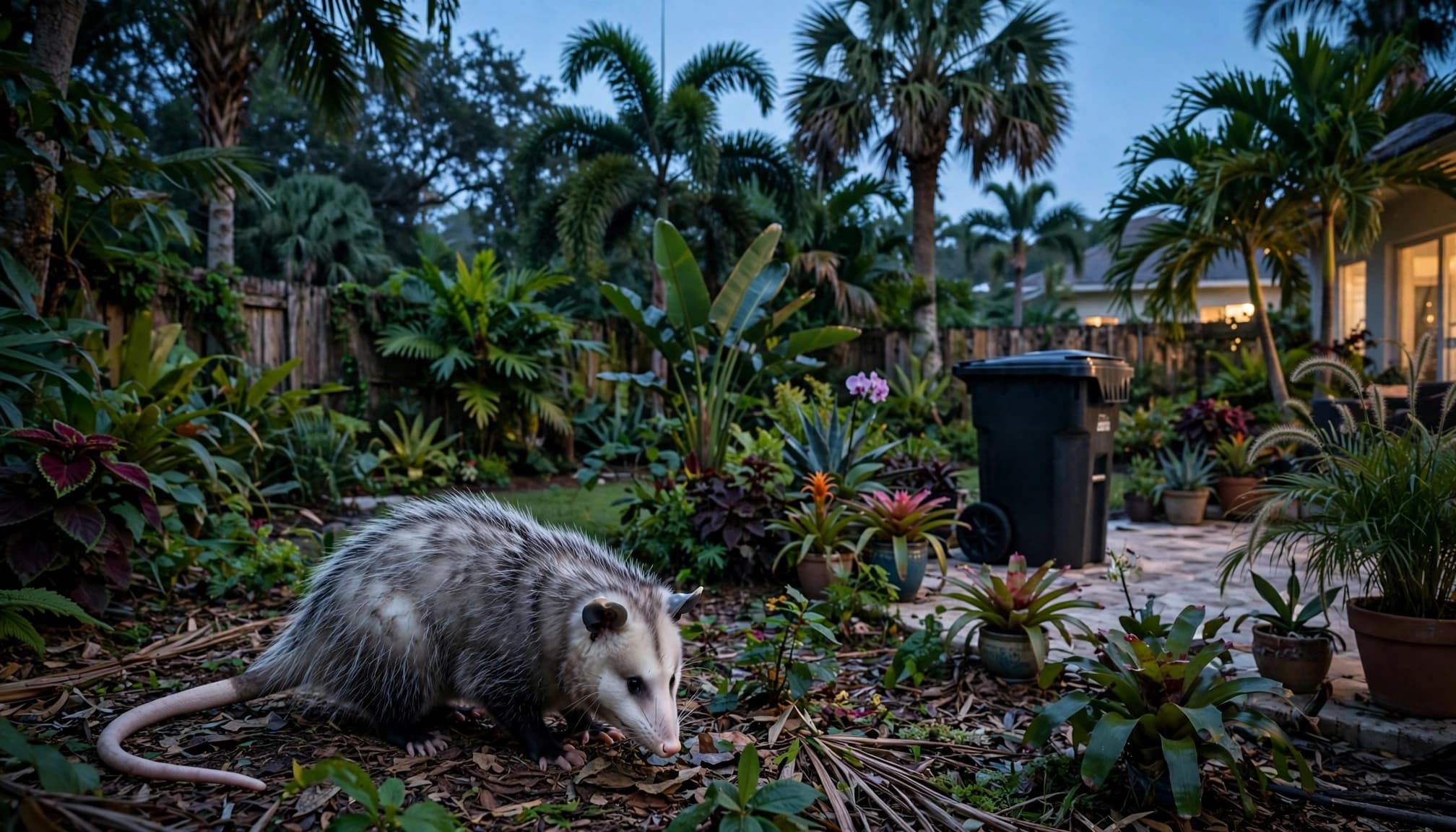
Opossums are nocturnal scavengers. They travel through open areas, canalside neighborhoods, palm-lined streets, and yards looking for insects, fallen fruit, pet food, or unsecured trash.
A yard can become a regular stop when the reward is predictable. An open garbage lid, a bowl of kibble on the lanai, or a quiet gap beneath a shed may be all it takes.
A visitor is not always a resident
Seeing an opossum once or twice doesn't mean it has made a den on your property. UF/IFAS describes opossums in urban Florida as transitory wildlife. Many move through after dark and leave when food is unavailable.
However, repeated sightings near the same crawl space, porch, shed, or garage can point to a shelter spot. Tracks, disturbed mulch, scattered garbage, droppings, and nighttime rustling near an opening also deserve a closer look.
They can be helpful wildlife
Opossums eat insects and carrion, and they are part of the local food web. They can also turn soil while foraging. That doesn't mean you need to share your crawl space with one.
A humane response respects the animal while protecting your home. In most cases, exclusion works better than repeatedly trying to remove whatever animal happens to be present that week.
A closed food source and a sealed entry point solve the cause of repeat visits, not only the current sighting.
Keep Pets and Children Safely Away
Opossums usually avoid people, but a cornered wild animal may hiss, show teeth, or play dead. Those behaviors are defensive. Give it room to leave on its own.
Don't try to pick up an opossum with gloves, a shovel, a towel, or a trap you haven't been trained to use. Never let children approach it for a closer look. Keep dogs on a leash during evening walks, and bring cats indoors before dark when possible.
What to do during a close encounter
If an opossum is on the patio or near the garage, turn on exterior lights and keep your distance. Bring pets inside, close the door, and give the animal a clear path away from the house.
Avoid shouting, spraying it with a hose, or trying to corner it. A calm, unobstructed exit is safer for everyone.
If a person or pet has been bitten or scratched, wash the area promptly and contact a medical provider or veterinarian. Any animal acting unusually, injured, or unable to move away also calls for professional guidance.
Skip poison and DIY relocation
Poison is a poor and dangerous answer to wildlife activity. It can harm pets, birds of prey, and other animals that find the bait or feed on a poisoned animal. It may also leave a dead animal in a wall, crawl space, or inaccessible corner.
Don't trap and relocate an opossum yourself. Florida wildlife handling rules can apply, and moving an animal often creates stress and simply transfers the problem to another property. Check current local and state guidance, or contact a properly qualified wildlife professional if capture becomes necessary.
Remove the Food That Brings Opossums Back
Start with the easiest changes. Florida Fish and Wildlife Conservation Commission guidance recommends securing garbage cans and taking pet food indoors at night. These habits reduce interest from opossums and other nuisance wildlife.
Secure garbage and outdoor feeding areas
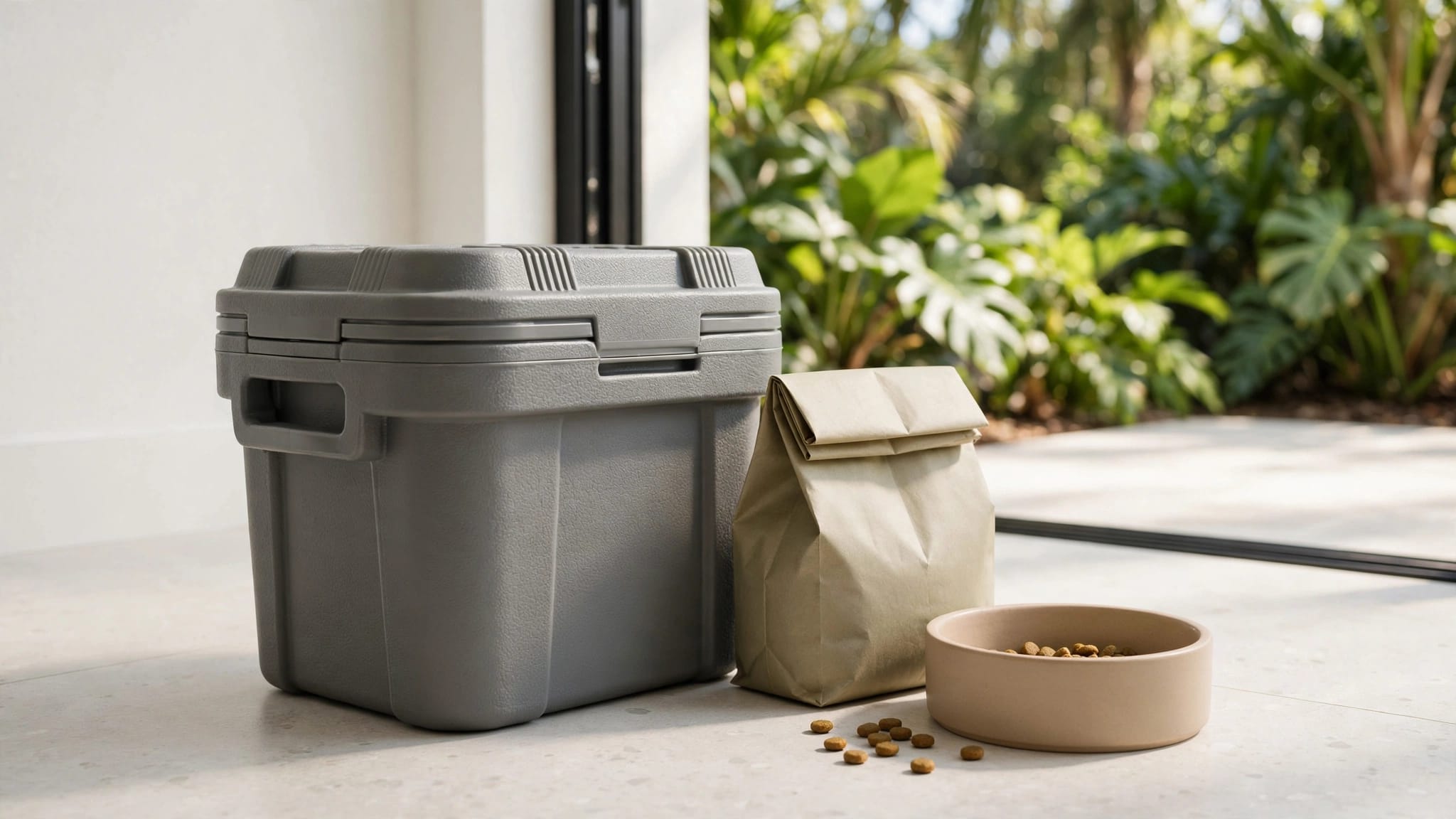
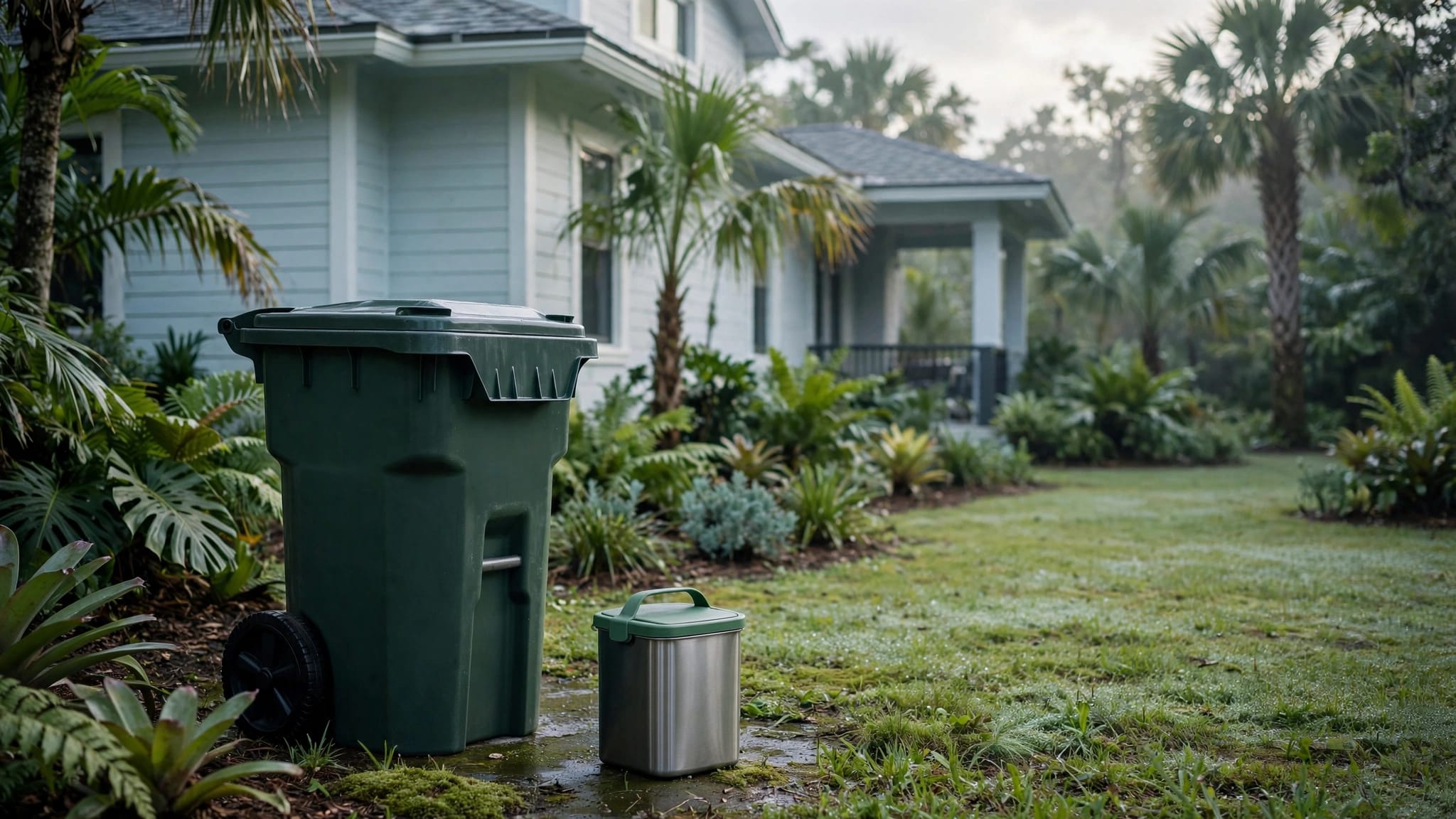
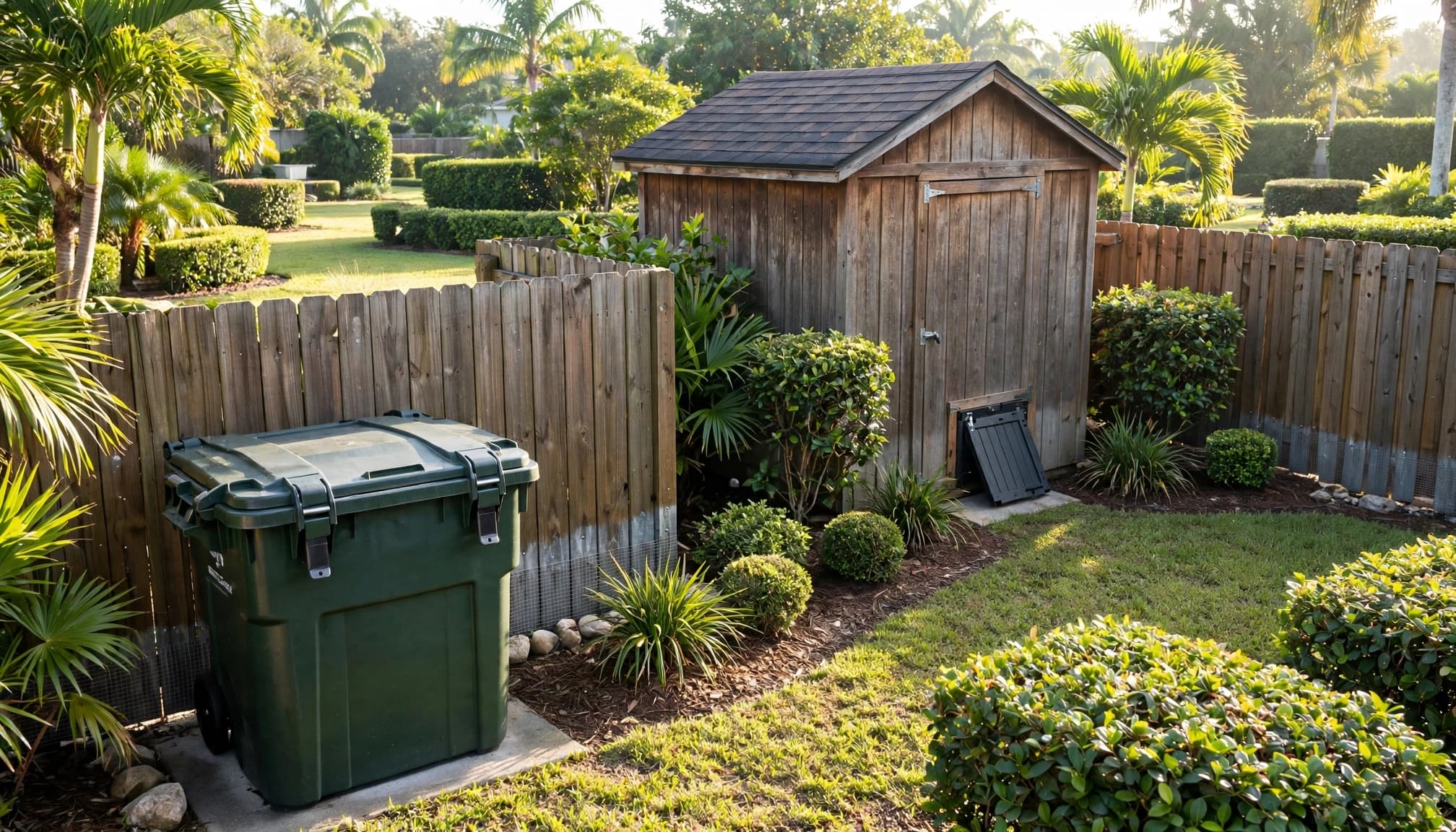
Use a tough plastic or metal garbage can with a tight-fitting lid. Add rubber straps, clamps, or a weight if an animal can lift or tip the lid. Keep the can in a closed garage or a secured enclosure until collection day when practical.
Don't leave birdseed, grill drippings, fallen fruit, or open compost scraps available overnight. Rinse recycling containers before putting them outside, especially those that held meat, dairy, or sweet drinks.
Pet bowls deserve the same attention. Feed dogs and cats indoors whenever possible. If an outdoor meal is necessary, pick up the bowl and leftovers as soon as your pet finishes.
Make the yard less comfortable after dark
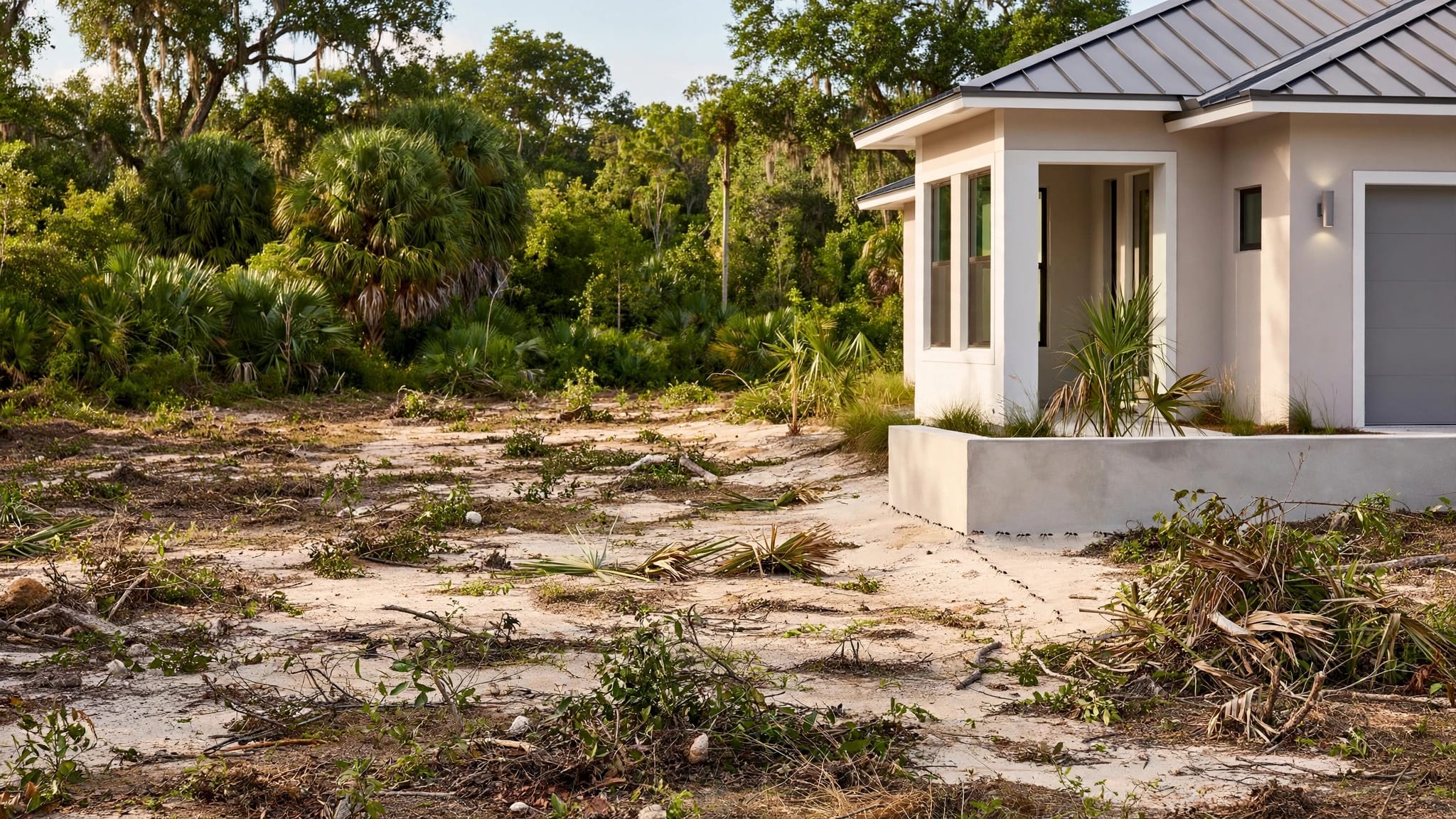
Dense clutter gives wildlife places to hide. Move stacked lumber, unused planters, tarps, and yard equipment away from the home's foundation. Raise firewood off the ground and store it away from exterior walls.
Trim vegetation that rests against a porch, shed, pool cage, or crawl-space vent. Keep fallen mangoes, avocados, and other fruit cleaned up during harvest season. These steps won't make your yard sterile. They remove the easy rewards that turn a pass-through animal into a repeat visitor.
Inspect Shelters Without Sealing an Active Den
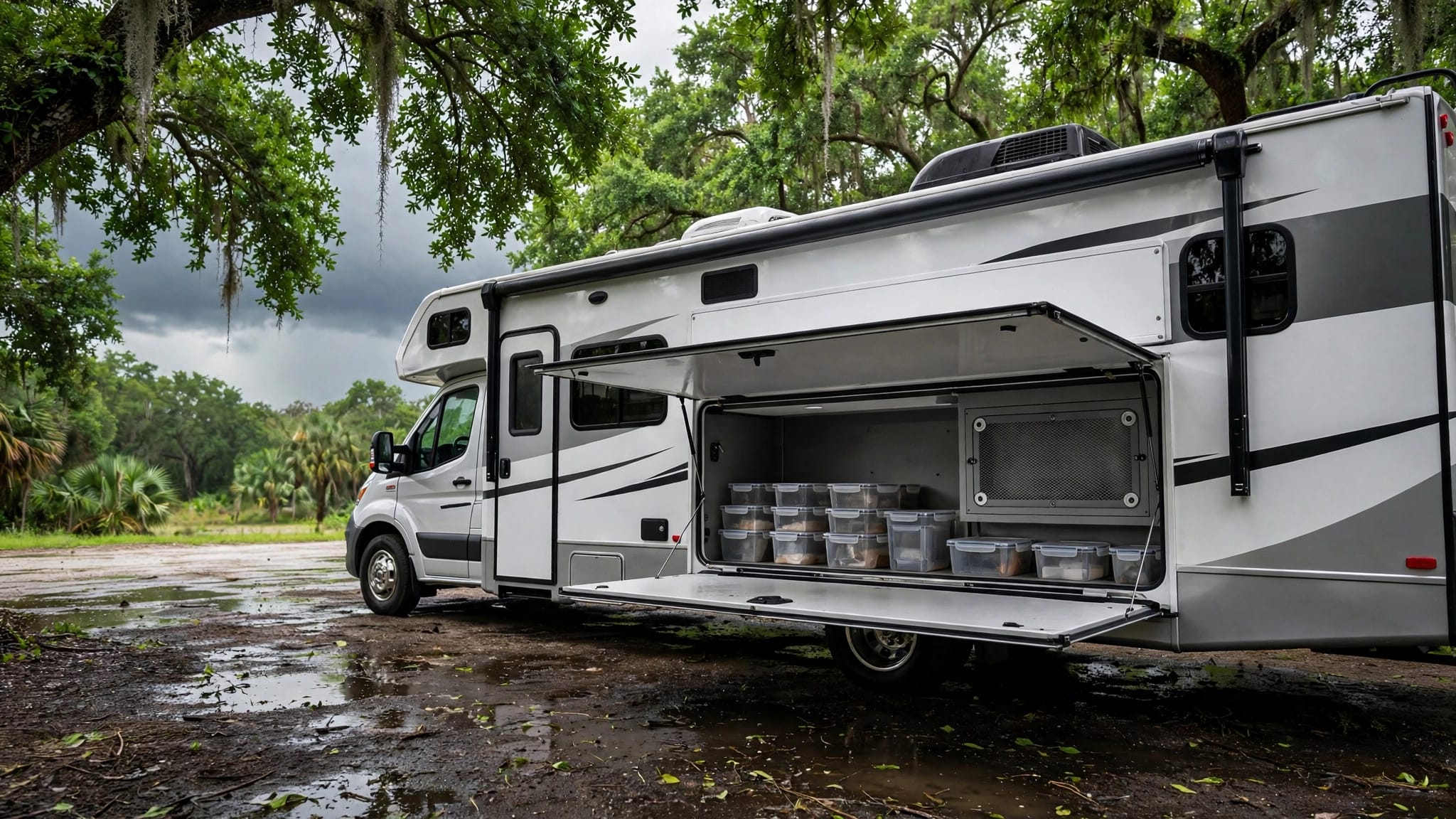
Opossums often seek covered, low spaces. Check beneath sheds, decks, porches, mobile structures, and raised utility areas. Also inspect open crawl-space vents, damaged lattice, gaps beside plumbing, and loose sections of skirting.
Inspect in daylight from a safe distance. Look for fresh soil, flattened grass, leaves pulled into an opening, or a path leading under the structure. A trail camera can help confirm activity without putting you face-to-face with wildlife.
Check for babies before closing anything
This step matters most in humane opossum removal in Cape Coral. Female opossums can carry young in a pouch, and older babies may stay hidden in a den while the mother forages. Sealing a shelter before checking can trap animals inside.
Watch the opening around dusk and again before dawn for several days. If you see a smaller animal following an adult, hear persistent sounds from inside, or cannot tell whether young are present, pause the project. A qualified wildlife professional can assess the site and choose a humane next step.
Never seal an active den, fill a hole with foam, or block an opening while you still see regular entry and exit activity.
Find every possible route
Opossums can use more than one gap. Before closing the main opening, inspect the perimeter for secondary spaces. If you block only one side, an animal may shift to a weaker vent or push through damaged lattice.
For larger roofline, vent, and foundation issues, Florida home exclusion tips can help you spot common areas that need durable repair. Use materials suited to the opening, such as sturdy hardware cloth fastened securely to framing.
Opossum Removal Cape Coral: When One-Way Exclusion Fits
A one-way exclusion device lets an animal leave through its normal opening but blocks re-entry. It is useful only when you have confirmed the animal is an opossum, identified the active route, and ruled out dependent young.
For opossum removal Cape Coral homeowners should view a one-way door as a final stage of exclusion, not a shortcut. Food sources must be removed first, and all alternate entry points should be addressed before the device goes up.
Use the device only on a confirmed exit
A properly sized one-way door or exclusion tube goes over the opening the opossum uses. It must allow a full-sized animal to leave without injury. It also needs secure attachment so the animal cannot squeeze around the edges.
Don't install one when babies may be inside, when you cannot identify every opening, or when the site is difficult to access safely. Roof edges, unstable decks, confined crawl spaces, and damaged structures are professional jobs.
Follow a careful sequence
Use this order to avoid trapping wildlife inside:
- Remove pet food, secure garbage, and clear food scraps before the first night.
- Watch the suspected opening at dusk and dawn to confirm the route and check for young.
- Close secondary gaps with durable materials while leaving the main active opening available.
- Install a one-way device at the primary opening only after the checks are complete.
- Monitor activity for several nights, then inspect before making the final repair.
If the opossum continues appearing at another spot, don't rush to close the original opening. It may have found a route you missed.
Confirm the Opossum Has Left Before Final Repairs
A quiet night alone isn't enough proof. Continue watching the area for fresh disturbance, tracks, droppings, or new digging. Check at the times when you previously saw activity.
A motion-activated camera aimed at the opening can be useful. Flour lightly dusted on a dry, protected strip near the route may also show fresh tracks, although rain and irrigation can erase them.
Make the repair hold up
Once you have confirmed the animal has left, permanently close the gap. Fasten hardware cloth or another durable barrier to solid framing, not loose soil or brittle lattice. Extend below ground level where digging is likely, and angle the buried edge outward if the location allows.
Repairing only the visible hole often fails when nearby trim, vents, or skirting remain loose. If you are also seeing gnaw marks, attic sounds, or small droppings, you may have a rodent issue separate from the opossum. Review Cape Coral attic rodent control for signs and safer cleanup practices.
When to Call a Qualified Wildlife Professional
Call for help if an opossum appears injured, is trapped in a pool enclosure, has entered living space, or may have babies in a den. Professional support also makes sense when the opening is under a structure, near electrical wiring, or too unsafe to inspect.
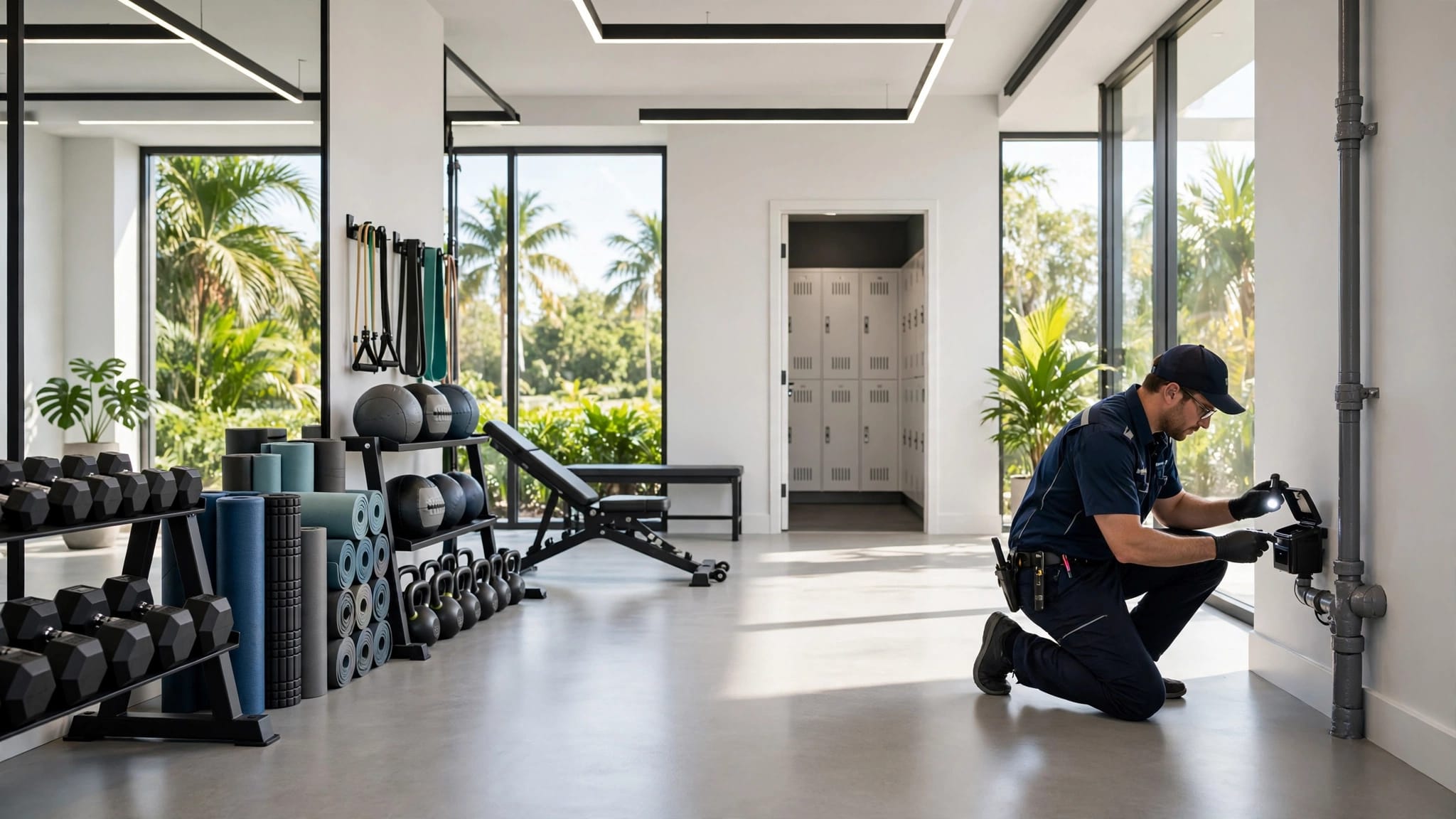
A good inspection looks beyond the visible animal. The technician should identify food sources, locate entry points, assess whether young may be present, and recommend exclusion repairs that fit the structure.
For recurring wildlife and rodent concerns, professional pest and rodent control can help protect the home while keeping the response practical and humane.
A Yard That Doesn't Invite Repeat Visits
Most Cape Coral opossum problems improve when the yard stops offering dinner and shelter. Secure the trash, bring pet food indoors, clear hiding spots, and confirm the animal has left before any opening is sealed.
Humane exclusion protects your home without treating beneficial local wildlife as an emergency. A patient inspection and a durable repair will do more than a rushed removal ever could.
Schedule a Free Inspection: