Which Door Sweeps Keep Pests Out of Florida Homes?
A door can look closed while leaving enough space for ants, roaches, and small rodents to enter. In Florida, heat, humidity, heavy rain, and daily door use can also wear out a weak seal quickly.
The best door sweeps for Florida homes are exterior-rated models with a sturdy aluminum carrier and a flexible vinyl, rubber, or neoprene seal. The right choice depends on the door, threshold, gap size, and type of pest pressure around your home.
Key Takeaways
- Aluminum-backed vinyl or rubber sweeps are strong choices for most exterior doors.
- Brush sweeps work well on uneven thresholds but offer less protection against rodents.
- Choose UV-resistant, moisture-resistant materials with stainless steel or corrosion-resistant screws.
- Measure the door and gap before buying, then install the sweep so it contacts the threshold lightly.
- A door sweep blocks one entry point, but it won't solve pest activity caused by damaged screens, wall gaps, plumbing openings, or roof access.
Why Florida Doors Need More Than a Basic Sweep
Florida's climate puts extra stress on exterior door hardware. Sunlight can make inexpensive vinyl brittle, while constant moisture can corrode metal parts and loosen fasteners. Wind-driven rain may also expose gaps that stay unnoticed during dry weather.
Frequent door use adds another problem. A front door, garage entry, or lanai door may open dozens of times each day. A sweep that drags across the floor can bend, split, or pull away from the door. One that sits too high leaves an open path underneath.
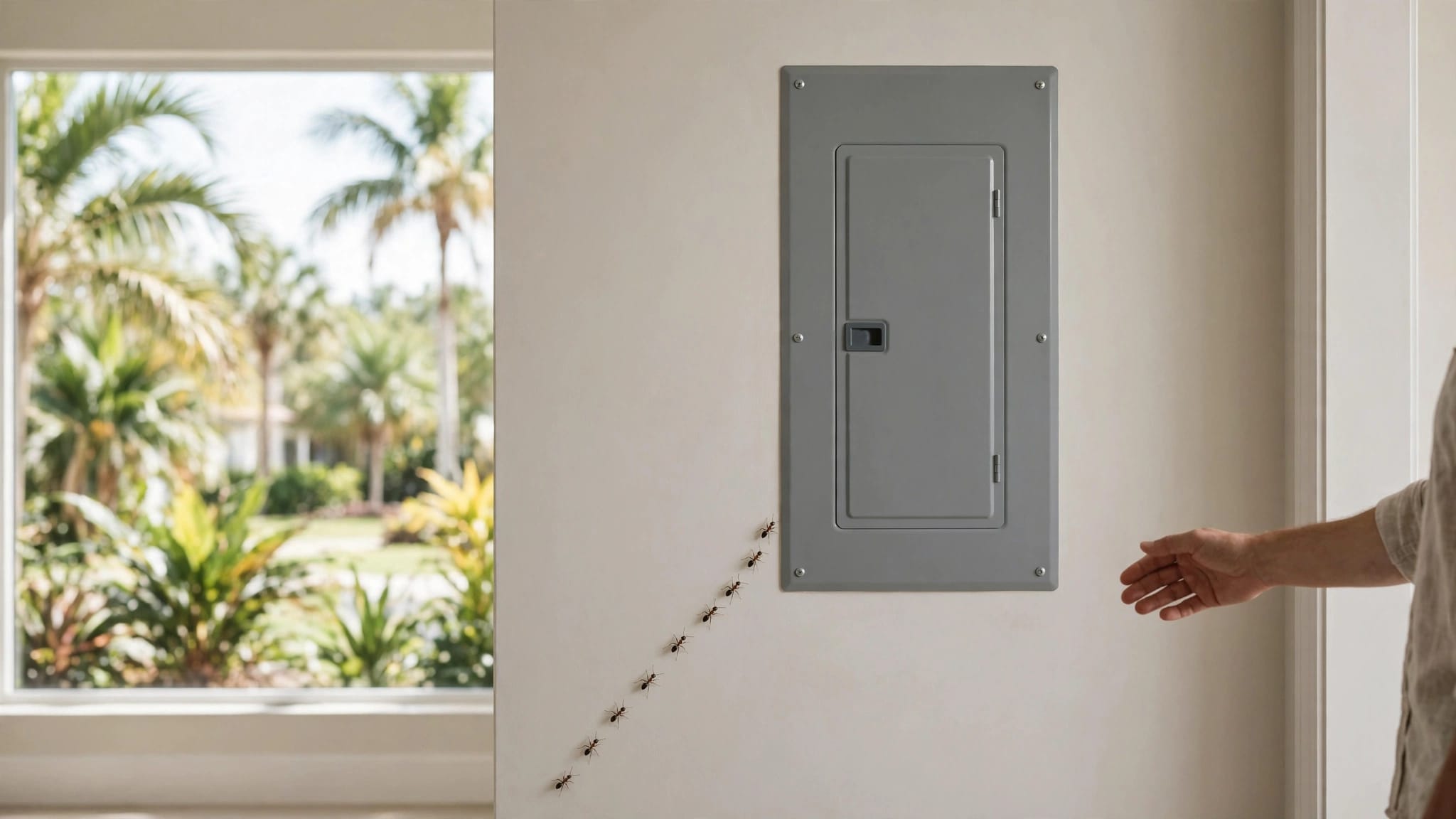
That gap matters because insects often travel along walls and enter through the lowest available opening. American cockroaches, ants, earwigs, and spiders can use the space beneath an exterior door. Mice can squeeze through openings around one-quarter inch wide, so a narrow-looking gap still deserves attention.
A door sweep also helps keep out rain splash, windblown debris, and outdoor dust. Those benefits matter in places such as Cape Coral, Fort Myers, Punta Gorda, Bonita Springs, and Sanibel, where exterior doors face salt air, storms, and damp ground conditions.
However, a sweep isn't a substitute for pest exclusion or treatment. If you see droppings, gnaw marks, live insects, or repeated activity after sealing the door, the entry point may be elsewhere. A residential pest control service can help identify the source and address the wider problem.
The Best Door Sweep Types for Florida Homes
Different sweep designs solve different problems. Comparing the seal material, mounting method, and floor contact will help you avoid buying a product that fails after one season.
Aluminum-backed vinyl sweeps
An aluminum carrier with a replaceable vinyl insert is one of the most practical options for a Florida exterior door. The metal strip gives the sweep shape and keeps it secured across the door's width. The vinyl flap bends as the door closes and seals the gap against a fairly even threshold.
Look for an exterior-rated vinyl insert with UV resistance. A thicker insert usually lasts longer than a thin, flexible strip, but it still needs enough movement to avoid dragging. Models that attach with screws are preferable to adhesive-only products on doors exposed to heat and rain.
This style fits most front, back, and side entry doors. Replacement inserts are also useful because you may be able to renew the seal without replacing the entire carrier.
Rubber or neoprene sweeps
Rubber sweeps create a firm seal and handle moisture well. Neoprene is a useful choice where the bottom of the door faces repeated dampness, although the product still needs a suitable exterior rating.
These sweeps work best on smooth thresholds with a consistent gap. They can seal tightly against insects and reduce drafts, but excessive contact makes the door harder to open. Rubber can also stiffen over time when exposed to strong sunlight, so check the manufacturer's outdoor-use rating before buying.
A rubber sweep is a strong option for a solid exterior door, especially when the threshold is level and the door gets heavy use.
Brush door sweeps
Brush sweeps use dense nylon bristles instead of a solid vinyl or rubber flap. The bristles can conform to an uneven threshold, small floor irregularities, or a slightly warped door. They also create less drag, which can help on frequently used doors.
For insects, a dense brush can block many small entry paths. However, it isn't the first choice for rodent exclusion. Mice and rats may push through, damage, or chew softer brush material if they have a reason to enter.
Use a brush sweep on a door with an uneven bottom or threshold, but combine it with other exclusion work when rodents are a concern. Confirm that the bristles are dense enough to close the visible gap without bending away from the floor.
Door shoes and automatic bottoms
A door shoe fits around the bottom edge and often provides a more complete seal than a flat strip. Some models include a drip edge that directs water away from the door. This design can work well on exterior doors exposed to rain, provided the shoe matches the door thickness.
Automatic door bottoms drop a seal when the door closes and retract it when the door opens. They cost more and require more careful installation, so they are more common on commercial doors or high-use entrances. They can help when a fixed sweep would drag across an uneven threshold.
For most Florida homes, an aluminum-backed vinyl or rubber sweep is enough. A door shoe becomes more useful when water exposure, door construction, or threshold conditions call for additional coverage.
What to Check Before Buying a Door Sweep
Start with the door itself rather than the product display. Measure the door width, the thickness of the bottom edge, and the gap between the closed door and threshold. Check the gap at both corners and the center because a warped door may not have a uniform opening.
Next, inspect the threshold. A sweep can't compensate for a badly damaged, loose, or sloped threshold. If the threshold has a large dip, replacing or adjusting it may create a better seal than forcing a flexible flap to cover the difference.
Use these buying criteria:
- Material : Choose UV-resistant vinyl, rubber, neoprene, or dense outdoor-rated nylon.
- Carrier : Aluminum resists moisture better than untreated steel and holds its shape during repeated use.
- Fasteners : Stainless steel or corrosion-resistant screws are better for humid or coastal areas.
- Mounting style : Screw-mounted designs generally hold better than adhesive strips on exterior doors.
- Seal width : Select a sweep wide enough to cover the measured gap, but avoid a flap that folds onto the floor.
- Replaceable insert : A replaceable seal can reduce future repair costs.
- Door clearance : The sweep should contact the threshold lightly, without stopping the door or creating a trip hazard.
A sweep should close the path without becoming a new door problem. If the door takes force to latch, the seal may be too thick or mounted too low.
A proper seal blocks visible light beneath the closed door while allowing the door to open and latch normally.
Consider the pest you are trying to exclude. Insect control favors a close, continuous seal. Rodent control requires stronger materials and a full inspection of nearby gaps. A brush sweep may help with ants and cockroaches, but it should not be your only barrier where rodents are active.
How to Install a Door Sweep Correctly
Most door sweeps can be installed with a tape measure, pencil, hacksaw or snips, drill, screwdriver, and the correct screws. Read the product instructions first because mounting positions vary.
Close the door and measure the underside or exterior face where the sweep will sit. Mark the sweep for the door width, then cut it cleanly. Remove the door only if the design or access makes installation easier. Many surface-mounted sweeps can be installed while the door remains in place.
Hold the sweep against the door with its seal touching the threshold. Keep it straight across the entire width. Mark the screw holes, then predrill carefully if the door material could split or if the screws are large.
Attach the sweep with the supplied hardware, starting with the center screw and working toward each end. Open and close the door several times. The seal should make light, even contact, and the latch should work without extra pressure.
If the sweep drags, raise it slightly or select a shorter seal. If light remains under one corner, inspect the threshold and door alignment before adding more material. A large uneven gap may need a door shoe, adjustable threshold, or professional repair.
For exterior doors, seal exposed screw holes or the sweep's end gaps with a small amount of compatible exterior sealant when the product instructions allow it. Don't block designed drainage channels around the threshold.
Inspect the sweep after installation and again every few months. Look for cracking, flattened vinyl, loose screws, rust, or bristles that no longer reach the threshold. Check it after major storms and before Florida's wetter months, since wind-driven rain can reveal problems quickly.
When a Door Sweep Isn't Enough
A sweep only covers the bottom of one door. Pests may still enter through torn window screens, gaps around pipes, garage door edges, attic vents, roof returns, or damaged weatherstripping around the door frame.
Rodent activity needs a wider inspection. Look for droppings near cabinets, gnaw marks on stored items, greasy rub marks along walls, and shredded nesting material. Seal openings with materials rodents can't easily chew, and address food, water, and shelter sources around the home.
Insects can also bypass a new sweep when vegetation touches the structure or outdoor lights draw them toward the entry. Keep mulch and plant growth from covering the threshold, repair leaking outdoor faucets, and replace damaged screen doors.
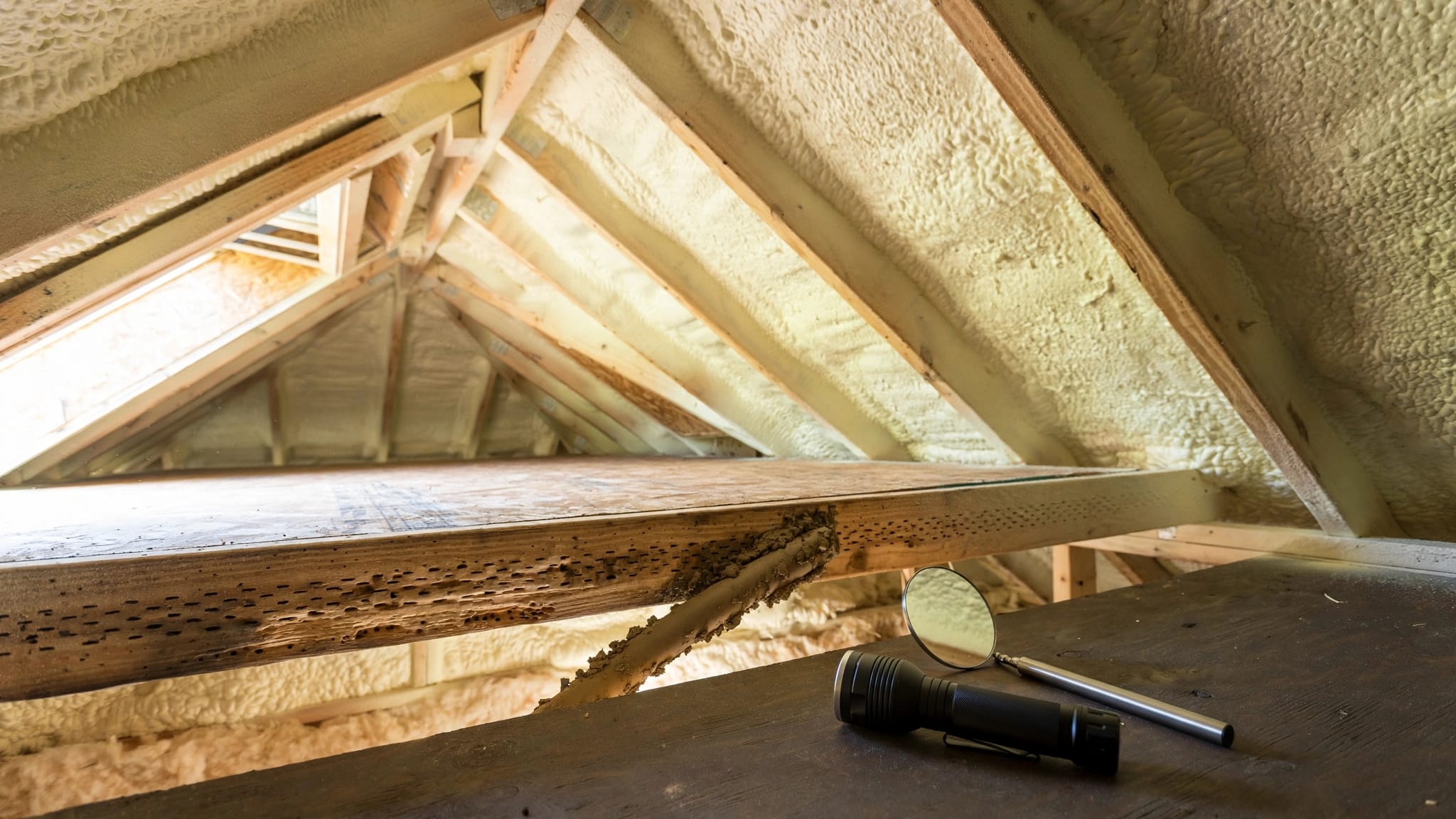
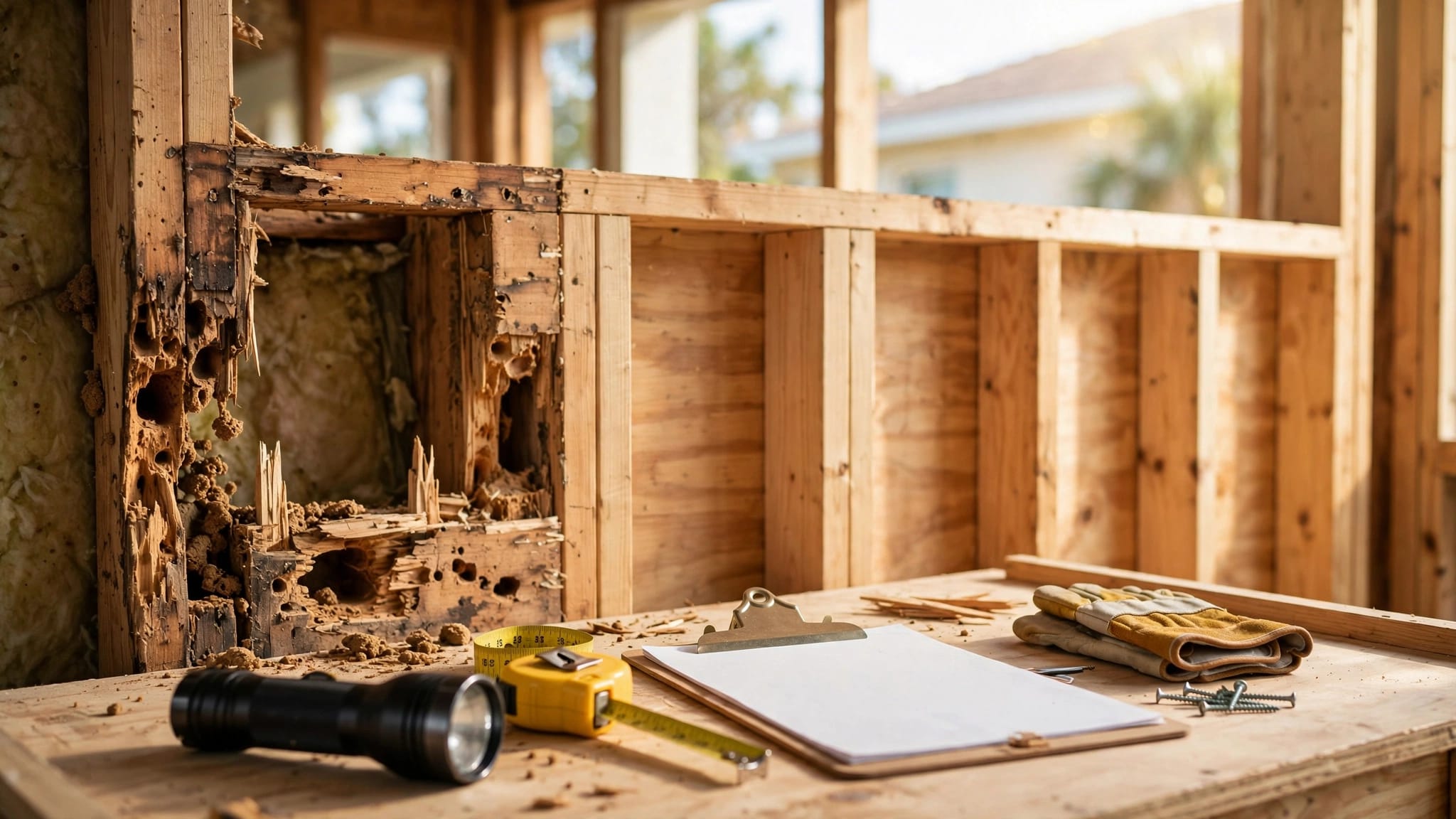
Termites require separate attention because a door sweep doesn't protect wood framing, wall voids, or soil-to-structure contact. Likewise, mosquito control depends on standing-water management and treatment of outdoor resting areas, not an under-door seal.
If pests continue appearing at an entry after the sweep is installed, arrange a professional inspection. Shield Home & Pest Control Services works with homeowners in Southwest Florida on pest and rodent concerns, including properties in Cape Coral, Fort Myers, Punta Gorda, Bonita Springs, and Sanibel.
Choosing the Right Sweep for Your Home
For most Florida exterior doors, choose a screw-mounted aluminum carrier with a UV-resistant vinyl or rubber seal. Select a dense brush model when the threshold is uneven, but use stronger exclusion materials where rodents are present.
Measure before shopping, inspect the threshold, and test the door after installation. A durable sweep should handle moisture and frequent use without dragging, cracking, or pulling away.
The small gap beneath a door can invite a surprising number of pests. Closing it with the right weather-resistant sweep gives your home one more solid barrier, while a full inspection addresses the openings a sweep cannot reach.
Schedule a Free Inspection: