Deer Flies on Cape Coral Canal Banks and Dog Walks
Deer flies can turn a calm walk along a Cape Coral canal into a fast, frustrating round of swats and detours. If your dog keeps getting bothered near grassy edges, docks, or shaded waterlines, the route may be part of the problem.
These flies show up where moisture, thick cover, and still air meet. They also act differently from mosquitoes and the tiny biters that show up around Southwest Florida yards. A few small changes can make your walks easier and a lot less annoying.
Why canal banks attract deer flies in Cape Coral
Canal banks give deer flies exactly what they like, damp ground, plant cover, and easy places to rest. In Cape Coral, those spots often sit right beside canals, retention ponds, and narrow strips of lawn that stay humid for much of the day.
The edge between sun and shade matters too. A stretch of grass that looks harmless can feel busy with insects once the air gets still and the vegetation grows thick. Tall weeds, low branches, and messy dock areas can all create a pocket where flies hang around.
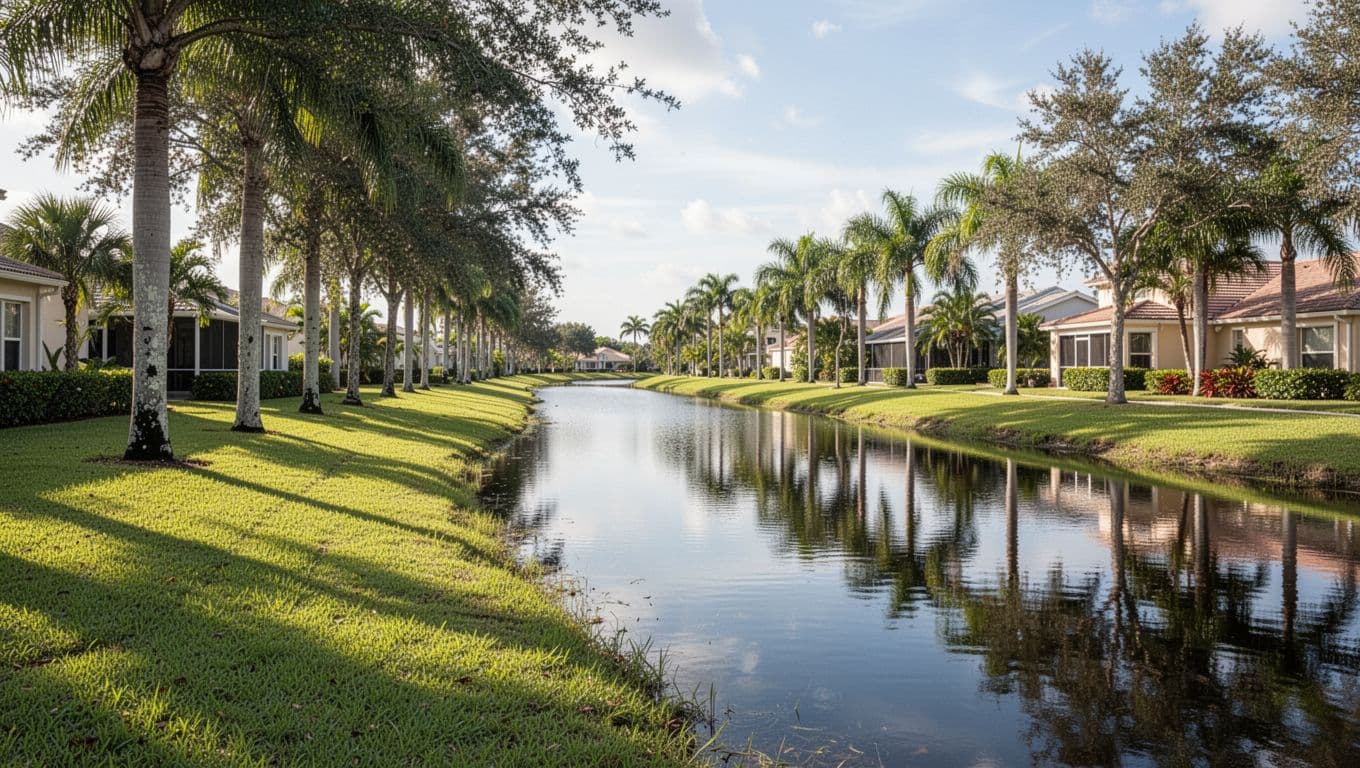
That's why a walk can feel fine on one block and rough on the next. The fly pressure changes with shade, wind, plant growth, and how close you are to the waterline. If the route feels tight and overgrown, deer flies usually notice first.
Deer flies versus mosquitoes, no-see-ums, and horse flies
A lot of Cape Coral pet owners lump flying pests together, but the clues are different. Deer flies are usually larger than no-see-ums and more stubborn than mosquitoes. They often circle, follow movement, and make the walk feel active instead of quiet.
Mosquitoes behave more like sneaks. They tend to show up in shaded, humid spots and near standing water. If mosquitoes are part of the mix around your home, these Cape Coral mosquito prevention tips can help you separate one problem from the other.
Here's a quick comparison:
| Insect | What it feels like | Where you notice it | Walk-time clue |
|---|---|---|---|
| Deer fly | Sharp bite, quick follow-up | Canal edges, tall grass, docks | Circles your dog in open sun |
| Mosquito | Itchy bite, often after a pause | Shaded yards, standing water | Bites when you stop moving |
| No-see-um | Tiny bites that itch later | Damp grass, mangroves, dusk spots | Hard to spot before the bite |
| Horse fly | Bigger, painful bite | Open fields and wet areas | Loud, fast, and hard to ignore |
The difference matters because each pest asks for a different fix. Deer flies are often a route problem first. Mosquitoes are more tied to water, shade, and resting spots. No-see-ums are tiny, but they can still ruin a short walk.
Why dog walks near water feel worse on some days
Some walks feel fine until you hit one narrow stretch by the canal. Then the flies show up, the dog starts pulling, and the whole outing gets tense. That usually happens when the air is still and the path stays close to brush or grass.
Movement plays a role too. Dogs draw attention when they bounce, sniff hard, or run into thicker growth. A leashed dog that keeps moving through open space is easier to protect than one that keeps stopping at the edge of the bank.
Bright, sunny spots can also be harder than people expect. Deer flies often stay active during the day, so a shaded pocket near the water may feel calmer for a person but better for the flies. Narrow paths make it worse because your dog has less room to move away from the edge.
Open, breezy routes usually beat narrow, shaded edges near thick grass.
That's why two walks on the same street can feel different. Wind, plant growth, and where you stop all change the level of fly activity. A short, planned route often works better than a longer one that wanders near the canal bank.
Better walk routes around docks, shade, and grassy edges
The safest route is usually the one with the most air movement and the fewest tight spaces. Docks, overgrown corners, and low branches create little pockets where flies can stay active. If your dog loves the water, it helps to treat those areas like a hot spot.
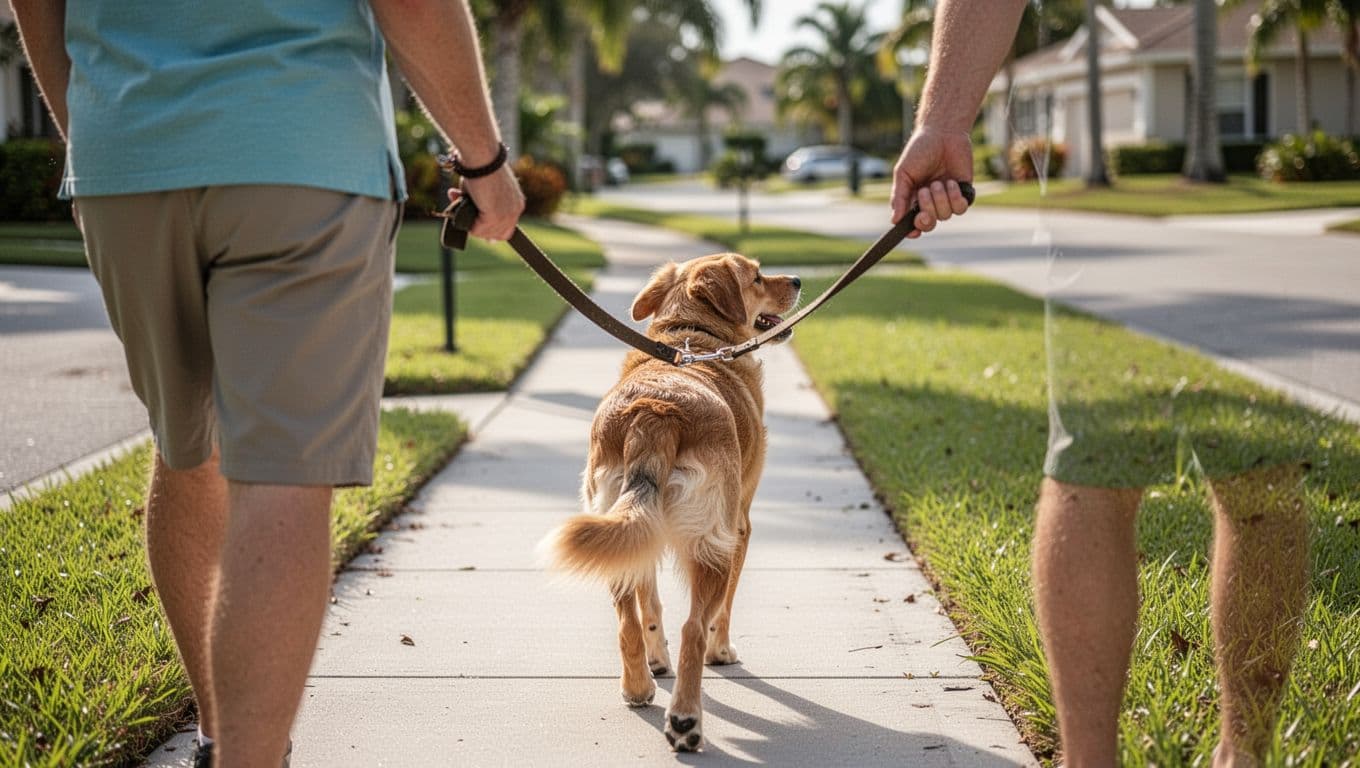
A few route choices make a real difference:
- Pick paved paths or open sidewalks whenever you can.
- Skip narrow strips beside tall grass or thick canal-side plants.
- Keep your dog on a short leash near brush and dock edges.
- Turn around when flies start circling instead of pushing through.
- Choose breezier blocks, even if they add a few minutes.
A shorter walk on a better route is often better than a longer one through fly-heavy ground. If your dog gets restless near the water, don't wait for the walk to turn into a battle. A quick detour can save both of you a lot of stress.
Simple gear and habit changes that help
Small changes add up fast. Light-colored clothes can make you less noticeable to biting insects, and closed shoes help when you're stepping through grassy areas. For your dog, a well-fitted harness or leash keeps them from darting into the worst spots.
Carry water for both of you. It helps after a hot, buggy stretch, and it gives you a reason to pause in a safer place. A small towel is useful too, especially after your dog brushes past grass, mud, or plant sap along the canal edge.
Try to avoid strong scents on walk days. Heavy perfume or scented grooming products can make a walk feel busier than it needs to be. If you use repellent on yourself, keep it away from your dog unless your vet says it's fine.
Timing matters, but not in a one-size-fits-all way. A breezy route at a busy time can feel better than a quiet route in still air. Watch the conditions, not just the clock.
What to do if your dog gets bit or starts scratching
If a deer fly gets through, keep the response simple. Calm the walk down, move to a better spot, and check the area if your dog lets you. A bite can leave the skin sore or irritated for a bit.
For minor skin irritation, a gentle clean-up with mild soap and water is usually enough. After that, keep an eye on the spot for swelling, extra redness, or ongoing scratching. If your dog seems unusually uncomfortable, call your vet for guidance.
Some dogs react more strongly than others. Head shaking, face rubbing, limping after a leg bite, or hives can all point to a bigger reaction. If you see swelling around the muzzle or any trouble breathing, get emergency help right away.
After a rough walk, shorten the next one and change the route. A better path near Cape Coral canals can do more than any quick fix on the day of the bite.
When persistent bites point to a bigger pest problem
If the flies keep showing up around your yard, not just on the walk, the source may be close to home. Thick weeds, wet edges, leaf piles, and sheltered corners can keep the pressure up around canal-side properties.
That's when a broader look at the property helps. Trimming overgrowth, clearing debris, and checking drainage can all make the area less appealing. If the issue keeps returning, Cape Coral pest management solutions can help you look at the larger pest pressure around the home.
That doesn't mean every bite starts in your yard. It does mean the walk route and the property often work together. When both are cleaned up, the problem usually feels a lot smaller.
Conclusion
A Cape Coral canal walk doesn't need to turn into a constant slap at the air. The biggest wins usually come from choosing a breezier path, avoiding shaded grass edges, and keeping your dog out of the tightest spots.
Deer flies are stubborn, but they have patterns. Once you know where they like to sit, you can plan better walks and spend less time fighting the bankside buzz.
Schedule a Free Inspection: