Fishing Spiders Around Cape Coral Docks and Boat Lifts
A big spider on a dock can ruin a quiet evening fast. For waterfront homeowners in Cape Coral, the surprise usually comes from the same places that make the property useful, the dock, the seawall, the boat lift, and the lights over the water.
Fishing spiders often show up where prey, moisture, and shelter sit close together. That makes waterfront homes a natural match for them, especially after dark.
The good news is simple. These spiders usually point to conditions around the dock, not a serious threat to the house itself. Once you know what draws them in, you can cut back on the activity without turning your waterfront into a chemistry project.
Why fishing spiders like Cape Coral docks
Fishing spiders are hunters. They do not need a messy web across the whole dock to find food, because they wait near water and chase prey when it moves. In Cape Coral, that means they often patrol wood boards, lift posts, seawall edges, and shaded spots under the dock.
Light plays a big role too. Dock lights pull in small flying insects, and those insects pull in spiders. If you leave a bright light on over the water, you may also be feeding the whole food chain below it.
Moisture matters as well. Canal air, splash zones, algae, and damp wood give spiders the cover they like. Add rope coils, stored gear, fish-cleaning scraps, or old crab traps, and the dock becomes even more inviting.
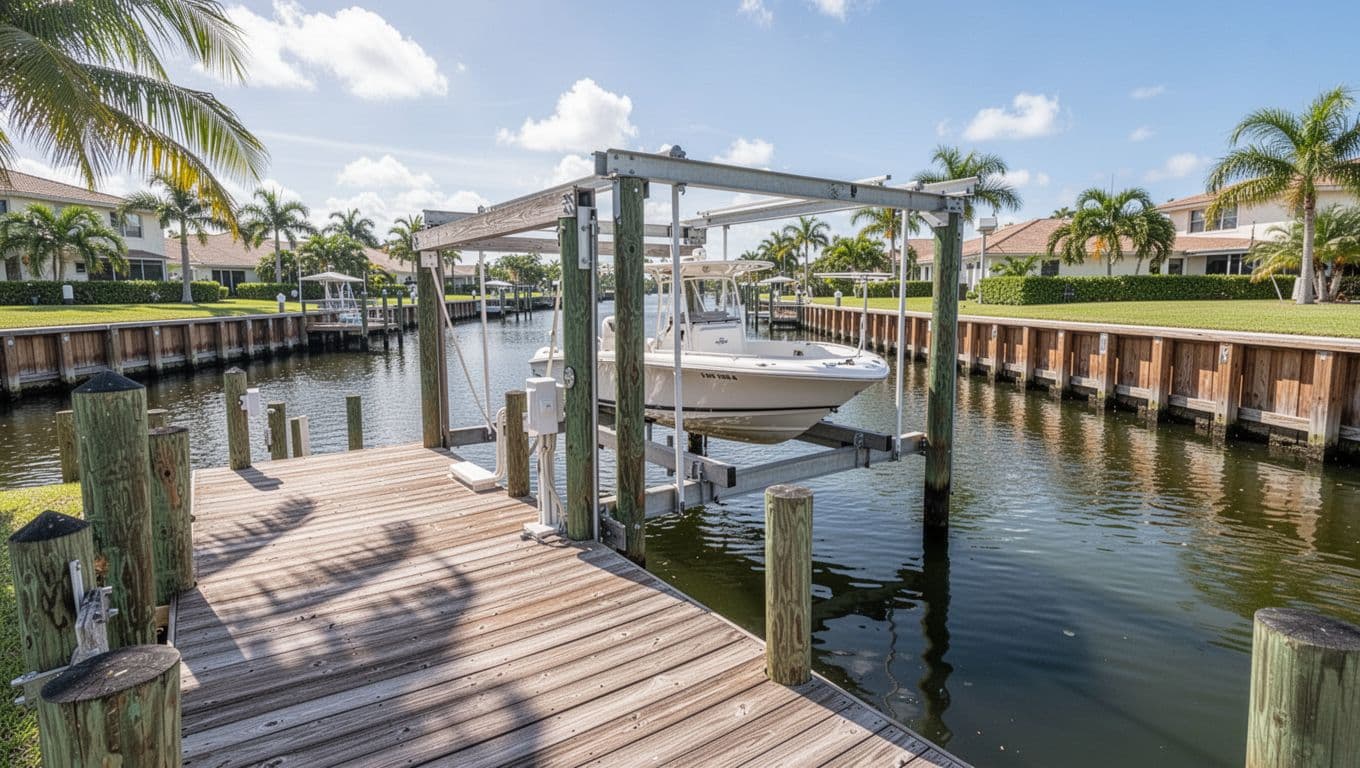
The dock itself is the main attraction. If the space stays dim, damp, and full of insect life, fishing spiders can settle in fast. That is why many Cape Coral homeowners see them in the same spots night after night.
What they look like and how they behave
Fishing spiders are usually larger than the average house spider. They often have long legs, brown or gray coloring, and markings that help them blend into weathered wood. On a dock, they can look almost flat when they press close to boards or pilings.
Their behavior is a better clue than their size. These spiders move quickly and often stop near the edge of water, where they can grab insects, small prey, or even tiny fish fry in some cases. They also hide well during the day and become easier to spot around dusk or at night.
Many homeowners mistake them for a dangerous species because of how fast they move. That reaction is common, but the spider itself is usually focused on hunting. It is more likely to run than to hold its ground.
A large spider on the dock often means the area is feeding insects, not that the home is under attack.
If you see one or two, that does not always mean you have an infestation. Still, repeated sightings around the same lift, light, or seawall usually point to a local habitat issue that needs attention.
Dock and boat-lift habits that cut spider activity
Small changes around the water can make a big difference. The goal is to remove the places where spiders hide and the insects that keep drawing them back.
Start with the basics:
- Use fewer bright dock lights . Switch to lower-output fixtures, shielded bulbs, or amber light where possible. Less glare means fewer insects at night.
- Clear clutter near the lift and seawall . Old rope, bait buckets, cardboard, and loose covers give spiders easy cover.
- Rinse and sweep the dock often . A clean surface removes insect residue, fish scraps, and the sticky mess that draws more bugs.
- Trim plants near the waterfront edge . Overgrown shrubs and palms near the seawall create shade and a bridge for pests.
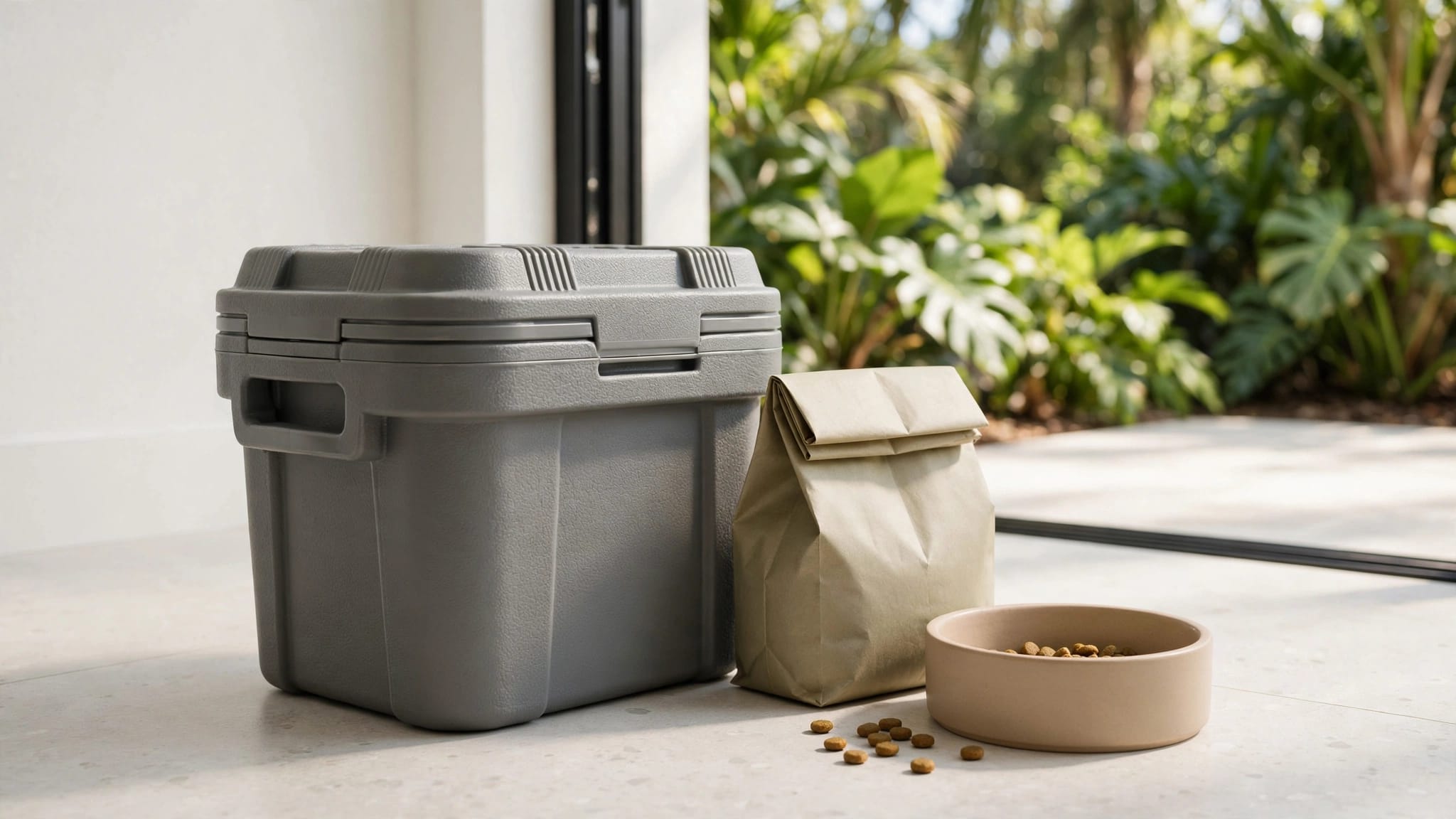
- Store gear in sealed bins . Life jackets, cast nets, and dock supplies should not sit in open piles.
- Check for standing water and leaks . Drips from boat lifts, hoses, or irrigation lines keep the area damp longer than it should.
A dock does not need to look bare. It just needs to stay open, dry where possible, and less attractive to bugs. That one shift often reduces spider traffic more than homeowners expect.
When the problem keeps coming back
If fishing spiders keep returning, the issue may be more than the spiders themselves. The dock area may be supporting a steady flow of insects, and those insects may be feeding on food scraps, algae, moisture, or nearby clutter.
That is where a broader pest plan helps. A local treatment approach can target the bugs that gather around lights and water, which makes the dock less appealing to predators. For homeowners who want that kind of support, professional pest control services can help reduce the pressure around the property, not just on the dock surface.
This matters in waterfront homes because spider activity often sits on top of a larger pest pattern. If you see mosquitoes, ants, roaches, or small flying insects around the same area, the spiders are following the food source. Remove the food source, and the spider problem usually drops too.
Waterfront homes also have more hiding places than people think. Lift motors, storage benches, hose reels, and shaded corners all hold onto pests longer than open ground does. A surface spray alone may not solve that.
When to call a professional for waterfront pest control
A few spiders near the water are one thing. Repeated webbing, egg sacs, and heavy activity under lights are different. If you keep brushing them away and they keep coming back, the habitat needs a closer look.
Professional help makes sense when you notice any of these signs:
- Spider activity happens every night around the same dock light.
- Egg sacs show up under railings, in lift hardware, or inside stored items.
- Webbing builds up in the same corners after cleaning.
- The dock area also has roaches, mosquitoes, or ants.
- You want treatments that fit a waterfront setup and stay focused on the problem zones.
Homeowners who want a more direct home-focused plan can also look at residential pest control in Cape Coral. That matters when the spiders are moving beyond the dock and into screened patios, storage areas, or other parts of the property.
It also helps when you want someone to identify the real driver behind the spider activity. Sometimes the fix is as simple as changing lights and cleaning up clutter. Other times, the dock area needs a tighter pest control plan because insects keep rebuilding the food chain.
Conclusion
Fishing spiders around Cape Coral docks and boat lifts usually point to one thing, a waterfront space that offers food, moisture, and shelter. That makes them common, especially near lights and shaded hardware.
The most effective control starts with the dock itself. Reduce light spill, clear clutter, dry out damp spots, and keep the seawall area tidy. If they keep coming back, a local pest control plan can take care of the insects that keep drawing them in.
A clean dock is more than a better view. It is one of the easiest ways to make the waterfront feel like yours again.
Schedule a Free Inspection: