Huntsman Spiders in Cape Coral Garages and Patio Ceilings
A huntsman spider in a Cape Coral garage can stop you cold. Their size and speed make them hard to ignore, especially when one shows up on a patio ceiling or near a light fixture.
The good news is that huntsman spiders in Cape Coral homes are not typically aggressive. They usually stay out of the way, but they do like the same sheltered spots that many other pests use. If you know what draws them in, you can make your garage, lanai, and soffits a lot less inviting.
Why Huntsman Spiders Show Up Around Cape Coral Homes
Huntsman spiders are hunters, not web sitters. They move fast, chase prey, and hide during the day. In Southwest Florida, that behavior fits right in, because warm weather keeps insects active for much of the year.
They often appear where there is food, shelter, and a path inside. If your home has open gaps, bright lights, or a steady insect problem, a huntsman spider may follow the buffet. That does not mean your home is dirty. It usually means the spider found a place where bugs are easy to find.
Huntsman spiders look dramatic, but they usually want a quiet place and a food source.
They can also turn up where other pests are already present. Flies, moths, beetles, and roaches all attract spiders. So when homeowners see one huntsman spider, there is often more going on than one random visitor.
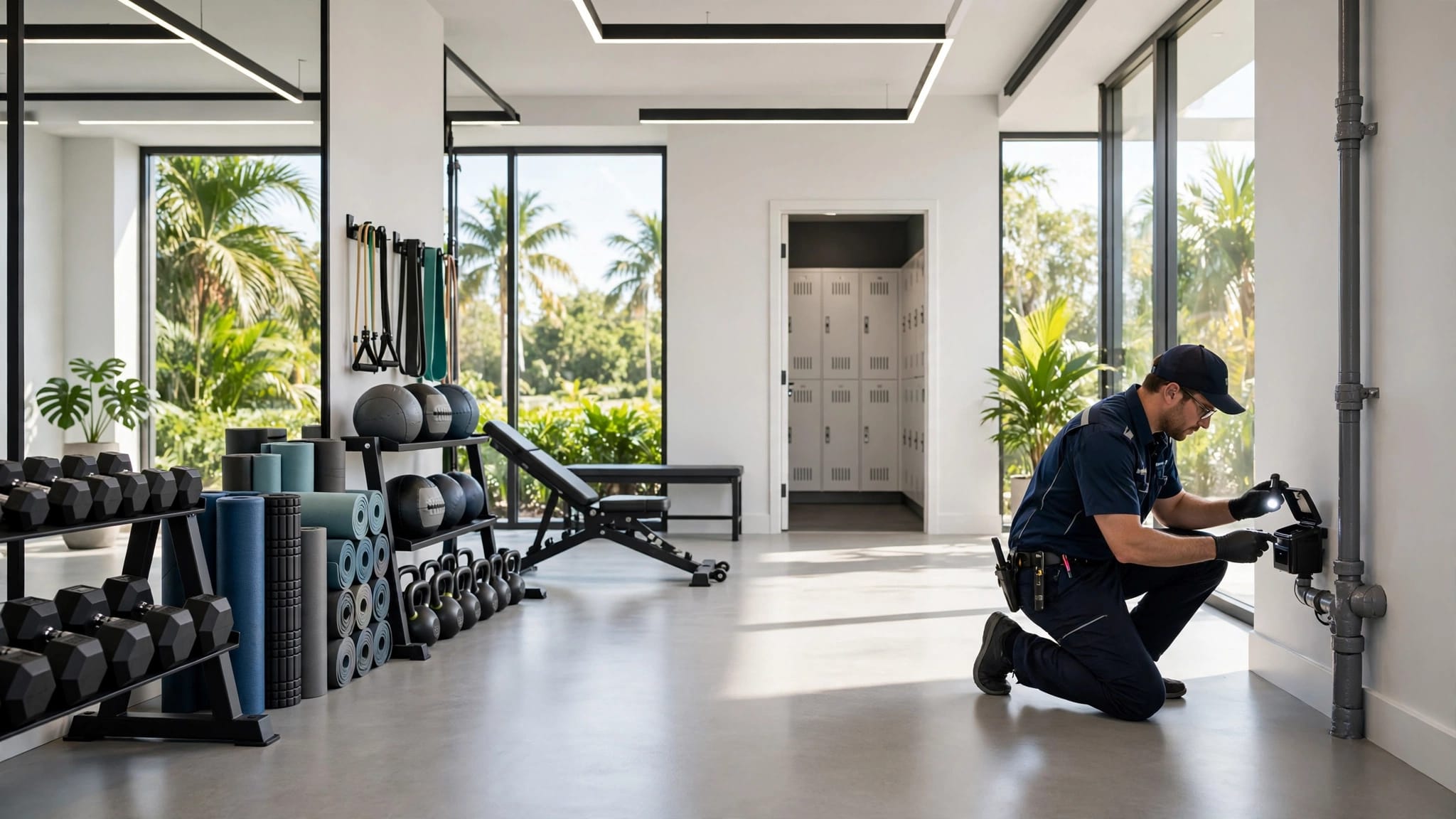
For ongoing pest pressure, professional pest control services can help reduce the insects that keep drawing spiders back.
Why Garages and Patio Ceilings Are Prime Hiding Spots
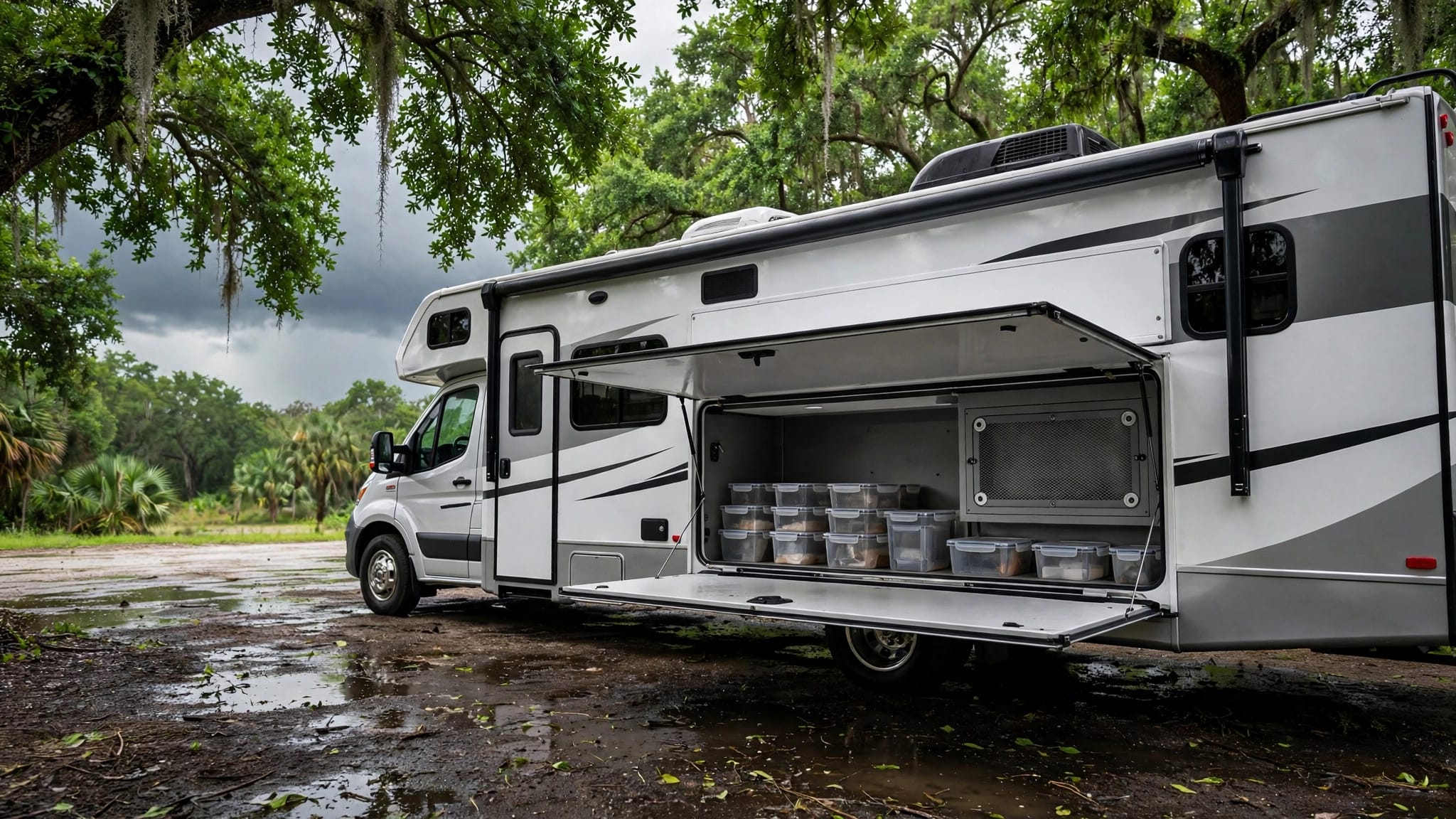
Garages give huntsman spiders exactly what they want. They are cool, dark in corners, and full of hiding places. Cardboard boxes, stacked storage bins, shoes, paint cans, and holiday decor all create quiet pockets where spiders can stay still and wait.
Patio ceilings and lanais are another favorite. They stay protected from rain, and they often collect insects around lights. A spider does not need much room to settle in. A narrow ledge, a soffit gap, or the upper corner of a screen enclosure can be enough.
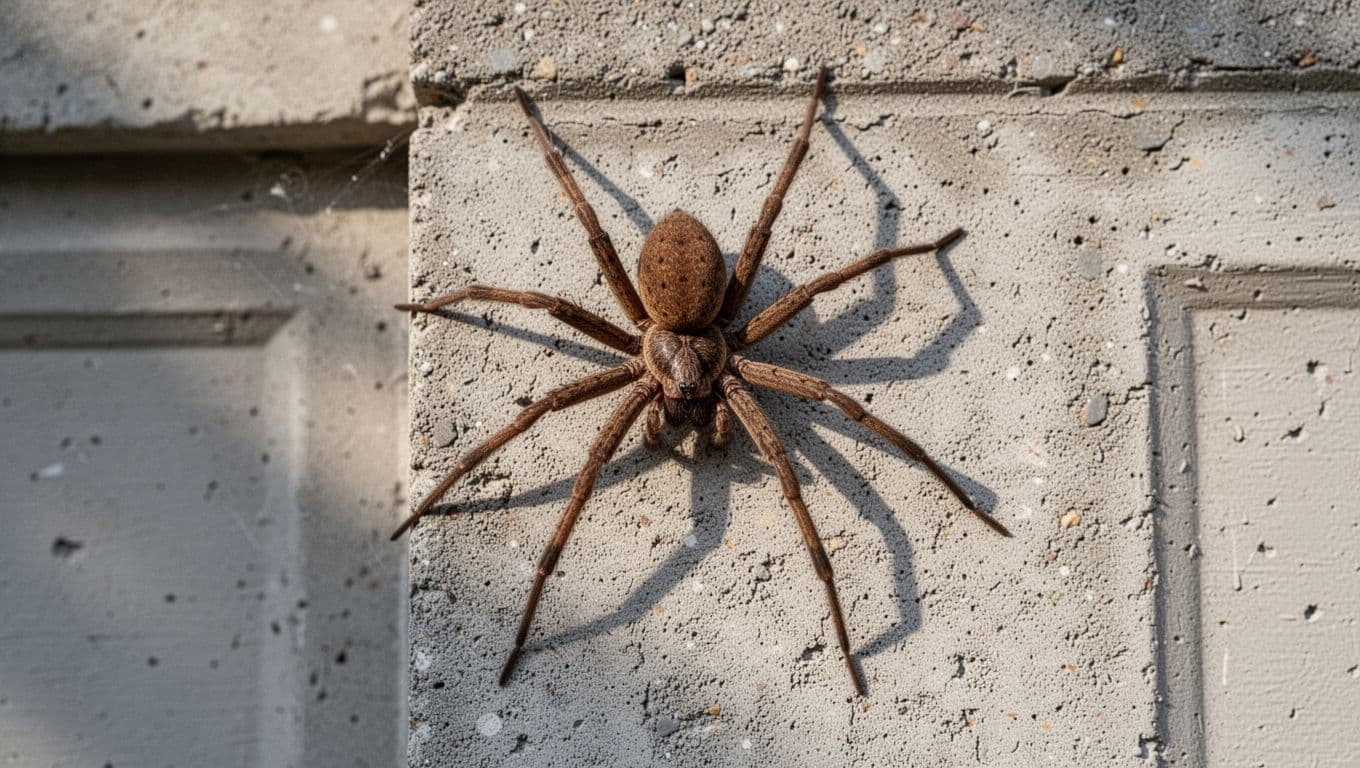
Cape Coral homes also have plenty of high, sheltered surfaces. Patio ceilings, eaves, and soffits create places that stay dry and shaded. That matters in Florida, because spiders avoid the harsh sun and heat when they can.
A garage ceiling can be even more appealing if the door stays open for long periods. The same is true for lanais with torn screens or missing sweep seals. A spider does not need a big opening. Small gaps around doors and screens often do the trick.
Conditions That Attract Them in Florida Homes
Several common conditions make huntsman spiders more likely to stick around. Once those conditions line up, spiders can treat your property like a hunting ground.
- Insects near lights : Bright exterior lights pull moths, flies, and other bugs toward your home. Huntsman spiders follow the prey.
- Clutter and storage piles : Boxes, bins, and unused items create cover. The less open space you have, the more hiding spots they find.
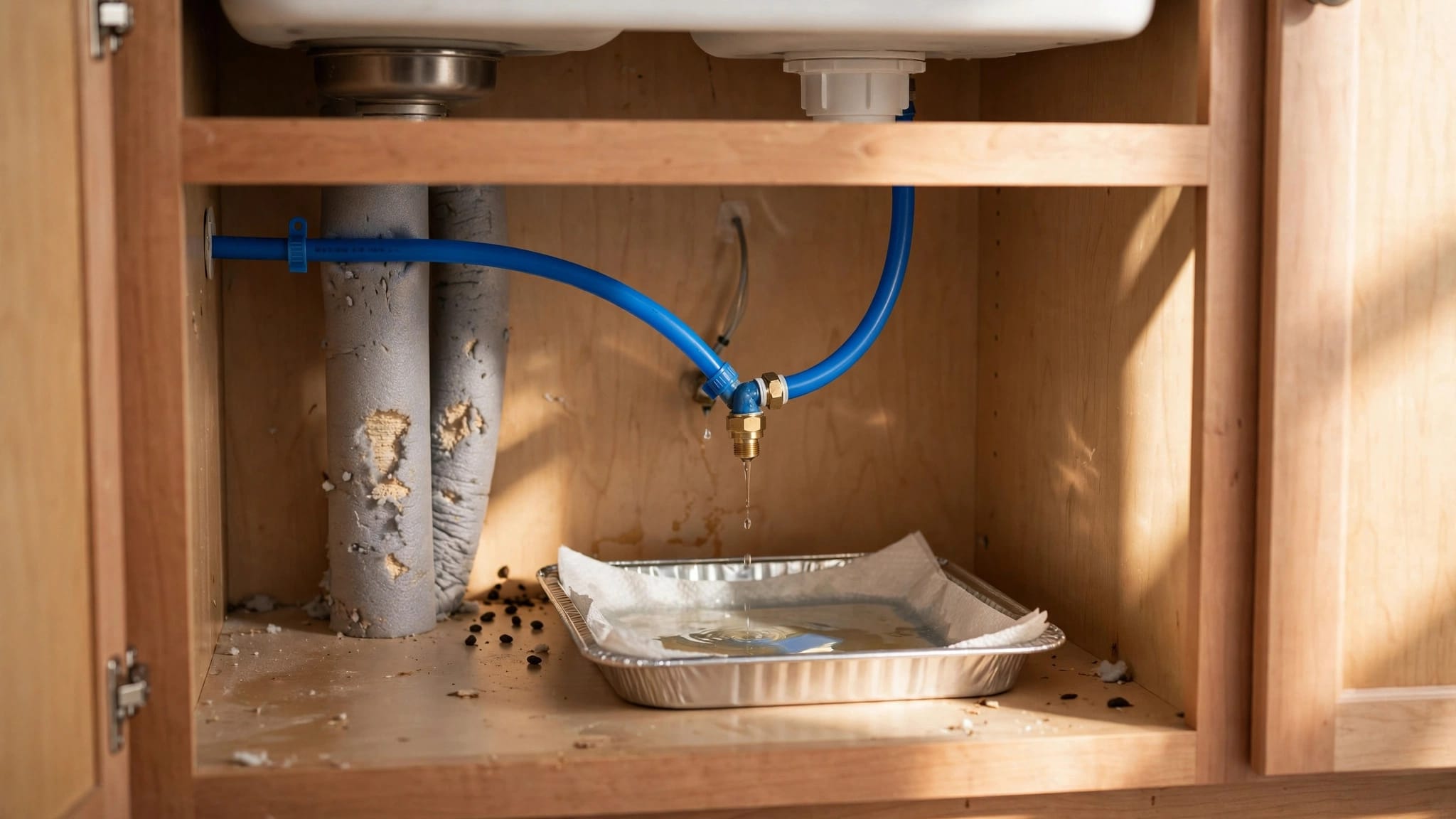
- Moisture around the home : Damp areas near hoses, planters, drains, or AC runoff can attract insects, which then attract spiders.
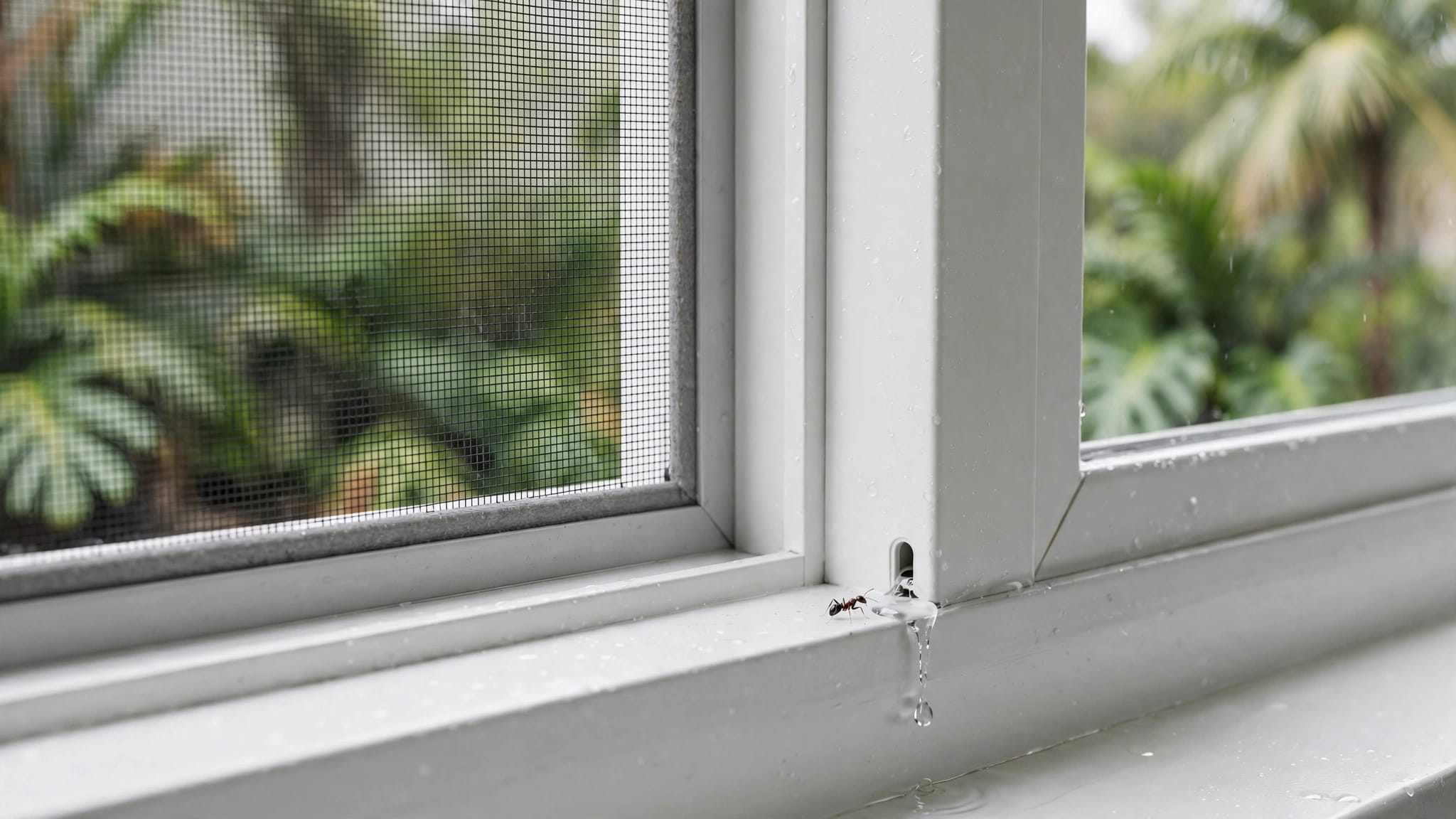
- Gaps around doors and screens : Worn weatherstripping, loose thresholds, and screen tears give spiders easy access.
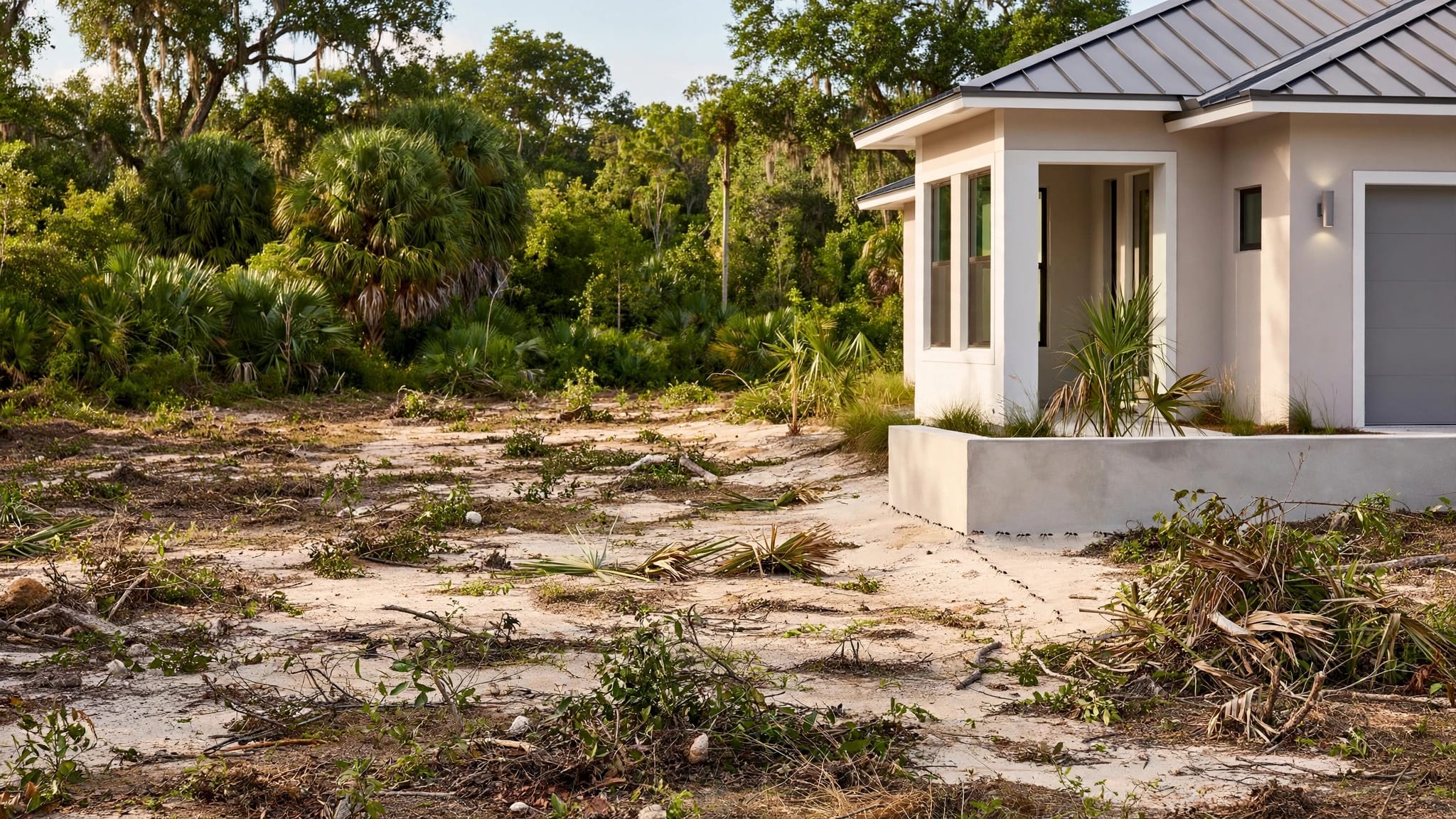
- Landscaping touching the house : Branches, vines, and shrubs near walls can act like bridges to soffits and patios.
The pattern is simple. Where insects gather, spiders follow. Where clutter sits, spiders hide. Where gaps exist, spiders get in.
That is why a spider problem is often tied to a larger pest issue. If the food source stays in place, the spiders usually do too.
Practical Prevention for Garages, Lanais, and Patio Ceilings
The best prevention steps are simple, and they fit the way Cape Coral homes are used every day. Small changes can make a real difference.
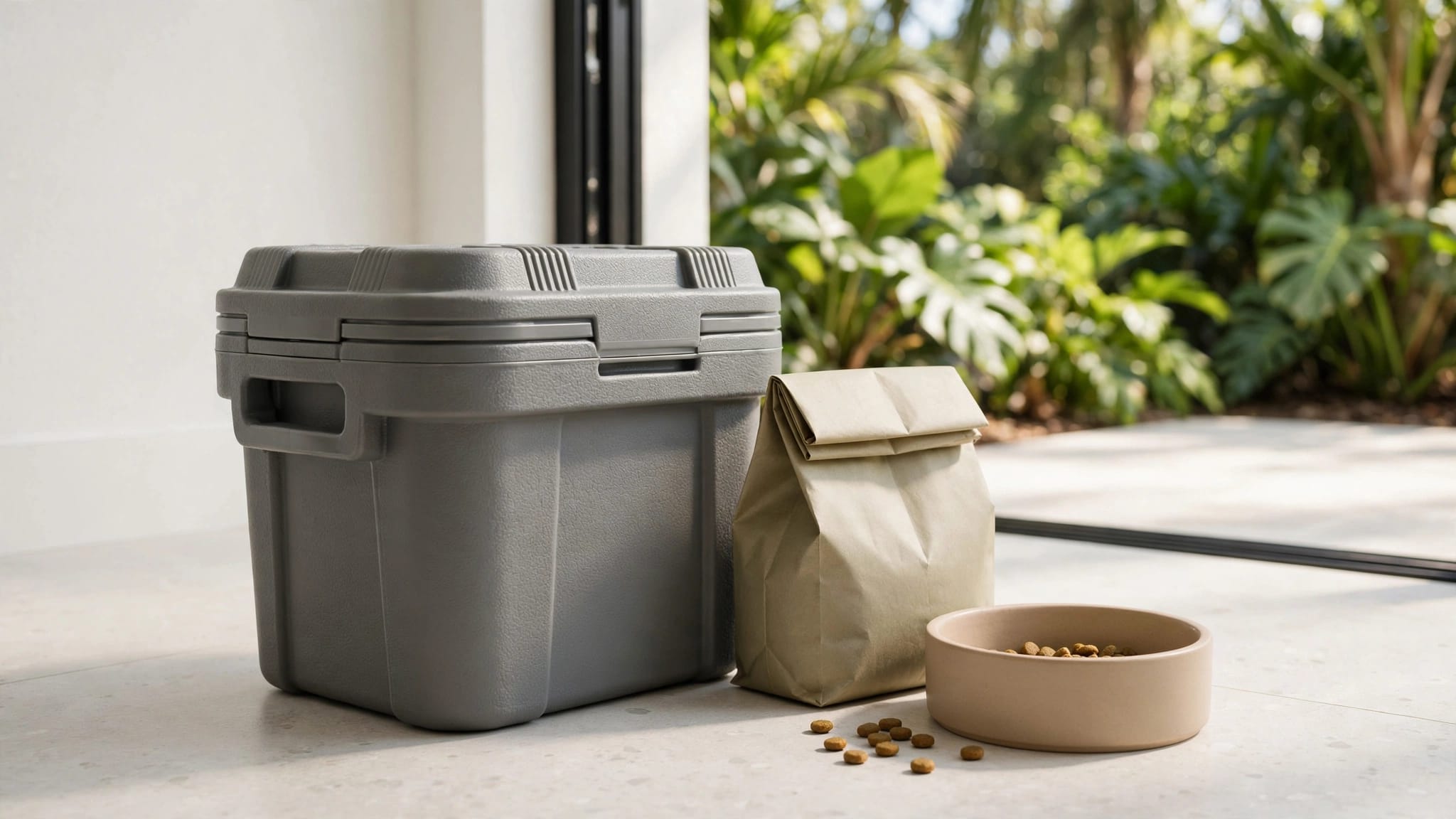
- Cut down the clutter in your garage : Keep items in sealed plastic bins instead of open cardboard. Raise storage off the floor when you can.
- Sweep corners and ceiling edges : Spider activity often starts in out-of-the-way spots. A quick sweep helps remove webs, egg sacs, and hiding places.
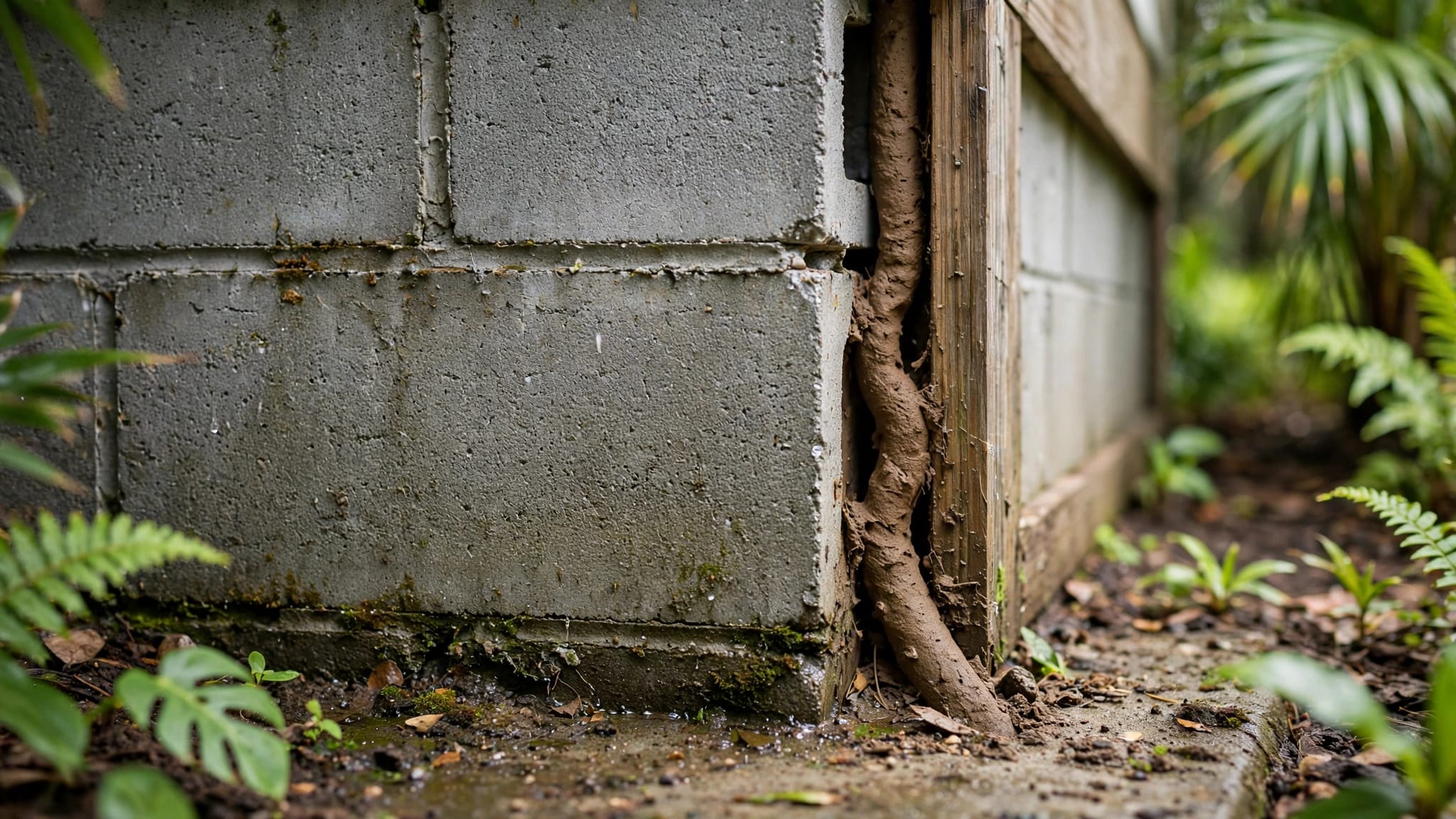
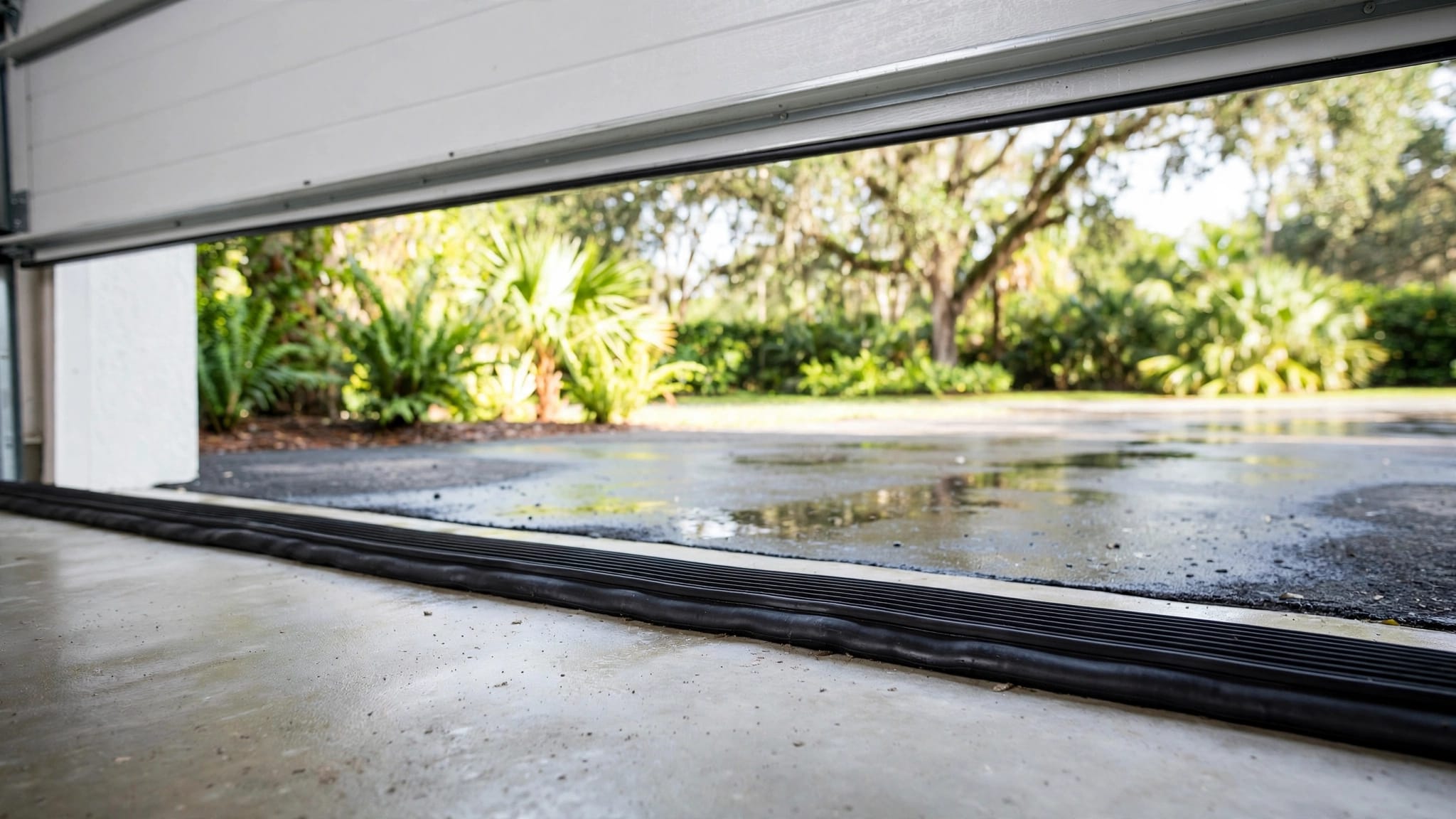
- Seal gaps around doors : Check garage door seals, door sweeps, and the edges around entry doors. If light shows through, pests can often squeeze through too.
- Repair torn screens fast : Lanai screens, patio enclosure panels, and small tears near corners should not sit for long.
- Watch your exterior lights : Use shielded fixtures when possible, and avoid leaving bright lights on all night. Warm-toned bulbs can also reduce bug traffic.
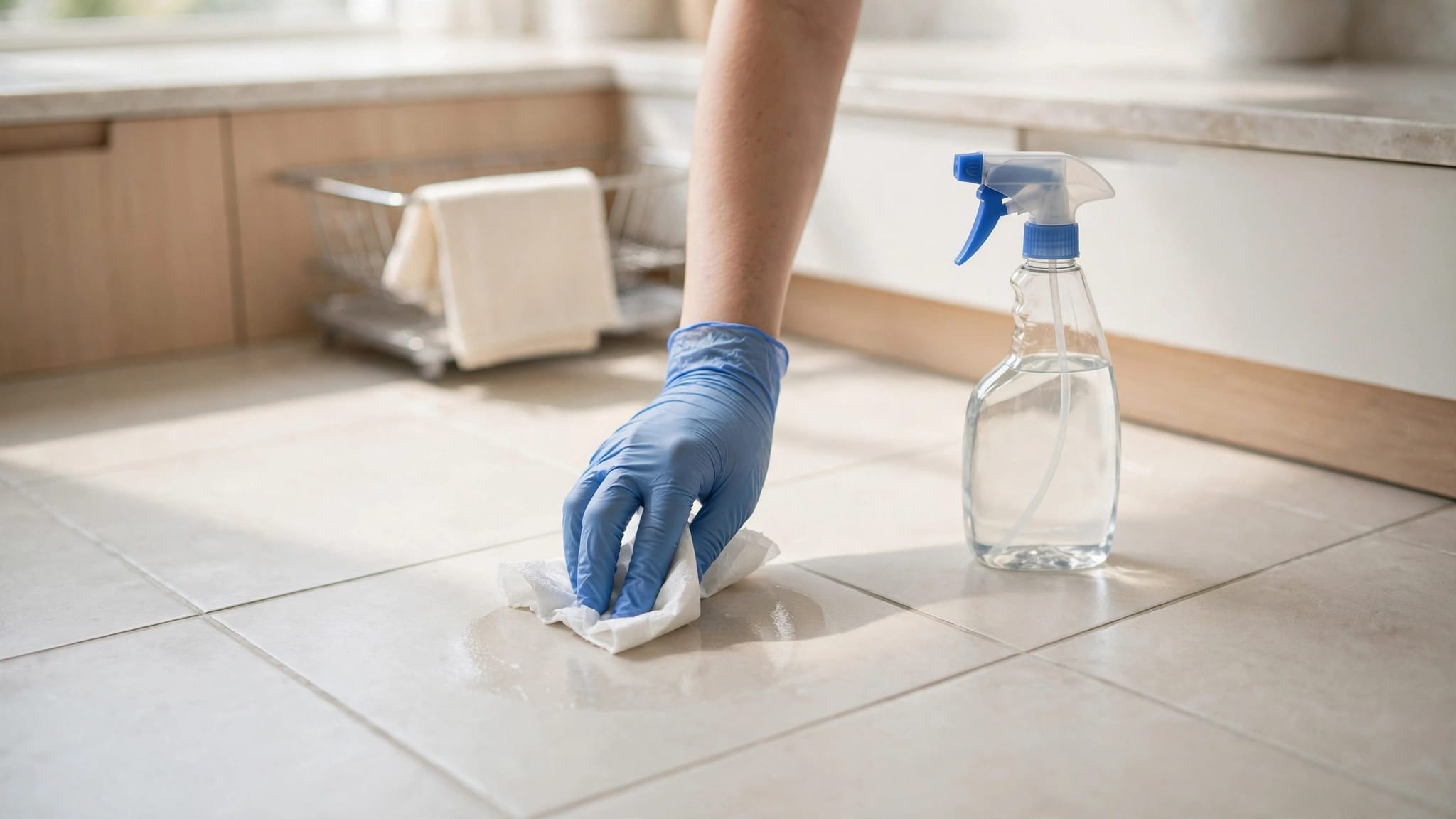
- Reduce moisture : Fix leaks, empty standing water, and make sure hose areas drain well. Dry spaces are less attractive to the insects spiders eat.
- Trim plants away from the house : Keep shrubs, palms, and vines from touching soffits, fascia, and screen enclosures.
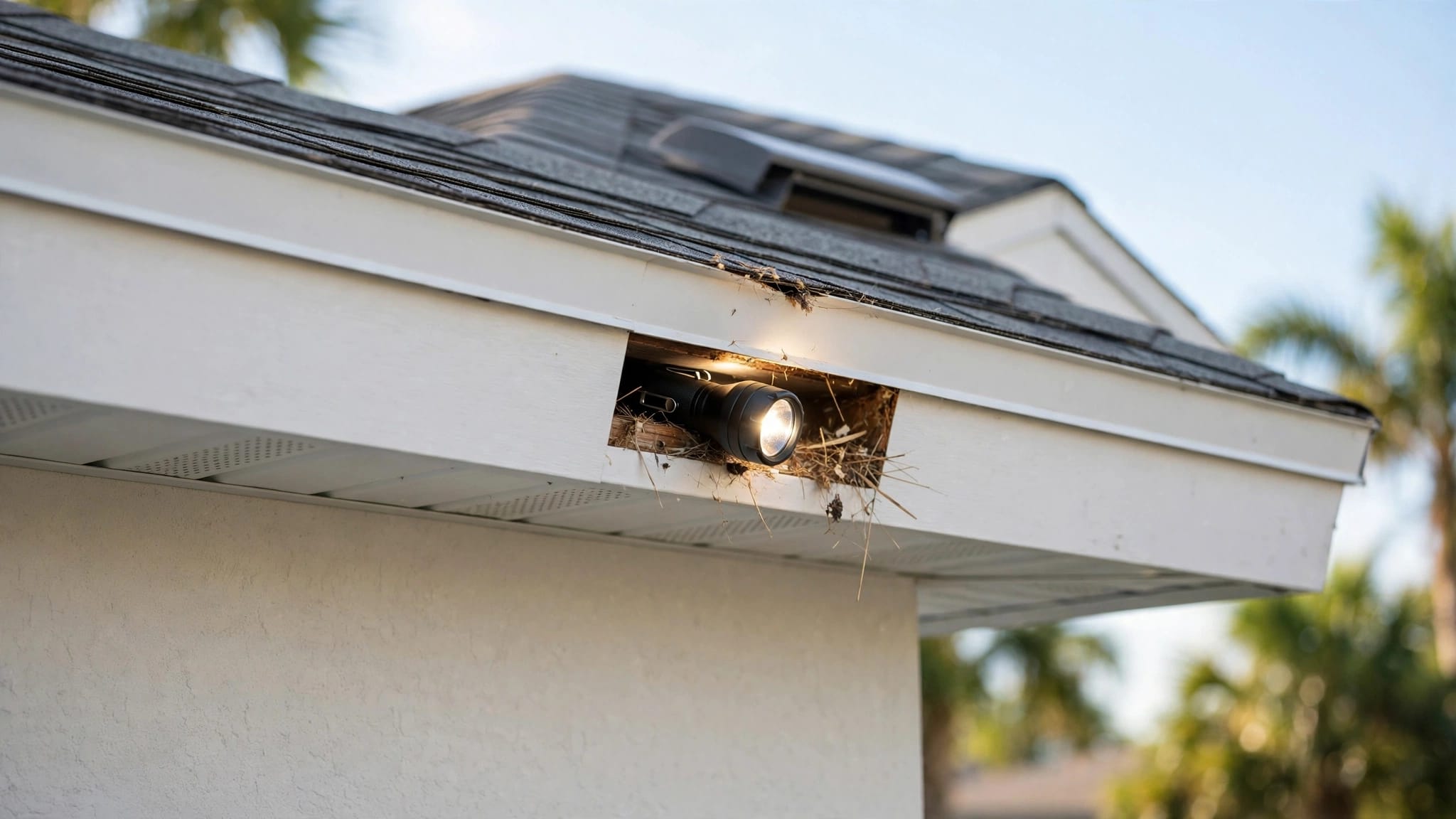
- Inspect soffits and upper corners : Walk the perimeter of your home and look up. Small openings often hide above eye level.
If you spend time in the lanai at night, pay close attention to the lights above you. Exterior lighting can pull insects to the ceiling, then spiders arrive to hunt them. A cleaner ceiling and fewer bugs around the fixtures often mean fewer spiders overhead.
For homeowners who keep seeing spiders in the same areas, residential pest control in Cape Coral can help address the insects and access points that keep bringing them back.
When a Spider Sighting Means More Than One Spider
A single huntsman spider may be an isolated event. Repeated sightings tell a different story. If you keep seeing them in the garage, along the patio ceiling, or near the lanai lights, your home may be supporting the pests they feed on.
That does not mean there is a serious danger. It does mean the conditions are right for them to stay. Multiple spiders, frequent webs in upper corners, or lots of insects around doors and lights often point to a broader issue.
There is also a practical safety side. Huntsman spiders move quickly, so people often try to swat them or trap them in a hurry. That usually makes the situation more stressful. A calm response works better. Close the area if needed, avoid direct contact, and address the conditions that brought the spider there in the first place.
If you are seeing spiders in more than one part of the home, check for three things first: insects, entry gaps, and clutter. Those three issues explain a lot of recurring spider problems in Cape Coral garages and patios.
Keeping Cape Coral Garages and Patio Ceilings Less Inviting
Huntsman spiders look alarming because they are large, fast, and hard to miss. Still, they usually are not looking for trouble. They are looking for food, shelter, and a safe place to wait.
Once you remove the easy access points, cut down insect activity, and clean up the spaces they use most, the problem often drops fast. Garages, lanais, patio ceilings, and soffits all need the same basic care, especially in Florida's warm, bug-friendly climate.
A spider that keeps showing up is often a sign that the home around it needs a few small fixes. Handle those pressure points, and the spiders have less reason to stay.
Schedule a Free Inspection: