June Bugs in Cape Coral: Why They Hit Entry Lights and Pool Screens
When June bugs in Cape Coral show up, they often choose the same spots every night, porch lights, front doors, lanais, and pool screens. That pattern can turn a quiet evening into a noisy one fast.
Warm weather, humidity, dense landscaping, and seasonal insect activity in Southwest Florida all help keep them moving. The good news is that the fix usually starts with simple changes around the house, not a major project.
Why June bugs gather around Cape Coral lights
Many homeowners notice the same thing first, a beetle drifting toward the brightest light on the property. June bugs are drawn to light at night, and a front entry fixture or lanai light can act like a beacon.
Cape Coral conditions make that worse. Evening humidity stays high, plants hold moisture, and yards often have palms, hedges, and thick beds near the home. Those areas give beetles a place to rest before they head back out after dark.
The issue is usually nuisance, not damage. The bugs bump into walls, clatter against screens, and pile up near doors. That noise and mess is what gets old.
A bright light near a screen door can pull beetles in from the yard, the sidewalk, and nearby shrubs.
Many people use "June bugs" as a catch-all name for several similar beetles. You do not need to sort every species out to solve the problem. If they keep circling the same light, the behavior matters more than the label.
What they do around doors, lanais, and pool cages
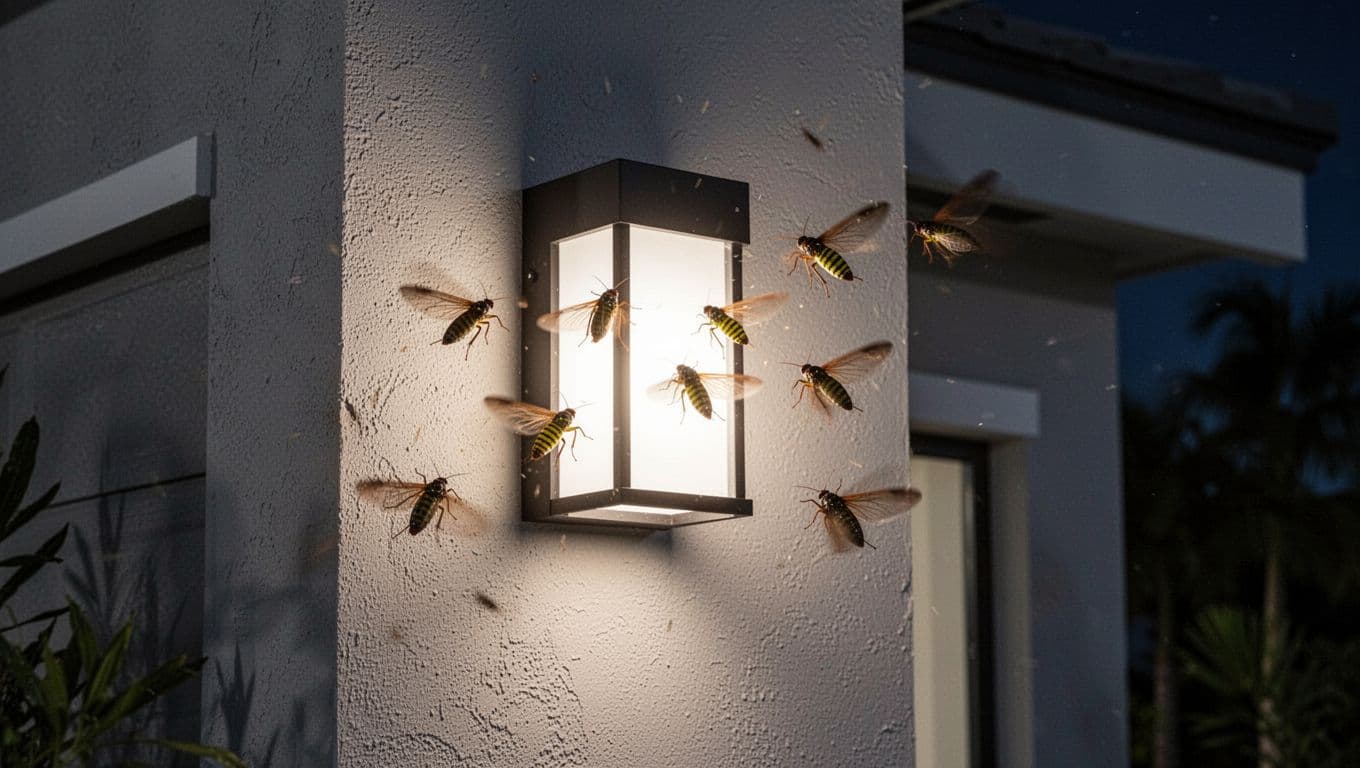
On a Cape Coral home, the first sign is often a beetle tapping at the front door after sunset. Soon after, more show up around the porch light, the garage light, or a lantern by the pool cage. Screens can make the problem look worse because every bug that lands stays visible.
Pool enclosures pull in a lot of attention once the lights come on. The screen acts like a big backdrop, so even a few beetles stand out. If your lanai stays lit late, the insects can gather there for hours.
You may also see them around thresholds, on welcome mats, and in the corners of screen frames. After they die, they collect fast in door tracks and along the base of the cage. That buildup is annoying, but it also tells you where the attraction is strongest.
The same yard can feel calm during the day and busy after dark. That is why the problem seems sudden. The beetles are there already, they just become obvious once the lights flip on.
Lighting changes that cut the swarm down
Changing the lighting is often the fastest way to reduce the problem. Bright, cool-white bulbs draw more attention than softer ones, so the color of the light matters.
Try a few simple changes first:
- Swap bright white bulbs for warm white or amber bulbs.
- Use motion sensors on porch, garage, and side-door lights.
- Turn off lanai lights that do not need to stay on all night.
- Aim fixtures downward when possible, so the glow stays tighter.
- Close blinds or curtains near doors and windows with outside lighting.
Smaller changes can help too. A light that points across a screen door will pull more bugs than one that stays close to the wall. Likewise, a timer that shuts things off after bedtime can make a real difference.
If your front entry has several fixtures, leave only the one you need. Fewer light sources mean fewer landing spots and less confusion for insects. That alone can cut down the swarm around your door.
Keep screens, sweeps, and nearby landscaping in shape
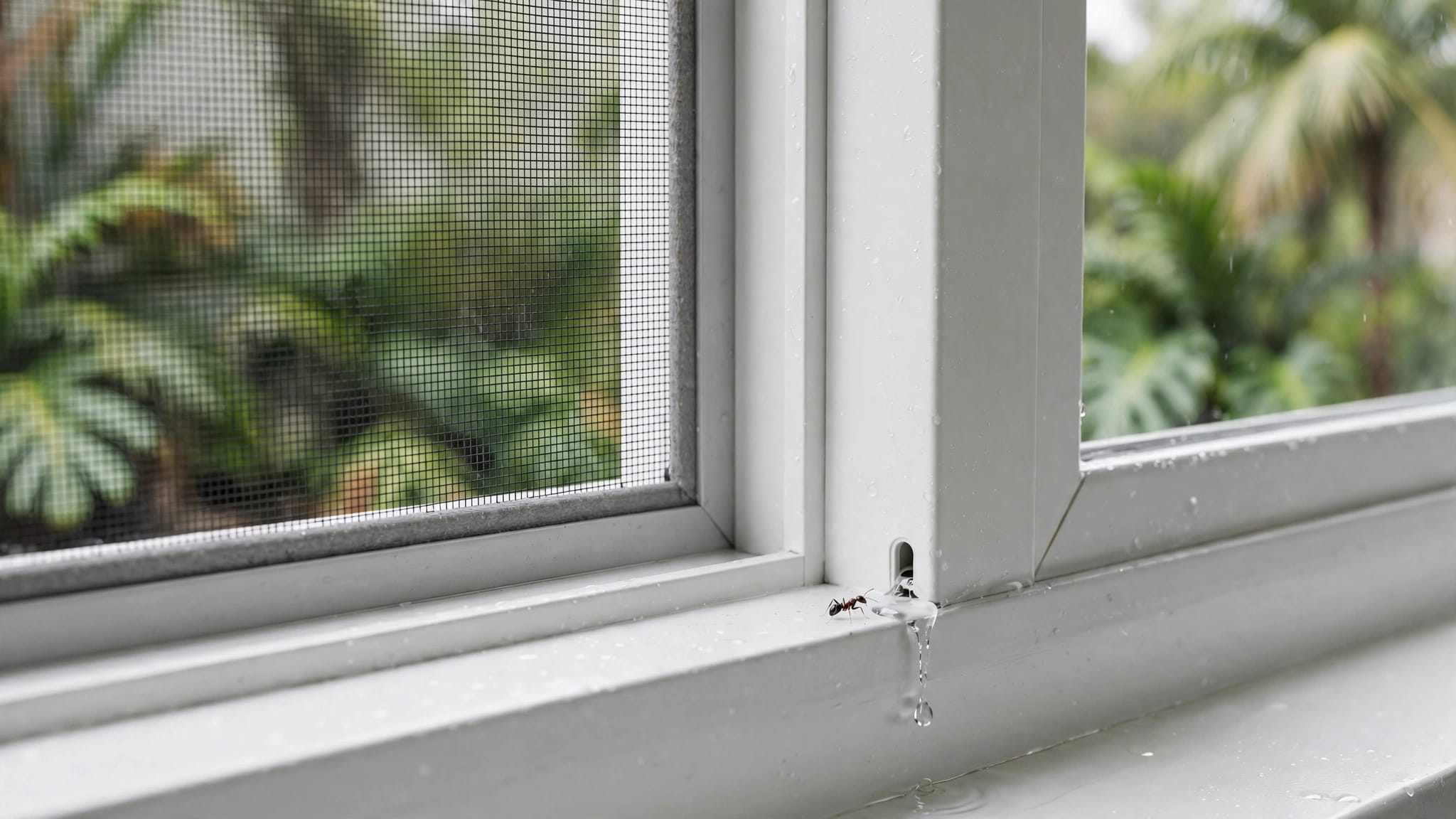
Lights bring the bugs close, but small gaps let them stay close. A torn screen or loose door sweep gives beetles an easy place to settle. That is why a quick inspection around the entry matters as much as the bulbs.
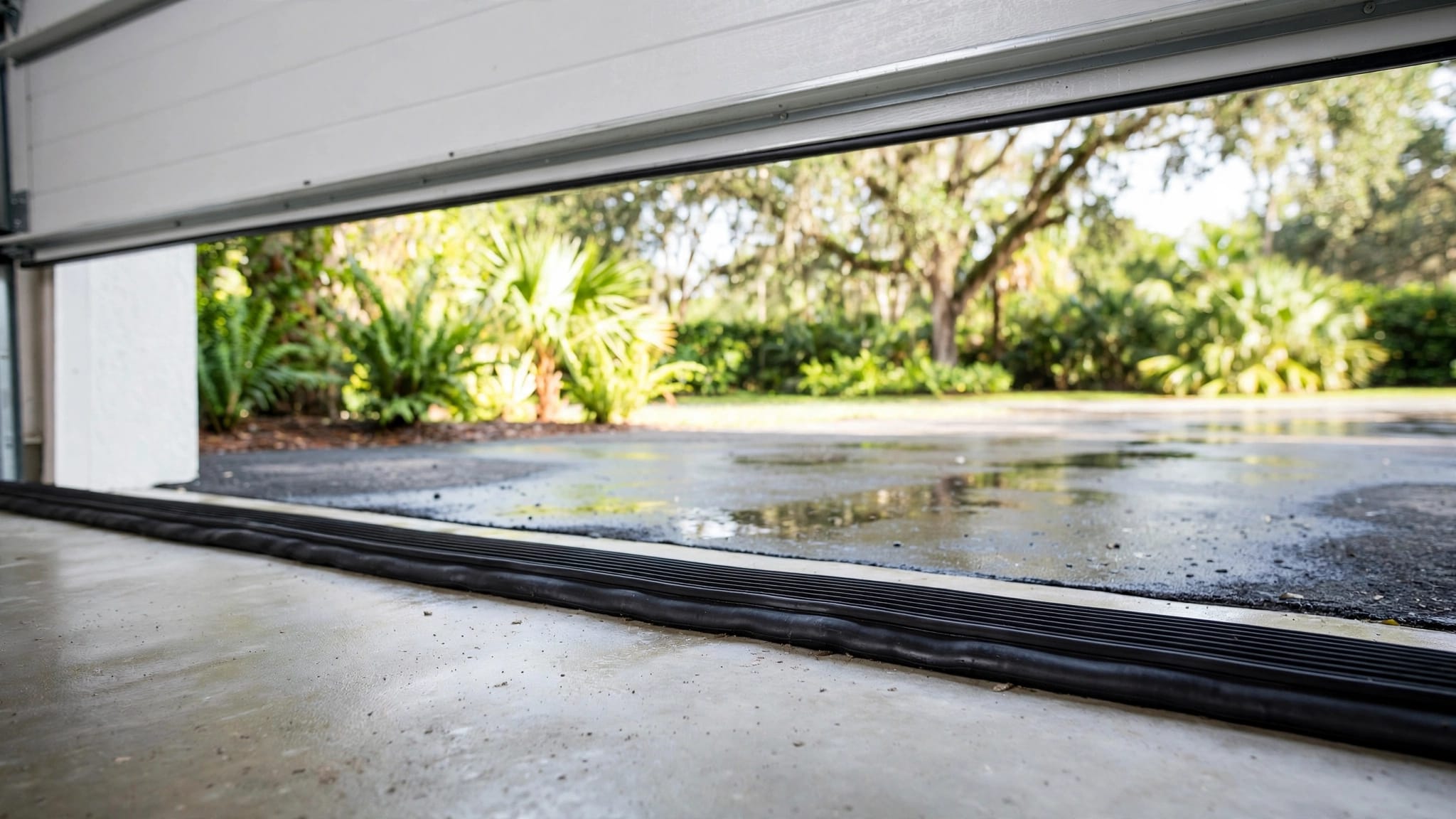
Look at the bottom of the door first. If you can see daylight under the sweep, insects can find that gap too. Check the corners of pool screens and the edges around sliding doors, because those are common wear points.
It also helps to trim vegetation near entry points. Hedges, vines, and low branches near the house give beetles a place to hide before they move toward the light. When plants touch the home, they create a bridge for insects and make the entry area feel busier.
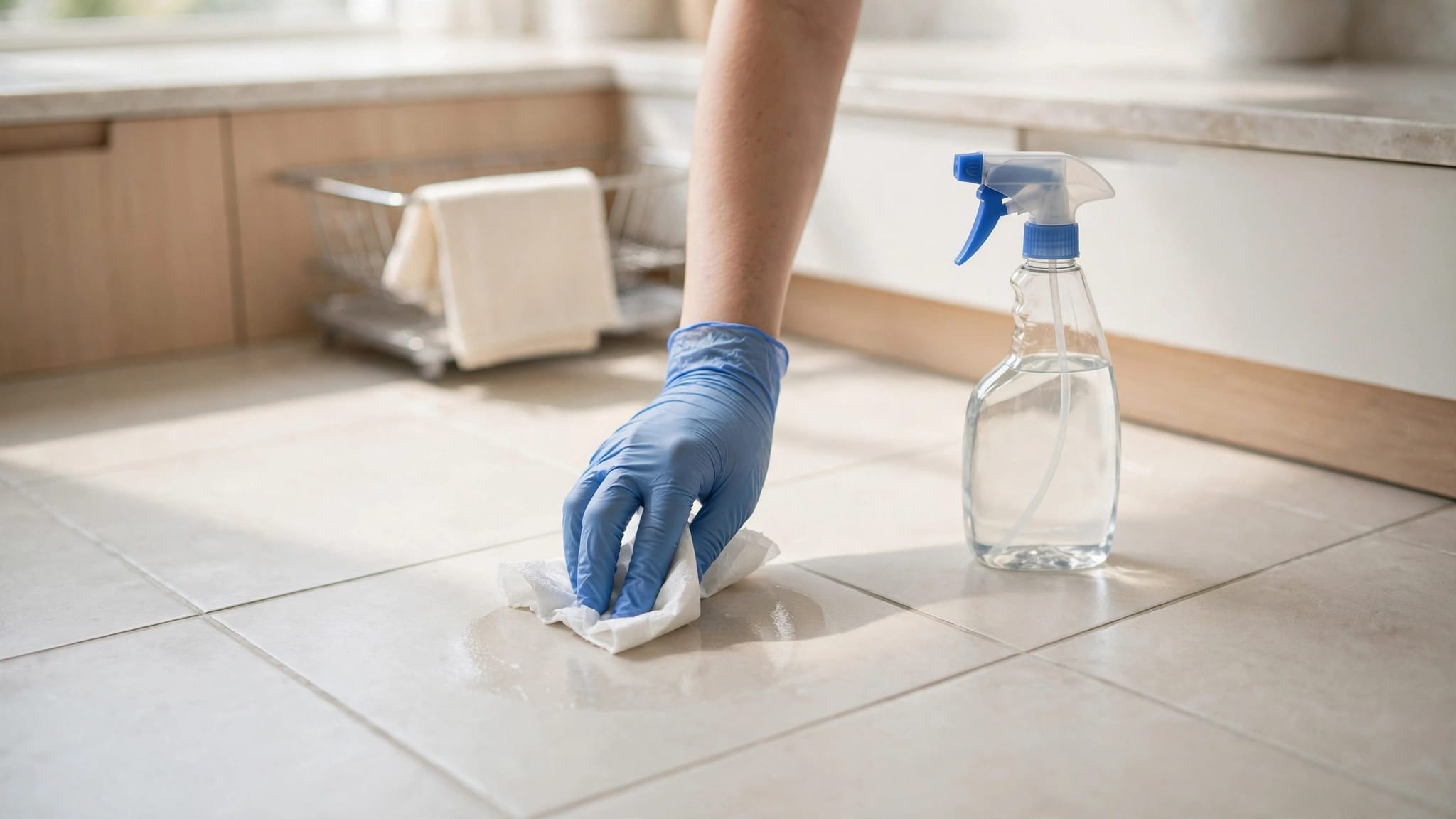
A clean landing zone matters as well. Sweep up beetles around the door, wipe down frames, and clear the tracks on pool cage doors. A handheld vacuum works well for corners and screen rails, especially after a busy night.
Small habits add up here. If you clean the area each morning, you will spot changes faster. You will also notice whether the same door, light, or section of the cage keeps getting hit.
When repeated swarms need a closer look
One burst of beetles after a warm spell is normal in Southwest Florida. A steady pattern that returns week after week is different. That usually means the same light, opening, or yard feature is drawing them back.
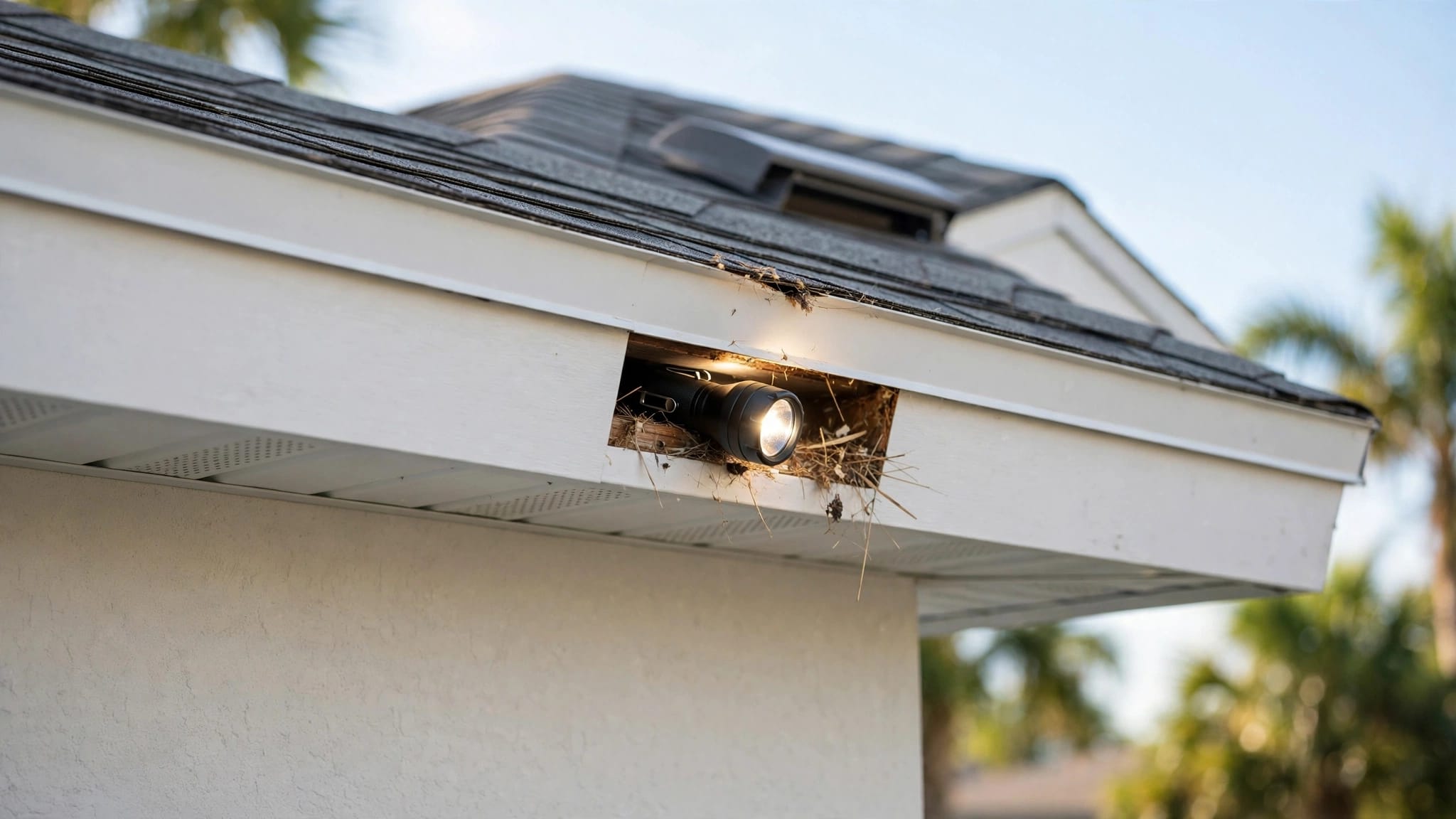
Repeated activity can point to a hidden screen tear, a gap under a door, or a light that needs to be moved. It can also mean the landscaping near the house is too dense for the amount of evening light you use. If you keep seeing the same cluster in the same spot, the pattern is telling you something.
In those cases, a residential pest control in Cape Coral visit can help sort out whether the issue is just seasonal or tied to a larger entry problem. A professional inspection can also check for other insects that use the same lights and openings.
The goal is not to chase every beetle one by one. It is to reduce the reason they keep coming back. Once that source is found, the rest gets easier.
Conclusion
Cape Coral homes often pull in June bugs at the same places every night, porch lights, entry doors, lanais, and pool screens. That happens because the insects are drawn to light, and local weather keeps them active for longer stretches.
A few changes usually make the biggest difference, softer bulbs, fewer lights after dark, trimmed plants, and tighter screens and door sweeps. If the swarm keeps returning to the same spot, the problem is probably part seasonal, part structural.
When the lights come on and the beetles start circling, the fix is usually closer than it looks.
Schedule a Free Inspection: