Shore Flies in Cape Coral: Fix Patio Breeding Sites
Local searches for shore flies Cape Coral often begin after tiny dark flies appear around potted plants, lanai doors, or patio drains. These insects usually point to one nearby condition: persistent moisture mixed with algae or decaying organic material.
Shore flies don't bite people, but they can multiply quickly when irrigation keeps potting soil wet and drains hold a slimy film. The lasting fix is source reduction, not spraying every adult you see. Start by checking plant containers, saucers, irrigation habits, and outdoor drains.
Key Takeaways
- Shore flies need wet areas with algae, plant debris, or organic buildup.
- Overwatering and full saucers often keep potted plants suitable for breeding.
- Patio drains can support shore flies when they contain standing water or biofilm.
- Physical cleanup and irrigation changes should come before pesticide use.
- Never pour insecticides, bleach, or pesticide mixtures into storm drains.
Shore flies Cape Coral: where the problem starts
Shore flies are small, dark flies in the family Ephydridae. They often gather near damp soil, greenhouse-style growing conditions, drainage areas, and surfaces covered with algae. In Cape Coral, warm weather allows outdoor populations to remain active for much of the year.
Unlike fungus gnats, shore flies are stockier and more compact. Many have patterned wings, while fungus gnats look more like tiny mosquitoes with slender bodies and long legs. Both can appear around houseplants, so a close look helps identify the right source.
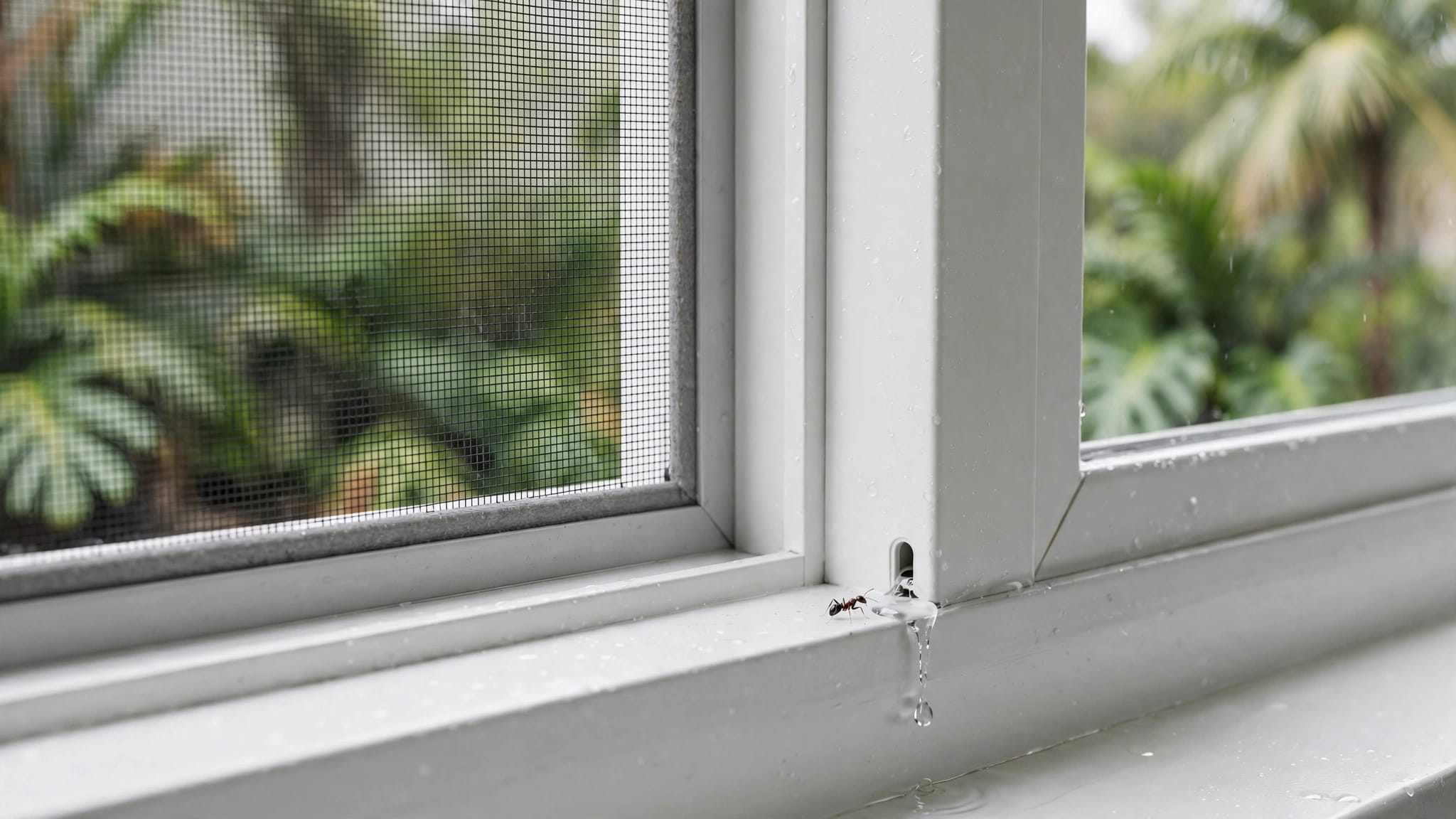
Shore flies don't feed on people, and they don't sting. However, large numbers become an ongoing nuisance around lanais, patios, pool cages, and entry doors. Adults may rest on walls or screens during the day, then return to damp plant areas.
The adult flies are only part of the problem. Females lay eggs in wet areas where algae and organic matter are available. Larvae develop in that material, so killing flying adults without changing the breeding site usually produces short-term results.
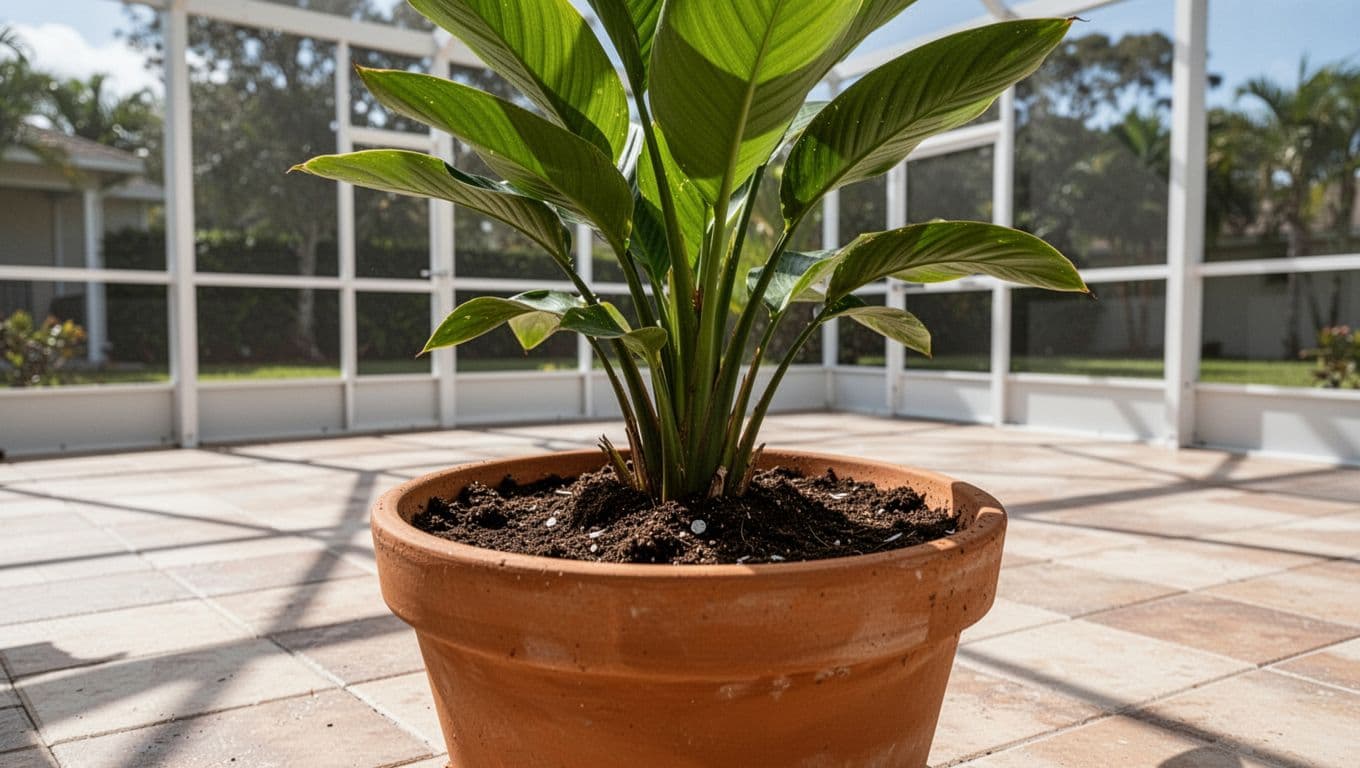
Searches for shore flies Cape Coral homeowners make often involve a potted palm, hibiscus, orchid, or foliage plant. The plant itself may be healthy. The real issue can be the saucer beneath it, compacted soil that drains slowly, or algae growing around the pot's base.
A few flies near a container may come from one consistently wet saucer. Check below the pot before treating the entire patio.
How potted plants attract shore flies
Container plants can create small wet zones that stay damp longer than the surrounding patio. A pot with poor drainage, a blocked hole, or dense potting mix may hold water near the surface. Frequent irrigation adds more moisture before the soil has time to dry.
Saucers deserve close attention. They catch runoff, but standing water and sediment can create a film that supports algae. A saucer under a shaded pot may stay wet for days, especially when afternoon rain follows morning irrigation.
Check each container for these conditions:
- Water remains in the saucer after irrigation.
- Green algae appears on the soil, pot rim, saucer, or nearby tile.
- Dead leaves collect on the potting mix.
- The container sits directly on the patio and drains poorly.
- An automatic sprinkler or misting line sprays the plant more often than needed.
Move containers onto pot feet or a raised stand when possible. This improves airflow beneath the pot and gives excess water a path away from the base. Empty saucers after watering, or remove them from outdoor containers that don't need them.
Adjust irrigation gradually rather than following a fixed calendar. Feel the upper layer of potting mix first, and water only when the plant and soil require it. Florida's rainy season can make a normal irrigation schedule excessive, even when the plant looked dry a few weeks earlier.
Trim dead leaves from the soil surface and replace heavily algae-covered potting mix when practical. Don't dump old soil beside a drain or across the lawn. Bag it and dispose of it according to local waste rules.
Newly purchased plants can also carry shore flies or their larvae if they came from a damp nursery setting. Keep new containers separate from the main patio group for several days, inspect the soil, and avoid placing them beside a drain until you know they are not contributing to the problem.
Patio drains can support shore flies too
Outdoor drains collect more than rainwater. Leaves, pollen, grass clippings, fertilizer residue, and soil can settle beneath a grate. When that material stays wet, algae and bacterial film may develop along the drain channel.
A drain isn't the same breeding site as potting soil, but it can support shore flies when organic buildup and moisture remain together. Adults may also use drains as a nearby resting area while breeding in a container, gutter edge, or damp corner.
Inspect drains around screened patios, pool decks, outdoor kitchens, and vacation-rental properties. Look for slow flow, standing water, green or brown film, and debris trapped under the grate. A drain that smells musty or stays wet after a dry day deserves attention.
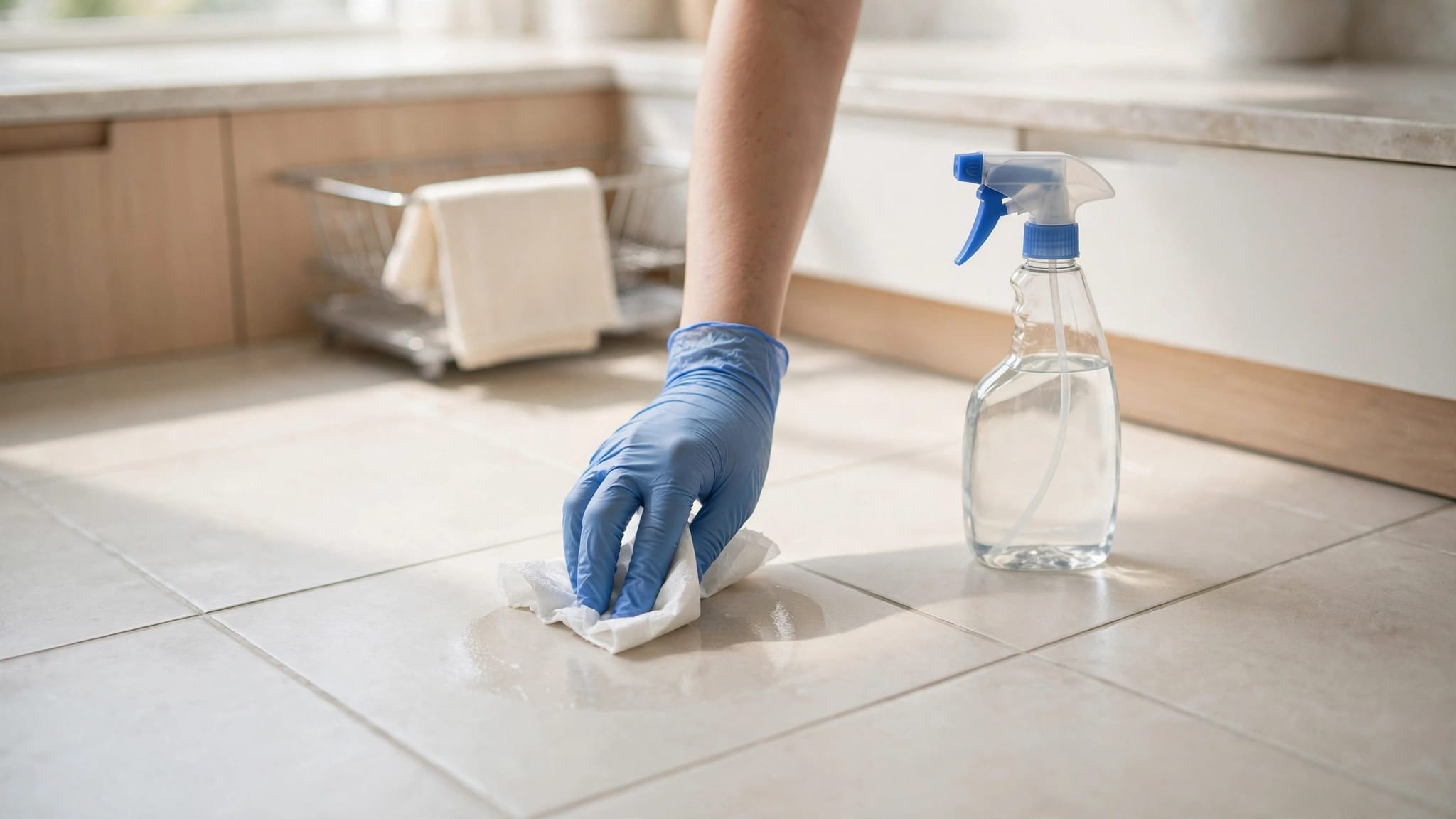
Begin with mechanical cleanup. Remove leaves and visible debris, then scrub accessible surfaces with a stiff brush and plain water. Collect loosened material instead of pushing it toward another drain. Clean the grate and confirm that water moves away from the patio without pooling beside the foundation.
Never pour insecticide, bleach, or pesticide mixtures into an outdoor drain. Many patio drains connect to stormwater systems that carry runoff toward canals, retention areas, or other waterways. Pet bowls, toys, and food should also be moved away before cleaning.
If a drain repeatedly holds water, the issue may involve a blocked line, poor grading, or a damaged drainage component. A pest treatment won't correct that condition. Ask a qualified drainage or plumbing professional to inspect the system, while a pest professional checks nearby containers and organic buildup.
A plant- and pet-conscious control plan
Source reduction should lead the response. Adult flies may decline after the wet breeding material dries, but the change won't happen immediately because existing larvae can continue developing.
Use a simple sequence:
- Find the wettest locations. Check every saucer, pot base, drain edge, gutter outlet, and shaded patio corner.
- Remove organic buildup. Clear dead leaves, algae, sediment, and trapped debris from containers and drains.
- Change watering habits. Reduce unnecessary irrigation, repair overspray, and allow suitable plants to dry between watering.
- Improve drainage. Raise pots, clear blocked holes, and replace compacted or deteriorated potting mix.
- Monitor adult activity. Place yellow sticky cards near affected plants, out of reach of pets and children, without touching leaves.
Sticky cards help measure activity and reduce some adults, but they don't eliminate larvae in wet soil or drain film. Replace them when they become covered with insects or dust.
Avoid broad spraying across foliage, patio screens, and drain surfaces. Many products can damage sensitive plants, harm beneficial insects, or create runoff. A pesticide label must list the intended site and pest, and you must follow its directions for application, storage, and re-entry.
Plant oils and homemade mixtures can also cause problems in Florida heat. Neem oil, soaps, and other products may burn leaves when applied during hot, sunny weather or at the wrong concentration. A product being marketed as natural doesn't make it safe for every plant, pet, or drainage system.
For a persistent infestation, a licensed technician can inspect the full area and recommend targeted treatment. A local provider such as residential pest control in Cape Coral can focus on the conditions supporting the flies instead of applying unnecessary chemicals around plants and drains.
When professional pest control makes sense
Call for an inspection when shore flies remain active after you correct standing water and organic buildup. Continued activity may indicate a hidden leak, a drain problem, saturated soil under pavers, or a second breeding site outside the patio.
Professional help also makes sense for large screened enclosures, commercial courtyards, apartment communities, and vacation rentals. Frequent guests or residents can make source reduction harder because watering, cleaning, and container placement change from week to week.
A technician should inspect the patio rather than treat only the visible flies. Ask what product is being used, where it will be applied, and how the plan protects ornamental plants, pets, people, and stormwater drains. The treatment should match the identified source.
Shield Home & Pest Control provides professional pest management across Cape Coral and nearby Southwest Florida communities. An inspection can also rule out other small flies, ants, cockroaches, or moisture-related pests that may be using the same patio conditions.
Conclusion
Shore flies around Cape Coral potted plants and patio drains usually indicate a moisture and algae problem close by. Emptying saucers, improving airflow, adjusting irrigation, and removing organic film can reduce the conditions these flies need.
If the activity continues, inspect drains and hidden wet areas before reaching for a pesticide. The most dependable plan protects your plants and pets while keeping chemicals out of stormwater systems. Once the breeding sites stay dry and clean, the swarm around your lanai should lose its support.
Schedule a Free Inspection: