Termite Damage Insurance Florida: What Homeowners Need to Know
A termite problem can spread through framing, flooring, and cabinets before you see much evidence. For many Florida homeowners dealing with termite damage, the first question is whether homeowners insurance coverage will pay for treatment or repairs.
In most cases, standard homeowners insurance excludes direct property damage from pests because insurers classify infestations as preventable maintenance issues. However, limited coverage may apply when termites contribute to a separate covered event, such as a fire or sudden structural collapse.
Your insurance policy language, endorsements, insurer underwriting rules, and claim facts control the outcome. Before assuming a claim is covered or denied, review your policy and confirm the details with your insurer or a licensed insurance professional.
Key Takeaways
- Standard homeowners insurance policies usually exclude termite damage and direct repairs.
- Coverage may apply when termites cause a separate covered peril, such as fire from damaged wiring.
- A sudden collapse claim can involve different policy language than ordinary wood damage.
- A termite bond, retreatment warranty, and pest-control contracts may provide protection a homeowners insurance policy does not.
- Routine annual inspections and prevention usually cost less than repairing hidden structural damage.
Termite damage insurance Florida: What standard policies cover
Standard homeowners insurance is designed for sudden and accidental losses, but termite damage usually develops over weeks, months, or years. Because the deterioration happens gradually, insurers often place it under insect, vermin, wear-and-tear, or maintenance exclusions.
Citizens Property Insurance Corporation states that direct termite damage isn't covered by standard property insurance policies. Major insurers provide similar general guidance. Their homeowners insurance policies normally don't pay to remove a termite infestation, cover termite treatment, or replace wood damaged directly by pests.
Why insurers treat termites as maintenance
Homeowners are generally expected to maintain the property and address pest activity before it causes major damage. That responsibility can include inspections, moisture control, repairs around plumbing leaks, and proper termite treatment.
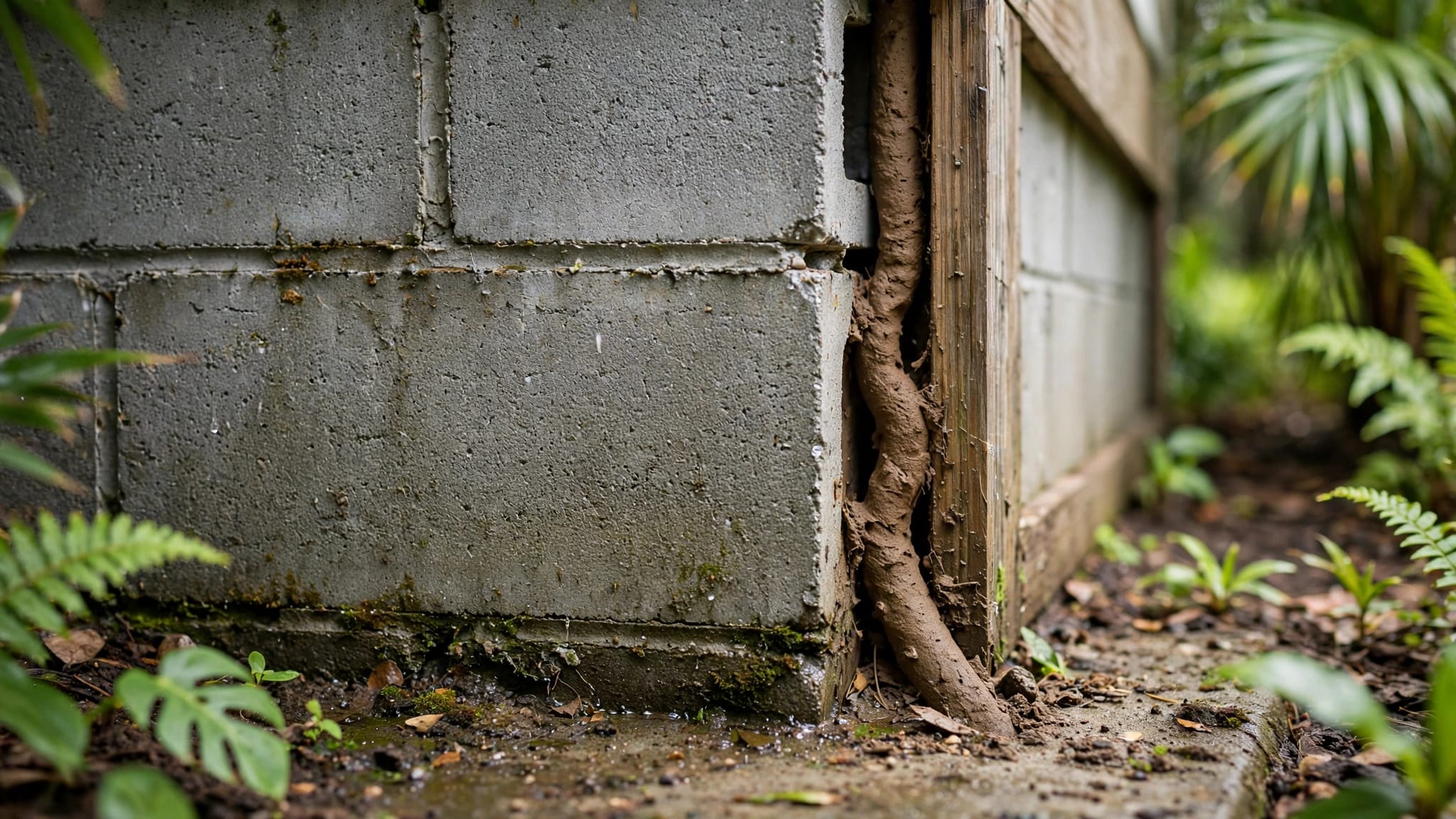
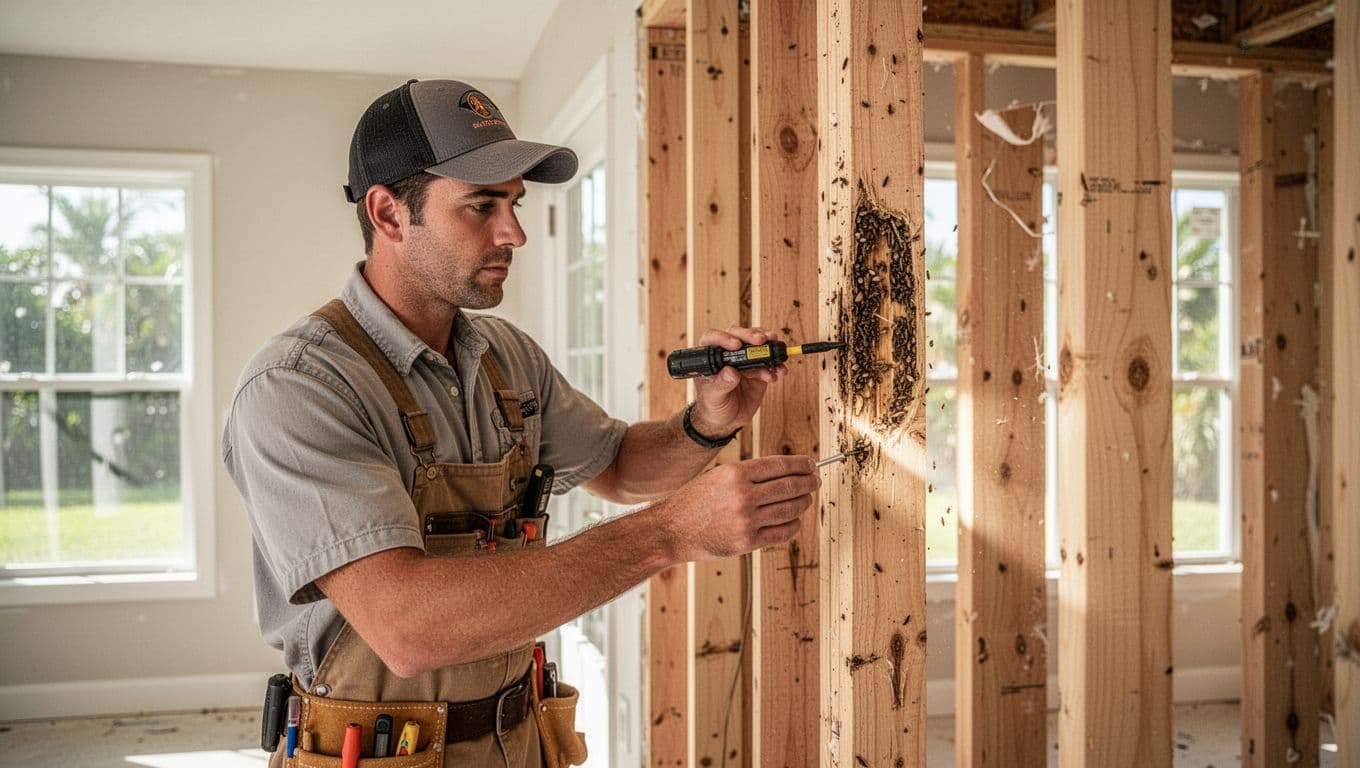
Florida's warm, humid conditions can support termite activity throughout the year. In Southwest Florida, homeowners may encounter subterranean termites, drywood termites, and even aggressive Formosan termites. Subterranean termites travel through soil and shelter tubes, while drywood termites live inside wood and may produce small piles of pellet-like waste.
You can review these signs of a termite infestation if you notice mud tubes, discarded wings, hollow-sounding wood, or unexplained damage around windows and doors.
Treatment and repairs are separate costs
Property insurance usually won't cover routine termite treatment. It also typically excludes repairs to floor joists, wall studs, roof components, cabinets, trim, or other materials that suffer severe pest damage.
A pest control company can stop the infestation, but professional termite treatment doesn't automatically restore the building. You may need a contractor to replace weakened wood or repair cosmetic damage. Those costs usually remain the homeowner's responsibility unless a specific policy exception applies.
The size of the repair bill doesn't change the cause of loss. A small visible hole and major structural damage can both fall under the same homeowners insurance exclusion when termites caused them directly.
When termite damage insurance Florida claims may have an exception
A denial of direct termite damage doesn't mean every loss connected to termites is excluded. The cause of the specific loss matters, and the insurance policy may distinguish between termite damage and a separate event that termites helped trigger.
Termites cause a covered peril
Suppose termites chew through electrical wiring and the damaged wiring causes a fire. A homeowners insurance policy may cover the fire damage if fire is a covered peril and no other exclusion applies. The policy may pay for eligible property damage from the fire, but that doesn't mean it will pay to eliminate the termites or replace every piece of wood they damaged beforehand by pest damage.
The same principle can apply to certain water or electrical losses, depending on the facts and insurance policy wording. The insurer will examine what happened, what caused it, and which parts of the loss are connected to the covered event.
Hidden damage contributes to a sudden collapse
Some policies contain collapse coverage with specific conditions. If hidden termite damage weakens a support beam and the structure suddenly collapses, the claim may receive different treatment than ordinary deterioration discovered during a remodel.
This is a narrow issue. A sagging floor, soft sill plate, or weakened beam may not qualify as a covered collapse. Policy definitions, structural facts, timing, and exclusions all matter. Citizens and other Florida insurance sources describe sudden collapse as a possible exception, not a guaranteed benefit.
A policy may cover property damage from a covered event without covering the pest infestation that helped create the conditions for that event.
Why partial coverage can be confusing
Insurance claims often involve more than one cause. An insurer might cover fire damage but exclude the termite treatment. It might consider some emergency work necessary while excluding long-term repairs caused by deterioration.
Ask the adjuster to identify the exact insurance policy provision supporting the coverage decision. Request a written explanation if the claim includes both covered and excluded damage. If the loss involves major structural damage, you may also want an independent inspection and advice from a licensed homeowners insurance professional.
How to check your policy after finding termite damage
Finding termite evidence doesn't mean you should immediately file a claim. First, document the condition and identify whether an urgent safety problem exists.
- Take clear photos and videos. Capture mud tubes, damaged wood, frass, wings, exit holes, and the surrounding areas. Don't remove evidence before documenting it.
- Arrange a professional inspection. A licensed pest control company can identify active termites, evaluate a severe termite infestation, assess extensive property damage, and spot older trouble areas. A qualified contractor or engineer may need to assess structural safety.
- Read the relevant policy sections. Look through your insurance policy for exclusions involving insects, vermin, rodents, deterioration, wear and tear, hidden defects, maintenance, collapse, fire, and other covered perils. Also check endorsements and special coverage added to your policy.
- Contact the insurer before major repairs. Report urgent conditions promptly, but ask what documentation and inspections the carrier requires. Keep invoices, reports, estimates, and communication records.
Don't make a structural repair that could create a safety risk while waiting for an insurance decision. If part of the home appears unstable, keep people away and contact an appropriate professional.
The phrase termite damage insurance Florida describes a common search, but it doesn't identify a particular policy or coverage form. A Citizens policy, an HO-3 policy from a private carrier, and a policy with special endorsements can produce different results when dealing with unexpected property damage.
This article provides general information only. It isn't legal, tax, or insurance advice. Policy language, endorsements, underwriting rules, and the facts of the claim control coverage.
Termite contracts may cover what insurance excludes
Because standard homeowners insurance commonly excludes termite losses, many Florida homeowners consider a termite bond, a termite warranty, or a pest control agreement. These products are not the same as insurance, and their terms vary by provider.
A service contract may include scheduled inspections, treatment for an active infestation, or limited repair coverage for qualifying damage. Some agreements offer a retreatment warranty, while others include repair bonds for structural fixes. Certain contracts cover only specific termite species or treatment methods, and they often require regular inspections, prompt reporting, and compliance with maintenance rules established or overseen by the Florida Department of Agriculture.
Read the agreement before purchasing it. Check:
- Which termite species are included in the warranty coverage
- Whether treatment or structural repair coverage applies
- Repair limits and policy exclusions
- Inspection schedules and renewal terms
- Warranty coverage transfer rules for future buyers
- What happens if the home had prior termite activity
A contract can also exclude damage that existed before coverage began. Ask your pest control company to explain the inspection findings and the exact scope of protection in writing.
For homeowners in Cape Coral, Fort Myers, Punta Gorda, Bonita Springs, or Sanibel, local conditions make regular inspections useful. A local pest control company can also tailor a termite prevention and control plan and set up a reliable termite warranty to fit the home's construction, moisture conditions, and history.
Steps that can reduce termite risk in Florida
Insurance decisions happen after damage occurs. Good termite prevention gives you more control before a colony reaches structural wood, and taking simple preventative measures can save you thousands of dollars.
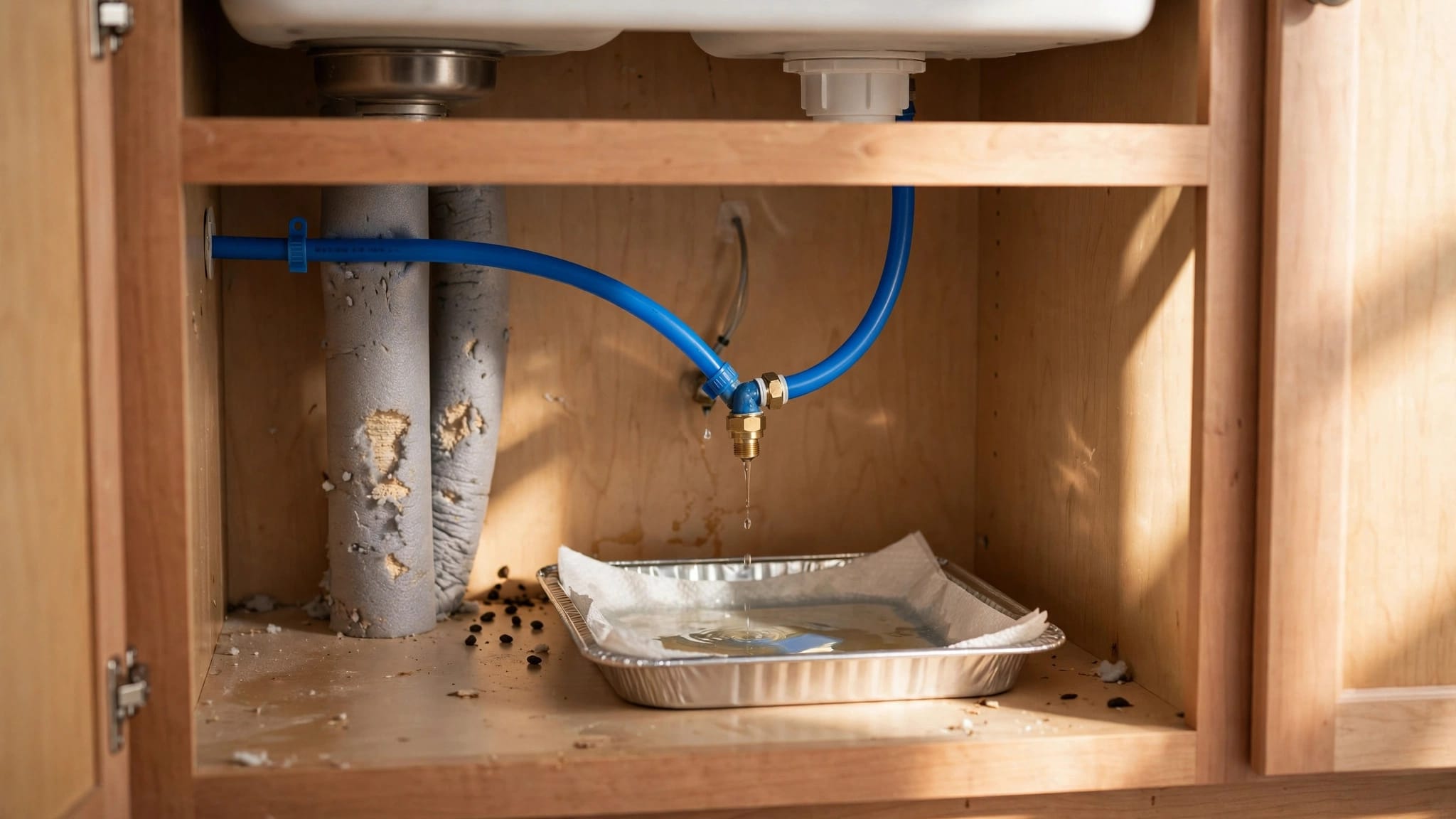
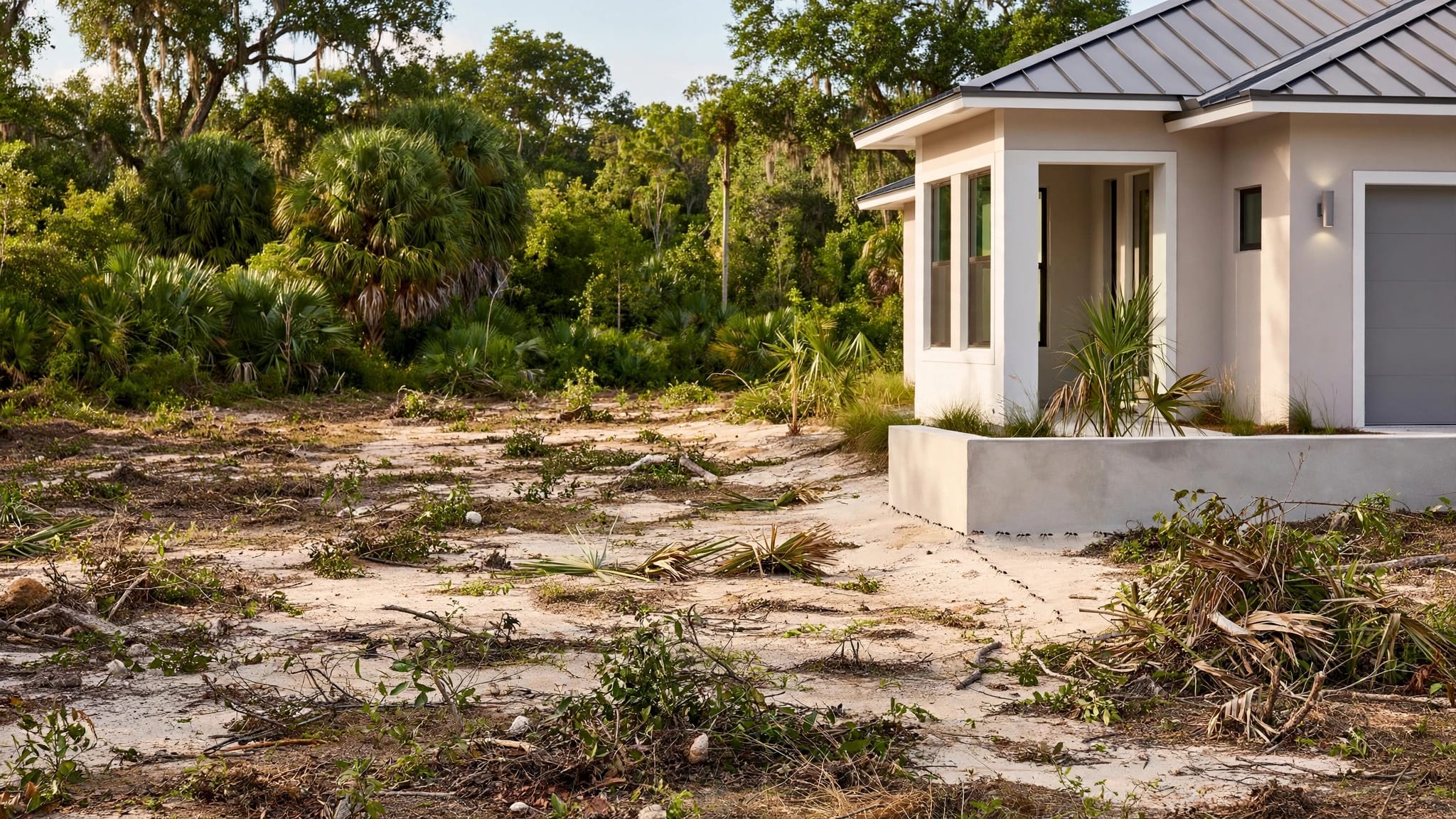
Keep soil, mulch, and wood debris from creating easy access to the home. Repair plumbing leaks and roof leaks quickly, and make sure gutters move water away from the foundation. Store firewood off the ground and away from exterior walls.
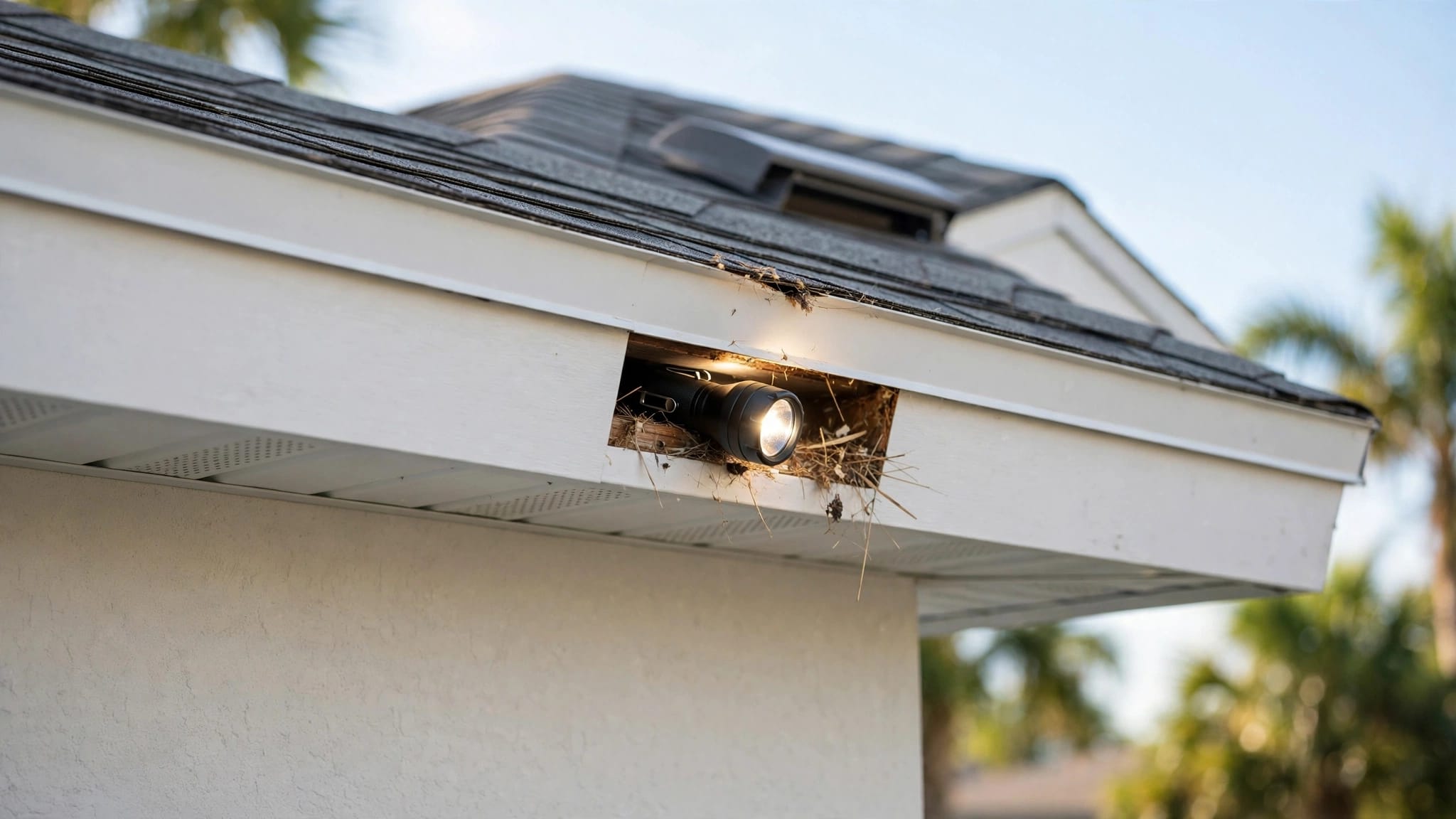
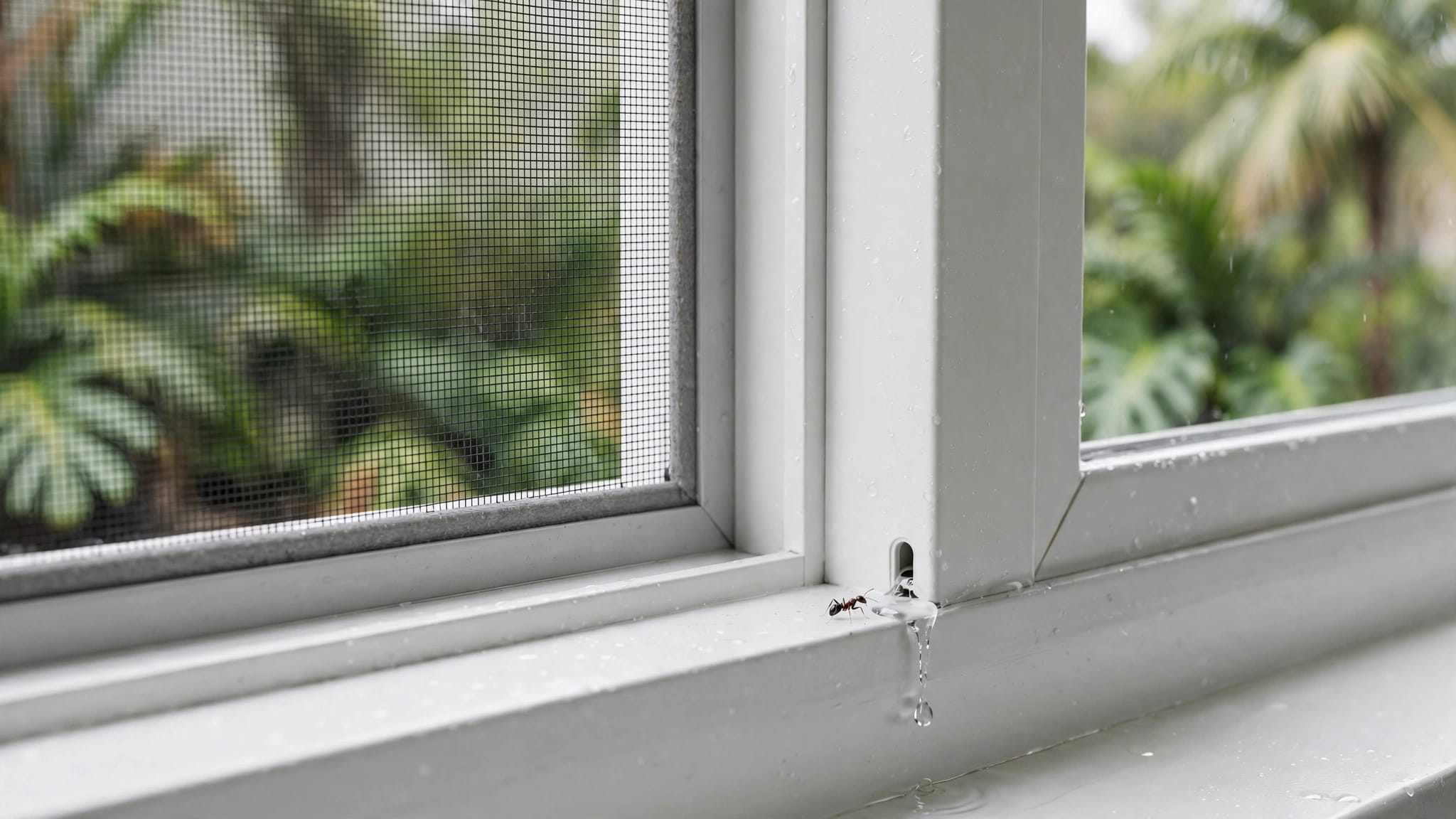
Scheduling annual inspections with a qualified pest control company helps catch problems early. Pay attention to crawl spaces, garages, attic wood, plumbing penetrations, window frames, and areas near slab edges. While drywood termites can remain hidden inside roof and wall components, aggressive subterranean termites and destructive Formosan termites often enter through concealed routes around foundations.
A professional inspection is especially useful before buying or selling a home, after renovations expose framing, or when you find wings, pellets, mud tubes, or hollow wood. Prompt termite treatment may limit the area that needs repair, even though homeowners insurance generally won't pay for the treatment itself or routine preventative measures.
Frequently Asked Questions
Does standard homeowners insurance cover termite damage in Florida?
No, standard homeowners insurance policies in Florida typically exclude direct termite damage, infestations, and pest treatments. Insurers generally classify these issues as preventable maintenance problems rather than sudden and accidental losses.
Are there any situations where termite damage is covered?
Coverage may apply in limited scenarios where termites trigger a separate covered peril, such as an electrical fire caused by chewed wiring or a sudden structural collapse. However, these exceptions are narrow and depend heavily on specific policy wording and the facts of the loss.
How can Florida homeowners protect themselves against termite repair costs?
Homeowners can obtain protection by purchasing a termite bond, retreatment warranty, or specialized pest control service agreement. Additionally, scheduling routine annual inspections and addressing moisture issues promptly helps prevent extensive hidden damage.
Conclusion
For most Florida homeowners, direct termite damage and termite treatment fall outside standard homeowners insurance. Coverage may apply when termites contribute to a separate covered peril, but those exceptions depend on exact policy wording and the facts of the loss.
If you find evidence of termites, document it, arrange a professional inspection, and contact your insurer before making major repairs. Then compare the policy exclusions with any termite bond, termite warranty, or pest-control agreement you have. Relying on termite damage insurance Florida coverage is no substitute for annual inspections and timely pest control.
Schedule a Free Inspection: