Termite Warranties in Florida: What They Cover
Florida termite warranties can look similar at first glance, but the fine print may change what you receive after an infestation. One plan may cover retreatment only, while another may include limited damage repairs under strict conditions.
That difference matters in Southwest Florida, where warm weather supports termite activity throughout the year. Before you sign, you should know what the company will inspect, treat, repair, and exclude. Start with the coverage terms, then compare renewal rules, property requirements, and service obligations.
Key Takeaways
- Most termite warranties cover inspections and retreatment, not every type of property damage.
- Repair coverage costs more and usually includes strict limits, exclusions, and claim requirements.
- Annual inspections, timely payments, and access to the property often keep a warranty active.
- Drywood and subterranean termites may require different treatments and separate contract terms.
- The written agreement matters more than the sales description.
Why Termite Warranties Matter in Florida
A termite warranty is a service agreement between you and a licensed pest control company. In exchange for an initial treatment and ongoing fees, the company agrees to inspect your property and take certain steps if covered termites return.
These agreements are often called termite bonds, termite protection plans, or termite service contracts. The name matters less than the actual promises in the document. Some contracts provide retreatment only. Others may include limited repair coverage for new termite damage.
Florida homes face several termite concerns. Subterranean termites live in soil and can reach structures through foundation cracks, utility penetrations, plumbing areas, and other openings. Drywood termites can live inside wooden components without direct soil contact. Their treatment methods, inspection requirements, and coverage terms may differ.
A warranty also doesn't make a home termite-proof. It creates an ongoing service arrangement designed to detect or treat covered activity. Construction changes, moisture problems, inaccessible areas, and untreated additions can affect protection.
Homeowners insurance usually doesn't cover termite damage because insurers classify it as a maintenance or infestation problem. A termite warranty may provide more help, but it still isn't property insurance. The company only accepts the responsibilities listed in the contract.
For a clearer look at local inspection and treatment options, review this guide to termite control in Cape Coral.
What Termite Warranties Usually Include
Coverage depends on the provider, termite species, treatment method, and property type. Still, most Florida termite warranties contain several common services.
Initial inspection and treatment
Before the warranty begins, technicians usually inspect the structure and surrounding areas for live termites, damage, conditions that attract termites, and possible entry points. The company may also identify areas it can't inspect, such as enclosed wall spaces or blocked crawl spaces.
If the inspection finds active termites, the company normally recommends treatment before issuing ongoing coverage. Treatment may involve a liquid termiticide, bait stations, wood treatment, fumigation, or a combination of methods. The chosen approach depends on the termite species and the location of the activity.
The contract should identify the covered structure. A detached garage, dock, shed, pool house, or screened enclosure may require separate attention. Vacation rentals and commercial buildings can also need broader coverage because of their size, occupancy, and construction.
Periodic inspections
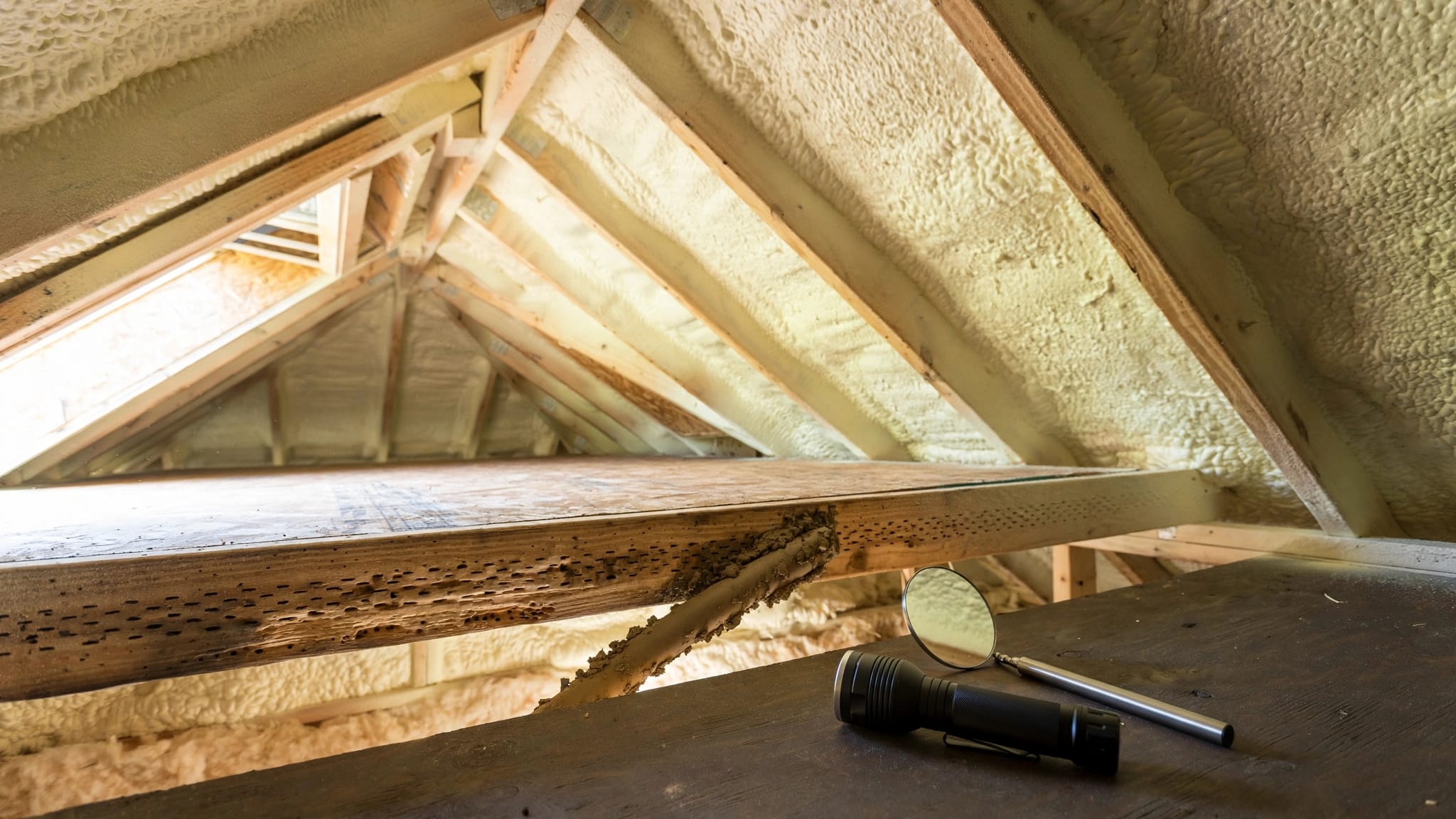
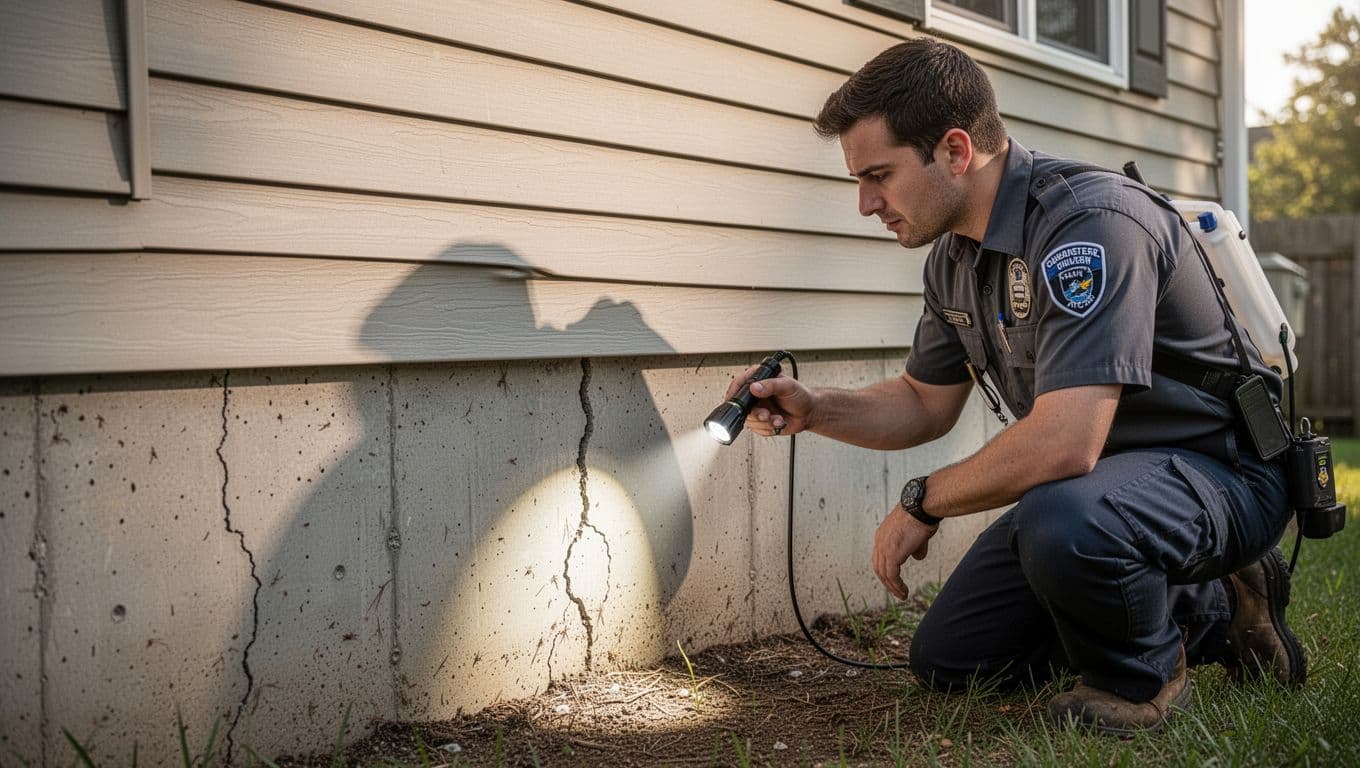
Many warranties include scheduled inspections, often once each year. During an inspection, the technician looks for termite activity, visible damage, mud tubes, discarded wings, swarmers, damaged wood, and conditions that could affect treatment.
A routine inspection doesn't reveal every problem. Termites can remain hidden behind walls, under flooring, or inside structural wood. However, regular visits give the provider a chance to spot changes before the infestation spreads.
Some contracts require the homeowner to schedule the inspection. Others place the responsibility on the company. Read the agreement to see which rule applies, especially if you own a second home or rental property.
Retreatments for covered activity
Retreatment is the most common warranty benefit. If the covered termite species returns during the contract period, the company may apply additional treatment at no extra service charge.
Retreatment doesn't always mean the provider will treat every part of the property. The company may limit service to the covered structure, affected area, or treatment zones named in the agreement. It may also require access to interior rooms, garages, attics, crawl spaces, or other areas.
A retreatment-only plan may be useful for ongoing termite control, but it doesn't automatically pay for repairs. That distinction is one of the most important details in termite warranties in Florida.
Limited damage repair coverage
Some plans include repair coverage for new termite damage. This benefit usually applies only when the homeowner meets every contract requirement and the company confirms that covered termites caused the damage during the warranty period.
Repair coverage often includes a maximum dollar limit. It may also exclude cosmetic damage, contents, landscaping, detached structures, moisture damage, previous damage, and damage that existed before the contract began.
The agreement may require you to report suspected activity quickly. It can also require the provider to perform all inspections and treatments. A homeowner who skips an inspection or hires another company may lose repair eligibility.
What a Florida Termite Warranty May Exclude
The exclusions often determine the real value of a warranty. A contract may sound broad until you review the conditions that limit payment or service.
Common exclusions include:
- Termite species not listed in the agreement
- Damage that existed before the initial treatment
- Areas the technician couldn't inspect or treat
- Detached structures that aren't named in the contract
- Water damage, wood rot, mold, and ordinary deterioration
- Damage caused by construction, remodeling, or moving structures
- Landscaping, furniture, stored items, and personal belongings
- Costs above the repair limit
- Repairs that begin before the company approves the claim
Drywood termite coverage deserves close attention. A standard subterranean termite plan may not cover drywood termites, and soil treatment won't solve a colony inside roof framing or furniture. If you see small piles of pellets, damaged wood, or winged termites indoors, ask which species the contract covers.
Moisture also creates confusion. Leaking pipes, poor drainage, roof leaks, and damp crawl spaces can make a property more vulnerable. The warranty may require you to correct those conditions. Even when the company retreats the structure, it may exclude damage tied to an unresolved moisture problem.
A warranty covers the agreement's listed services, not every termite-related expense.
Read the cancellation language as well. Missed payments, denied access, unpaid renewal fees, and failure to correct required conditions can end coverage. A company may offer reinstatement, but the terms can include a new inspection or additional treatment.
How to Compare Termite Warranties
Price matters, but the lowest annual fee may provide the narrowest protection. Compare the contract line by line before choosing a plan.
First, confirm the covered termite species and structures. Ask whether the plan applies to the main home, garage, shed, fence, dock, or rental unit. If you own a condominium, verify whether the contract covers your unit only or includes shared building areas.
Next, identify the treatment method and renewal schedule. Liquid barriers and baiting systems work differently, and each requires different maintenance. A bait program may require regular station checks. A liquid treatment may depend on intact soil barriers and notification after landscaping or construction work.
Then ask these questions in writing:
- Does the plan provide retreatment only, or does it include damage repairs?
- What is the maximum repair amount?
- Which termite species and structures are covered?
- How often will inspections occur, and who schedules them?
- What happens if the company finds inaccessible areas?
- Are there fees for missed appointments, renewals, or emergency visits?
- Can the warranty transfer to a buyer during a home sale?
- What changes require advance notice, such as additions, patios, plumbing work, or landscaping?
The transfer rule can affect a home's sale. Some providers allow a buyer to assume the warranty after an inspection and transfer fee. Others end the agreement when ownership changes. Never assume coverage follows the property automatically.
Ask for a copy of the full contract, not only a brochure or estimate. Look for sections titled covered services, limitations, exclusions, customer responsibilities, renewal, cancellation, and claims. If a salesperson makes a promise, ask for that promise in the written agreement.
A local provider may also be easier to reach when your property needs a follow-up inspection. Shield Home & Pest Control offers local termite and pest removal services for homes and businesses in Cape Coral, Fort Myers, Punta Gorda, Bonita Springs, and Sanibel.
When a Termite Warranty Makes Sense
An ongoing warranty can make sense if your home has a history of termites, sits near wooded or landscaped areas, or includes older wood components. It may also help owners of vacation homes who can't inspect the property often.
The plan becomes more useful when it includes regular inspections, clear retreatment terms, and a repair limit you understand. Consistent monitoring can also help you notice activity after storms, remodeling, irrigation changes, or landscaping work.
However, a warranty may not fit every situation. If the contract covers only one structure, excludes the termite species found on your property, or offers no meaningful claim protection, the annual fee may provide limited value.
Calculate the total cost over several years. Include the initial treatment, renewal charges, inspection fees, repair deductibles, transfer costs, and required property corrections. A clear contract with realistic coverage is more useful than a low price with broad exclusions.
Conclusion
Termite warranties in Florida usually provide ongoing inspections and retreatment for covered termite activity. Repair benefits may exist, but they often include dollar limits, species restrictions, exclusions, and strict homeowner responsibilities.
Before signing, confirm the covered structures, treatment method, renewal terms, inspection schedule, transfer rules, and repair language. The strongest protection is the plan you can understand and maintain, not the one with the most impressive promise.
Schedule a Free Inspection: