Southern House Spiders in Cape Coral Garages and Lanai Corners
A quiet garage corner can collect more than dust in Cape Coral. Southern house spiders often settle in dark, sheltered spots where they can stay hidden and close to insect food.
That means garages, lanai corners, and trim edges can become regular hangouts. If you keep finding webs in the same places, the problem usually points to shelter, entry gaps, and nearby insects, not panic.
Why Cape Coral garages and lanai corners attract them
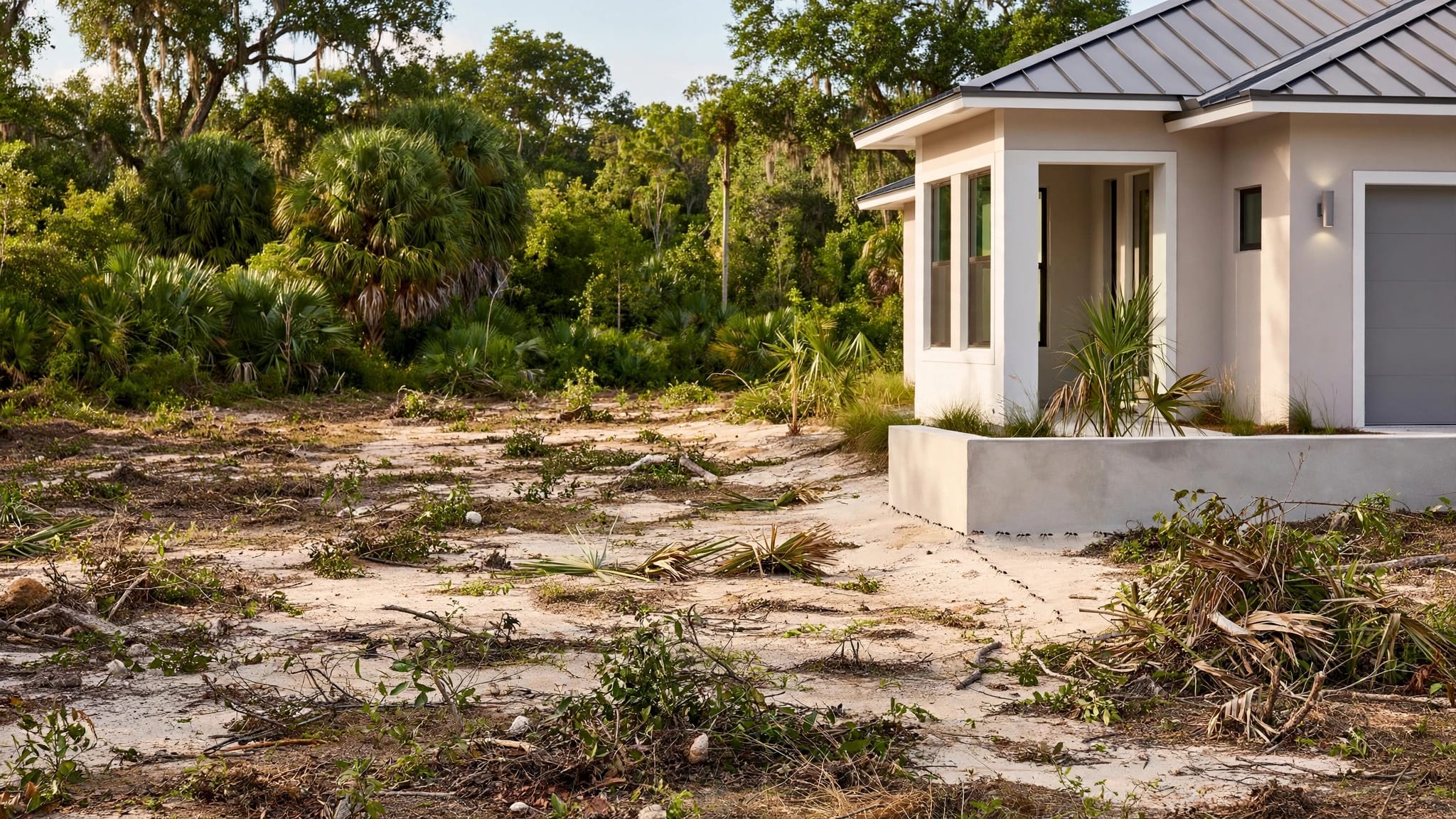
Cape Coral homes give spiders plenty of places to settle. Garages often stay dim, still, and cluttered. Lanais add another layer of protection, with screens, roof lines, and corners that rarely get disturbed.
Those spaces also collect prey. Outdoor lights draw moths, flies, and other insects at night. Once bugs gather, spiders follow.
Clutter makes the situation worse. Boxes, folded tarps, lawn gear, and pool supplies create calm pockets where webs can stay undisturbed. A spider does not need a large opening. A tiny crack, loose screen edge, or gap around trim is enough.
Humidity plays a part too. Southwest Florida weather keeps many sheltered areas from drying out. That gives spiders a stable place to build a web and wait.
Webs often show up where people do not look often. Back corners behind shelving, the top edge of a garage door frame, and the dark angle where lanai screens meet the roof are common spots. If those areas stay quiet, spiders can settle in for weeks.
How to recognize a southern house spider
These spiders often look more dramatic than they are. They usually have a brown to gray-brown body, long legs, and a somewhat flat shape. Females tend to stay in a web retreat, while males wander more often across walls, ceilings, and window frames.
That wandering behavior surprises homeowners. A male can turn up near a light switch or along a garage ceiling, and it may look like an active infestation. In many cases, it is one spider moving through an area it already knows.
Their webs can look messy or uneven. They often tuck into corners, cracks, and protected edges. If you spot a web that seems to pull inward toward a hidden funnel or a tight crevice, that is a strong clue.
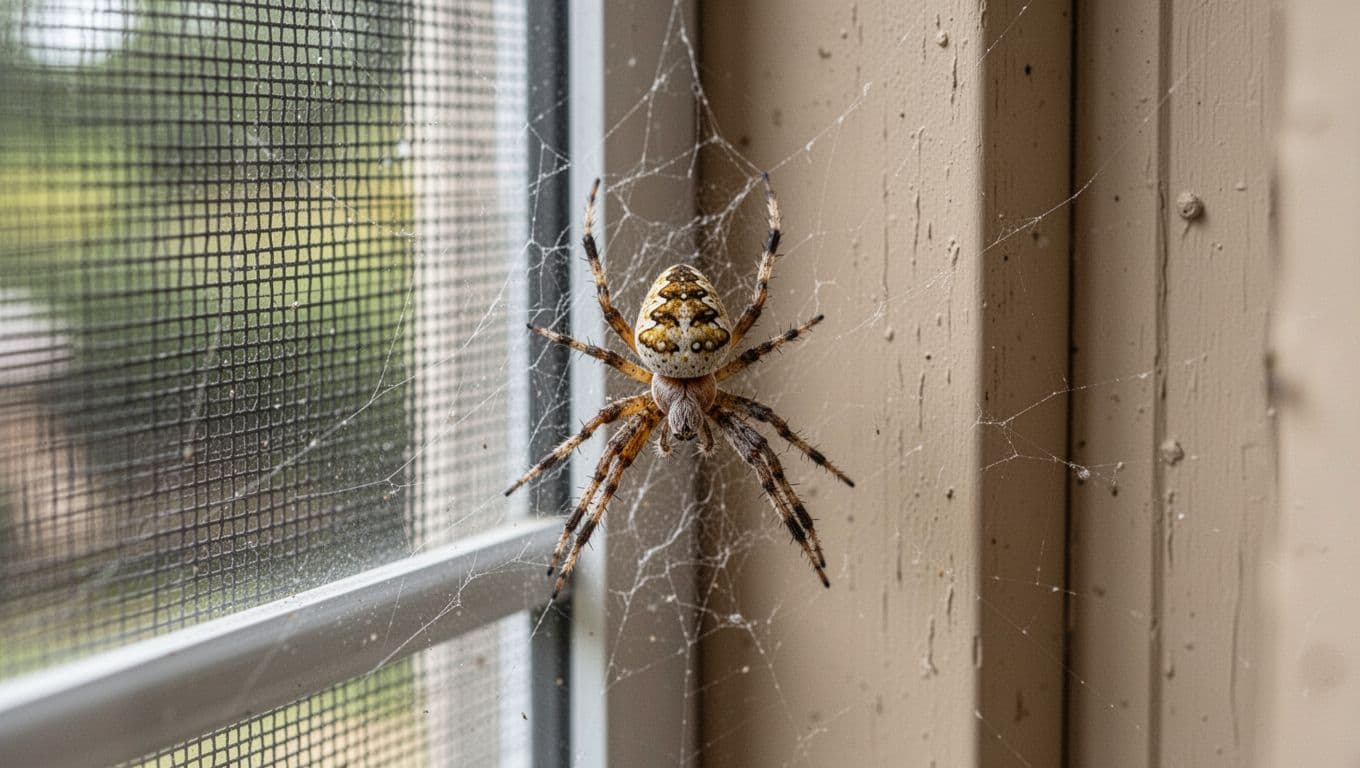
They are often mistaken for other spiders because they can look bold at first glance. Still, the main thing for homeowners is simple: if the spider keeps showing up in a sheltered corner, it is probably using the space the way the home allows.
Most repeated spider activity in a garage or lanai starts with shelter and food, not with a sudden home-wide problem.
Why they keep showing up near doors, screens, and trim
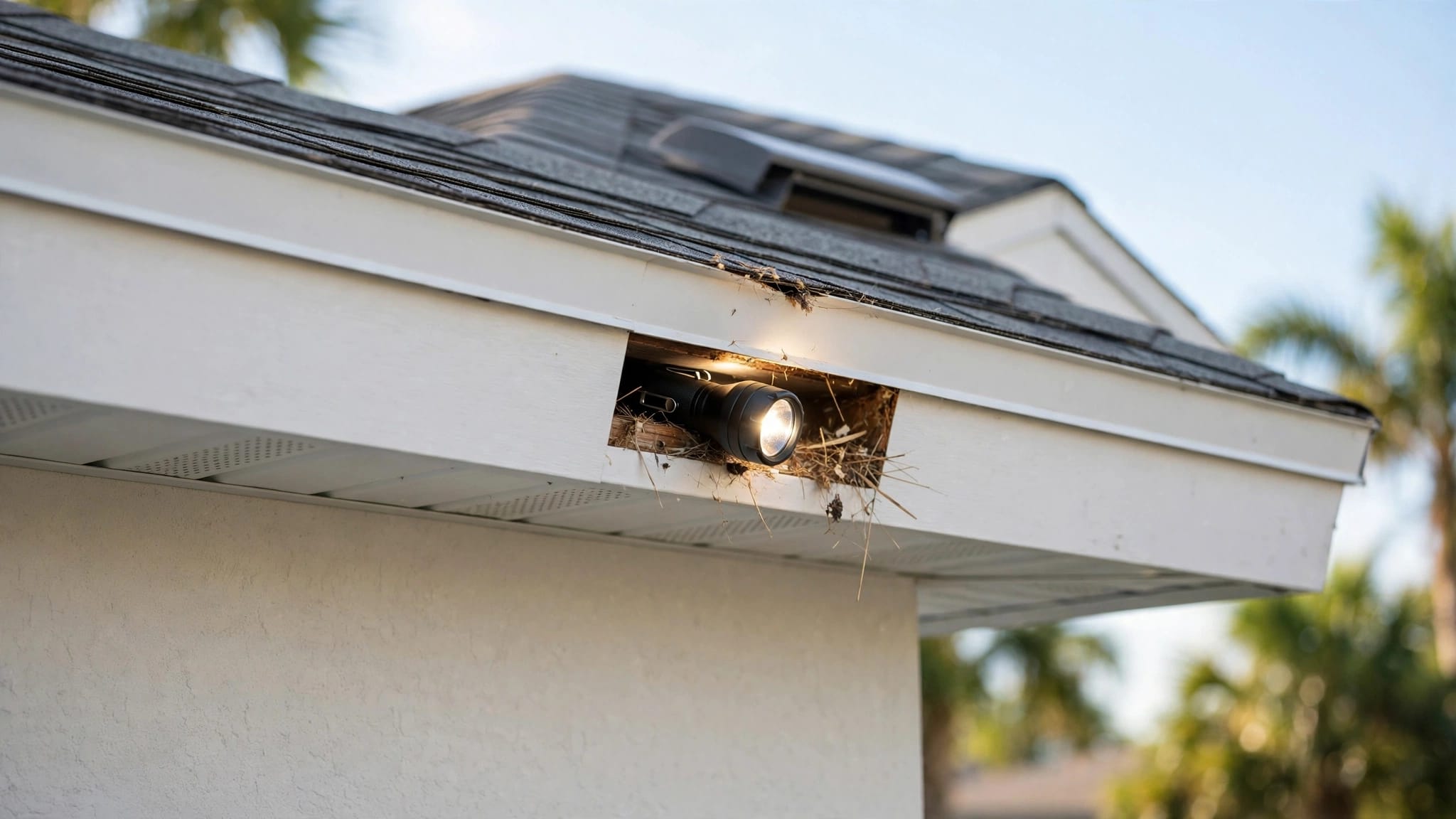
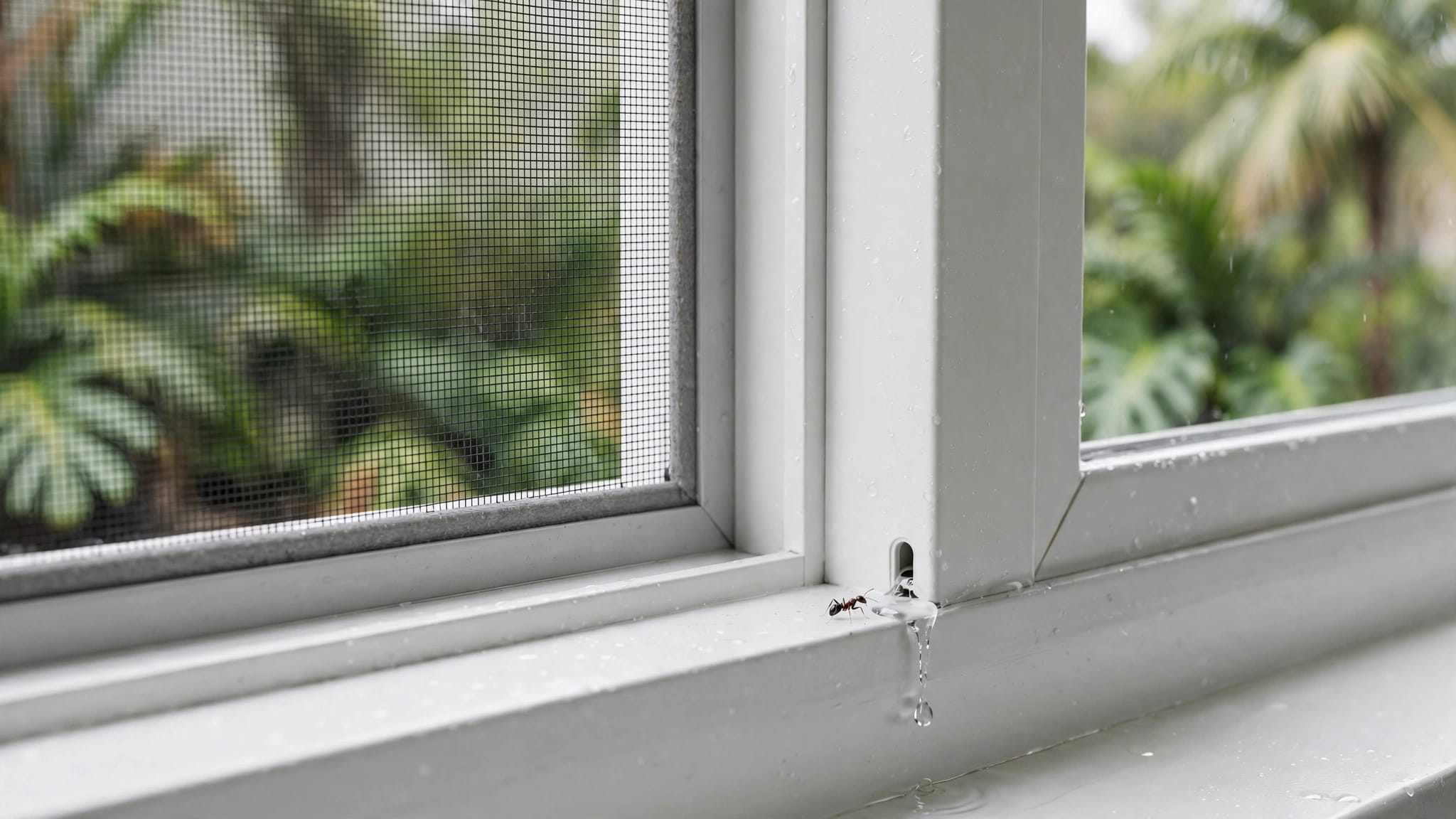
Entry points matter more than many people think. A spider can move in through small gaps around doors, screen frames, window edges, and exterior trim. Once inside, it can stay near the same protected path.
Lights near doors make things easier for them. When light pulls insects toward a screen door or patio opening, spiders often follow the food source. That is why webs sometimes appear right beside lanais, porch lights, and garage entries.
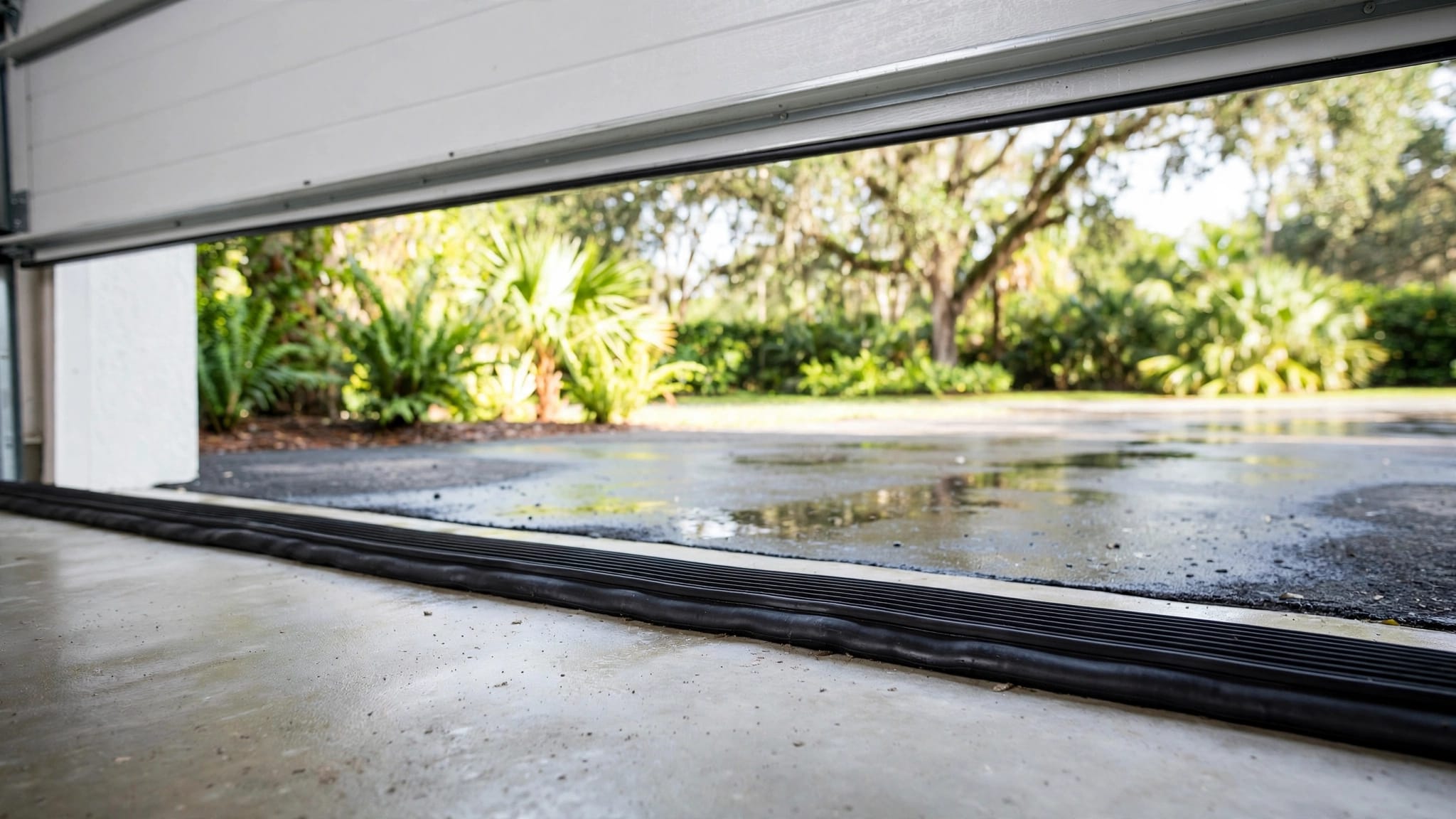
Door sweeps and weatherstripping wear down over time. Screens tear. Caulk shrinks. Trim pulls away a little. None of those problems looks large, yet each one opens a path.
Spiders also like edges that stay still. The corner above a garage door opener, the seam near a soffit, and the top rail of a lanai can all become a web anchor. Once a spider finds a stable spot, it often stays close unless cleaning or light traffic disturbs it.
For Cape Coral homeowners, the pattern is easy to miss. A web gets swept away, then another appears in the same corner a week later. That usually means the area still offers the same shelter and access.
Simple prevention that works in Cape Coral homes
A few steady habits make a real difference. The goal is to remove hiding places and cut down on insect traffic.
- Reduce clutter in garages and lanais . Keep cardboard, storage bins, and seasonal items off the floor when you can. Open space gives you fewer dark hiding spots to deal with later.
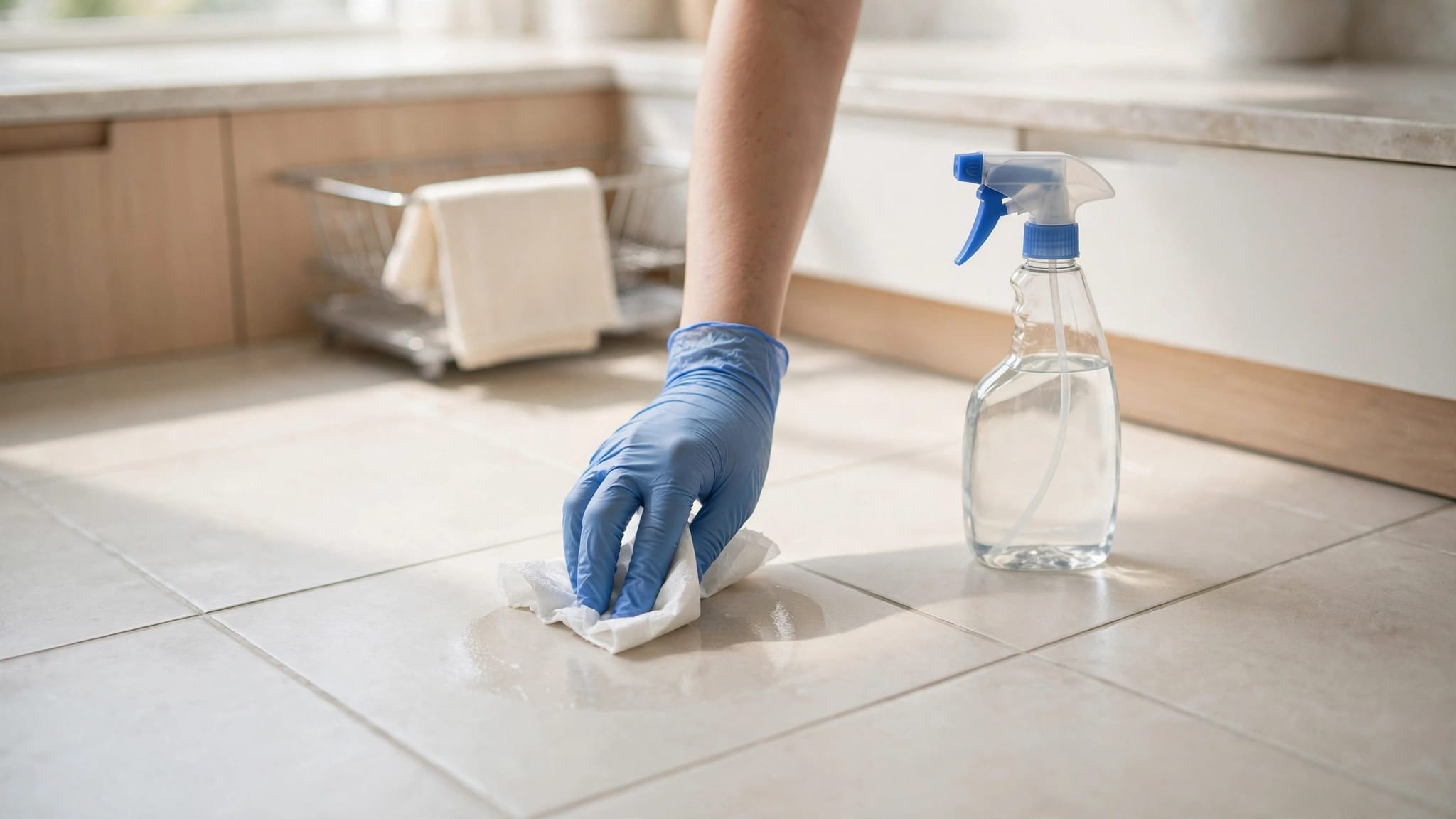
- Sweep webs and egg sacs regularly . A quick pass with a broom or vacuum keeps corners from turning into long-term retreats. In busy spots, weekly cleaning helps.
- Seal small gaps . Check around doors, screen frames, trim, and utility openings. Fresh caulk and new weatherstripping can close off common entry points.
- Repair damaged screens . Even a small tear can invite insects inside, which then brings spiders closer.
- Adjust outdoor lighting . Use lights only where you need them, and consider warmer bulbs or shielded fixtures that attract fewer insects.
- Watch the corners that stay quiet . Garages, pool enclosures, and lanai edges need attention because they are easy to ignore.
Cleaning does more than remove webs. It also tells spiders that the space no longer stays undisturbed. That matters more than spraying a corner and hoping for the best.
If you have a garage that doubles as a storage room, set a monthly check routine. Look behind shelves, near ceiling lines, and around trim. In lanais, inspect screen seams, furniture legs, and the upper corners where webs hide in plain sight.
When repeated spider activity points to a bigger issue
A single spider now and then is normal in Southwest Florida. Repeated webs in the same places tell a different story. That pattern often means the home still offers easy shelter, insect access, or small openings that need attention.
Heavy spraying is not the answer in most garages or lanais. It can leave residue, miss the actual hiding spots, and create more work later. Cleaning, sealing, and routine inspection usually solve more than chemicals do.
If activity keeps coming back, a professional inspection can help sort out the source. A local service such as residential pest control in Cape Coral can check the garage, lanai corners, doors, screens, and trim for the exact places spiders use.
That kind of visit also helps when you are seeing other pests near the same areas. Where insects gather, spiders usually follow. Solve the insect issue, and spider pressure often drops too.
Conclusion
Cape Coral garages and lanai corners give spiders the three things they want most, shelter, stillness, and access to insects. That is why southern house spiders keep showing up in the same quiet places.
The best defense is simple, steady upkeep. Keep corners clear, sweep webs, seal gaps, manage lighting, and inspect doors and screens before small openings turn into repeat problems.
When the same web keeps returning, the home is telling you where the gap is. A careful look at those corners usually reveals the answer.
Schedule a Free Inspection: