Ground Beetles in Cape Coral Garages After Heavy Rain
After a heavy Cape Coral rain, a garage floor can go from clean to crawling with small black beetles in one evening. That sudden wave usually means the weather pushed them in, not that your home has a dangerous infestation.
Ground beetles are common nuisance invaders in Southwest Florida. They live outdoors in soil, mulch, and leaf litter, then move toward dry shelter when the ground gets soaked. If they keep showing up near your garage door, the problem often points to moisture, gaps, or both.
Why heavy rain brings ground beetles into garages
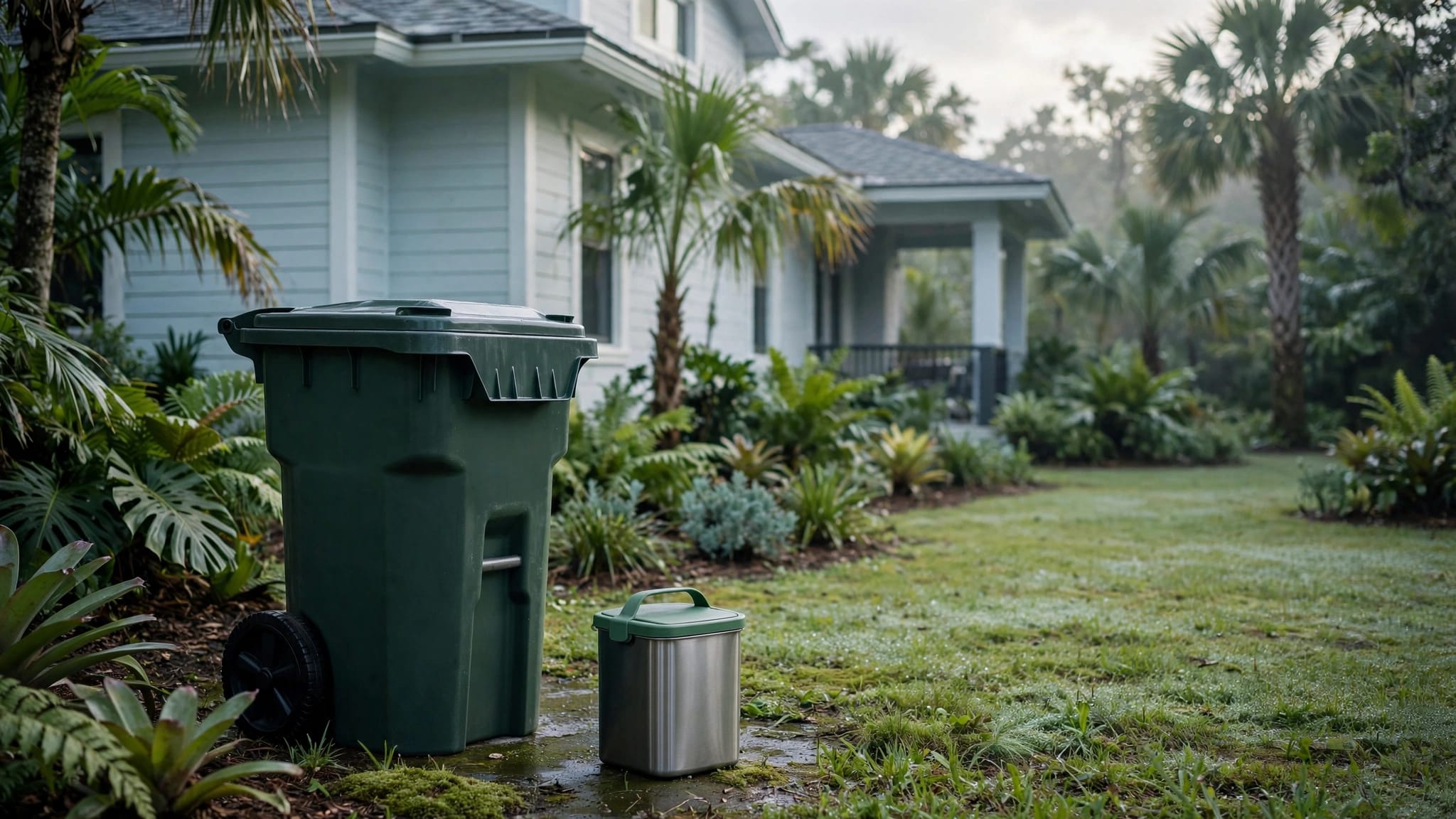
Rain changes the ground fast. Soil stays wet, low spots fill up, and the spaces beetles use for cover disappear. When that happens, they start looking for a dry edge, and garages are an easy target.
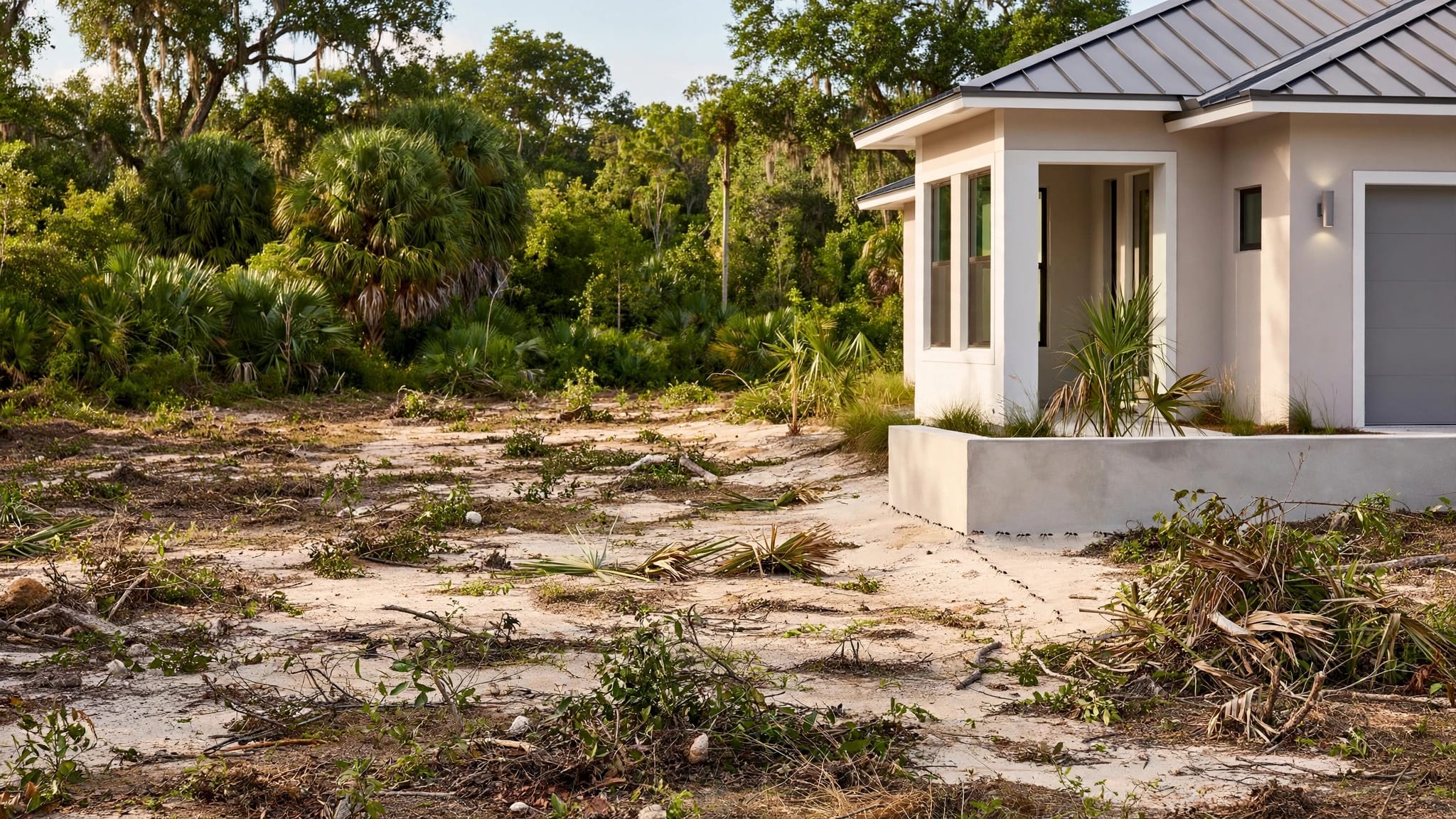
In Cape Coral, that shift can happen quickly after a storm. Water collects along driveways, around landscaping borders, and near slab edges. A garage with a small crack, worn seal, or open threshold gives beetles a simple path inside.
Ground beetles also follow food. They feed on other small insects, so wet weather can move both the beetles and their prey. Lights near the garage door can pull in flying insects at night, which then attracts beetles hunting nearby.
Heavy rain often explains the first few beetles. Repeated visits usually point to an opening or moisture issue.
These beetles are usually more annoying than dangerous. They don't damage wood, wires, or stored items the way some other pests can. The real issue is that your garage is telling you something about how water and entry points are working around the home.
How to identify ground beetles in Cape Coral garages
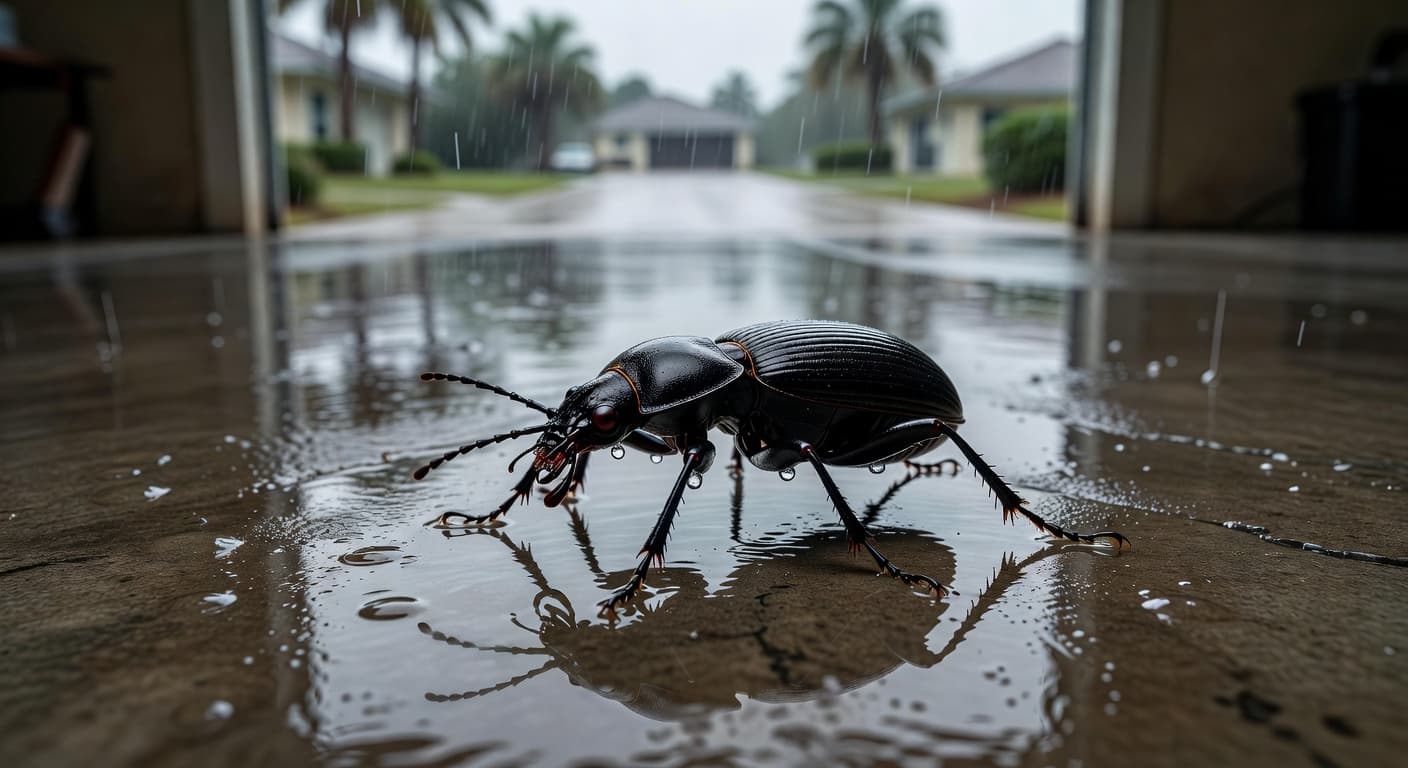
Ground beetles are usually easy to spot once you know what to look for. They tend to be dark, shiny, and fast. Many are black or brown, and their bodies look hard and smooth.
A few quick clues help narrow them down:
- They move fast across concrete and along baseboards.
- They have a hard shell with wing covers that look like neat back plates.
- They stay low and often run instead of flying.
- They show up after rain near doors, walls, or damp corners.
People often mistake them for roaches at first glance. The difference is in the shape and movement. Ground beetles usually look narrower and more polished, while roaches often have a flatter body and a different kind of scuttle. Ground beetles also tend to wander alone or in small numbers, not in the same messy groups that roaches can form.
If you see one or two near the garage door after a storm, that can be normal. If you keep finding them along the same wall or under the same storage shelf, that pattern matters. It usually means they found a dry route indoors and are using it again.
Garage gaps, lights, and moisture that keep them around
A wet yard can push beetles toward the house, but the garage has to offer a way in. That is where small maintenance issues become important.
The most common entry points are simple. A worn door sweep, a cracked threshold, a gap under the side door, or a split in the slab edge can be enough. Even tiny openings matter when beetles are looking for shelter after a storm.
Moisture makes the problem worse. If the garage floor stays damp, if water pools outside the door, or if a downspout dumps too close to the slab, the area becomes more inviting. Beetles do not need standing water inside the garage. They only need a damp path that leads to cover.
Clutter helps them hide. Cardboard boxes, stacked bins, and forgotten tools give beetles places to rest during the day. That makes it harder to notice the pattern early.
Exterior lights can add to the problem too. Bright bulbs near the garage can pull in flying insects, and those insects become part of the food chain. If you see more beetles after the lights have been on, the connection may be simple.
Prevention steps that work after storms
A few practical changes can cut down on ground beetles in Cape Coral garages. The goal is to make the area less wet, less open, and less attractive after rain.
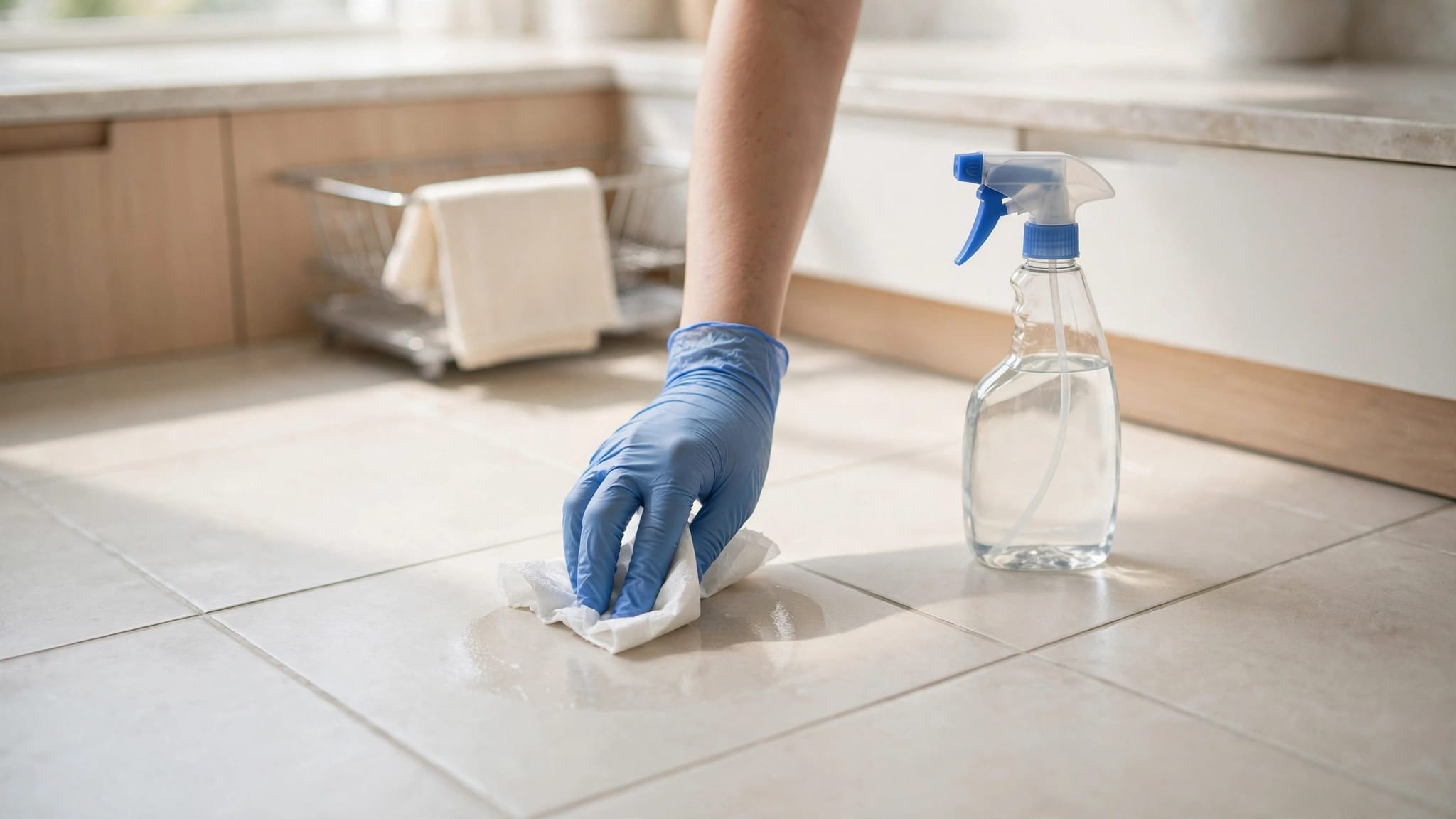
- Remove standing water fast. Check the driveway, the garage entry, and any low spots near the house after each storm. Use a broom, squeegee, or pump if water sits in the same place.
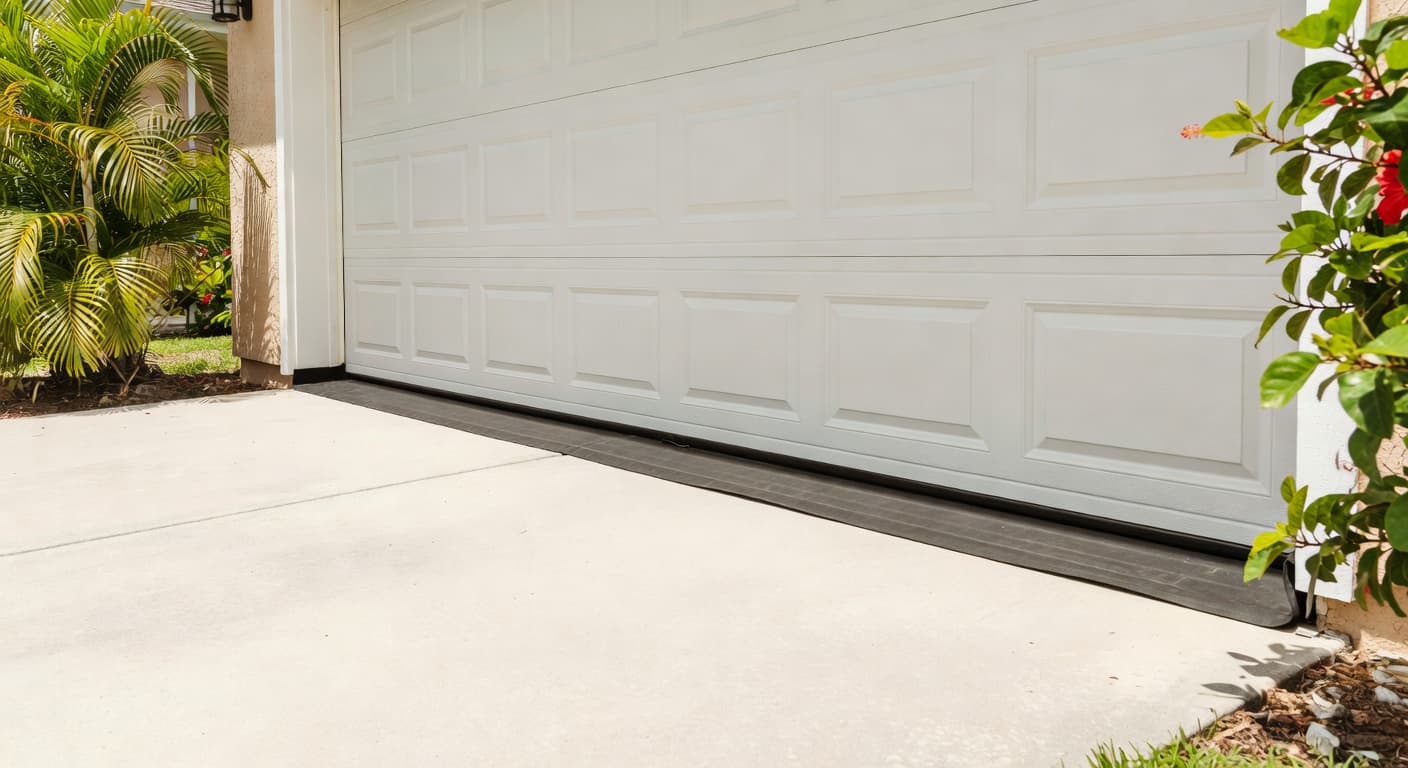
- Seal cracks and gaps. Focus on the bottom of the garage door, the threshold, and any cracks along the slab or walls. A tight seal makes a big difference when insects are pushing inward.
- Improve drainage outside. Make sure gutters, downspouts, and yard grading move water away from the garage. If water runs back toward the door, beetles get a damp path to follow.
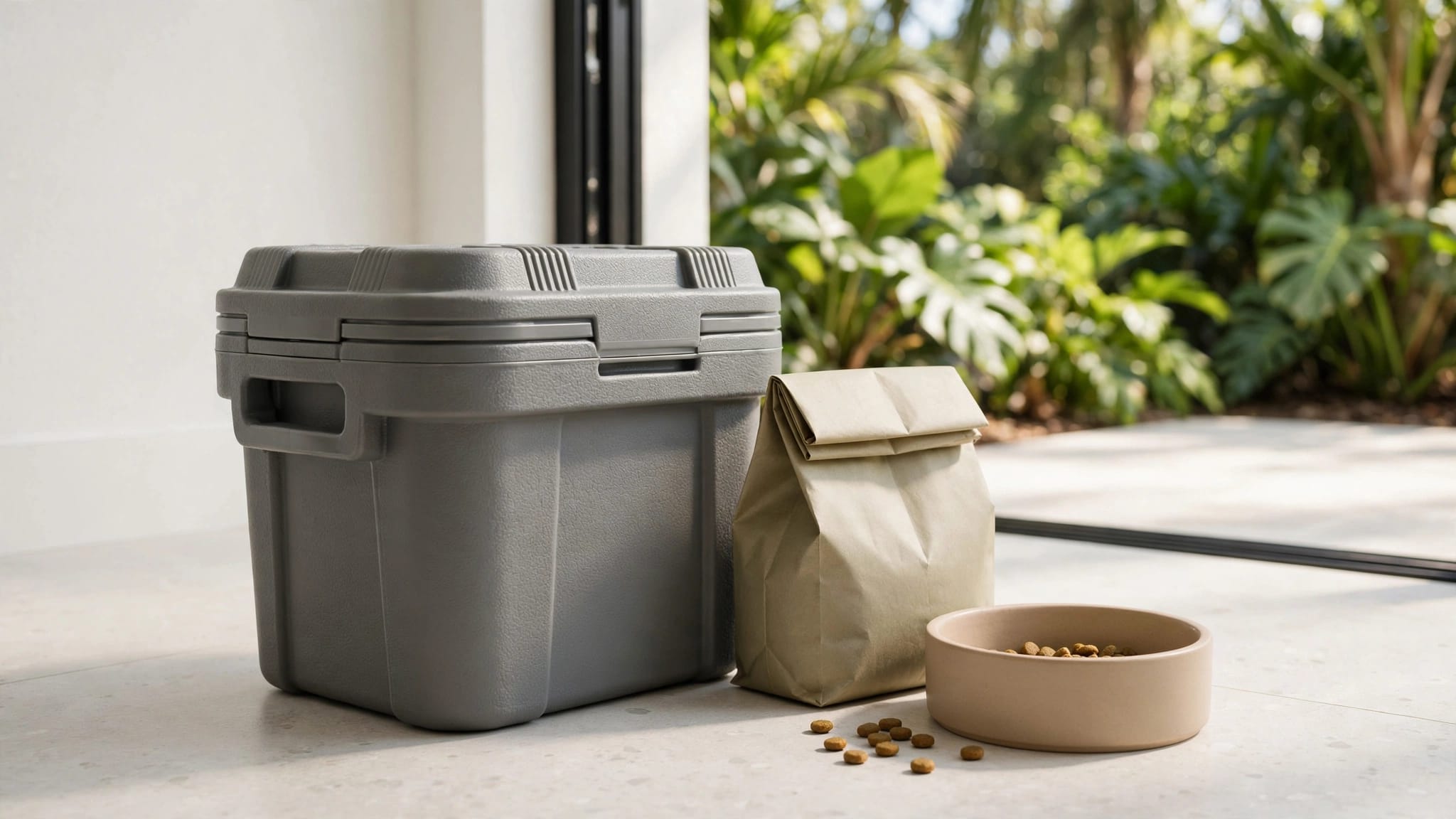
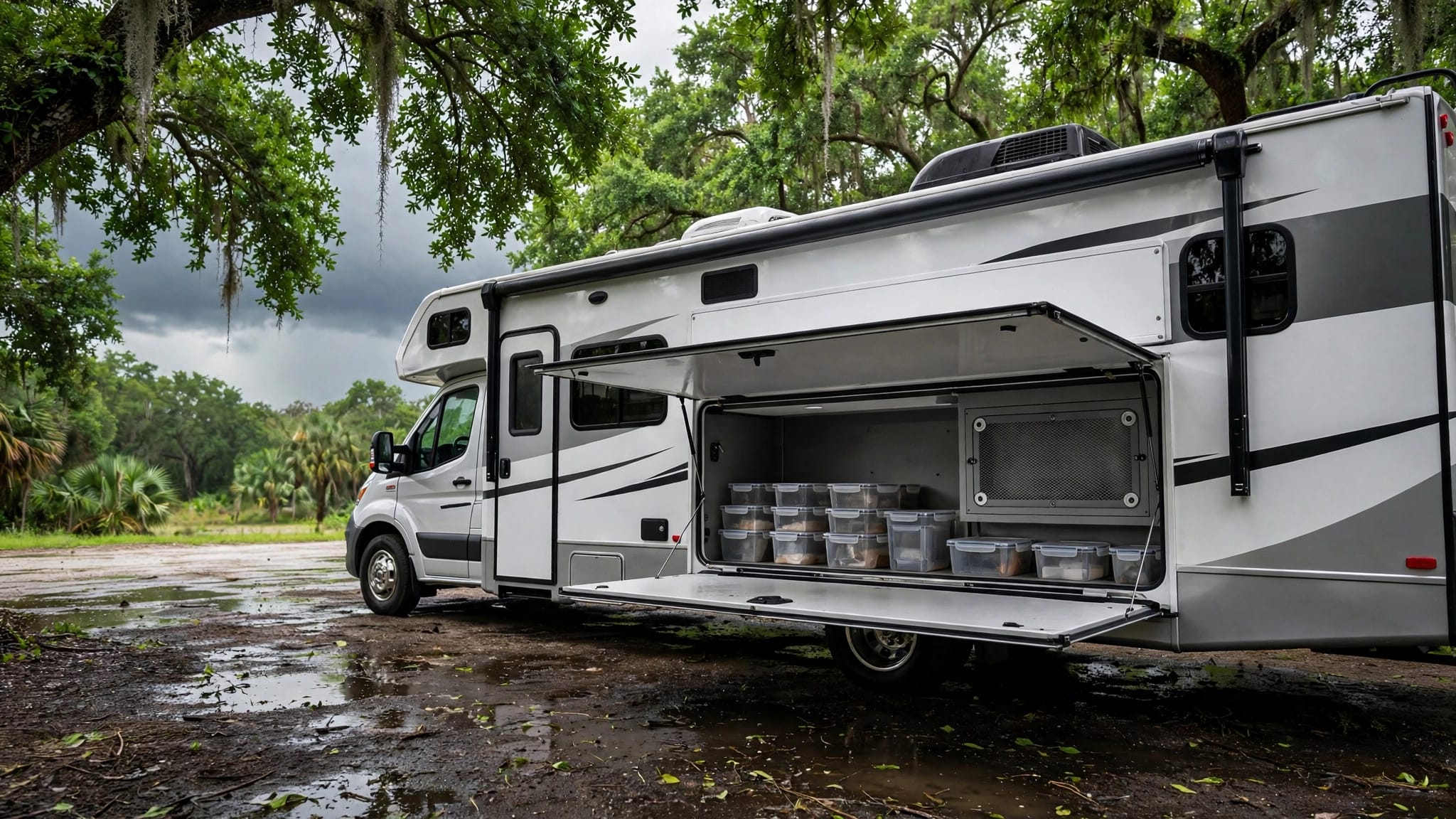
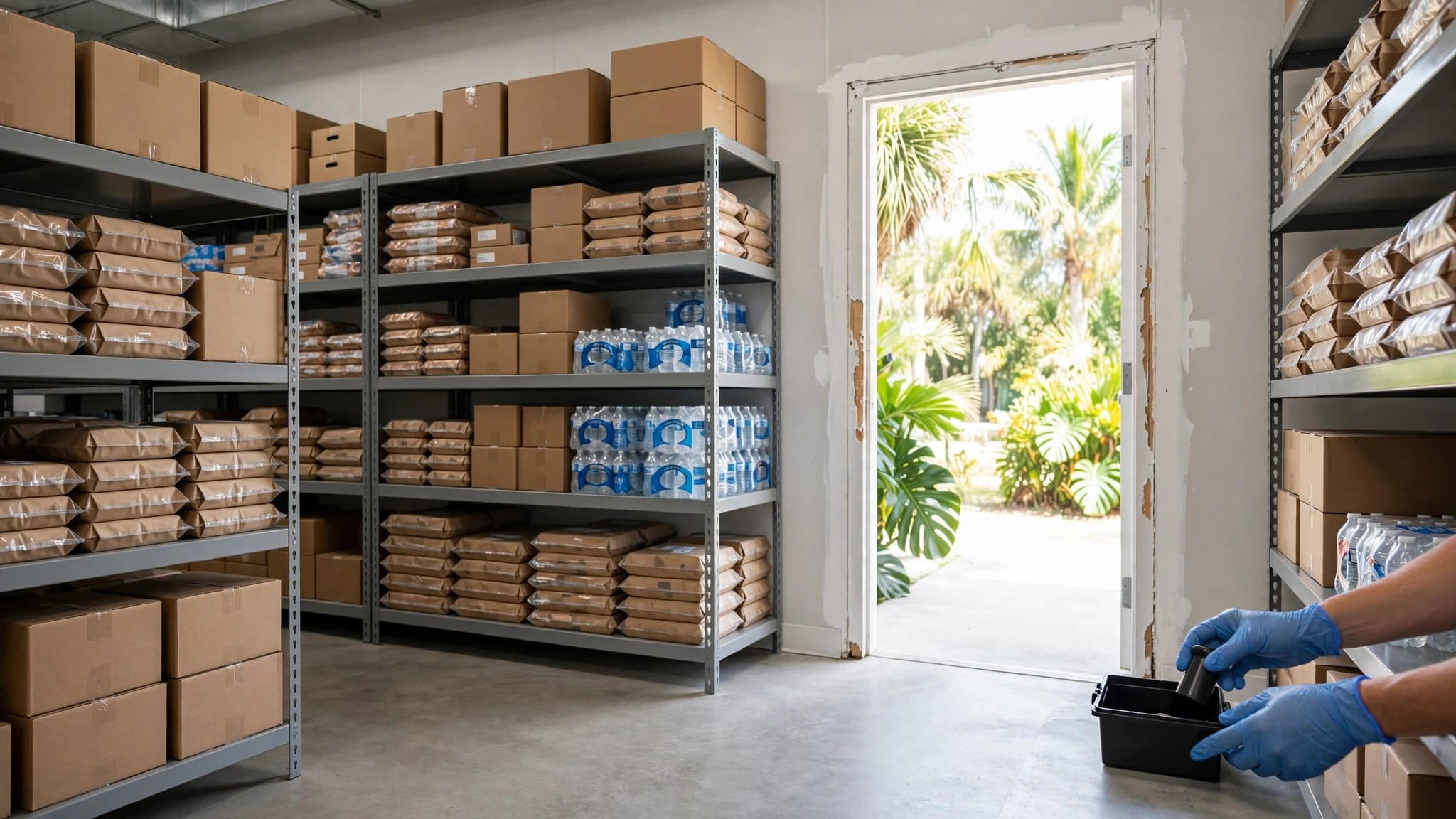
- Cut down clutter. Keep boxes off the floor and store items in sealed bins. Fewer hiding spots mean fewer places for beetles to settle after they get inside.
- Limit lights near the garage door. Use only the lighting you need, and keep bright exterior bulbs away from open gaps when possible. Fewer insects near the door means less traffic for beetles to follow.
A clean threshold and a dry approach area do more than keep the floor tidy. They cut off the main reasons beetles enter in the first place.
When repeated beetles call for an inspection
A few beetles after a summer storm is one thing. Finding them again and again is different. That pattern can point to a damaged seal, hidden moisture, or a crack you haven't found yet.
If you notice the same issue after each heavy rain, it may be time for a closer look at the garage and the surrounding exterior. A residential pest control Cape Coral inspection can help find entry points, damp areas, and other conditions that keep the problem going.
Recurring beetles can also show that more than one factor is involved. Maybe the threshold seal is worn, the mulch sits too high, and the exterior light draws in insects at night. Each issue is small on its own, but together they make the garage easy to reach.
A professional inspection is especially useful when you notice other pests too, or when the garage smells damp after rain. That can point to hidden water intrusion, which deserves attention before it leads to bigger issues.
What heavy rain is telling you
Ground beetles in Cape Coral garages after heavy rain are usually a sign of weather pressure, not a major pest crisis. The beetles moved because the outdoors changed fast, and your garage offered the easiest shelter.
The fix usually starts with drying out the area , sealing the gaps, and reducing the clutter that gives them a place to stay. If the beetles keep coming back, the garage may be showing you where moisture or entry points still need attention.
A dry, sealed garage is far less inviting, and that makes a big difference after the next storm.
Schedule a Free Inspection: