Smokybrown Cockroaches In Cape Coral Garages How To Stop Them
Seeing a big, dark roach dart across your garage floor at night can feel like a jump scare. In Cape Coral, that "garage roach" is often one of the larger outdoor species, and smokybrown cockroaches are a common suspect.
The good news is you can usually stop them without turning your garage into a chemical fog. The key is to treat the garage like a transition zone, seal it up, dry it out, and use the right products in the right places.
Why smokybrown cockroaches end up in Cape Coral garages
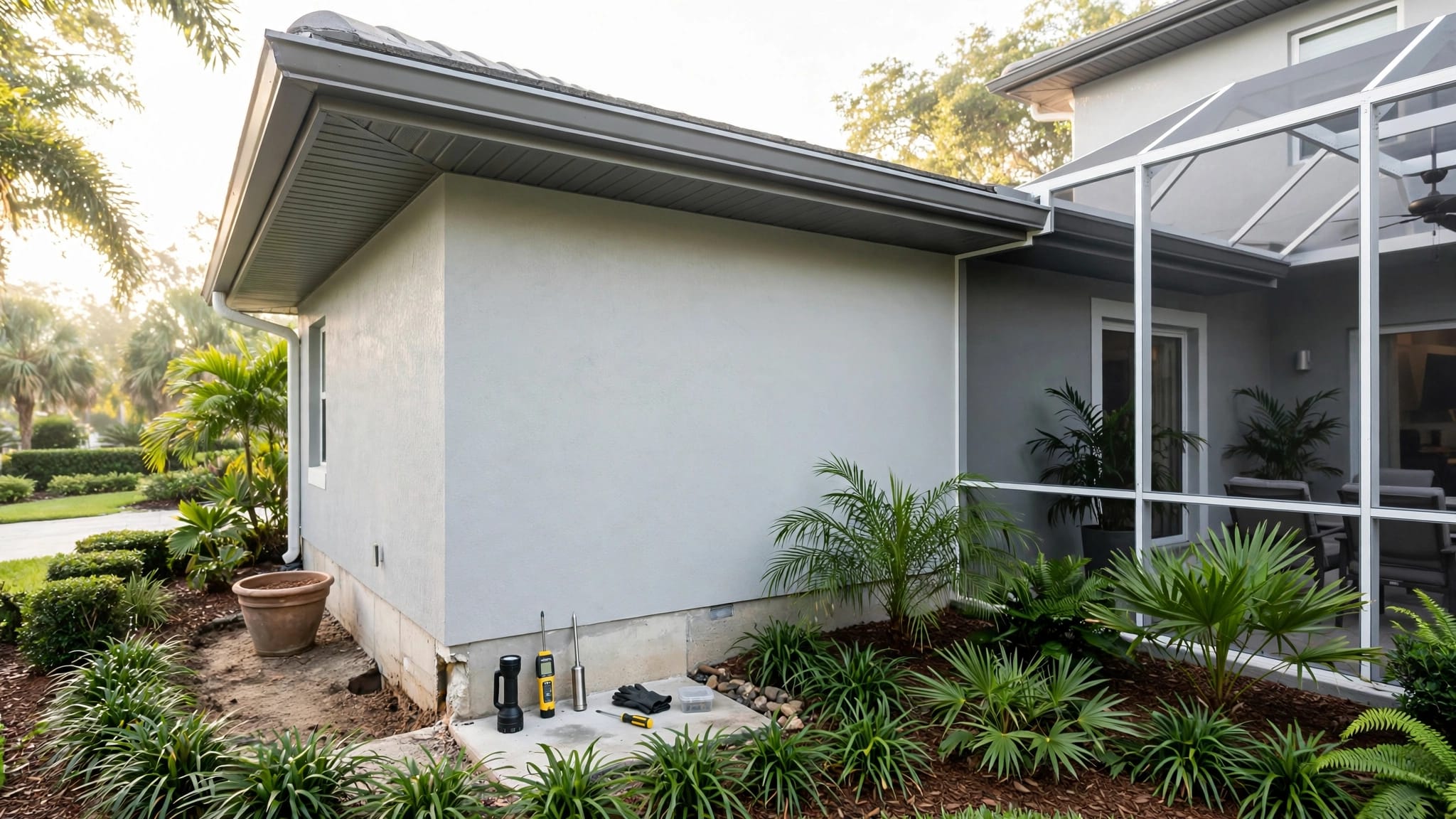
Smokybrown cockroaches usually start outdoors. They thrive in warm, damp areas with lots of hiding spots, think leaf litter, mulch, palm fronds, wood piles, and even cluttered corners near the foundation. From there, the garage becomes the easiest "indoor" space to invade.
A few clues you're dealing with smokybrowns (not the smaller kitchen-infesting types):
- Adults are uniformly dark brown and can look glossy.
- They're big, often around an inch long.
- They're strong fliers and may show up near lights at night.
- You'll spot them in garages, soffits, attics, and around exterior doors more than in kitchens.
Garages attract them for simple reasons: water, shelter, and easy entry. Pet bowls, a sweaty mini fridge, a slow leak by the water heater, or damp cardboard boxes can keep roaches hanging around. Also, Cape Coral's rainy season and hurricane season can push outdoor pests toward drier cover, even if your home is clean.
Quick reality check: if you only see roaches in the garage (and mostly at night), you're often dealing with an outdoor pressure problem , not a "dirty house" problem.
If you want broader home-focused prevention steps, this guide on cockroach control strategies Cape Coral pairs well with the garage plan below.
Garage-proofing steps that cut off food, water, and hiding spots
If you skip the prep work, products won't hold for long. Roaches are like unwanted houseguests, if the garage offers snacks and a place to crash, they'll keep showing up.
Start with moisture control, because it's the biggest driver in Southwest Florida:
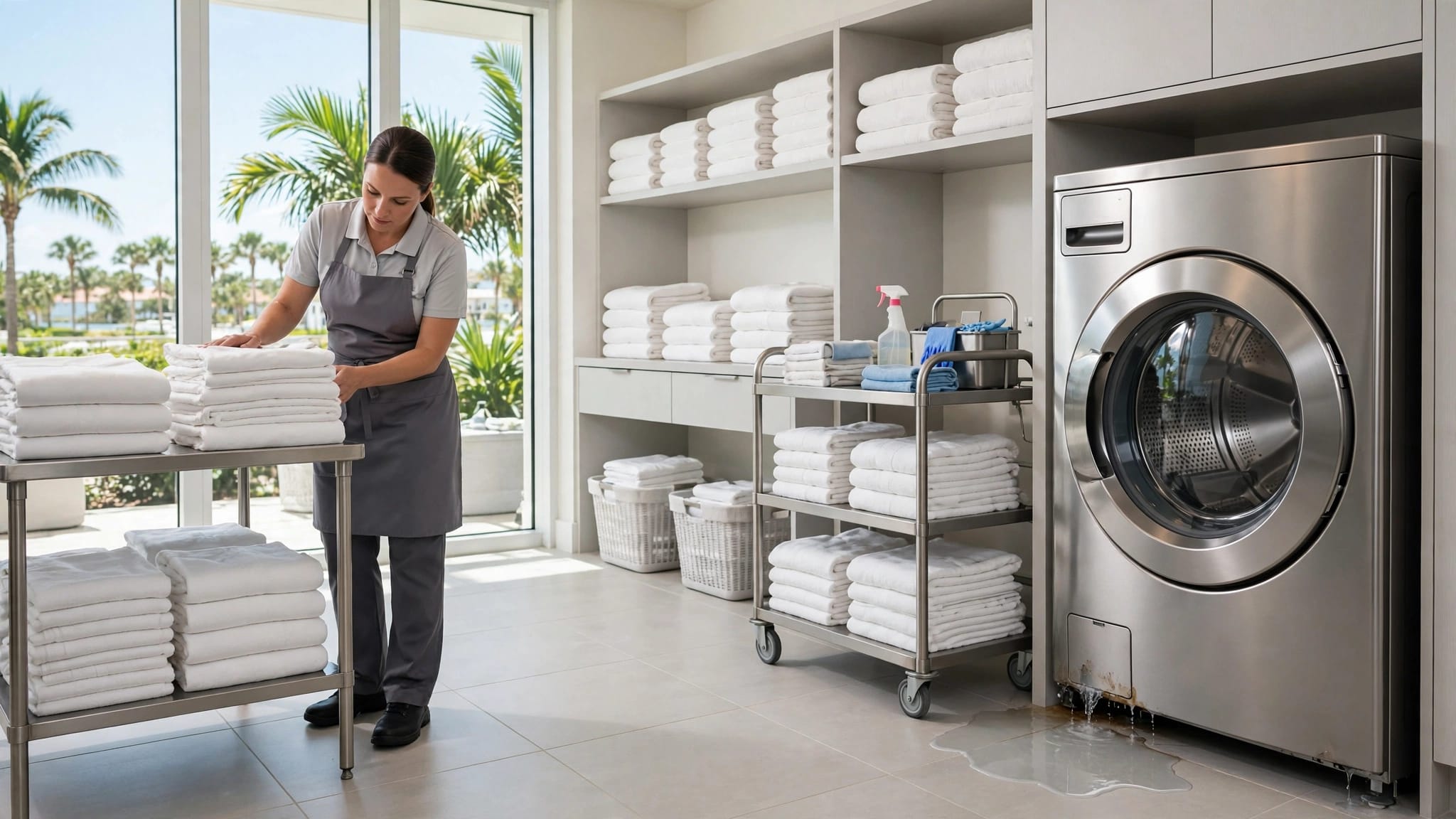
Fix drips and sweat points. Check the water heater pan, washer hookups, softener lines, and the AC air handler if it's in or near the garage. If your garage door is often shut, improve airflow with safe ventilation or a dehumidifier setting if needed. Also, keep weather stripping intact so humid air and rain spray don't blow in.
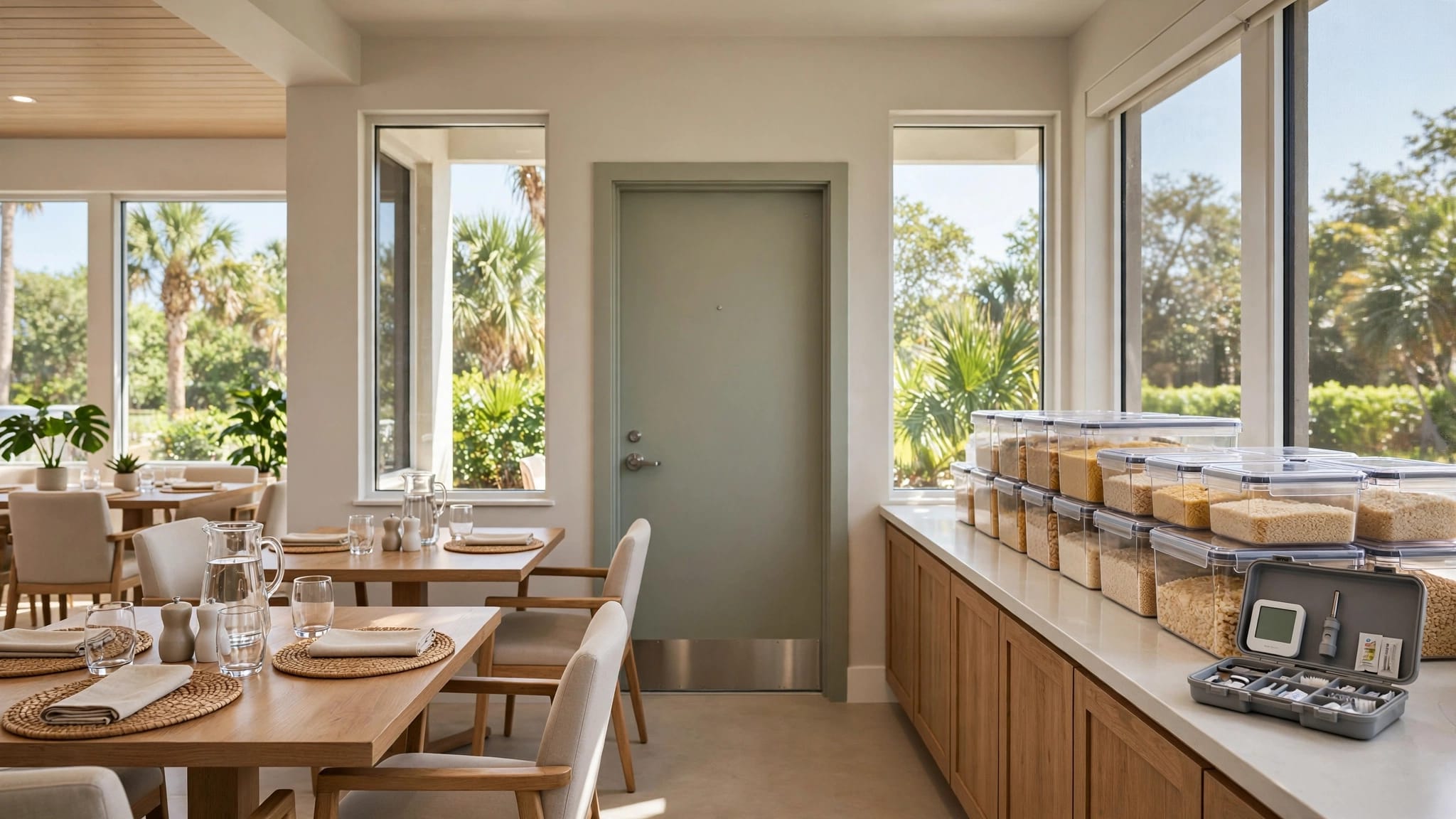
Next, reduce harborage (their hiding spots). Move storage off the floor using shelving. Swap cardboard for plastic bins with tight lids, cardboard holds moisture and gives roaches cover. Clean up palm fronds, leaves, and grass clippings along the garage edge and outside wall.
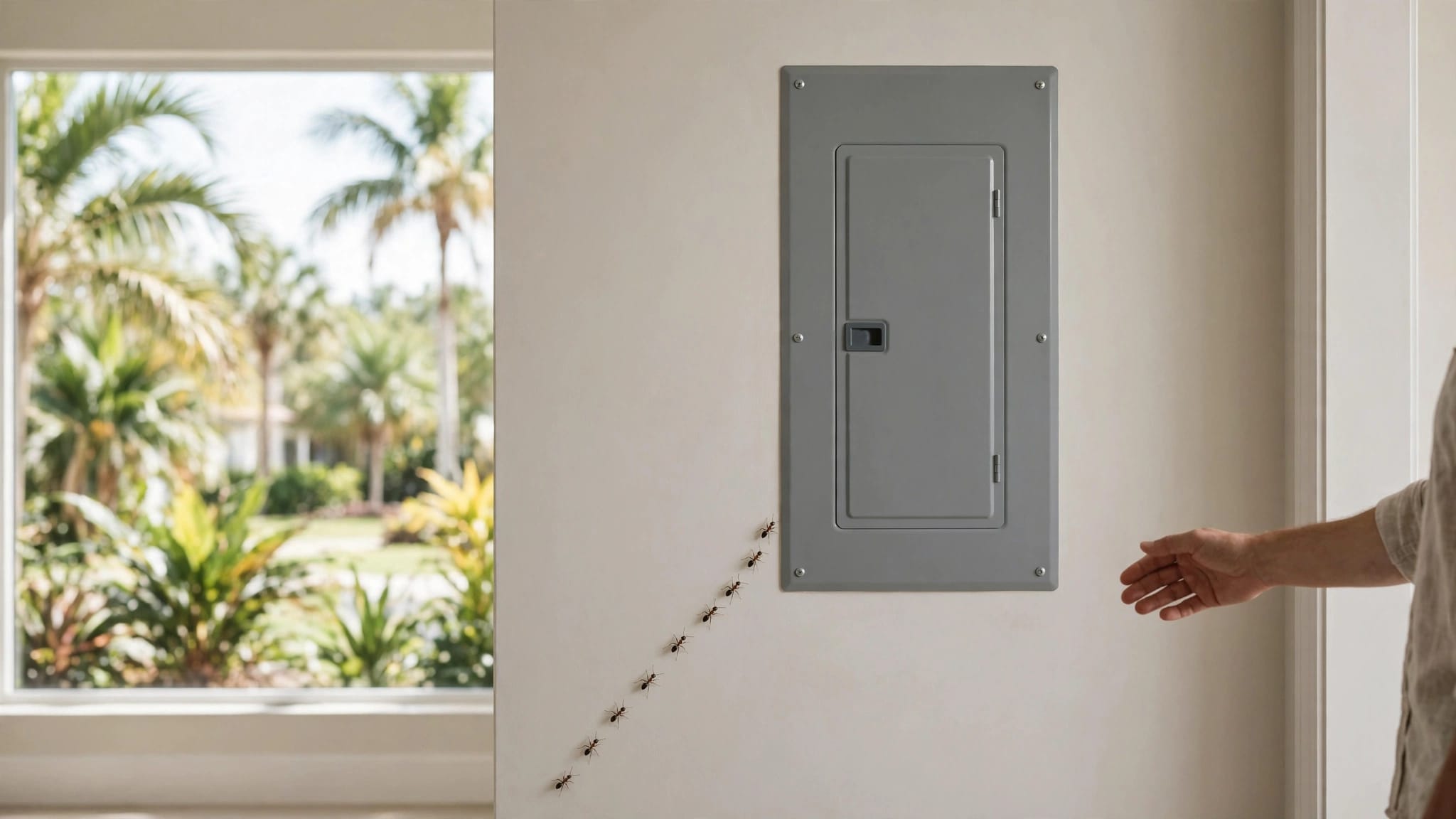
Then focus on entry points:
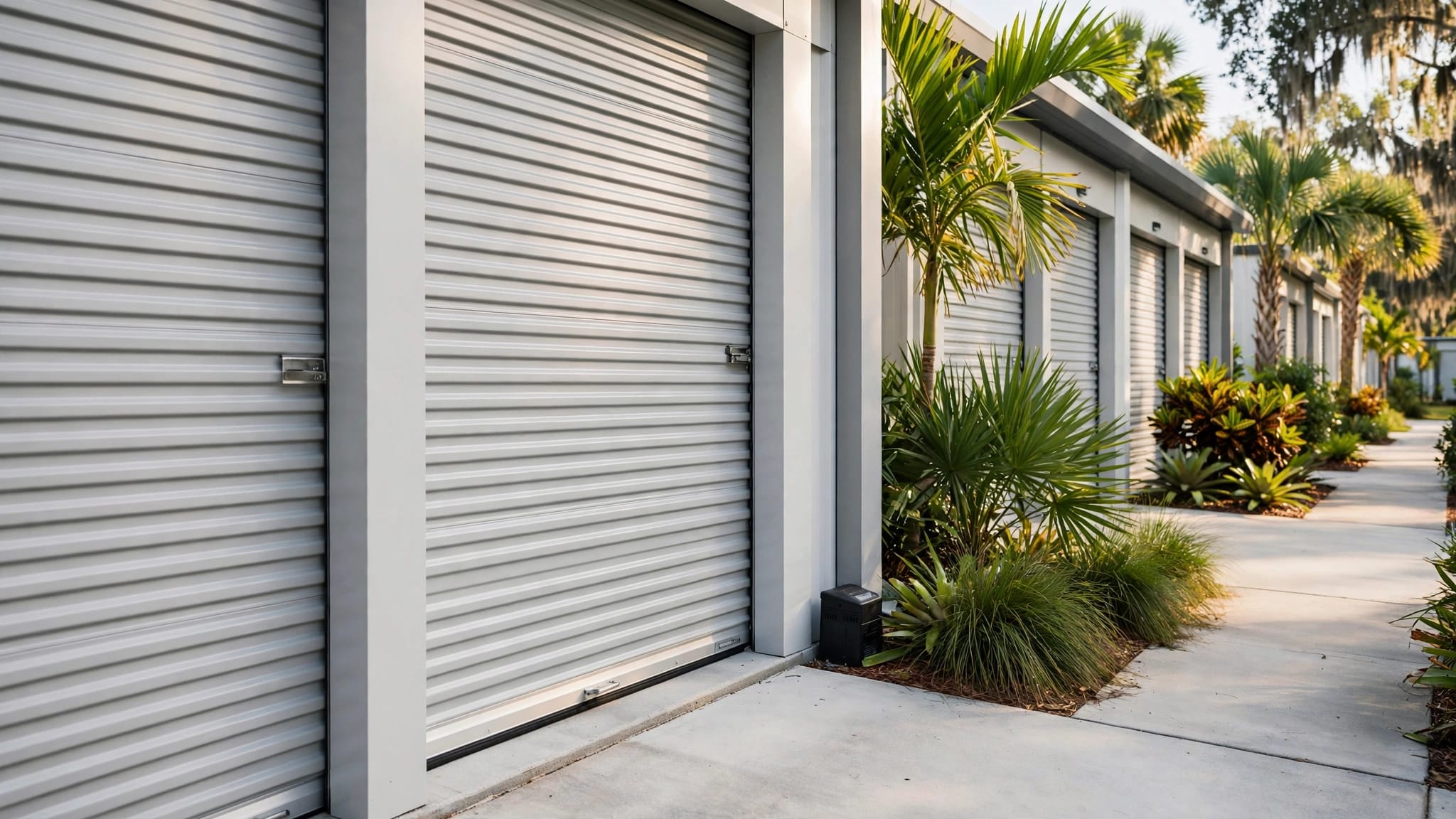
- Replace worn garage door bottom seals and side seals.
- Add door sweeps on the man door, and adjust the threshold.
- Seal cracks around plumbing lines and gaps at corners (a small gap is a big door to a roach).
- Keep screened lanais and connecting doors tight, because gaps can funnel pests toward the garage.
Finally, change what you're advertising at night. Smokybrowns like light. Reduce bright exterior lighting near the garage when possible, or switch to warmer, less-attractive bulbs, and keep the garage door closed after dark.
A garage treatment plan that works (without over-spraying indoors)
A garage is different from a kitchen. You have more cracks, more clutter, and more contact with the outdoors. That's why the best plan usually mixes monitoring, baits, and targeted products, plus an exterior barrier.
Here's a practical approach by product type:
1) Monitoring with sticky traps
Place a couple of glue traps along the garage wall, near the man door, and beside the door tracks. This tells you where they're traveling. It also helps you know if your plan is working.
2) Bait gel (or bait stations) for the "hot spots"
Use bait in small placements where roaches hide and travel, not in the middle of the floor. Good areas include corners behind shelving, around the garage door frame, and near utility penetrations. Keep baits away from kids and pets, and never place bait where it can get wet.
3) IGR (insect growth regulator) to slow the next generation
An IGR doesn't "knock down" adults fast, but it helps prevent nymphs from becoming breeding adults. That matters when outdoor pressure stays high after storms.
4) Dust for voids and cracks (only where it belongs)
A light dust application in wall voids, around pipe chases, and inside protected cracks can work well in garages. Avoid open surfaces where dust can drift or get tracked.
5) Exterior residual treatment to reduce outdoor pressure
This is often the missing piece. Treating the exterior perimeter, entry points, and harborage zones (mulch edges, behind downspouts, around door frames) helps stop new roaches from replacing the ones you kill.
Gotcha: broad indoor spraying can backfire. It may scatter roaches deeper into wall voids, and it can also contaminate baits so they stop feeding. Use indoor sprays only if the label allows it, and only as a targeted crack-and-crevice treatment.
Always read and follow label directions, and don't treat areas where runoff can reach ponds or canals. In Cape Coral, heavy rain can wash products away fast, so timing and placement matter.
A simple today, this week, this month timeline (monitoring to results)
Use this timeline to stay organized and avoid doing too much at once.
| When | What to do in your garage | What to look for |
|---|---|---|
| Today | Put out 2 to 4 glue traps, remove cardboard and trash, wipe up water, and close gaps you can see at the man door and garage door seal. | Trap counts, droppings near corners, damp spots, and where roaches run when the light flips on. |
| This week | Apply bait gel or place bait stations in corners, behind storage, and near utility lines. Add an IGR if you're using one. Do a targeted dust application in protected voids and cracks. | Less activity near the doors, fewer live sightings at night, and more roaches caught near the original hot spot. |
| This month | Refresh baits as needed, replace traps, and treat the exterior perimeter and entry points. Keep yard debris pulled back from the slab edge. | A steady drop in trap counts, then a plateau near zero. If counts climb again, moisture or entry points are still open. |
If you're still seeing roaches after a full month, don't assume the products failed. Usually, a leak, gap, or outdoor harborage is still feeding the problem.
When it's time to bring in a pro
Call for help if you're seeing roaches weekly, finding them in cars or storage bins, or noticing them moving from the garage into the home. Also, if you have asthma or allergies in the household, it's smart to act faster.
A professional inspection can pinpoint entry points you'd never notice, like door track gaps, soffit openings, and utility penetrations. For ongoing protection in Cape Coral, start with a plan built for our climate and storm cycles, like residential pest control Cape Coral.
Smokybrown cockroaches don't show up because you're failing at housekeeping. They show up because Florida stays warm, wet, and full of hiding places. Seal the garage, cut the moisture, and use targeted treatments, and you can get your space back to "park the car" normal.
Schedule a Free Inspection: