Centipedes In Cape Coral Bathrooms Entry Gaps And Quick Fixes
Spotting a fast, many-legged visitor in the bathroom can make your skin crawl. In most homes, centipedes Cape Coral sightings aren't random. They're usually a clue that the bathroom has two things centipedes like: moisture and food (other small bugs).
The good news is you don't need to rip out tile or fog the house. You can block the common entry gaps, dry out the "wet corners," and reduce the insects centipedes hunt. Do those three, and the problem usually fades fast.
Why centipedes keep ending up in Cape Coral bathrooms
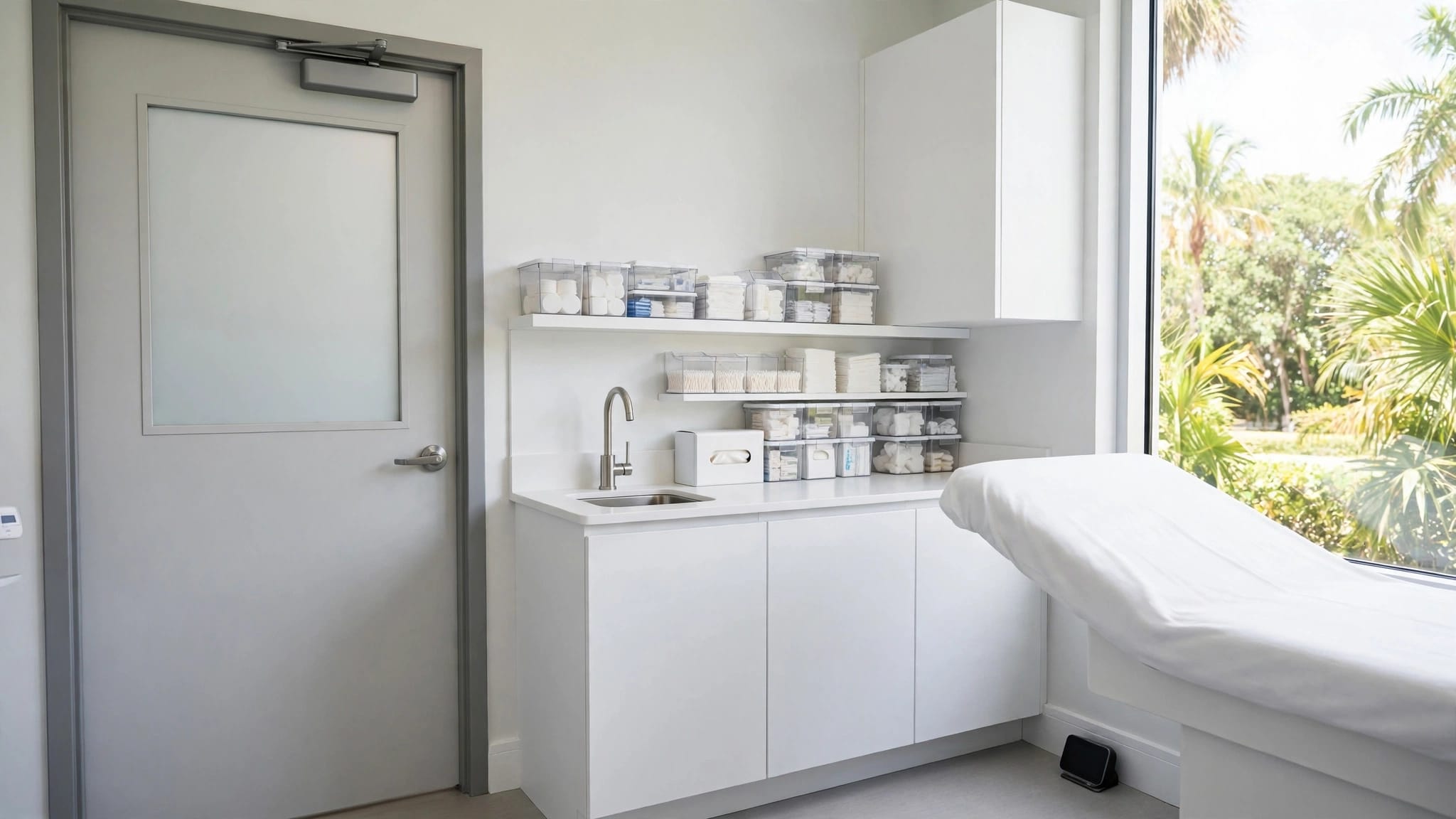
Bathrooms check every box for centipedes. First, they're humid, especially after showers and during rainy season. Next, they have hidden voids where pipes run, plus plenty of tight seams around tubs and vanities. Finally, bathrooms often have a steady supply of prey like roaches, silverfish, drain flies, and ants.
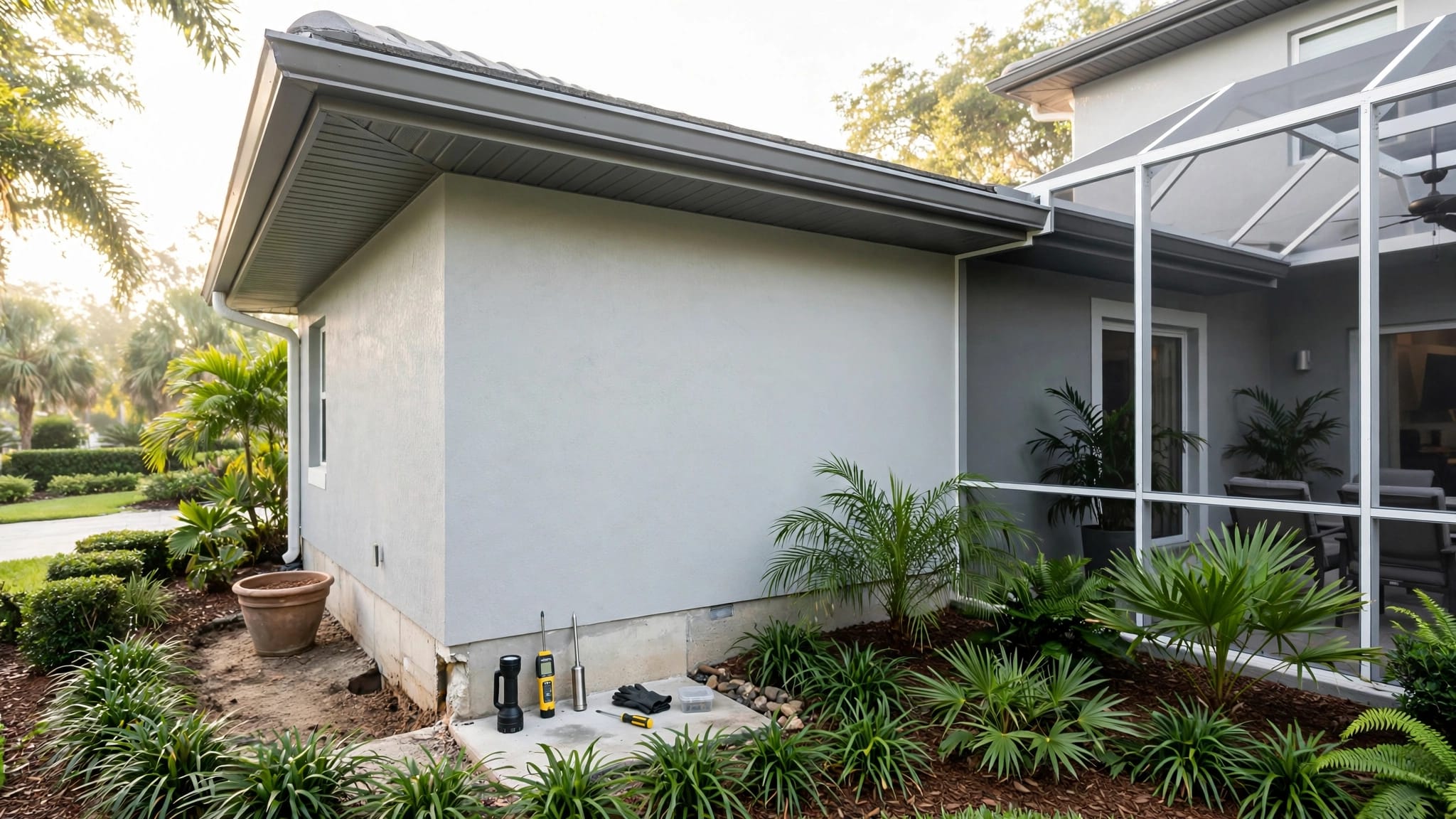
Waterfront and canal-adjacent homes in Cape Coral can feel this more. When soil stays damp after heavy rain, outdoor pests roam farther to find shelter. A bathroom wall or baseboard gap is an easy "under-the-door" moment for them.
Centipedes also squeeze through spaces that don't look like much. If a credit card corner can slip in, a small centipede often can too. That's why sealing matters, but it has to be paired with moisture control. Otherwise, you're just closing one door while leaving the buffet open.
If you only seal gaps but leave damp, bug-friendly conditions, centipedes often show up again, because the bathroom still "feeds" them.
For a broader home plan that ties sealing, moisture, and routine prevention together, see this Florida home bug prevention guide.
Bathroom entry gaps to inspect (plus the right materials)
Before you start sealing, do a 10-minute scan with a flashlight. Look low first, then look behind fixtures. Centipedes don't need a big opening, they need a hidden one.
Here's a quick map of the most common bathroom gaps:
| Where to check | What you're looking for | Quick fix that's safe |
|---|---|---|
| Under the vanity (pipe penetrations) | Open rings around supply lines and drain | Silicone caulk for small gaps, escutcheon plates for clean coverage |
| Toilet supply line hole | Oversized hole behind the valve | Escutcheon plate, then a thin bead of silicone |
| Tub or shower valve wall | Loose trim plate, gaps into the wall | Replace or tighten trim, seal edge lightly (don't trap water) |
| Baseboards and corners | Hairline cracks, separations | Paintable silicone-latex caulk along the seam |
| Bathroom door | Light showing under the door | Door sweep, plus weatherstripping on the jamb if needed |
| Exhaust fan housing | Gaps at the grille, attic air leaks | Re-seat grille, seal drywall gaps with caulk (don't block airflow) |
| A/C register or return nearby | Loose boots or gaps to wall cavity | Foil HVAC tape on metal seams, caulk at drywall edge |
After the scan, gather a small kit so you don't improvise with the wrong product.
Materials to keep on hand (DIY-friendly):
- 100% silicone caulk : Best for wet areas like around sinks and splash zones.
- Paintable caulk (silicone-latex) : Good for baseboards and trim.
- Escutcheon plates : Snap-on rings that cover pipe holes neatly.
- Door sweep : Blocks the most common "crawl-in" route.
- Weatherstripping : Seals the sides and top of the door frame.
- Mesh for exterior vent hoods : Use corrosion-resistant mesh, keep it clean.
- Expanding foam (low-expansion) : Only for dry voids, never where heat or wiring needs clearance.
- Small hygrometer : Lets you confirm bathroom humidity, not guess.
- Dehumidifier (if needed) : Set to 45 to 50% RH for most Florida homes.
Two important cautions before you seal anything: don't seal over an active leak, and don't choke off bathroom ventilation. Moisture trapped in a wall can cause bigger problems than a centipede.
Avoid expanding foam around recessed lights, fan motors, or electrical boxes. Heat needs clearance, and foam can be a fire risk.
If your bathroom also has tiny flies or gnat-like insects, clean drains too. Biofilm in drains feeds insects, and insects feed centipedes. This guide on drain flies in Cape Coral bathrooms explains how to find the slime source and stop the cycle.
Quick fixes in 30 minutes (damage control tonight)
These steps won't "solve" the root cause in one go, but they can stop surprise sightings fast.
- Dry the room down first. Run the exhaust fan during and 20 minutes after showers. Wipe puddles near the tub, toilet base, and vanity.
- Close the door gap. If you feel air movement at the bottom, install a basic door sweep. This alone cuts a major entry route.
- Seal the easiest pipe gaps. Under the sink, seal small openings around supply lines with silicone. If the holes are large, snap on escutcheon plates first.
- Reset unused drains. Run water for 30 seconds in sinks, tubs, and showers that sit unused. A dry P-trap can let pests move more freely.
- Reduce prey fast. Clean hair and soap buildup from the shower drain cover. Then empty the trash and remove damp towels.
If you want to monitor activity without spraying, place a couple sticky traps behind the toilet and under the vanity. They help confirm where movement is happening.
Weekend fixes that keep centipedes out longer
Now go after the conditions that make bathrooms attractive in the first place: hidden moisture, easy entry, and steady prey insects.
Start with moisture. Check for toilet sweat, a slow drip at shutoff valves, loose caulk lines, and damp vanity bottoms. Fix leaks first, then seal. If a baseboard feels soft or smells musty, pause DIY and investigate the water source.
Next, improve airflow without blocking it. Clean the exhaust fan grille, and confirm the fan actually pulls air. On humid weeks, consider a dehumidifier set to 45 to 50% RH , but don't use it as a substitute for ventilation. The goal is less moisture in the building materials, not just "less sticky air."
Then do a more complete sealing pass:
- Re-caulk cracked seams at the tub or shower edge (remove failing caulk first).
- Seal baseboard-to-tile gaps where they've opened.
- Add escutcheon plates and seal behind them lightly for pipe penetrations.
- If you use foam, choose low-expansion and keep it out of wet zones and heat areas.
Finally, reduce the insects centipedes hunt. That can mean better drain cleaning, less clutter under sinks, and targeted pest control around bathrooms and plumbing lines. For a practical overview of prevention and control that fits Florida homes, see effective pest control strategies for your home.
If it keeps happening: troubleshoot the real source
If centipedes keep showing up after sealing and drying, use the pattern to narrow the cause.
If you see them after heavy rain: Check exterior door thresholds, weatherstripping, and wall penetrations on the bathroom side of the house. Rain can push pests inward, especially when the yard stays soggy.
If they appear mostly at night: That often points to active prey insects. Look for roach signs under the vanity, behind the toilet, and near the bath mat area.
If they show up near the shower or tub: Re-check caulk lines, grout gaps, and the plumbing wall. A small, slow leak can keep a wall void damp for months.
If you notice musty smells or peeling paint: Don't seal and hope. Find the moisture source first, because trapped moisture can lead to mold or rot.
At some point, it makes sense to bring in a pro. A targeted inspection can confirm entry points, moisture issues, and what prey insects are feeding the problem. That's usually faster than guessing your way through every crack in the bathroom.
Conclusion
Centipedes in bathrooms aren't a mystery, they're a moisture-and-food problem with easy access. Seal the right gaps, keep humidity under control, and cut down the small bugs centipedes hunt. Do those consistently, and centipedes Cape Coral sightings usually drop off fast. If the same bathroom keeps producing surprises, it's time to treat it like a clue and track down what's staying damp or crawling unseen.
Schedule a Free Inspection: