Rover Ants In Cape Coral: How To Stop The Sudden Kitchen Swarm
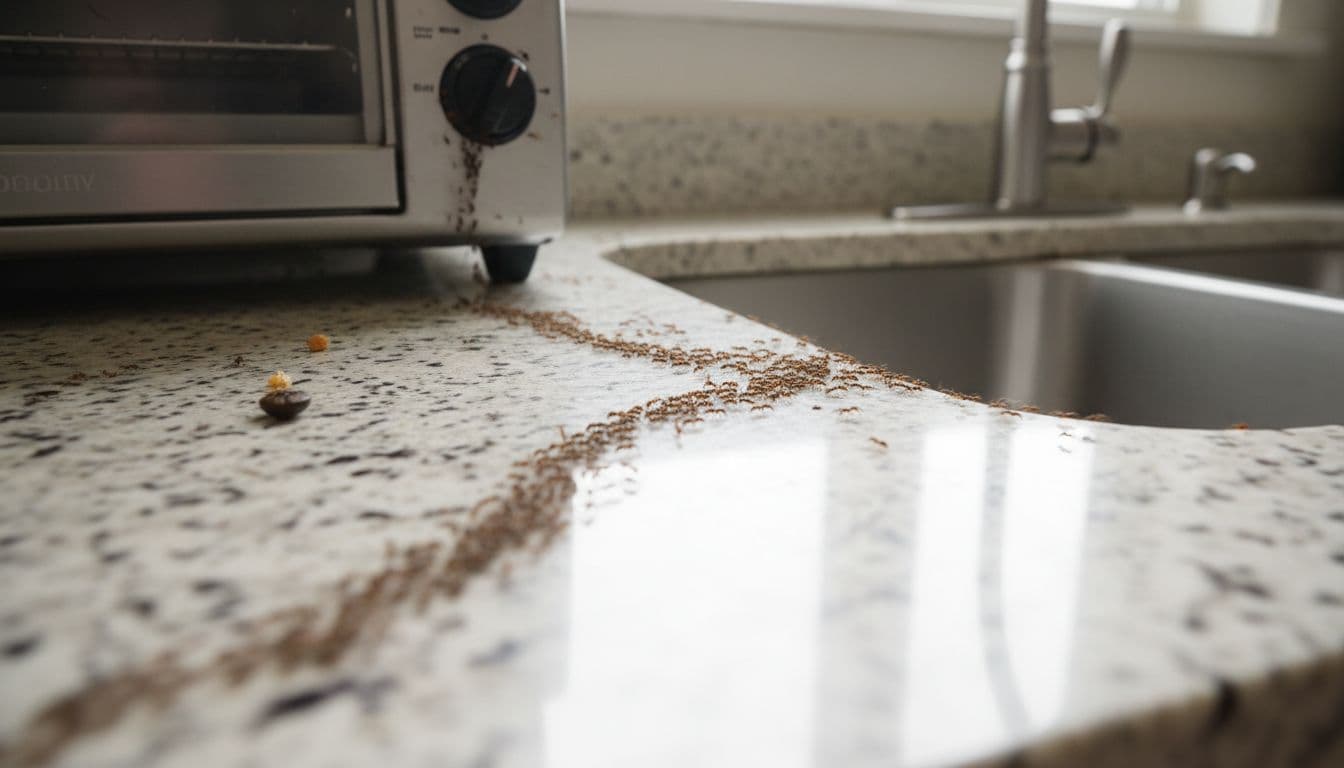
You walk into the kitchen for coffee, and there they are, tiny ants scattered across the counter like pepper you didn't shake out. In Cape Coral, rover ants can show up fast, and once they find a good spot, they act like the whole house got an invitation.
The good news is they're mostly a nuisance. Rover ants don't bite or sting, and they aren't known for spreading disease. Still, a swarm in your kitchen feels personal, and it can wreck your peace of mind.
This guide explains why the swarm happens, how to confirm it's rover ants, and what to do in the next 48 hours to shut it down.
Why rover ants suddenly show up in Cape Coral kitchens
Cape Coral's warm weather keeps ants active year-round. Rover ants are especially good at taking advantage of small changes inside a home. One day is normal, the next day your sink area looks like a busy sidewalk.
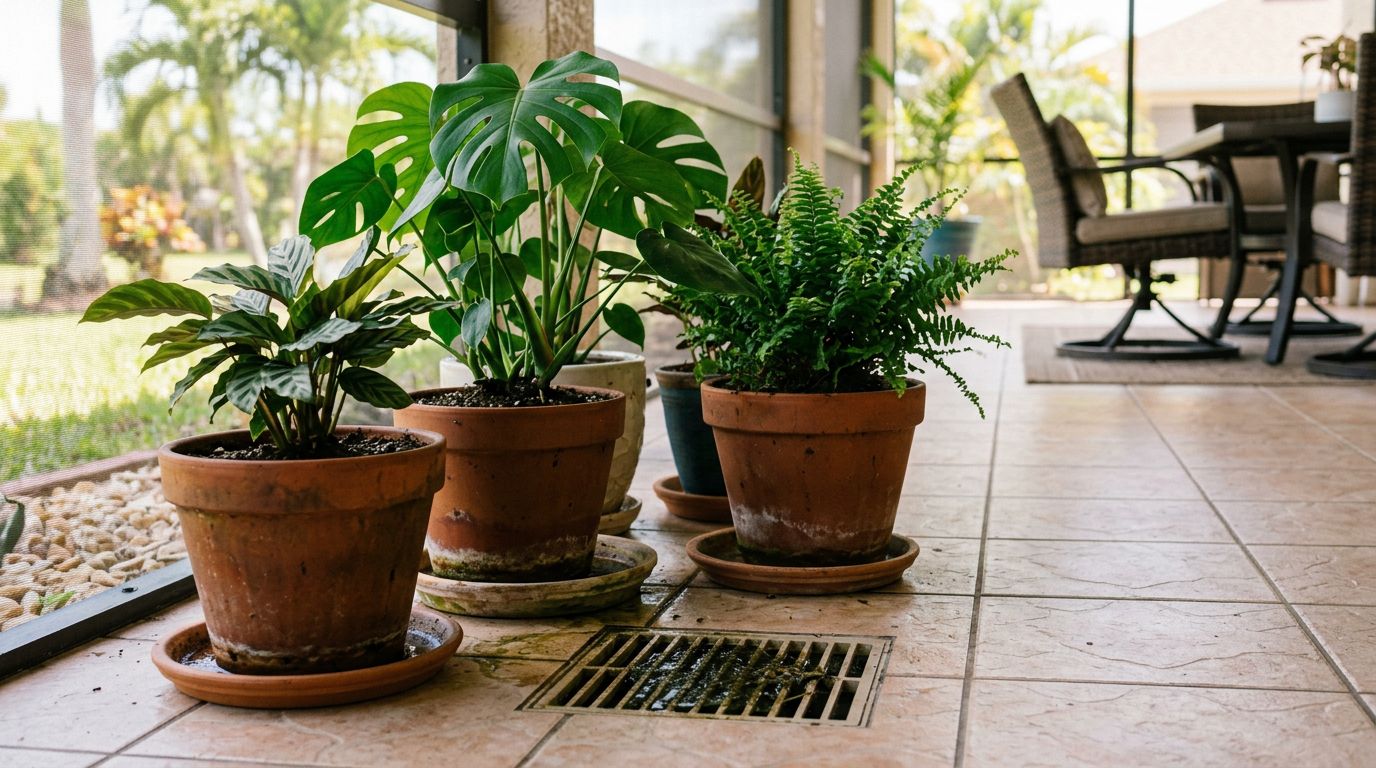
Moisture is usually the trigger. Rover ants like damp places, so a slow drain, a small leak under the sink, or condensation around a fridge line can pull them in. Even "clean" kitchens have water sources, like a wet sponge, a pet bowl mat, or a trash can that gets rinsed often.
Food matters too, but not always the way people expect. These ants will snack on sweets, grease, and protein, yet they also forage in places that aren't about crumbs at all. Homeowners often spot them near plumbing openings, baseboards, or even around electronics, because those areas can stay slightly warm or humid.
Cape Coral yards add another layer. After rain, irrigation, or heavy humidity, rover ant colonies can shift. When outside conditions change, workers hunt for a steadier environment indoors. Since rover ants are tiny (about 1 to 2 mm), they can use gaps you'd never notice.
If you're seeing ants near the sink but not near food, don't assume it's "random." It's often a moisture map, not a crumb trail.
Before you treat anything, it helps to confirm what you're dealing with. That prevents wasted time and treatments that make the problem worse.
How to tell it's rover ants (and not carpenter ants or fire ants)
Rover ants are small, dark brown, and easy to overlook until the numbers jump. They also behave differently than many common household ants. Instead of one strong, steady trail, you might see scattered movement or lighter trails that seem to change day to day.
Here are the most useful clues homeowners report:
- They gather in kitchens and bathrooms , especially near sinks, drains, and plumbing.
- You may spot them around window sills, outlets, and electronics .
- Winged ants can appear during warmer months, and swarms tend to pick up in late spring through summer in Southwest Florida.
This quick comparison helps you decide whether you need ant control, wood-destroying insect help, or outdoor mound treatment.
| Pest | Size and look | Common Cape Coral clues | Main concern |
|---|---|---|---|
| Rover ants | Tiny (1 to 2 mm), brown | Moisture areas, counters, scattered foraging | Nuisance indoors |
| Carpenter ants | Much larger, dark | Frass (sawdust-like debris), moisture-damaged wood | Structural risk |
| Fire ants | Reddish-brown | Outdoor mounds, aggressive behavior | Painful stings |
If you're seeing larger ants or any sawdust-like debris, read the local warning signs in Signs of Carpenter Ants in Cape Coral Homes. If the problem is outdoors and involves mounds and stings, that's a different fight, and this fire ant control guide for Cape Coral homeowners is a better match.
Once you're confident it's rover ants, focus on the fastest path to fewer ants tomorrow, not just fewer ants right now.
Stop the kitchen swarm fast: a realistic 48-hour plan
When ants show up, most people reach for spray. Sprays can kill the ants you see, but they often don't fix the colony. Worse, strong repellent sprays can scatter foragers into new spots, which makes your kitchen feel "infested" overnight.
Instead, treat it like a two-part job: remove what's attracting them, then let bait do the heavy lifting.
Step 1: Clean like you're erasing a map
First, wipe counters and edges with soapy water. Then rinse and dry. Pay attention to the seam where the counter meets the backsplash, and around the sink rim.
Next, take out trash and remove recyclables. After that, store any exposed food, including fruit bowls and pet treats. Finally, swap the sponge for a dry one (or microwave a damp sponge only if it's microwave-safe, and let it dry fully).
Step 2: Cut the moisture that's calling them
Check under the sink and behind the fridge for dampness. Dry everything and look for slow drips. If the area smells musty, run the exhaust fan, and consider a small dehumidifier for a few days.
Also, don't leave wet dish mats out overnight. Rover ants love that steady dampness.
Step 3: Use bait, not battle
Choose an ant bait that targets sweet-feeding and general-feeding ants. Place it where you're seeing activity, but not where kids or pets can reach it. Then leave it alone.
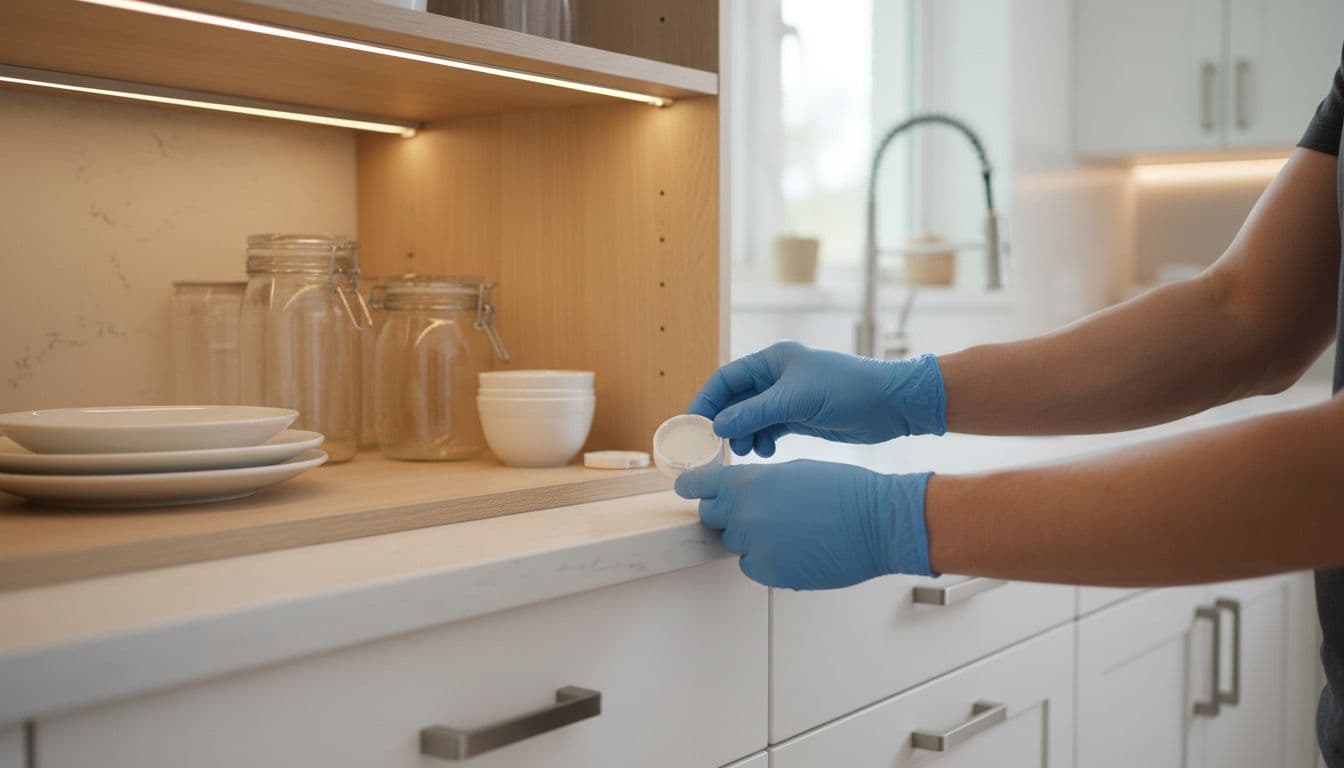
Here's the part that tests patience: you may see more ants at first. That can mean the bait is working, because more foragers are recruiting to carry it back.
Don't spray near the bait. If you kill or repel the workers, fewer ants bring the bait home.
Step 4: Track the result, not the emotion
Give bait time. You should see a drop in activity over the next 24 to 48 hours if moisture is controlled and the bait is placed well. If you still see ants, move the bait closer to where they're traveling, and keep drying the area.
If the swarm keeps returning from wall voids, cabinets, or multiple rooms, it's time to bring in a pro. Colonies can be larger than they look, and rover ants can spread quickly when conditions are right.
Keep rover ants from coming back (Cape Coral prevention that holds up)
After the swarm fades, prevention is what keeps it from becoming a monthly surprise.
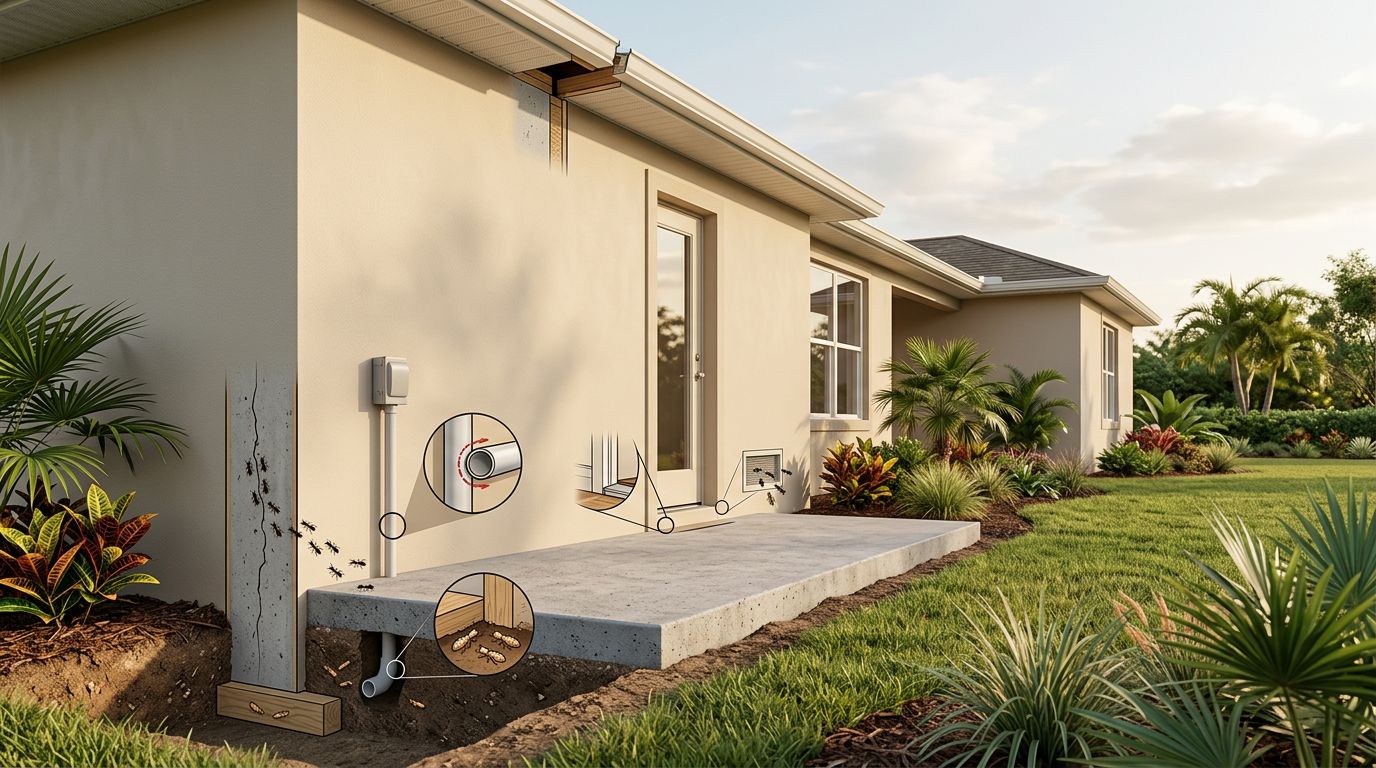
Start with exclusion. Seal gaps under the sink where pipes enter the wall. Add door sweeps if you can see daylight. Replace torn window screens. Since rover ants are tiny, small gaps matter more than you'd think.
Then focus on the "dry home" habits that pay off in Florida:
- Fix plumbing leaks quickly, even slow ones.
- Keep the cabinet under the sink clean and dry.
- Don't store cardboard on the floor in humid areas.
- Reduce outdoor moisture near the foundation by avoiding overwatering.
Outside, trim branches that touch the house. Ants use them like bridges. Also, keep mulch from piling against exterior walls, since it holds moisture.
For a broader, room-by-room approach that fits Southwest Florida homes, use these Florida bug prevention tips for homes. It's the same idea, remove access, remove moisture, and reduce food sources.
If you decide you're done experimenting, professional service can help find the source and stop repeat swarms. Knowing how a visit works also removes a lot of stress, so bookmark what to expect when hiring an exterminator in Cape Coral.
Conclusion
A sudden kitchen swarm feels like chaos, but rover ants usually follow a simple pattern: moisture first, then food, then easy entry. Dry the problem spots, place bait where they travel, and resist the urge to spray everything.
If the ants keep coming back from hidden areas, get help before the next warm, humid stretch triggers another wave. The goal isn't just fewer ants today, it's a kitchen that stays yours tomorrow.
Schedule a Free Inspection: