Subterranean Termites in Cape Coral: What Yard Signs Near Slabs Really Mean
Seeing a termite yard sign or a bright flag near a slab foundation can make your stomach drop. Does it mean subterranean termites Cape Coral are already in your home, or is it just routine service?
Here's the bottom line: yard signs and markers usually point to monitoring or treatment work along the slab perimeter , not guaranteed damage. Still, you should treat the area like it's active and handled by a pro.
Most importantly, don't disturb any flagged spots, bait stations, or drill plugs. If a sign lists a pest control company, contact that company first, because they'll know what was installed and where.
Why termite markers show up near slab foundations in Cape Coral
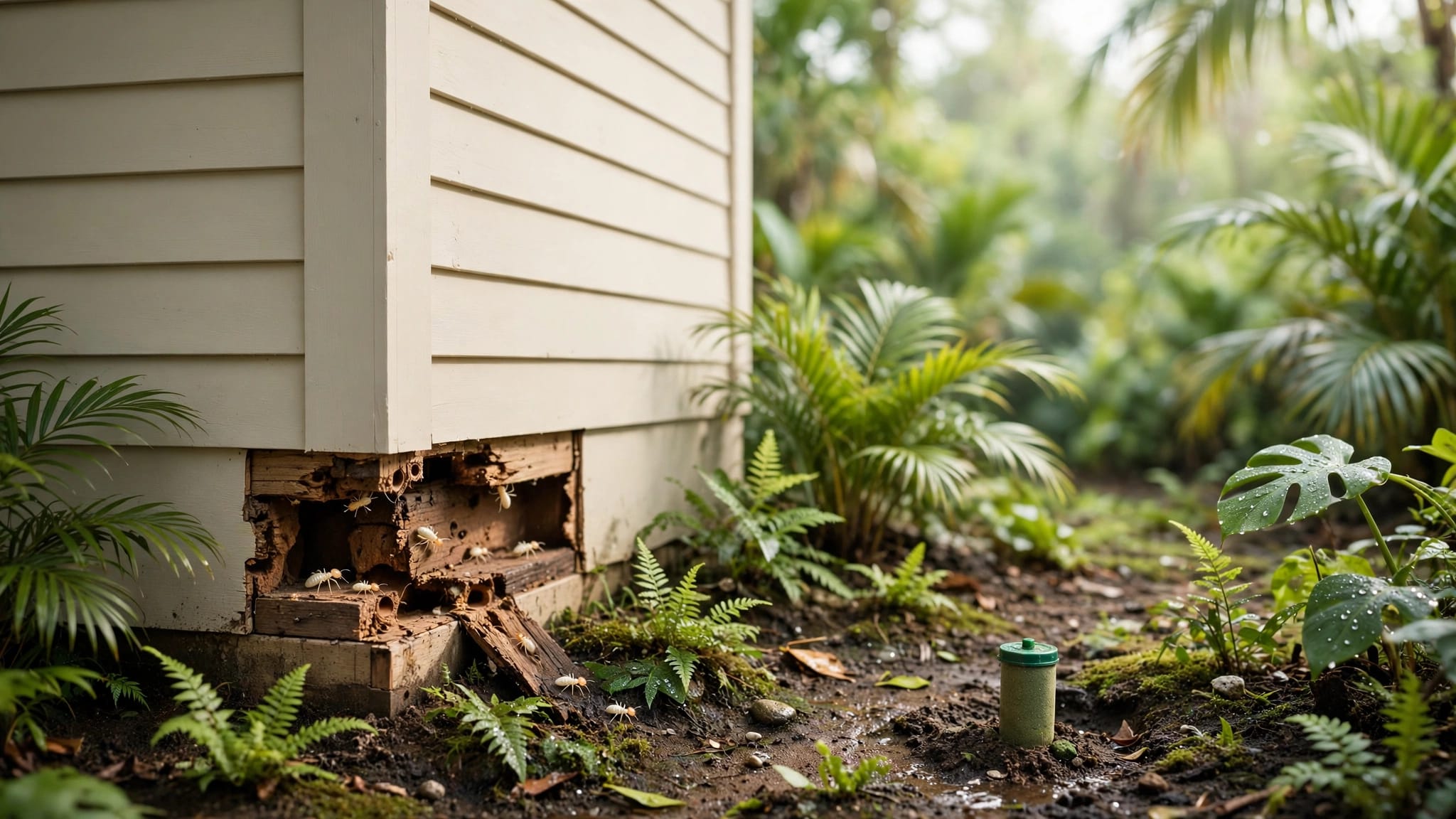
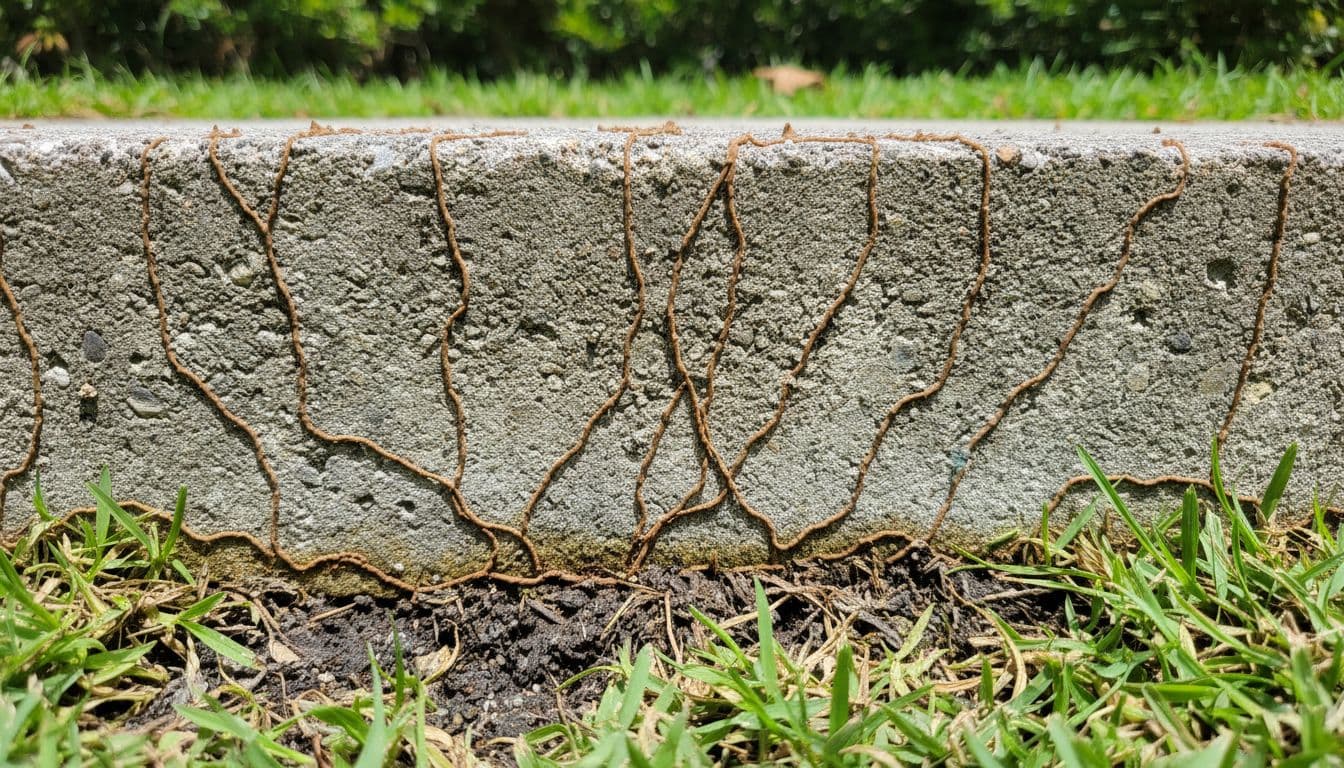
Subterranean termites live in the soil. They need moisture, and they travel through protected tunnels to reach wood. In a slab home, that often means they target the edges of the concrete , expansion joints, and small cracks. Utility and plumbing penetrations can also act like "hidden doors" into the structure.
That's why you'll often see flags or signs close to:
- The slab perimeter and stem wall
- Entry points for plumbing lines, AC lines, and cable conduits
- Mulch beds that hold moisture against the foundation
- Irrigation zones that overspray the house
In Cape Coral, warm temperatures and frequent humidity mean termite pressure stays high. As a result, many homeowners run preventive programs even without visible damage. If you want a deeper local breakdown of risk areas and prevention basics, this Cape Coral termite prevention guide lays out what pros look for around slab homes.
If a spot is flagged, assume it's part of a treatment plan. Touching it can ruin the placement and create gaps in protection.
Decoding yard signs, flags, and "mystery" markers near the slab
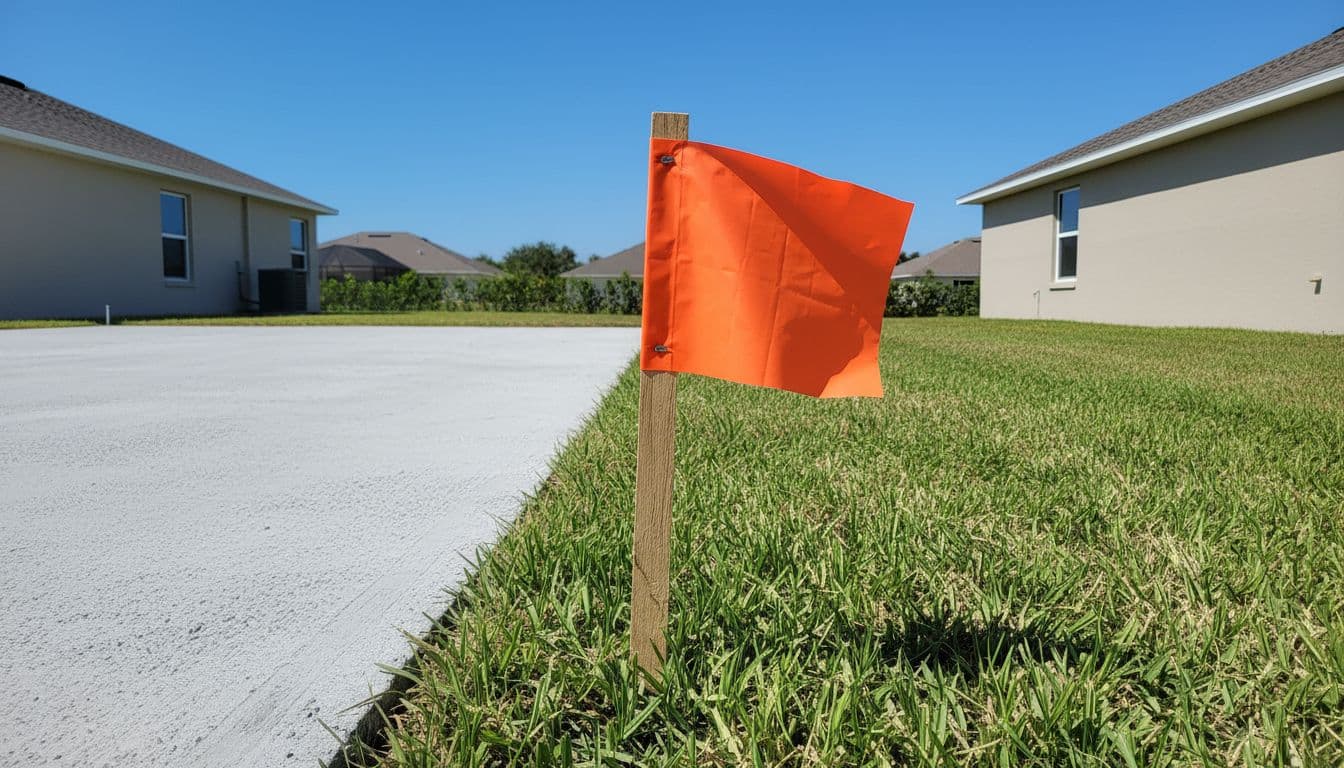
Some termite markers are obvious, like a yard sign with a company name. Others are subtle, like an orange flag at the lawn edge, a small cap in the ground, or round plastic lids near landscape beds.
Before you assume the worst, use this quick reference. It helps you stay accurate without guessing.
| What you see near the slab | What it often indicates | What you should do |
|---|---|---|
| Yard sign with pest company name | Recent or ongoing termite service | Call the company listed, ask what was installed and the service date |
| Orange flags along perimeter | Marked treatment points, drilling locations, or station layout | Keep kids and pets away, don't pull flags |
| Round lids or small in-ground covers | Bait or monitoring stations | Don't open or move them, ask for a station map if you're the homeowner |
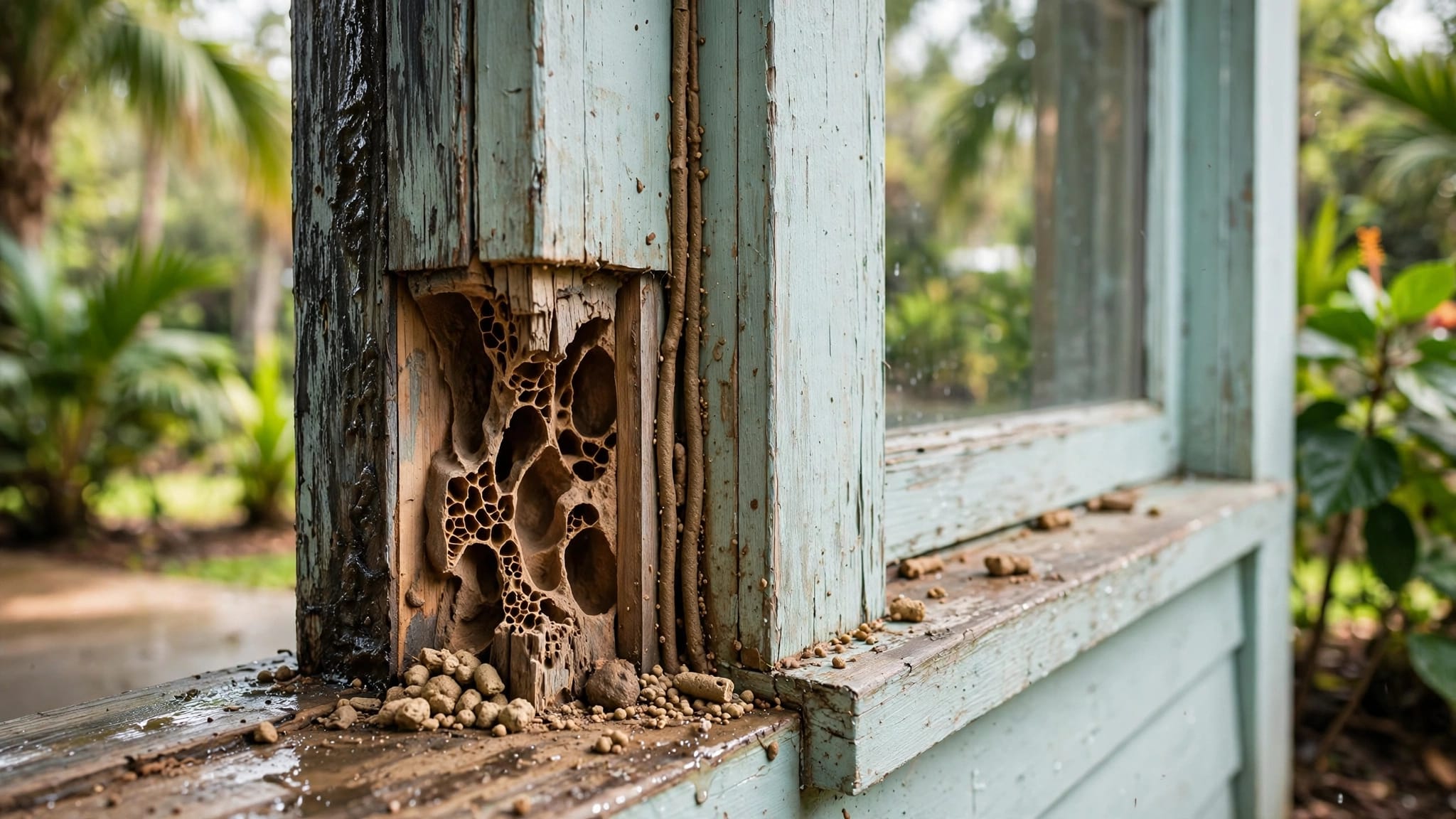
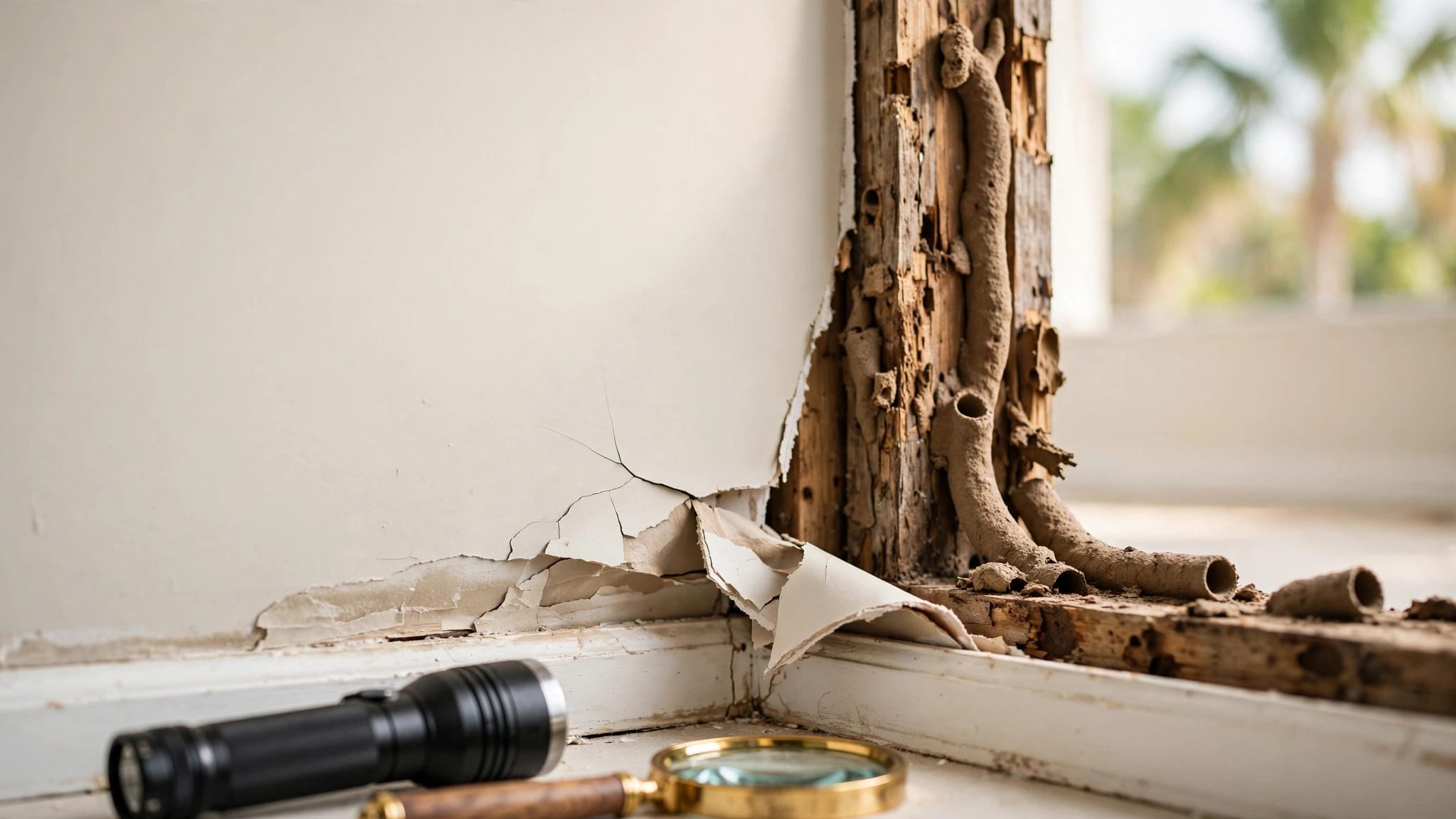
| Mud tubes on concrete | Possible subterranean termite travel | Don't scrape them off, schedule an inspection to confirm activity |
A key detail: markers can mean prevention , not confirmed infestation. Many companies mark locations so they can re-check the same points later. Others flag areas before drilling through a slab edge or treating soil near a plumbing line.
What to do (and not do) when you spot termite signage
It's tempting to "investigate" by poking around. Resist that urge. With subterranean termites, disturbing evidence can make the problem harder to confirm. Moving a station can also break the control plan.
Here's a practical checklist that keeps you safe and helps your inspector move faster:
- Don't disturb anything marked : No pulling flags, opening stations, or removing drill plugs.
- Take clear photos : Capture the sign, any flags, and where they sit along the slab.
- Look for moisture issues : Note leaky hose bibs, AC condensate lines, or soggy mulch.
- Check wood-to-soil contact : Fence boards, door trim, or landscape timbers touching dirt matter.
- Call the company listed on the sign : If it's not your service, they may still confirm what the marker means.
- Schedule a professional inspection : Especially if you see mud tubes, swarmer wings, or soft trim.
If you're weighing next steps, cost often decides timing. This breakdown of termite treatment costs Cape Coral can help you plan realistically, whether you need prevention or an active treatment.
What a professional termite inspection looks like, and how to prep your yard
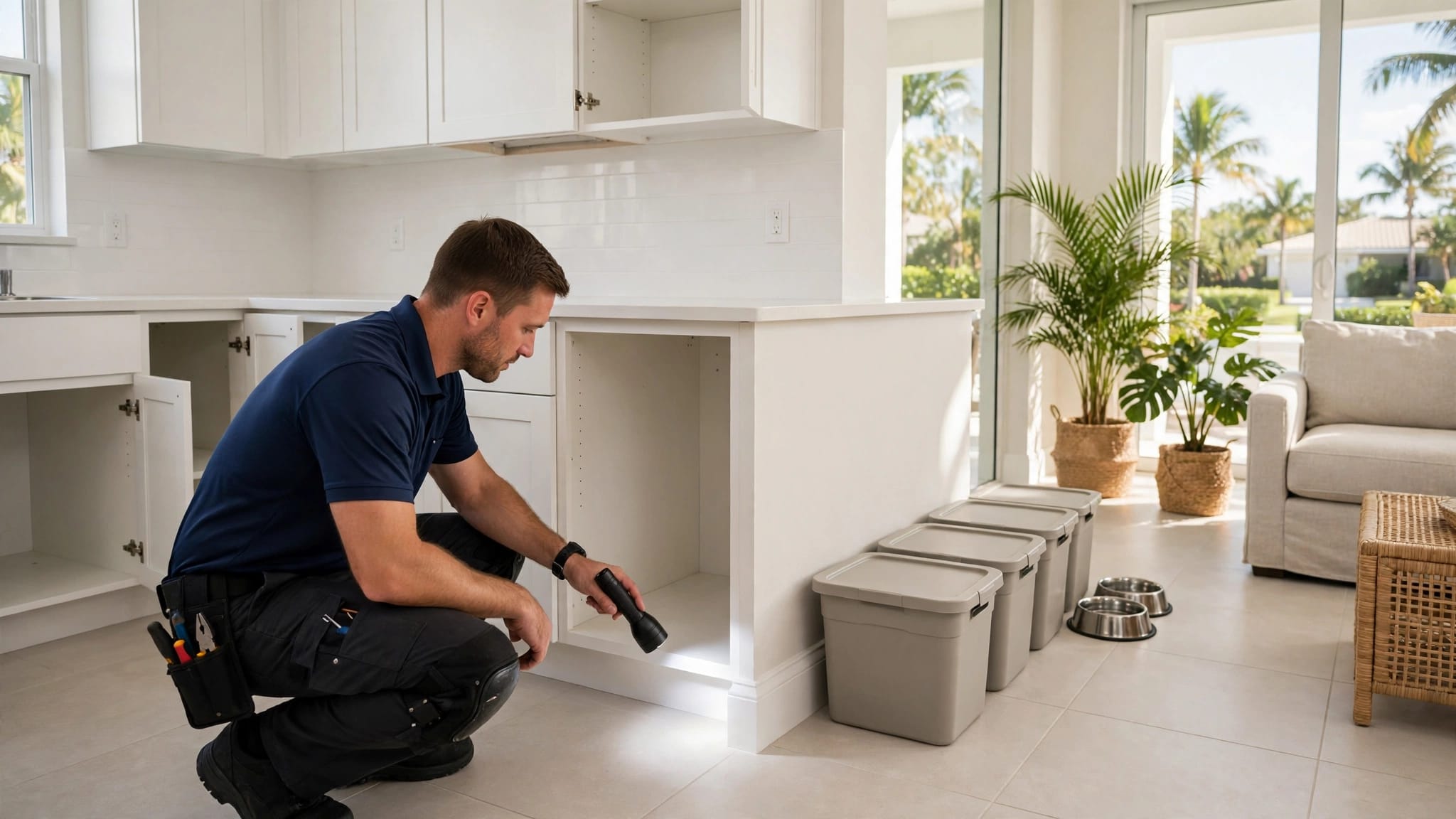
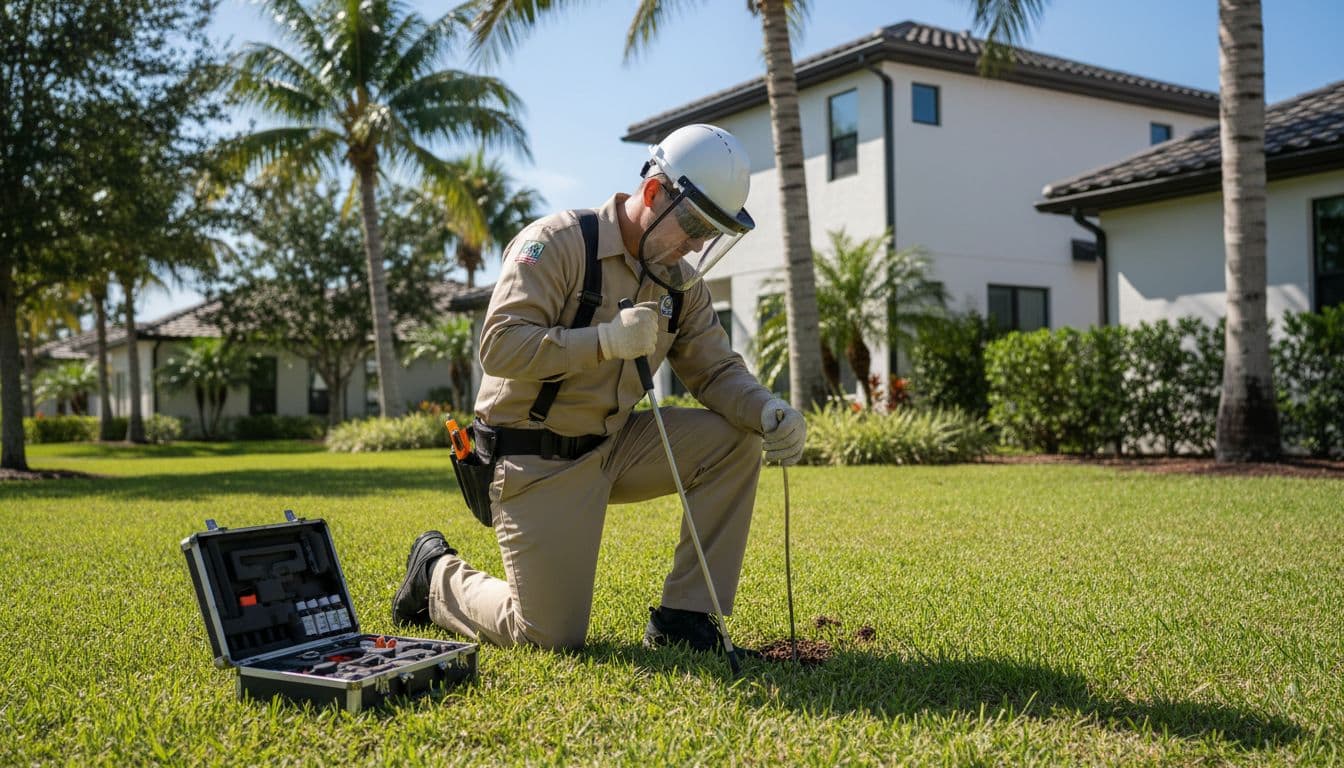
A good inspection is part detective work, part moisture hunt. The tech will typically walk the slab perimeter first, because that's where subterranean termites try to bridge from soil to structure. Next, they'll check plumbing penetrations and likely entry points, then move inside to inspect baseboards, door frames, and garage edges.
You can make the visit smoother with a few simple prep steps:
Clear access along the slab perimeter . Move planters, stacked pavers, stored lumber, and anything leaning against the house. Trim back shrubs so the inspector can see the stem wall.
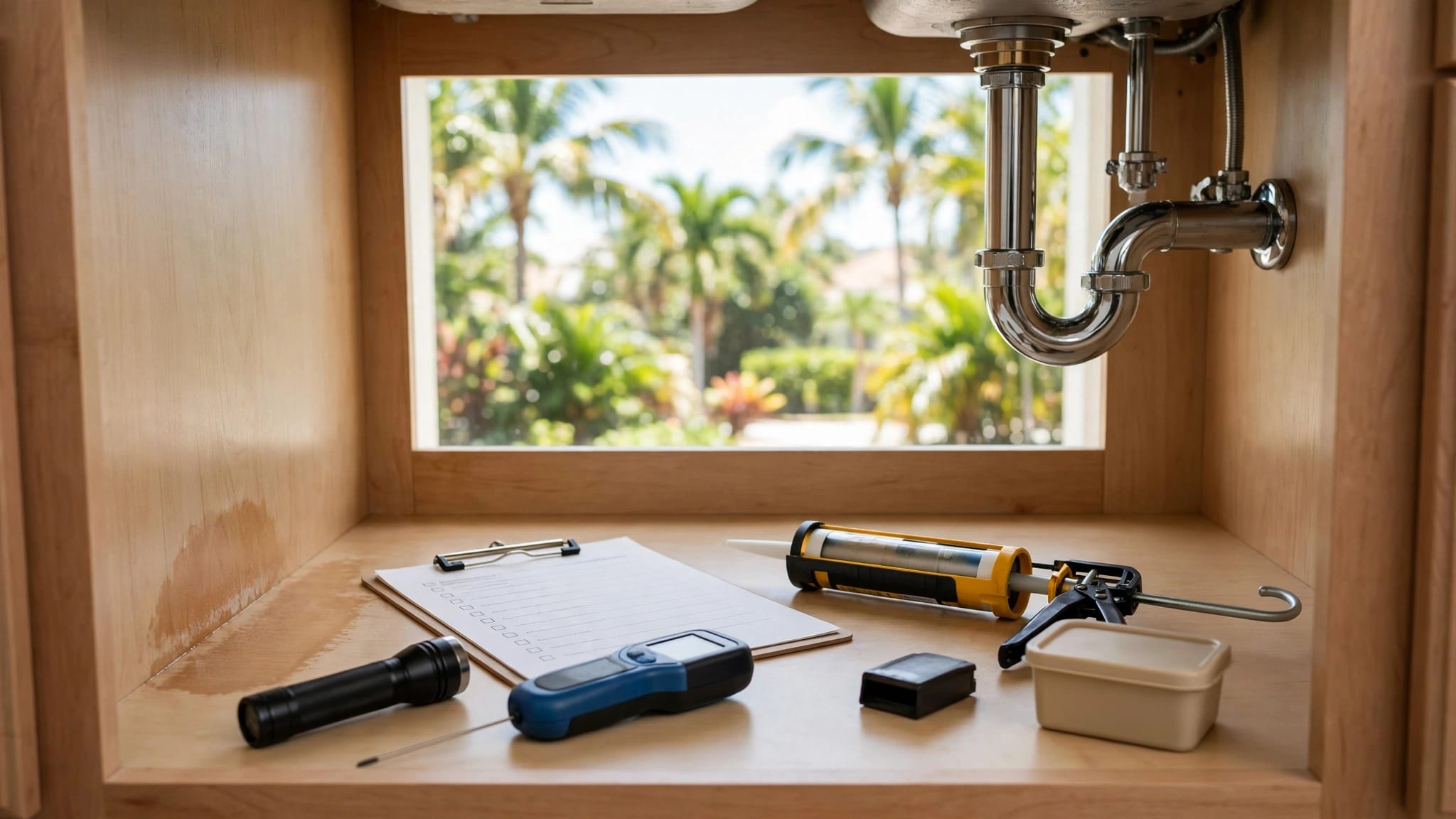
Also, note plumbing penetrations and water sources. Point out the water heater area, bath and kitchen plumbing walls, and any recent leaks. If you've got irrigation overspray hitting the slab daily, mention it. Moisture is like a welcome mat for subterranean termites.
FAQ for Cape Coral homeowners
Are yard signs proof of termites?
No. A sign or flag can mark a preventive service, monitoring stations, or a scheduled follow-up. Still, treat it seriously and avoid disturbing the area.
Do I need treatment if my neighbor has termites?
Not always, but you should take it as a warning. Subterranean termite colonies spread through soil, and homes in the same block often share similar moisture and soil conditions. An inspection helps you choose prevention versus treatment.
How fast can termites damage wood?
Termites work nonstop, but damage speed depends on colony size and access to food and moisture. The real risk is hidden damage that grows quietly behind trim or under flooring.
Will DIY sprays work?
Sprays may kill termites you can see, but they rarely reach the colony in the soil. They can also disrupt baiting systems and make activity harder to track. For subterranean termites, professional methods usually work better because they target the colony, not just the symptoms.
Conclusion
Yard signs and flags near slabs usually mean someone is managing termite risk, not that your house is already lost. Still, in Cape Coral, subterranean termites don't wait for an invitation. Treat any markers as "hands off," document what you see, and contact the company listed when possible.
If you've noticed mud tubes, moisture around the slab, or unexplained wood changes, schedule an inspection and fix water issues first. That one-two combo keeps small problems from turning into expensive repairs.
Schedule a Free Inspection: