Argentine Ants in Cape Coral Paver Joints and AC Pads
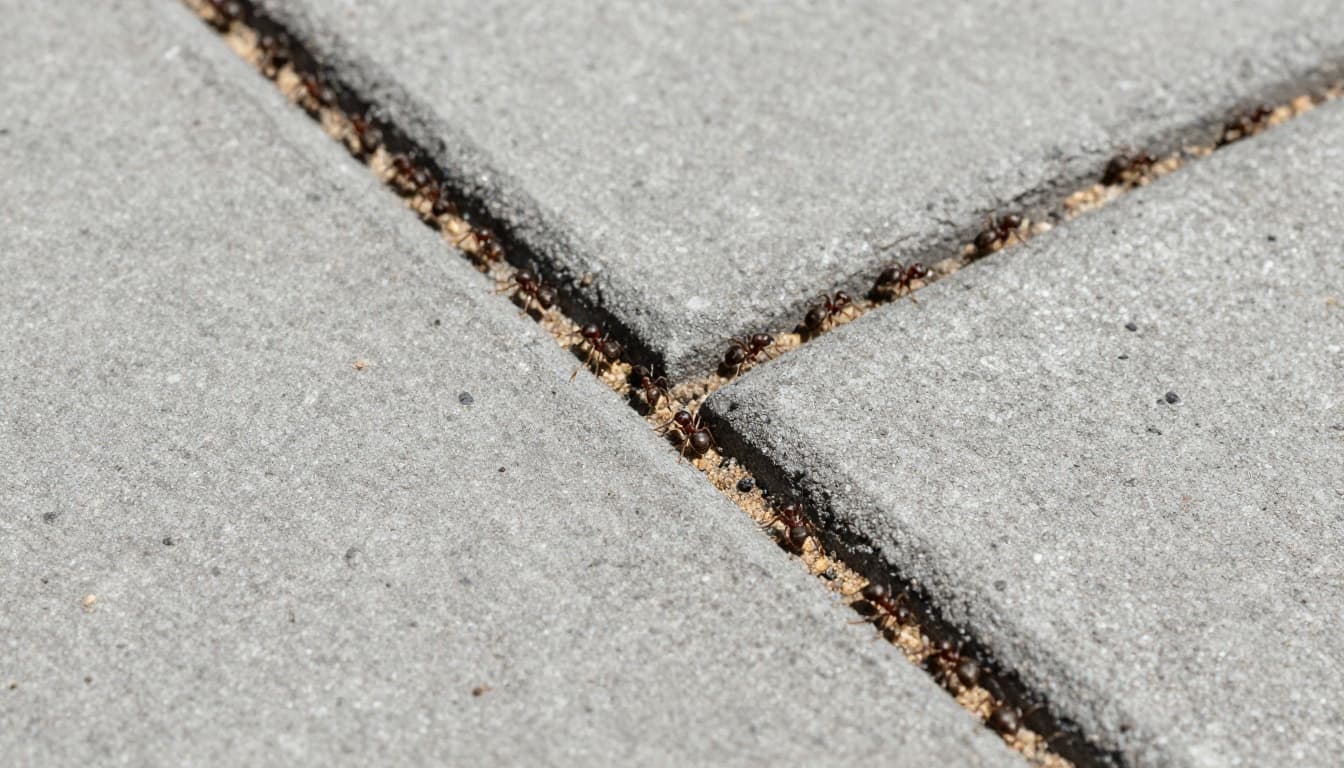
You step onto your patio for morning coffee, and there they are. A thin line of tiny ants snakes through the paver joints toward your AC unit. In Cape Coral, argentine ants cape coral homeowners face this sight often, especially after rain. These pests thrive in our humid warmth, turning cracks and shaded spots into highways. You can stop them with smart inspection and prevention, so your outdoor spaces stay usable.
Spotting Argentine Ants Around Your Home
Argentine ants look small and dark brown, about one-eighth inch long. They form single-file trails that move fast. In Cape Coral yards, you'll see them along paver edges, under pool decks, or near driveways. They don't sting like fire ants, but their trails annoy everyone.
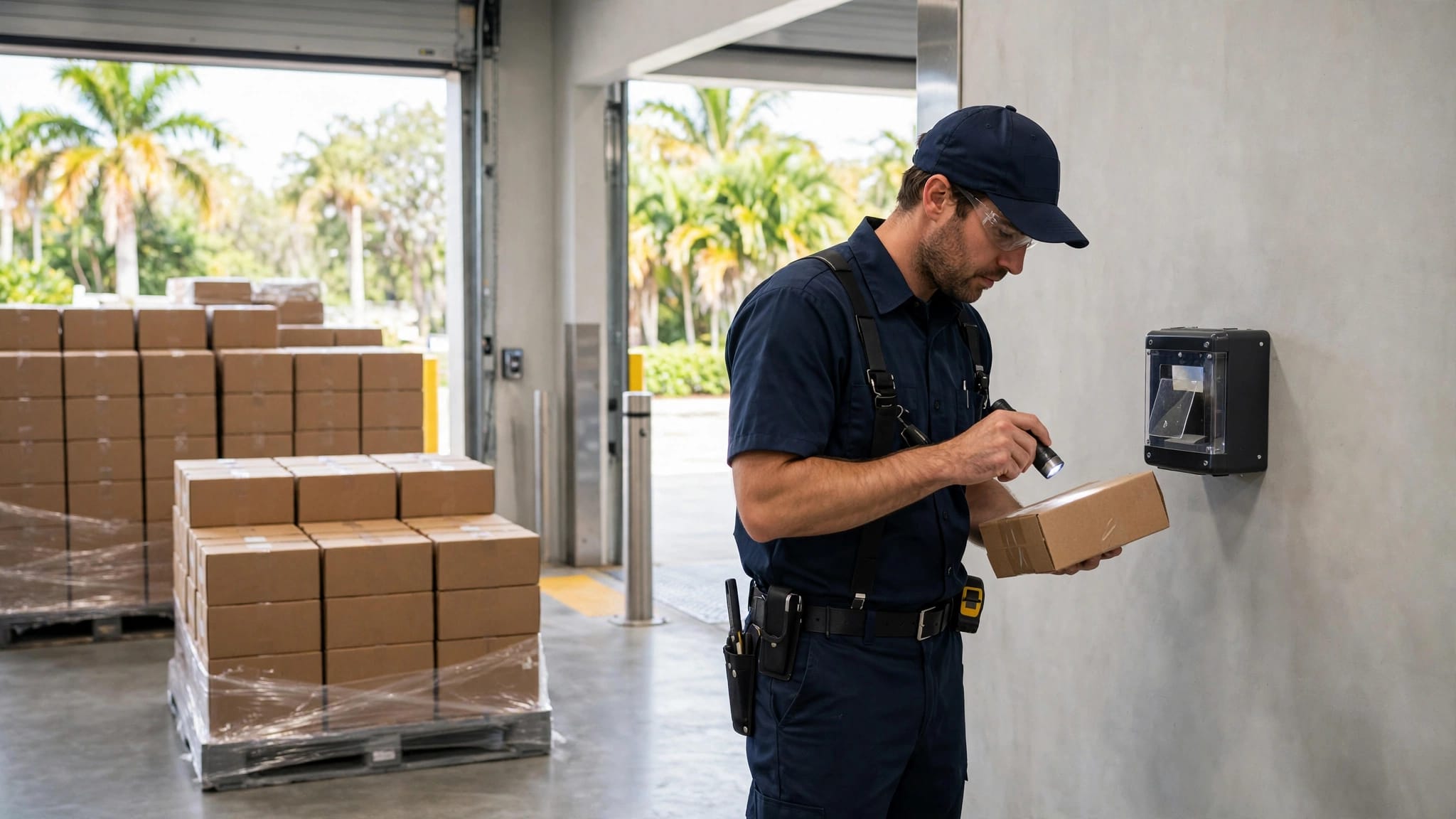
These ants prefer ground-level travel. They nest in moist soil, mulch, or voids under concrete. After Florida rains, activity spikes because water keeps soil soft. Watch for trails at dawn or dusk when it's cooler. A flashlight helps spot them in joints.
Homeowners often mistake them for other species. Argentine ants lack the big heads of big-headed ants in Cape Coral lawns. They also trail tighter than scattered rover ants. Quick check: crush one. It gives off a musty smell, unlike sugar ants.
Inspect your property first. Follow trails to see where they start and end. Note damp areas or debris piles. This map guides treatment. Most nests stay shallow, so surface changes work well.
Why Paver Joints and AC Pads Draw Them In
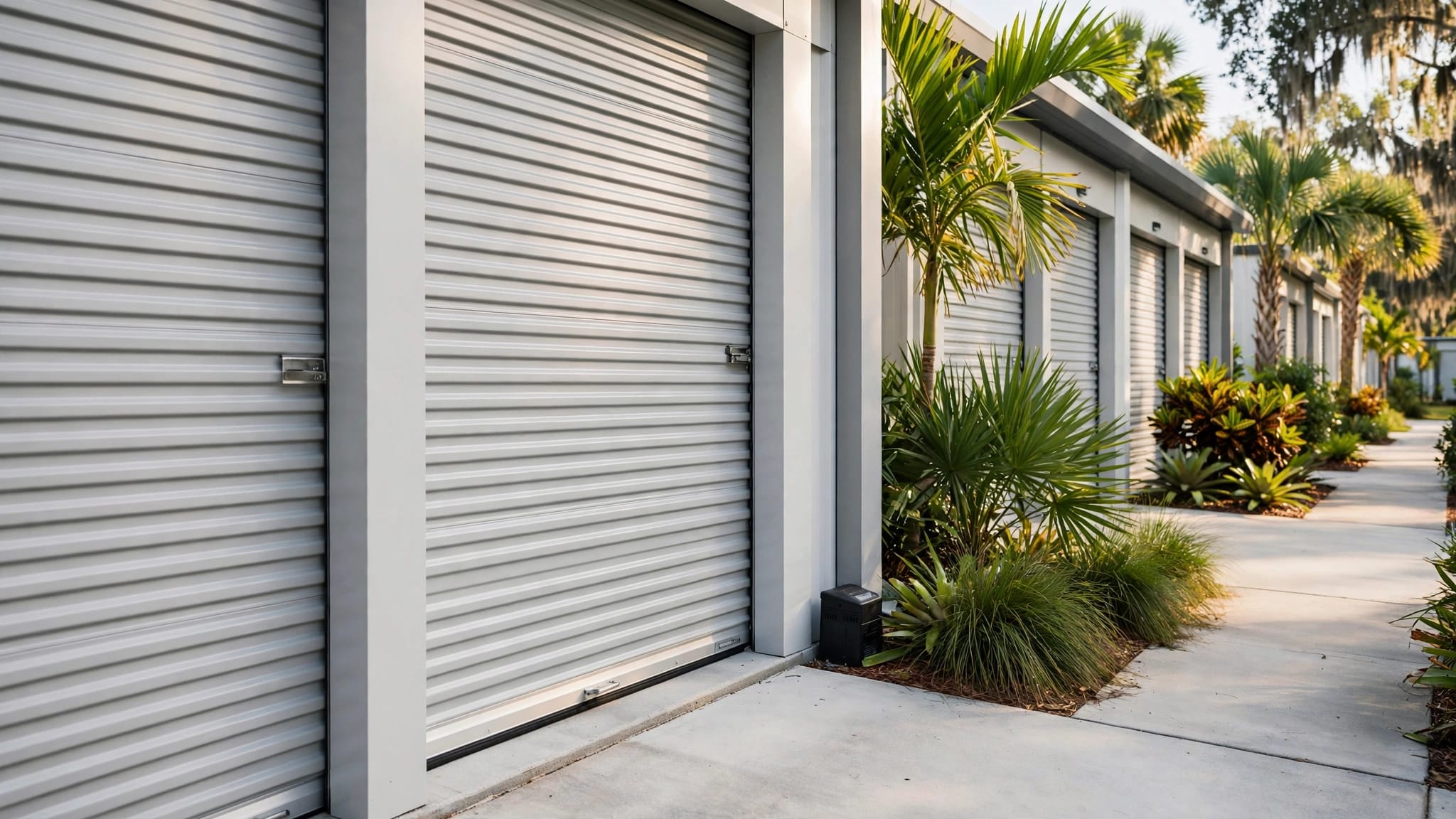
Paver joints hold fine sand and moisture, perfect for Argentine ants. Our sandy soil slips into gaps, creating tunnels. Sun heats the concrete, but shade from bushes keeps it damp underneath. Ants use these spots to forage for sweets or insects.
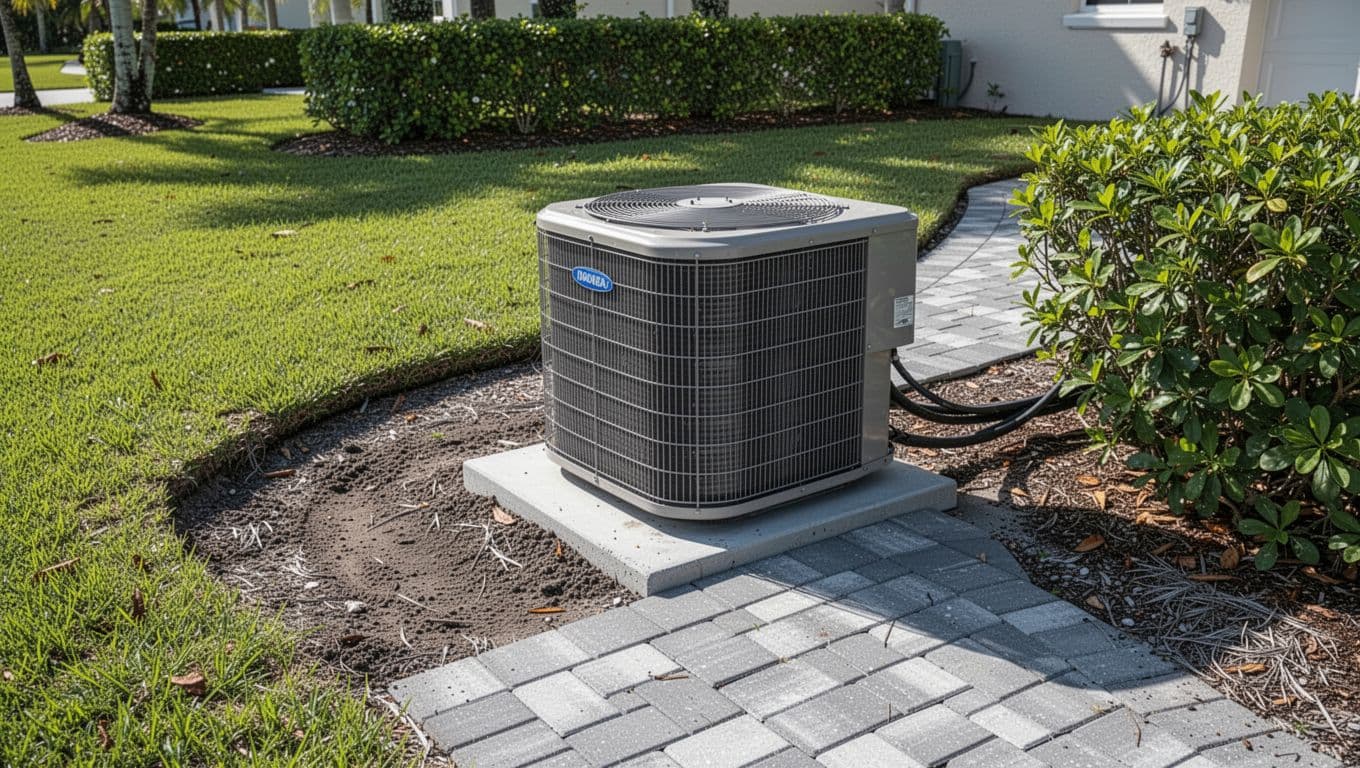
AC pads add appeal too. Condensation drips create steady water. Units sit on slabs with tiny cracks from settling. Ants trail there for shade and cool air from the fan. In humid Cape Coral, this combo beats open lawns.
Trails shift after disturbance, like sweeping. Colonies spread via multiple queens, so one nest becomes many. Poor drainage worsens it. Water pools in joints, softening sand. Trimmed grass helps, but overgrowth bridges to pavers.
Food draws them closer. Fallen fruit, pet food, or aphids on plants nearby act like magnets. Ants "farm" aphids for honeydew. Reduce these, and trails thin out.
Key Differences from Common Cape Coral Ants
Not all ants behave the same here. Fire ants build tall mounds and sting hard. Check our fire ant control guide for Cape Coral if you see aggression. Argentine ants stay calm and trail in lines.
Big-headed ants show two sizes: majors with blocky heads, minors smaller. Argentine ants all match in size. Pharaoh ants, tiny indoor types, prefer walls over pavers. Compare to pharaoh ants in Cape Coral homes for yellow hints.
Size and trail help most. Argentine ants hit one-sixteenth to one-eighth inch, dark uniform color. No wings on workers. They link nests across yards, unlike lone fire ant hills.
Targeted Inspection and Treatment Tactics
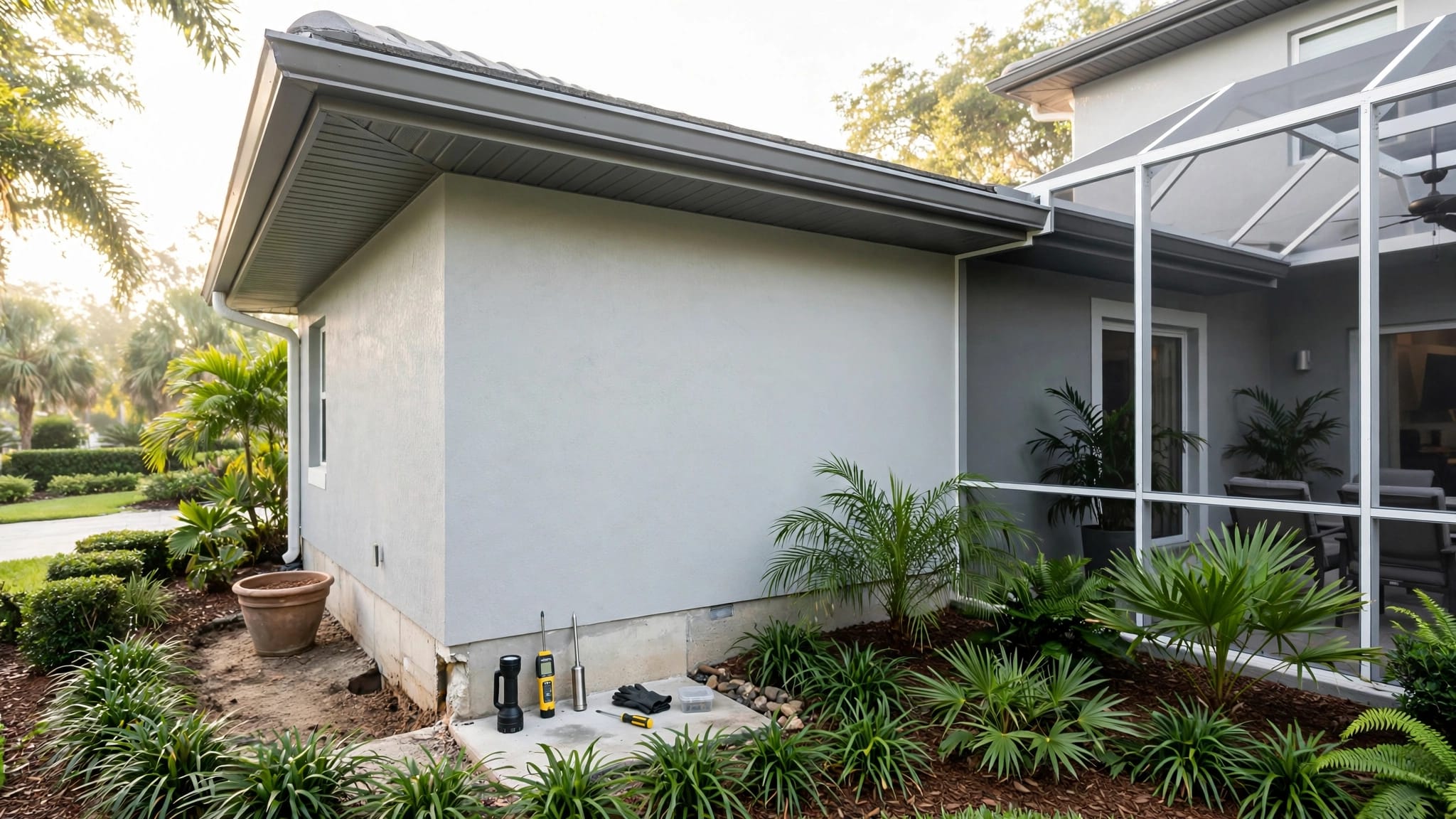
Start with inspection. Walk your property after dark. Mark trails with chalk. Look under pavers, around AC pads, and near vegetation. Check for satellite nests in shaded cracks.
Baits work best because workers carry poison home. Place gel or granular types near trails, not on them. Sweet baits match their taste. Avoid sprays first; they scatter colonies. Wait 3-7 days for results.
For AC pads, clear debris gently. Use bait stations around the base. Pros apply non-repellent barriers that ants cross unknowingly. Combine with habitat fixes for speed.
If trails persist, call locals. A free inspection spots hidden nests. Targeted apps beat broad sprays, keeping canals safe.
Prevention Steps That Last in Florida Heat
Cut moisture first. Fix sprinklers hitting pavers. Ensure AC pads slope for runoff. Good drainage stops pooling.
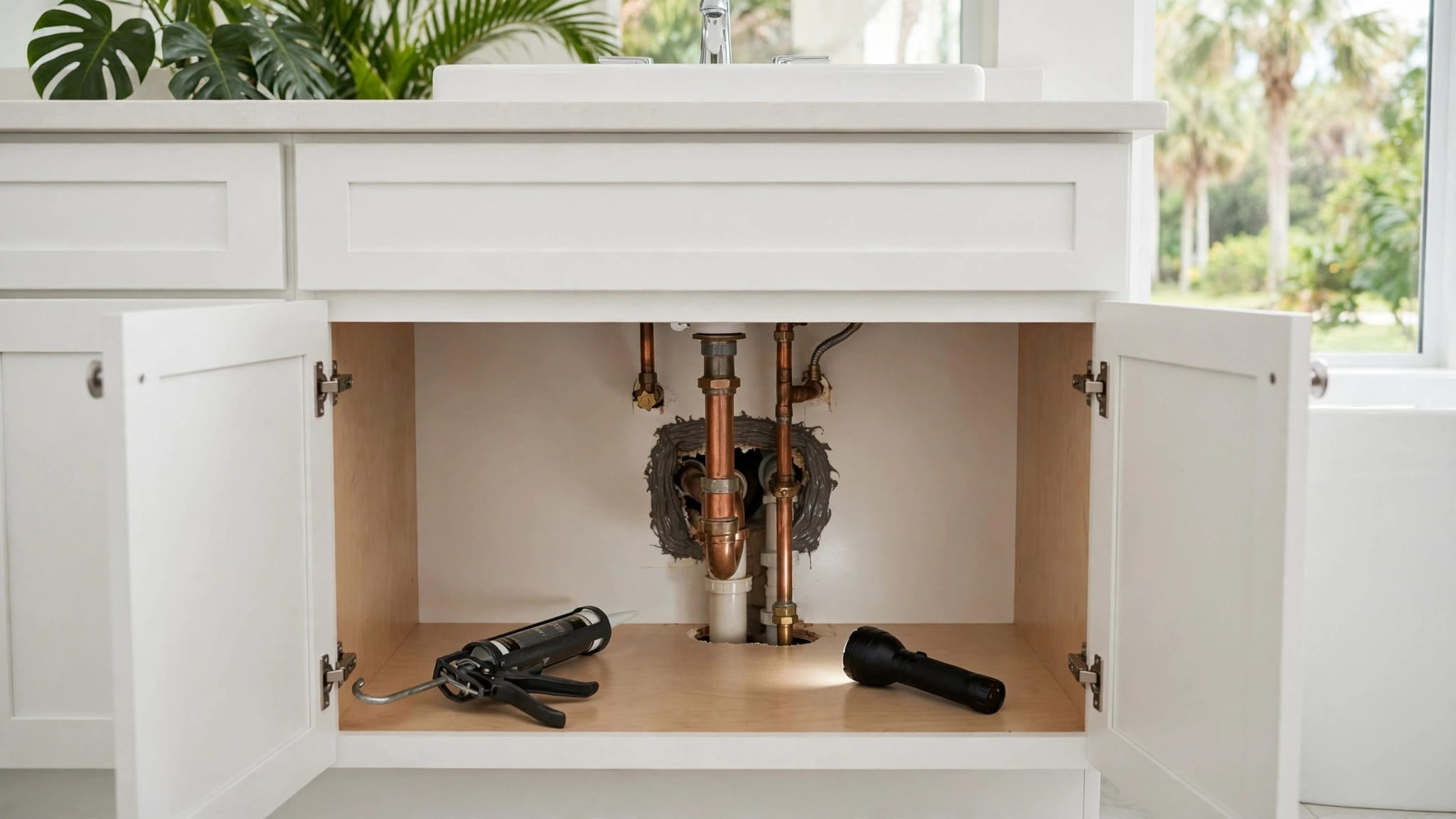
Seal joints wisely. Polymeric sand fills gaps without cracking. For AC slabs, flexible caulk works on edges. Don't over-seal; let it breathe.
Trim bushes back six inches from hardscapes. Rake leaves daily. Store trash tight. Control aphids with water sprays.
Monthly checks keep issues small. Re-sand joints yearly. These steps block re-entry.
Argentine ants in Cape Coral pavers and AC pads yield to inspection and baits over sprays. Focus on dry, sealed spaces, and trails fade. Your yard reclaims peace fast.
Ready for clear patios? Schedule a free inspection today. Call Shield Home & Pest Control at (239) 910-1133.
Schedule a Free Inspection: