Blow Flies in Cape Coral Homes from Dead Animal Odors
You spot shiny blue-green flies buzzing around your kitchen window. Then a faint rotten smell hits. In Cape Coral, these blow flies often signal a dead animal hidden nearby. They don't just annoy; they point to a bigger issue inside your walls or attic.
Homeowners face this after rats or mice die in tough-to-reach spots. Humidity keeps the odor going, and flies keep coming. You need to find the source fast. This guide shows you how blow flies connect to dead animals, common spots in local homes, and steps to fix it right.
Spotting Blow Flies in Cape Coral Homes
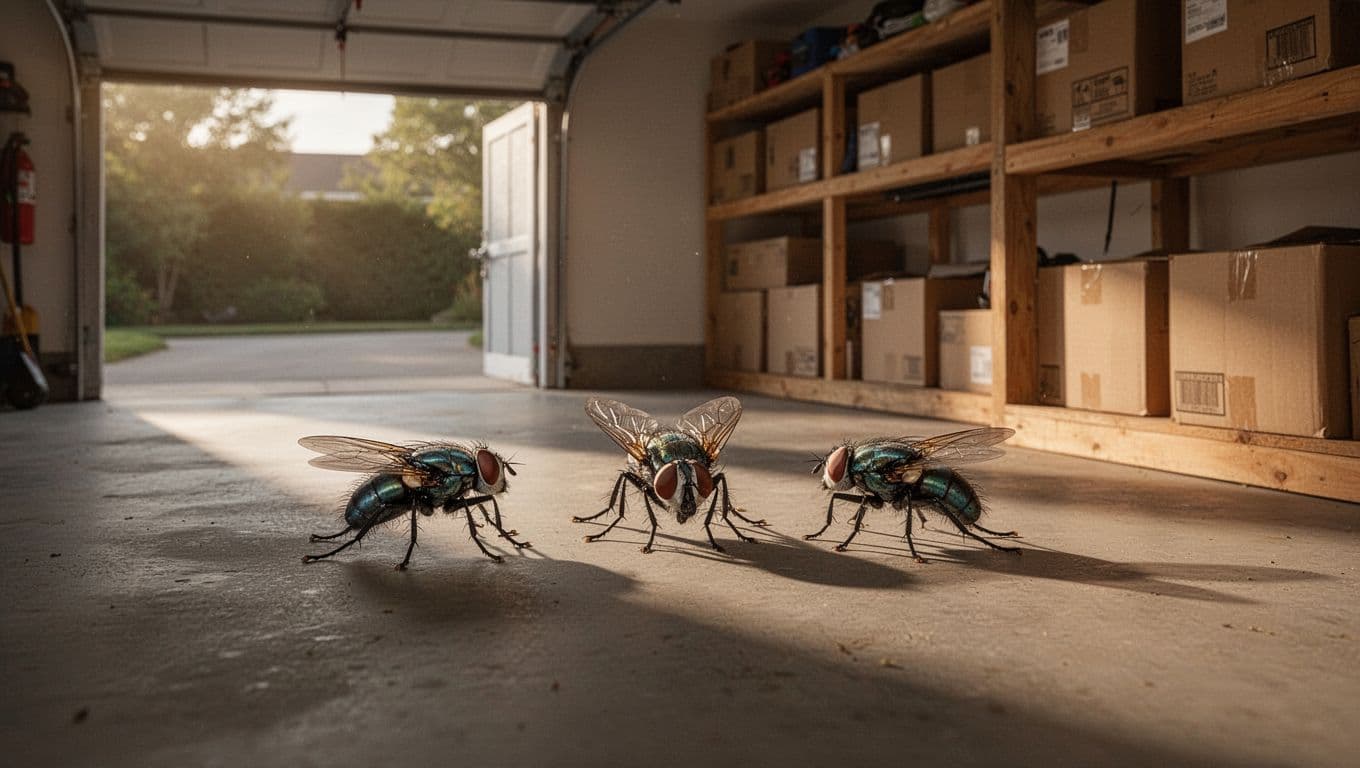
Blow flies stand out with their metallic sheen. Blues and greens shine under Florida sun. They measure about a fifth of an inch. Unlike house flies, they head straight for decay.
You see them on walls near windows or lights. They cluster in small groups. In Cape Coral homes, they pop up indoors fast because warmth speeds their life cycle. Adults lay eggs on fresh corpses within hours.
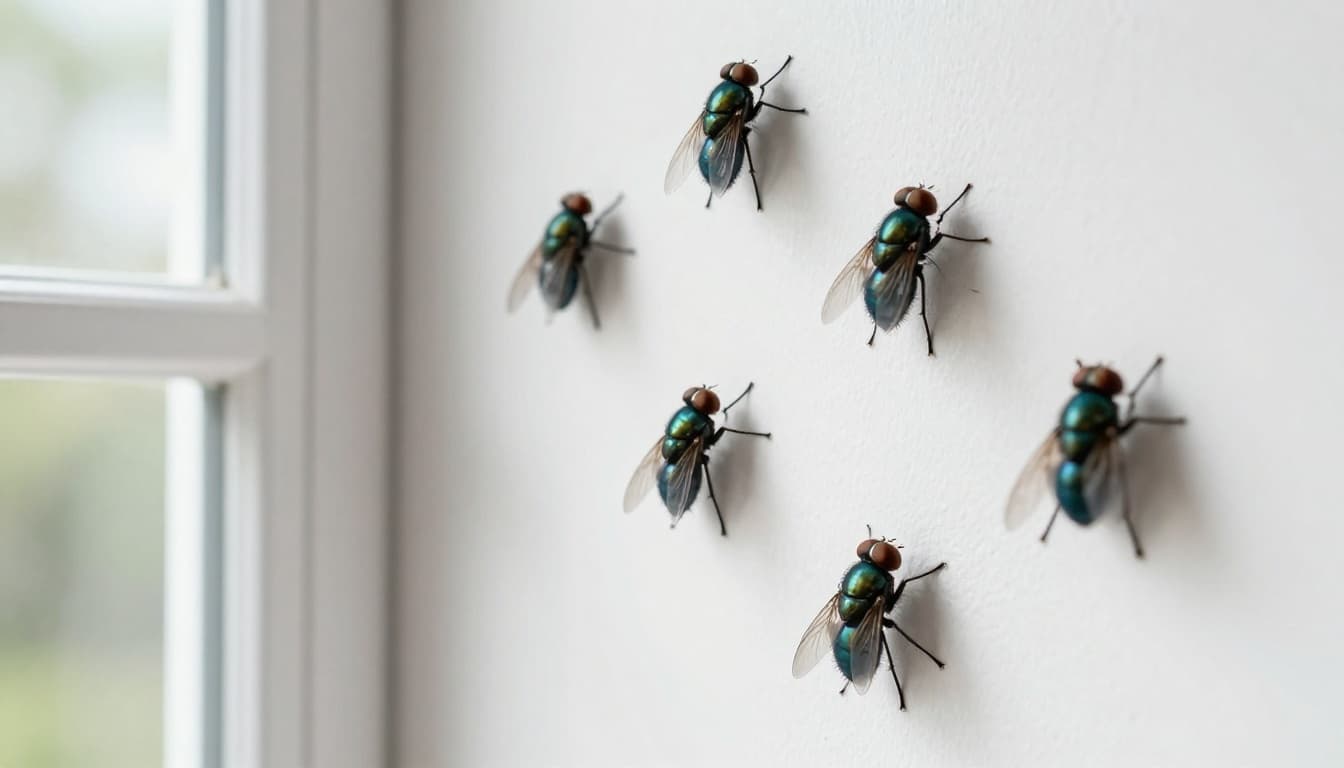
Spot them early because numbers build quick. A few today mean dozens tomorrow. Check screens and vents too. They slip through tiny gaps.
Why Dead Animals Draw Blow Flies
Blow flies smell death from afar. Females seek decomposing meat to lay eggs. Larvae, or maggots, feed on the body. This cycle starts before you notice the odor.
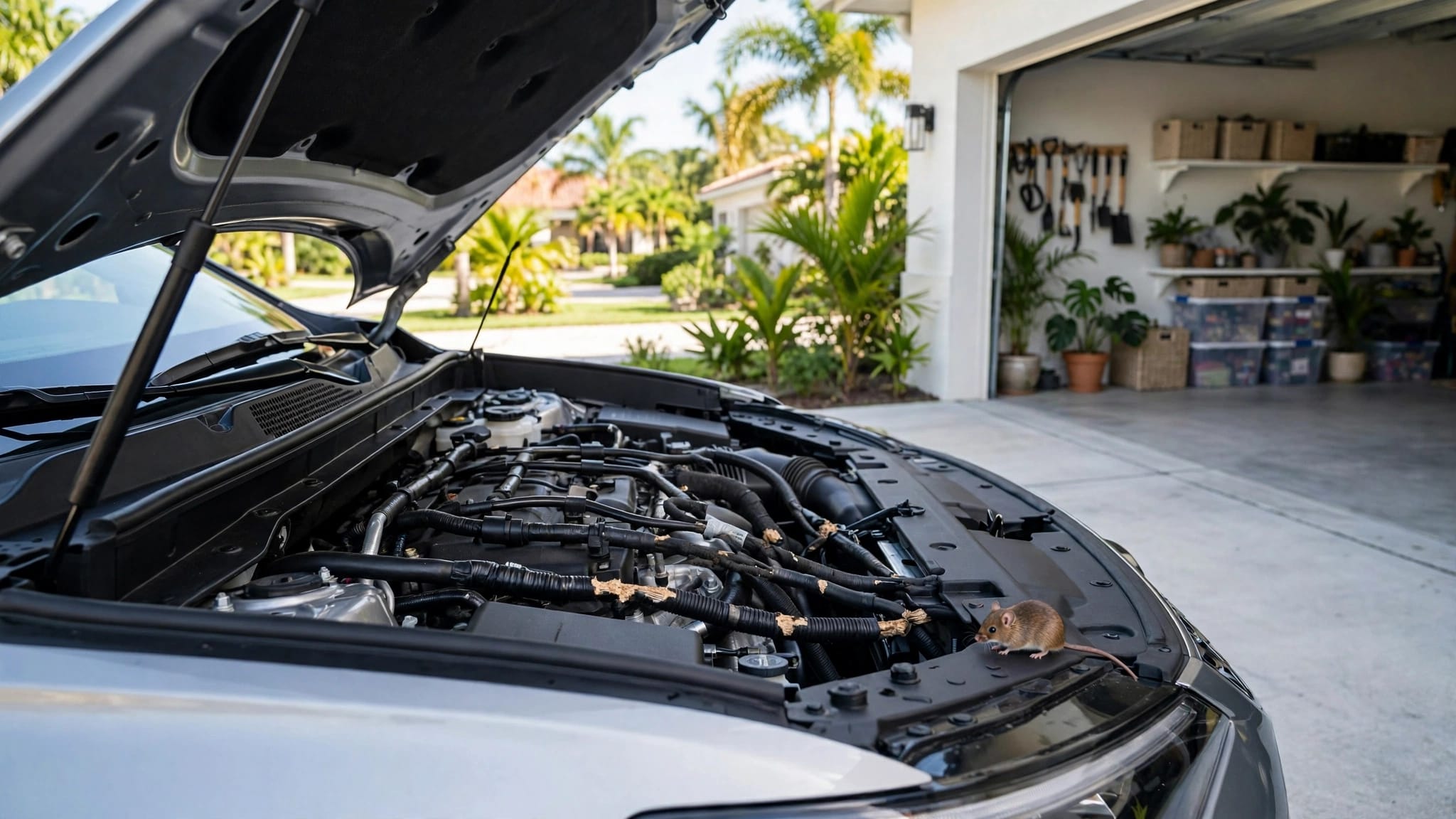
In Cape Coral, roof rats often die in attics after eating bait wrong. Mice tuck into walls. Each corpse supports hundreds of flies. The smell lingers weeks in humid air.
Odor alone won't stop flies. Eggs hatch in days. New adults emerge even after the body dries. So, sprays kill some, but more appear. Focus on removal first.
Rodents enter via palm fronds touching roofs. Learn more about roof rats in Cape Coral attics.
Common Hiding Spots for Dead Animals
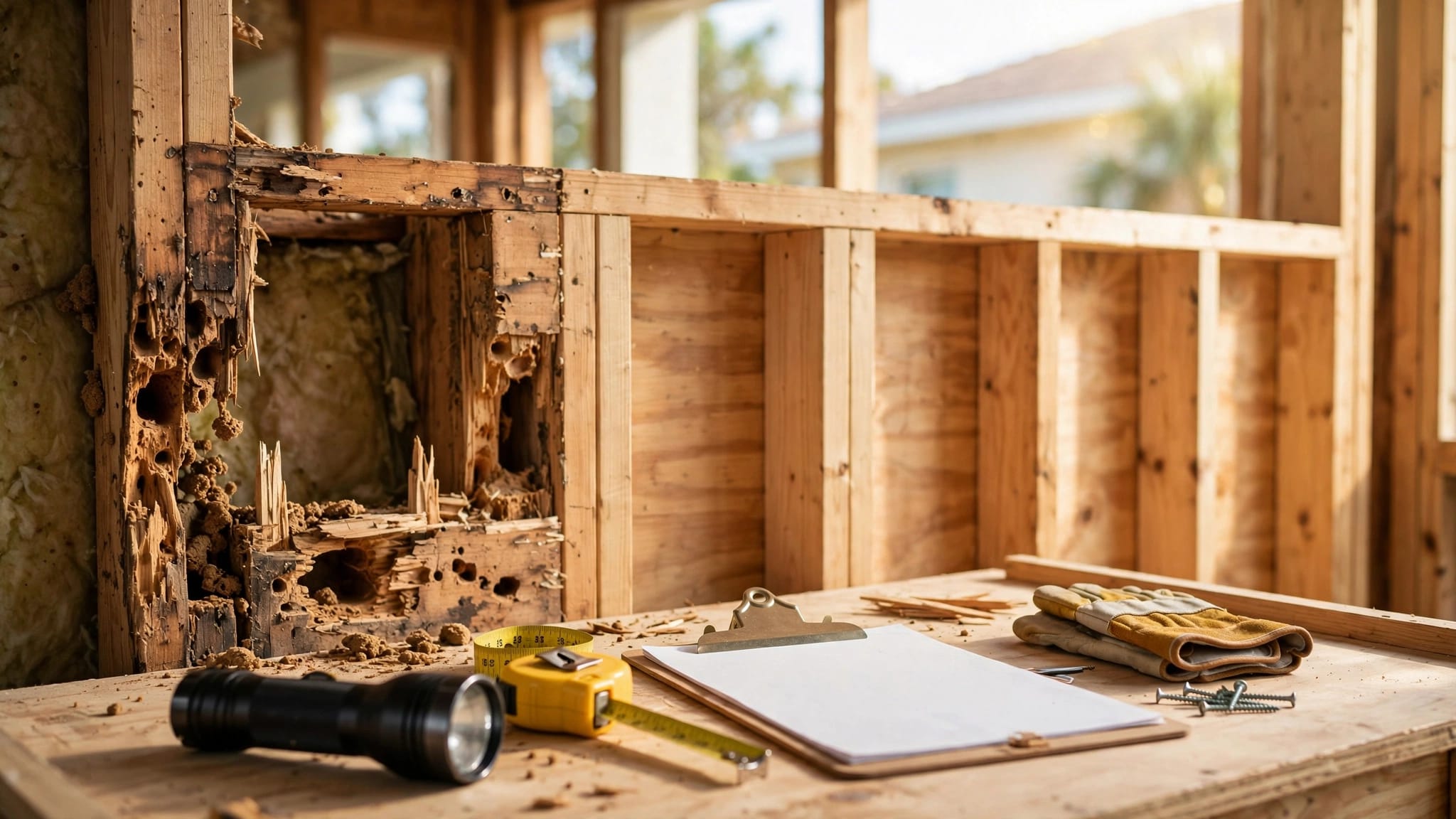
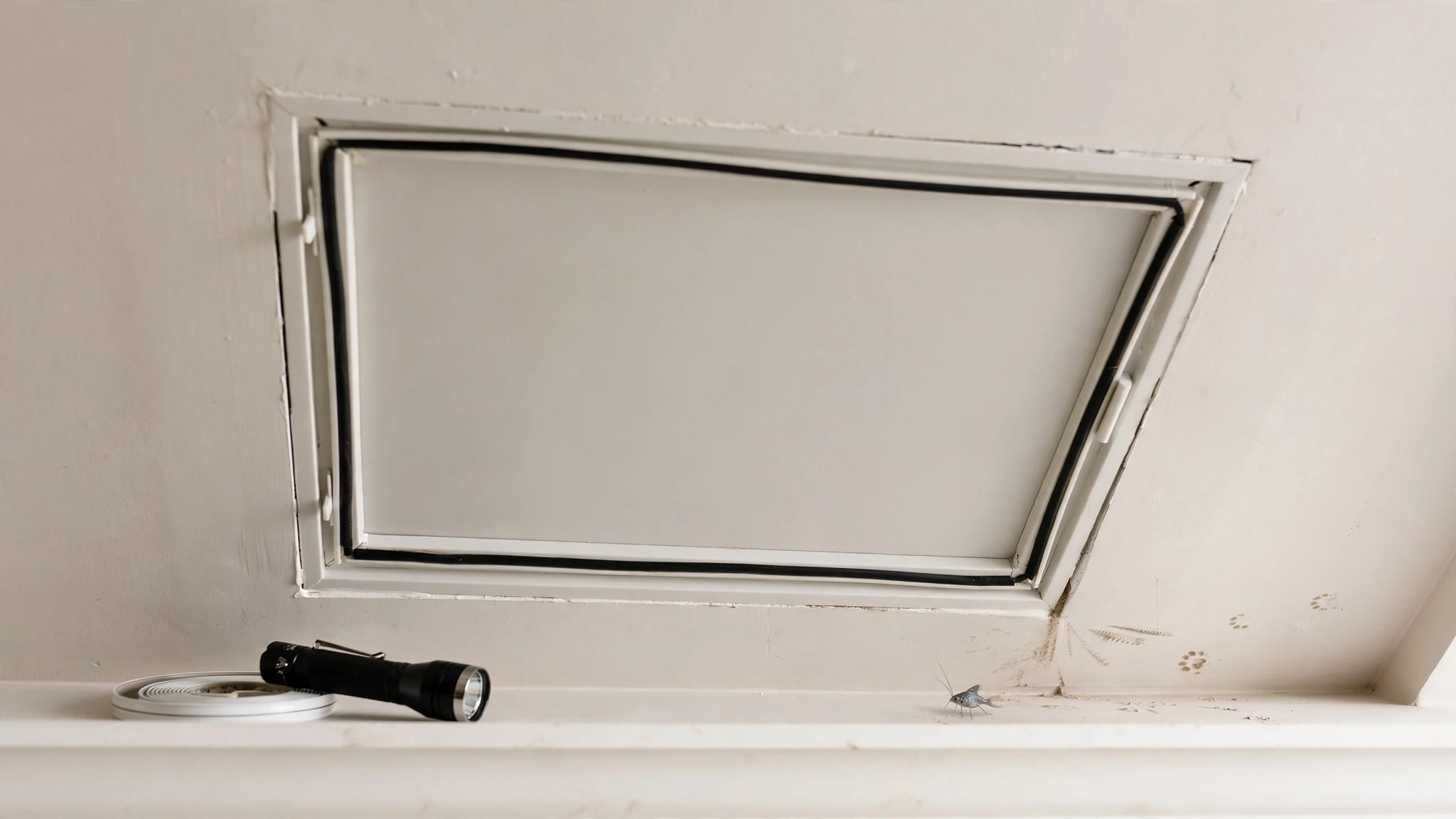
Dead animals hide where access stays easy. Attics top the list in Cape Coral homes. Rodents nest in pink insulation. They die there after wandering.
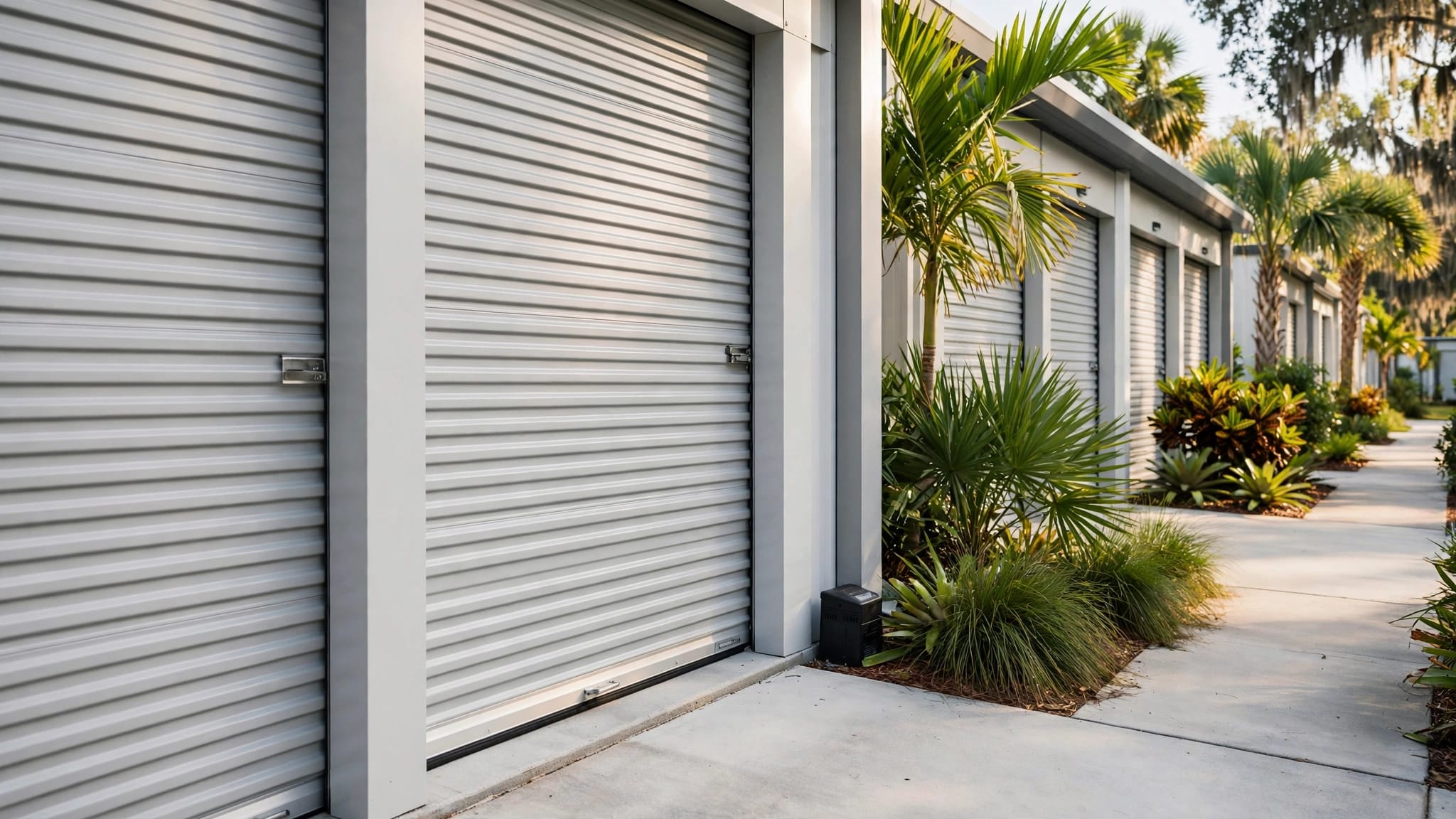
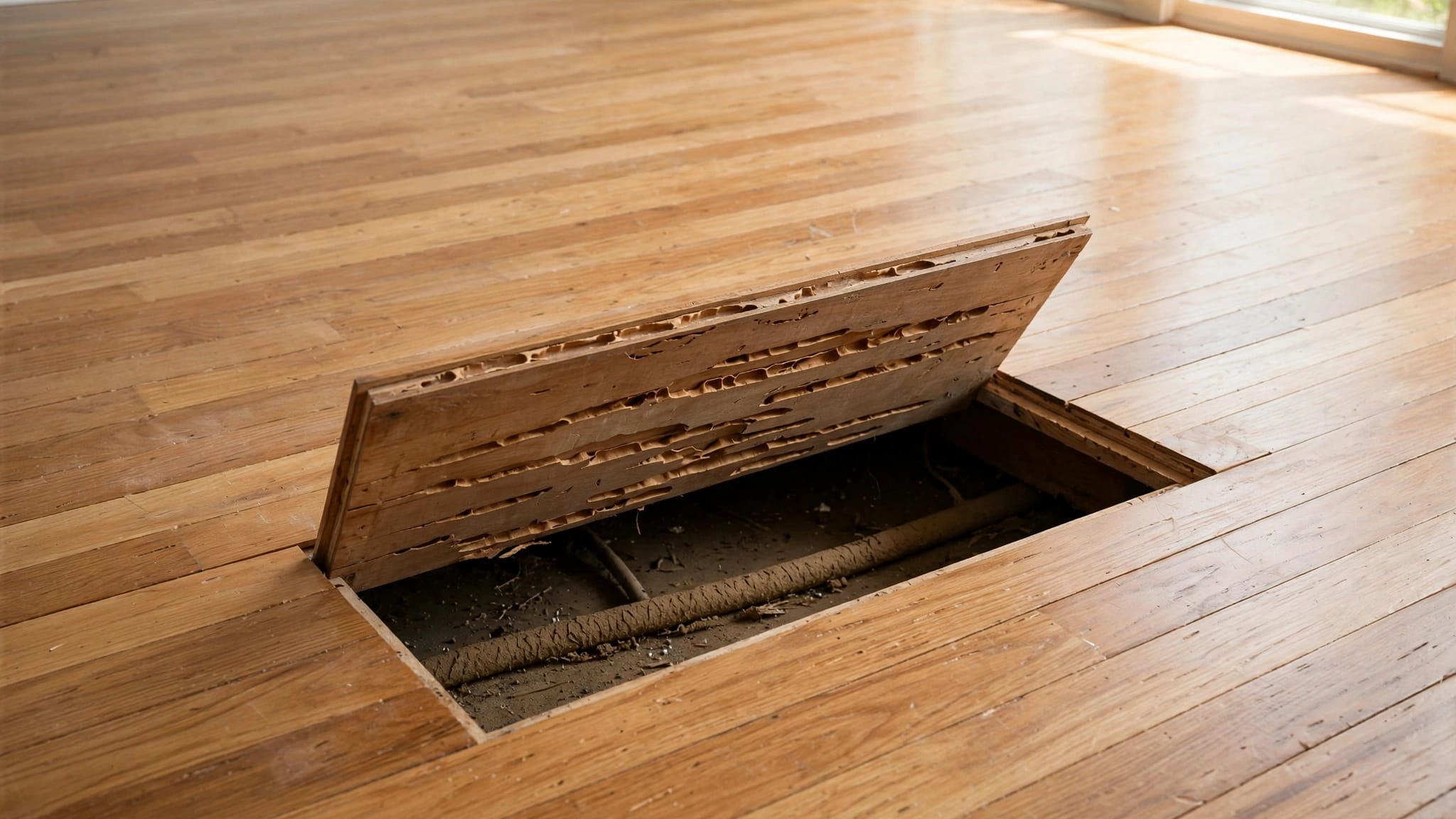
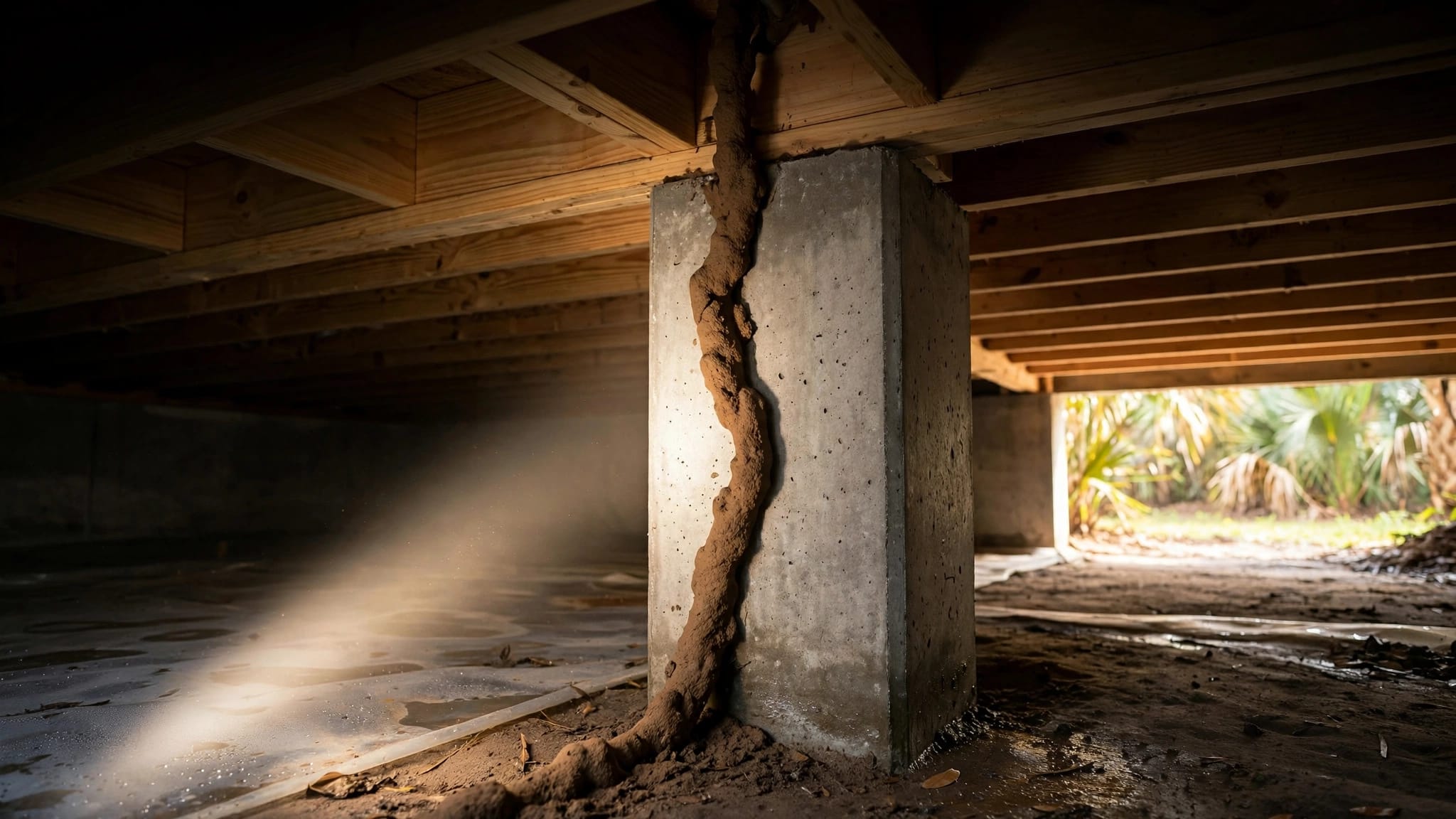
Garages rank next. Boxes and shelves create dark corners. Lanais pull in lizards or birds that fall behind screens. Crawlspaces under slabs hold moisture and mice.
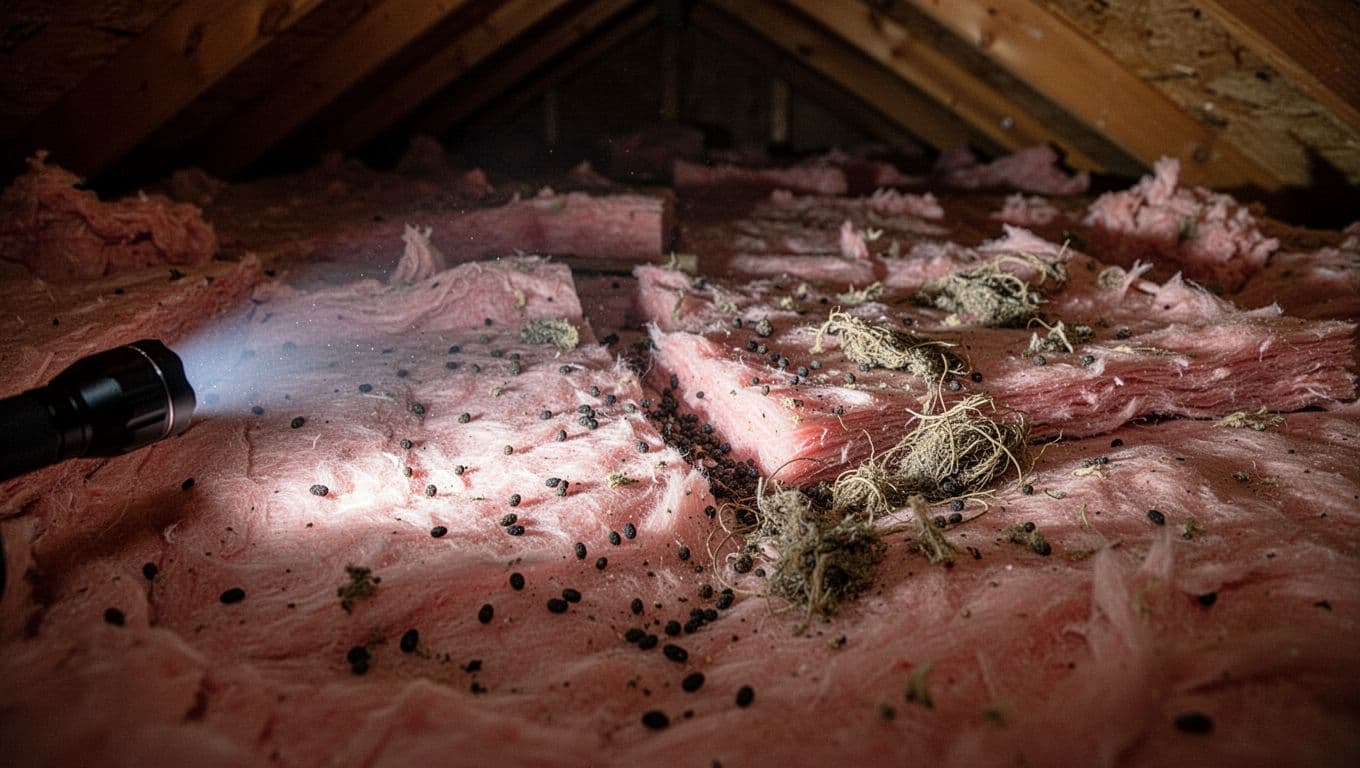
HVAC spaces trap them too. Vents near ducts draw curious pests. Roof voids above tiles stay hot and hidden. Check after storms; displaced animals seek shelter.
House mice often die in walls. See signs like house mice in Cape Coral walls.
Why Blow Flies Linger Days After Death
You remove the body, yet flies keep showing. Why? Eggs already laid hatch in 24 hours. Maggots mature in a week. Adults live another month.
Florida heat speeds this. A small mouse feeds a swarm for weeks. Odor fades, but stragglers emerge. Killing flies alone misses larvae.
Treat the source. Otherwise, flies signal more decay. Vacuum eggs if you find them. Dry the area well.
Safe Steps to Locate and Remove the Source
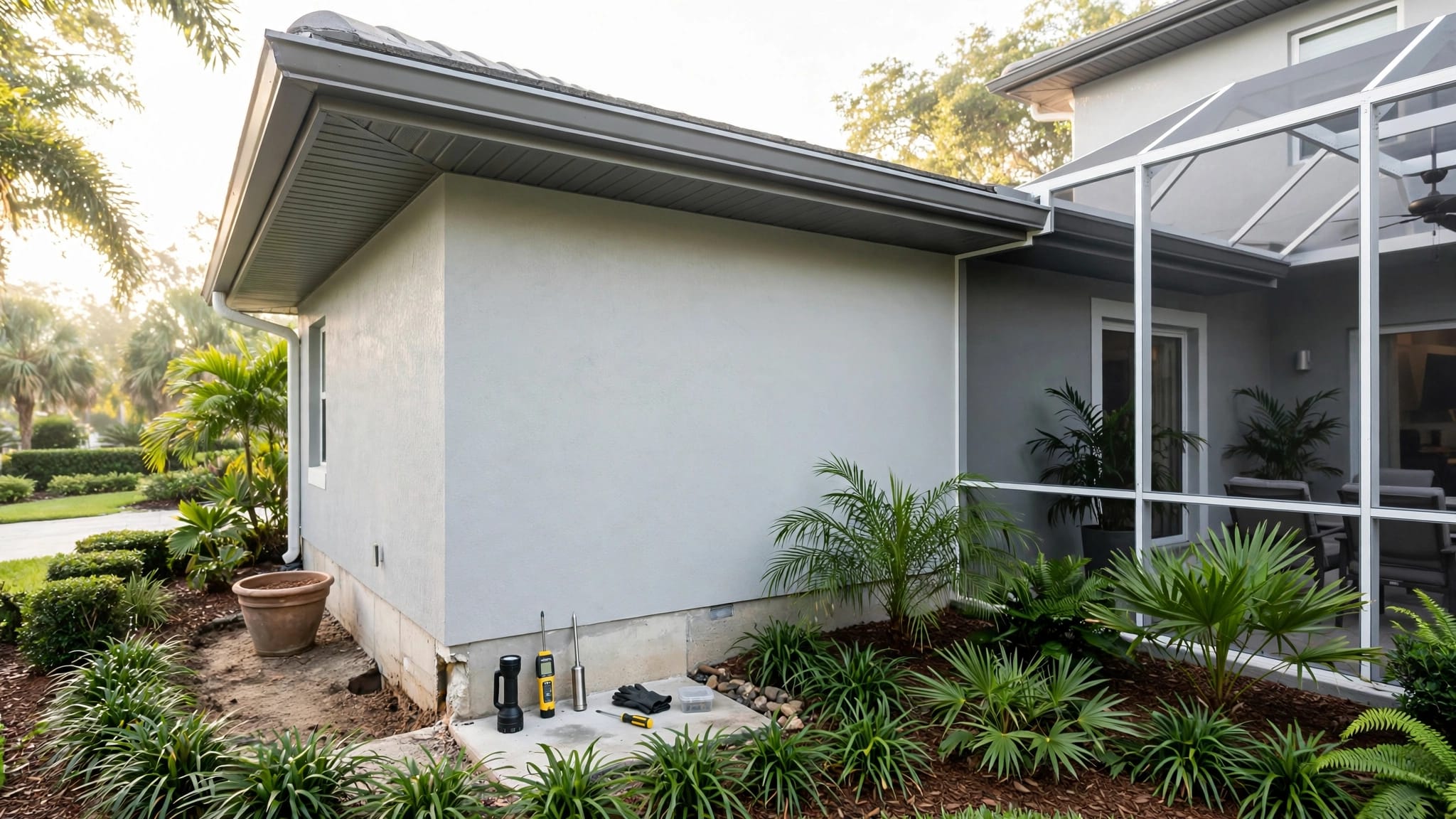
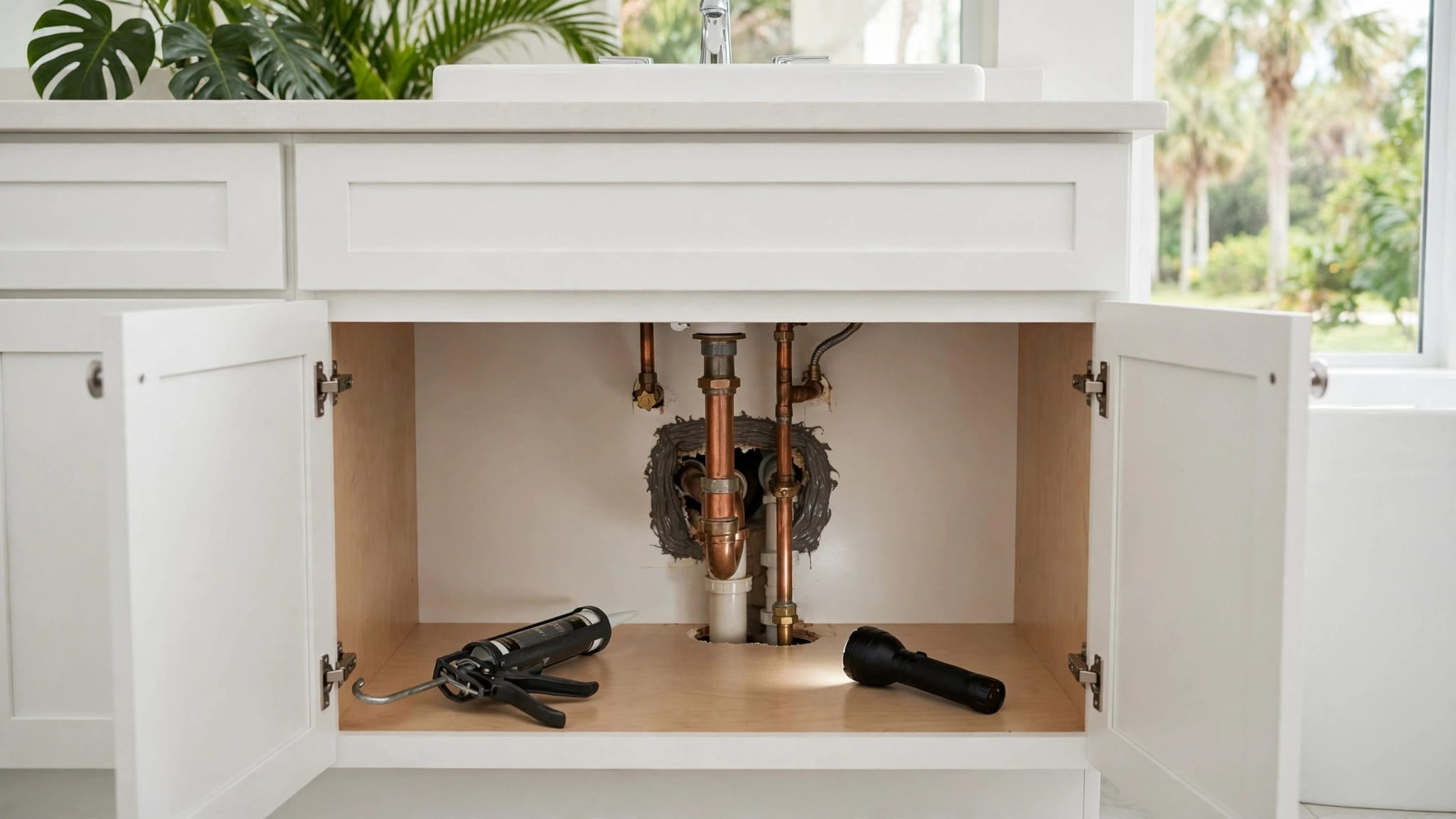
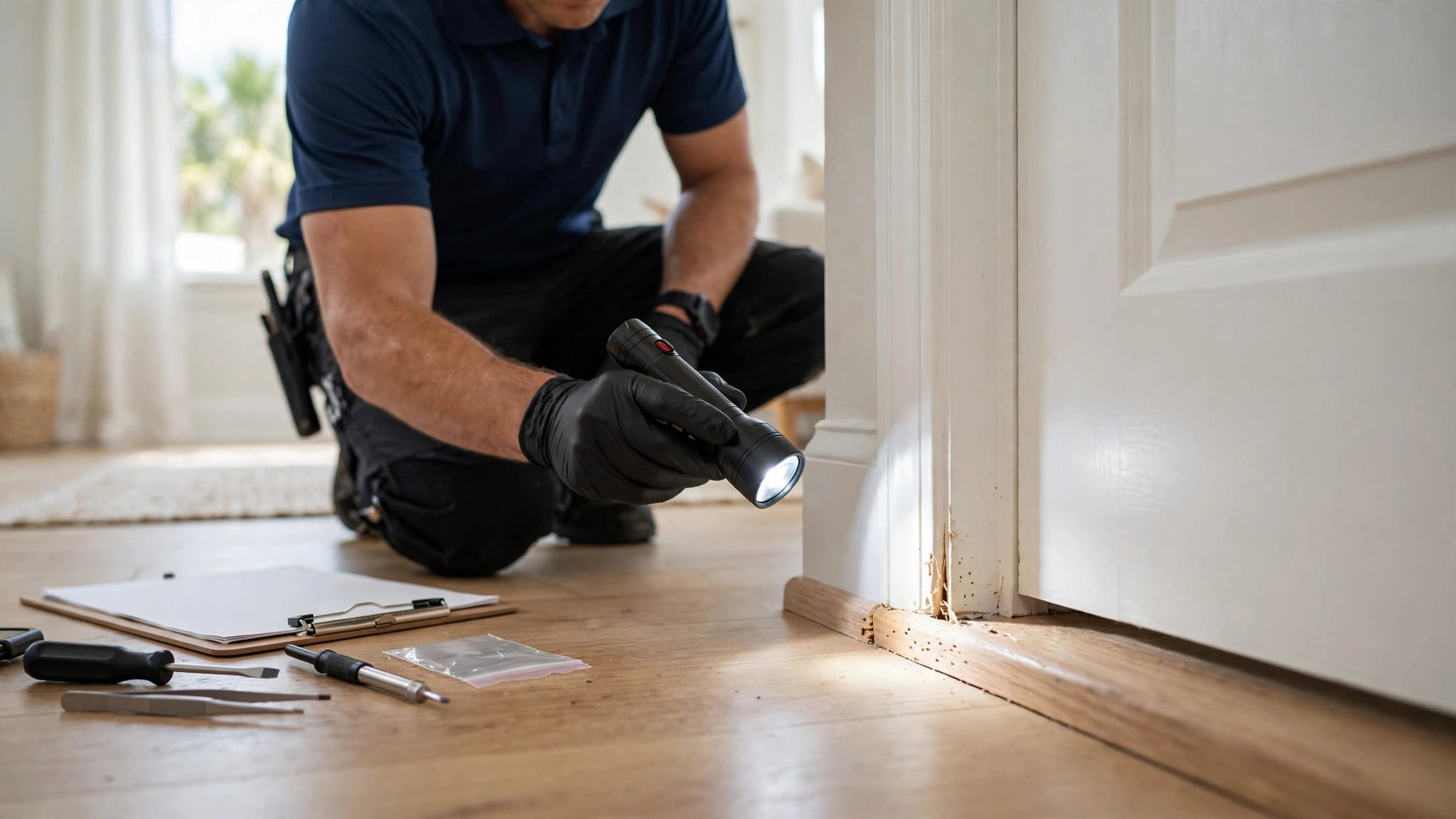
Start with your nose. Follow the smell to walls or ceilings. Listen for fly buzzing at night. Use a flashlight in attics; look for stains or grease marks.
Tape drains or vents; flies stick to it. No luck? Probe walls with a thin rod. Soft spots mean trouble.
Once found, wear gloves. Double-bag the remains. Seal cracks to block others. Clean with enzyme cleaners; they break down proteins.
Ventilate well. Fans help odors escape. Check neighbors; shared walls hide issues.
Know When Pros Handle It Best
DIY works for garages or lanais. Attics or walls? Call experts. They use cameras and tools you lack. Safe removal avoids maggot spills.
In Cape Coral, local teams know rodent paths. They prevent repeats with exclusion. Free inspections spot entries fast.
Phorid flies mimic this; check phorid flies in Cape Coral bathrooms for similar tips.
Blow flies warn of hidden decay in Cape Coral homes. Dead animals in attics or garages fuel them longest. Find and remove the source; flies fade in days.
Act now to reclaim your space. Schedule a free inspection. What's your first spot to check?
Schedule a Free Inspection: