Turkestan Cockroaches In Cape Coral Meters And Mulch Beds
You lift the lid on your water meter box and spot a quick-moving roach. Or maybe one darts from under mulch near your lanai. These sights unsettle Cape Coral homeowners. Turkestan cockroaches Cape Coral residents notice often thrive outside. They shelter in warm, protected, damp spots. Most stay outdoors. But they wander indoors now and then.
The good news is you can spot them early and act. They follow clear patterns around homes. Let's break down what draws them to meters and mulch beds first.
Spotting Turkestan Cockroaches Around Your Home
Turkestan cockroaches stand out from common Florida pests. Males have a sandy brown body with yellow shoulder stripes. They grow to about an inch long with full wings for flying. Females look darker, almost black, with short wings. They stay close to the ground.
You see them most at night near lights or damp areas. Droppings resemble black pepper flecks. Egg cases appear as small, brown capsules tucked in cracks. Nymphs start tiny and dark. They grow fast in our warm climate.
In Cape Coral, they differ from palmetto bugs. Those fly more and prefer garages. Turkestans hug moist soil instead. For a similar outdoor roach in mulch beds and potted plants, check Surinam types. But Turkestans favor utility spots.
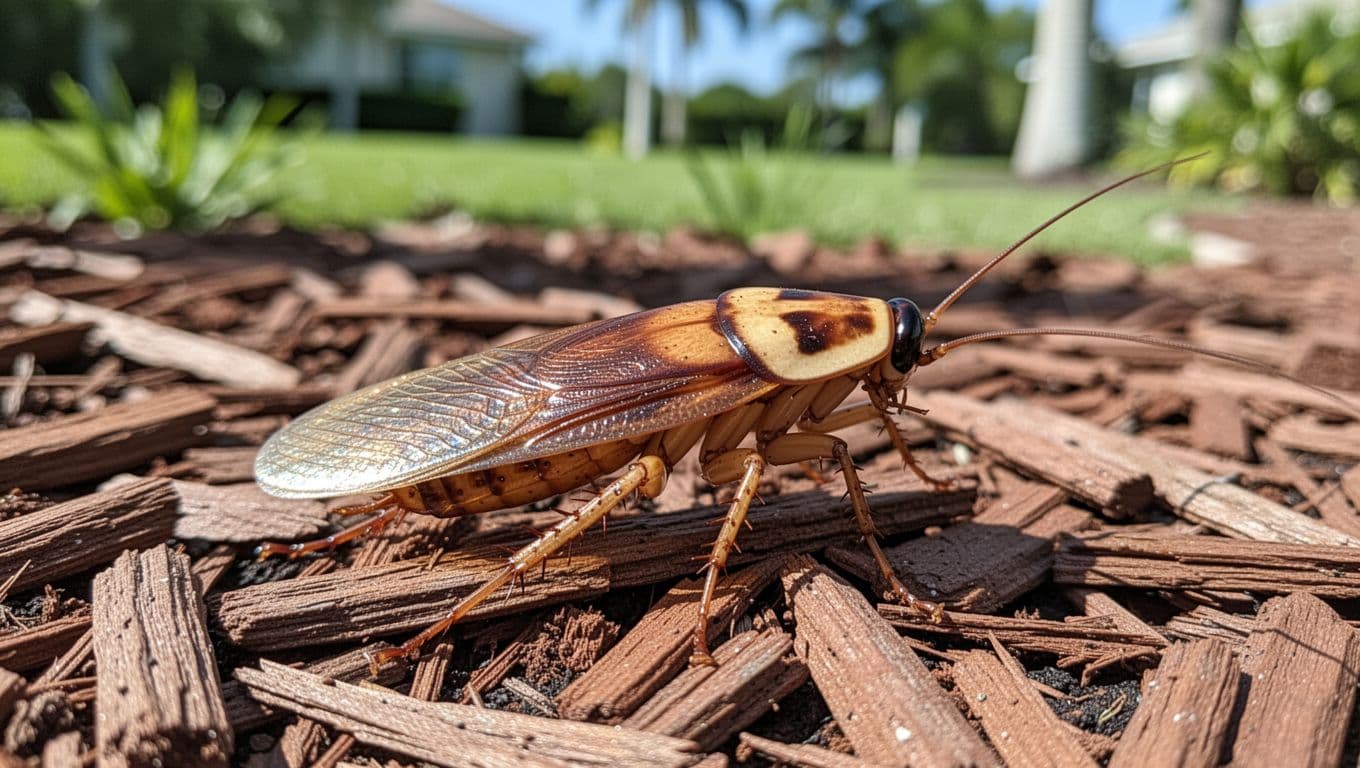
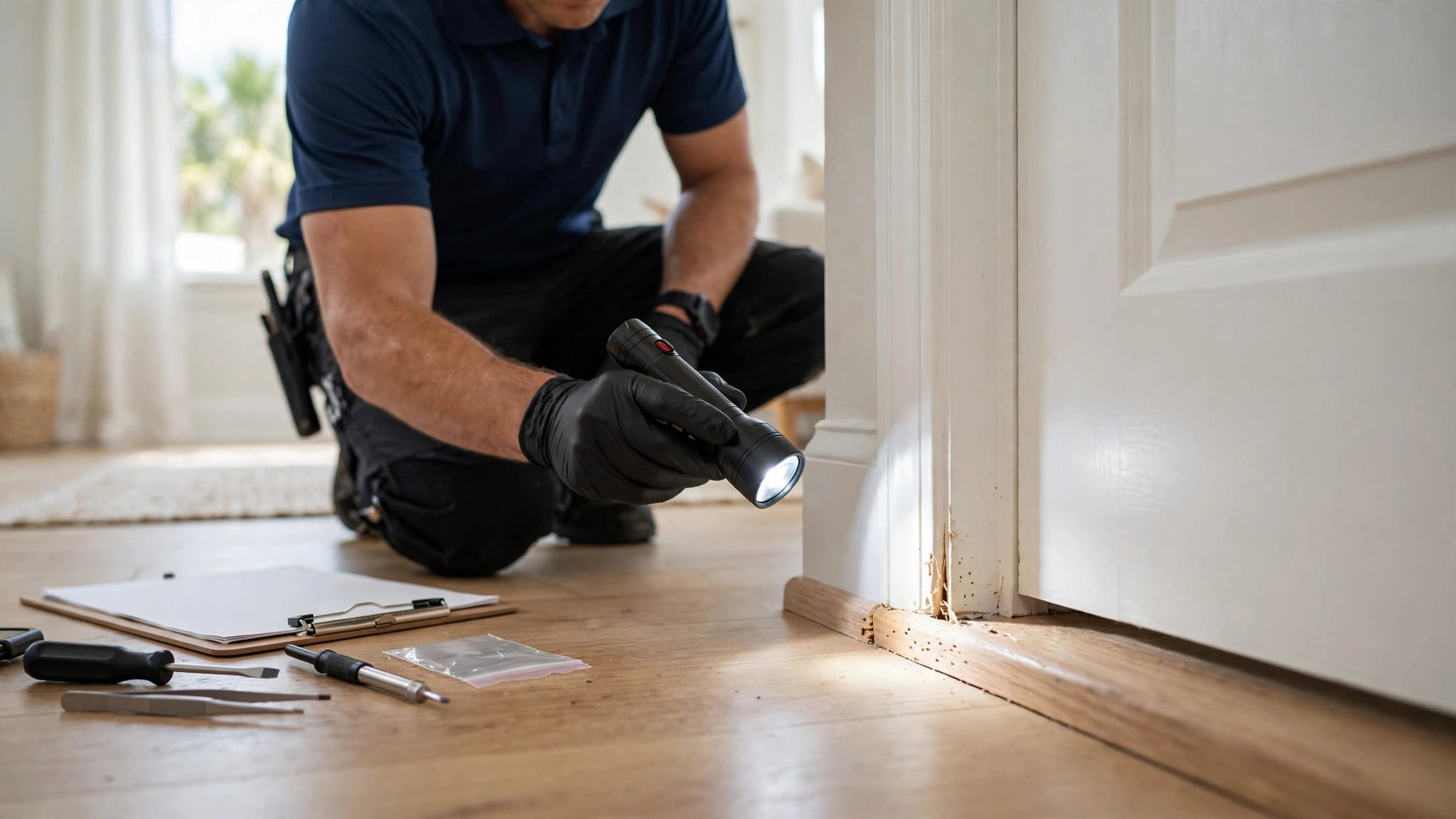
Use a flashlight after dark. Look for live ones or signs in mulch edges. This helps confirm if Turkestans cause your issue. Early spotting prevents buildup.
Prime Hiding Spots: Meters and Mulch Beds
Turkestan cockroaches seek warmth, moisture, and cover. Meters and mulch beds deliver all three in Cape Coral yards. Water meter boxes hold damp soil from leaks or irrigation. Valve boxes mimic this with shade and humidity.
Mulch beds trap water longer than grass. Thick layers block sun and dry air. Add plant debris, and you create perfect shelter. They burrow under fresh mulch or near tree bases.
Rain pushes them closer to homes. Irrigation runoff keeps spots wet. Shaded yards see more activity. Females drop eggs there, so one site turns into many.
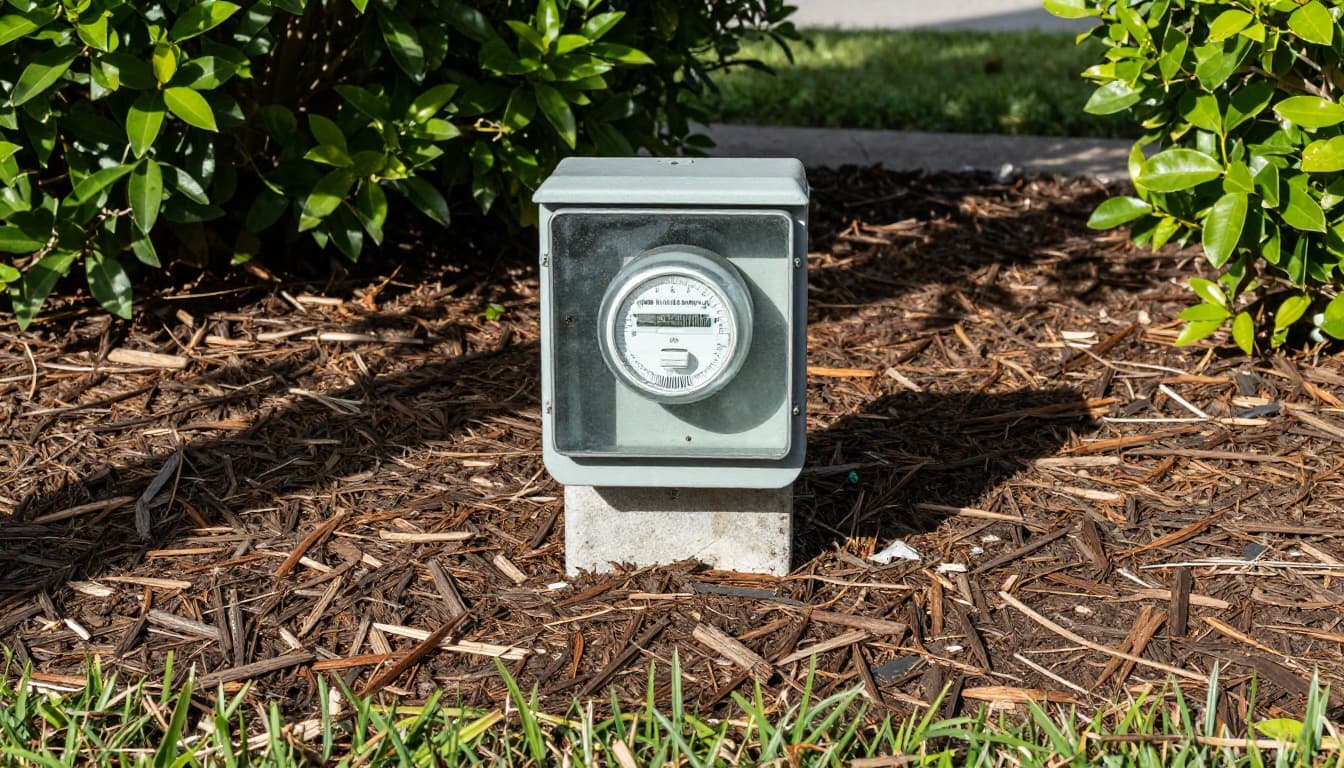
These areas sit near foundations. Roaches wander through small gaps at night. Dry them out, and pressure drops fast.
Your Yard Inspection Checklist
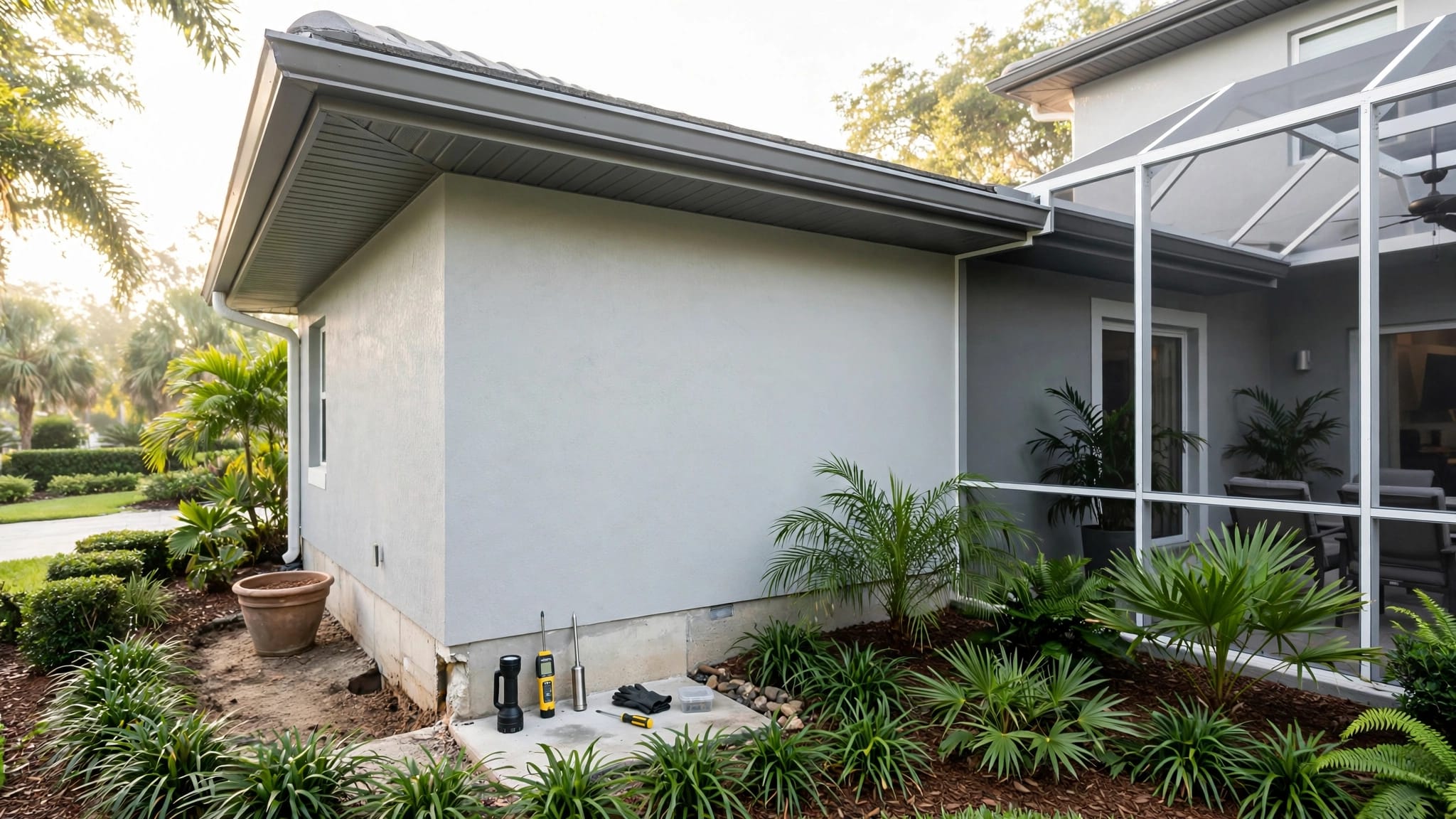
Start inspections at dusk. Grab gloves, a flashlight, and a trowel. Check meters first. Lift lids slowly. Note damp soil or frass.
Move to mulch beds. Rake edges gently. Look under layers for eggs or nymphs. Probe valve boxes and drains nearby.
Key spots include:
| Spot | Signs to Check |
|---|---|
| Water meters | Wet dirt, egg cases on lids |
| Mulch edges | Burrowed tunnels, droppings |
| Valve boxes | Debris buildup, live roaches |
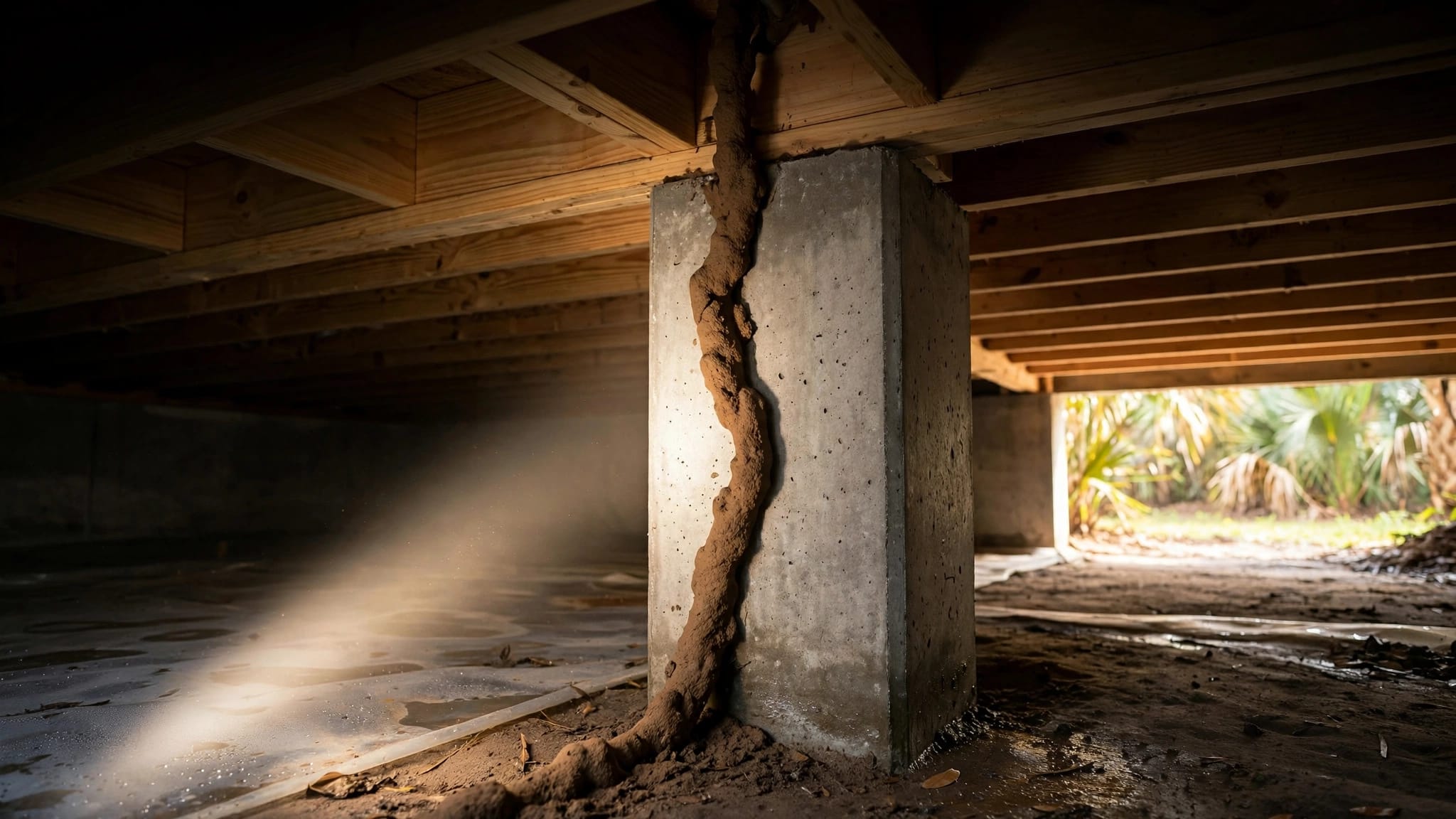
| Foundation line | Gaps with soil bridges |
Circle the house perimeter. Note irrigation paths. High activity means focus there next. Sticky traps confirm paths. Place two near hot spots. Check daily.
This takes 20 minutes. But it pinpoints sources. Repeat weekly during rain.
Cut Moisture and Manage Mulch Smartly
Moisture draws Turkestans most. Fix leaks at meters first. Tighten fittings or call utilities. Adjust sprinklers away from foundations.
In mulch beds, thin layers to two inches. Rake often to aerate. Pull it back six inches from walls. Replace organic mulch with rock in high-risk spots.
Improve drainage. Grade soil so water flows off. Empty pot saucers daily. Trim plants for more sun.
Less water means fewer roaches. Yards dry faster after these steps. Plants stay healthy too.
Exclusion Tactics and Treatment Choices
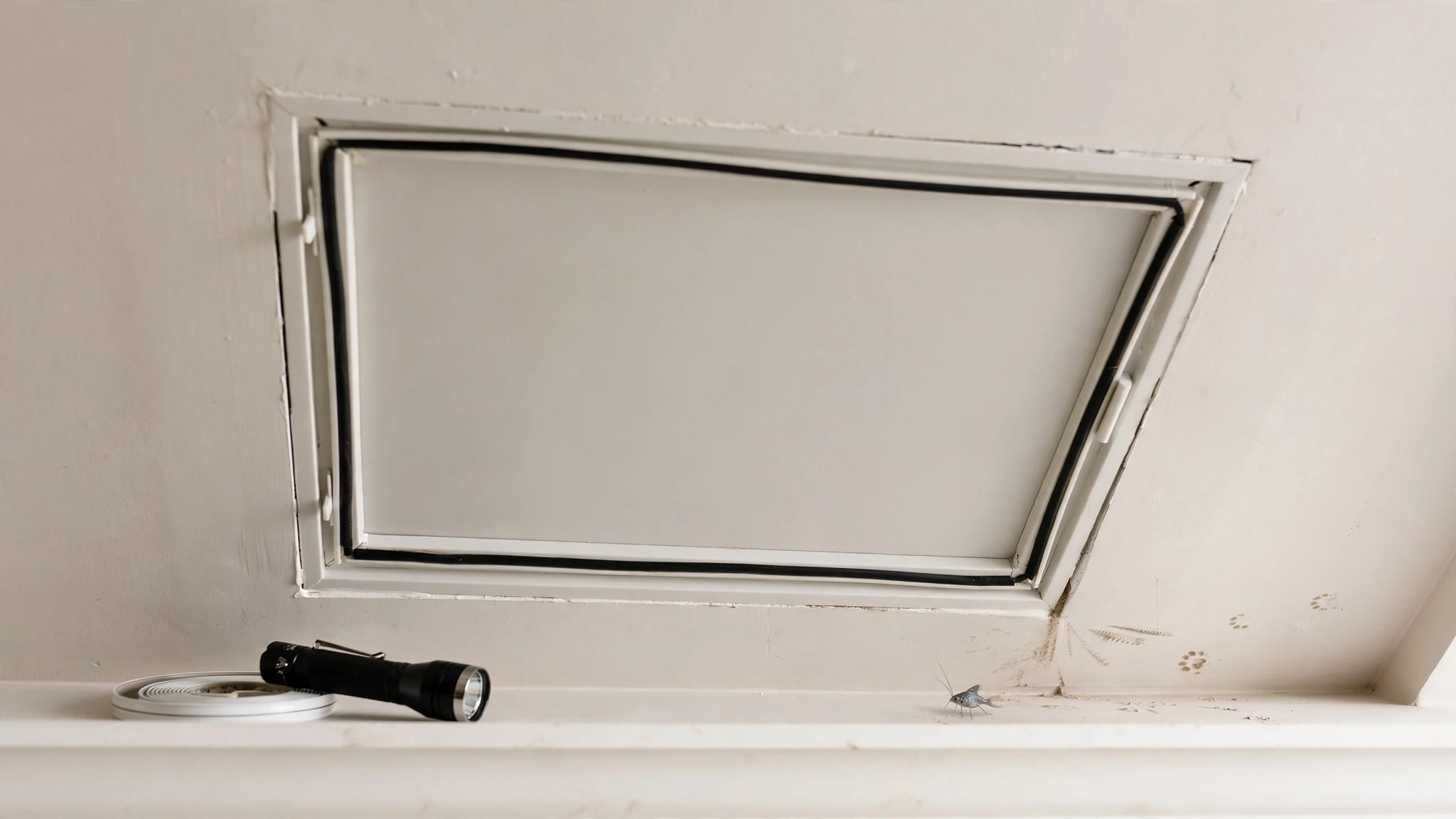
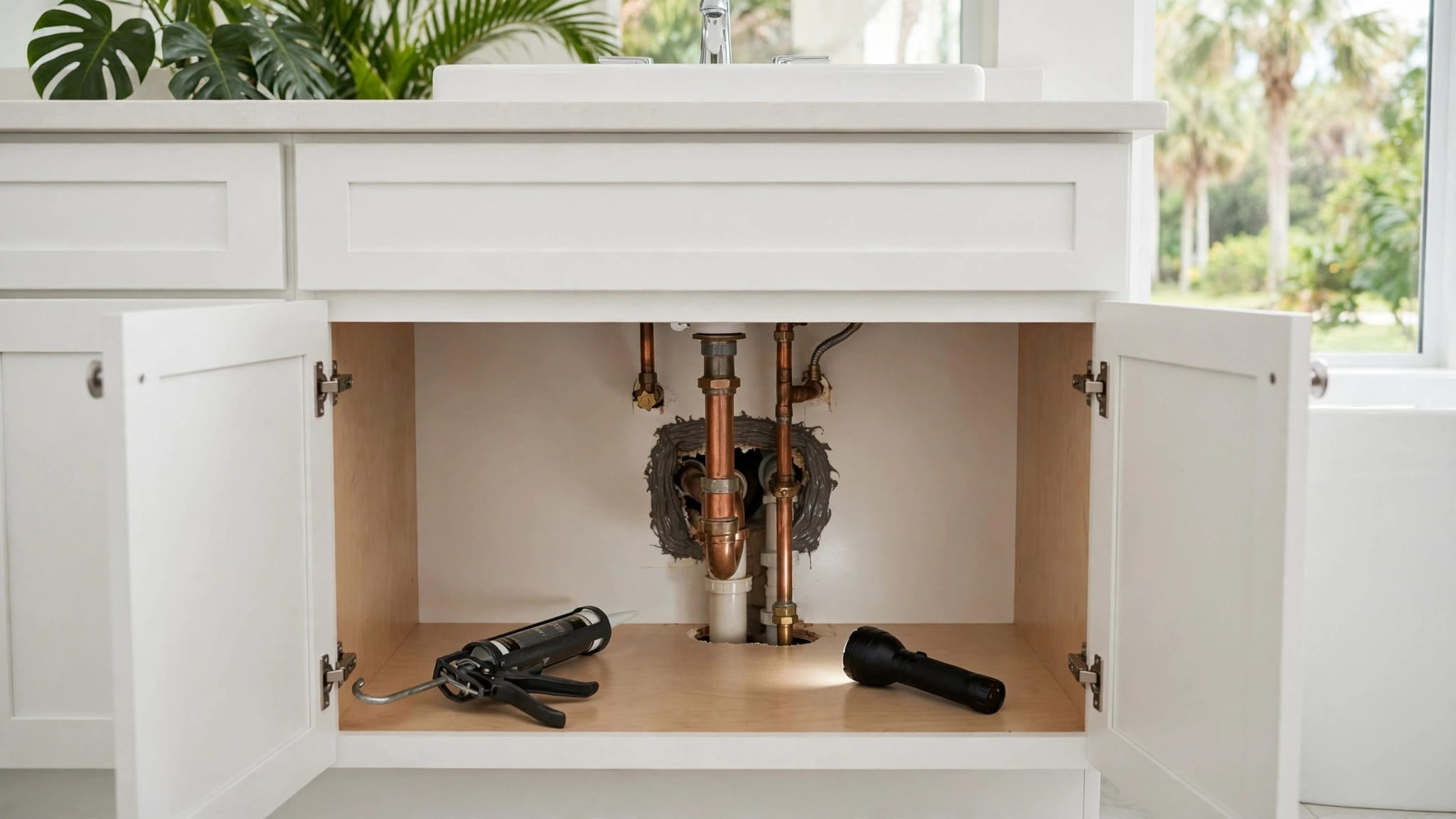
Seal gaps around meters. Use silicone caulk on lids and pipes. Add sweeps to doors near beds.
For DIY, place gel baits in cracks. Avoid sprays; they scatter pests. Dusts work in voids but keep dry.
Baits let roaches share poison. Insect growth regulators stop eggs from hatching. Use both for results.
Professionals handle heavy cases. They treat perimeters safely. In Cape Coral, locals like Shield offer free checks. See Oriental cockroaches in Cape Coral sprinkler boxes for similar yard fixes.
Track progress with traps. If numbers hold, pros finish it.
Turkestan cockroaches stay mostly outside in Cape Coral. Spot them by yellow markings on males. Target meters and mulch with dry beds and seals. These steps reclaim your yard.
Ready for peace? Schedule a free inspection today. Call Shield at (239) 910-1133. Your home deserves it.
Schedule a Free Inspection: