Clothes Moths in Cape Coral Closets and Area Rugs
You pull a winter sweater from your Cape Coral closet. Small holes dot the wool. Nearby, your area rug shows bald patches along the edges. Clothes moths Cape Coral homeowners face thrive in humid Southwest Florida homes. They target natural fibers quietly. Damage builds before you notice.
These pests love dark, undisturbed spots. High humidity speeds their cycle. You can spot them early, prevent spread, and stop infestations with simple steps.
What Clothes Moths Look Like
Adult clothes moths measure about half an inch. They have golden wings and a fuzzy head. You might see one fluttering in a closet corner. However, adults don't eat fabrics. Larvae cause the harm.
The larvae look like tiny white caterpillars. They spin silky webs as they feed. In Cape Coral, warmth helps them grow fast. Check wool items or rug fringes first.
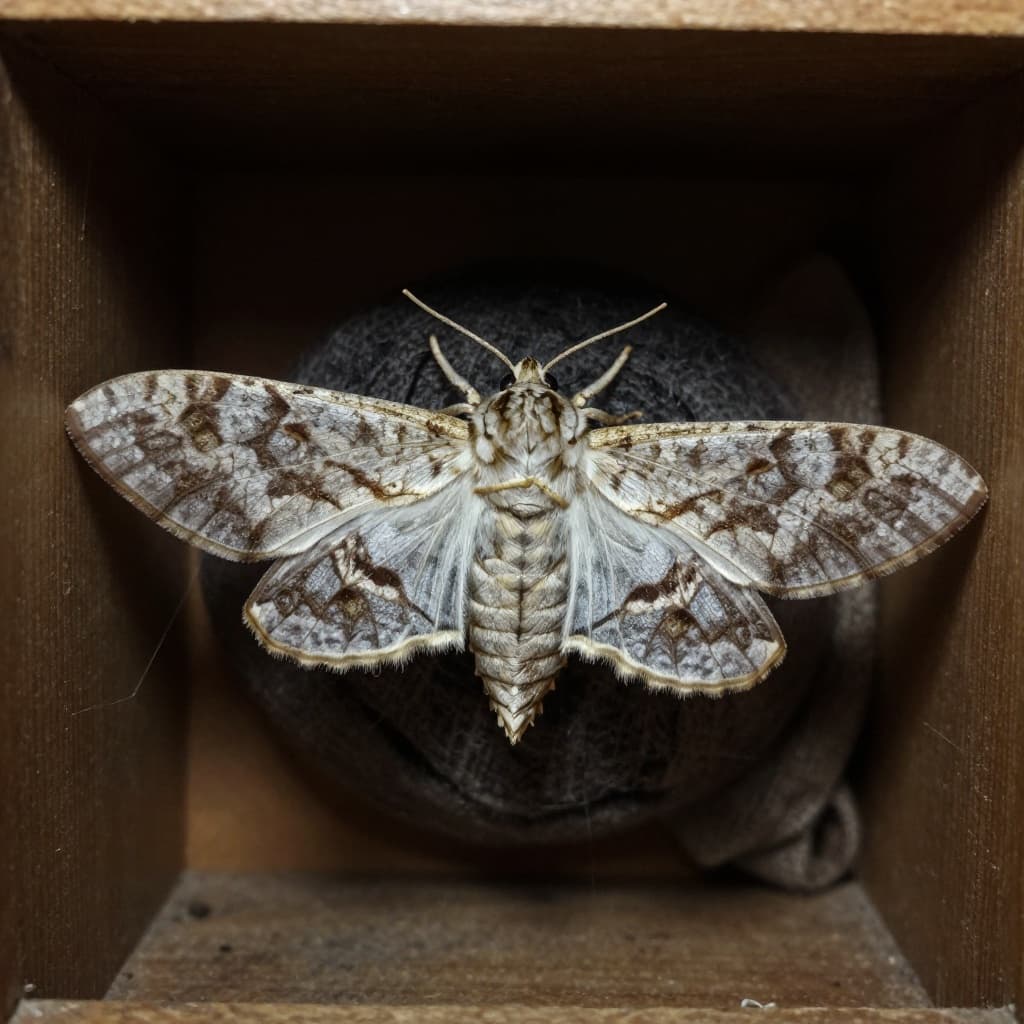
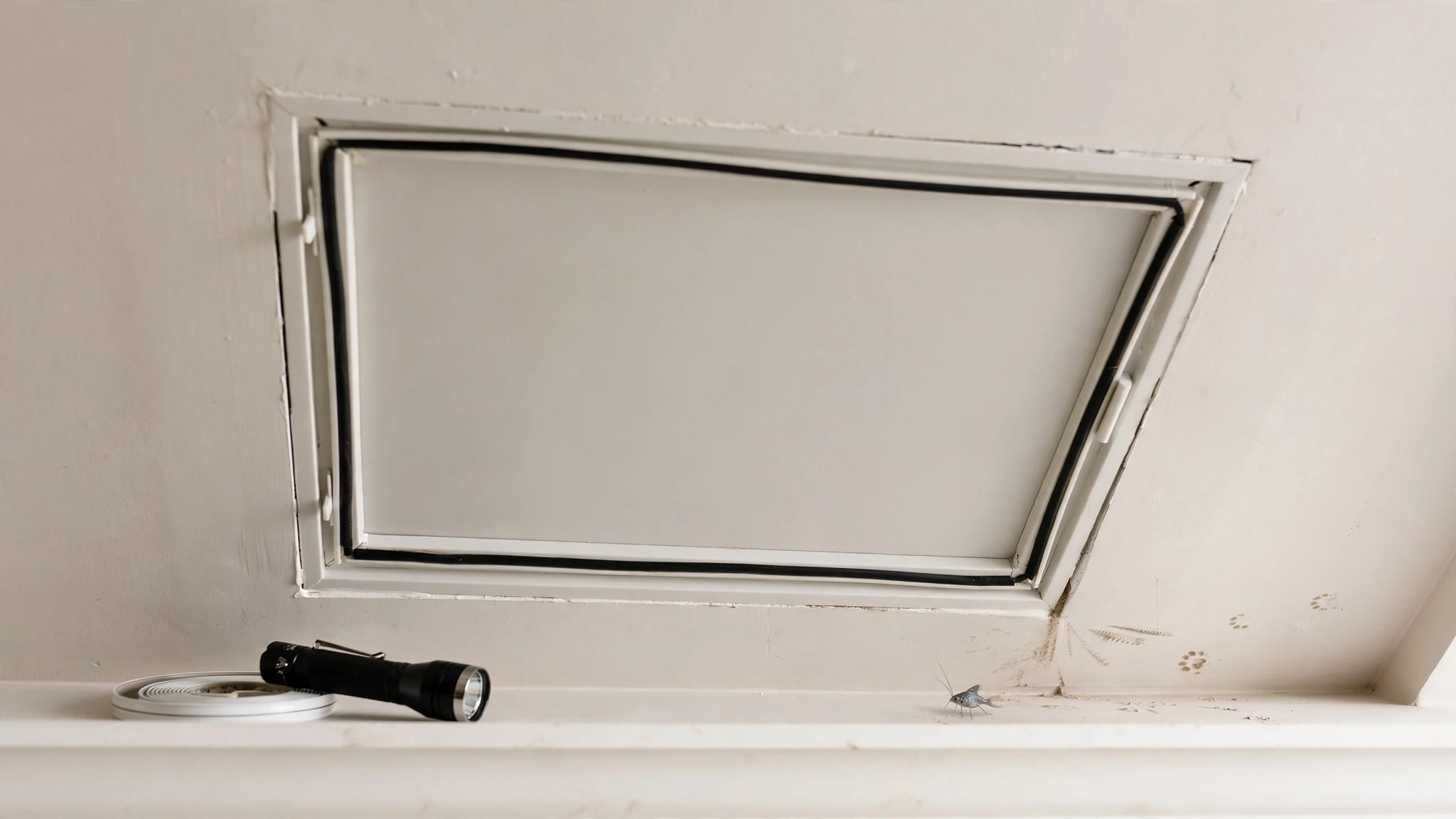
Spot adults at rest on sweaters or rugs. They avoid light. Use a flashlight in dim closets. Females lay up to 200 eggs near food sources. Eggs hatch in days during humid seasons.
Spotting Clothes Moth Damage
Holes in sweaters or suits signal trouble. Larvae chew irregular patches. Look for silky trails on fabrics. Rugs show thinned areas, especially under furniture.
In Cape Coral closets, cashmere scarves suffer most. Area rugs hide damage in padding or edges. Vacuum reveals webbing clumps.
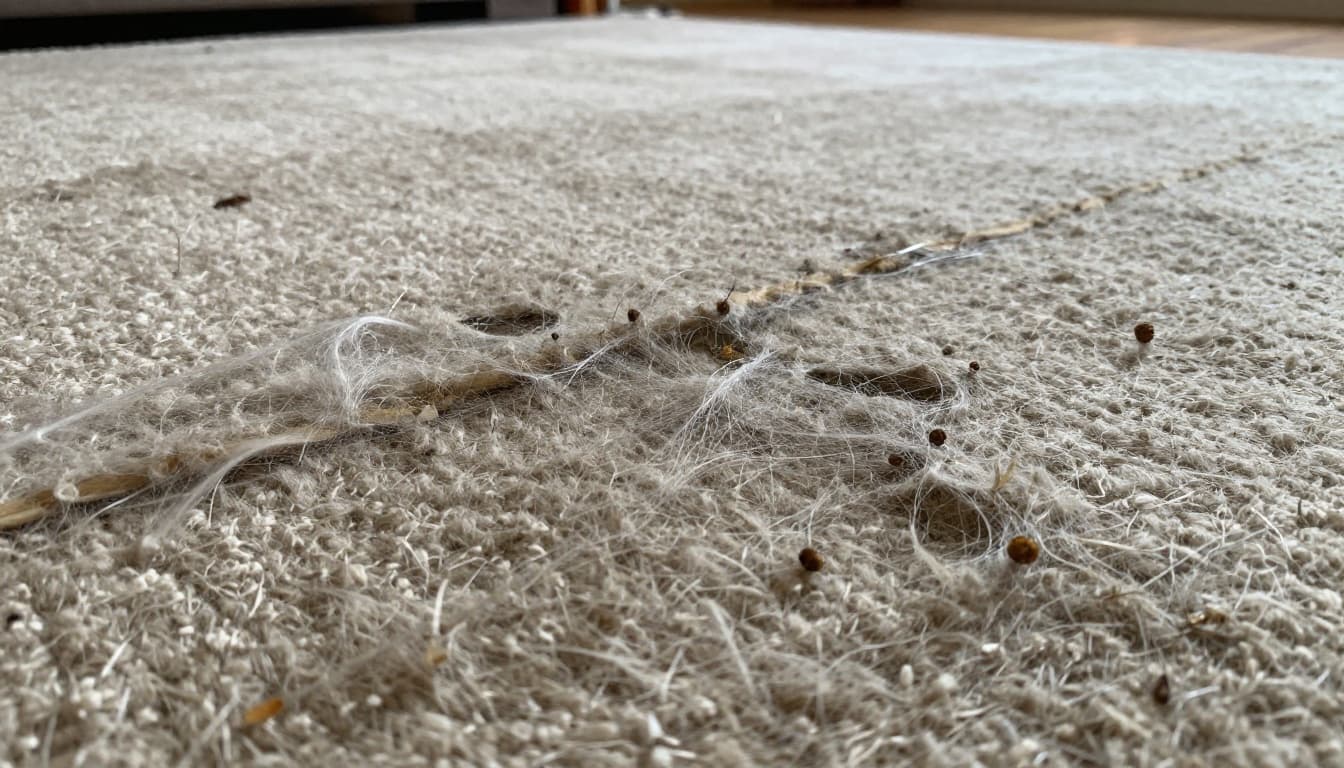
Rug damage often starts at fringes. Baseboards collect debris. Pull back furniture. Shake rugs outside. Early signs prevent bigger losses.
Why Clothes Moths Thrive in Cape Coral Homes
Humidity draws these pests. Southwest Florida's warm air keeps larvae active year-round. Dark closets stay moist. Undisturbed storage invites eggs.
Natural fibers like wool, silk, fur, and cashmere attract them. Area rugs with wool piles or padding offer prime spots. Pet hair adds appeal.
Besides, cluttered closets trap heat. Infrequent use lets populations grow. You store off-season clothes there. Moths hitchhike on dry-cleaned items too.
Distinguishing Clothes Moths from Carpet Beetles
Both damage fabrics. Yet, signs differ. Clothes moth holes stay irregular. Larvae leave webs.
Carpet beetles create clean-cut holes. Larvae shed hairy skins. Sheddings look like tiny bristles. Beetles favor spills too.
| Pest | Hole Shape | Key Sign | Common Spot |
|---|---|---|---|
| Clothes Moths | Irregular, trailing | Silky webs | Closets, rugs |
| Carpet Beetles | Clean-cut | Hairy shed skins | Floors, lint |
Check debris closely. Moths stick to keratin. Beetles eat wider foods. This helps you target treatment right.
Prevention Strategies for Closets and Rugs
Store wool in sealed bins. Plastic works best. Cedar blocks deter mildly. However, combine with cleaning.
Reduce moisture. Run dehumidifiers in closets. Air out items monthly. Florida humidity demands this step.
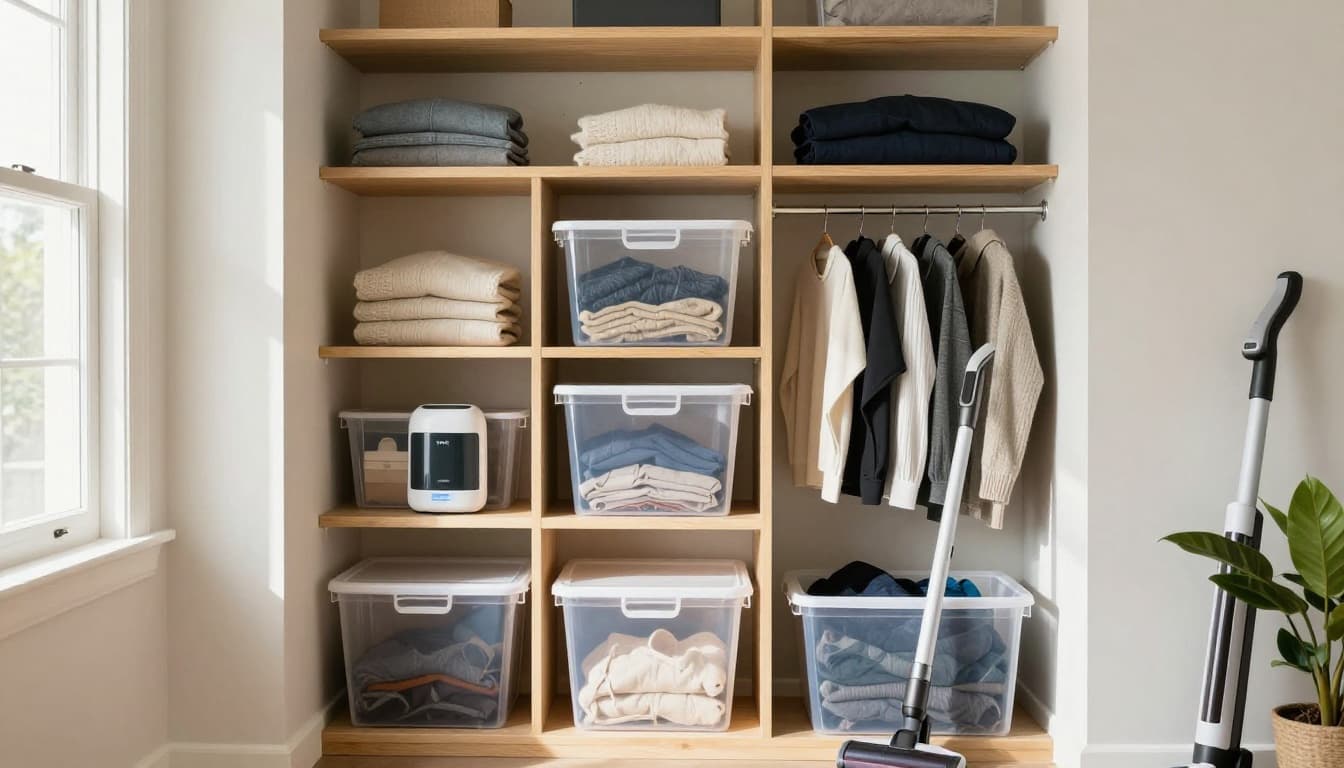
Vacuum rug edges weekly. Hit baseboards too. Launder clothes hot. Dry clean delicates. For brown-banded cockroaches in Cape Coral bedrooms and closets, similar cleaning fights multiple closet pests.
Monitor with traps. Pheromone types catch males. Empty often. These steps cut risks fast.
Treatment Options for Infestations
Inspect first. Pull everything from closets. Shake rugs outdoors. Discard heavy webbing.
Launder washables hot. Freeze small items four days. Vacuum daily. Seal waste outside.
For rugs, steam clean edges. Pros handle deep treatments safely. Gels or dusts target voids. Avoid foggers; they scatter pests.
If damage spreads, call for inspection. Local experts know Cape Coral conditions. They find hidden sources. Free checks spot issues early.
Quick Action Stops Clothes Moths
Clothes moths Cape Coral homes damage quietly. Spot larvae webs, vacuum often, and store smart. Prevention beats treatment every time.
Humidity challenges persist here. Yet, sealed storage and dry air win. You've protected your closets and rugs now.
Ready for peace? Schedule a free inspection today. Stop moths before they spread.
Schedule a Free Inspection: