Bird Mites in Cape Coral: From Soffit Nests to Home Invaders
You notice tiny red bites on your skin after a bird abandons its nest under your eaves. Then the itching starts, especially at night. In Cape Coral, bird mites Cape Coral homeowners face often trace back to those overlooked soffit nests.
These mites don't target humans at first. They feed on birds. Once the nest empties, the survivors scatter indoors seeking a new host. Southwest Florida's warmth keeps them active longer than you'd think.
This guide covers signs, differences from other pests, and safe fixes. You'll learn how to spot the problem early and prevent repeats.
How Birds Nesting in Soffits Leads to Bird Mites
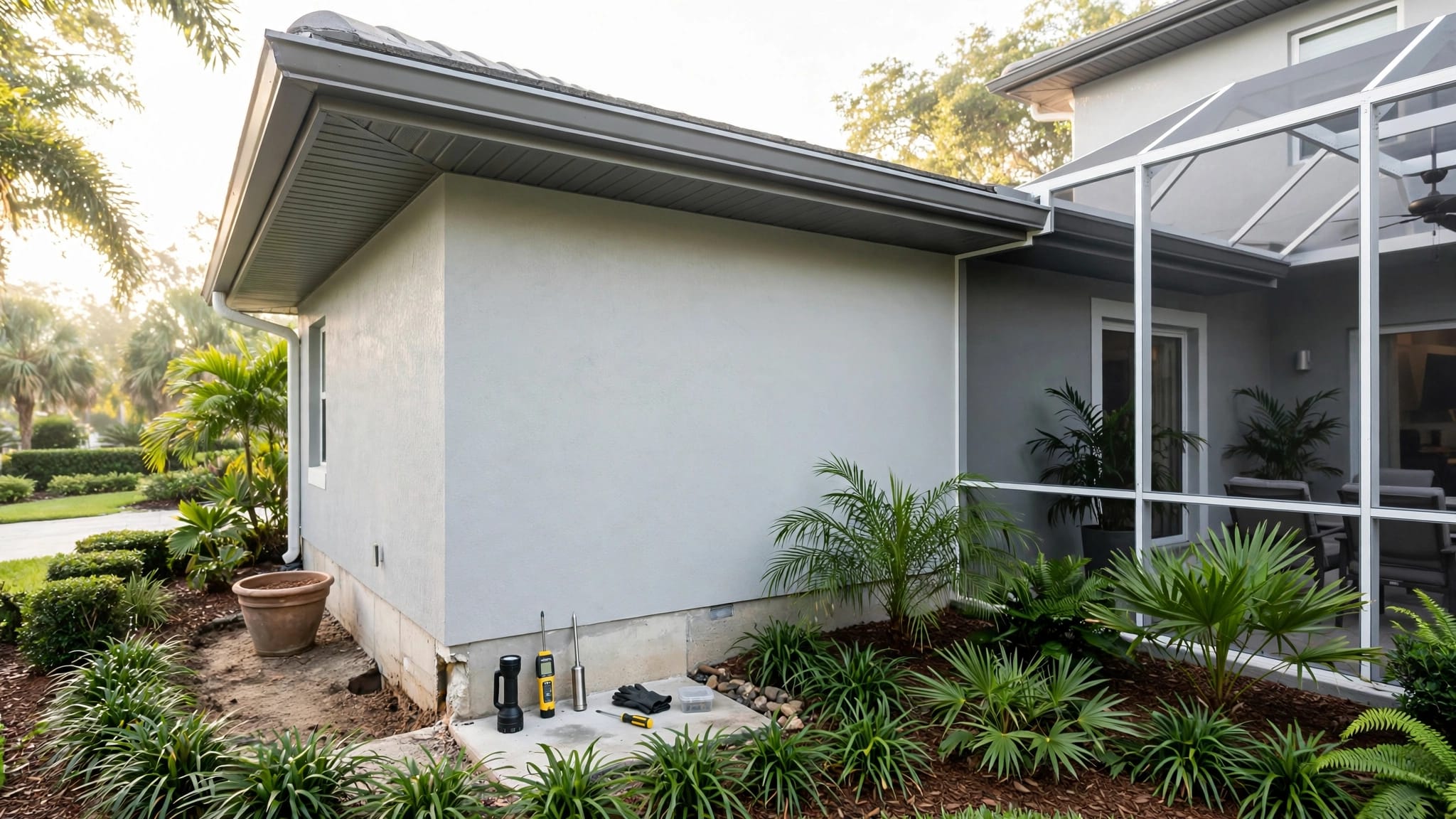
Birds love Cape Coral soffits. The shaded, protected spots offer ideal nesting sites. Swallows, sparrows, and starlings squeeze twigs and grass into vent gaps or eaves.
In Lee County, nests build fast during spring and summer. Females lay eggs there. Chicks hatch and grow. Parents feed them nonstop. That cycle supports thousands of mites feeding on dander, blood, and waste.
When birds leave, often after fledglings fly, the nest sits abandoned. Mites lose their food source. They drop down or crawl through tiny cracks into attics, walls, and bedrooms. Humidity in Southwest Florida helps them survive weeks without hosts.
One nest holds up to 2,000 mites. Disturbed nests spread them faster. A ladder bump or storm can trigger an invasion.
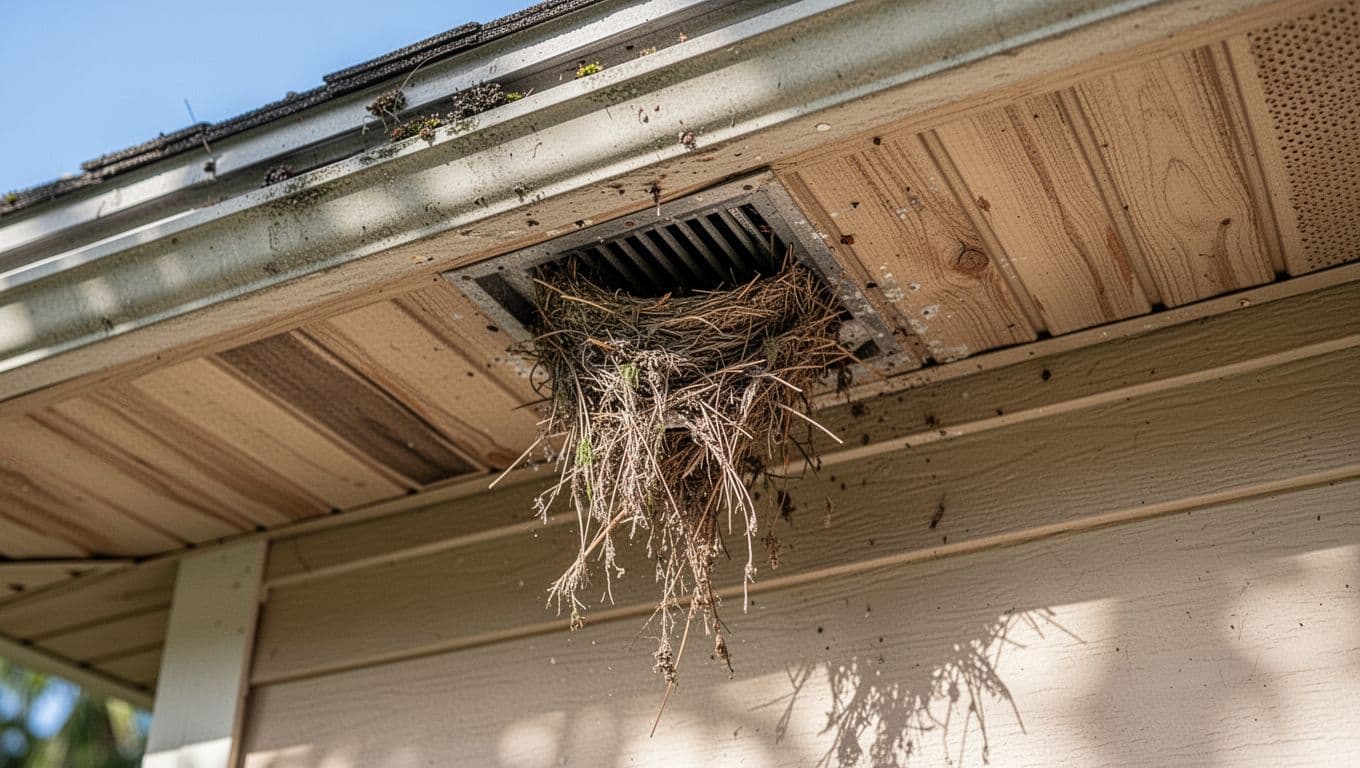
Check your roofline now. Protruding twigs signal risk. Early removal stops mites before they enter.
Signs You've Got Bird Mites in Your Home
Bird mites measure less than 1 millimeter. They're pale, almost see-through until they feed. You won't spot them easily with the naked eye.
Itching bites cluster on arms, legs, or neck. They look like small red welts, often in lines. Bites worsen at night because mites quest then. Unlike mosquitoes, no big swelling follows.
People report crawling sensations on skin. Dust-like specks appear on sheets or pillows. These mites cluster there seeking warmth. Check light-colored fabrics for movement.
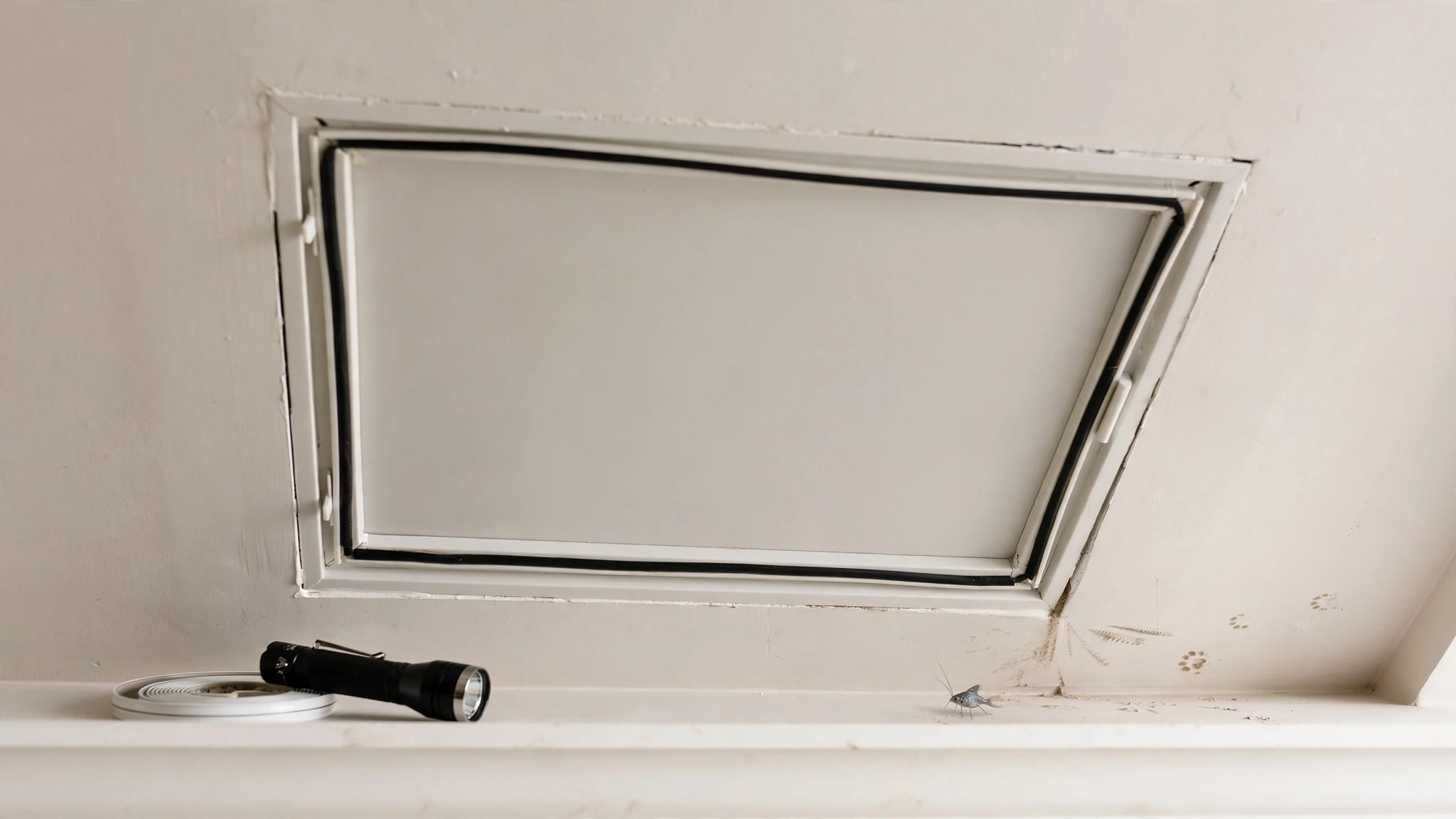
Indoors, mites hide in vents, curtains, or furniture cracks. They don't build webs or nests. Activity peaks near the infestation source, like attic access points.
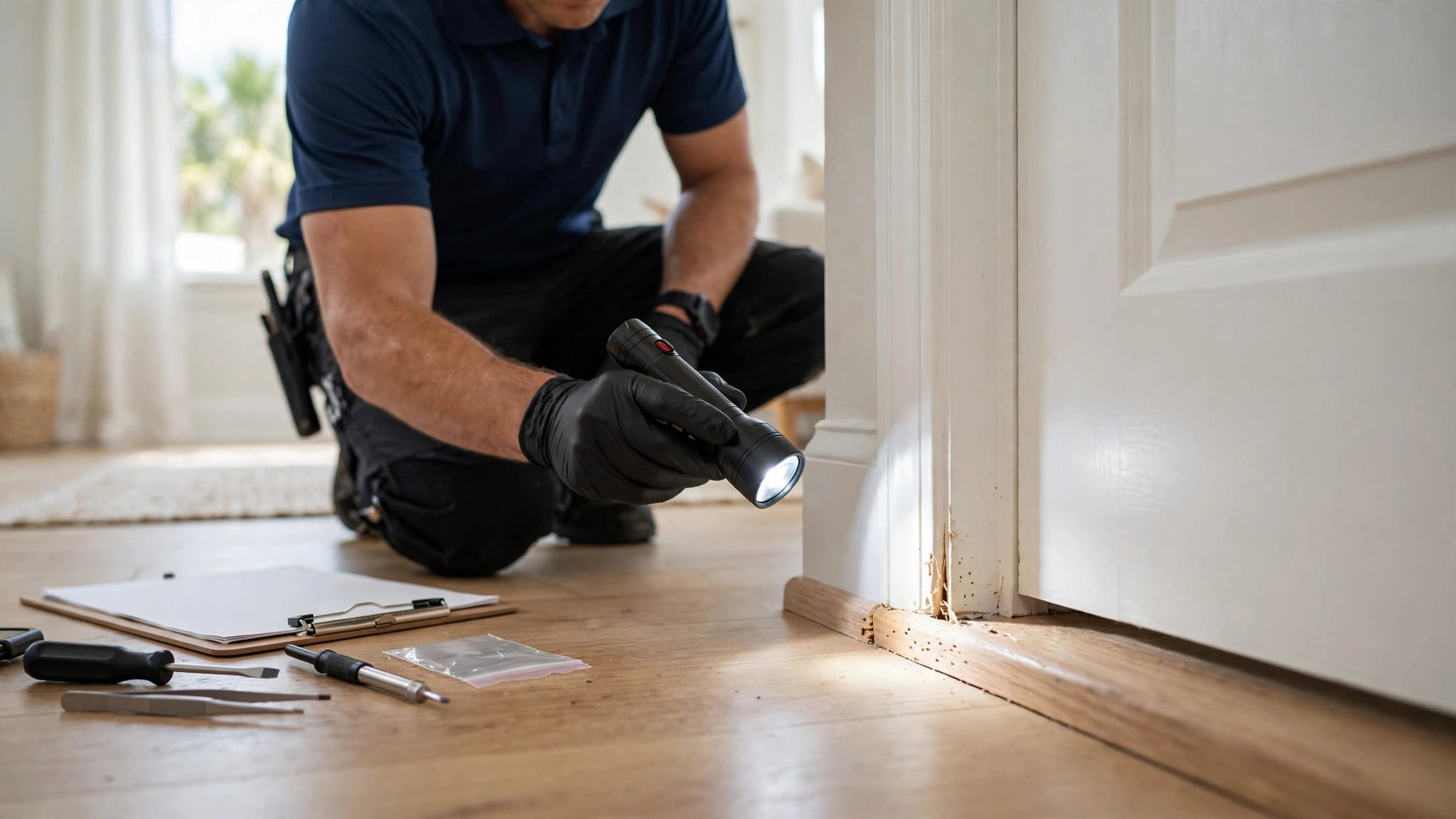
If bites match this pattern, inspect soffits outside. Fresh nests confirm the link. Track symptoms. They fade once mites starve, usually two weeks without birds.
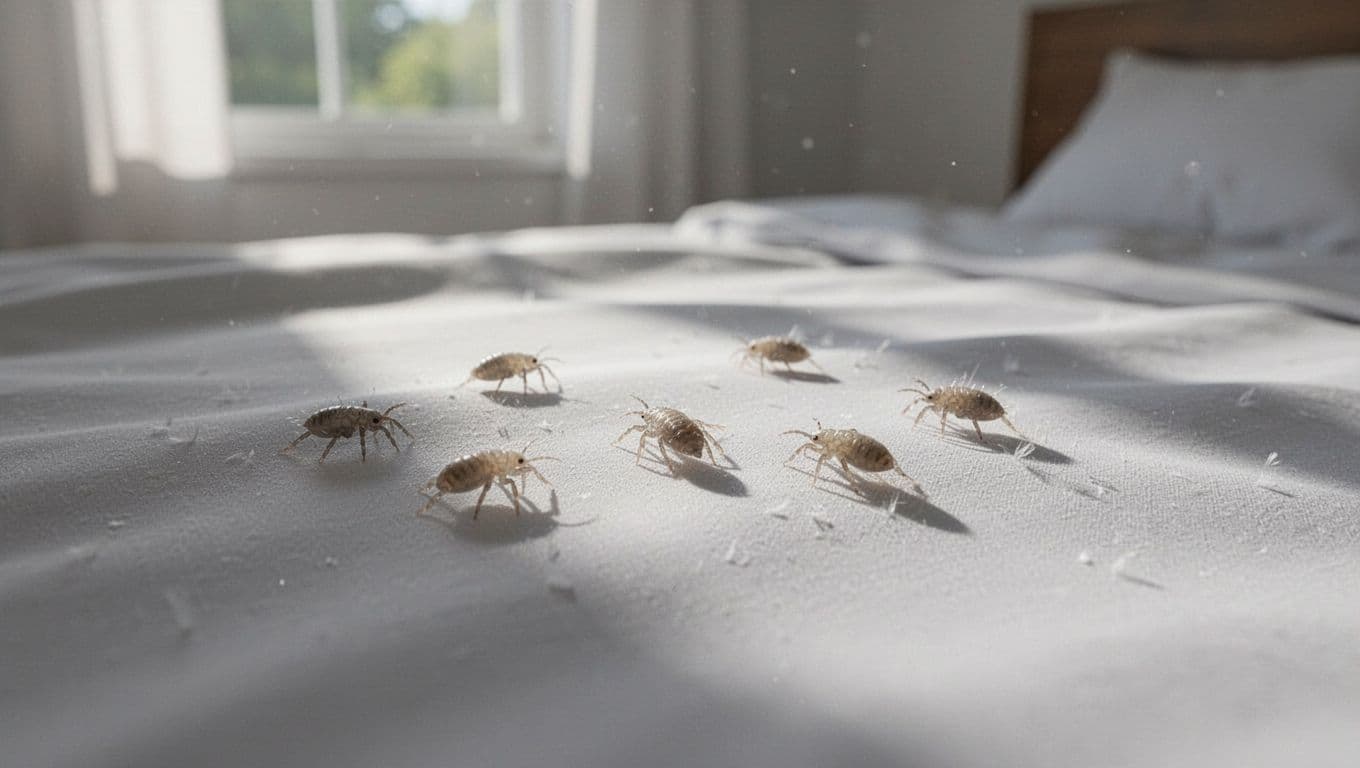
Vacuum daily helps. Empty the bag outside. Still, source control matters most.
Bird Mites vs. Bed Bugs: Spot the Differences
Cape Coral residents mix up bird mites and bed bugs. Both bite at night. Both cause itching. However, clear differences exist.
Bed bugs grow larger, about apple seed size. They hide in mattress seams or bed frames. You find dark fecal spots, shed skins, and blood stains on sheets.
Bird mites stay tiny. No fecal spots or eggs indoors. They wander openly, not sticking to one spot. Bites lack the bed bug's central blister.
Bed bugs spread via luggage or furniture. Bird mites follow nests. If soffits show nests or feathers, mites win.
| Feature | Bird Mites | Bed Bugs |
|---|---|---|
| Size | Tiny (pinhead) | Larger (seed) |
| Hiding spots | Roam vents, fabrics | Mattresses, frames |
| Signs | Crawling feel, no spots | Spots, skins, eggs |
| Source | Bird nests in soffits | Travel, used items |
This table helps sort them. Wrong ID leads to wrong fixes. For bed bugs, heat treatments work. Mites need nest removal.
Safe Steps to Handle Nests and Mites
Start outside. Use binoculars to scan soffits, vents, and eaves. Spot nests? Wait till empty. Federal law protects active nests.
Once abandoned, remove carefully. Wear gloves and a mask. Use a long pole to dislodge. Bag debris and seal it. Dispose far from home.
Vacuum mites indoors. Focus on floors, upholstery, and vents. Steam clean fabrics if possible. Heat kills mites; wash items in hot water.
Avoid pesticides. They scatter mites and don't reach nests. Professionals use targeted vacuums and dusts safely.
Check attics too. Nests near vents drop mites there first. Seal paths after cleanup.
If nests sit high or recur, call experts. They handle safely without chemicals indoors.
Prevention Tips to Keep Bird Mites Away
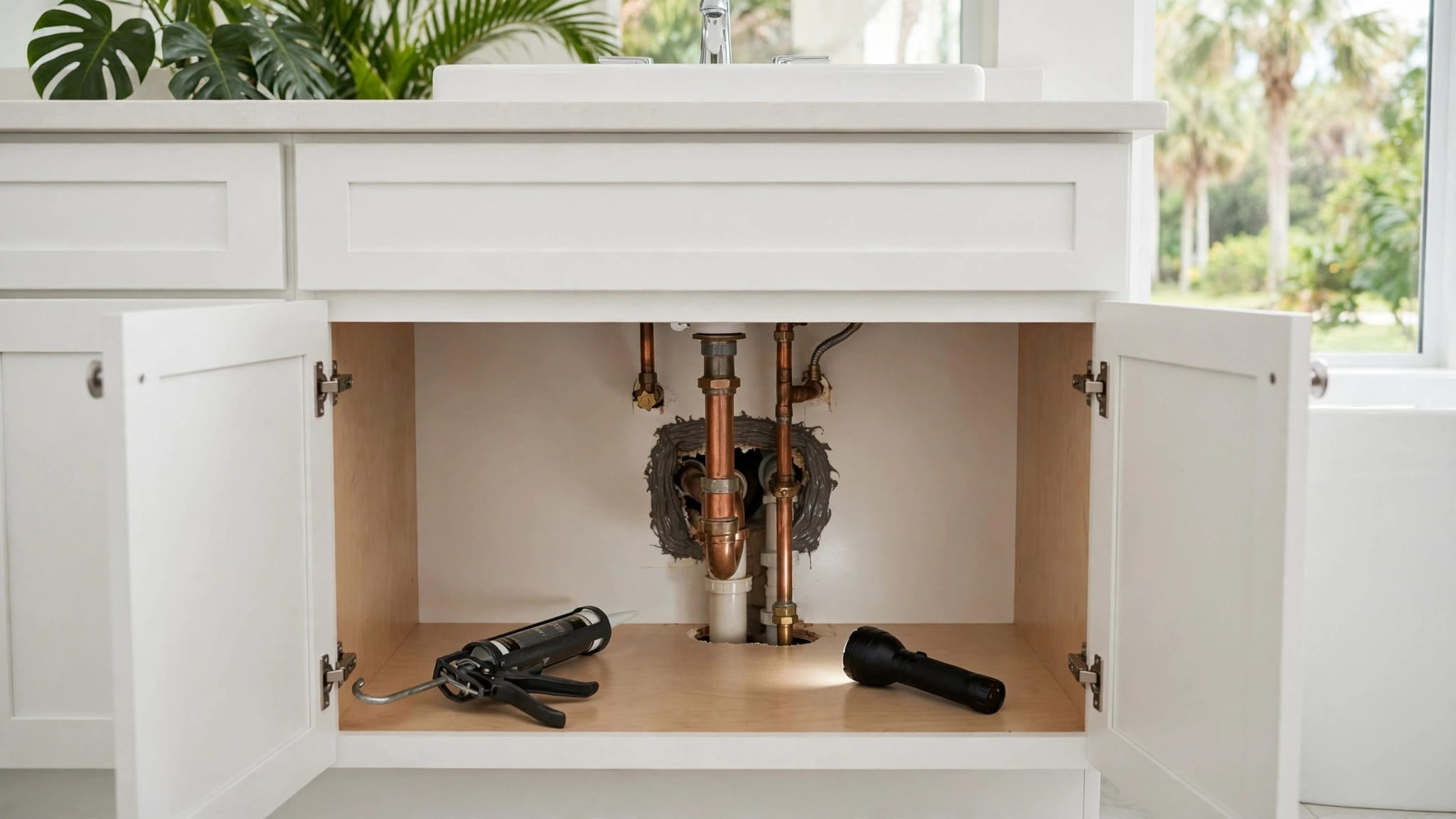
Seal soffit gaps with hardware cloth or fine mesh. Birds can't enter, but air flows. Use caulk around edges.
Screen all vents and eaves. Replace damaged soffits promptly. Paint trim yearly; fresh surfaces deter nesting.
Trim palms and trees back from rooflines. Birds use branches as bridges. Install bird spikes on ledges if needed.
In Cape Coral, inspect after storms. Winds disturb nests, spreading mites. Schedule roofline checks in spring.
For similar soffit issues like carpenter bees in Cape Coral fascia boards, the same sealing works well.
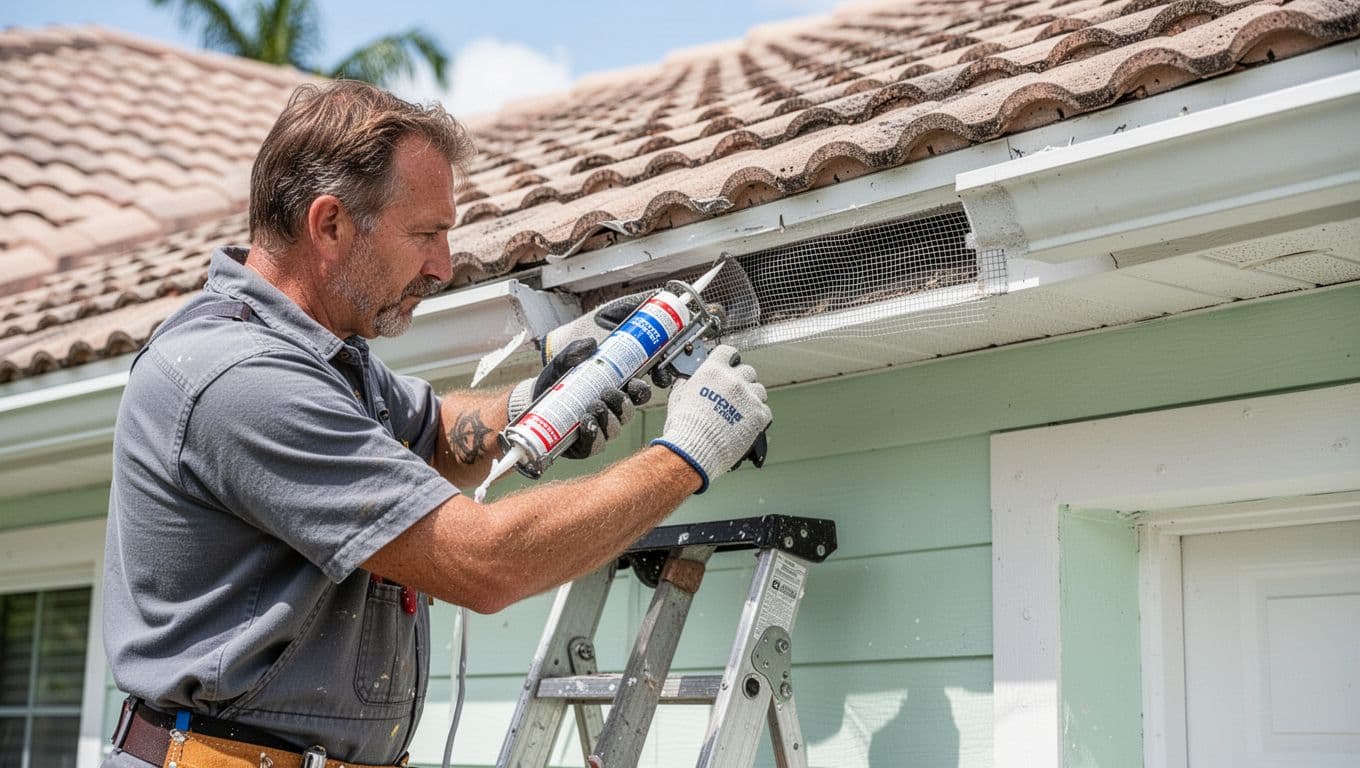
These steps cut risks long-term. Mites follow birds; block birds first.
Bird mites from soffit nests bother Cape Coral homes briefly if handled right. Remove nests promptly, vacuum mites, and seal entries. You'll regain comfort fast.
Prevention seals the deal. No nests means no mites.
Ready for peace? Request a free inspection from Shield Home & Pest Control. Spot issues early and skip the bites.
Schedule a Free Inspection: