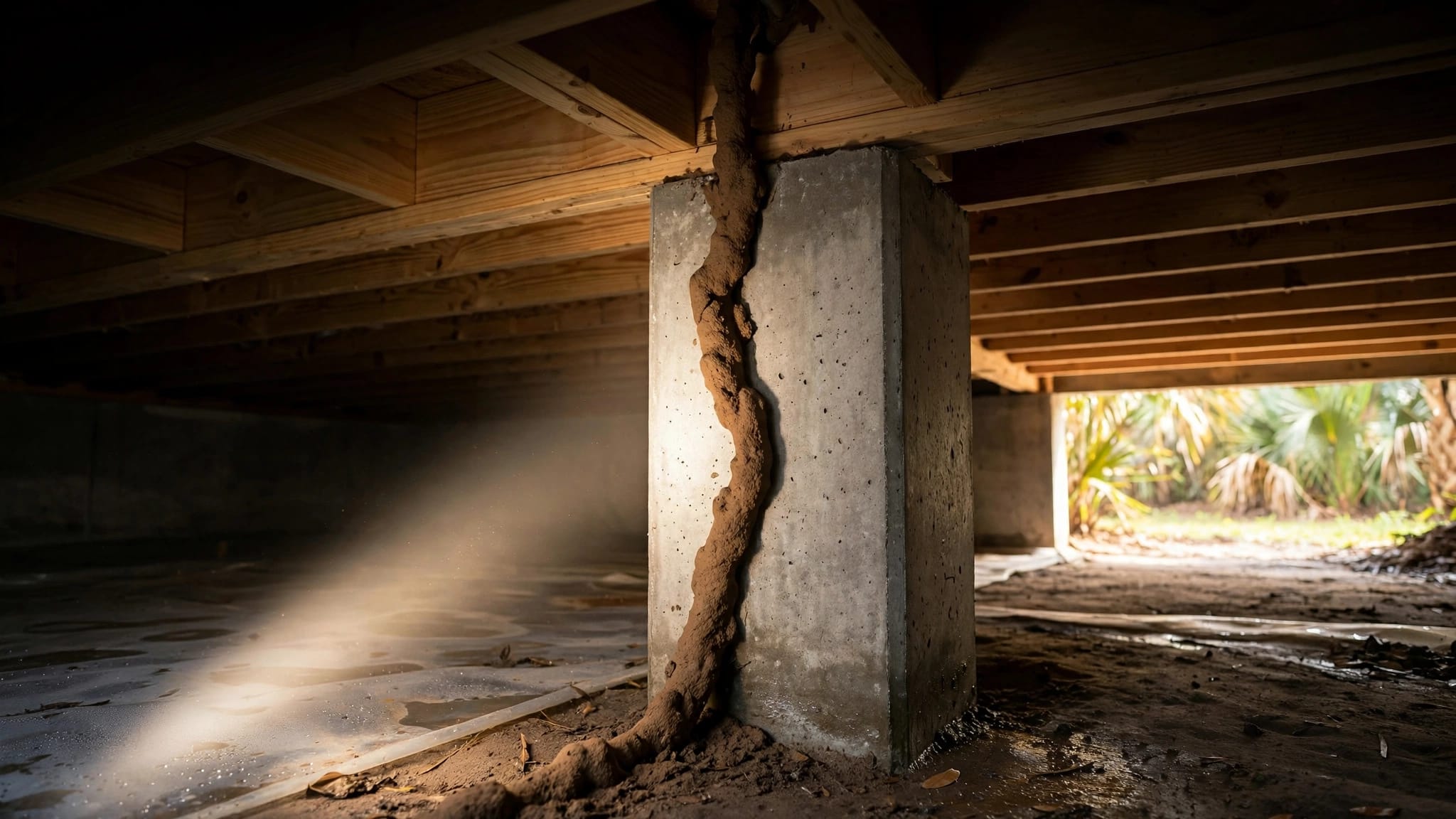
Cellar Spiders In Cape Coral Garages And Ceiling Corners
You open the garage door in your Cape Coral home and spot those wispy webs dangling from the ceiling corners. Or maybe you notice them in quiet attic spots. Cellar spiders Cape Coral homeowners see often build right there because garages stay humid and undisturbed.
These spiders, also called daddy longlegs, love Florida's sticky air. They spin loose, irregular webs to snag small bugs. You don't need to panic, but you do want practical ways to keep them in check.
Let's start by learning what makes these spiders easy to spot.
Spotting Cellar Spiders in Cape Coral Homes
Cellar spiders have long, thin legs and tiny bodies, often under a half-inch long. Their legs can stretch two inches or more, giving them that spindly look. You spot them hanging upside down in messy, droopy webs.
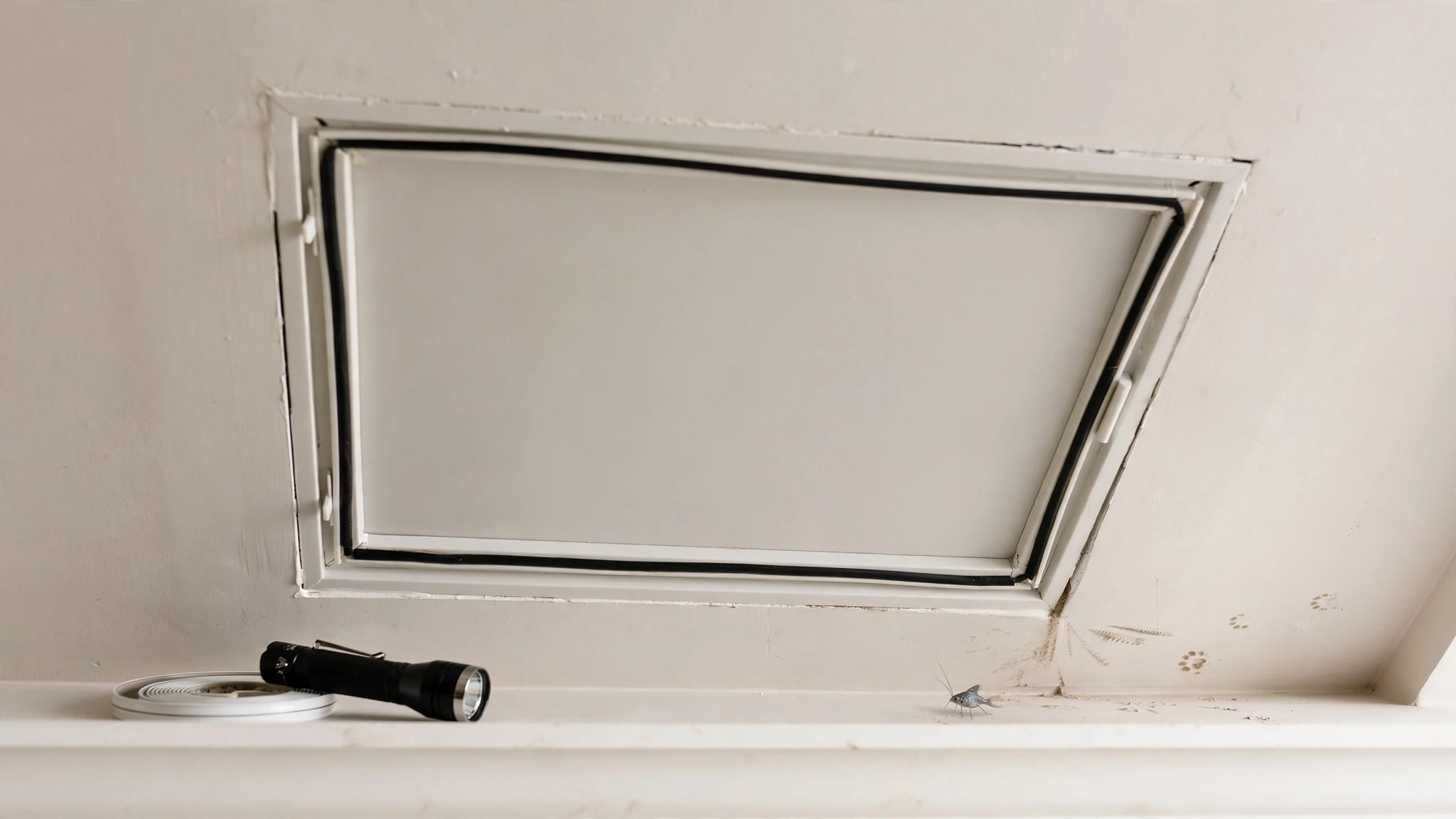
In Cape Coral garages, look up at ceiling corners first. Concrete walls and stored boxes create perfect low-light spots. Humidity from the slab or open doors keeps the air just right for them. Meanwhile, they also pop up in ceiling angles inside homes, especially near vents or light fixtures.
Webs look like tangled cotton, not neat circles. A single strand often zigzags down from the corner. If you see multiple webs close together, that's a sign of steady activity. For comparison, check this guide to common spiders in Cape Coral homes.
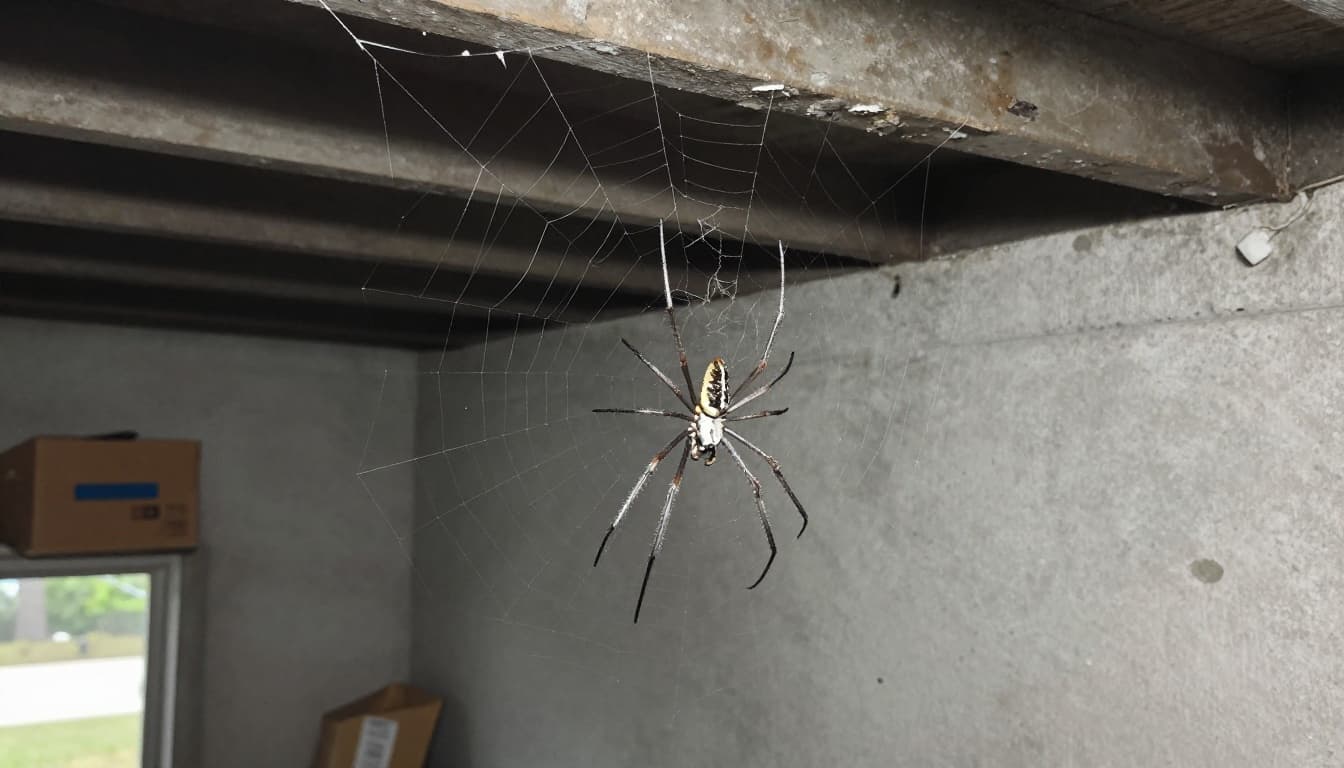
Dust gathers fast on these webs in humid spots. That makes them stand out more. Still, they blend into shadows, so use a flashlight at night. Once you know the look, you'll spot them quicker next time.
Why Cellar Spiders Keep Showing Up in Garages
Garages in Cape Coral act like spider hotels. High humidity year-round draws insects indoors. Cellar spiders follow the food.
Clutter piles up easily with holiday bins, tools, and beach gear. Boxes stacked against walls offer hiding spots. In addition, garage doors often have small gaps at the bottom. Bugs slip in, and spiders trail behind.
Florida's warm weather means no off-season for pests. After rain, moisture pools on slabs. That boosts fly and gnat numbers, which cellar spiders snatch. As a result, webs rebuild fast if you skip cleanups.
Low traffic helps too. Unlike kitchens, garages stay quiet. Spiders settle without disturbance. However, simple changes cut their appeal. Reduce bugs first, then tidy storage.
Do Cellar Spiders Pose Any Real Threat?
Cellar spiders don't bite humans often. Their jaws stay too small to pierce skin easily. Even if they do, effects mimic a mild bee sting at worst.
They lack strong venom like some spiders. No need for alarmist sprays around kids or pets. In fact, these spiders eat flies and roaches, helping control worse pests.
That said, watch for look-alikes. Brown widows hide in similar spots. Their bites pack more punch. Learn the difference: cellar spiders have super-long legs; widows look stockier. This brown widow spiders in Cape Coral guide clears it up.
Allergies vary, so wash any suspected bite site. Most importantly, focus on prevention over fear.
Practical Steps to Cut Down Cellar Spiders
Start with a quick sweep. Vacuum webs and corners weekly. Empty the canister outside right away. This breaks the cycle fast.
Next, tackle insects. Seal trash bins and rinse recyclables. Wipe pet food spills too. Fewer bugs mean fewer spiders.
Declutter smartly. Elevate bins on shelves. Use sealed plastic over cardboard. Keep a foot of space between items and walls. Good airflow discourages dampness.
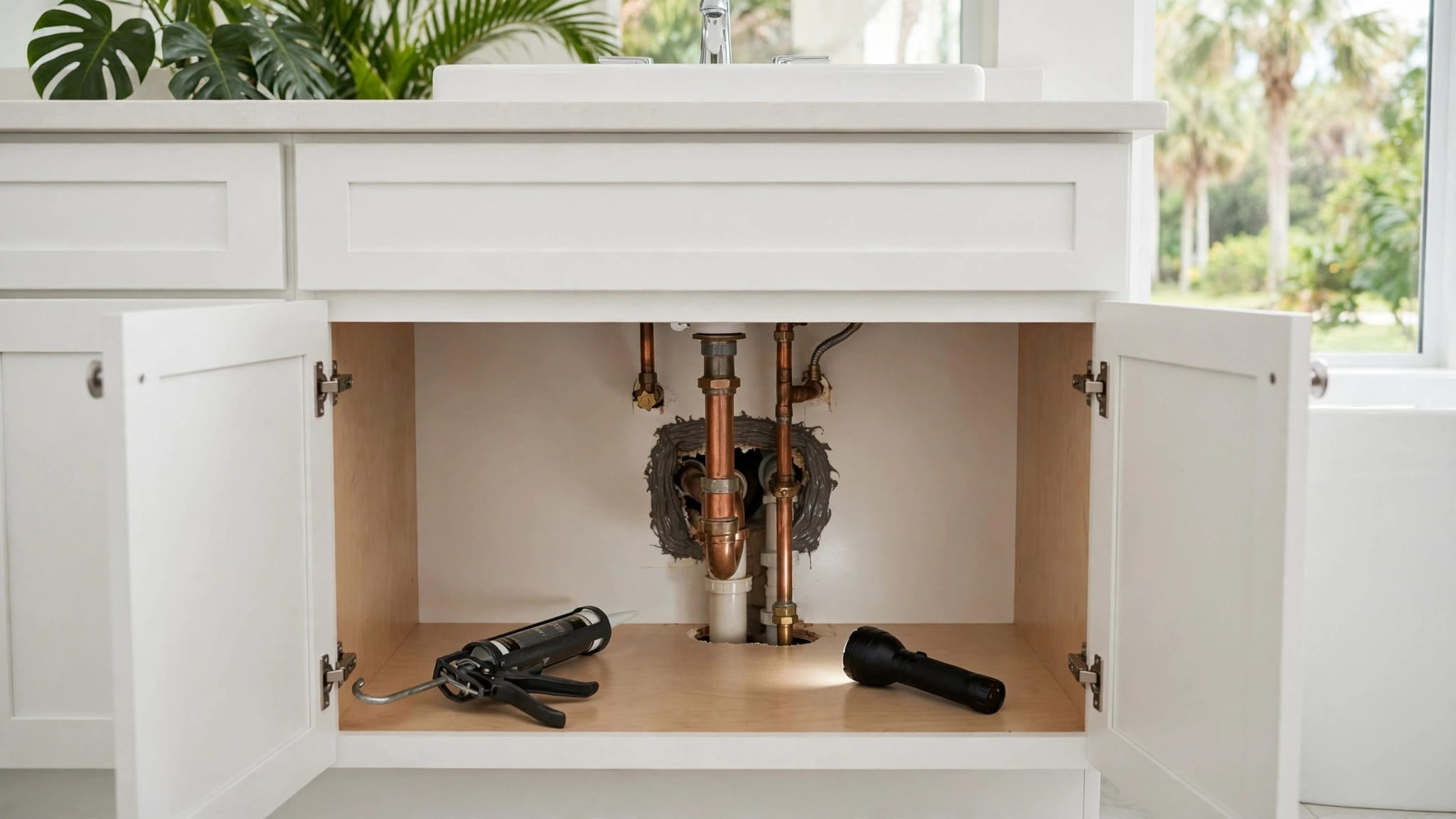
Seal entry points. Caulk cracks around doors and vents. Add sweeps to garage door bottoms. Turn off exterior lights at dusk; bugs love them.
A dehumidifier helps in sticky garages. Run it during rainy spells. For similar issues, see tips on wolf spiders in Cape Coral garages.
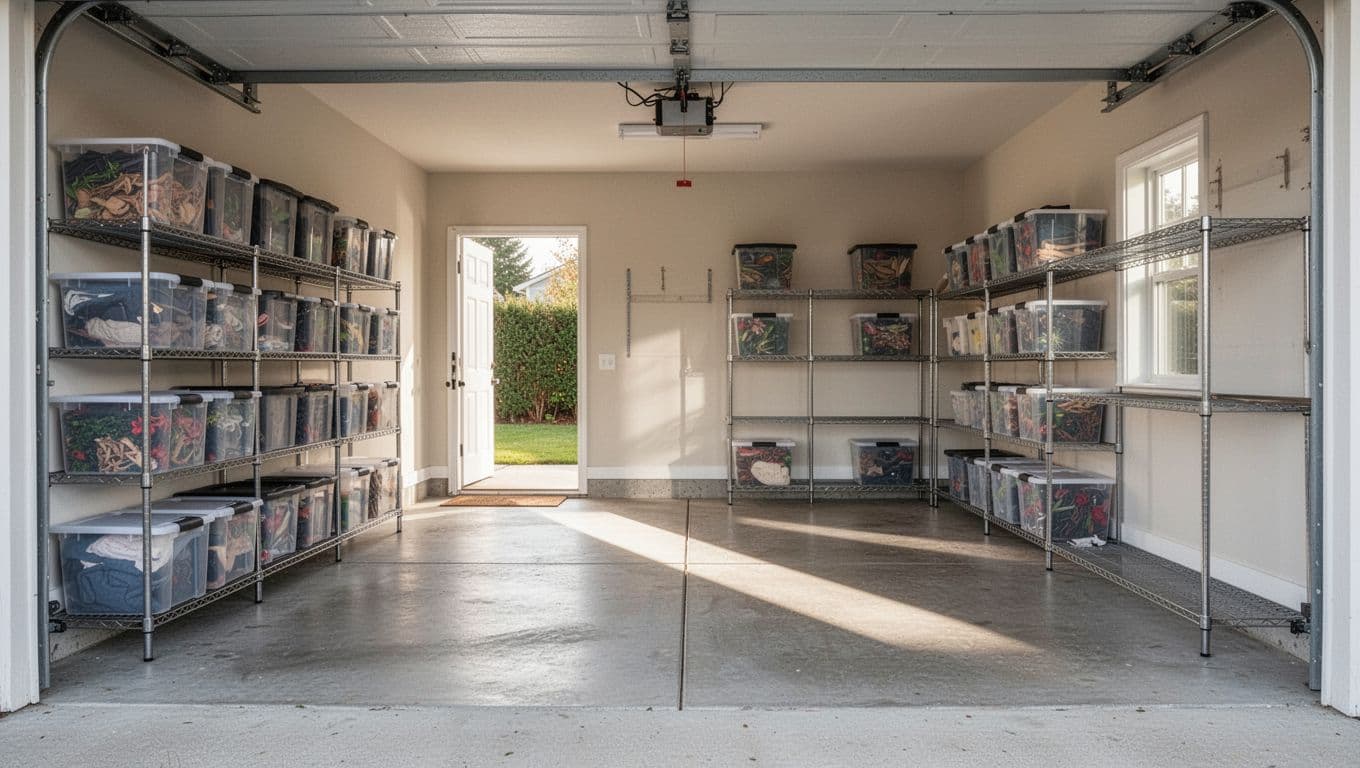
Consistency pays off. Do these weekly, and webs thin out.
When Recurring Webs Mean Bigger Insect Problems
Lots of cellar spider webs signal extra insects. They thrive on flies, mites, and silverfish. If spiders multiply despite cleanups, check for sources.
Look under sinks or near water heaters for damp spots. Leaky pipes breed gnats. Cluttered corners hide roaches too.
Florida humidity worsens this. Year-round warmth keeps bugs active. If you see egg sacs or constant new webs, insects likely drive it.
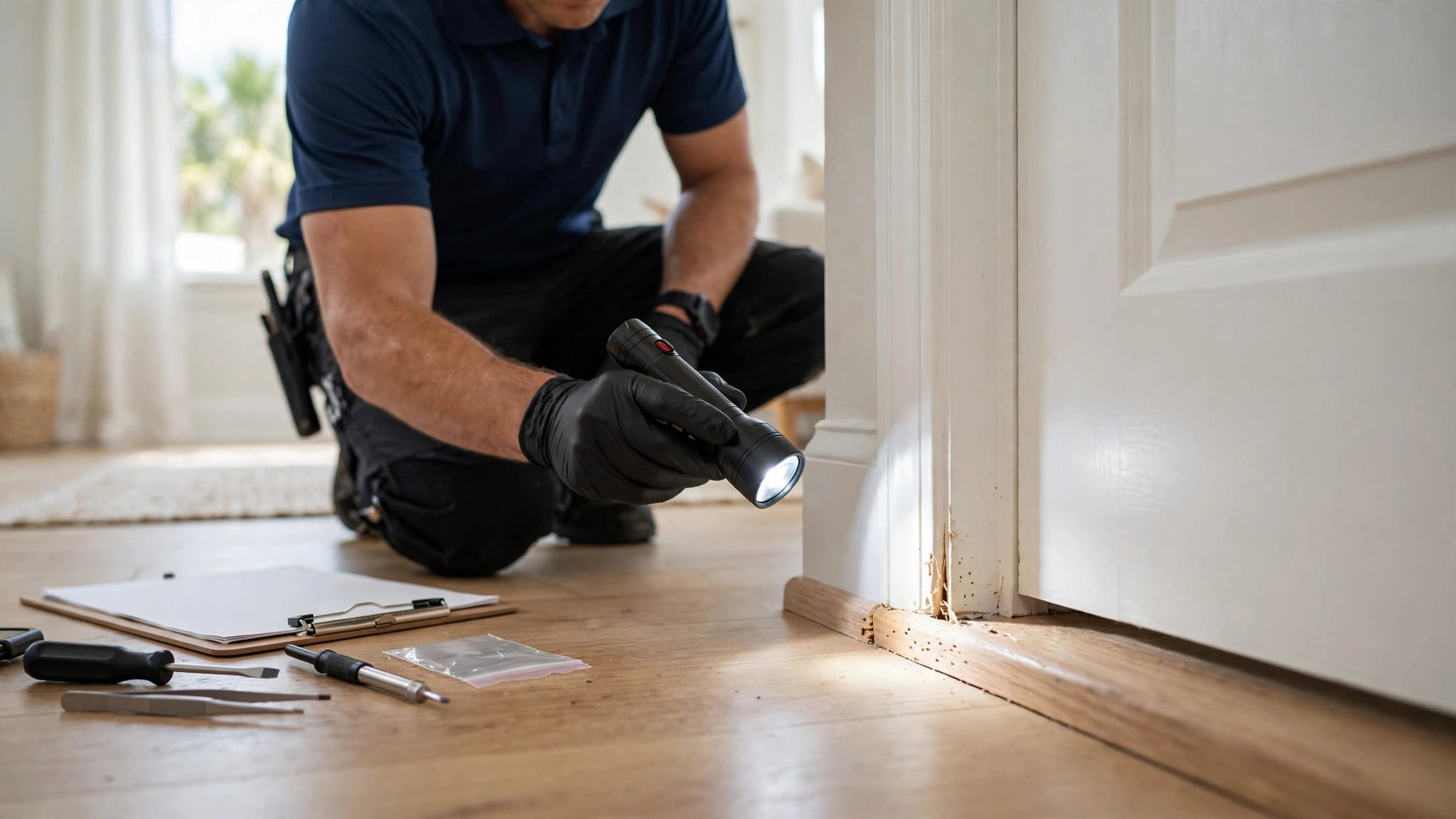
At that point, pros spot hidden nests. They treat root causes safely. Call for a free inspection if DIY falls short.
Cellar spiders fade when garages lose their charm. Cut moisture, bugs, and clutter, and you'll see fewer webs. Your home stays comfortable without harsh chemicals.
Ready for lasting results? Schedule a free pest inspection today. What garage spots do you check first?
Schedule a Free Inspection: