Spotting Conehead Termites in Southwest Florida: Satellite Nests and Signs
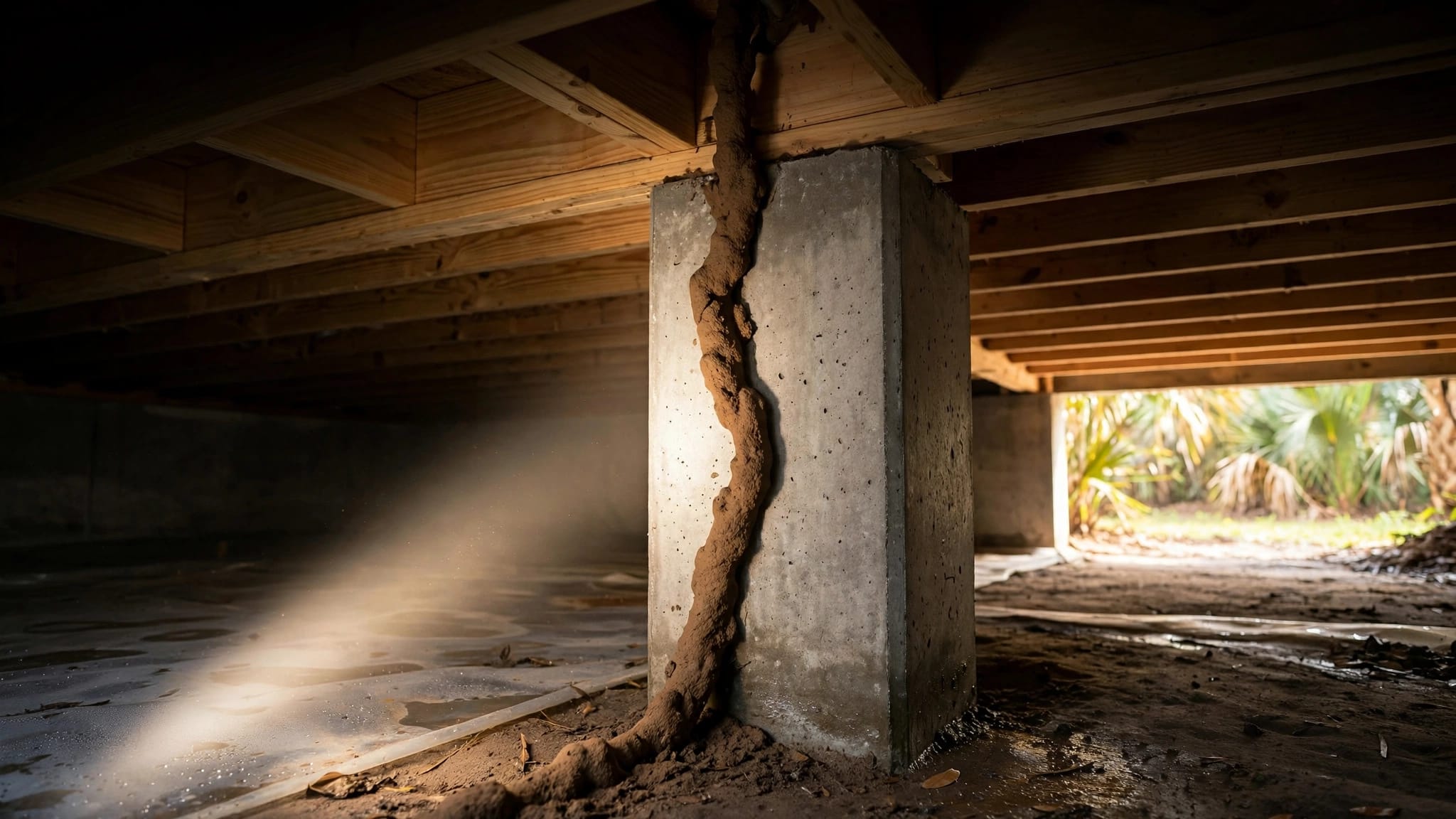
Picture this: you glance at your backyard fence and spot a strange, papery bump growing on the wood. In Southwest Florida, that could be a conehead termites Florida satellite nest. These invasive pests push north from South Florida into areas like Cape Coral and Fort Myers. They threaten homes with their aggressive colonies. Recent University of Florida updates show they're in nearby Hillsborough County now. Spotting them early saves thousands in repairs. Let's break down what to look for around your property.
Why Conehead Termites Thrive in Our Area
Conehead termites arrived in Florida over 20 years ago. They started in Broward County but spread fast. Warmth and humidity here suit them perfectly. As of early 2026, swarms hit Tampa Bay spots like Spring Hill. Experts predict they'll reach more Gulf Coast yards soon.
These termites build large colonies. Soldiers stand out with their orange, cone-shaped heads. Swarmers have reddish-brown heads and clear wings twice their body length. Unlike locals, they create above-ground nests. That sets them apart from hidden threats. Homeowners often miss them until damage shows.
Moisture draws them close. They feed on wood in trees, fences, and structures. One nest can hold thousands. Because they spread via boats and plants, coastal spots face higher risk. Stay alert, especially after rain.
What Satellite Nests Look Like
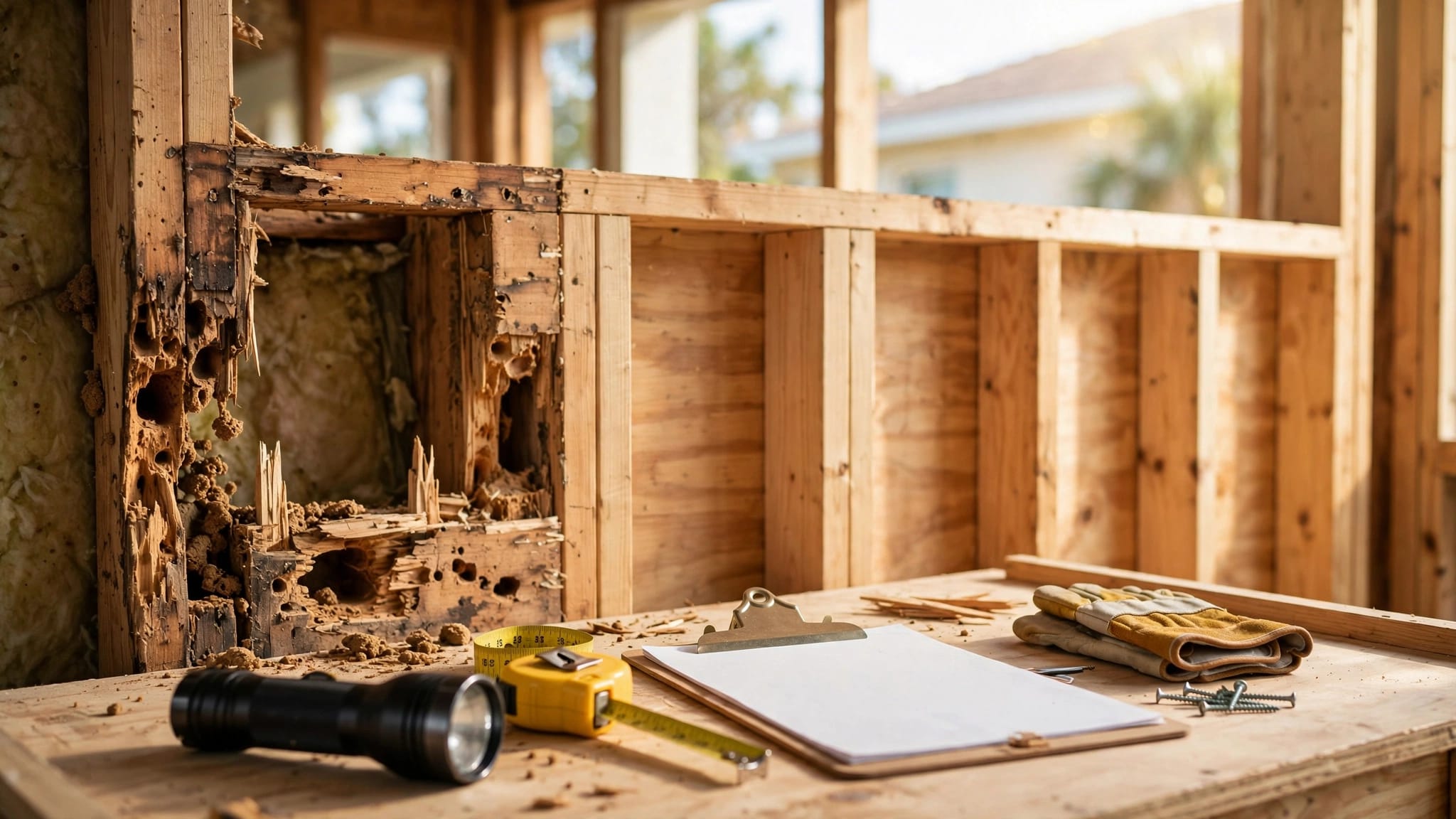
Satellite nests start as extensions from the main colony. Coneheads build them above ground from carton material. Think chewed wood mixed with saliva and poop. These nests look gray-brown and papery. They grow irregular, often 12 inches tall or more. Small openings dot the surface for air and termites.
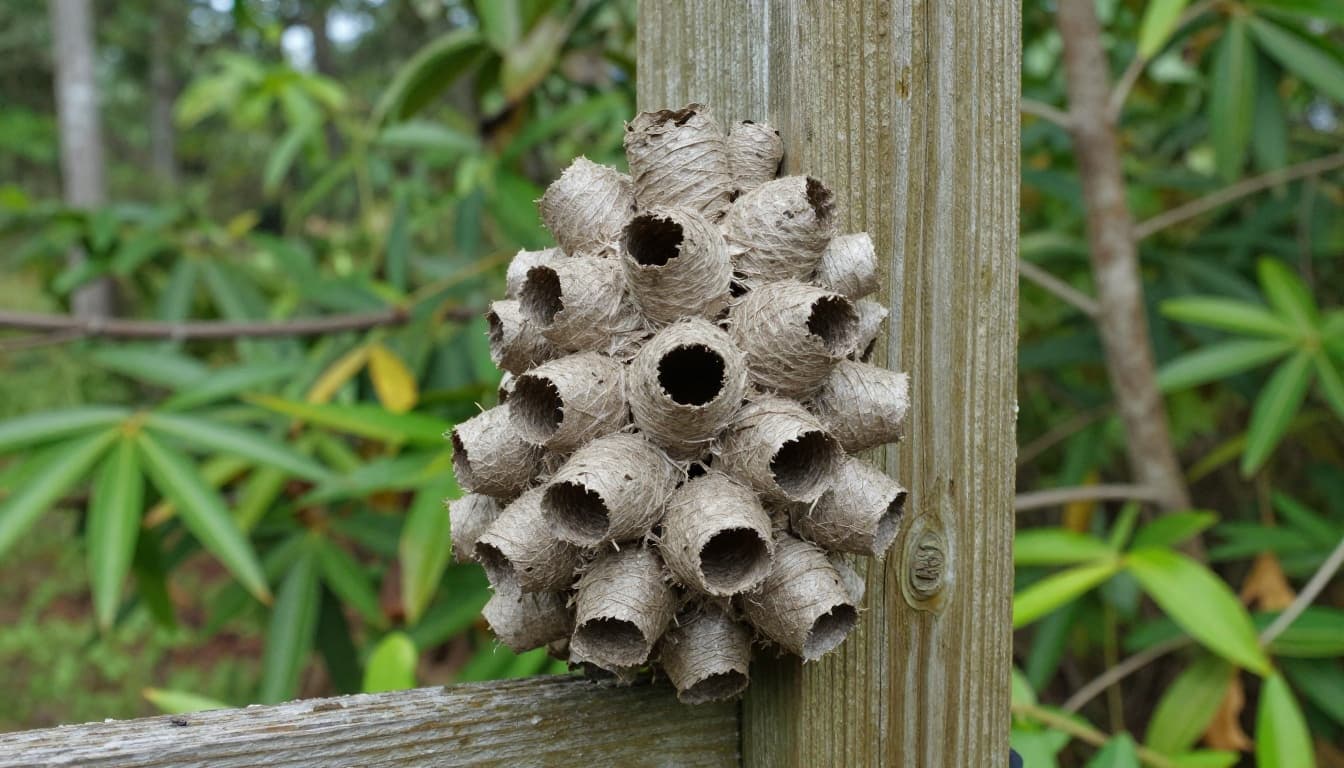
Unlike subterranean types, these sit exposed on wood. They form away from the primary underground nest. In Southwest Florida, you'll see them on fences or trees. The texture feels rough. Poke gently; live nests hum with activity. Dead ones crumble easy. For more on drywood vs subterranean termites in Southwest Florida homes, check that comparison. It helps sort conehead clues.
Prime Inspection Spots Around Your Property
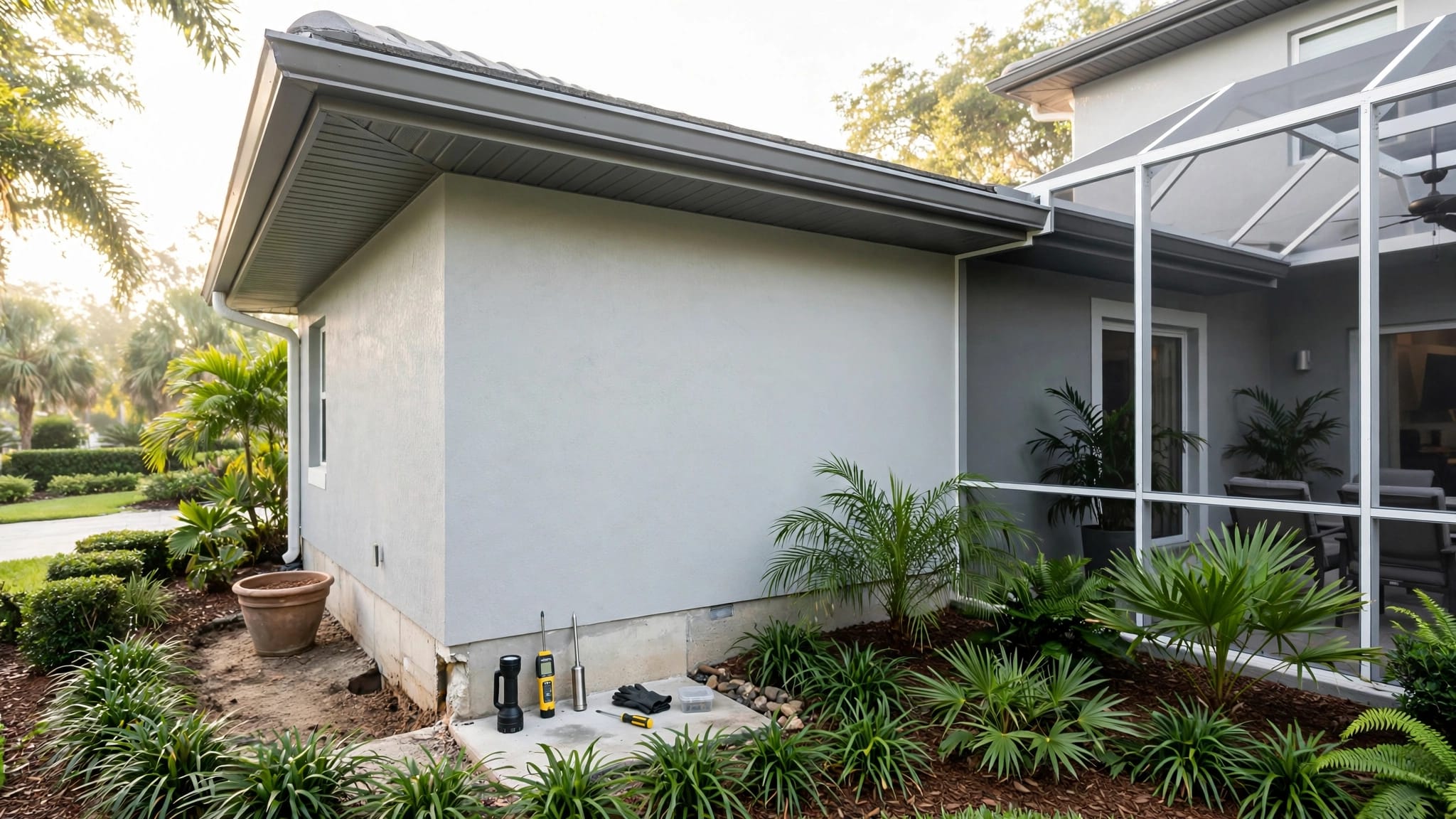
Start outside. Walk your perimeter slow. Focus on wood touching soil. Mulch beds against stucco walls trap moisture. Termites love that. Trees leaning near the house offer bridges. Fences with posts in dirt hide nests best.
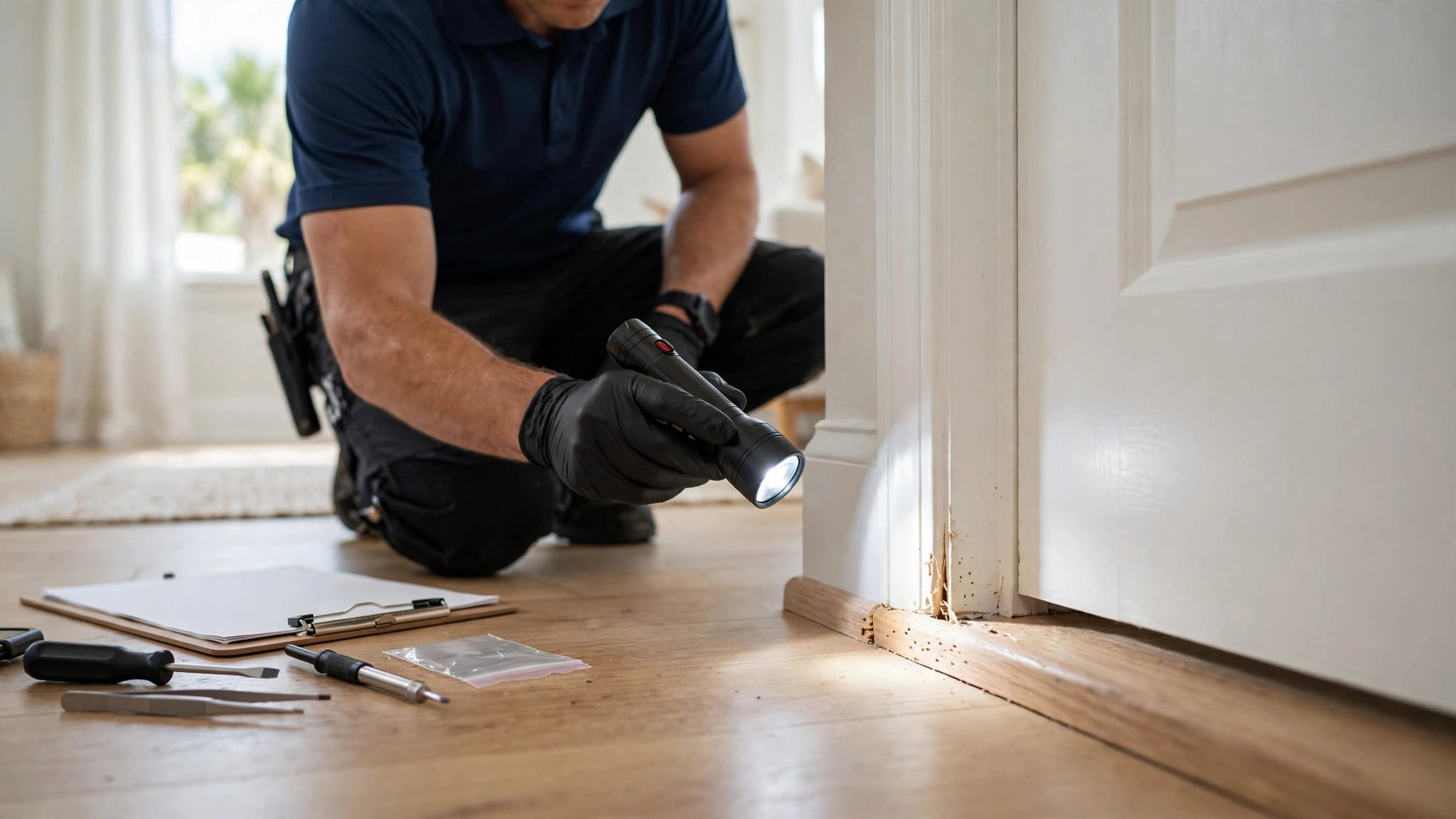
Check rooflines too. Overhanging branches touch eaves. Sheds and lanais collect damp wood. Exterior walls near sprinklers stay wet. Probe with a screwdriver. Soft spots signal trouble.
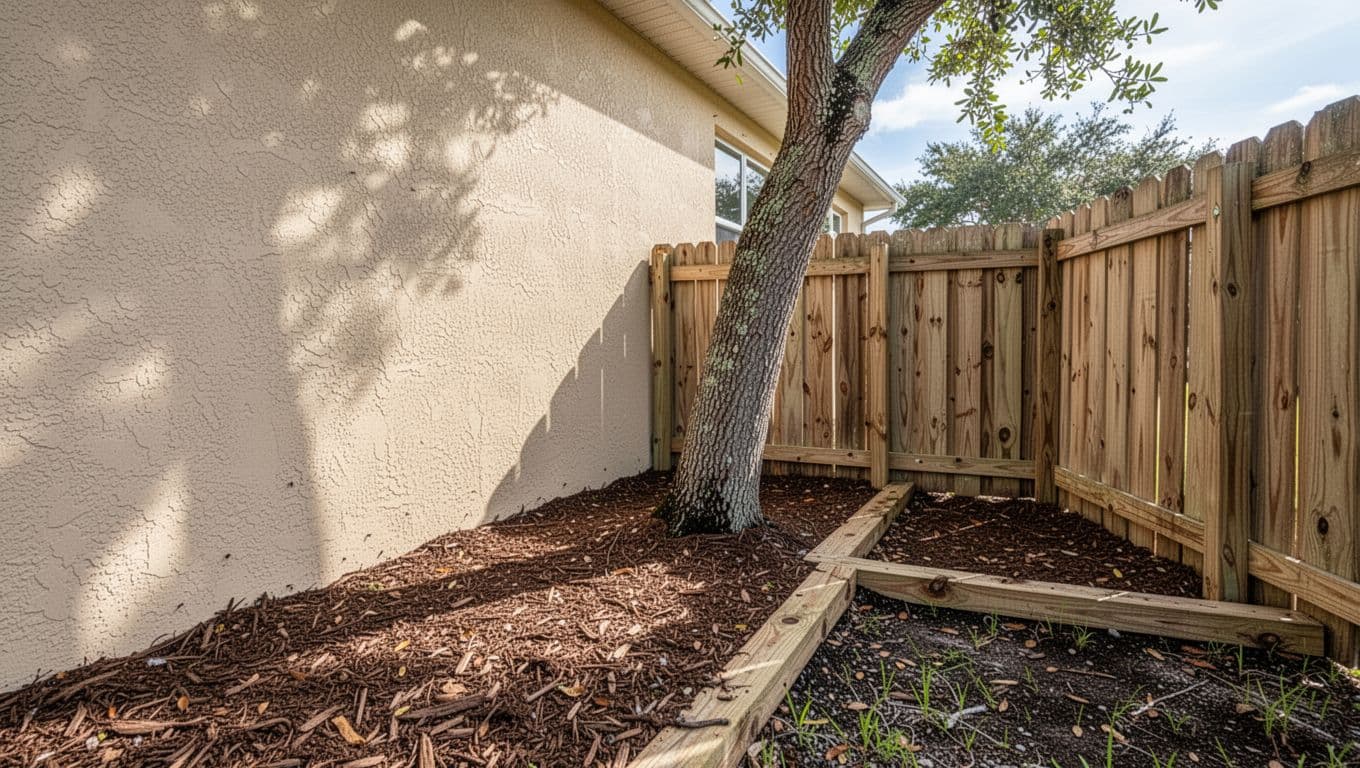
Inside garages, scan block walls. Plumbing areas draw them. After storms, recheck everything. Keep mulch pulled back 18 inches. Trim limbs that touch. These steps cut risk. Still, nests pop up fast here.
Swarmers and Other Telling Clues
Swarmers signal big trouble. They fly at dusk, drawn to lights. Look for winged ones with cone heads near porches. Dropped wings litter sills. Soldiers patrol nests; their heads scream "conehead."
Mud tubes climb from soil too. But carton nests set them apart. Frass piles mimic drywood pellets. Wood turns spongy fast. Hear mud-like crunch when you tap.
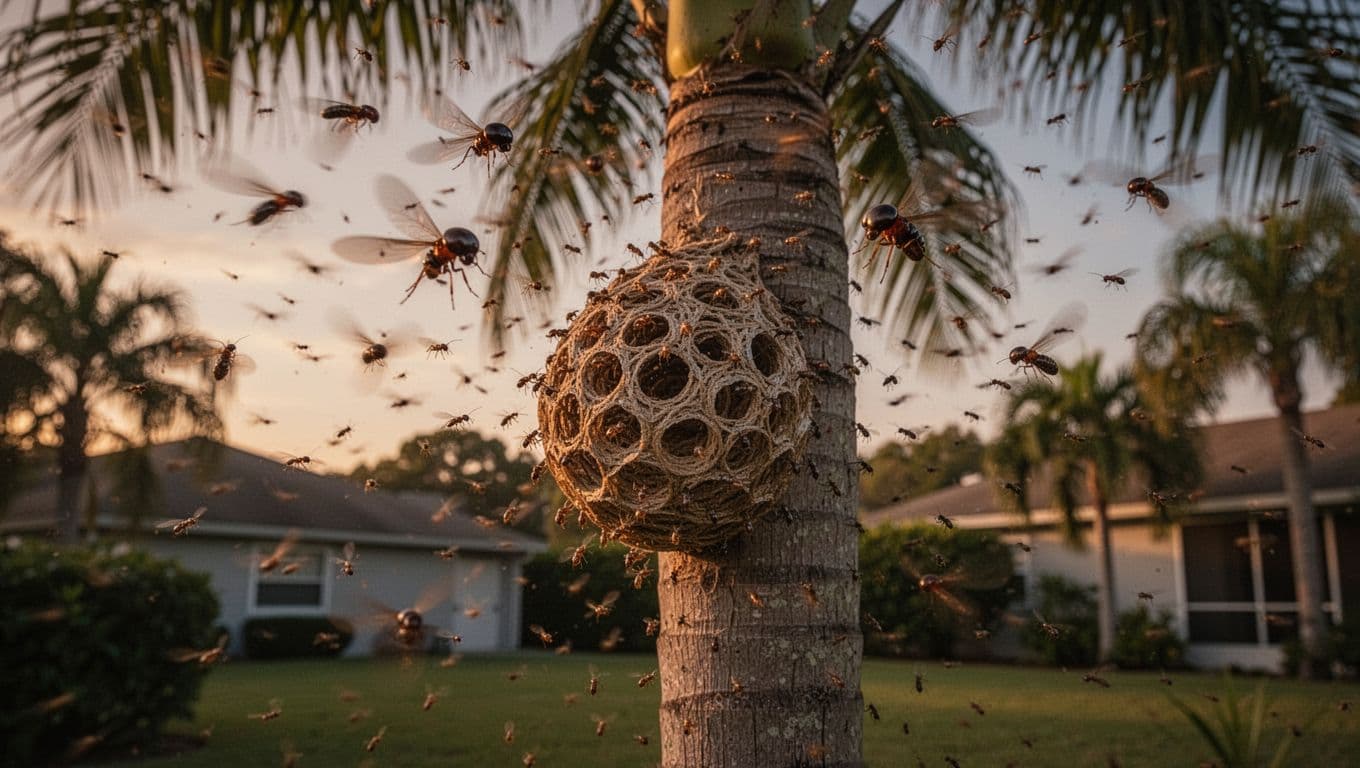
Swarm season peaks April to May. Odd winters spark early flights, per UF notes. Snap photos. Note locations. These clues confirm coneheads over Formosans, which lack the cone.
How Coneheads Differ from Common Florida Termites
Subterranean termites stay underground. They build mud tubes but skip carton nests. Drywoods live inside wood. They drop pellets, no soldiers with nasus. Coneheads mix traits: soil links plus above-ground homes.
| Feature | Conehead | Subterranean | Drywood |
|---|---|---|---|
| Nest Type | Carton, above ground | Underground tubes | Inside wood |
| Soldier Head | Cone-shaped, orange | Rectangular jaws | Small, no cone |
| Swarmers | Reddish head | Pale body | Yellowish |
| Common Sign | Exposed nests | Mud shelter tubes | Frass pellets |
This table spots differences quick. Coneheads damage faster in humid yards. For local prevention tips, see this homeowner termite control guide for Cape Coral.
Act Now to Protect Your Home
Conehead termites in Southwest Florida build satellite nests that stand out. Check fences, trees, mulch, and walls regular. Watch for cone-headed soldiers and swarms. They differ from subterranean mud makers and drywood pellet droppers.
Don't treat alone. Products miss colonies. Call pros for inspection. They confirm and handle safe. Early action stops spread. Schedule yours today. Your home stays strong that way. (987 words)
Schedule a Free Inspection: