Outdoor Kitchen Rodent Control for Florida Homes
One unwashed grill grate can turn a Florida outdoor kitchen into a nightly food stop for rats and mice. Effective outdoor kitchen rodent control begins with removing food and water, then closing the small routes rodents use to reach shelter.
Warm temperatures, dense vegetation, heavy rain, and screened patios create conditions that make outdoor cooking areas attractive. A few droppings near a cabinet deserve attention, but repeated signs call for a licensed pest-control professional rather than a quick spray or scattered bait.
Why Florida Outdoor Kitchens Attract Rats and Mice
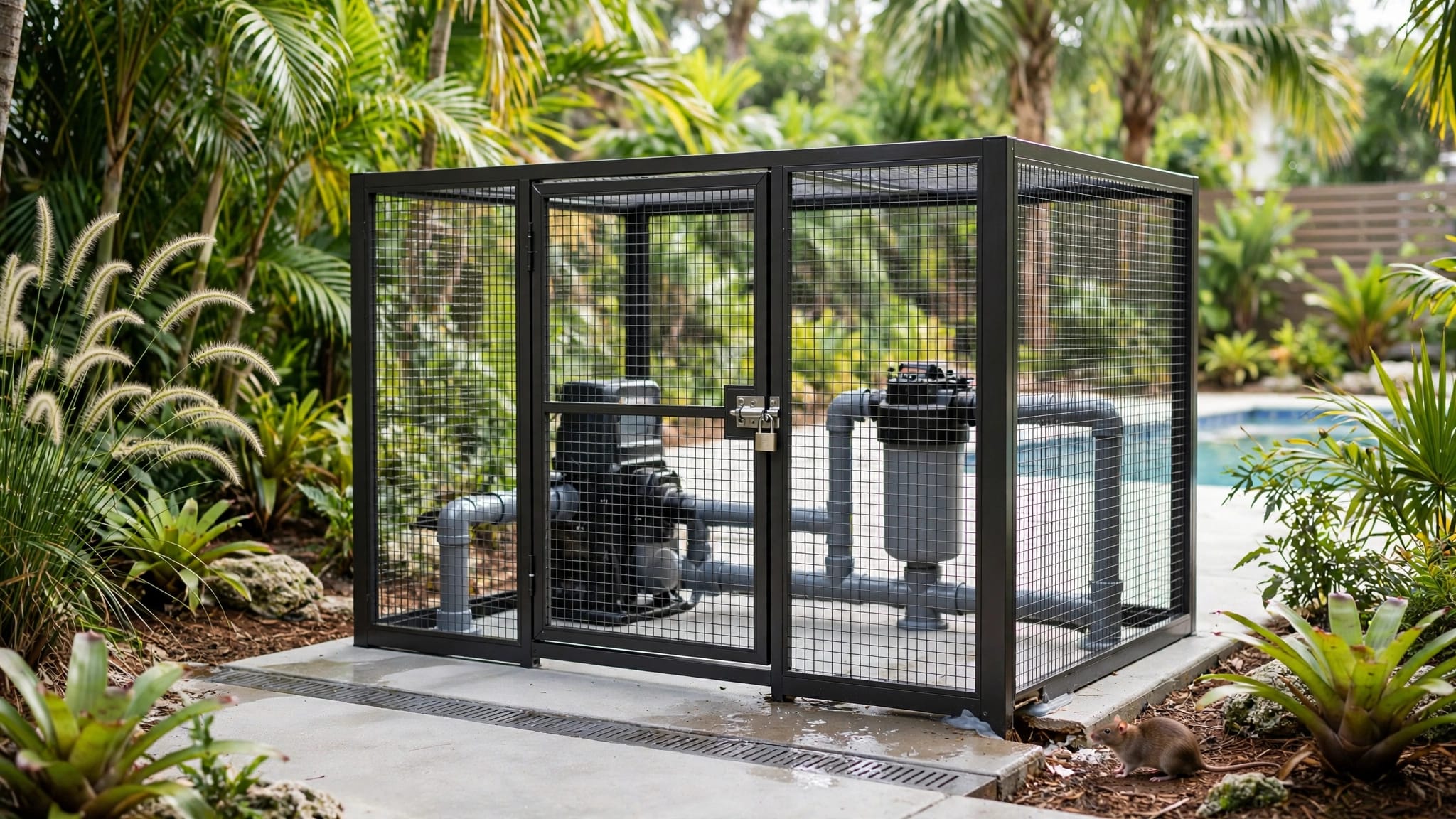
Outdoor kitchens sit between the home and the yard, so rodents can reach them through landscaping, rooflines, utility openings, and patio screens. Roof rats are common in Florida and can climb palms, vines, fences, and cables. Mice also take advantage of small gaps around doors, cabinets, and appliances.
The kitchen doesn't need to look dirty to attract activity. A little grease, food residue, standing water, or an open trash container can provide enough reason for rodents to return.
Food and water are easy to overlook
Grill drippings, crumbs beneath counters, pet food, birdseed, and ripe fruit near the patio can all provide food. Rodents may also drink from pet bowls, leaking hoses, clogged drains, or water that collects inside poorly sealed cabinets.
Outdoor refrigerators and grills deserve regular attention because food particles can collect beneath or behind them. A closed grill lid helps, but it doesn't replace cleaning the grease tray and surrounding surfaces.
Sheltered spaces become nesting areas
Rodents prefer quiet, protected spaces. Cardboard boxes, paper goods, unused appliances, stacked firewood, and clutter beneath counters can create nesting material and hiding places.
Dense plants beside the kitchen give rats cover as they approach. Palm fronds, vines, and branches that touch the roof or screen enclosure can also provide a route above the patio. Keeping a clear gap between vegetation and the structure makes inspection easier and reduces access.
Outdoor Kitchen Rodent Control Starts With Exclusion
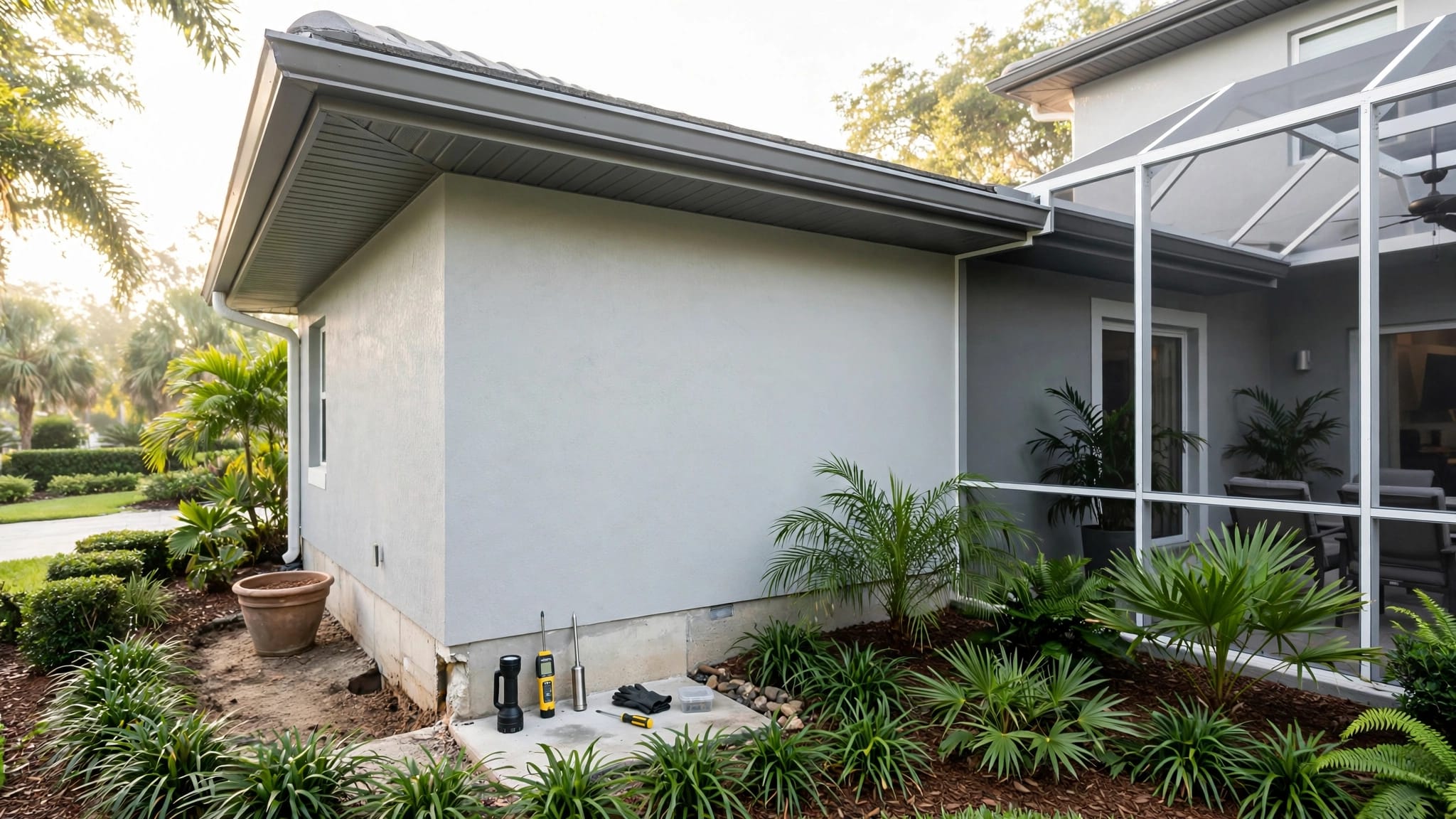
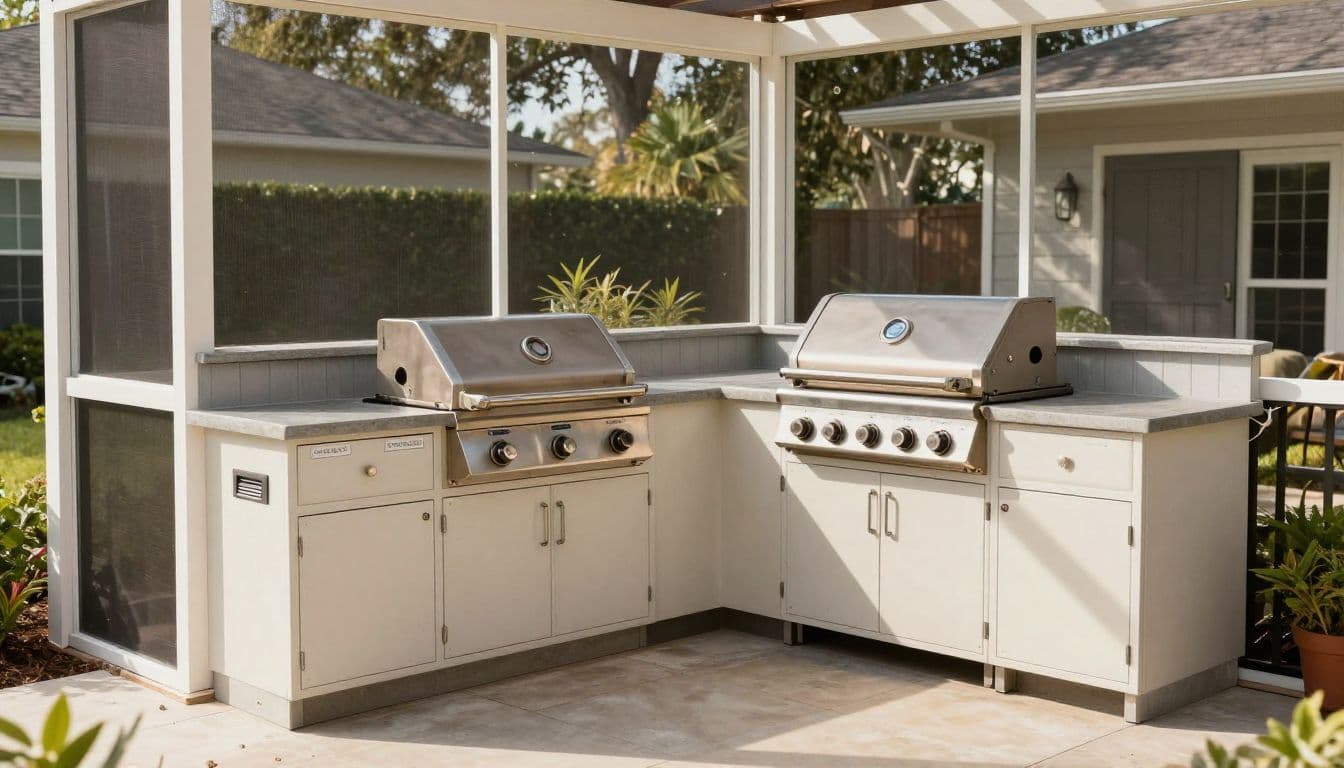
The strongest outdoor kitchen rodent control plan starts at the perimeter. Walk around the kitchen during daylight and inspect the slab edge, cabinet bases, doors, screens, vents, plumbing penetrations, and nearby roofline.
Seal the routes rodents can reach
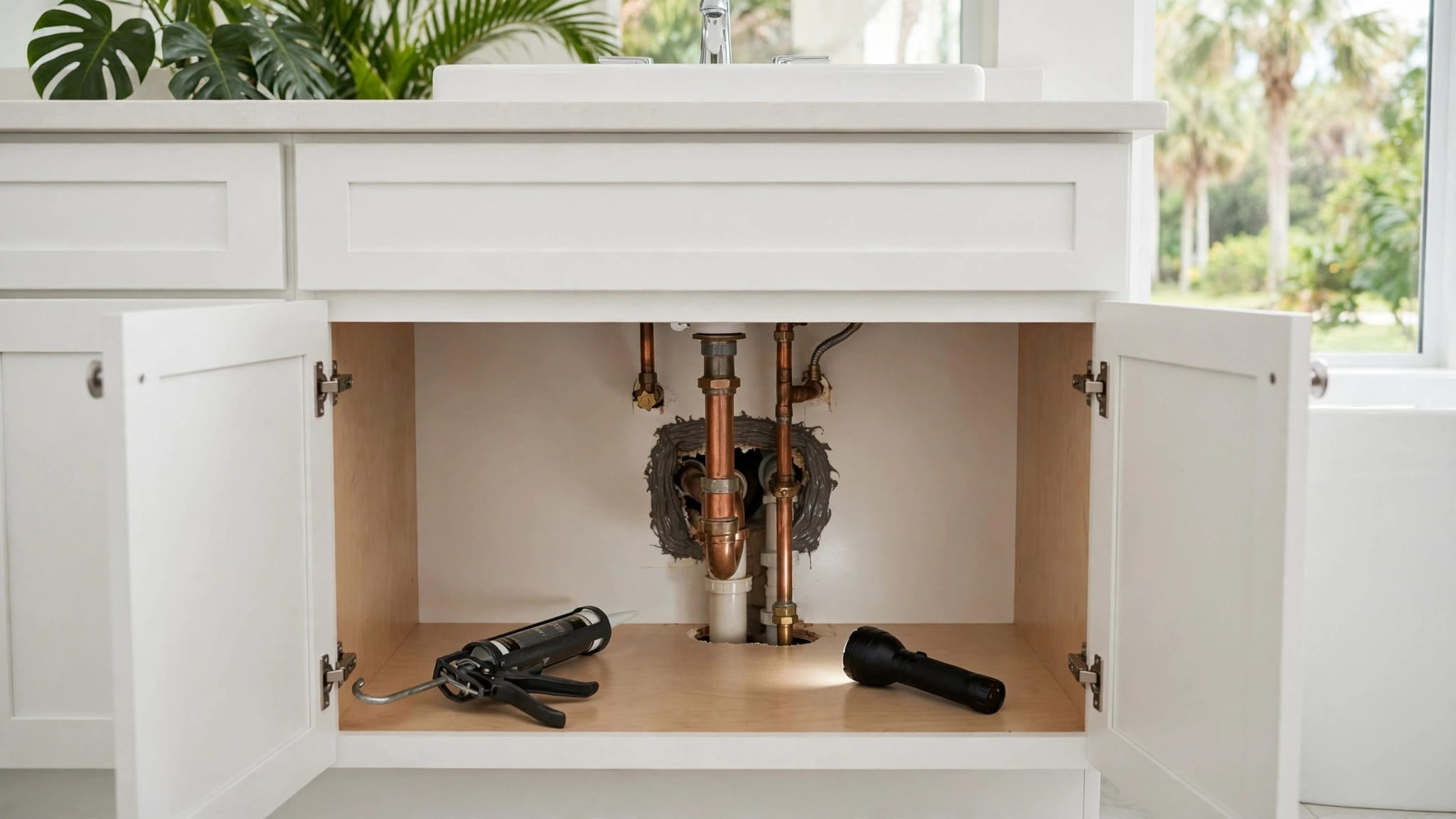
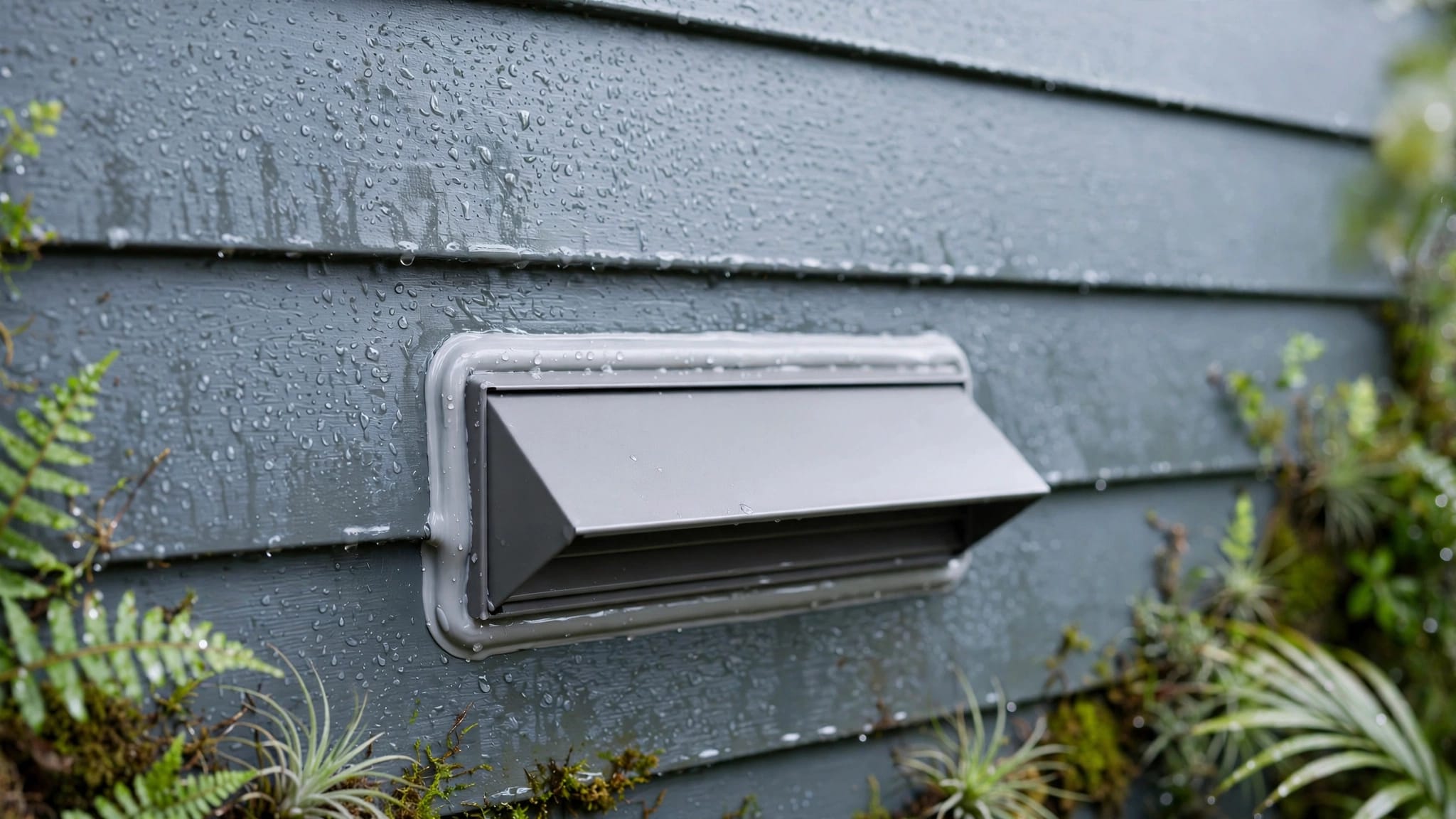
Mice can pass through openings around 1/4 inch wide. Rats need more space, but they can enlarge weak openings by chewing soft materials. Pay close attention to gaps beneath doors, torn screen sections, loose vent covers, and areas where pipes or wires pass through walls.
Use durable materials suited to the surface. Metal flashing, 1/4-inch hardware cloth, mortar, and exterior-rated sealant are more reliable than foam alone. Rodents can chew through soft foam and some plastic materials.
Don't remove electrical covers or appliance panels to reach a gap. A licensed electrician should handle unsafe wiring openings. For other common routes around Florida homes, review these common Florida home pest entry points.
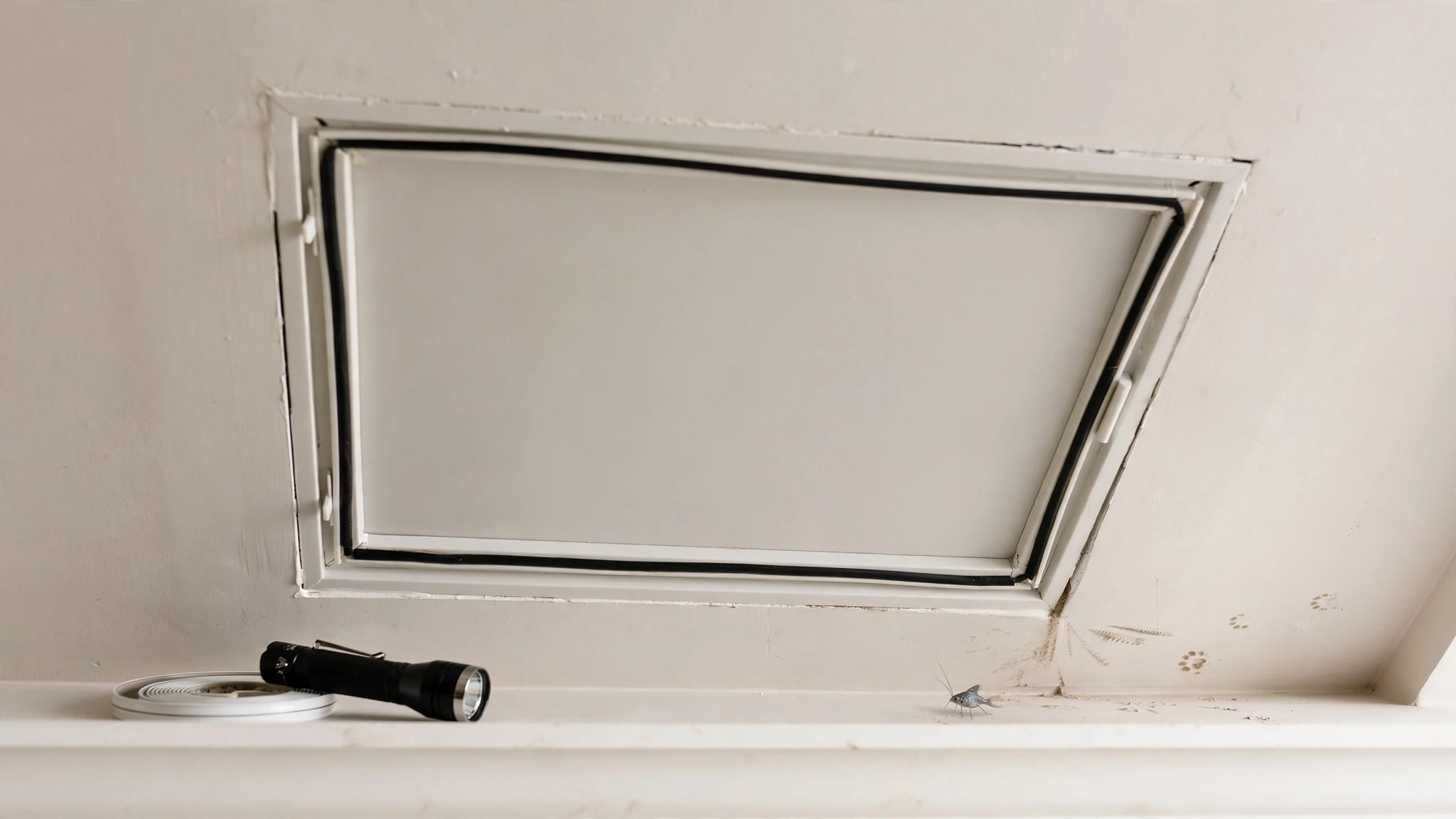
Door bottoms need special attention. A tight, rodent-resistant sweep should close the visible gap without preventing the door from operating. A brush sweep may help with an uneven threshold, but rats and mice can damage softer brush material. See these tips for choosing a rodent-resistant door sweep.
Make storage and appliances harder to enter
Store dry goods, paper products, pet food, and grilling supplies in hard-sided containers with tight-fitting lids. Cardboard attracts moisture and can become nesting material, so remove it from cabinets and the area beneath the counters.
Keep cabinet doors closed and repair damaged hinges or latches. Screen vents with sturdy metal mesh while preserving the airflow required by the appliance. Close the grill lid after use, and keep combustible storage away from hot equipment.
Create a Cleaning Routine That Removes Food Sources
Good outdoor kitchen rodent control depends on habits that happen after every meal, not only after you see a rat. A short cleanup routine can remove the odors and residue that bring rodents back.
- Once cooking surfaces cool, scrape food residue from the grill and wipe nearby counters with an appropriate cleaner.
- Empty the grease cup or tray according to the grill manufacturer's instructions. Clean spills beneath the grill and around its wheels.
- Store food, pet supplies, and disposable plates in sealed containers. Bring leftovers indoors instead of leaving them in a covered serving dish overnight.
- Close trash containers tightly and remove bags that contain meat, seafood, fruit, or greasy paper. Wash residue from the outside of the container.
- Fix dripping faucets and hoses, empty pet-water bowls overnight when practical, and dry cabinet floors after rain or cleaning.
Also inspect the space beneath the kitchen. Remove leaves, cardboard, unused pots, and other materials that give rodents a place to hide. Trim plants before they reach the screen enclosure or roofline.
How to Inspect the Kitchen After Storms or Heavy Rain
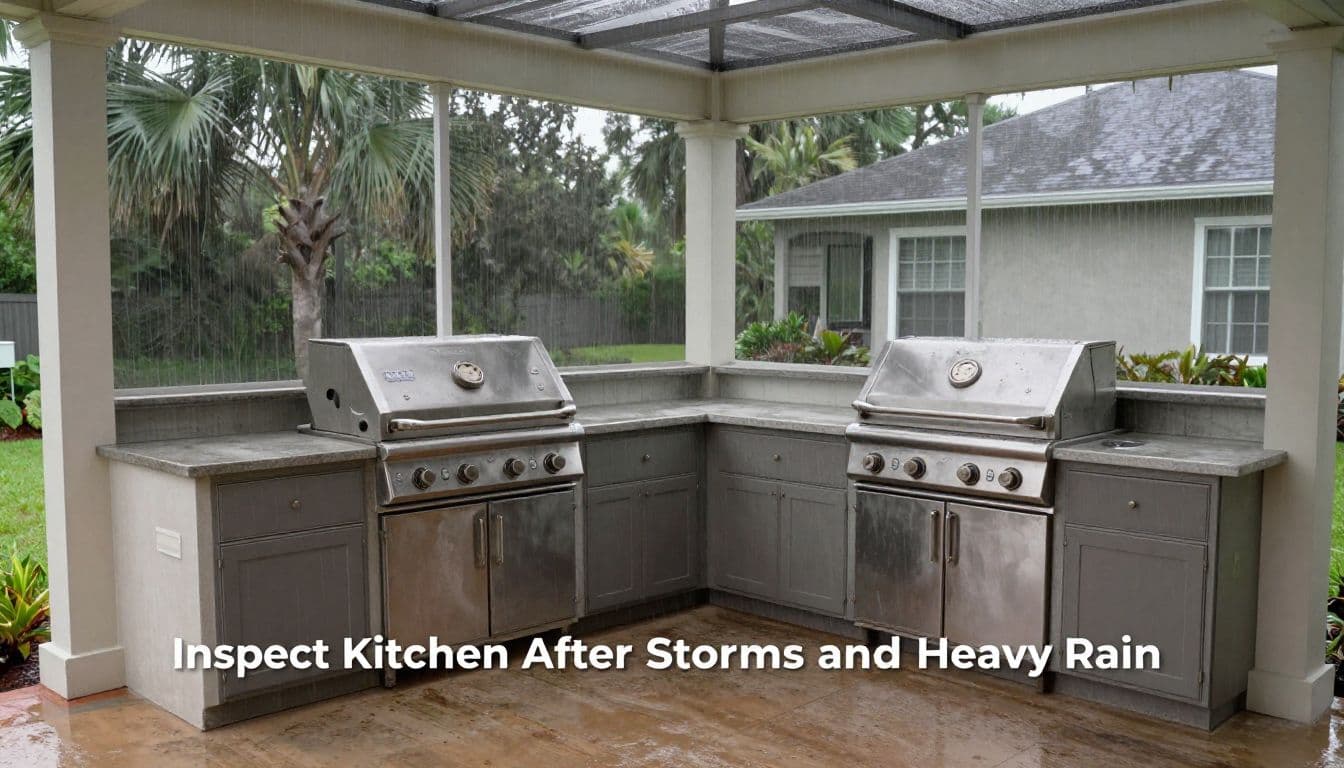
Storm inspection is part of Florida outdoor kitchen maintenance. Wind can loosen screens and doors, while heavy rain can wash soil away from walls, expose pipe openings, damage sealant, and leave food waste or debris in hidden areas.
Start with a safe exterior inspection
Wait until lightning, flooding, and unsafe debris have cleared. Don't walk through floodwater around electrical equipment, and leave damaged gas or electrical systems for qualified professionals.
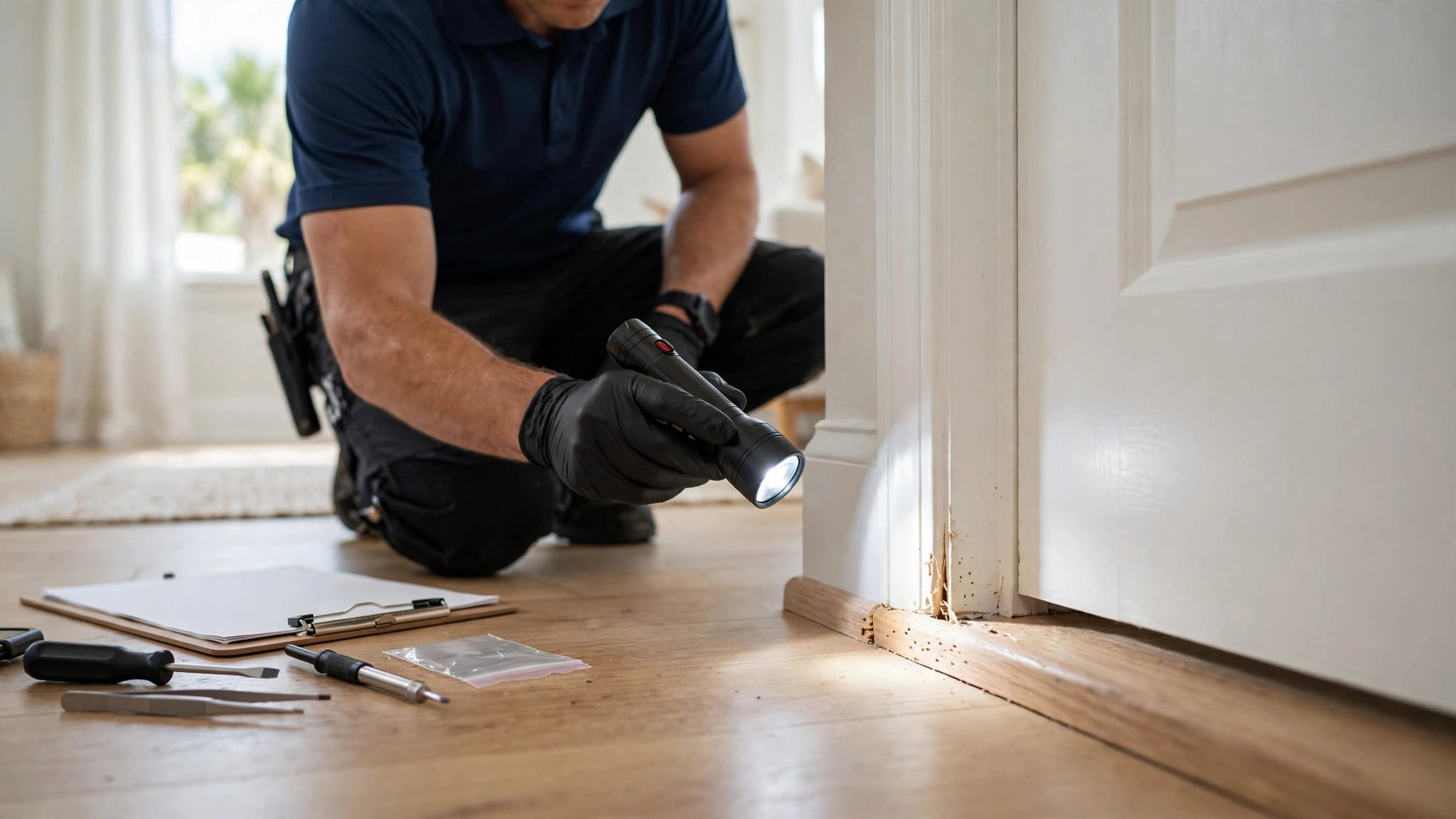
Walk the perimeter with a flashlight, even during daylight. Look for shifted screen panels, bent cabinet doors, loose vent covers, damaged sweeps, and gaps where sealant has separated. Check whether runoff washed soil away beside plumbing penetrations or the slab edge.
Inspect the roofline and nearby vegetation as well. Wind may have dropped palm fronds against the enclosure or moved branches onto the roof. Remove debris carefully, and keep children and pets away while you work.
Standing water won't usually create a direct rodent entry point, but it signals drainage problems and can keep the area damp. Clear blocked drains, correct leaks, and remove wet cardboard or food waste before it becomes shelter.
Check cabinets, appliances, and hidden corners
Open each cabinet and look beneath shelves, behind stored supplies, under the grill, and beside the refrigerator. Search for droppings, shredded paper, chew marks, tracks, nesting material, or an unusual odor.
Wear disposable gloves when handling contaminated materials. If you find droppings, avoid sweeping or vacuuming them while dry. Keep the area closed to children and pets, lightly wet the material with an appropriate disinfectant, and follow local health guidance for removal. Extensive contamination needs professional cleanup.
Never pull apart an appliance or electrical panel to investigate. If you smell gas, leave the area and contact the gas utility or emergency services. If you see chewed wiring, stop using the equipment until a qualified technician checks it.
Seasonal Rodent Prevention Checklist for Florida
Florida's dry and rainy seasons create different maintenance needs. Use this quick schedule to keep small problems visible.
| Timing | What to inspect | Maintenance action |
|---|---|---|
| Every month | Door bottoms, screens, cabinet corners, grease trays, and trash lids | Clean residue, repair small damage, and replace worn seals |
| Dry season, roughly November through April | Vegetation, roofline access, stored supplies, and unused equipment | Trim branches, remove clutter, and store food in sealed containers |
| Rainy season, roughly May through October | Drainage, standing water, washed-out soil, and exterior sealant | Clear drains, correct leaks, and inspect gaps after heavy rain |
| Before June 1 | Screens, cabinet latches, grill covers, loose items, and nearby trees | Secure the kitchen before hurricane season and remove weak branches |
| After every major storm | The full perimeter, cabinets, equipment, and debris piles | Look for new entry points, moisture, droppings, and nesting material |
Keep a dated note or photograph of repairs if the same gap reopens. Repeated damage often points to an active route or a structural problem that needs more than another layer of caulk.
Prevention Is Different From Treating an Active Infestation
Prevention means removing food, reducing shelter, and sealing likely entry points before rodents establish a route. Treatment starts when rodents are already using the kitchen, patio, walls, attic, or other connected spaces.
A single rodent seen outside may be passing through. Repeated sightings or physical evidence deserve a closer inspection.
Know the signs of established activity
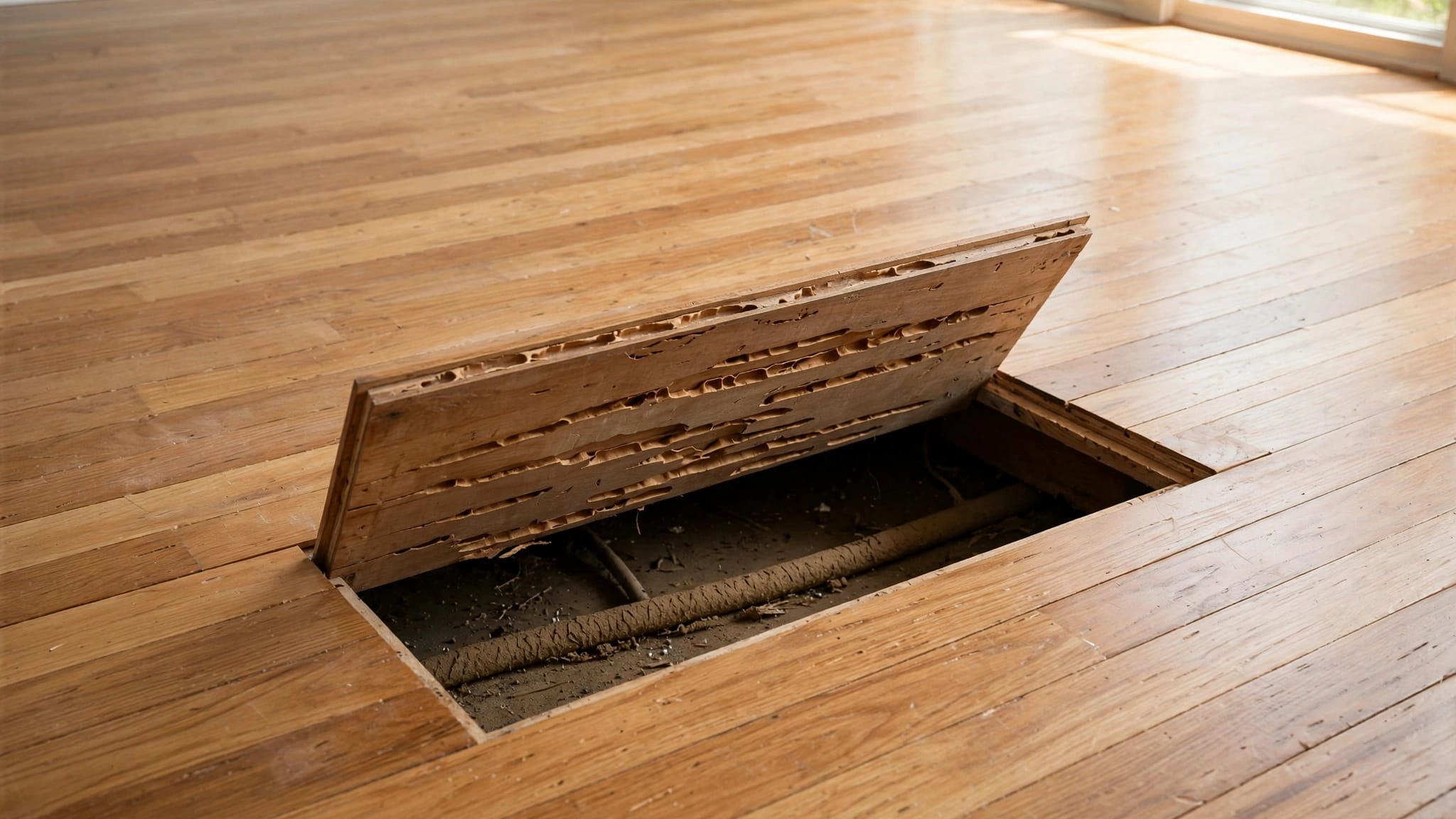
Look for fresh droppings inside cabinets, gnaw marks on plastic or wiring, shredded paper, greasy rub marks along edges, nesting material, scratching sounds, and persistent urine or animal odors. Rodents may also leave tracks in dusty areas beneath appliances.
Signs that extend into the house need faster attention. Droppings in a garage or attic, ceiling stains, odors, and chewed wiring can point to a larger route. These signs of rodents in the attic need an indoor assessment, not outdoor cleaning alone.
Use caution with rodenticides and traps
Rodenticides can harm pets, children, hawks, owls, and other wildlife when people place or handle them incorrectly. A poisoned rodent can also die inside a wall, cabinet void, or ceiling and create an odor problem that is difficult to locate.
Never scatter bait pellets around an outdoor kitchen. If a product is used, follow its label and use only a locked, tamper-resistant station in an approved location. Keep stations away from pets, children, and areas where wildlife can reach them.
Traps and bait should address the confirmed route, not replace exclusion. Don't seal every opening before an inspection if rodents may still be inside. A professional can identify activity, remove or control the animals, then seal entry points and recommend safe cleanup.
If limiting traditional poison matters to your household, ask a licensed provider about wildlife-conscious rodent prevention. Some services use deterrent systems designed without traditional rodenticides, depending on the property and the source of activity.
Repeated droppings, gnawing, odor, or scratching indicate a control problem, not a routine cleaning problem. Arrange an inspection before the damage spreads.
Keep Your Florida Outdoor Kitchen Protected
The best outdoor kitchen rodent control routine is practical: clean grease after cooking, store food in hard containers, trim vegetation, check door gaps, and inspect the structure after heavy rain.
If you find repeated signs, damaged wiring, nesting material, or rodents entering the roofline, contact a licensed pest-control professional before applying outdoor bait or sealing openings. A clean kitchen helps, but lasting protection depends on finding and closing the route rodents use.
Schedule a Free Inspection: