Florida Wood Fence Termite Protection: A Practical Homeowner Guide
A wood fence can look solid while termites work inside posts, rails, and pickets. Florida wood fence termite protection starts with controlling moisture, reducing soil contact, and spotting damage before the fence becomes a path toward your home.
Southwest Florida's heat, humidity, heavy rain, and irrigation create conditions termites can use. Regular maintenance helps, but suspected activity needs a licensed Florida pest-control professional who can identify the species and recommend safe treatment. Start by learning where termites hide and what changes deserve attention.
Why Florida Wood Fences Attract Termites
Termites need food, moisture, and shelter. A wood fence can provide all three, especially when posts sit directly in damp soil or sprinklers wet the same section every day.
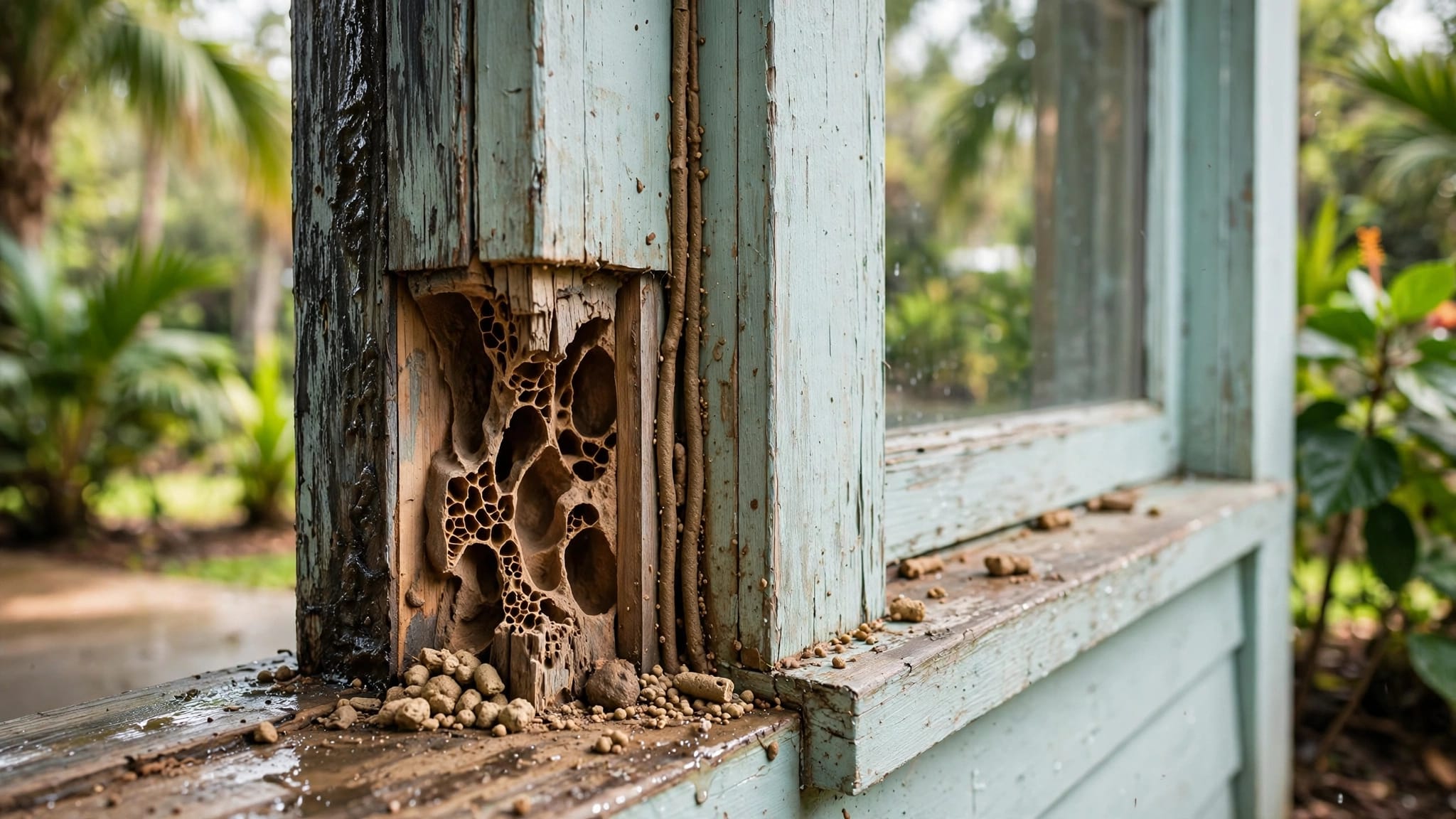
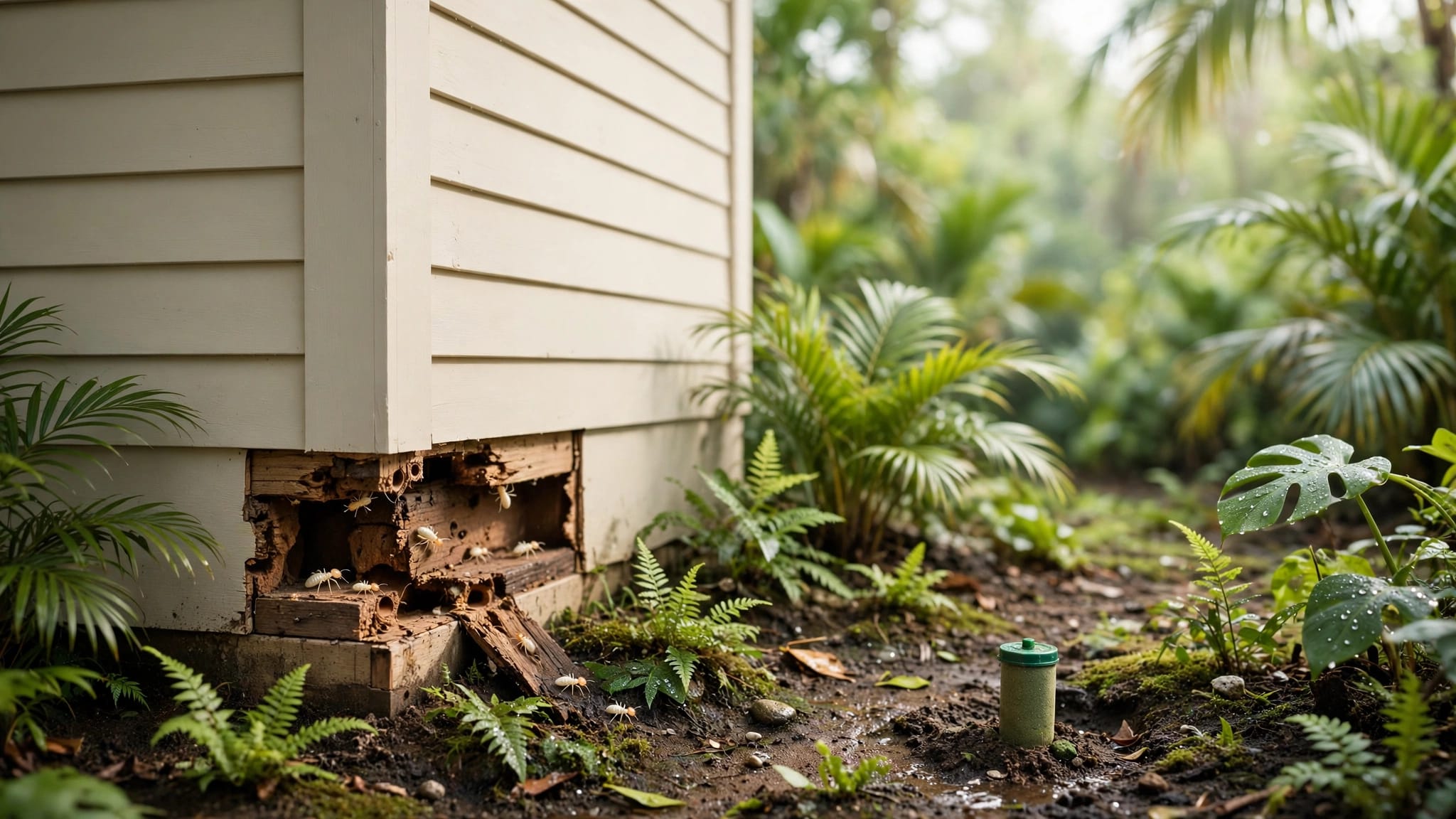
Subterranean termites live in soil and travel through protected mud tubes to reach wood. They often attack fence posts near ground level, where moisture softens the wood and hides early damage. Drywood termites live inside relatively dry wood and may enter fence components through cracks, joints, or exposed end grain.
You can review the differences between drywood and subterranean termites before inspecting your fence. The signs vary, so identifying the likely termite type helps a professional choose the right response.
Pressure-treated lumber offers more resistance than untreated wood, but it isn't termite-proof. Over time, cuts, drilled holes, cracks, and weathering expose untreated sections. Fasteners can also loosen, allowing water to enter joints and create damp pockets.
A fence can also create access to nearby structures. If wood touches siding, trim, a screened enclosure, or a deck, termites may move between those materials without crossing open ground. Keep the fence separated from the house whenever the property layout allows it.
Florida Wood Fence Termite Protection Starts With Moisture Control
Water management is one of the most useful steps you can take. Termites don't need a flooded yard. Repeated dampness around a post can support decay and make the wood easier to penetrate.
Walk the fence line after irrigation runs or following heavy rain. Look for pooling water, soggy soil, leaking hose bibs, and downspouts that discharge beside posts. Adjust sprinkler heads so they spray plants rather than fence boards. Repair plumbing leaks promptly, even when the wet area seems small.
Keep soil and mulch from building up against the fence. A deep layer can hide mud tubes and keep the lower boards damp. It also makes inspection difficult. Use a narrow, visible strip beside the fence when practical, and maintain enough clearance to see the base of each post.
Trim plants that press against the wood. Dense vines and shrubs hold humidity against boards and block sunlight after rainfall. Remove fallen branches, old landscape timbers, cardboard, and scrap lumber from the fence line. Firewood should sit on a raised rack away from the house and fence.
Choose and Maintain Fence Materials Carefully
When replacing damaged sections, use exterior-rated lumber and follow the product label for outdoor use. Pressure-treated wood is a common choice, but freshly cut ends may need an appropriate end-cut preservative. Use only products labeled for that purpose, and follow all safety directions.
Paint or stain can limit water absorption when the surface is clean, dry, and properly prepared. Coatings don't stop termites by themselves. They also fail when boards split, peeling begins, or the lower edge stays wet against the soil.
Pay attention to the fence design. A small gap between the bottom rail or pickets and the ground reduces direct moisture contact. Concrete footings may help keep wood above soil, but they don't eliminate risk if the surrounding area stays wet or the post itself decays.
A pressure-treated fence can still develop termite problems at cut ends, fastener holes, cracks, and soil-contact points.
Inspect Your Fence for Termite Activity
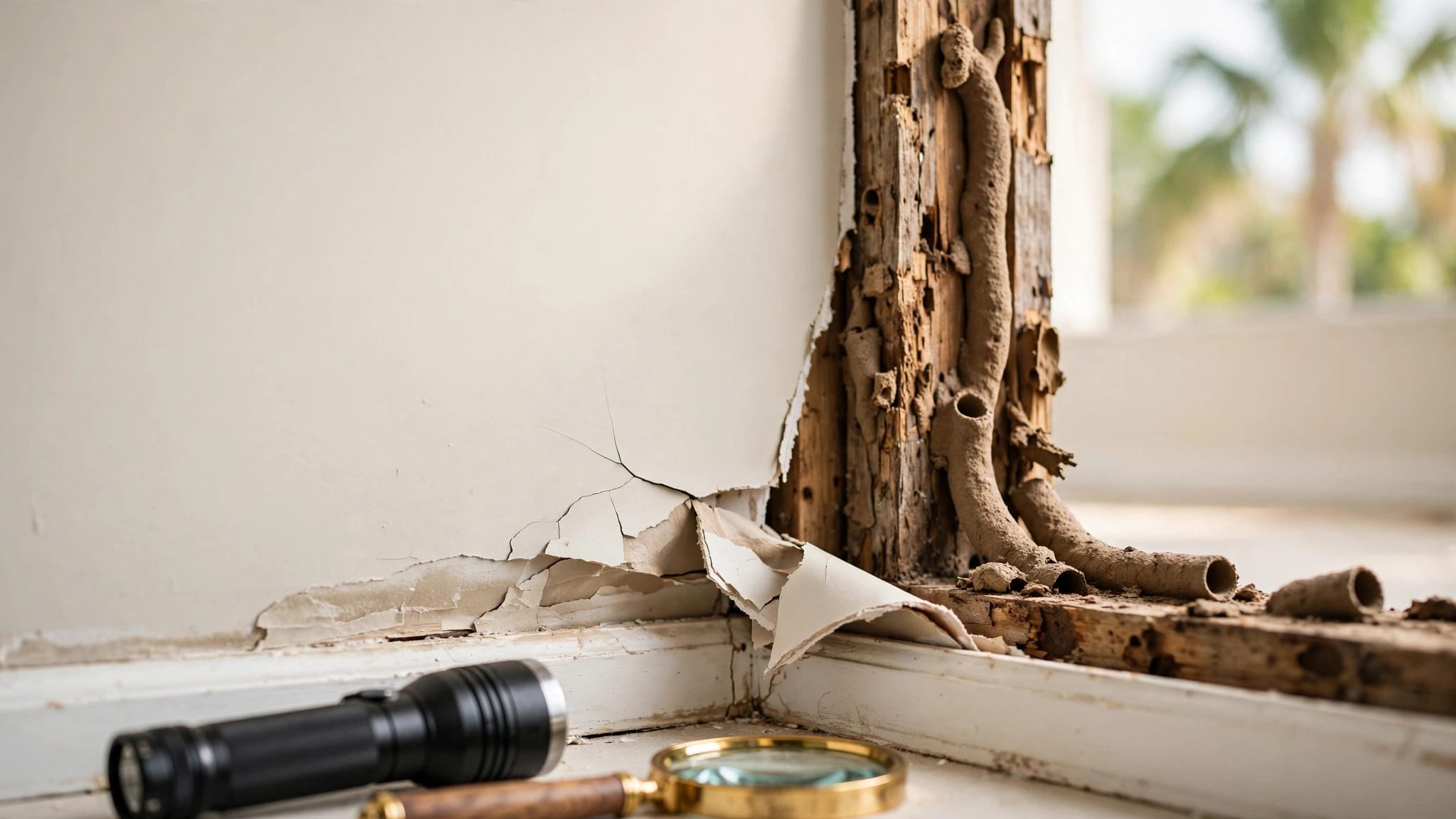
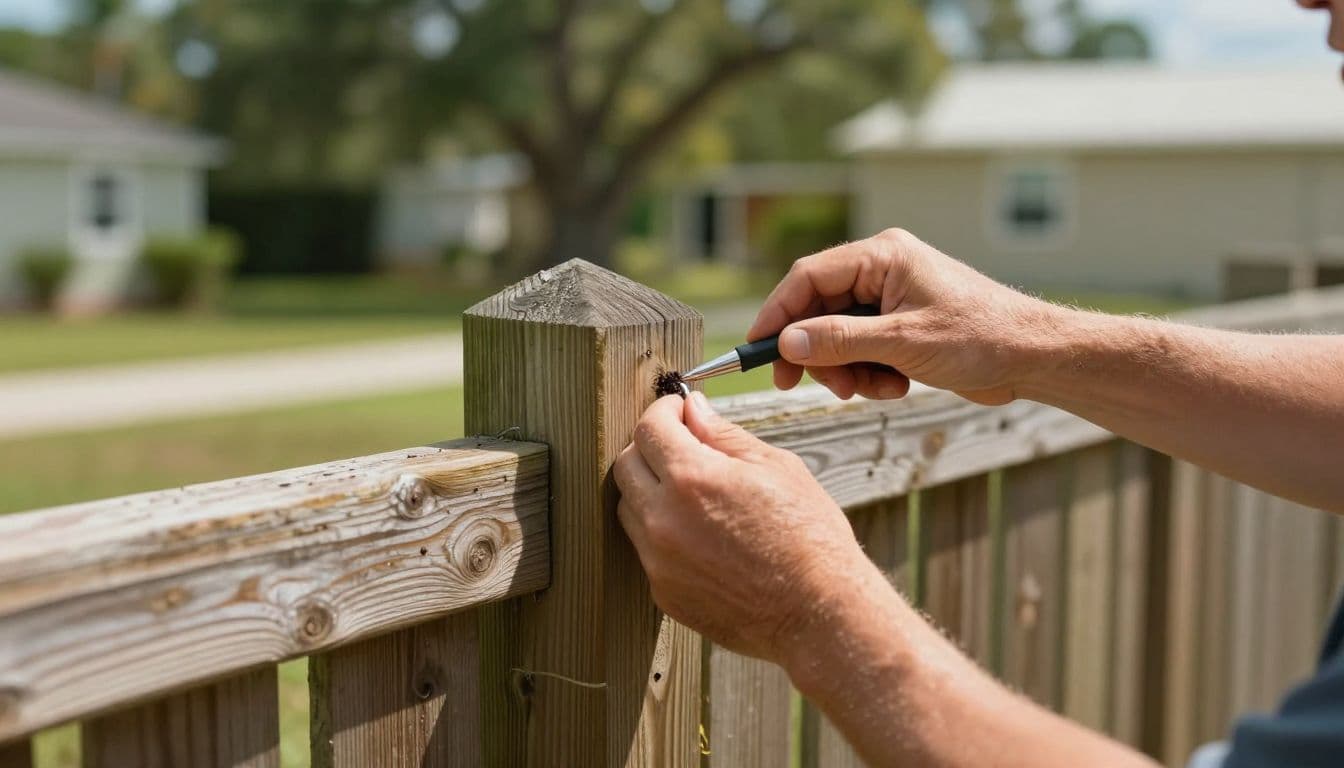
A careful inspection takes only a few minutes and works best in daylight. Move along both sides of the fence, including gates and corners. Use a flashlight for shaded areas and a screwdriver only to test loose or visibly damaged wood, not to dig into sound boards.
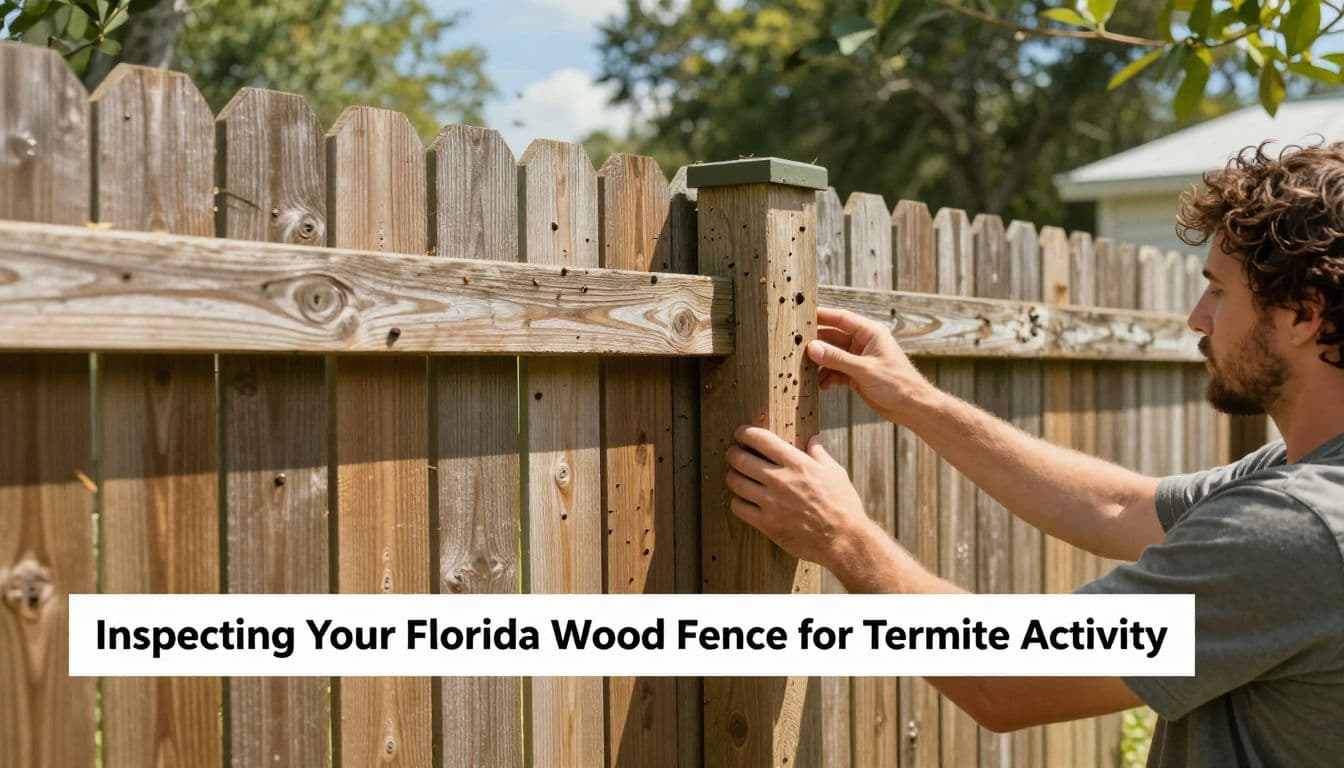
Check the lowest 12 to 18 inches of each post and board. Pay attention to narrow brown tubes that run from the soil onto the wood. Subterranean termites build these shelter tubes to stay protected from heat and dry air. A broken tube can be rebuilt, so don't assume it is old because part of it has fallen away.
Look for additional warning signs:
- Hollow-sounding wood can indicate internal feeding, although decay can produce a similar sound.
- Small holes and loose, blistered, or cracked surfaces may point to insect activity.
- Soft wood near the ground often signals moisture damage, termite damage, or both.
- Dry, sand-like pellets beneath small holes can indicate drywood termites.
- Discarded wings near gates, windows, doors, or outdoor lights may appear after a swarm.
- Sagging rails, loose pickets, and weakened posts can indicate structural deterioration.
Record the location of anything unusual. Take clear photographs and note whether the area is wet, shaded, or close to the house. Don't disturb mud tubes more than necessary, because their location can help a technician understand where termites are traveling.
You can also review these key signs of a termite infestation, especially if the fence sits near your foundation or attached structures. A fence inspection should include nearby walls, decks, sheds, and utility penetrations.
No single sign proves an active infestation. Wood rot, carpenter ants, moisture damage, and old construction debris can look similar. A licensed pest professional can inspect the fence and surrounding property, identify live activity, and check whether termites have reached the home.
Practical Steps for Long-Term Fence Protection
Good maintenance works best as a routine instead of a one-time repair. Start with the conditions that make the fence attractive, then keep checking the areas that fail first.
1. Keep the fence line visible
Remove mulch, leaves, weeds, and stored items that cover the base. Visibility makes it easier to find tubes, rot, and gaps between wood and soil. It also helps you spot irrigation problems before they affect the posts.
2. Fix water problems quickly
Redirect downspouts, repair leaking outdoor faucets, and adjust sprinklers that hit the fence. After storms, check low spots where rain collects. Florida's frequent rainfall can expose a small drainage problem several times each month.
3. Seal vulnerable wood
When you install or repair boards, protect exposed end grain with a suitable exterior wood preservative. Recoat painted or stained surfaces according to the product instructions. Scrape peeling areas and let wet wood dry before applying a new finish.
4. Replace damaged sections
Don't leave a weakened post in place because the pickets still look acceptable. A compromised post can allow the fence to lean and can keep nearby soil wet. Remove and dispose of damaged wood carefully, especially when a professional suspects active termites.
5. Keep wood away from the house
Maintain a visible gap between fence components and siding, soffits, decks, or other building materials. Where a fence meets the home, inspect the connection often. That hidden junction can conceal tubes and moisture.
6. Consider professional termite protection
A pest-control company may recommend soil treatment, baiting, wood treatment, or another method based on the termite species and property conditions. Chemical choices depend on the product label, the location, drainage, pets, children, and nearby wells or water.
Don't apply termiticides to a fence based on a general online recommendation. A licensed Florida professional can determine whether treatment is needed and explain how to protect people, pets, plants, and waterways.
For broader property guidance, see this homeowner's guide to termite prevention and control. Fence care should fit into the same plan as inspections and protection for the house.
What to Do When You Find Active Termites
Active termites require a different response than routine maintenance. Stop replacing boards until the infestation has been evaluated. New wood can hide the source, and disturbing a colony may make the inspection less useful.
Contact a licensed pest-control professional if you find live termites, fresh mud tubes, new pellets, discarded wings, or wood that has suddenly become weak. Ask the technician to inspect the fence, foundation, attached structures, sheds, decks, and other wood near the activity.
Avoid spraying household insecticide into holes or tubes. These products may kill visible insects without reaching the colony, and outdoor use can create risks for people, pets, plants, and stormwater. Don't seal tubes or paint over suspicious areas before the inspection.
The professional may recommend removing sections of fence, treating soil, installing a termite bait system, treating affected wood, or combining methods. The correct option depends on the species, colony location, construction, and extent of damage. Treatment can control active termites, but replacement wood still needs moisture protection and regular inspection.
If the fence touches your home, mention that during the service call. Termites can enter through concealed gaps, cracks, utility openings, or other protected routes. A fence problem doesn't prove the house is infested, but it gives you a reason to check nearby areas promptly.
A Simple Florida Fence Maintenance Schedule
Inspect the fence at least every three months, and check it sooner after hurricanes, tropical storms, extended rain, or landscape changes. Walk the full perimeter rather than checking only the gate or the side facing the street.
During each inspection, confirm that:
- Sprinklers and downspouts aren't keeping posts wet.
- Soil, mulch, leaves, and vines aren't hiding the lower fence.
- Posts remain firm and boards aren't soft near ground level.
- No mud tubes, pellets, wings, or fresh holes have appeared.
- The fence remains separated from the home and attached structures.
Keep dated photos when you find cracks, stains, or other changes. A record helps you distinguish gradual weathering from new damage and gives a pest professional useful information.
Conclusion
Florida wood fence termite protection depends on dry, visible, well-maintained wood and quick attention to unusual signs. Control irrigation and drainage, keep soil away from the fence, protect exposed cuts, and inspect posts near ground level throughout the year.
If you find live termites or fresh evidence, skip DIY chemical treatment and call a licensed Florida pest-control professional. The sooner the source is identified, the easier it is to protect both the fence and the home beside it.
Schedule a Free Inspection: