Sawtoothed Grain Beetles In Cape Coral Pantries And Cereal Boxes
You pull a box of cereal from your Cape Coral pantry shelf. Tiny reddish-brown bugs scatter across the counter. Sawtoothed grain beetles have invaded again. These common pantry pests target dry foods like flour and rice. They thrive in Florida's warm homes but don't bite or spread disease. You can spot and stop them with simple steps. Let's break it down so you reclaim your kitchen fast.
What Are Sawtoothed Grain Beetles?
Sawtoothed grain beetles measure about 3 millimeters long. They have an elongated oval body and reddish-brown color. Six legs help them crawl quickly. Antennae stick out from the head. The name comes from saw-like projections on the thorax, like tiny teeth along the edges.
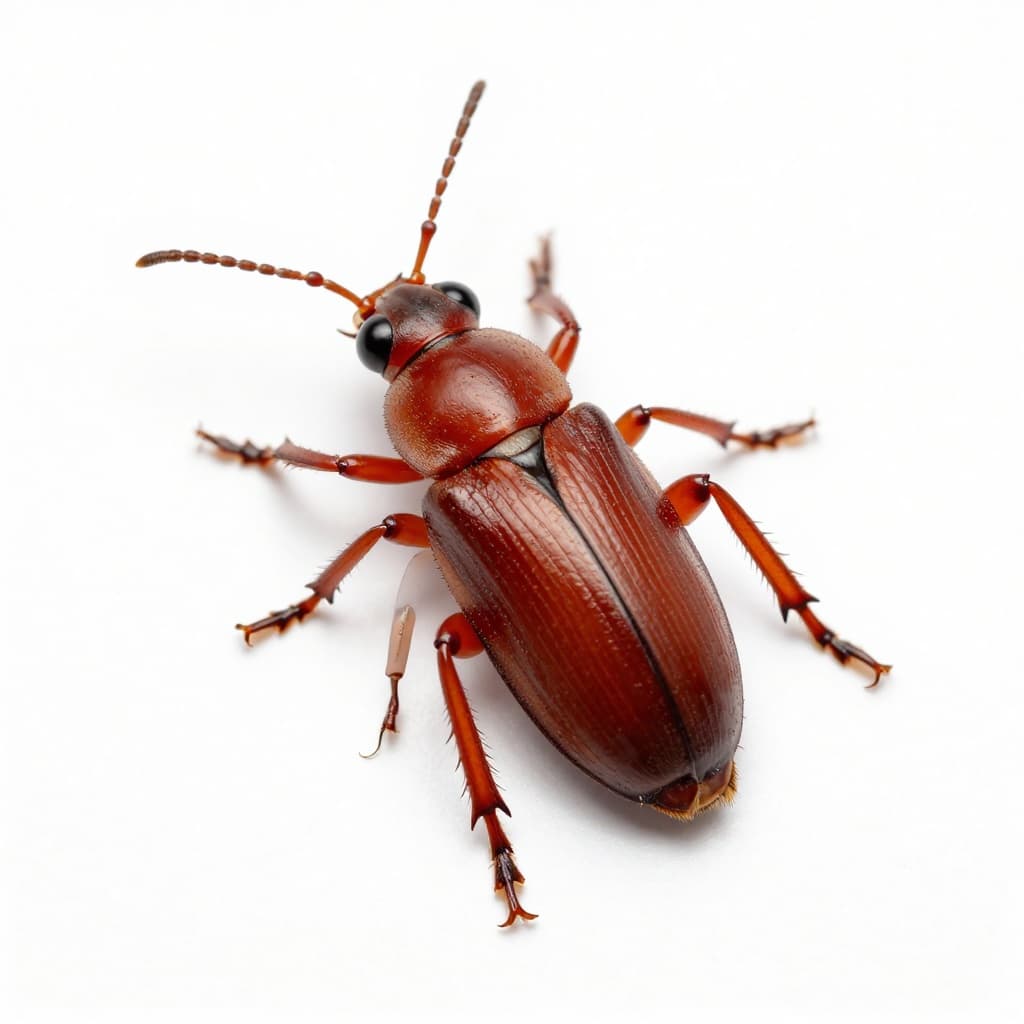
Adults live months and lay hundreds of eggs. Larvae are small, white, and C-shaped. They feed on the same foods as adults. Unlike weevils, which have a snout and fat larvae inside whole grains, these beetles stay flat and chew through packages. Drugstore beetles look rounder and attack spices too. In contrast, sawtoothed grain beetles stick to starches. They don't fly well, so they spread by crawling or hitching rides in groceries.
Cape Coral humidity speeds their life cycle. Eggs hatch in days. One female starts the problem. She hides eggs in food seams. Then numbers build fast. However, clean habits stop them cold.
How Do They Enter Cape Coral Homes?
These beetles hitchhike in store-bought dry goods. A bag of flour or pet food arrives with eggs inside. You store it, and they hatch. Bulk buys from club stores raise the risk because packages sit longer.
Pet food draws them often. Birdseed or dog kibble in garages works the same way. Cape Coral folks stock up for storms, so check those supplies. Open boxes invite them in. Crumbs on shelves feed stragglers too.
They differ from pantry moths, which fly from contaminated grains. Beetles crawl low. For more on similar kitchen invaders, read about pantry moths in Cape Coral kitchens. In short, groceries bring them. Seal arrivals right away.
Spotting Sawtoothed Grain Beetles in Your Pantry
Look for tiny beetles near food edges. They cluster on boxes or run when you open them. Powdery residue signals larvae waste. Packages might sag from inside feeding.
Check cereal boxes first. Flour bags show holes. Rice and pasta clump with silk. Pet food bags wrinkle oddly. Unlike weevils, no rice grains burst open.
Shine a flashlight in corners. Beetles hide in cracks. Adults stick to walls low down. Larvae wiggle in food. If you see many, toss the item. One box ruins the shelf.
Test with a trap. Sticky cards catch them overnight. Few means minor issue. Dozens point to a source. Early signs save food and time.
Step-by-Step Guide to Eliminate Them
Act fast to break the cycle. Start with inspection. Pull every dry good out. Check seams and folds. Discard anything with bugs, webbing, or powder. Seal it in a bag outside.
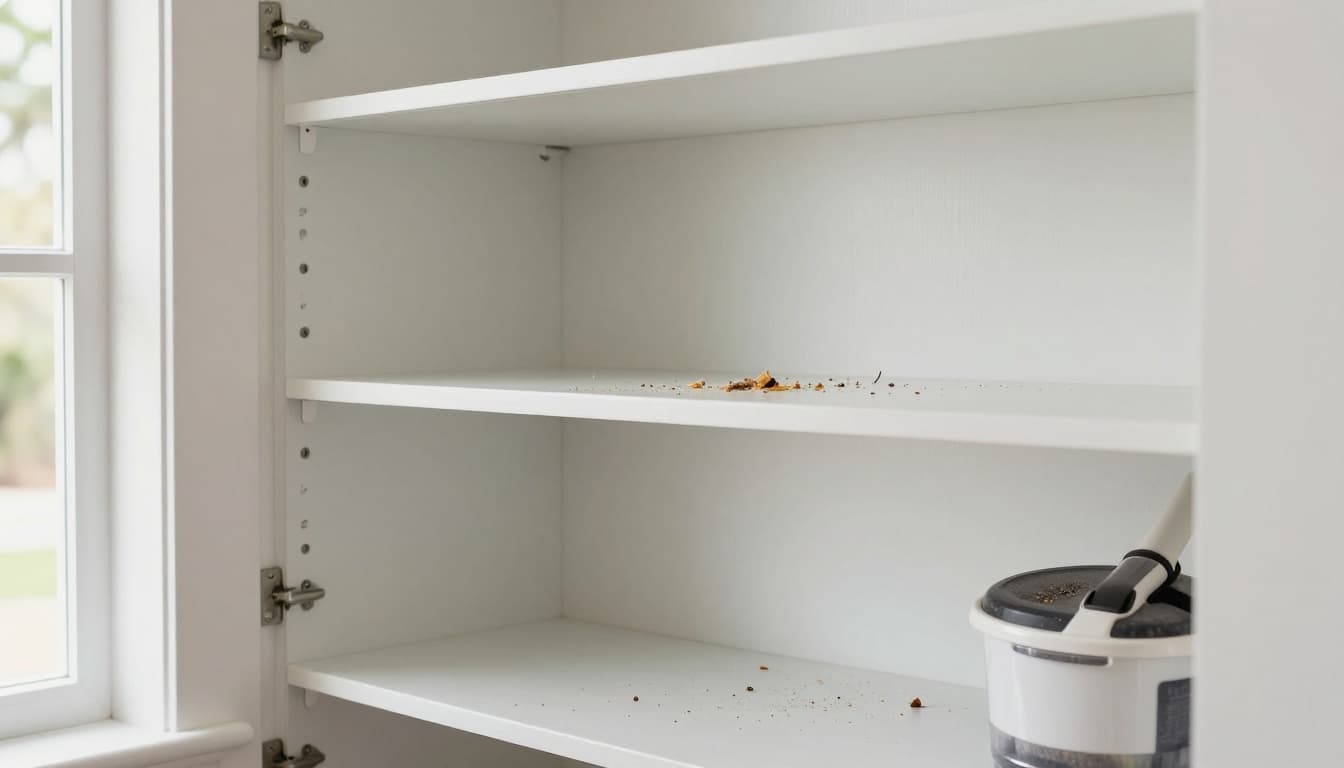
Next, vacuum shelves. Use the crevice tool on cracks and edges. Empty the bag outside right away. Wipe with soapy water after. Dry fully before restocking.
Freeze suspect clean items for days. It kills eggs. Avoid sprays near food. They contaminate more than they help.
Monitor weekly. Set pheromone traps near but not in cabinets. Catch males to slow breeding. No catches after two weeks means success.
If they return, consider pros. Widespread cases need expert eyes. Local services like residential pest control in Cape Coral handle pantry pests well.
Prevention Tips to Keep Sawtoothed Grain Beetles Out
Store dry foods in airtight containers. Glass or thick plastic works best. Thin bags fail. Label and date them.

Buy small amounts. Use oldest first. Clean spills daily. Vacuum monthly even if clear.
In Cape Coral, garages heat up. Keep pet food inside or in bins. Check storm supplies yearly.
Follow general effective pest control strategies for your home. These habits block beetles long-term.
When to Call Cape Coral Pest Pros
DIY works for small spots. Persistent bugs mean call help. Pros inspect hidden areas. They use safe treatments for kitchens.
Costs vary by home size. Check a Cape Coral pest control pricing guide for details. Schedule a free inspection if unsure.
Sawtoothed grain beetles invade Cape Coral pantries through everyday groceries. Spot them by their shape and damage to cereal boxes. Discard infested food, clean thoroughly, and switch to airtight storage. Monitor traps to confirm they're gone. These steps keep your kitchen clear. Simple changes prevent repeats, so your dry goods stay safe.
Schedule a Free Inspection: