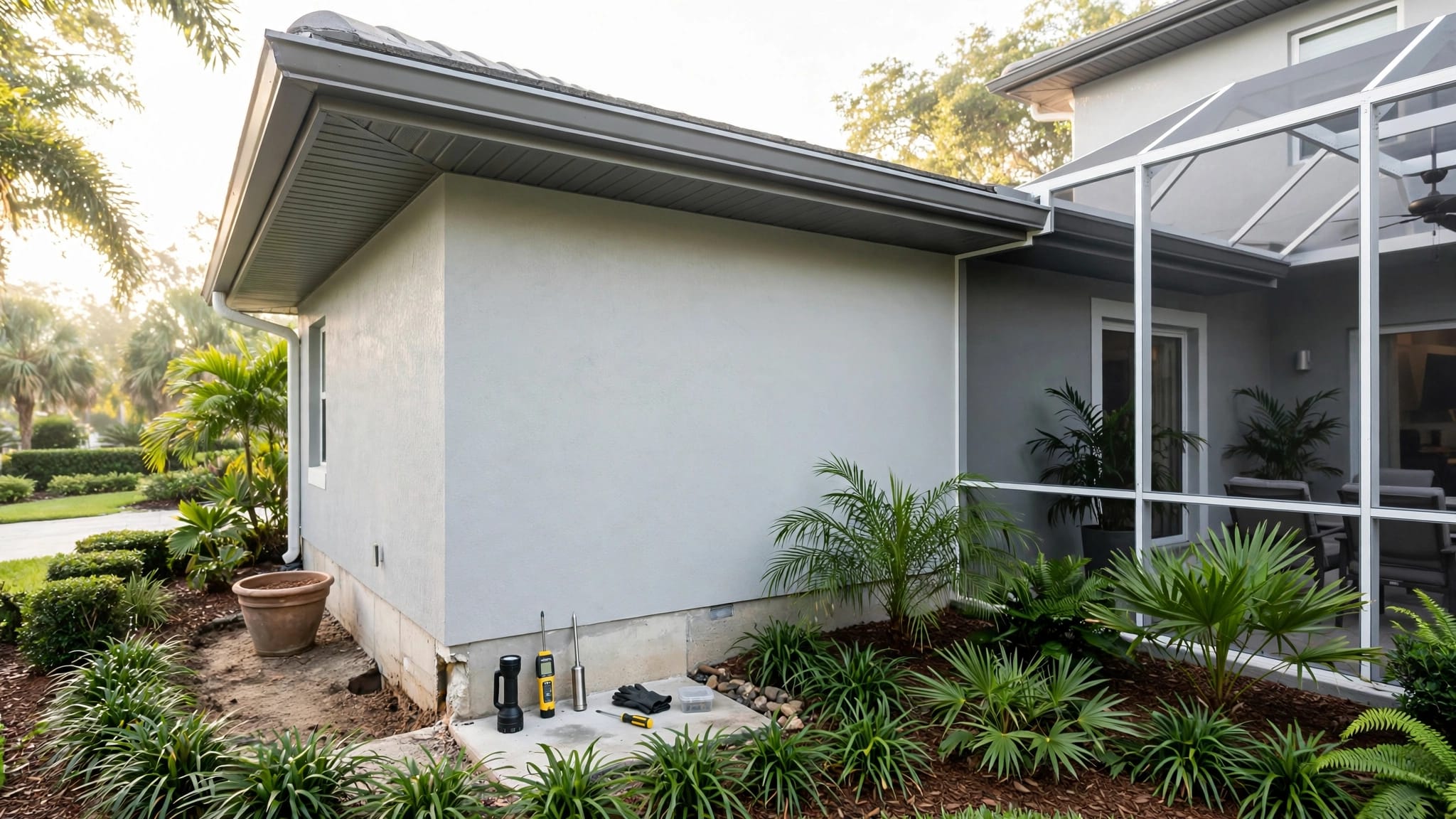
Plaster Bagworms in Cape Coral Homes: Spot and Stop Them
You glance up at your ceiling in Cape Coral. Tiny gray cases dangle there like odd seeds. Plaster bagworms thrive in our humid air. They stick around walls and corners. Homeowners spot them often after rainy seasons. These pests don't bite or spread disease. Still, they annoy you with their webs and silk casings. Worse, they signal high moisture inside your home.
Cape Coral's coastal breeze keeps humidity high year-round. That draws plaster bagworms indoors. A few cases mean little trouble. But clusters point to a bigger issue. You can handle minor spots yourself. Ongoing problems need stronger steps. This guide shows you how to identify them. Then it covers removal and prevention tailored to our Florida climate.
What Exactly Are Plaster Bagworms?
Plaster bagworms start as moth eggs. Larvae hatch and build protective cases. They use silk, sand, lint, and hairs. The cases look flat and seed-shaped. Think pumpkin seeds about half an inch long. Gray or white covers hide the worm inside.
Adults emerge as small moths. Females lack wings. They stay put and lay eggs. Males flutter briefly to mate. You rarely see the moths. Cases catch your eye first. They dangle from silk threads on ceilings or walls.
These pests feed on spider webs. They also munch fabrics, wallpaper, and dead insects. In Cape Coral, they love attics and garages. High humidity lets them grow fast. One female lays up to 200 eggs. That leads to quick buildup if you ignore them.
Why Do They Love Cape Coral Homes?
Our southwest Florida weather plays a big role. Warm temps and humidity over 60% suit them perfectly. Coastal homes trap moist air inside. Air conditioning helps. But poor ventilation worsens it.
Bagworms hitch rides on plants or enter through cracks. They seek dark, sheltered spots. Corners near windows draw them because of outdoor lights. Spider webs provide food and anchors.
A few bagworms show up anywhere. But many mean your home stays too damp. Leaky roofs or bad seals boost the risk. Unlike ants or roaches, they don't chew wood. Still, their presence hints at conditions other pests might exploit later.
Common Signs of Plaster Bagworms in Your Home
Spot grayish-white cases on walls or eaves. They cluster in corners. Some tilt at angles. Silk threads hold them in place. Check high spots first. Ceilings near lights often host them.
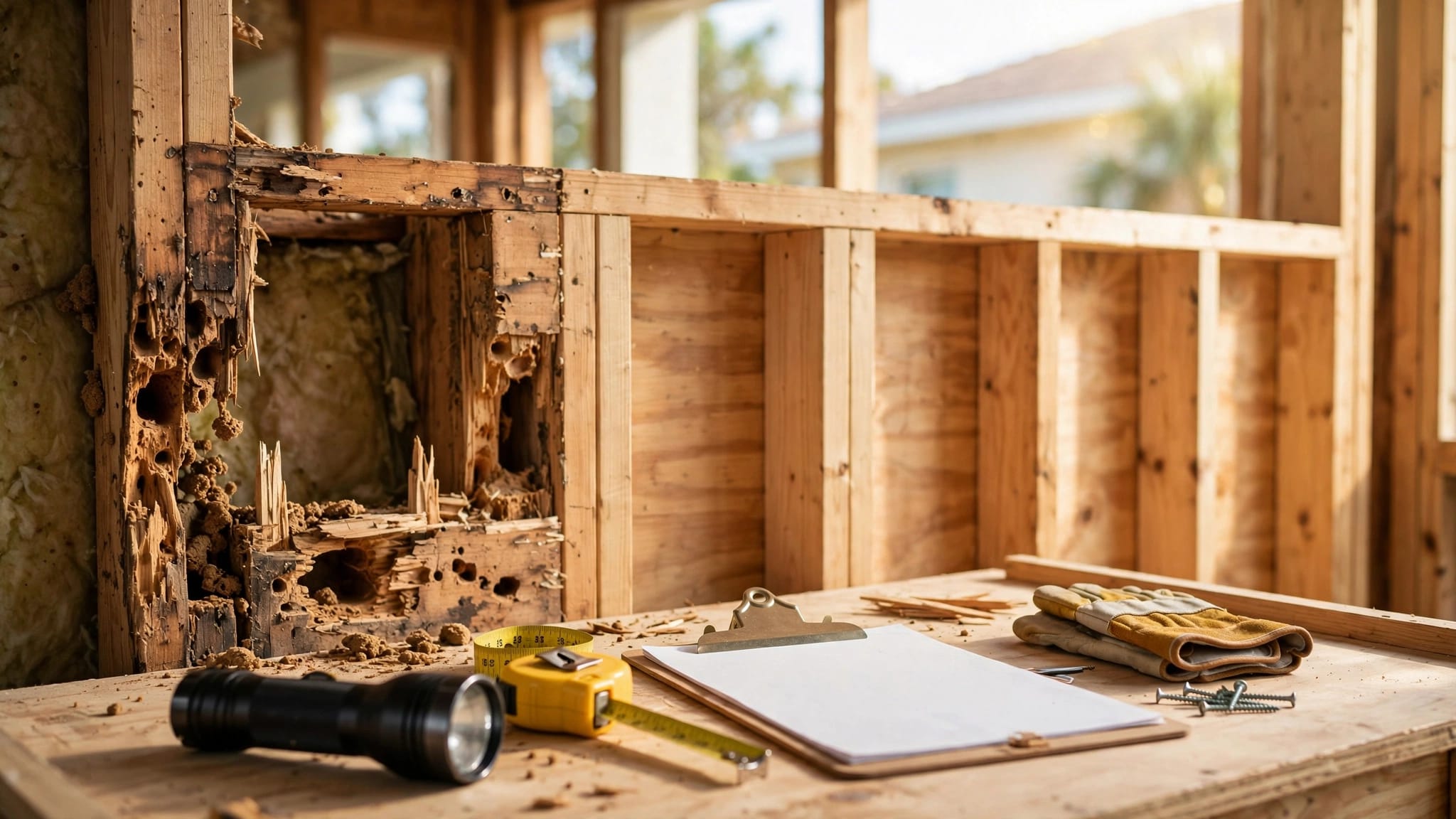
Look for tiny holes at case ends. Larvae poke out to feed. You might see silk trails or debris piles below. Fabrics with holes signal feeding damage.
Distinguish them from trash. Cases move slowly if touched. Shake a web gently. If cases drop or wiggle, you have bagworms.
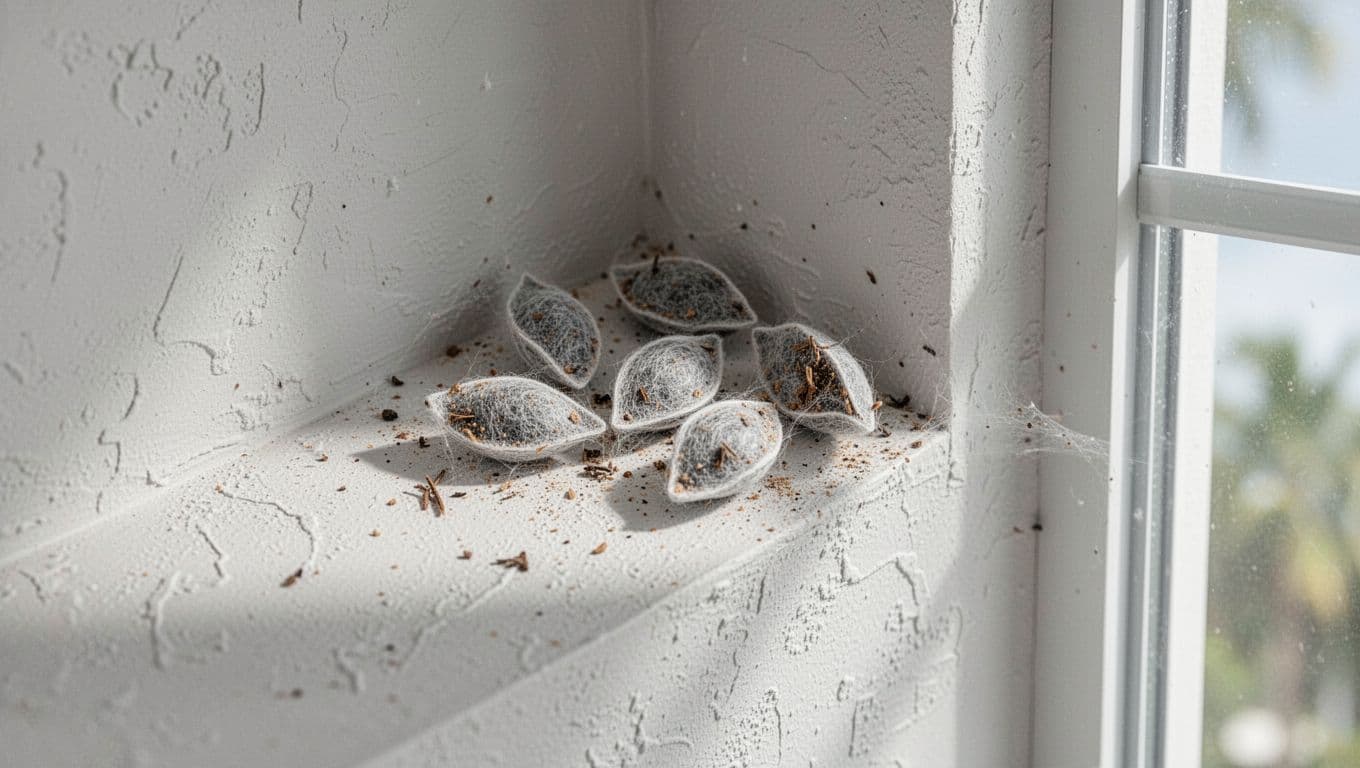
Early detection matters. A handful means spot treatment works. Dozens suggest moisture issues. Act fast to avoid spread.
Safe Ways to Remove Plaster Bagworms
Start with cleanup. Vacuum cases gently. Use a hose attachment for ceilings. Empty the bag outside right away. This removes eggs and food sources.
Scrape stubborn ones with a plastic tool. Avoid metal to prevent wall damage. Wipe surfaces with soapy water after. Dry areas thoroughly. Moisture fuels them.
For fabrics, wash in hot water. Dry on high heat. That kills larvae inside. Discard heavy infestations. Don't reuse.
Chemical sprays work for heavy cases. Choose ones labeled for bagworms. Apply sparingly in cracks. However, sanitation beats sprays. Pros use targeted treatments if needed.
If bagworms return, consider residential pest control Cape Coral services. They check hidden spots you miss.
Prevention Tips to Stop Plaster Bagworms
Cut indoor humidity first. Run dehumidifiers below 50%. Empty water trays daily. Fix leaks around windows and roofs.
Clean ceilings and walls weekly. Dust corners with a microfiber cloth. Vacuum eaves and light fixtures. Remove spider webs often. No webs mean less food.
Seal cracks and gaps. Caulk around doors and vents. Check screens for tears. Repair them promptly. That blocks entry from outside.
Trim plants away from your house. Reduce outdoor lights near doors at night. Bugs gather there and draw bagworms indoors.
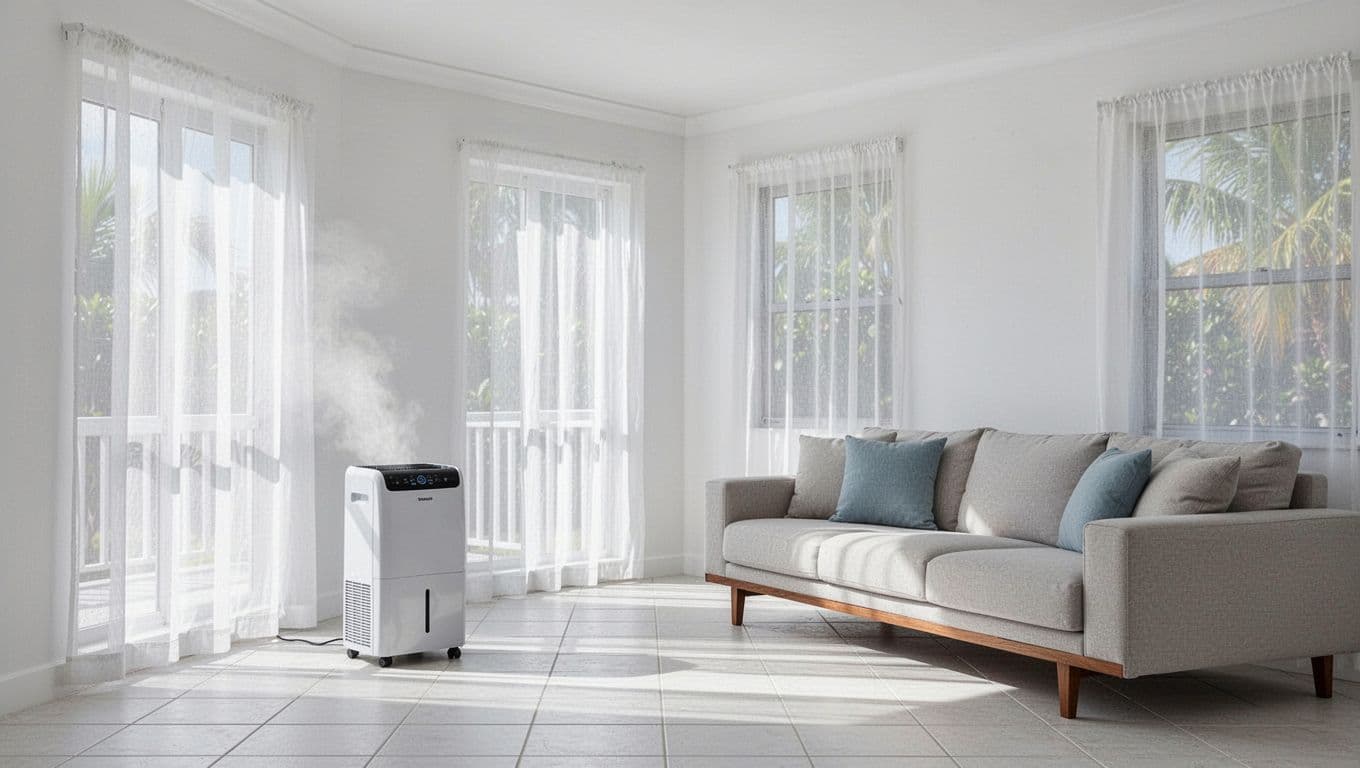
These steps keep your home dry and tidy. Most Cape Coral houses stay bagworm-free this way.
When to Call Pest Pros in Cape Coral
Spot treatment handles a few bagworms. Recurring clusters mean call help. Pros inspect attics and exteriors. They spot moisture sources you overlook.
Local experts know our humid challenges. They use safe methods. Regular service prevents buildup. Check pest control costs Cape Coral FL to plan ahead.
For quick action, schedule free pest inspection Cape Coral. They offer tailored plans.
Plaster bagworms annoy but don't harm health. Focus on dry, clean spaces. Quick cleanup stops most issues. Consistent prevention works best in our climate. Your Cape Coral home stays comfortable. Enjoy the outdoors without indoor worries.
Schedule a Free Inspection: