Rice Weevils in Cape Coral Pantries and Dry Food Bins
You reach for a bag of rice in your Cape Coral pantry. Tiny bugs scatter. Or maybe you spot powdery dust in the flour. Rice weevils Cape Coral homes see often start small but spread fast in stored grains.
These pests target dry goods like rice, pasta, and cereal. They thrive in Florida's warmth and humidity. You can handle most cases yourself with simple steps. Let's break it down so you spot them early and keep your pantry clear.
What Are Rice Weevils?
Rice weevils are small beetles, about 1/8 inch long. They have a reddish-brown body and a distinctive snout. Adults fly and chew into grains to lay eggs. Larvae grow inside, eating as they develop.
In Cape Coral, they love rice, but also hit flour, pasta, cereals, beans, nuts, and pet food. Females lay up to 400 eggs in a lifetime. Eggs hatch in days under warm conditions. Adults live months, repeating the cycle.
For a detailed look at their appearance, check the University of Florida's rice weevil page. They differ from similar pests like granary weevils by their ability to fly.
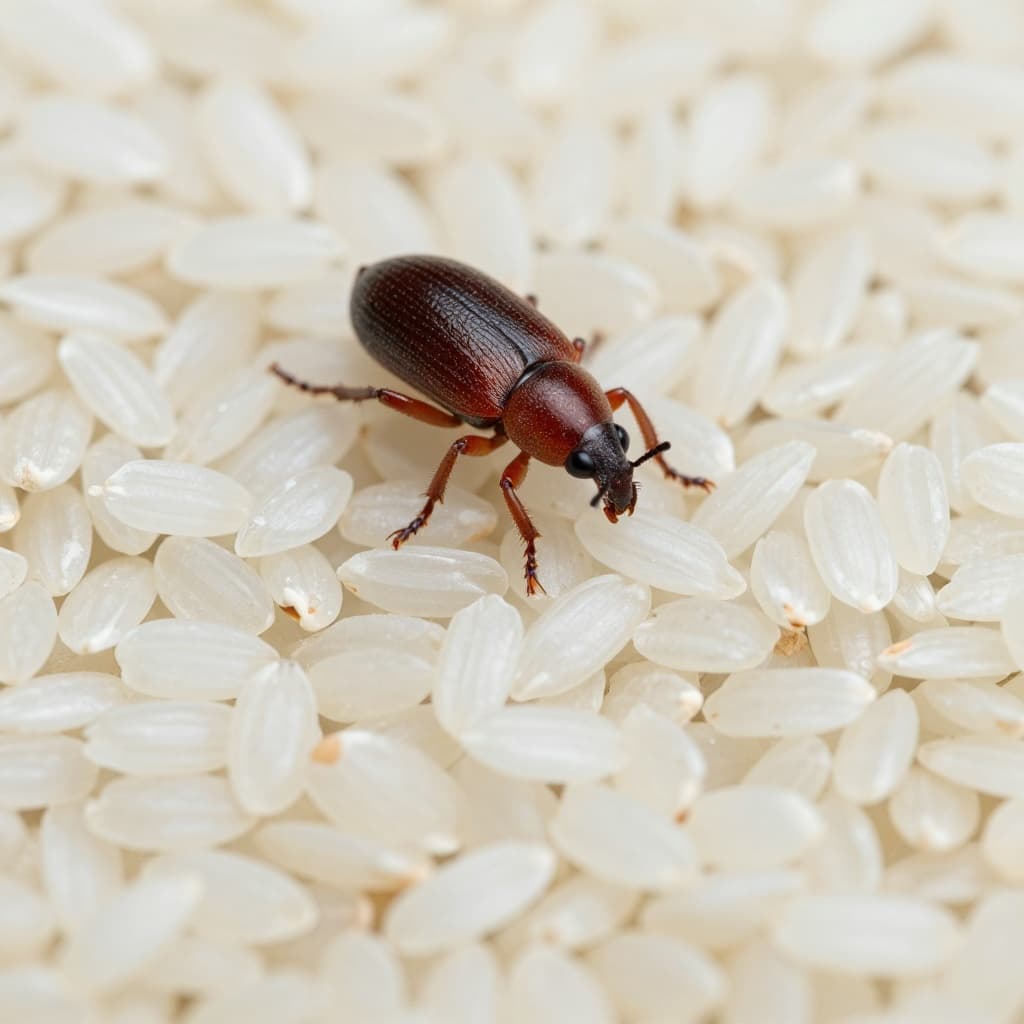
Spot one? It means more lurk nearby. Adults emerge from grains, leaving tiny holes. They head to lights at night, a common first clue.
Common Signs of Infestation in Your Pantry
Look for small holes in bags or boxes. Weevils chew out as adults. You might see powdery frass, like fine sawdust, at the bottom of containers. Grains clump or look hollowed.
Check rice first. Then pasta, cereal, flour, pet food, and dried fruits. Open bags show larvae, white grubs inside kernels. Adults scatter when disturbed, playing dead by tucking legs.
In humid Cape Coral kitchens, infestations build quick. Warmth speeds egg hatch to adult in 4-6 weeks. Pantry corners collect frass. Sticky webs are rare; that's more for moths.
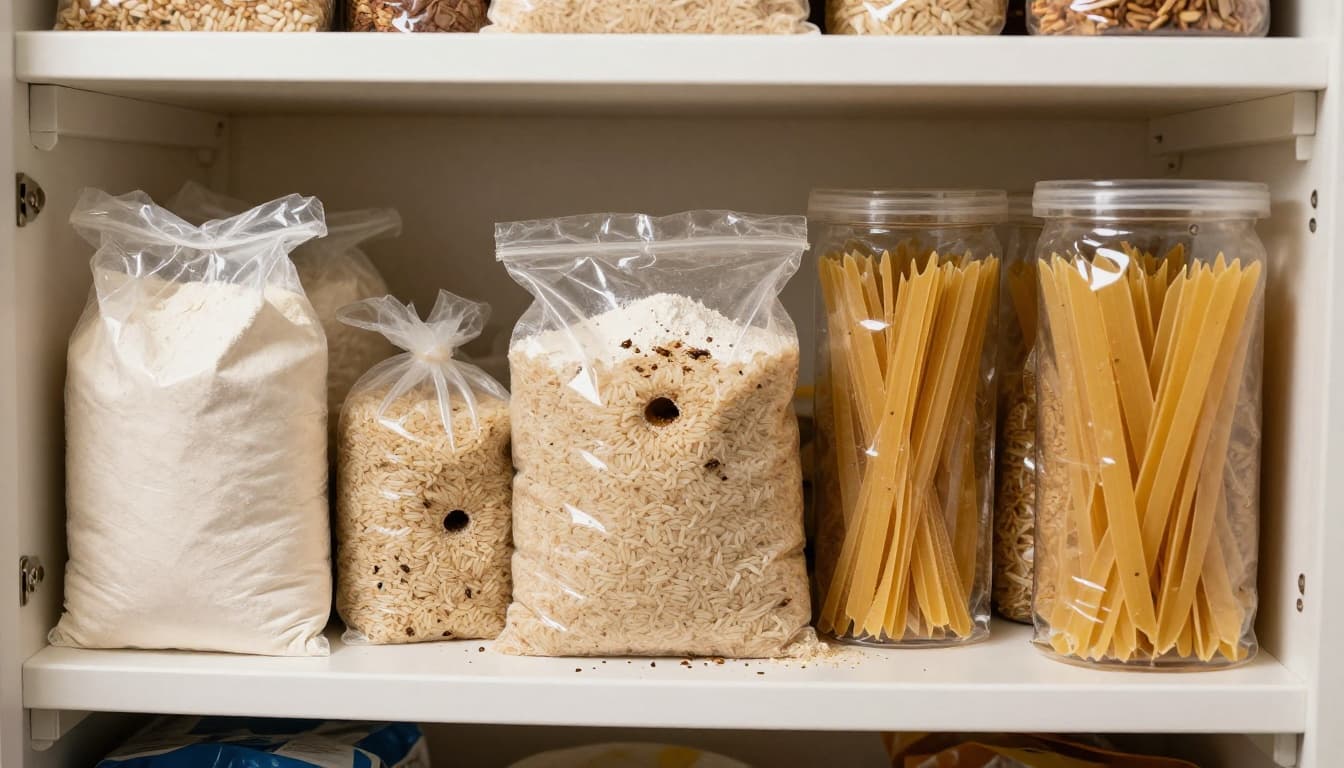
Inspect weekly. Pull everything out. Shine a flashlight in crevices. Early signs save food and hassle.
Why Rice Weevils Thrive in Cape Coral Homes
Florida's heat and humidity boost pantry pests. Rice weevils prefer 77-86°F and over 60% humidity. Cape Coral summers hit that easy. Garages and pantries trap warmth.
Groceries bring them in. Infested bulk rice or flour from stores starts it. Pet food bags sit open, inviting eggs. Hurricane prep stocks dry goods long-term, raising risk.
Besides weevils, watch for pantry moths in Cape Coral kitchens. Similar sources, different signs. Local habits like garage storage worsen both.
You can't control weather. But smart habits cut odds. Seal gaps. Run dehumidifiers if needed.
Safe Steps to Remove Rice Weevils at Home
Act fast. Toss infested items. Seal them in bags outside. Don't compost; bugs survive.
Vacuum shelves, cracks, and floors. Empty the bag outdoors right away. Wipe with soapy water. Dry well.
Freeze uninfested grains 4 days at 0°F. Heat in oven at 140°F for 20 minutes works too. Kills all stages.
No sprays first. They contaminate food areas. Pheromone traps catch adults, help monitor. Place near lights, change monthly.
Repeat checks 4 weeks. New adults emerge slow. Isolate new groceries 7 days.
For full details, see the UF/IFAS Extension on rice weevils. Follow their ID and control tips.
Most homes clear up this way. Patience pays off.
Prevention Tips to Keep Rice Weevils Out
Store dry goods in airtight glass or thick plastic. Bay leaves in jars repel, but don't rely alone. Metal bins work for pet food.
Rotate stock. Use oldest first. Check new buys: shake rice into a tray, watch for bugs.
Clean spills daily. Wipe shelves monthly. Keep pantry dry; fans help.
Buy small amounts. Freeze bulk rice weeks before storing.

These steps block entry. Cape Coral humidity stays, but you control the rest.
When Professional Help Makes Sense
DIY works for small spots. Call pros if weevils return after cleanup. Or if infestation spreads beyond pantry.
Widespread cases hide in walls or garages. Experts inspect hard spots. They use safe treatments for food areas.
In Cape Coral, local teams know humidity effects. Free inspections spot sources fast.
Quick Wins Against Rice Weevils
Rice weevils bug Cape Coral pantries because warmth speeds their cycle. Spot holes, frass, or bugs early. Toss bad food, clean deep, store airtight.
Prevention beats reaction. Check groceries. Rotate stock. Stay vigilant 4 weeks post-cleanup.
Your pantry stays pest-free with these habits. Small effort now avoids big headaches later.
Schedule a Free Inspection: