House Flies in Cape Coral Trash Carts: Stop Them Fast
You've just pulled your trash cart to the curb in Cape Coral. A few hours later, house flies buzz around it like they own the place. Those house flies in Cape Coral trash carts and garage cans turn simple waste into a buzzing nightmare, especially now in April's rising heat.
Florida warmth speeds up decay. Odors pull flies from blocks away. They lay eggs that hatch into maggots overnight. You end up with more than annoyance; you risk germs spreading to your home or garage. Luckily, quick fixes cut them off at the source.
Let's break down why this happens and how you handle it step by step.
Why House Flies Target Cape Coral Trash Carts
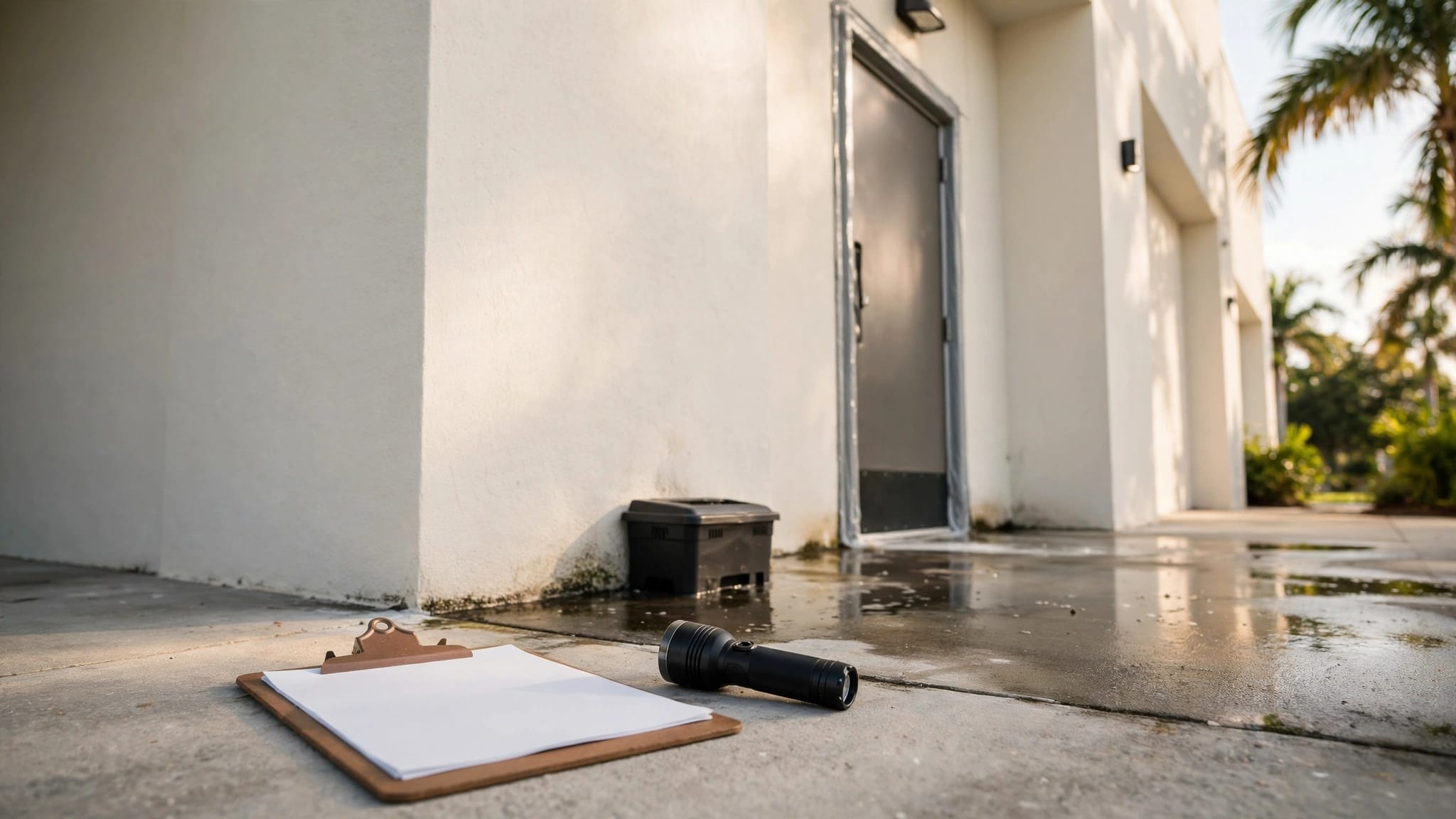
House flies zero in on trash carts because they smell food waste from afar. In Cape Coral neighborhoods, curbside bins sit in the open sun. That draws dozens of flies daily.
Rotting scraps like meat or veggies release strong scents. Flies land, feed, and drop eggs right there. One female lays up to 500 eggs in her short life. Those hatch in warm spots within 24 hours.
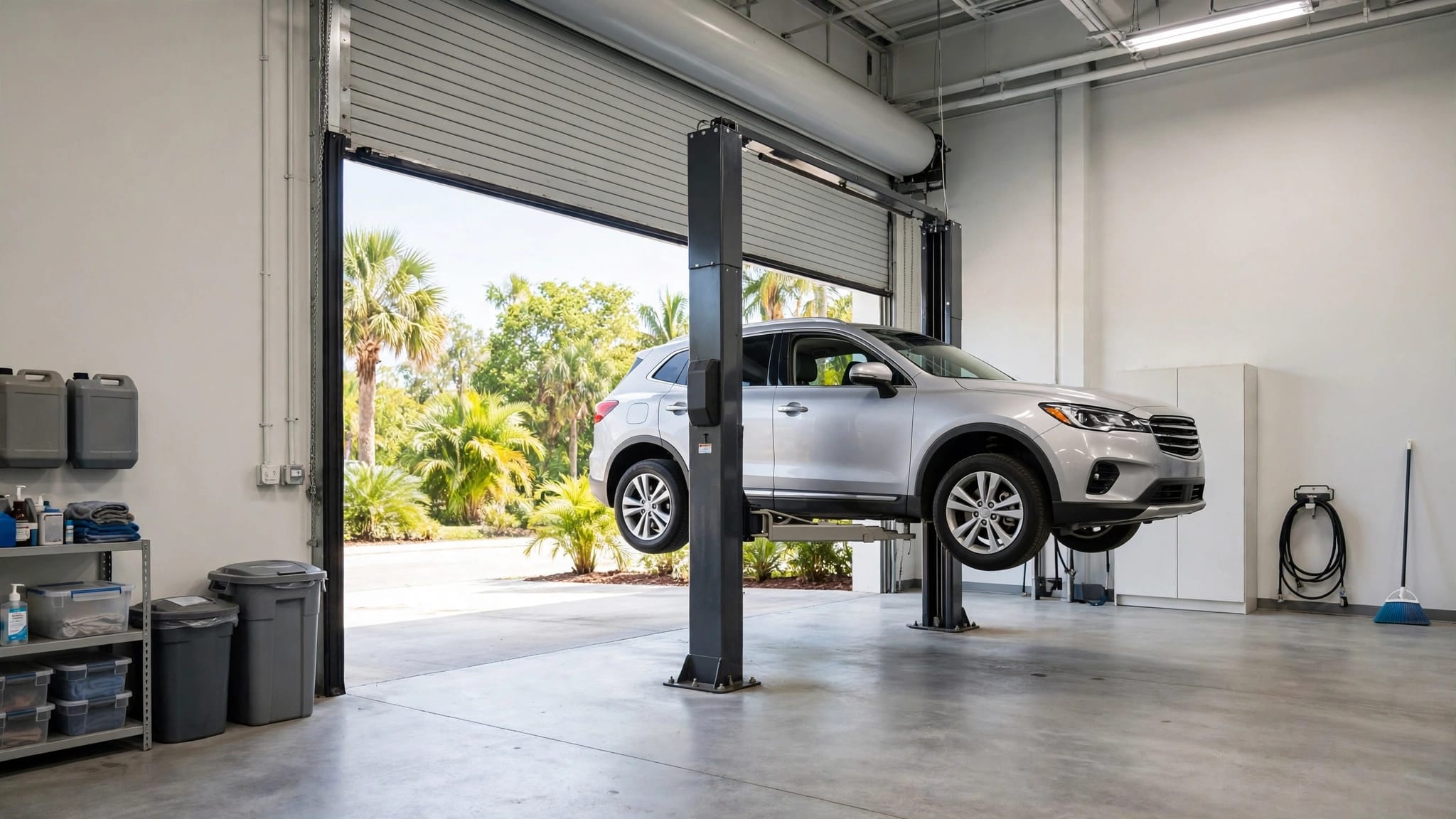
Garage cans face the same issue. They collect yard clippings or pet waste. Doors left open let flies wander in. Before long, your driveway or garage floor swarms with them.
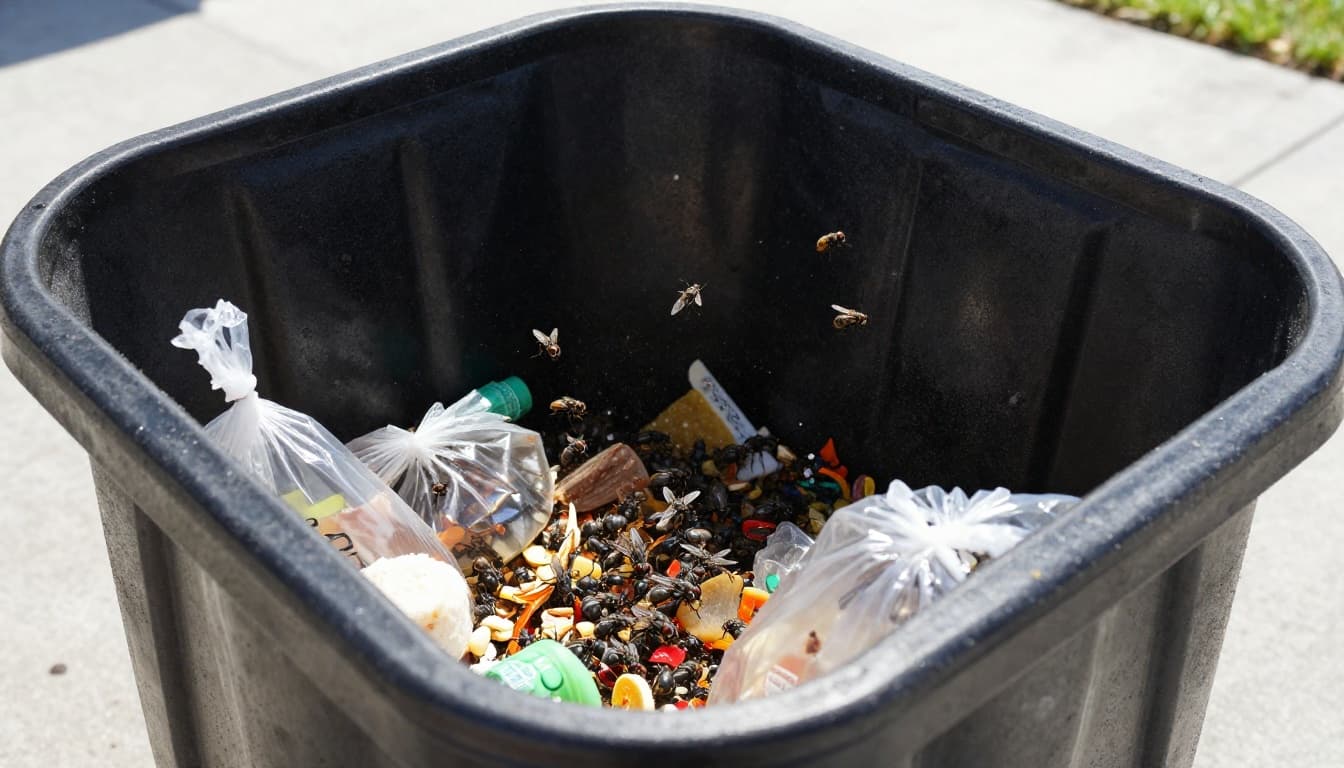
Moisture makes it worse. Leftover juices soak into bin liners. That creates perfect breeding goo. Empty your carts right after pickup. Otherwise, flies claim them as home base.
Florida Heat Fuels House Fly Breeding in Garbage
April heat in Cape Coral hits the mid-80s easy. That warmth turns trash into fly factories fast. Bacteria break down waste quicker, pumping out odors nonstop.
Flies love temperatures above 77 degrees. Eggs develop in just eight to 24 hours here. Maggots feast on the mess, then pupate into adults. One bin can spit out hundreds weekly.
Humidity adds fuel. Southwest Florida air stays muggy. Wet garbage ferments instead of drying. Flies sense it through tiny feet sensors. They flock before you notice.
In contrast, cooler months slow this cycle. But now, you fight an uphill battle. Heat also dries out screens and seals. Cracks let flies slip indoors after trash runs.
Reduce standing water nearby. Fix leaky hoses or gutters. Dry floors after rain. These steps slow fly spread from carts to your garage.
Simple Cleaning Routines for Trash Cans
Rinse bins weekly to kill eggs and cut smells. Start right after pickup day. Hose them out in your driveway or garage.
Mix dish soap with hot water. Scrub rims, hinges, and bottoms where gunk hides. Vinegar cuts grease and larvae best. Let it sit 10 minutes, then rinse.
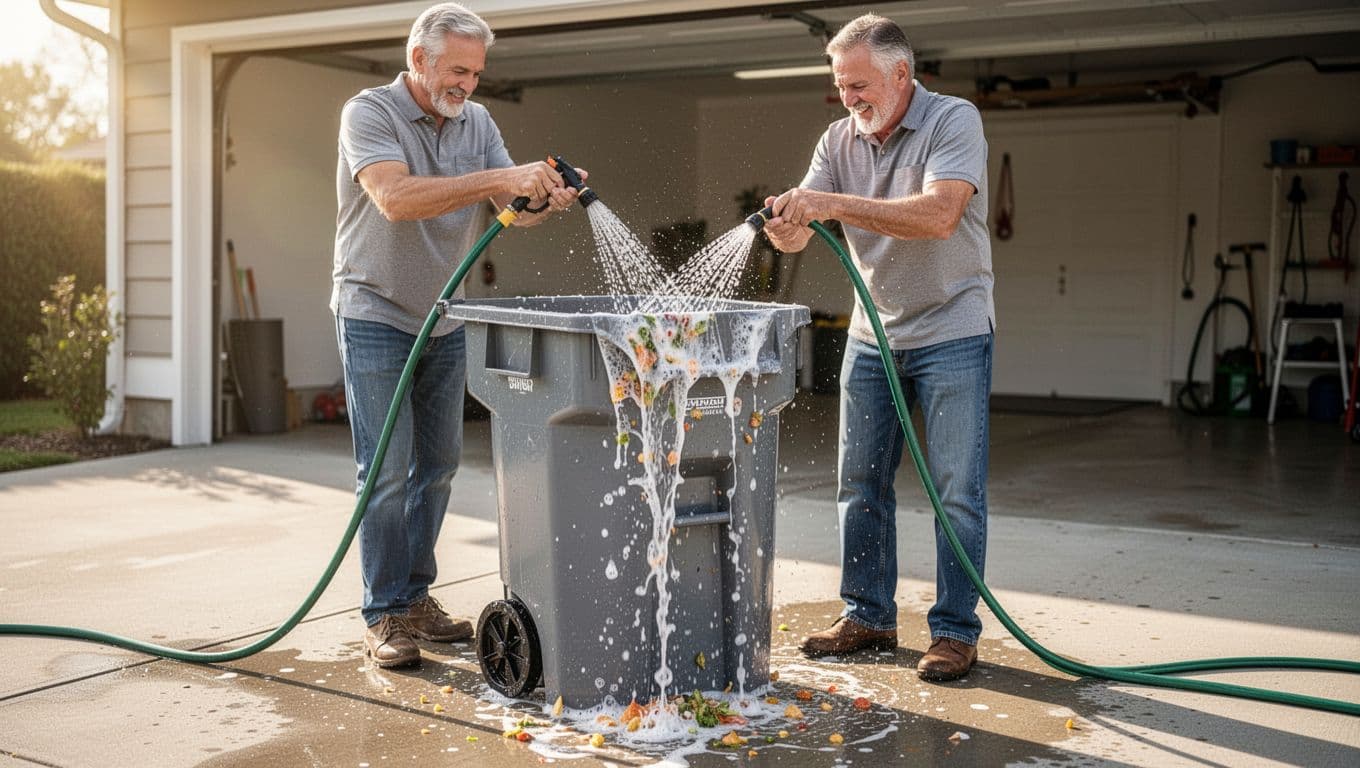
For garage cans, pull them into shade first. Use a stiff brush on seams. Sprinkle baking soda inside after drying. It soaks up moisture and odors.
Do this often. Florida sun bakes residue hard otherwise. Clean floors around cans too. Spills there breed flies just as quick.
Seal Garbage Bags and Manage Food Waste Right
Always double-bag wet waste like meat or fish. Twist tops tight and knot them. Loose scraps invite flies inside bins.
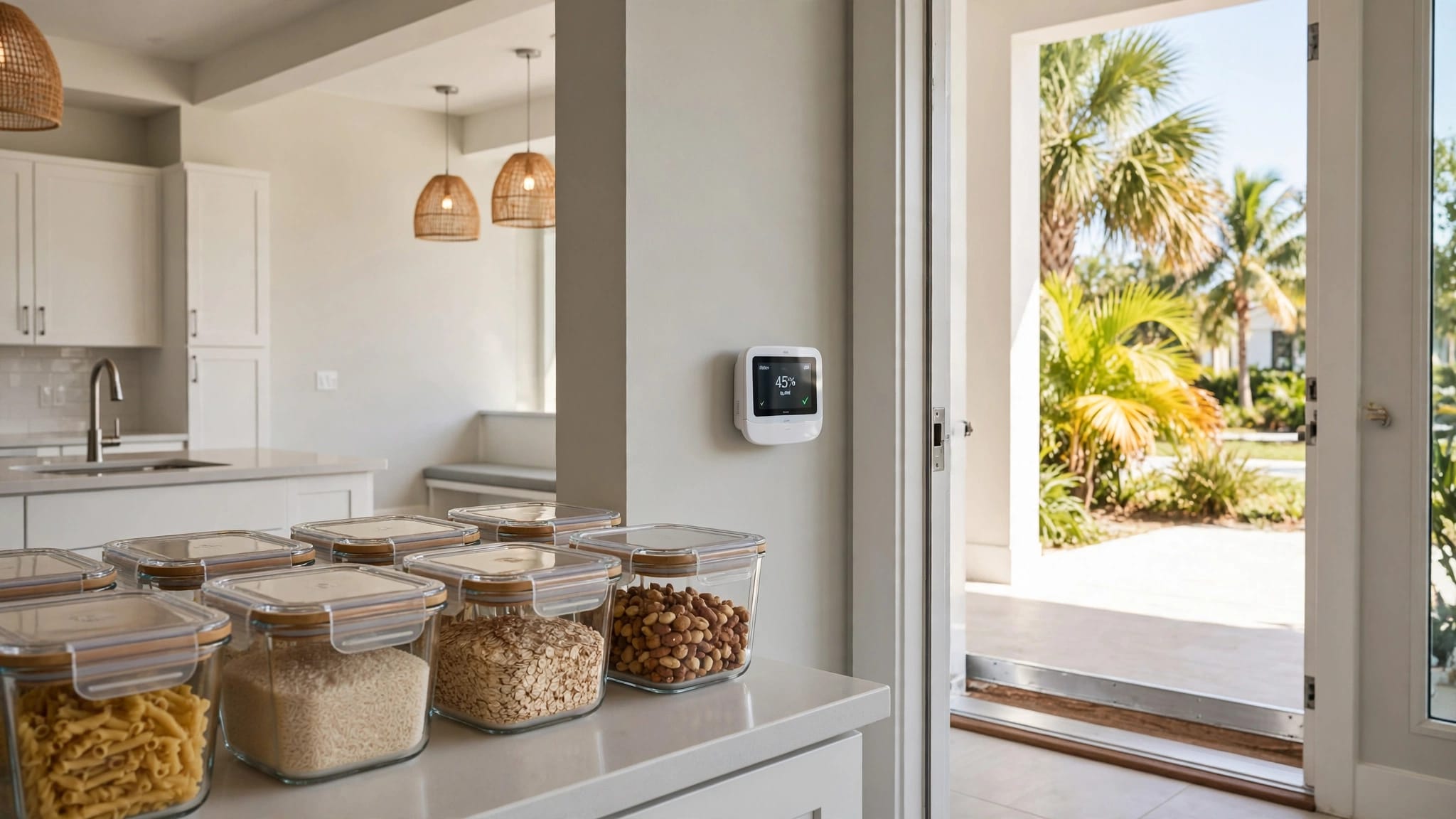
Choose heavy-duty bags for strength. They hold juices without leaks. Freeze smelly items until pickup day. That stops decay cold.
Use tight-fitting lids on all cans. Buncee-style or locking ones work best. Keep them snapped shut, even between pickups.
Store carts in shade if possible. Away from doors by 20 feet cuts fly traffic. In garages, position them near vents for airflow.
Reduce Moisture and Odors Around Bins
Flies need damp spots to thrive. Wipe spills fast. Empty drip pans under garage shelves.
Fans blow flies away. Set a box fan near cans on high. They can't fly against steady breeze.
Natural scents repel them too. Drop peppermint oil-soaked cotton balls nearby. Or scatter citrus peels. Refresh weekly.
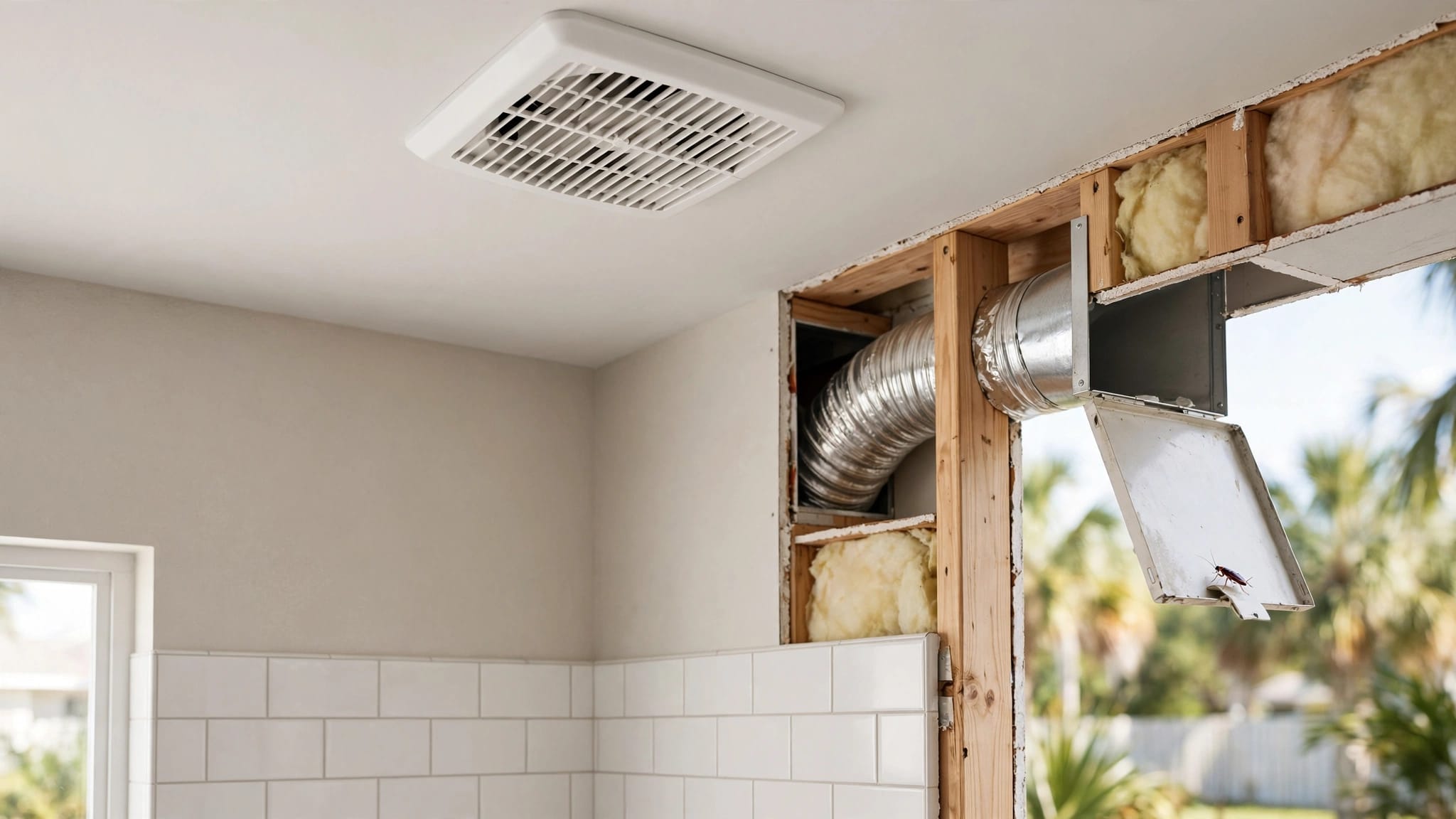
Seal garage gaps. Add sweeps to doors. Caulk cracks. This blocks flies following trash smells inside.
Know When Pros Step In for Cape Coral Homes
DIY cuts most flies quick. But if swarms persist after a week, call local help. Breeding might hide in drains or walls.
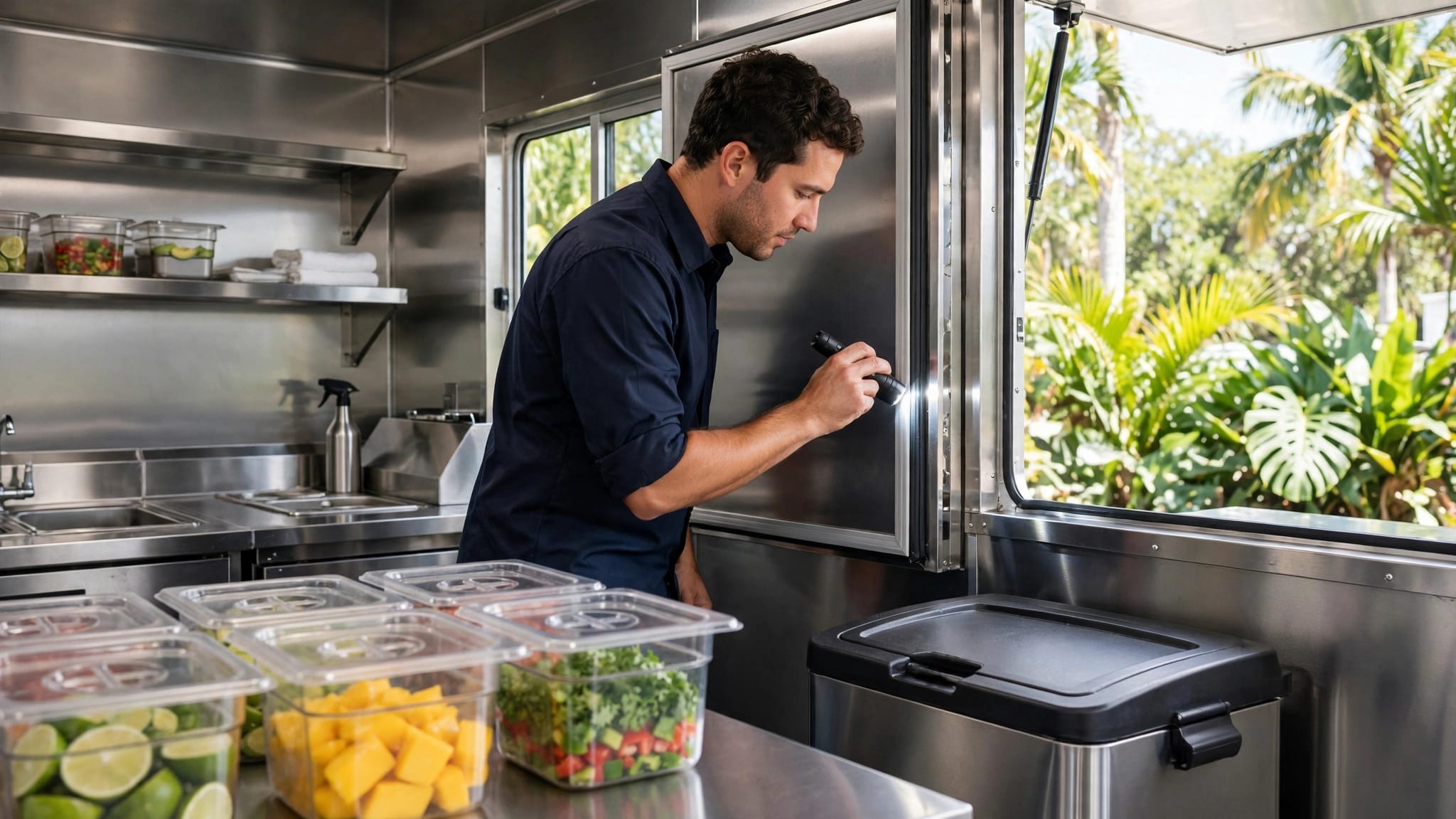
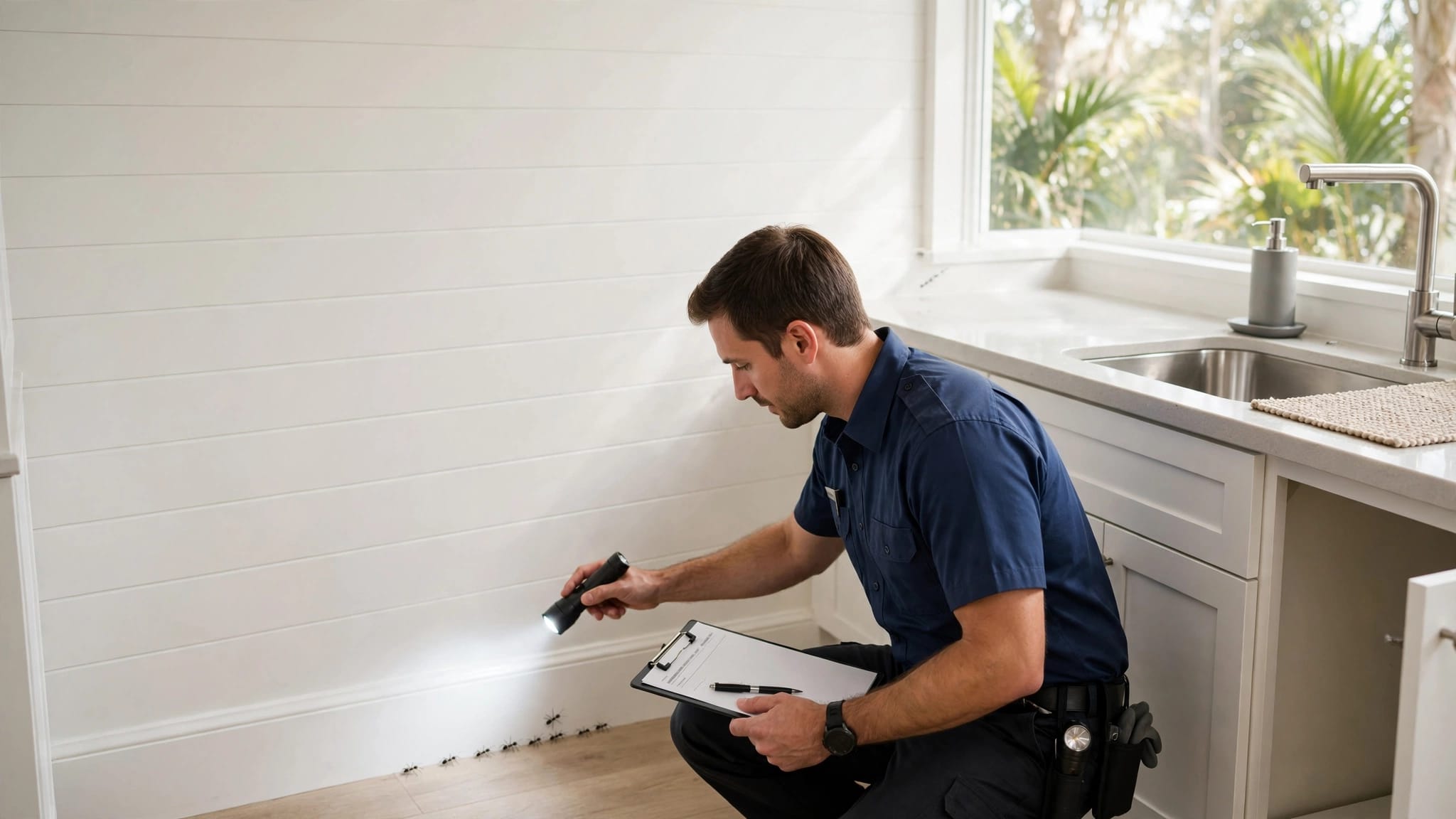
In Cape Coral, heat hides sources longer. Pros inspect carts, garages, and yards fast. They spot what you miss.
Shield Home & Pest Control handles these jobs daily. Free inspections spot fly hot zones. Safe treatments follow.
Quick Wins Beat House Flies Long-Term
House flies in Cape Coral trash carts thrive on heat and mess. Clean rinses, sealed bags, and tight lids stop them cold. Act weekly, and your bins stay fly-free.
Florida warmth demands consistency. Skip steps, and they bounce back. Stay ahead with these habits. Your garage reclaims peace fast.
You've got this under control now. Enjoy bug-free outdoors again.
Schedule a Free Inspection: