Florida Rodent Exclusion: What Follow-Up Should Include
A Florida rodent exclusion plan should include follow-up visits to inspect sealed openings, assess new activity, service traps or monitors, and address unfinished repairs. Timing should follow the infestation and repair progress, with closer attention while rodents remain active.
Good rodent exclusion follow-up visits also account for rain, humidity, and changing vegetation around your home. The goal is documented progress , rather than assuming the problem ended when the last gap was sealed.
Key Takeaways
- Follow-ups should assess both the condition of exclusion repairs and evidence of continued rodent activity.
- Active trapping needs closer attention than prevention-only monitoring.
- Florida weather, roofline vegetation, property layout, and infestation severity should shape the plan.
When rodent exclusion follow-up visits should happen
The schedule should distinguish active removal, repair assessment, and longer-term prevention. Each stage answers a different question about whether the work is holding.
Early checks during active removal
Early follow-ups belong during the trapping and removal phase, when captures or fresh signs can change the plan. Traps need checks and prompt attention to captures, rather than sitting unattended until a distant maintenance appointment.
These visits help determine whether rodents remain inside and whether their travel routes have changed. Sealing and removal must work together because closing an active opening without assessing occupancy can trap animals indoors.
Checks after repairs and changing conditions
After exclusion repairs, a return visit should inspect the completed barriers and compare activity with earlier findings. Continued signs call for another assessment before the job is considered resolved.
Later visits may focus on prevention. Storm damage, building repairs, or renewed scratching should prompt an earlier review instead of waiting for routine service.
What each follow-up visit should check
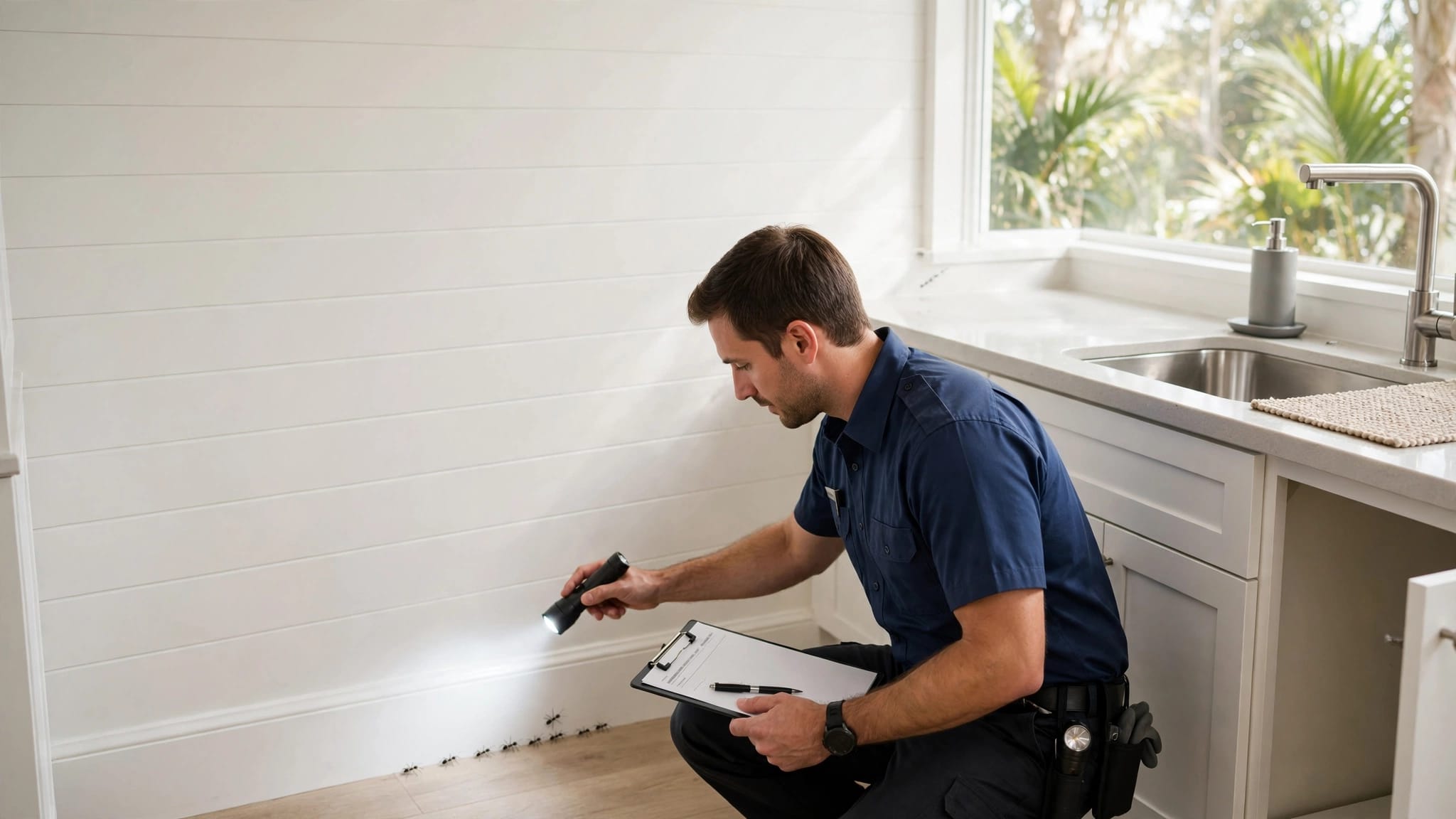
A useful return visit compares the original findings with current conditions. Our rodent exclusion inspection guide explains how activity and possible entry routes are assessed together.
Sealed openings and overlooked routes
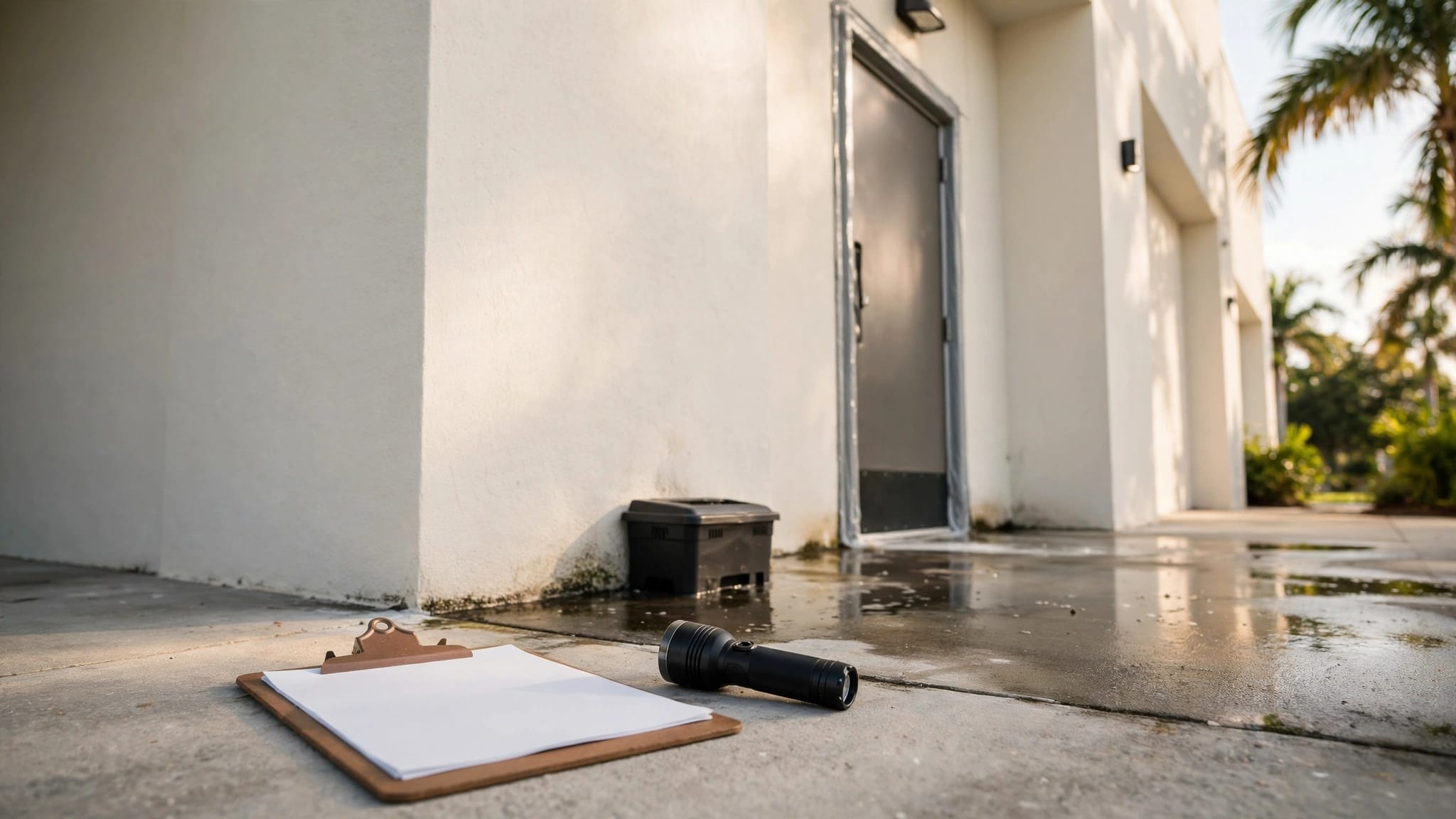
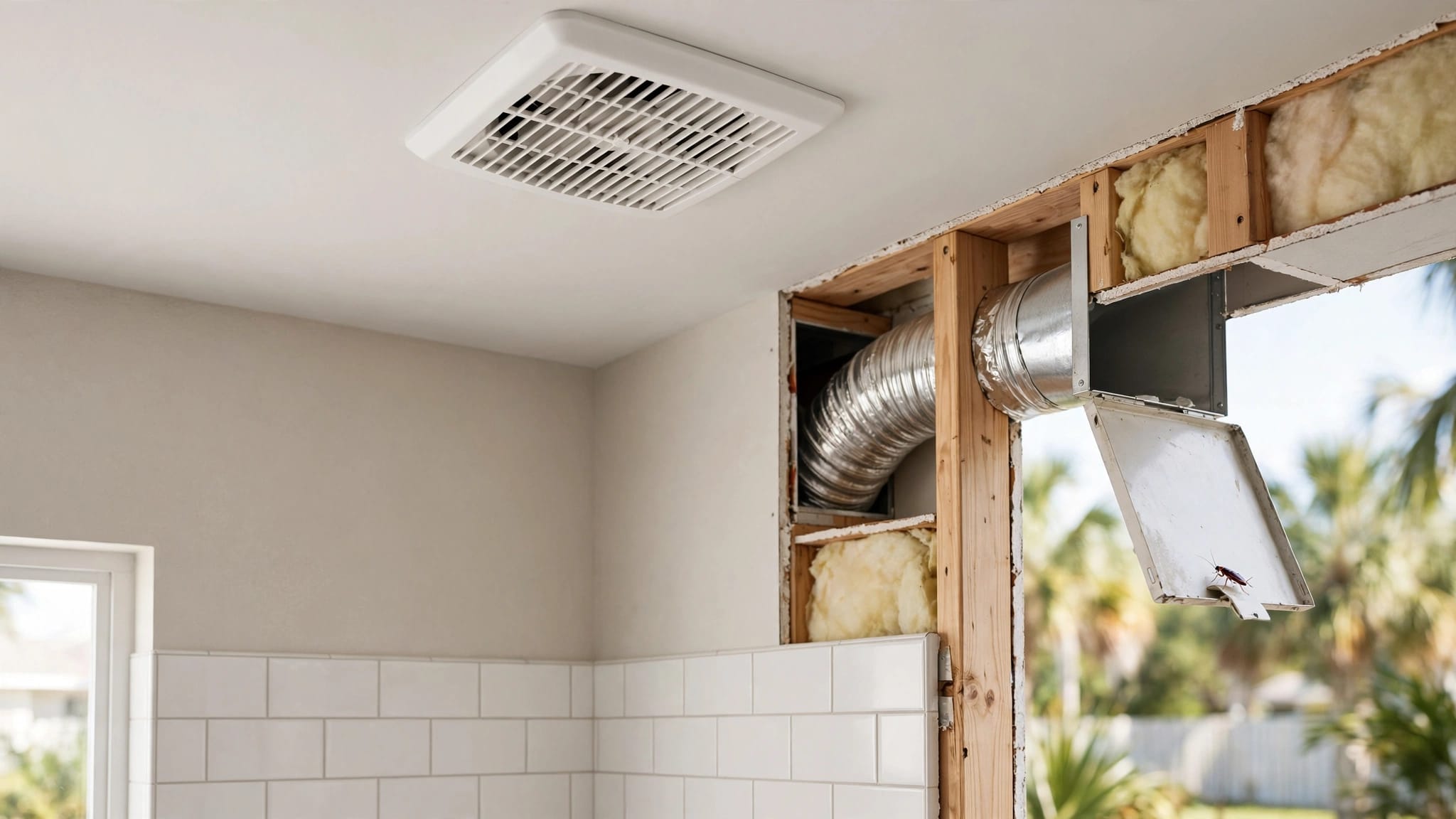
The technician should examine repaired soffits, roof returns, vents, garage-door corners, and utility penetrations. Screening and flashing need secure edges; sealant should remain bonded without visible separation.
The inspection should also cover nearby openings that weren't part of the original repair. A sound patch doesn't rule out another route around a pipe or cable.
Expanding foam alone isn't a dependable rodent barrier. Repairs need materials suited to the opening, such as secured metal screening or flashing. Protected vents must retain airflow, and drainage openings must remain functional.
Rodent evidence, traps, and monitoring devices
Follow-ups should compare droppings, gnawing, rub marks, disturbed insulation, and reported noises with the earlier record. Old evidence alone doesn't prove continued activity.
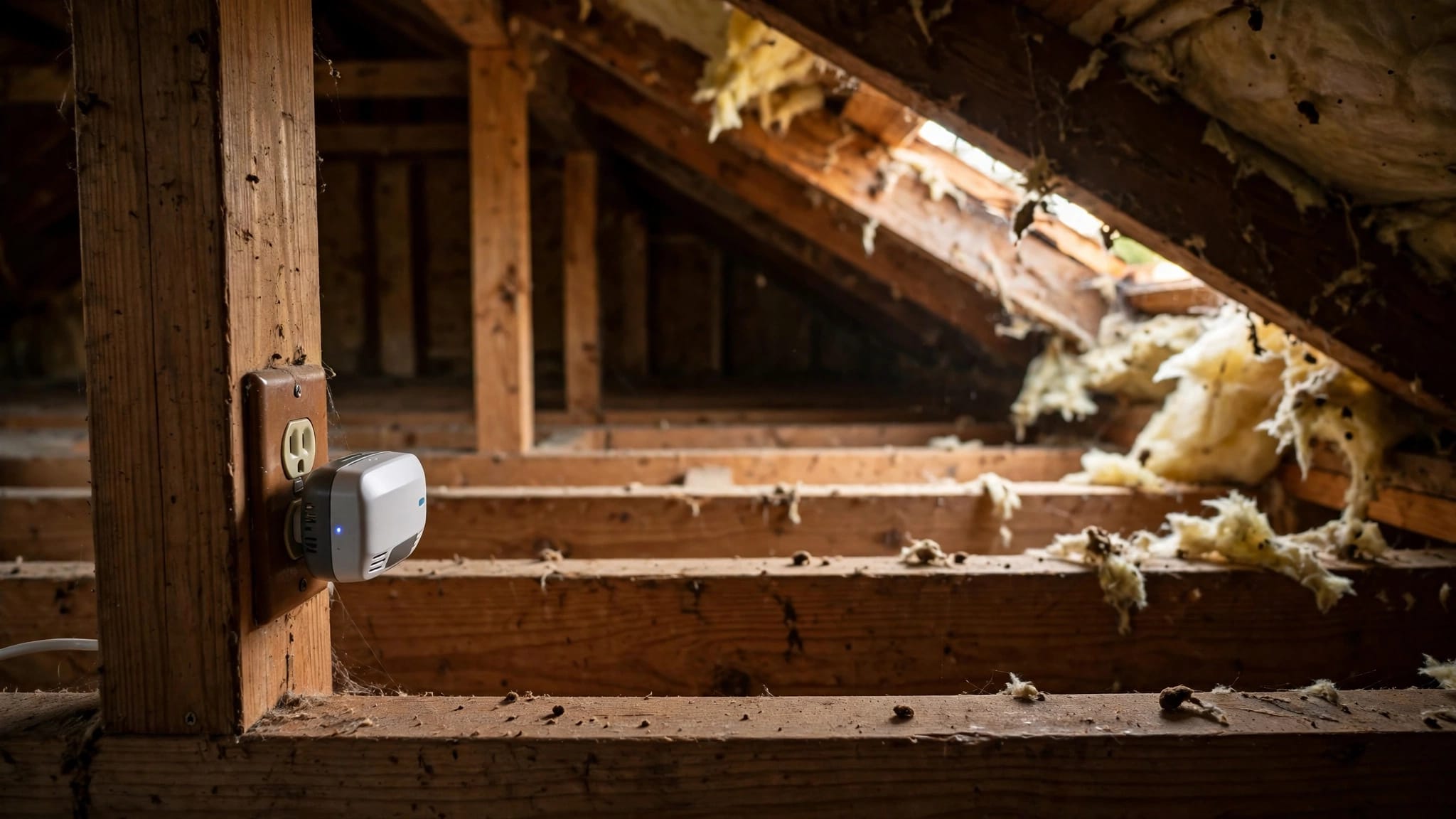
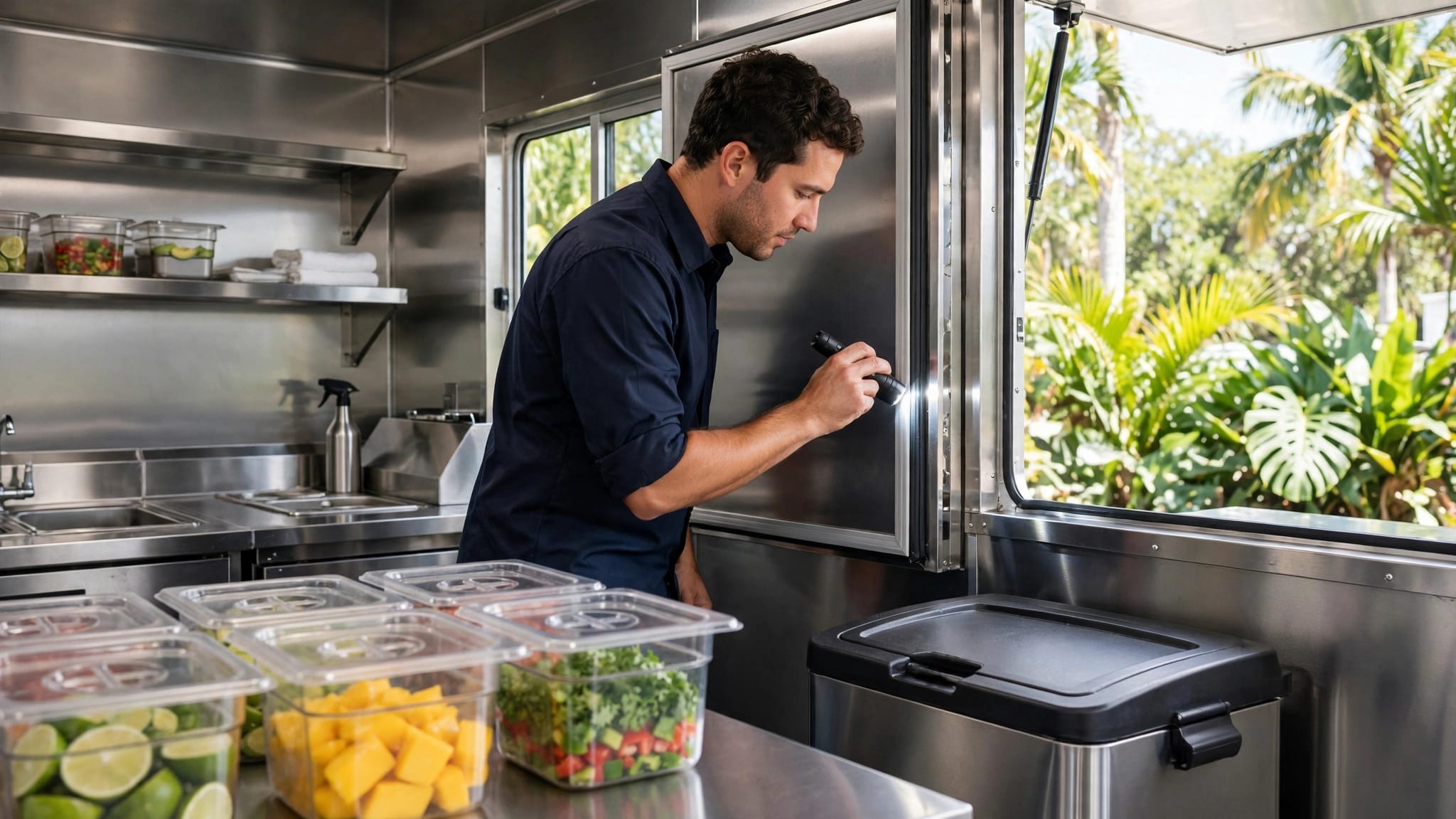
Traps and monitoring devices need inspection for captures, disturbance, condition, and placement. Persistent activity may require moving equipment or investigating another travel route.
Our ECO Rodent Shield service includes follow-up monitoring and placement adjustments, with targeted trapping or other non-toxic tools where appropriate. Devices support exclusion and sanitation; they don't repair an entry hole.
How Florida conditions change the follow-up plan
Southwest Florida properties face different pressures, even within the same neighborhood. Follow-up work should reflect the building and its surroundings.
Heavy rain, humidity, and vegetation
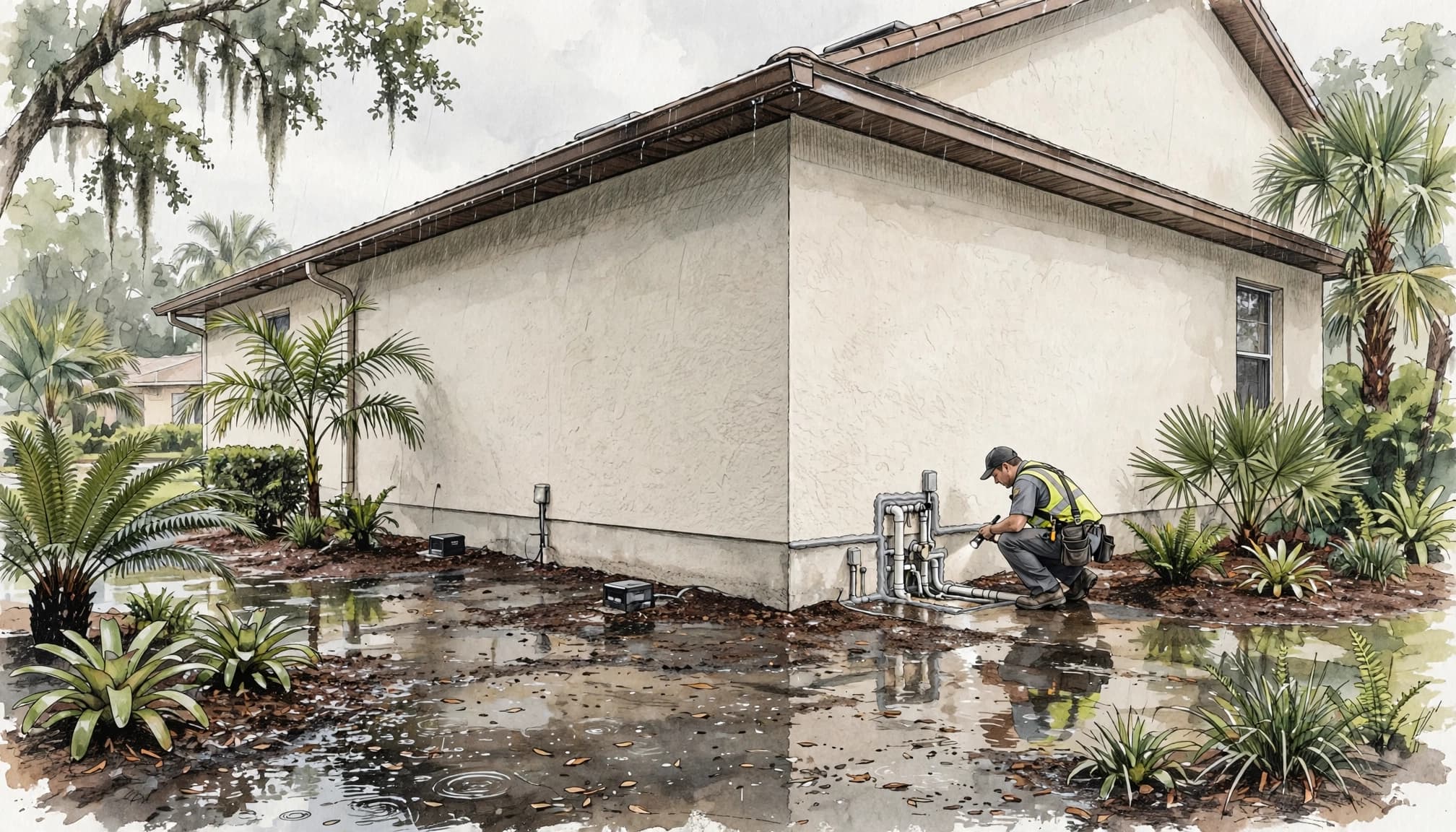
After heavy rain or storms, inspections should look for shifted screens, damaged trim, erosion, and newly exposed gaps. Humidity and persistent moisture also make deteriorating wood and corroded hardware relevant to the repair review.
Roof rats can climb palms, vines, fences, and cables. Because landscaping changes, follow-ups should revisit branches touching the roof and dense growth concealing wall openings.
Fallen fruit, leaking irrigation, and clutter can keep rodents near the building even after entry points are repaired.
Property layout and infestation severity
A single-story home with one accessible defect differs from a multiunit building with shared utility routes. Restaurants, storage areas, and marina-adjacent properties may also have concentrated food sources or hidden access beneath structures.
Established attic activity generally needs more investigation than an isolated exterior sighting. Inaccessible roof sections, stored belongings, or insulation can limit what a technician sees, so those limitations belong in the record.
Repairs and records should show what changed
Each visit should leave a clear account of findings, work completed, and unresolved conditions. Notes or photographs can connect a specific opening with its repair and later condition.
The record should distinguish pest-control work from building repairs. For example, inspecting a damaged door sweep doesn't mean someone replaced it. Likewise, a repair recommendation isn't a completed correction.
A written plan should identify the next visit's purpose, the signs that warrant an earlier return, and which follow-up or repair work falls within its scope. Our pest-control service questions cover these expectations.
Closeout should follow an assessment of both repair completion and activity, rather than the initial service ticket alone.
Frequently Asked Questions
Does continued scratching mean exclusion failed?
Continued scratching needs investigation, but sound alone doesn't identify the cause. Rodents may remain inside, another route may exist, or a different animal may be involved. A follow-up should connect the report with physical evidence before adding repairs or changing control methods.
What should homeowners do between visits?
Note where and when activity occurs, keep access to monitoring locations clear, and avoid moving devices. Secure pet food and trash, and remove fallen fruit. Don't sweep or vacuum suspected rodent droppings, and don't climb onto the roof to inspect repairs.
Keep exclusion working after the first repair
Effective follow-up connects sound barriers with reduced activity . A sealed opening matters, but so does evidence that rodents aren't continuing to use the structure.
The right plan follows the property through active control, repair assessment, and prevention. Each return visit should establish what changed and address anything that still allows rodent access.
Schedule a Free Inspection: