How to Spot Active Rodent Activity in a Florida Home
An active rodent infestation usually leaves new evidence: droppings that reappear after safe cleanup, fresh damage, or repeated movement along the same route. One old dropping or gnaw mark alone can't tell you whether rodents are still in your home.
The most useful approach is to record what you find, safely clear small contaminated areas, and watch for changes. In Florida homes, pay particular attention to attics, garages, roof edges, and utility openings.
Compare Fresh and Old Rodent Droppings
Droppings are often the first clue homeowners notice, but their appearance only tells part of the story. Location and recurrence matter more than color alone.
Look at the Condition Without Touching
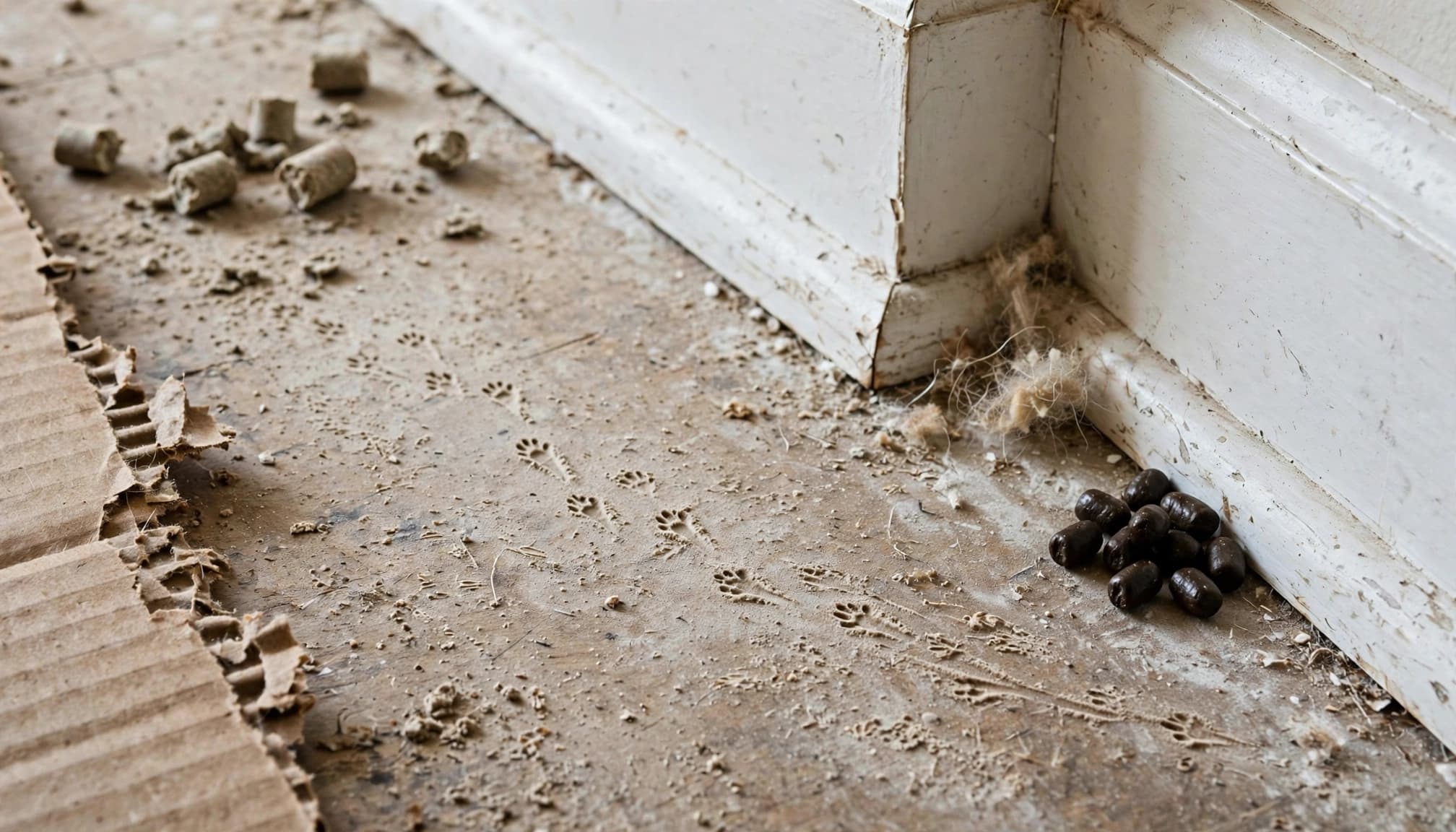
Fresh-looking rodent droppings can appear dark and slightly shiny. Older pellets often look dull, dry, dusty, or crumbly. Florida's heat and humidity can affect how waste looks, so appearance can't establish exactly when it was left.
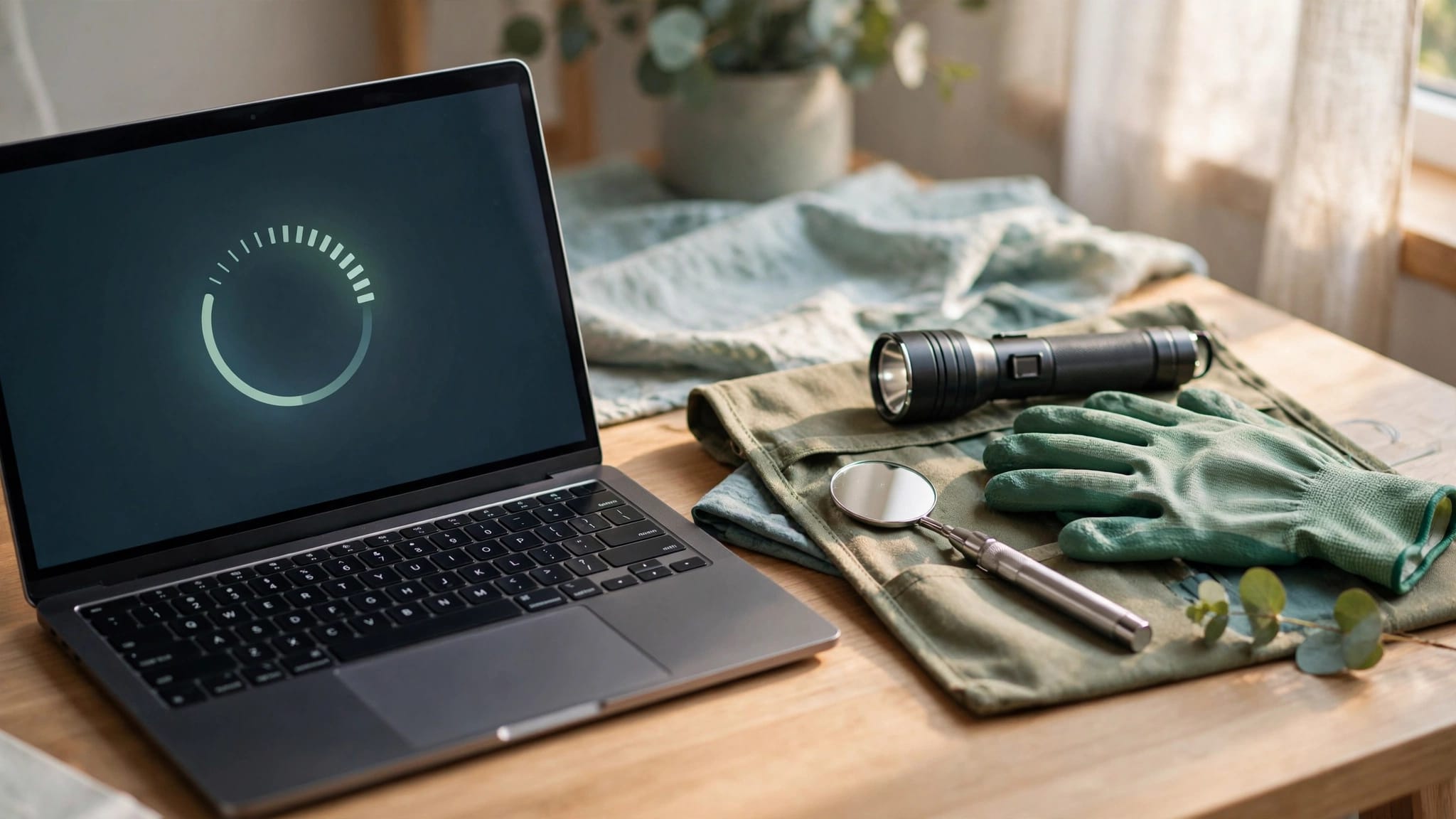
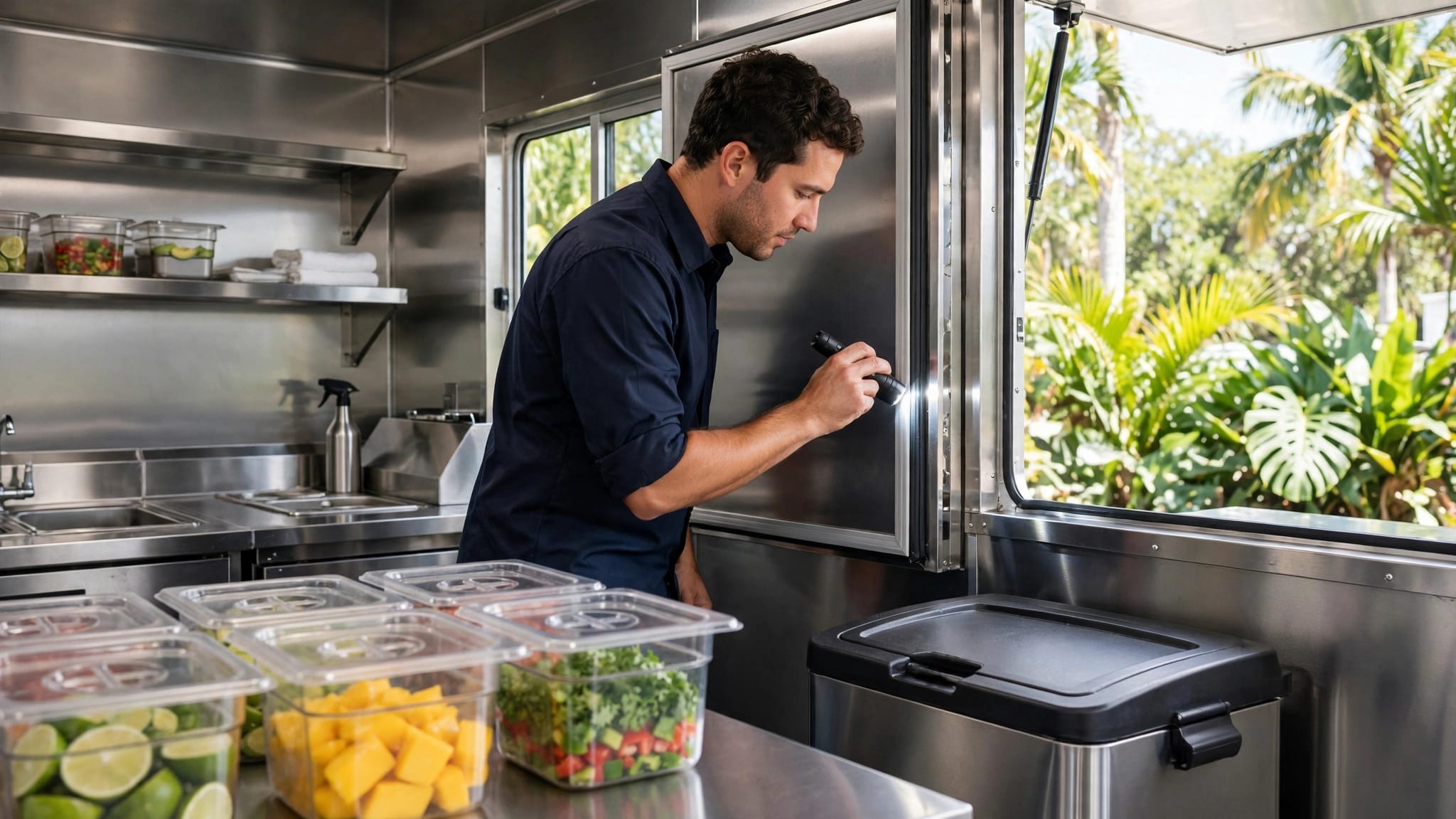
Use a flashlight to scan cabinet corners, areas under sinks, garage storage, and accessible spaces along walls. Don't touch or crush pellets to judge their age. Instead, photograph what you see and note the location.
Watch for Droppings That Reappear
A stronger sign of current activity is finding droppings in a spot that was cleaned safely after your initial inspection. Pay attention when they return alongside damaged packaging, tracks, or scratching sounds.
Not every pellet in a Florida home comes from a rodent. Our guide to rodent versus lizard droppings can help you assess what you've found. When the source is uncertain, take photos and ask for an inspection rather than relying on appearance alone.
Look for Changes in Gnaw Marks and Nests
Rodents can leave old damage behind for months. To judge whether chewing or nesting is continuing, compare the same spot over time.
Inspect Chewed Edges and Packaging
Look for marks on cardboard boxes, food packaging, wood trim, plastic containers, and accessible areas around pipes. Newer damage may expose a lighter inner surface or leave loose fragments nearby. However, lighting and the material itself can affect how a mark looks.
Take a close photo that includes the surrounding area. If the chewed edge becomes larger or new debris appears, the change is more meaningful than a single mark.
Don't touch damaged wiring. Keep children and pets away, arrange a rodent inspection, and have a qualified electrician assess the wiring promptly.
Check for Moved Nesting Material
Rodents may gather shredded paper, fabric, insulation, or dried plant material in sheltered spaces. An old pile can remain after the animals leave, so look for changes around it rather than disturbing it.
Newly scattered fibers, damaged storage boxes, or a growing pile can suggest continued use. If the material is in insulation, a wall cavity, or another hard-to-reach area, leave it in place for a professional assessment.
Listen for Movement and Notice Odors
Scratching or scurrying in a ceiling, wall, or attic can suggest an animal is present. Rodents often move after dark, but the time or sound alone won't identify the species.
Write down which room you were in, where the sound seemed loudest, and when you heard it. Repeated noise in the same area deserves attention, especially when it coincides with droppings or new damage. Avoid opening wall cavities or entering an unsafe attic to investigate.
A musky or urine-like smell can accompany accumulated waste. A strong decay odor may also come from a dead animal. Either smell can linger after activity has stopped, and neither identifies the source on its own. Heat and humidity can make odors more noticeable in a Florida home.
If a smell seems to come from a wall, our guidance on handling a dead rodent odor covers safer next steps. Don't add poison or cut into the wall to locate the source.
Inspect Florida Entry Points From a Safe Position
An opening doesn't prove rodents are using it now, but it can help connect indoor signs with a possible route. Begin with areas you can see safely from the ground or from inside the home.
Rooflines, Soffits, and Attics
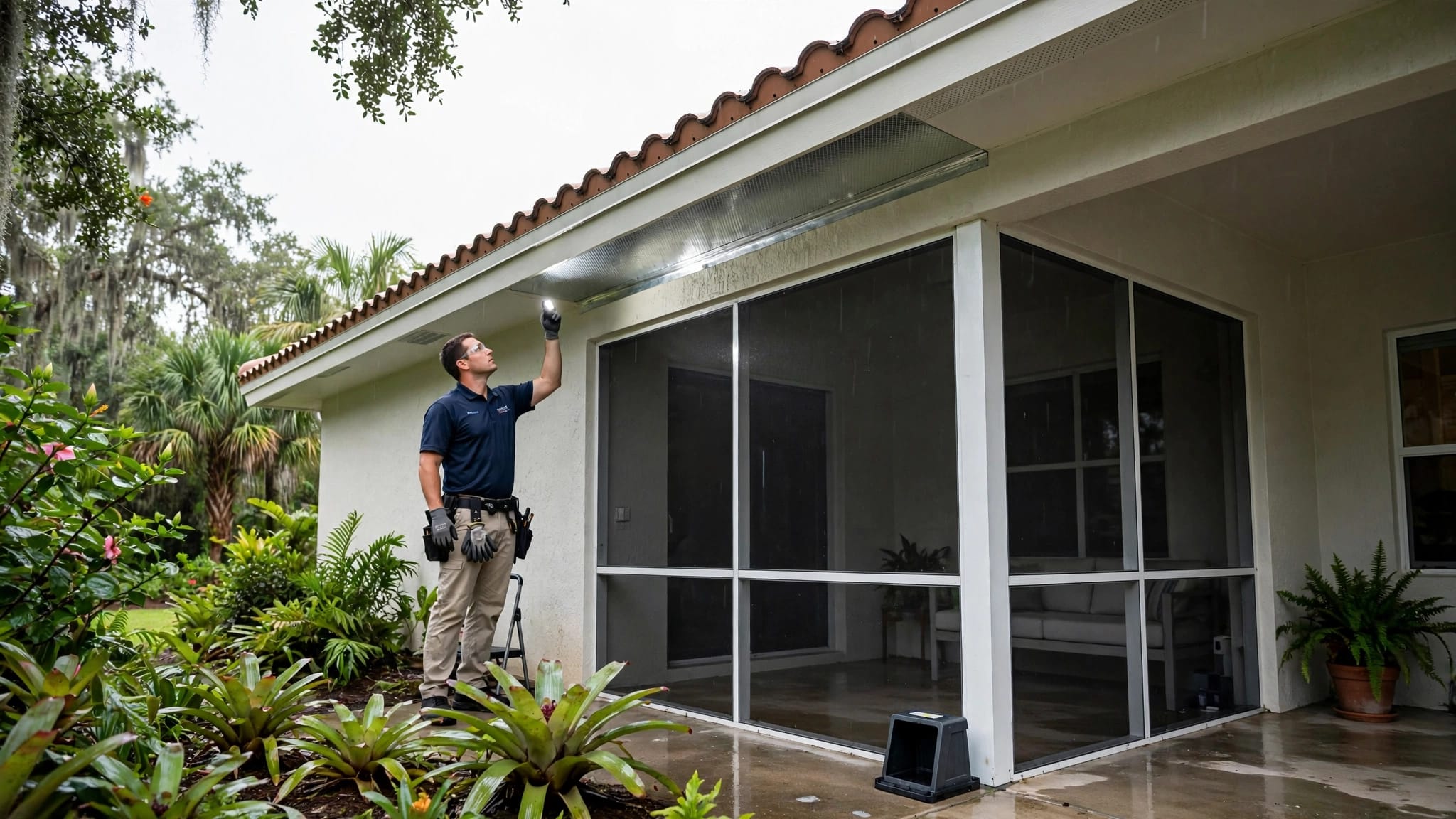
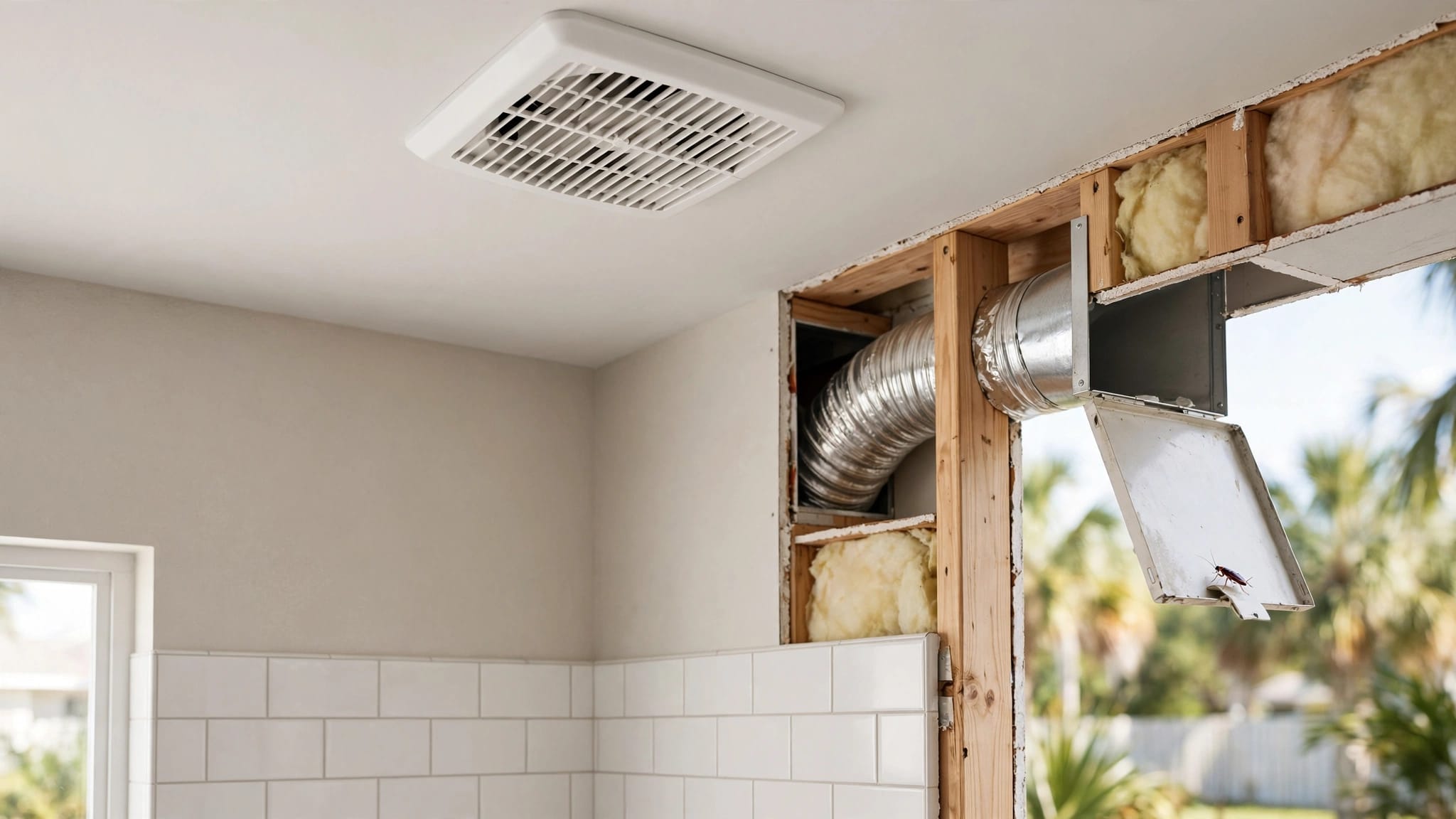
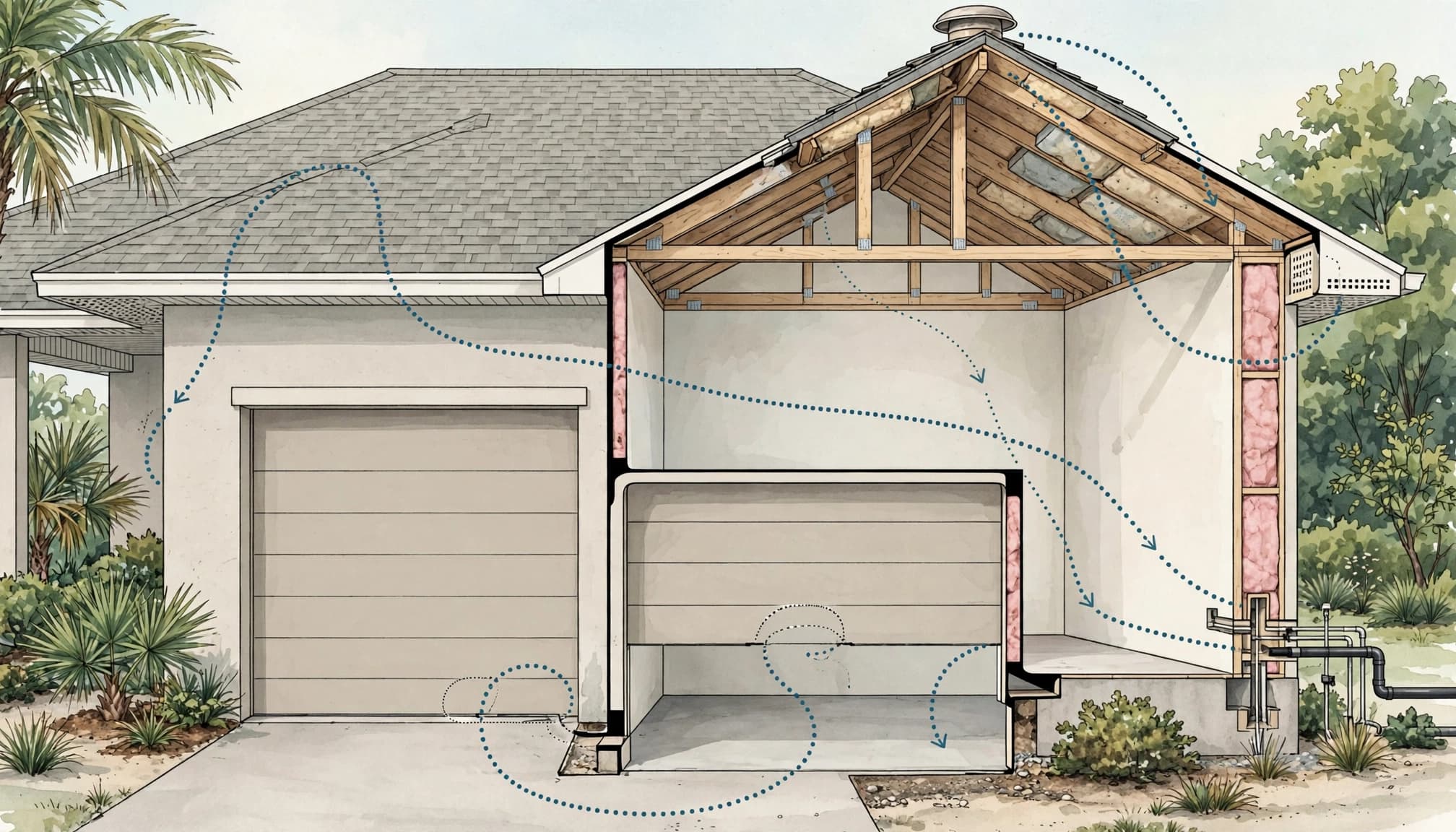
Roof rats can climb palms, branches, fences, and cables. Look for vegetation touching the house, damaged soffits, loose roof-edge materials, and broken vent screens. After a storm, inspect visible areas for shifted screens or trim.
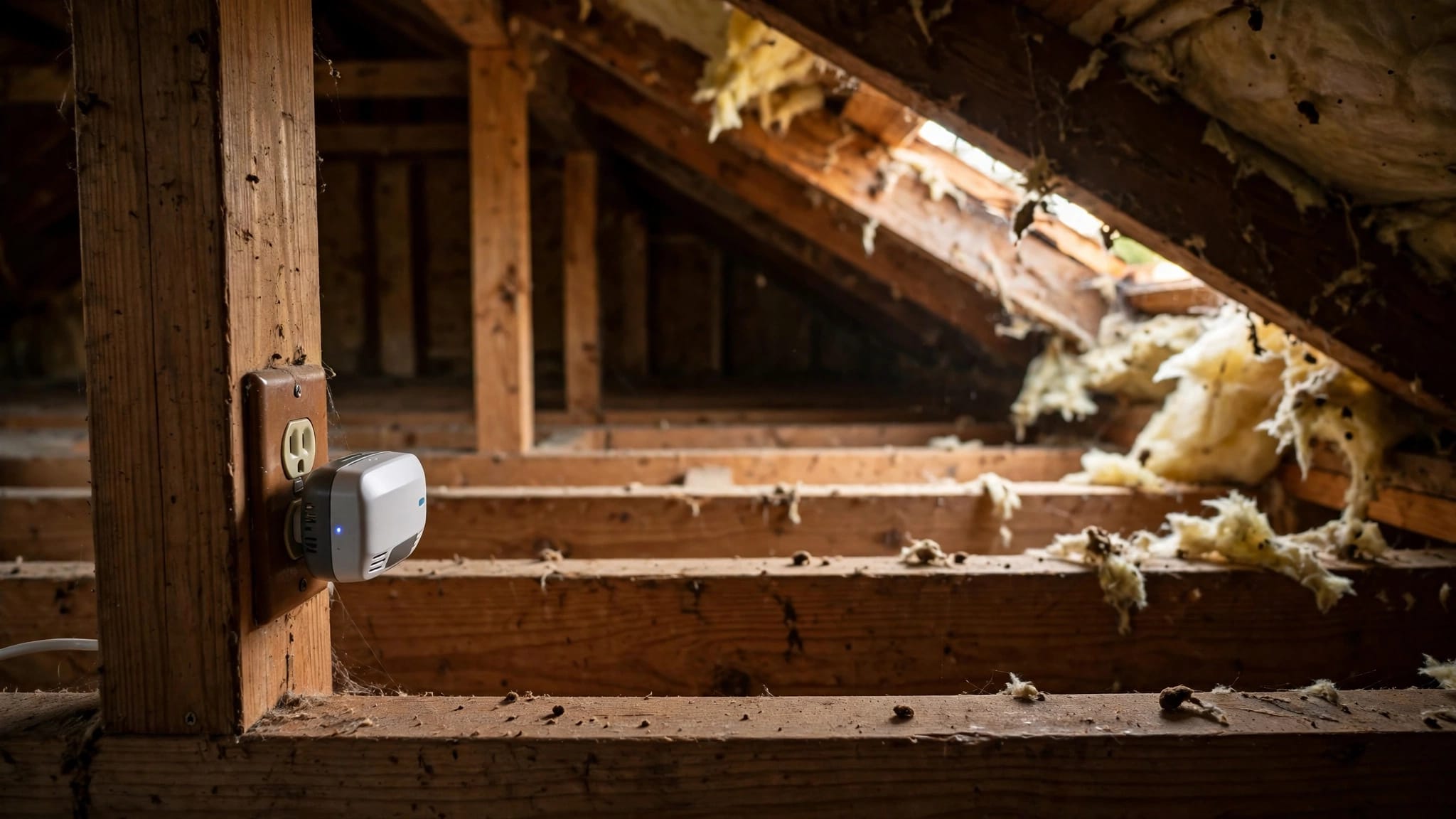
Inside, use a flashlight at the attic access point if it's safe to do so. Look for visible droppings, disturbed material, or dark rub marks along accessible edges. Don't walk on exposed ceiling material or dig through insulation.
For more local context, see our guide to roof rat signs in Cape Coral.
Garages and Utility Openings
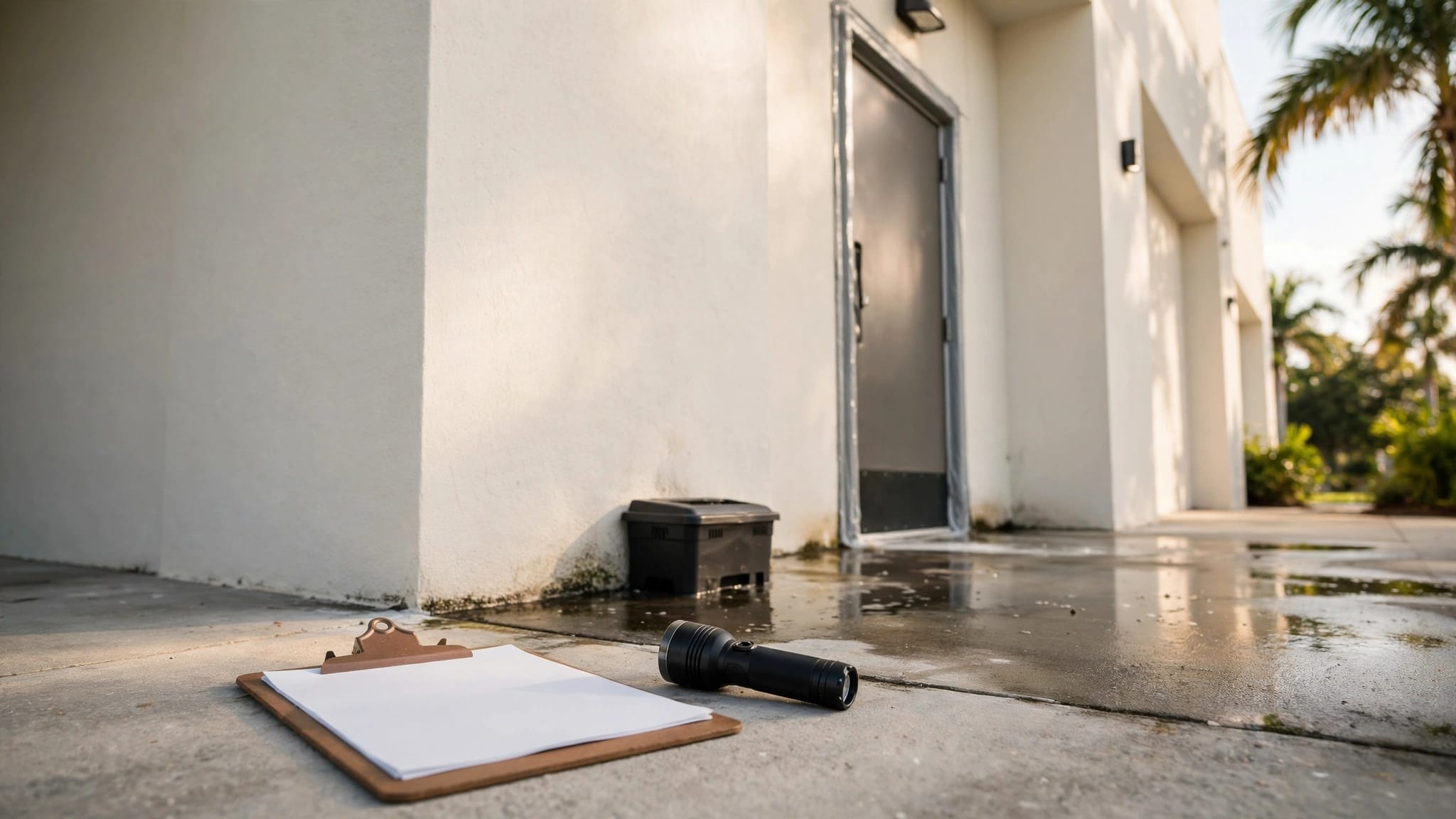
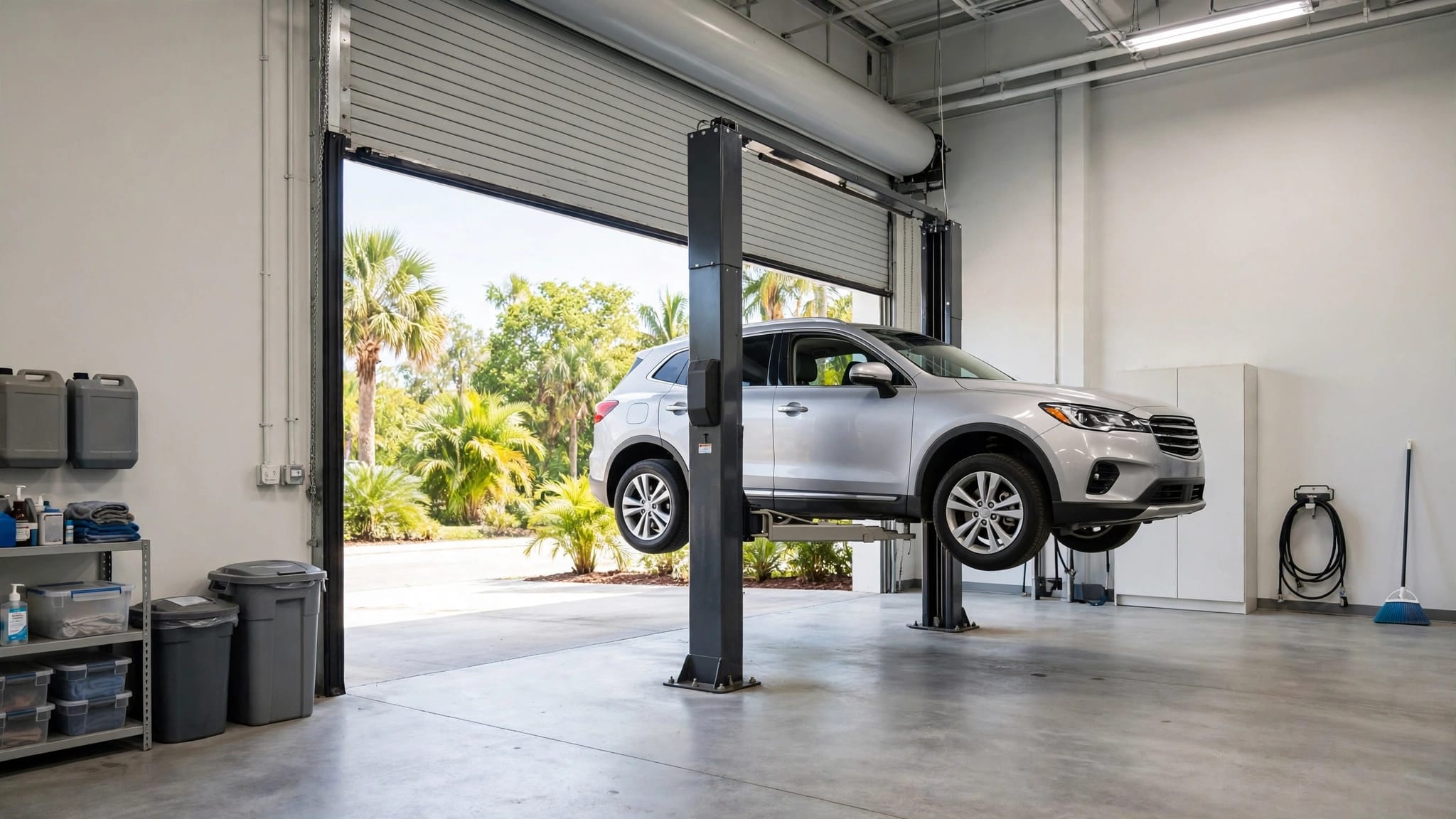
Check garage door corners for daylight, damaged weatherstripping, or gaps where the seal doesn't meet the floor. Look around plumbing, cables, and the air-conditioning line set where they enter the house.
Also inspect stored boxes and food containers without moving contaminated material around. A gap beside a pipe can provide access to a wall cavity even when the room looks undisturbed.
If animals may still be inside, don't close every suspected opening immediately. Sealing an active route too soon can trap them in the structure.
Set Up a Simple Monitoring Routine
A consistent comparison can help you distinguish old evidence from a continuing problem. Start with the places where you've already seen signs, then expand to nearby accessible areas.
Photograph each location and record the date. Include a fixed feature, such as a cabinet corner or baseboard, so you can compare the same area later. Note the number and position of visible pellets, damaged edges, and any loose nesting material.
After taking photos, clean small areas of droppings safely using the precautions below. Then look at the same spots each day for a week. New pellets or expanding damage suggest activity is continuing and warrant an inspection.
You may also notice tracks in existing dust beneath an appliance or along a protected edge. Photograph them without disturbing the area, then compare later. Tracks can be difficult to identify, and an undisturbed patch doesn't rule out activity elsewhere.
Keep your observations together rather than relying on memory. A technician can use your photos and notes to narrow the search, especially when the sounds come from a wall or the evidence is spread across several rooms.
Check What Happens Around Traps or Bait
Traps and bait stations can provide clues, but neither gives a complete picture on its own. Placement, access, and the animal's behavior all affect what you see.
Traps Can Show Recent Movement
A trap that catches a rodent or has been triggered is a sign of recent activity at that location. A trap that's undisturbed doesn't prove the home is clear. Rodents may be using another route or avoiding it.
Keep traps out of reach of children and pets, and follow the product instructions. If a trap contains an animal, avoid bare-hand contact and follow safe cleanup precautions. A professional can help when traps are hard to place safely or signs continue despite trapping.
Bait Changes Need Context
Disturbed bait can suggest something has accessed it, but it doesn't identify the animal or show that the problem is resolved. Don't open or move a station installed by a professional. Report visible damage or changes instead.
Avoid scattering loose rodenticide. Incorrect placement can put children, pets, and wildlife at risk. Poisoned rodents may also die in inaccessible spaces and cause an odor problem. Our approach favors targeted control and exclusion over blanket baiting.
Clean Small Areas Without Spreading Waste
Rodent droppings and nesting material need careful handling. Never dry sweep or vacuum them , since that can stir contaminated particles into the air.
For a small, accessible area, ventilate the space before cleaning. Put on rubber or disposable gloves, then thoroughly wet the droppings and surrounding surface with a disinfectant. Follow the product's label for contact time and use.
Pick up the wet material with paper towels, place it in a sealed bag, and dispose of it in a covered trash container. Disinfect the area and clean your hands after removing the gloves. Never mix bleach with other cleaners.
Leave extensive contamination, waste in air-handling equipment, and contaminated insulation to professionals equipped for the work. Our guide to rodent-contaminated attic insulation explains why attic cleanup often needs more than a surface wipe.
What Suggests Rodent Activity Has Stopped?
The strongest indication is a pattern of quiet checks across the places where you previously found evidence. After cleanup and control work, you may see no new droppings, no expanding gnaw marks, and no further disturbance around nests or monitored traps.
A single quiet night or an empty trap is less reassuring. Rodents may use concealed routes, and old odors or marks can remain after animals are gone. Continue looking at the same accessible locations and note any changes after repairs.
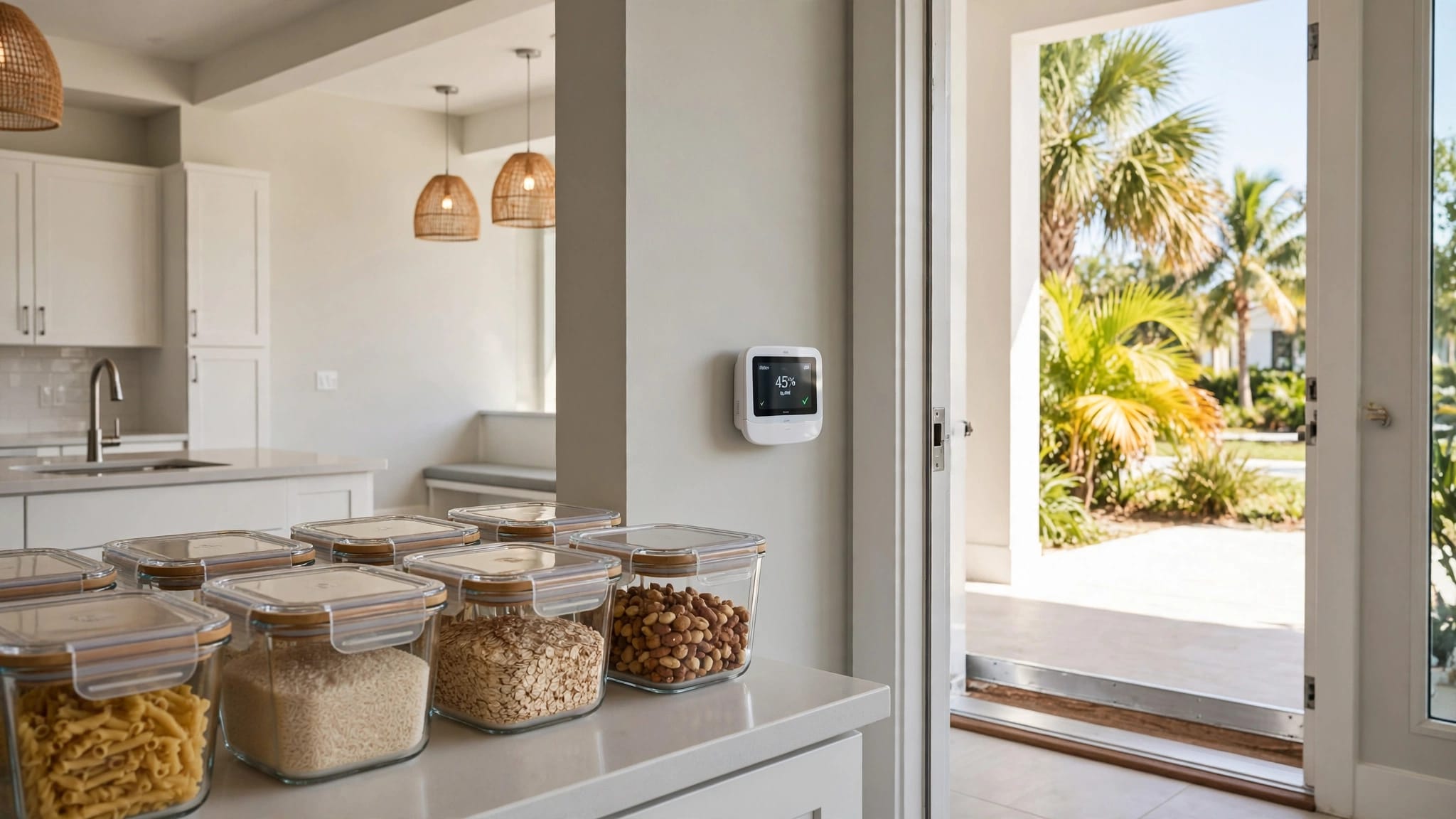
Keep the property less inviting during monitoring. Store pet food and birdseed in sealed containers, secure trash, pick up fallen fruit, and address accessible water leaks. Trim branches and palm fronds away from the roof.
These steps reduce food, water, and access around the house. They don't replace an inspection when fresh signs keep returning.
When to Call for a Rodent Inspection
Call for help when droppings reappear, scratching continues, nesting material increases, or you find suspected damage to wiring. An inspection is also appropriate when evidence is widespread or located in an attic, wall cavity, or air-handling area you can't safely assess.
We offer free inspections in Cape Coral and the surrounding Southwest Florida communities we serve. During a rodent exclusion inspection, accessible areas may include the attic, roofline, garage, and exterior utility openings. The photos and notes you've collected can help us understand where to look.
Use New Evidence to Guide Your Next Step
Old droppings and damage deserve attention, but repeated changes provide a clearer reason to suspect rodents are still active. Compare the same locations, clean small areas safely, and treat new evidence as a reason to investigate.
If signs keep returning or the affected area is unsafe to reach, arrange an inspection before sealing suspected routes.
Schedule a Free Inspection: