What Affects Rodent Exclusion Costs in Cape Coral?
Rodent exclusion costs depend on how many openings need repair, where they're located, and what it takes to close them properly. In Cape Coral, roofline access, attic conditions, and weather-resistant materials can matter as much as the home's size.
A useful estimate explains the scope of work , including whether trapping, cleanup, and return visits are included. Start with the building conditions that determine the work, rather than comparing totals alone.
Key Takeaways for Comparing Estimates
- The number, condition, and accessibility of entry points matter more than square footage alone.
- Durable repairs need materials suited to Florida's heat, humidity, rain, and outdoor exposure.
- Trapping, contaminated-material removal, insulation replacement, and follow-up visits are distinct tasks that belong in a written estimate.
- A lower total may cover fewer openings or less follow-up, so compare the work behind each quote.
Entry Points Drive Rodent Exclusion Costs
Exclusion means physically blocking access. The estimate should connect each proposed repair to an identified opening or vulnerable building detail. Droppings establish activity, but they don't automatically establish which gap rodents used.
The number and condition of openings
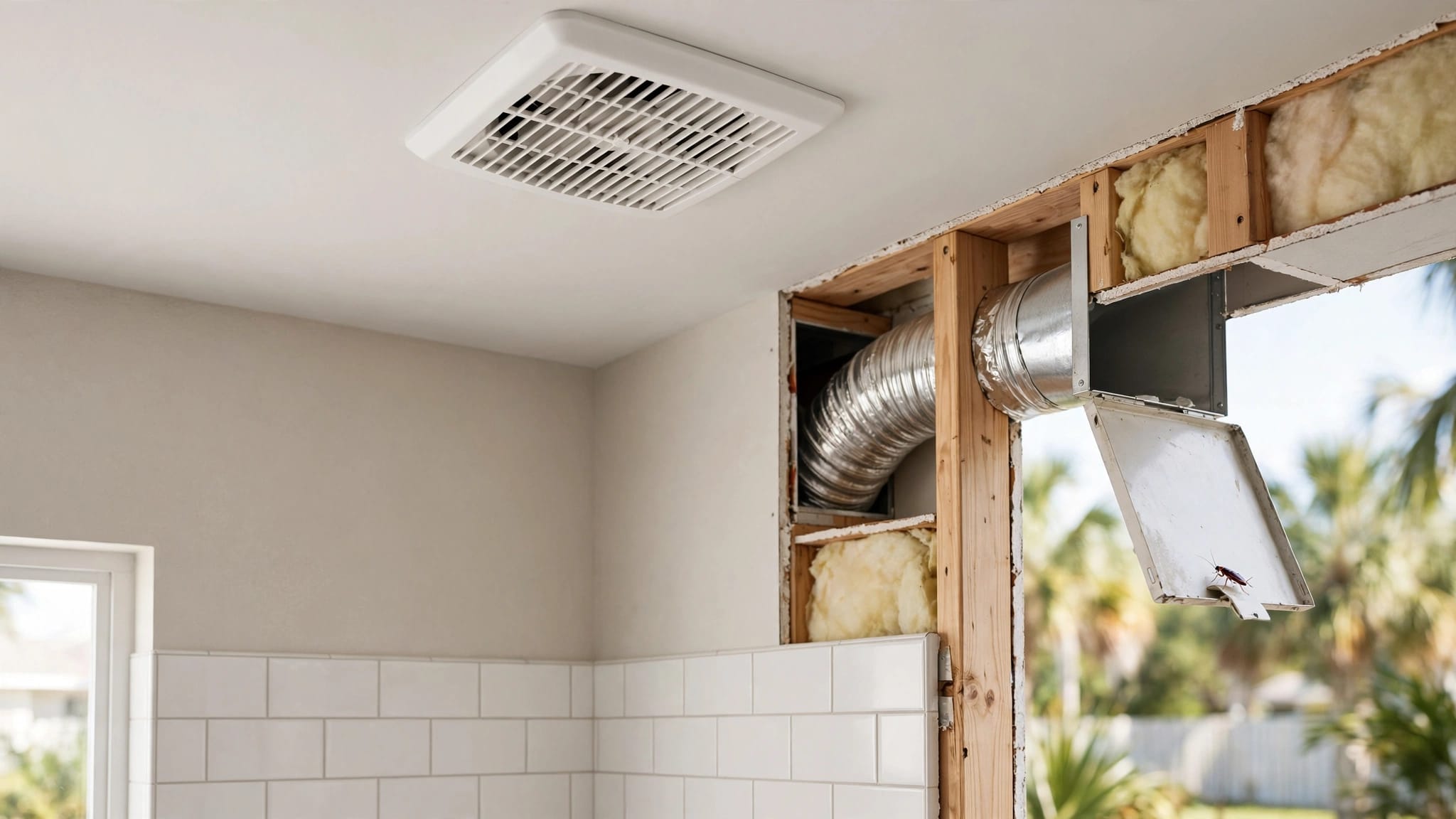
A damaged vent screen, an open pipe penetration, and a deteriorated soffit require different repairs. Counting openings helps define the job, but their condition also matters. Fastening screening to sound material takes different preparation than rebuilding a damaged edge.
The inspection should distinguish observed activity, likely routes, and preventive repairs. Our guide to the rodent exclusion inspection process explains how those findings fit together. Areas that couldn't be accessed should also appear in the written scope, rather than disappearing from the estimate.
Home design changes the repair scope
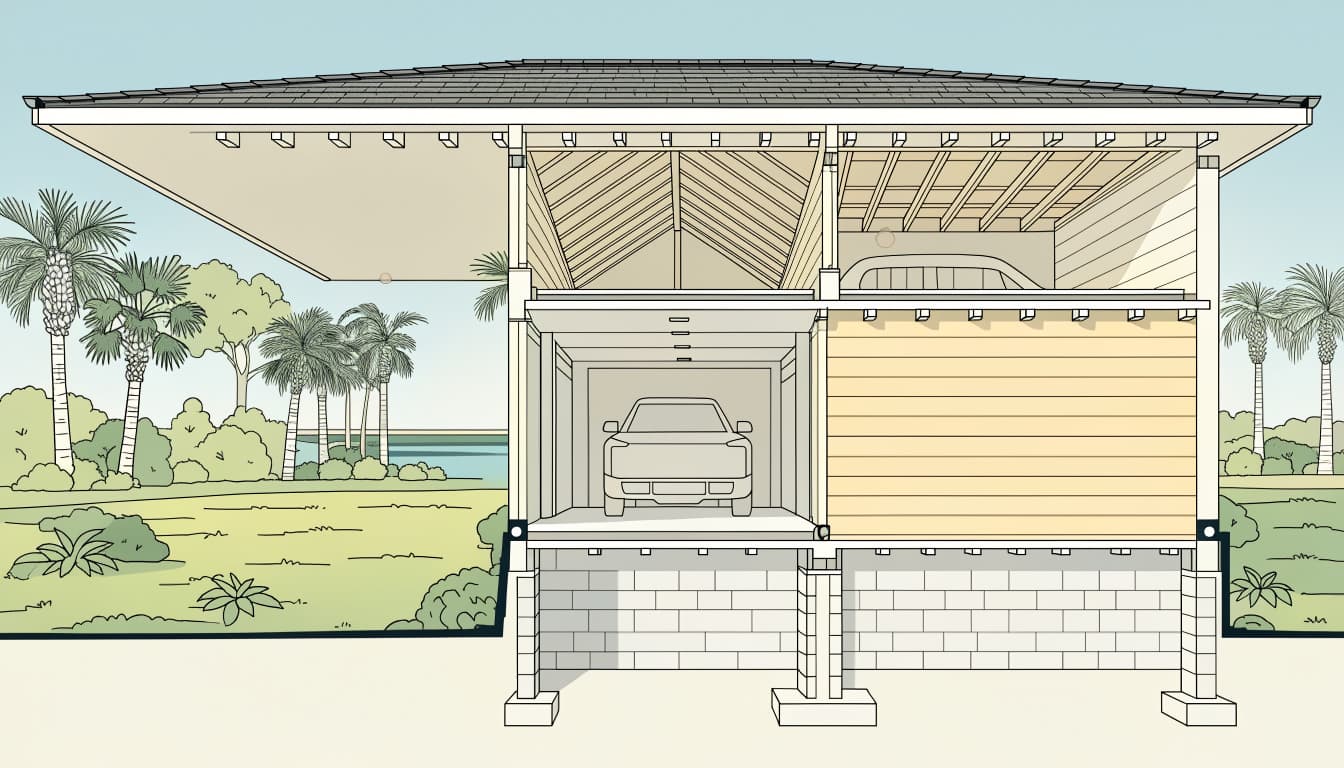
Square footage gives only part of the picture. Exterior perimeter, roof intersections, attached garages, additions, and separate storage spaces all affect how much structure needs attention.
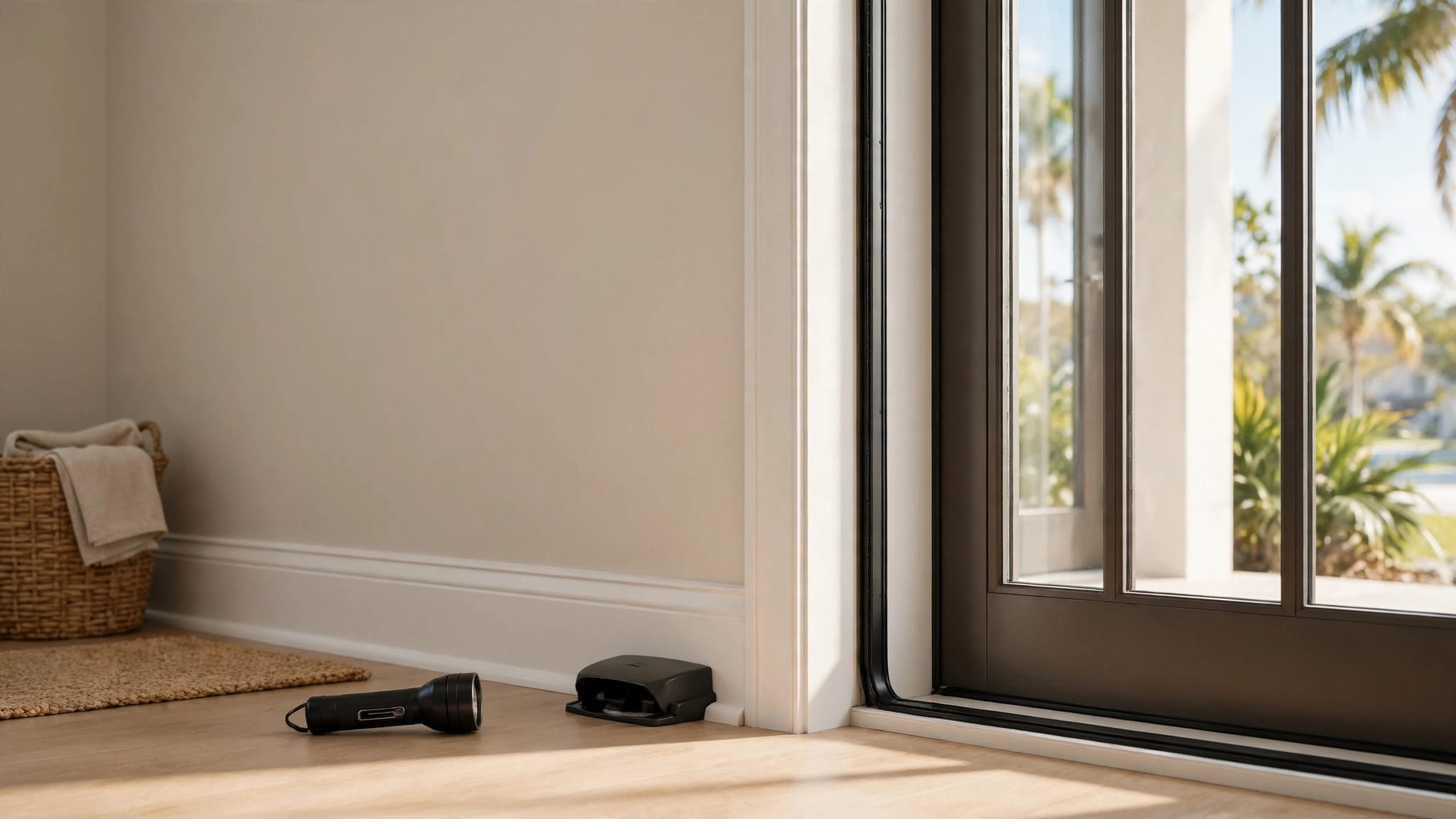
A concrete-block, stucco-finished home still has potential openings around doors, vents, and utility lines. Screened lanais and pool equipment areas also deserve attention where they connect to the building. The estimate should name which structures it covers. Protecting the main house doesn't automatically describe work on a detached shed or outdoor kitchen.
Roofline and Attic Access Affect Labor
The location of an opening can change the work needed to reach it safely. Roof repairs and attic work also involve different access challenges, even when both address the same rodent route.
Height and roof geometry
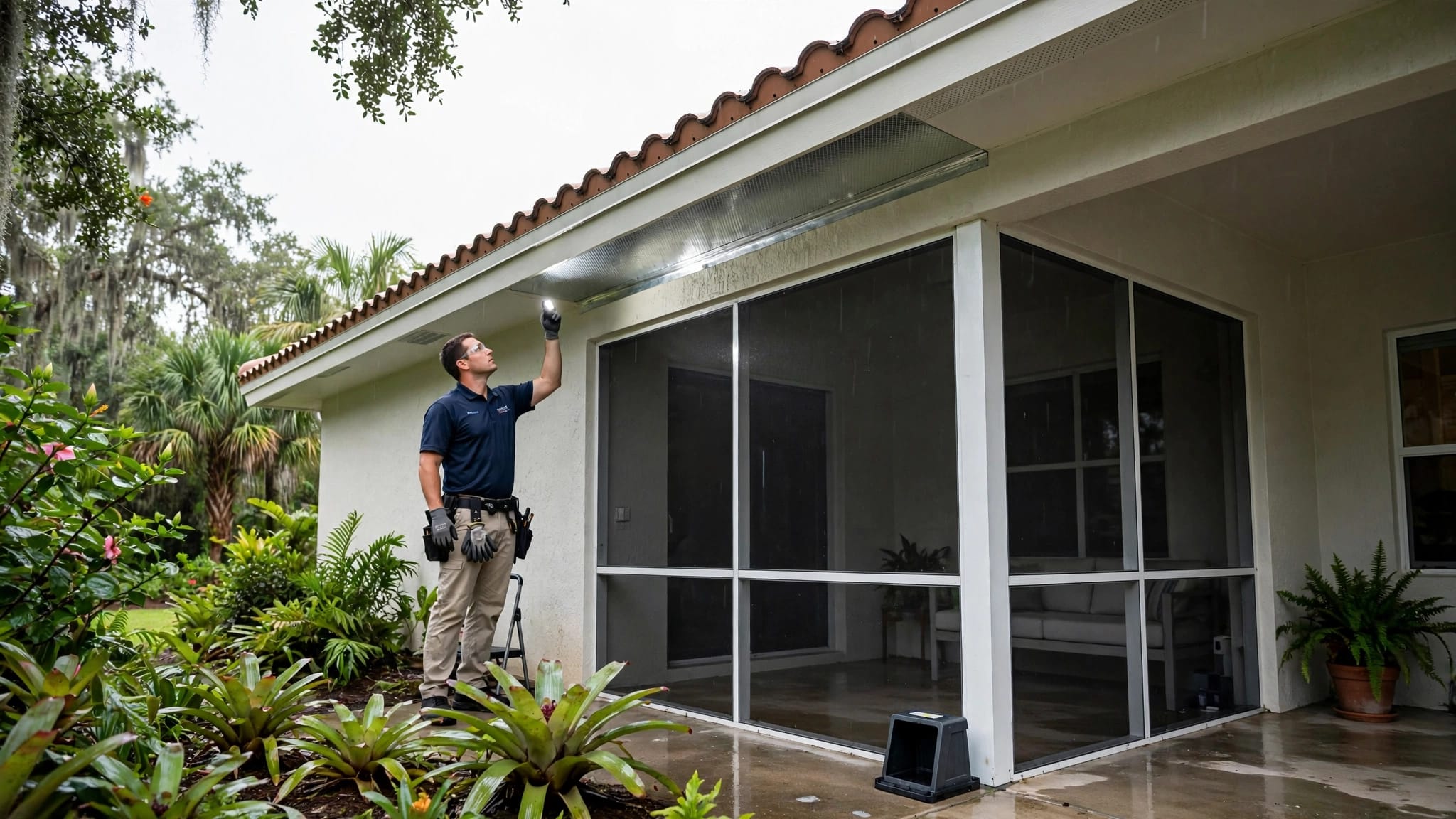
Roof returns, soffit corners, and vents can sit above landscaping, screened enclosures, or lower roof sections. Those obstacles affect ladder placement and access. Roof pitch and the condition of the surface also influence how technicians approach the repair.
Tile and shingle roofs require care to avoid damage during access. Consequently, a roofline opening may involve more preparation than an accessible wall penetration. The written scope should describe difficult locations so you can understand the labor involved without reducing the comparison to a simple count of holes.
Working room inside the attic
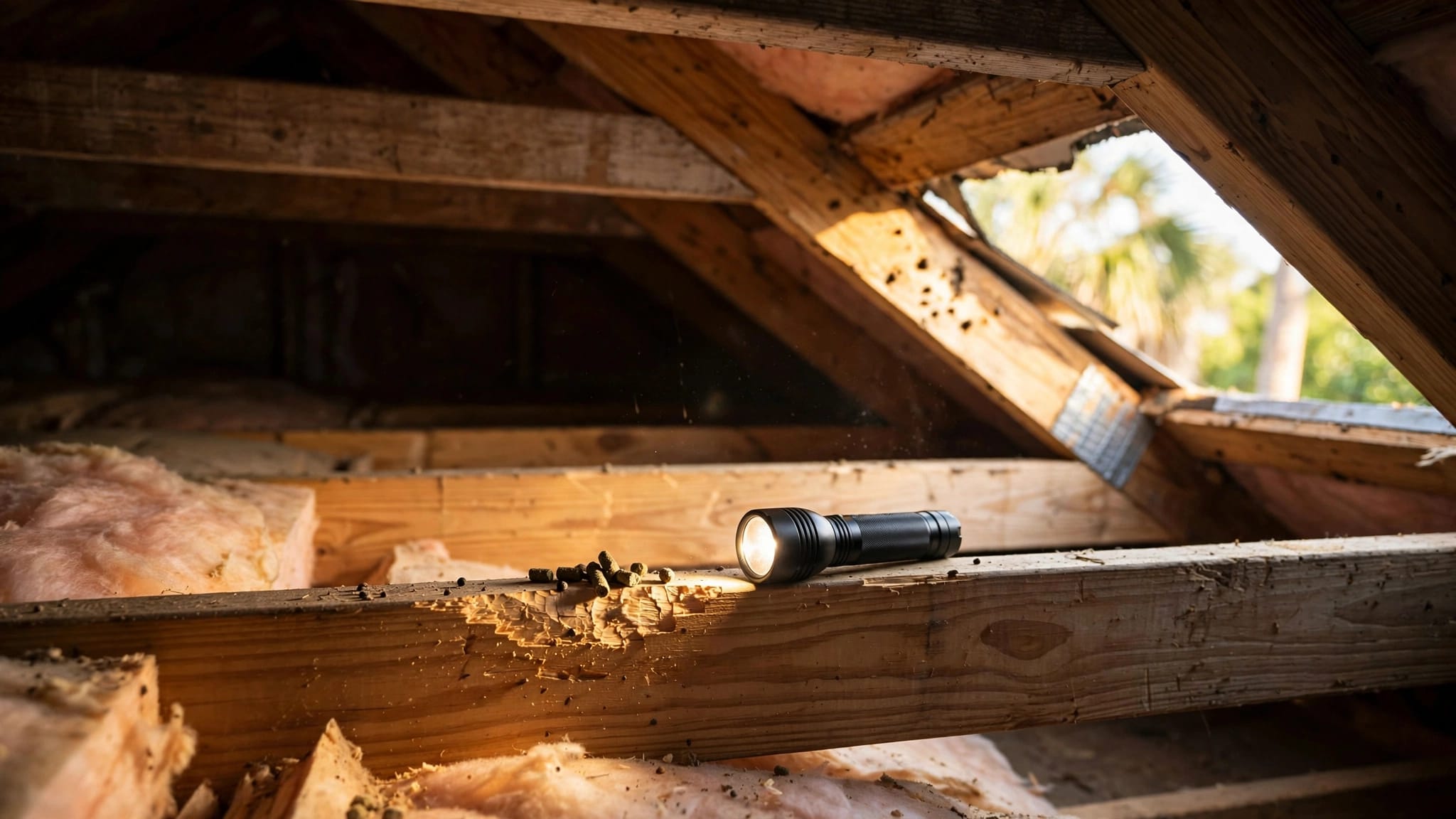
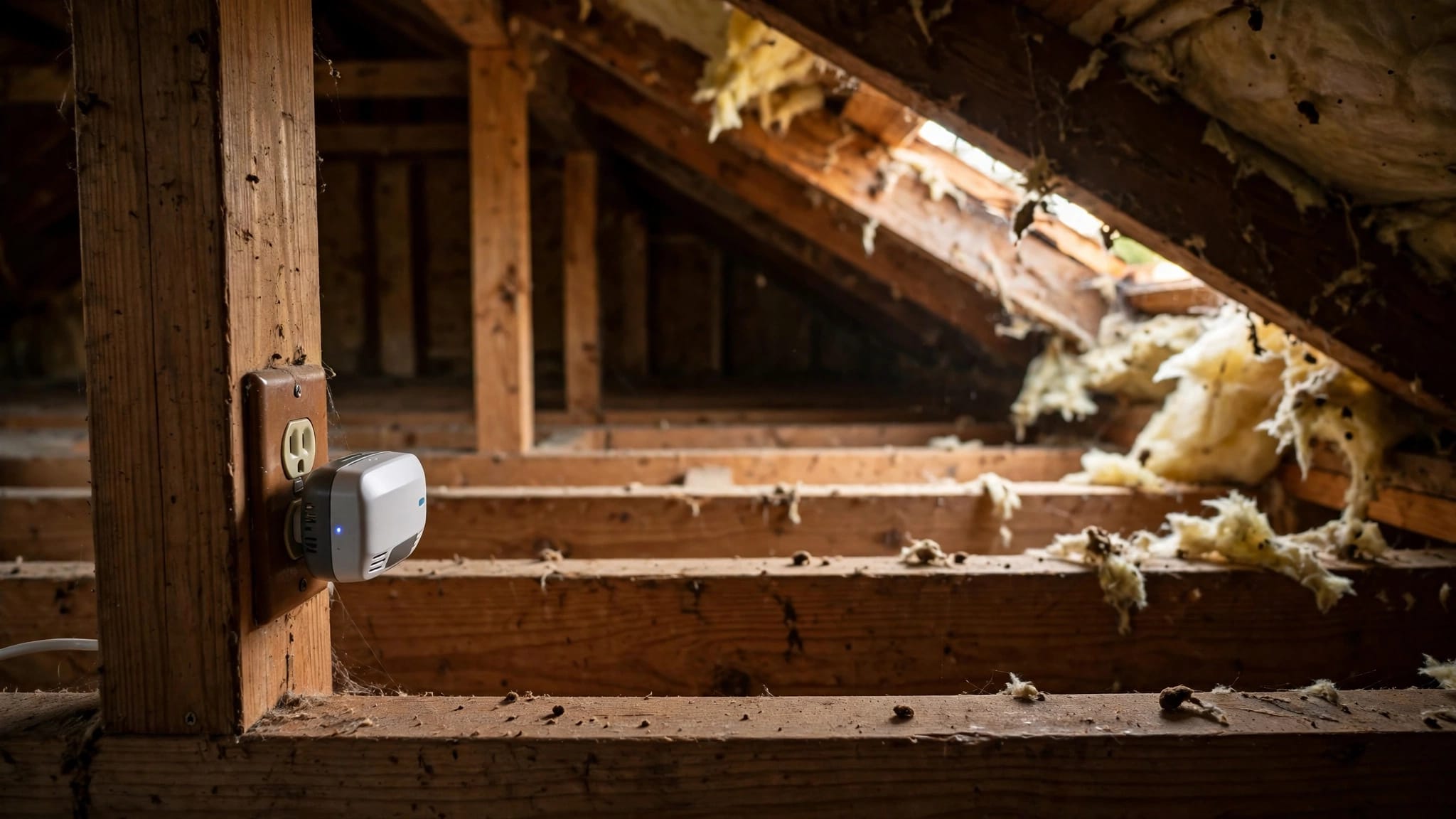
A small hatch, low roof clearance, dense ductwork, or limited walking space can slow an inspection and subsequent work. Technicians must avoid damaging ceilings, wiring, insulation, and air-conditioning components.
Florida attic heat also affects how crews schedule work and manage safe access. Limited access should appear as a defined constraint in the estimate. It may affect which areas can be inspected, how repairs are approached, or whether another trade needs to create suitable access.
Repair Materials Must Suit Florida Conditions
Rodent exclusion costs also reflect the materials and preparation required for a lasting repair. Soft filler alone doesn't provide the same barrier as properly secured metal screening or flashing.
Match the barrier to the opening
Suitable materials can include 1/4-inch hardware cloth , metal flashing, mortar, and exterior-rated sealant. Each has a different purpose. Screening can protect appropriate vent openings, while flashing can cover larger chewed edges or construction gaps.
Foam may support a repair, but rodents can chew through it. Likewise, loose mesh leaves vulnerable edges. The estimate should identify the barrier material, attachment method, and any damaged backing that needs replacement. A description such as "seal gaps" leaves too much uncertainty about the finished work.
Protect airflow and resist weather exposure
Florida's humidity, heavy rain, and coastal exposure matter when selecting screening, fasteners, and sealants. Corrosion-resistant components and exterior-rated products suit exposed repairs better than materials intended for indoor use.
However, closing an opening must not interfere with ventilation or drainage. Attic vents need protection that preserves their function. Our guidance on rodent-proofing attic vents and openings covers that balance. If a vent assembly is damaged, replacement may be a separate task from installing screening over a sound opening.
Damage and Cleanup Add Separate Work
Exclusion closes access points. It doesn't remove rodents already inside or restore contaminated materials. Our rodent trapping and exclusion services address those different parts of control, with the inspection guiding the plan.
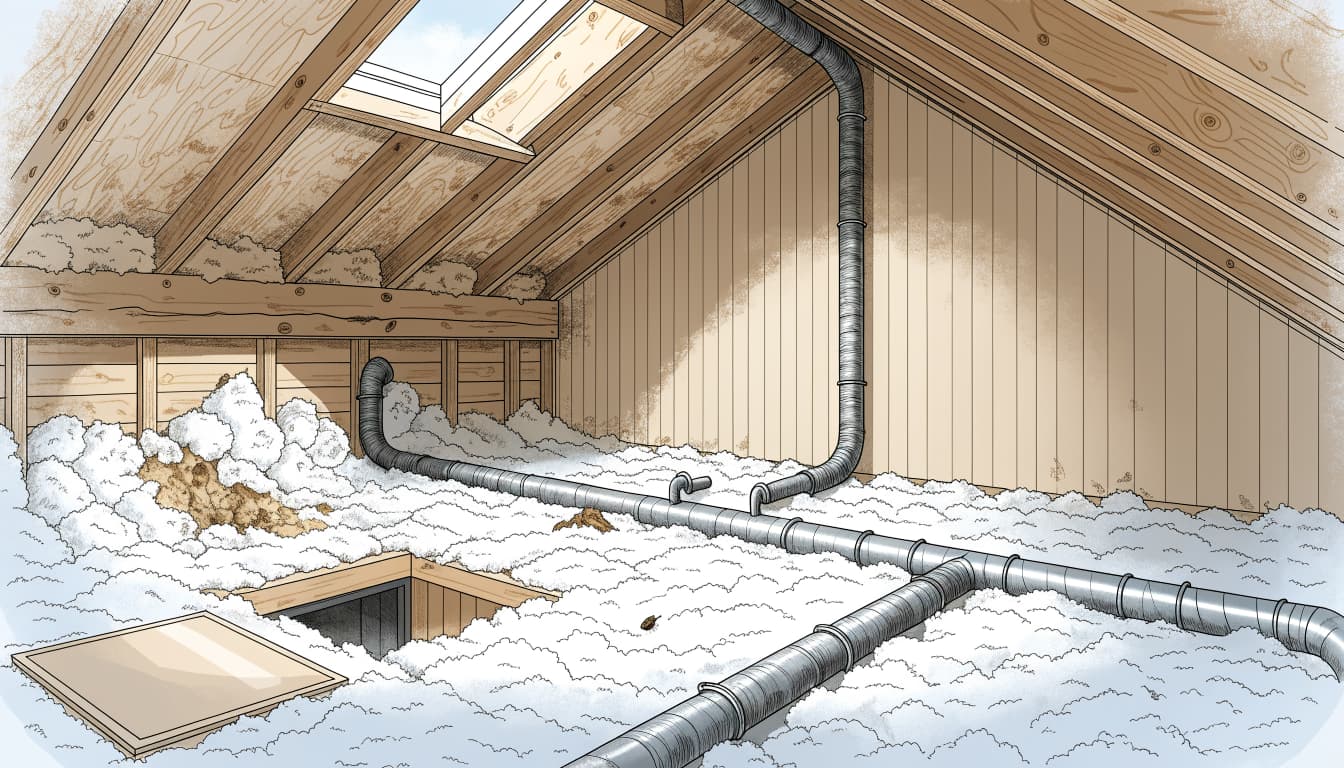
Droppings, nesting material, contaminated insulation, and inaccessible carcasses can expand the project. The affected area and accessibility matter. Localized contamination doesn't automatically justify replacing all attic insulation.
The cleanup scope should identify what will be removed, how affected surfaces will be addressed, and whether insulation replacement is included. Before-and-after photographs provide useful records of both the findings and completed work.
Chewed wiring needs a licensed electrician's attention. Roof leaks, plumbing problems, or damaged building components may also require another trade.
Closing entry points won't correct wet insulation or an active leak. Those conditions need their own repair plan.
Avoid sweeping or shop-vacuuming rodent waste, which can disturb contaminated dust. Cleanup involving extensive contamination or hard-to-reach attic spaces calls for properly equipped professionals.
Follow-Up Work Belongs in the Estimate
Active infestations require coordinated removal and sealing. Closing an active route too early can trap rodents inside; leaving it open without a control plan allows continued access. The sequence should reflect the inspection findings.
Follow-up visits may include monitoring activity, servicing traps, inspecting repaired openings, and addressing evidence of another route. Our guide to rodent exclusion follow-up describes checks of soffits, roof returns, vents, and utility penetrations.
The estimate should state the included visits or service period, along with what happens if activity continues. Warranty language should distinguish a failed repair from new storm damage or a newly created opening.
Cape Coral's warm climate supports ongoing outdoor rodent activity. Meanwhile, storms can shift screens, damage trim, and bring branches against the roof. Continued activity therefore needs assessment rather than an automatic assumption that every original repair failed.
What an Itemized Exclusion Estimate Should Show
An itemized estimate makes rodent exclusion costs easier to compare because it separates physical repairs from removal, restoration, and ongoing service. It should also show the total and any optional work clearly.
Use these categories when reviewing the written scope.
| Estimate category | Details to include |
|---|---|
| Inspection findings | Opening locations, signs of activity, photographs, and inaccessible areas |
| Exclusion repairs | Number or extent of repairs, materials, fastening, and component replacement |
| Rodent removal | Trapping or other control methods and how they coordinate with sealing |
| Cleanup and restoration | Affected areas, material removal, sanitation, and insulation replacement |
| Follow-up and warranty | Included visits, monitoring, repair coverage, and exclusions |
| Price and authorization | Itemized charges, optional work, payment terms, and approval for additional work |
The strongest comparison is between equivalent scopes , not just final totals.
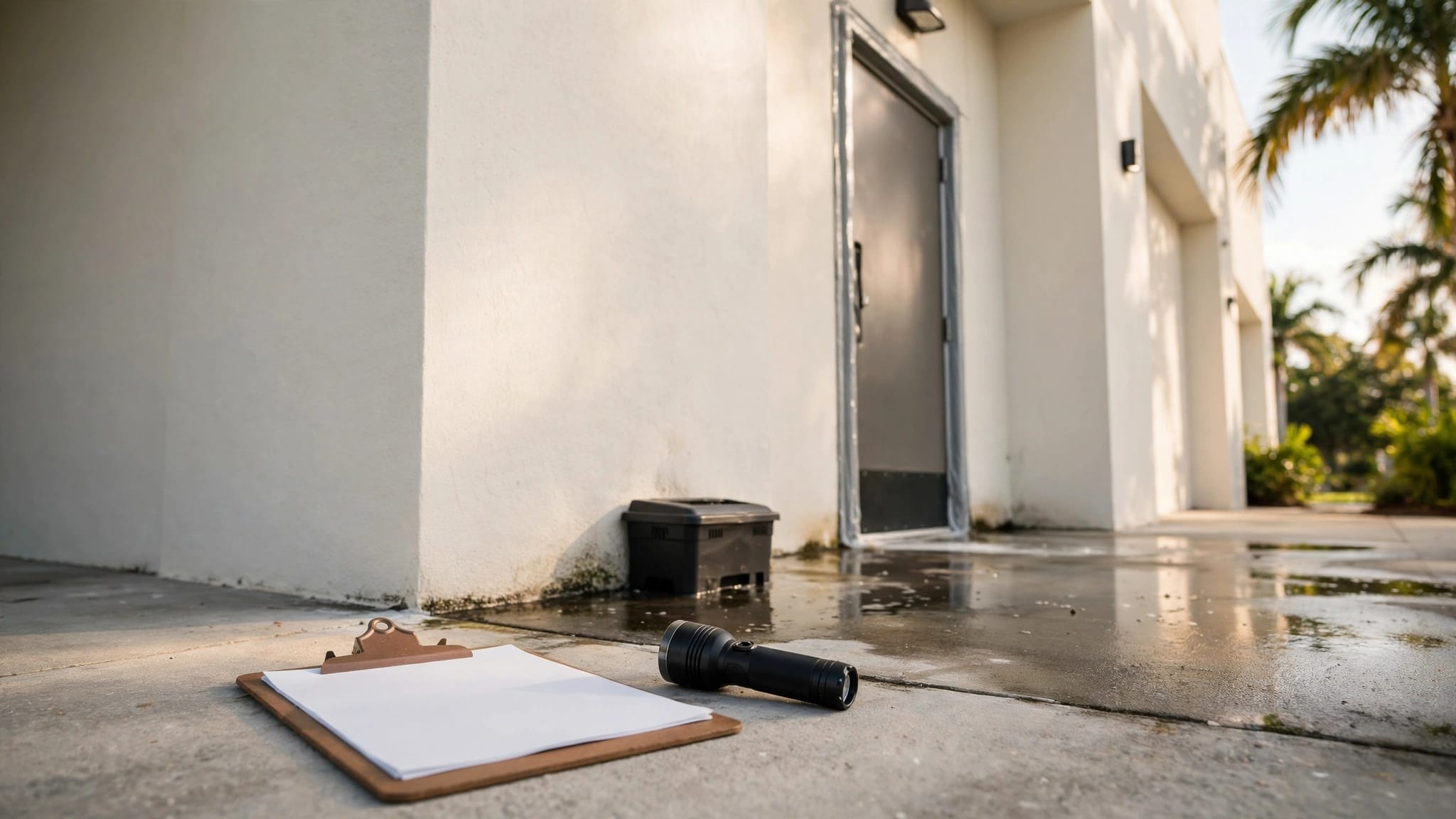
Ask what "whole-home exclusion" covers. The answer should identify the structures, openings, and repair limits rather than rely on the phrase alone. Also ask whether garage door seals, damaged vents, or construction repairs fall outside the proposed work.
Hidden damage can change a project after work begins. The agreement should explain how additional work gets documented and approved before it adds to the bill.
Finally, keep optional maintenance separate from the initial exclusion project. That makes the immediate repair commitment and any recurring service easier to understand.
Property Conditions Can Influence Repeat Work
Landscaping and storage conditions don't replace structural repairs, but they affect rodent access and the ability to inspect the home. Palm fronds touching the roof provide a route toward roofline openings. Fallen citrus, mangoes, spilled birdseed, and outdoor pet food provide nearby food.
Trim vegetation away from the building and clear accessible clutter around garage walls, sheds, and outdoor kitchens. These changes help expose openings and reduce sheltered travel routes. For elevated trimming or work near utility lines, use an appropriate professional.
Moisture also deserves attention in Cape Coral's humid climate. Leaking plumbing, air-conditioning drainage problems, and irrigation directed against the house need correction where present.
The estimate should separate exclusion repairs from recommended yard work, hauling, or moisture repairs. That distinction lets you understand which conditions the pest-control project addresses and which remain part of home maintenance.
Frequently Asked Questions
Can clearing stored items reduce the work needed?
Moving accessible storage away from garage walls and opening a clear route to the attic hatch can help inspection and repair access. However, don't disturb nesting material, contaminated insulation, or suspected wiring damage. Those conditions need assessment before anyone moves or removes affected materials.
Does poison-free rodent control replace exclusion?
Physical barriers remain important because a deterrent doesn't repair a damaged vent or close a construction gap. Our ECO Rodent Shield service offers a non-toxic deterrent approach alongside inspection, exclusion, sanitation, and monitoring. The inspection determines whether targeted trapping or additional repairs also belong in the plan.
Compare the Repair Plan Before the Price
A useful exclusion estimate explains where rodents can enter, how those openings will be repaired, and what happens afterward. Access difficulties, durable materials, cleanup, and follow-up all affect the work involved.
Choose a clearly defined scope that addresses the building and the activity inside it. We offer free inspections to help Cape Coral homeowners understand the findings and the recommended next steps.
Schedule a Free Inspection: