Rodent Odor Removal for Florida HVAC Systems
A stale, ammonia-like smell from an AC vent can make your home feel unlivable, especially when Florida humidity keeps the system running for hours each day. Effective rodent odor removal HVAC work begins with the source, not a scented spray or a new air filter.
Rodents may nest near an air handler, damage duct insulation, leave urine in a return plenum, or die inside an inaccessible cavity. Removing the odor for good means finding the contamination, cleaning it safely, and stopping new rodents from getting in.
Rodent odor removal HVAC starts with finding the source
Your HVAC system moves air through the home, so a small odor near the equipment can travel far. Pay attention to when and where the smell is strongest. An odor that increases when the AC starts often points to contamination near a return, blower compartment, drain pan area, or ductwork.
A sharp ammonia smell usually comes from rodent urine. A sour, decaying odor can signal a dead mouse or rat. You may also notice fly activity, scratching sounds, shredded insulation, gnaw marks, or dark droppings near the air handler.
Inspect accessible areas without disturbing debris
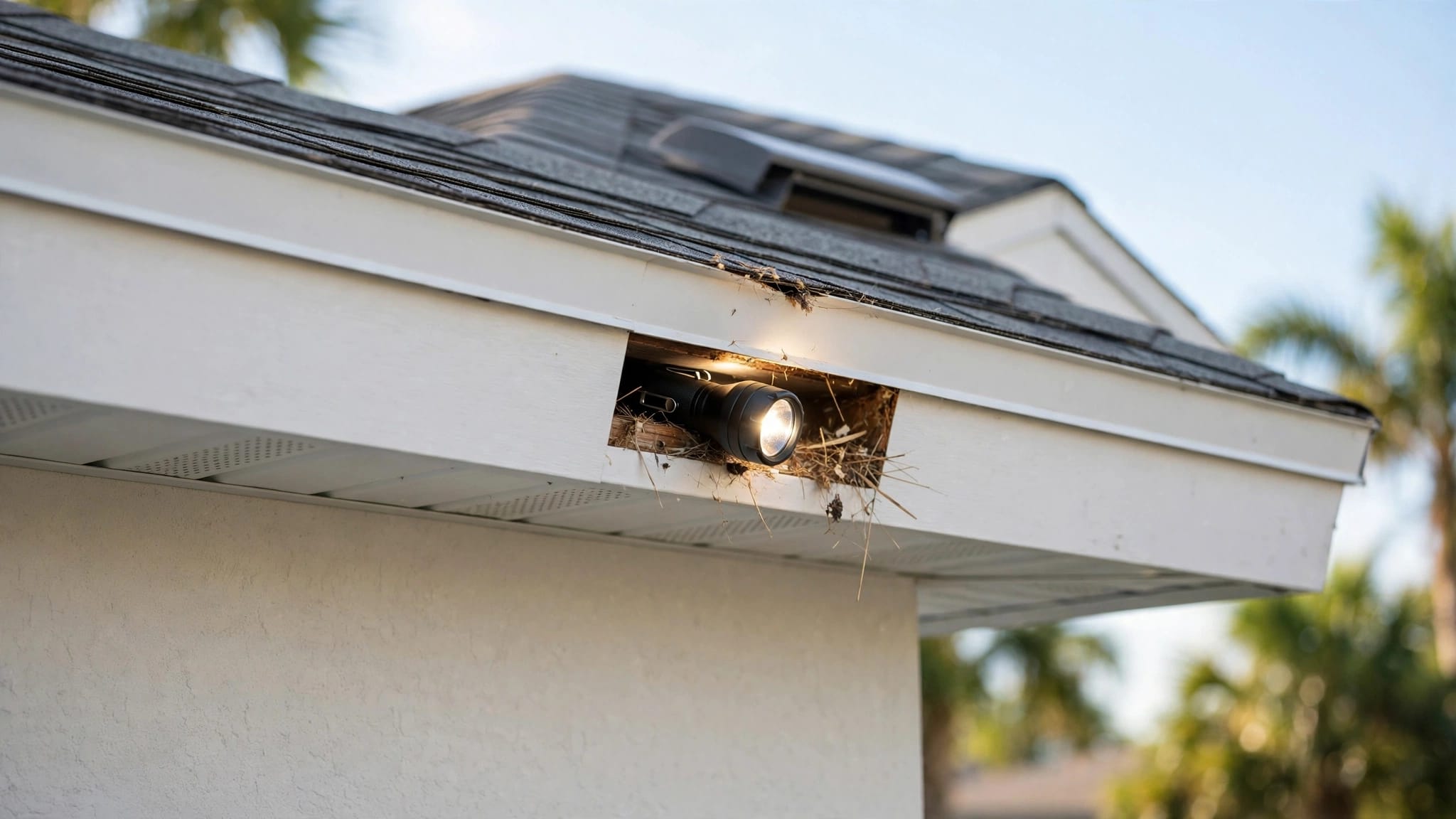
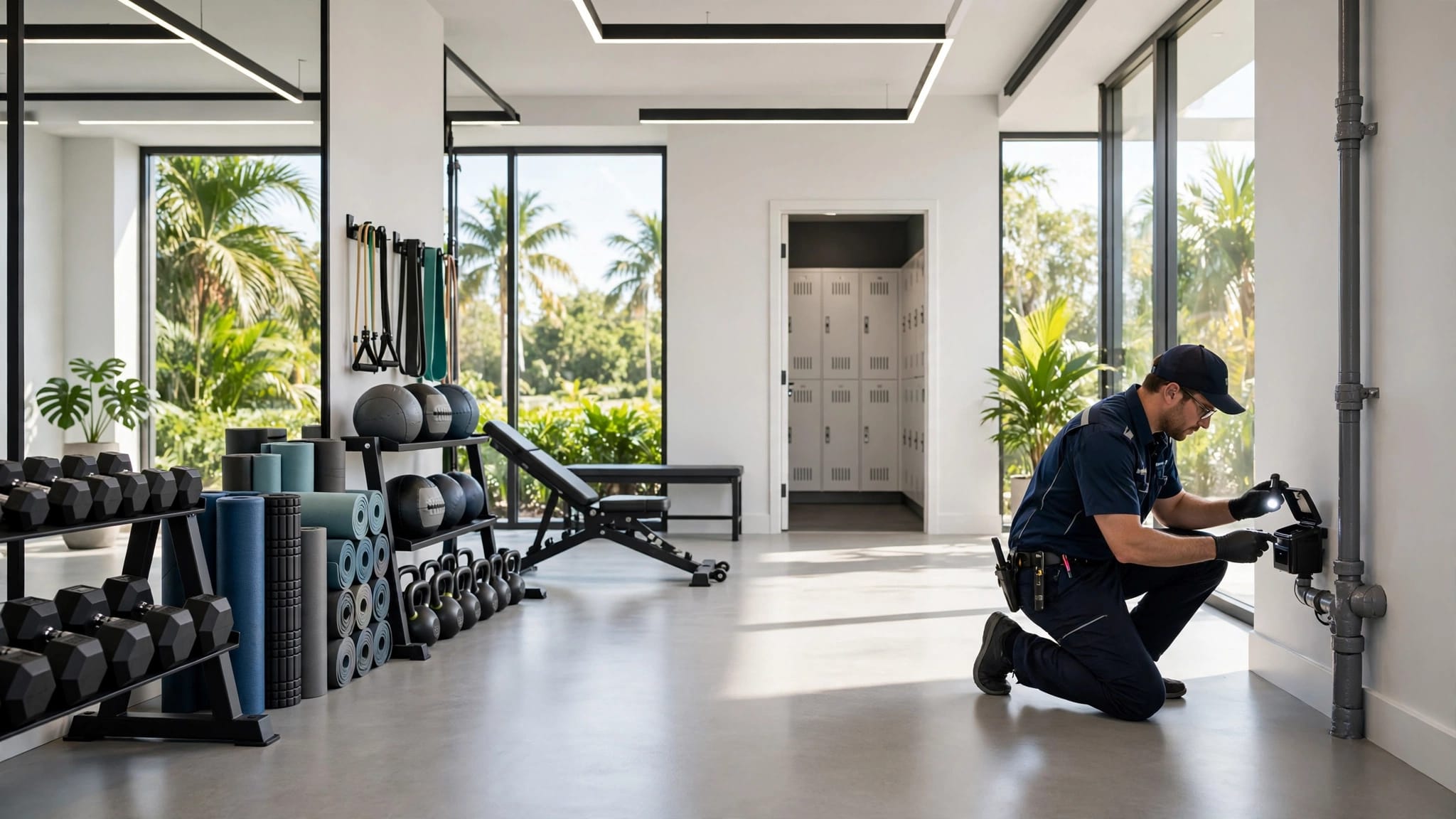
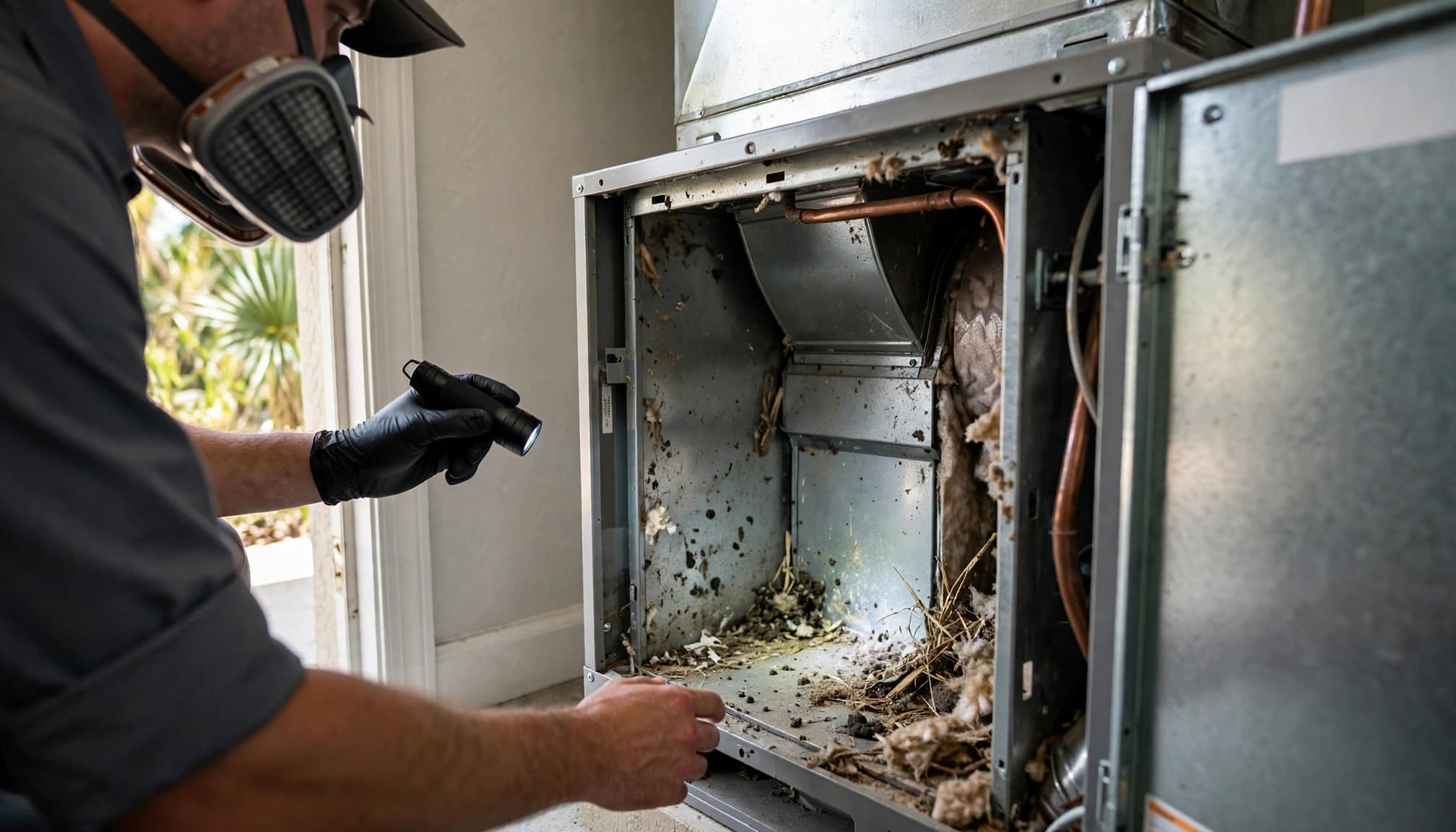
Turn the thermostat off before looking around the system. Check the outside of the air handler, the closet or garage around it, accessible attic areas, and visible return grilles. Use a flashlight, but don't open sealed panels or crawl through damaged duct runs.
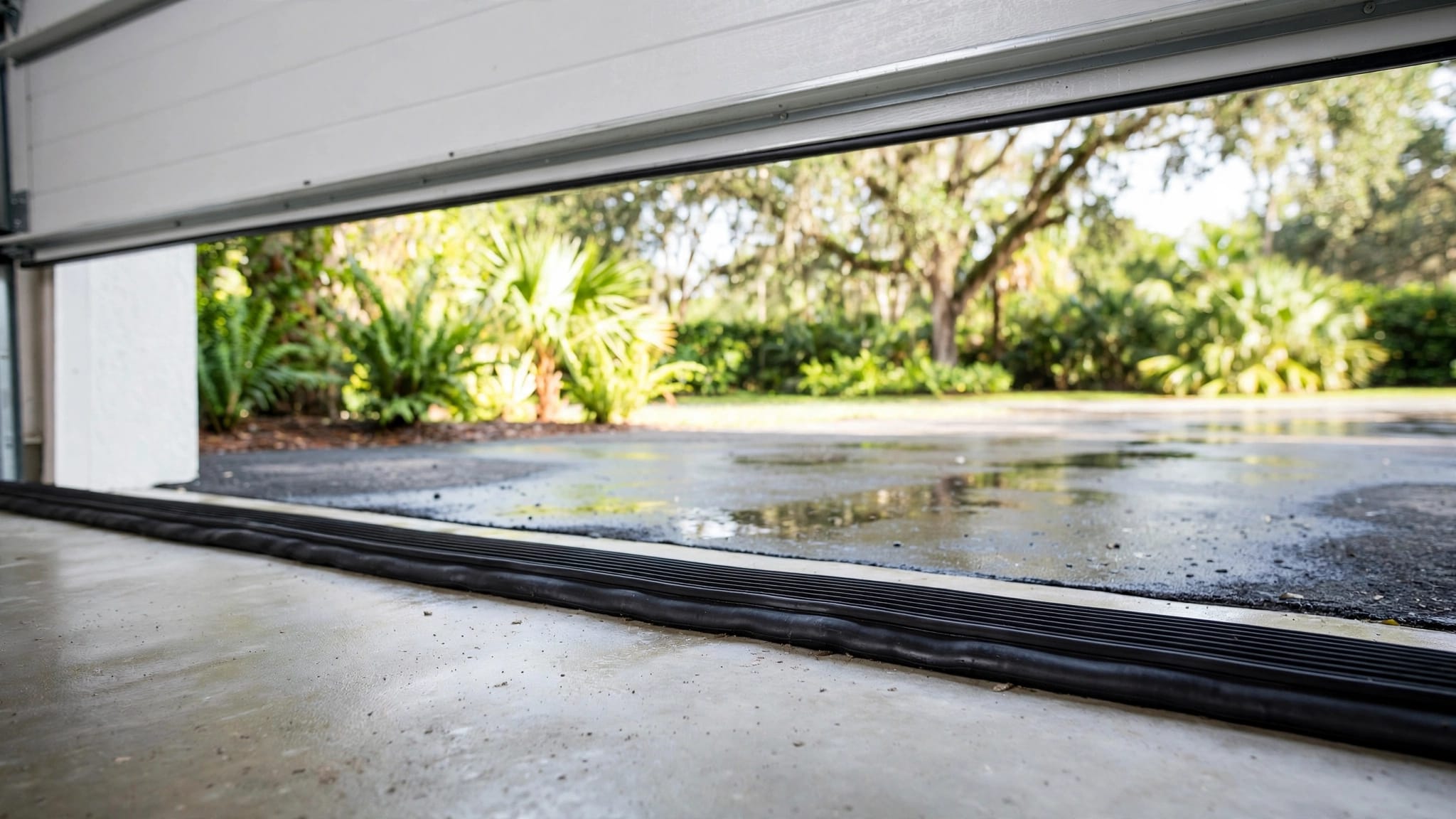
Rodents often use gaps around refrigerant lines, condensate drains, soffits, attic vents, and garage openings. A smell that seems to come from a vent may begin several feet away.
Rule out a hidden carcass early
A sudden, intense odor that gets worse over several days may mean a rodent died in a wall, ceiling void, or duct-adjacent space. Don't start cutting drywall based on a guess. The wrong opening can create more repair work and spread contaminated dust.
If flies gather near one vent or ceiling area, a concealed carcass is more likely. These safe steps for wall rodent odors can help homeowners recognize when removal needs professional access.
Air fresheners can cover a rodent smell for a few hours, but they cannot remove urine-soaked insulation, droppings, nesting material, or a carcass.
Protect yourself before cleaning rodent contamination
Rodent droppings and nesting material can contain germs. Dry sweeping, vacuuming, or blowing debris around sends contaminated particles into the air. That creates a larger cleanup problem and can expose anyone nearby.
Keep children, pets, and people with asthma, chronic lung disease, or weakened immune systems away from the area. Open nearby windows or doors when possible, then let the space air out before cleanup begins.
Wear the right protective gear
For a small, accessible cleanup on a hard surface, wear disposable gloves, eye protection, and a well-fitting respirator or mask rated for fine particles. Put on long sleeves and closed-toe shoes if you are entering a garage, utility closet, or attic.
Never touch your face, phone, or thermostat controls with contaminated gloves. Afterward, remove gloves carefully, bag disposable materials, and wash hands with soap and water.
Shut down HVAC equipment safely
Set the thermostat to off. Then switch off power to the air handler at the dedicated breaker or service disconnect before opening an accessible equipment door. HVAC cabinets contain electrical components, sharp metal edges, and moving parts.
Don't spray disinfectant directly onto circuit boards, wiring, motors, or the blower assembly. If contamination is inside the cabinet rather than on a nearby floor or shelf, stop and arrange an HVAC or pest-control inspection.
Clean minor, accessible rodent messes correctly
A few droppings on a concrete garage floor near the air handler are different from a nest inside ductwork. Small contamination on a hard, reachable surface may be suitable for careful homeowner cleanup. Widespread droppings, urine staining, damaged insulation, or contamination inside the system needs more than a wipe-down.
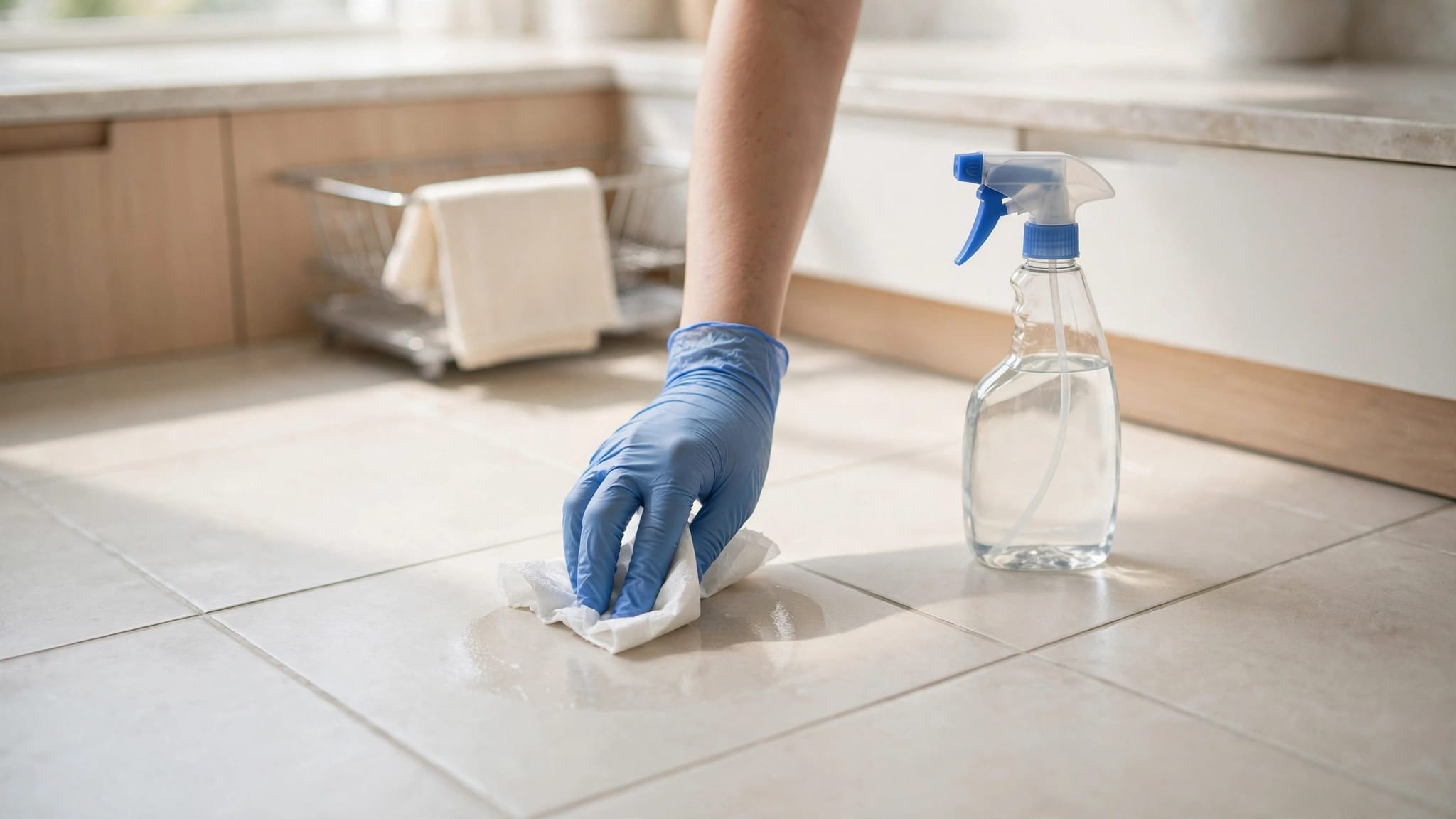
First, lightly wet droppings and nesting debris with an EPA-registered disinfectant used according to its label. Let it sit for the listed contact time. Never mix cleaning products, especially products containing bleach or ammonia.
Remove and disinfect without dry sweeping
Use paper towels to lift the wet debris, then place everything in a sealed plastic bag. Wipe the surrounding hard surface with disinfectant and use fresh towels for a final pass.
Avoid these common mistakes:
- Don't sweep or vacuum dry droppings, because both actions can send particles into the air.
- Don't use a household fan to push the odor out of a contaminated closet or attic.
- Don't wash rodent-soiled fiberglass insulation, flex duct, or filters. Those materials often need replacement.
- Don't use ozone generators as a do-it-yourself odor fix. Ozone can irritate lungs and doesn't remove the physical source.
After cleaning, replace a disposable HVAC filter if it smells musty, shows rodent debris, or has reached its scheduled change date. A fresh filter helps protect the equipment, but it won't solve contamination elsewhere.
When ducts or insulation need professional attention
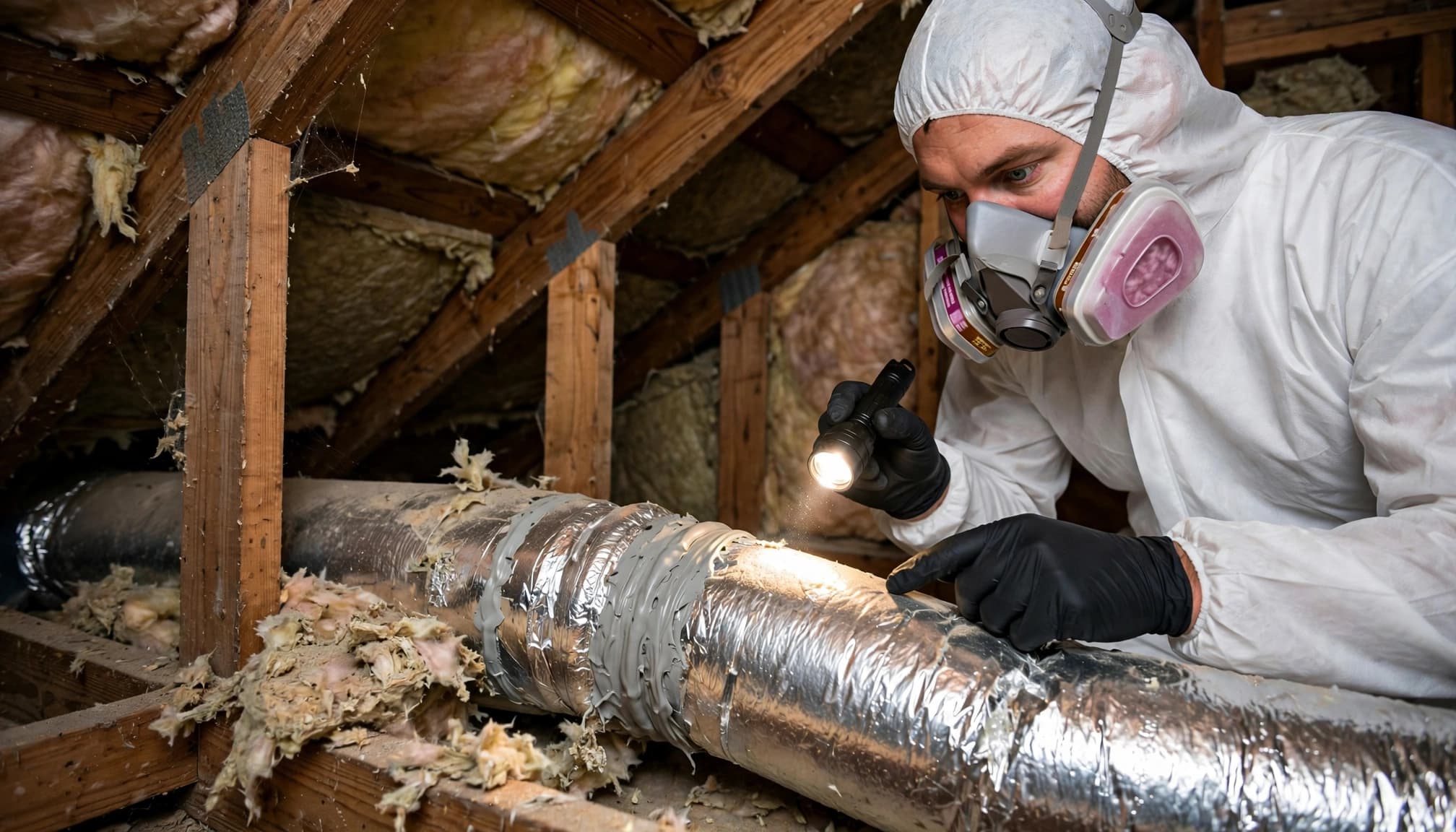
Rodents can tear flexible ducts, nest in attic insulation, or enter return-air pathways. In Florida, warm attic spaces and frequent AC use can spread the odor quickly. Once urine reaches porous insulation or duct liner, surface deodorizing rarely lasts.
Rodent odor removal HVAC service becomes more involved when the smell comes from inside ductwork, the return plenum, or the air handler's insulated sections. A technician may need to inspect with specialized access tools, remove affected material, repair damaged ducts, and verify that airflow is clean.
Signs that replacement may be the safer choice
Replace contaminated materials when urine saturation is visible, insulation is flattened or heavily soiled, duct flex has chew holes, or a dead rodent has decomposed inside the run. The same applies when the odor returns every time the blower runs after surface cleaning.
Damaged ducts can also leak conditioned air into an attic. That raises cooling costs and pulls humid, dusty air toward the system. A proper repair includes sealing connections and restoring insulation around the affected area.
Keep duct cleaning in perspective
Duct cleaning may help after source removal, but it isn't a substitute for rodent removal or damaged-material replacement. If a rat remains in the attic or a nest sits in a return, the smell will return.
Homeowners in Cape Coral can review attic insulation cleanup after rodents before deciding whether insulation needs restoration. The condition of the material matters more than how strong the fragrance product smells.
Deodorize only after the source is gone
Once all carcasses, droppings, nests, damaged filters, and contaminated porous materials are removed, odor control can begin. This order matters. Deodorizing first is like mopping around a leak without fixing the pipe.
Clean non-porous surfaces near the equipment with an appropriate disinfectant. Then dry the area fully. Florida moisture can feed mildew and create a second odor problem, especially around condensate drains and air-handler closets.
Use odor treatments that match the surface
Enzyme-based cleaners can help break down organic residue on suitable hard surfaces when used according to the label. They are useful after disinfecting a reachable floor, shelf, or metal cabinet exterior.
For an air handler interior, evaporator coil area, insulation, or duct system, leave product selection to an HVAC professional. The wrong spray can damage components, leave residue, or move odors through the supply vents.
Run the system only after the area is dry, equipment panels are secured, and filters are properly installed. If the smell remains after a short test cycle, turn the system off and avoid repeated operation until the contamination is located.
Stop rodents from returning to the HVAC area
Cleaning without exclusion leaves the door open for another infestation. Roof rats and house mice can enter through small construction gaps, damaged vents, and openings around utility lines. Palm trees and roofline vegetation can also give roof rats a path toward the attic.
Look for activity in attic insulation, garage corners, utility rooms, and around the outdoor condenser. Fresh droppings, new chew marks, or rubbing along a wall means the problem is active.
Seal entry points after trapping or removal
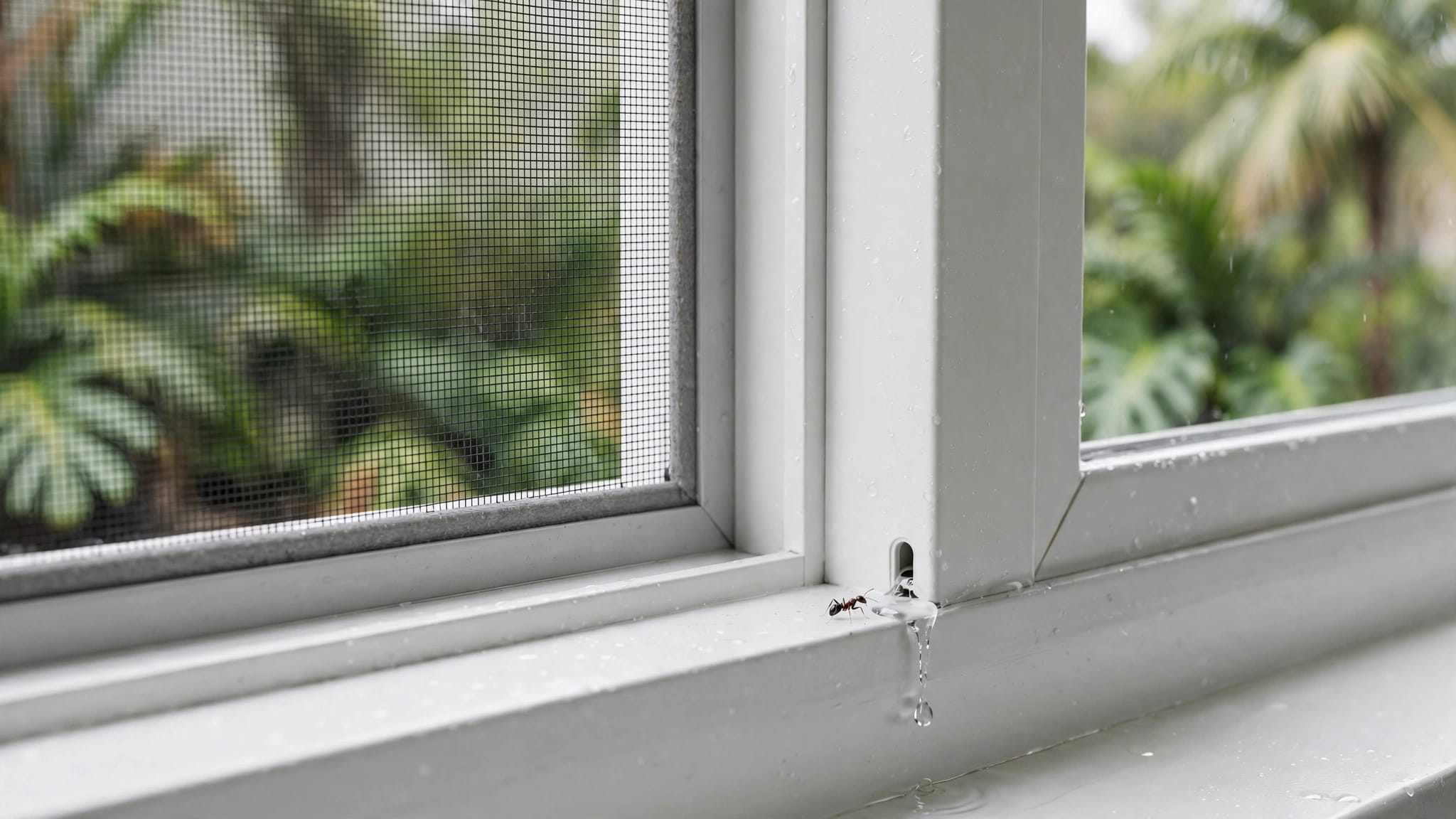
Close gaps around pipe penetrations, AC line-set openings, attic vents, soffits, and roof returns with rodent-resistant materials. Repair loose vent screens and damaged weatherstripping. However, don't seal a suspected active entry point before confirming rodents are out, because trapped animals may die inside.
Professional trapping and exclusion are often the better choice when activity reaches attic or HVAC spaces. Rodent trapping and exclusion services can address the infestation while protecting the home from repeat access.
Reduce food and shelter near the home
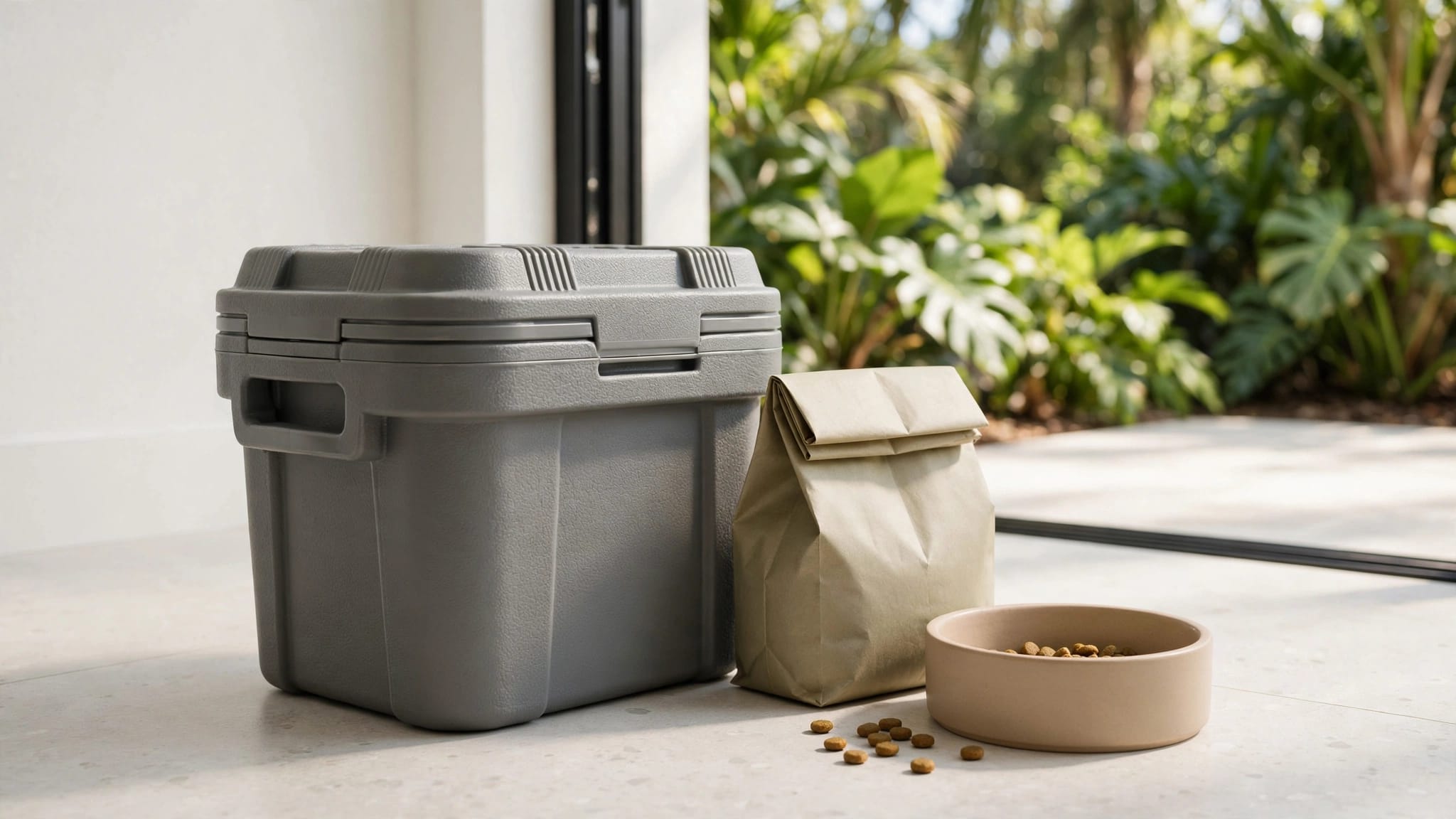
Keep pet food indoors overnight, secure garbage lids, and clean up fallen fruit. Store birdseed and bulk food in hard-sided containers. In addition, trim vegetation away from rooflines where practical.
Avoid placing poison in wall voids, attics, or duct-adjacent areas. A poisoned rodent can die where you can't reach it, creating another odor problem and attracting flies.
Know when to call for help
Call a professional when odor comes through multiple vents, a rodent may be inside the air handler, insulation is contaminated, or you see chewed ducts or wiring. Electrical damage, dead rodents behind drywall, and extensive attic debris also require trained access.
A qualified inspection should identify active rodent entry points, locate the odor source, assess affected materials, and recommend cleanup that fits the scope of contamination. Ask whether the plan includes trapping, exclusion, carcass removal, sanitation, and HVAC repair coordination.
Florida homes run their AC systems hard for much of the year. Prompt action protects indoor air, limits equipment damage, and prevents a small rodent issue from becoming a recurring household smell.
A Cleaner HVAC System Starts With Source Removal
The fastest lasting fix is source removal , followed by safe cleanup and rodent exclusion. A clean filter or deodorizing spray can't correct a nest in a return duct or urine-soaked attic insulation.
When the odor is minor and accessible, use protective gear and clean without stirring debris. When contamination reaches ducts, insulation, electrical components, or hidden spaces, professional removal protects both your HVAC system and your home.
Schedule a Free Inspection: