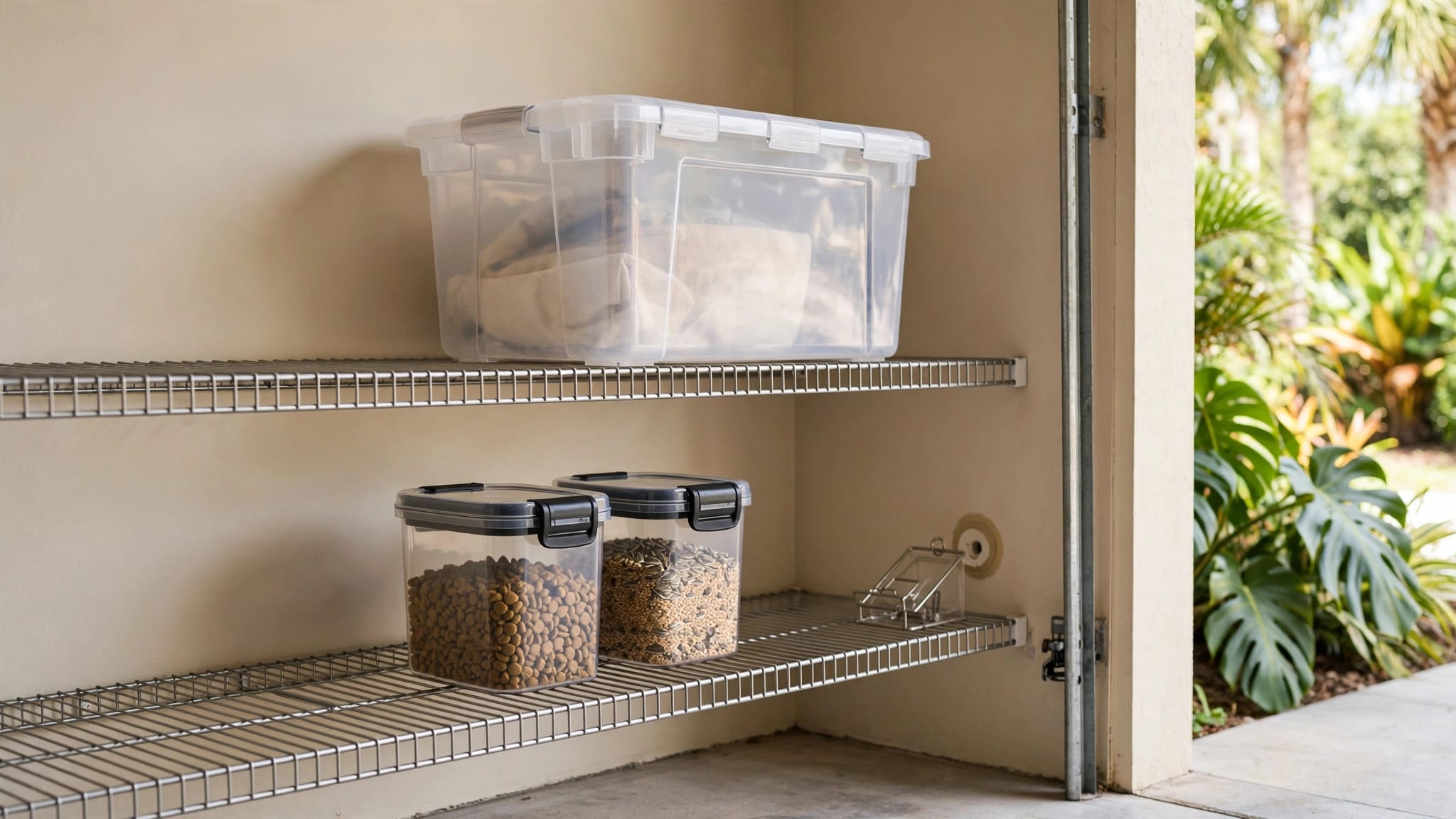
Snake-Proofing Your Cape Coral Yard, Simple Steps That Actually Work
Seeing a snake in your yard can flip your mood fast. One minute you’re watering plants, the next you’re scanning the grass like it’s hiding a jump scare.
The good news is that snake proofing yard spaces in Cape Coral usually isn’t about chasing snakes away. It’s about removing the three things they came for: food, shade, and easy access.
Cape Coral’s canals, palms, and year-round warmth create ideal habitat for native snake species, including both non-venomous snakes and venomous snakes, in a typical Florida yard. Snakes also turn up more in cooler months (like January) when they bask in sunny spots and hunt at comfortable temps. Prevention works best when you treat your yard like a checklist, not a guessing game.
Why snakes end up in Cape Coral yards (and what actually attracts them)
Snakes don’t “invade” yards for fun. They follow a simple trail of food sources, hiding spots, and water.
The biggest draw is food, not your landscaping
In Southwest Florida neighborhoods, the most common snake “bait” is usually:
- Rodents (roof rats, field mice)
- Frogs and toads (especially near irrigation and canal edges)
- Lizards and small birds
If you’re already fighting rodents, you’re also fighting the reason many snakes show up. Effective rodent control is the primary solution for removing this bait, and a solid pest plan matters because it reduces the entire food chain. If you’re looking for ongoing help beyond DIY fixes, start with residential pest control in Cape Coral so you’re not treating symptoms over and over.
Shelter is the second half of the problem
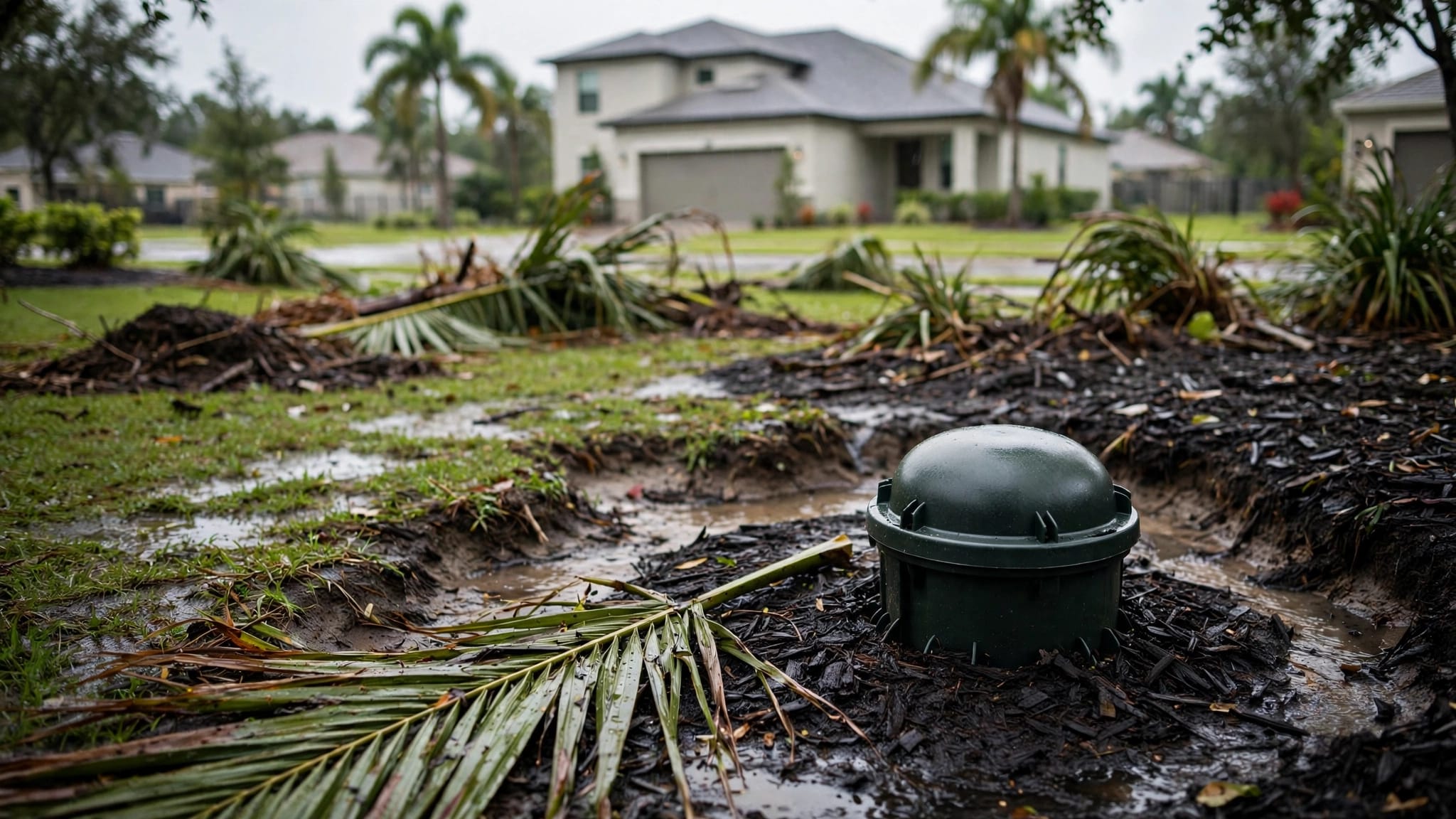
Cape Coral yards often have perfect hiding spots: fallen palm fronds, tall grass, thick groundcover, clutter behind sheds, and woodpiles sitting on the ground. To a snake, that’s a shaded tunnel system.
For Florida-specific guidance on coexisting and preventing conflicts, read FWC’s Living with snakes guidance. It aligns with what works in real yards: change the habitat, reduce the encounters.
Sealing gaps: Seal the “easy doors” into your home and garage
Most homeowners focus on the yard and forget the structure. But if a snake can slip into a garage, it can end up in a laundry room or under a water heater, especially during storms.
Fix the gaps that matter most
Focus on ground-level and utility areas first:
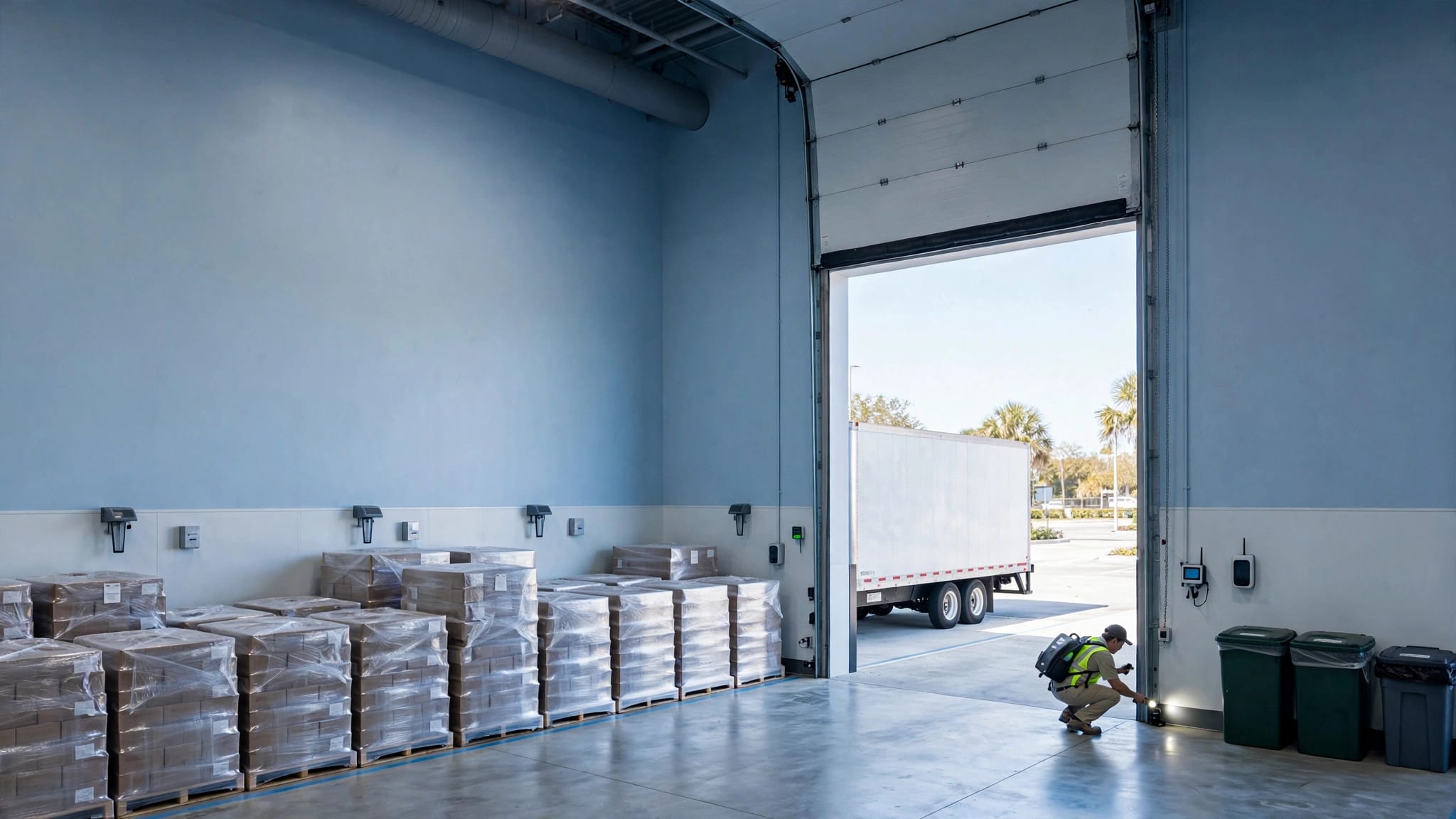
- Garage door bottom seal : Replace cracked rubber, add a threshold if the slab is uneven.
- Side gaps on garage doors : Add brush-style or vinyl weatherstripping.
- Exterior door sweeps : If you see daylight, a small snake can fit.
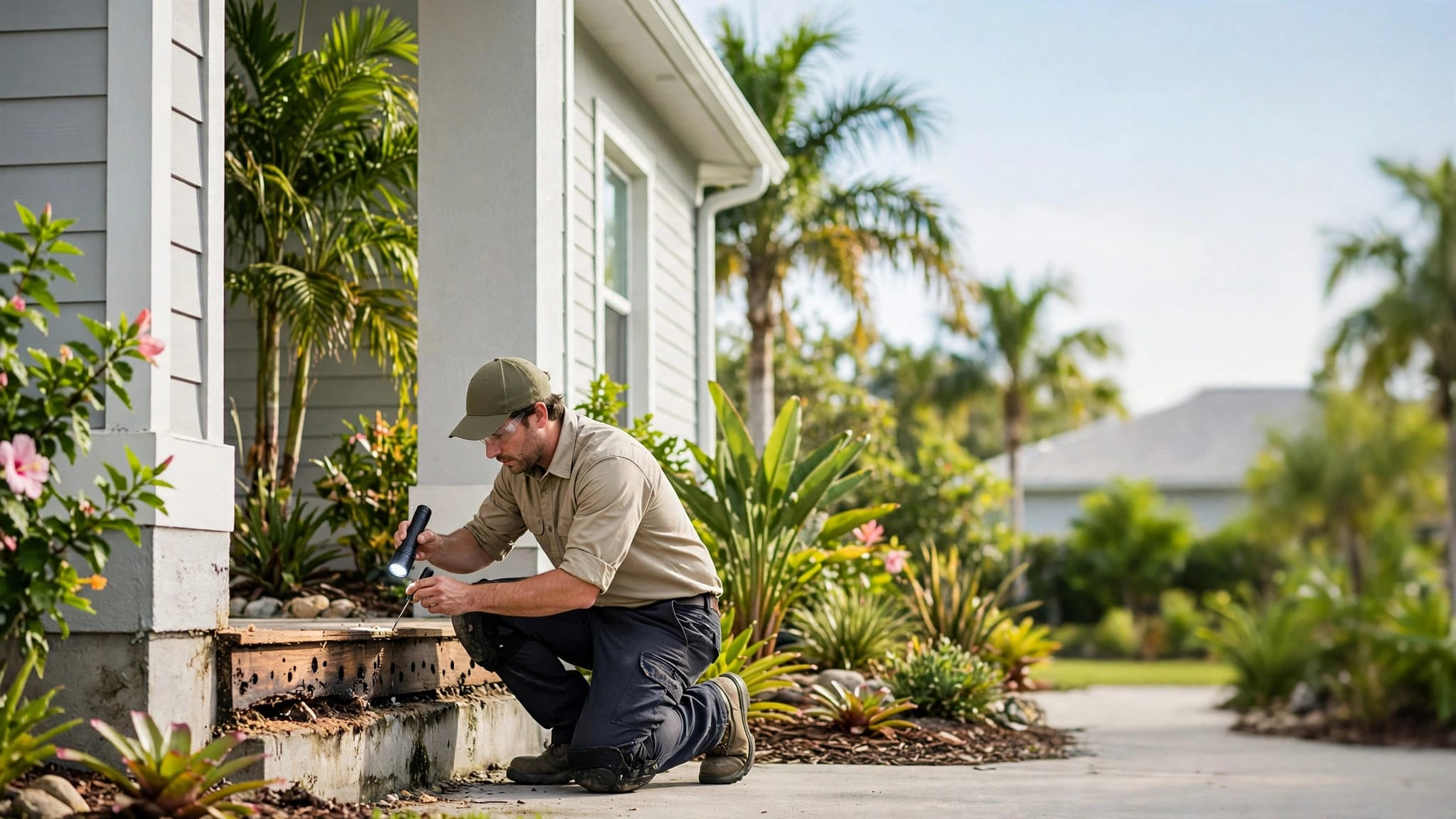
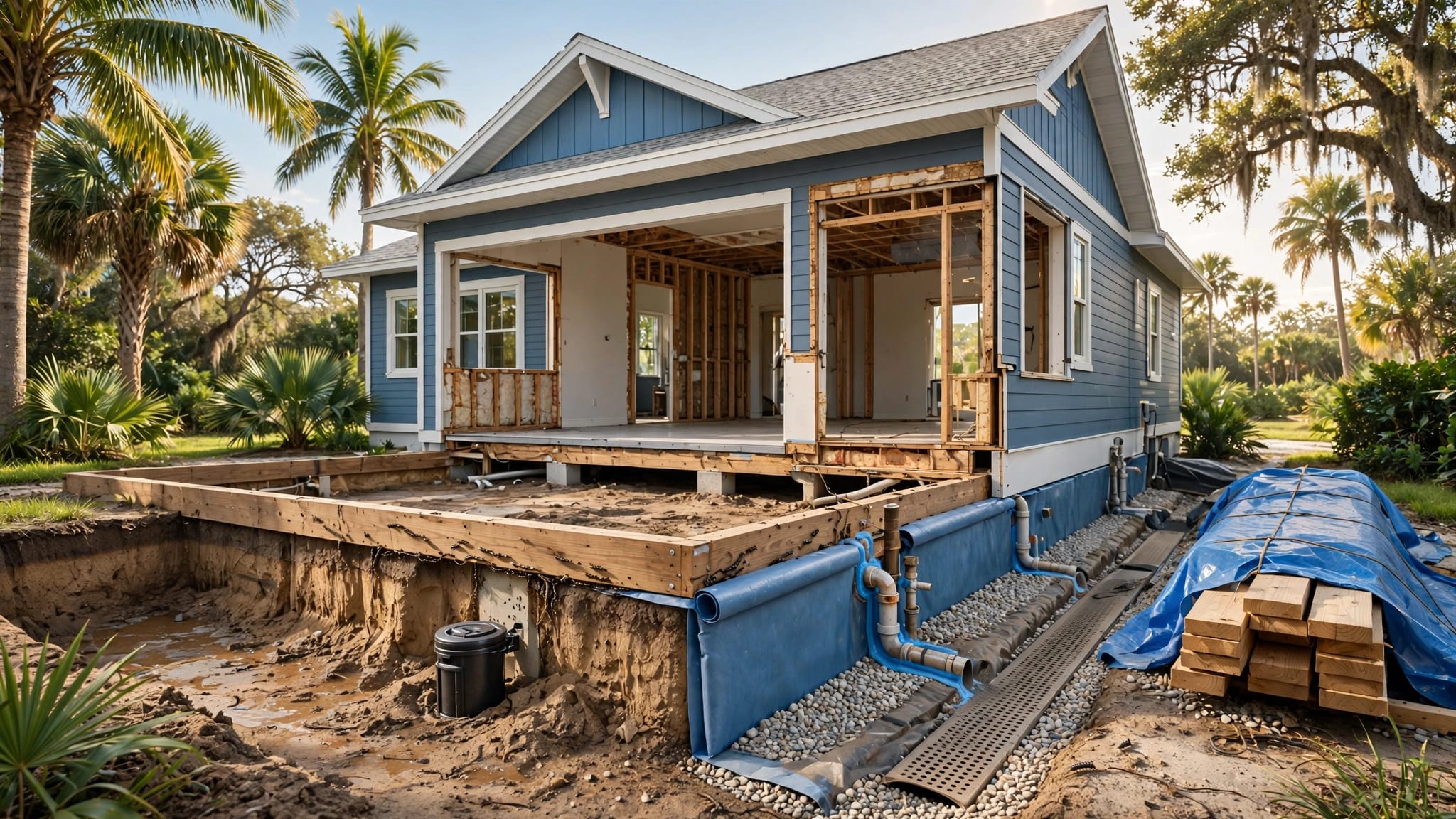
- Foundation cracks : Inspect for foundation cracks near the ground level, then seal with exterior-grade sealant or copper mesh.
- Crawl space : If your home is not on a slab, check the crawl space for openings and seal securely.
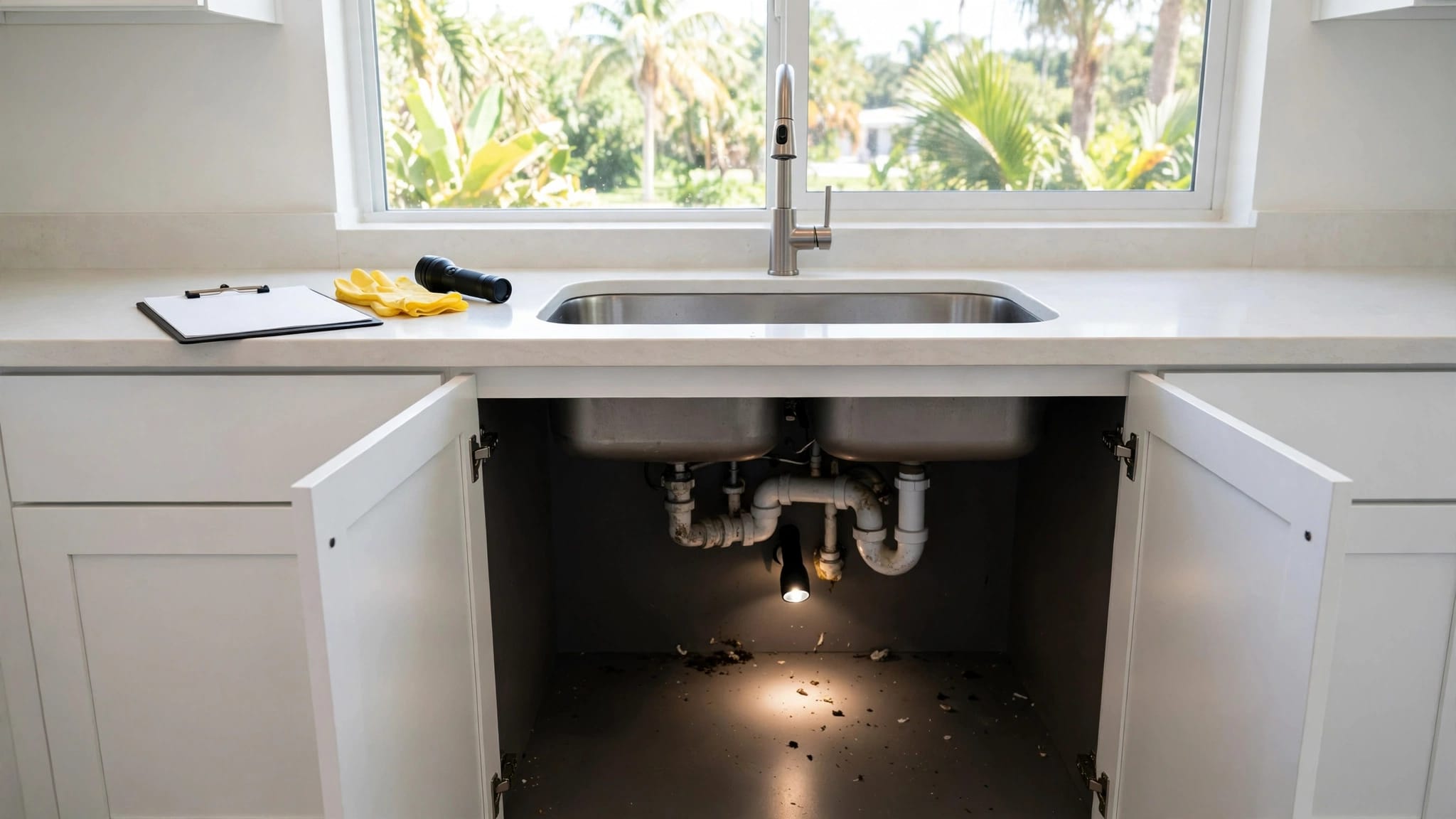
- Utility penetrations : Seal around AC line sets, hose bibs, and cable entries with exterior-grade sealant. For larger holes, pack copper mesh first, then seal.
- Dryer vents and exhaust covers : Make sure the flap closes fully and the housing is intact.
Don’t “seal” weep holes, screen them
Weep holes and block vents help walls drain. Blocking them can trap moisture. Instead, use a screen made for weep holes or attach corrosion-resistant 1/4-inch hardware cloth in a way that still allows drainage.
UF/IFAS Extension lays out practical prevention steps in Dealing with snakes in Florida, preventing encounters. The theme is consistent: deny access, reduce cover, and don’t create food hotspots.
Landscaping changes that make your yard less snake-friendly
Think of your yard like a messy closet. When it’s packed, things hide easily. When it’s clean and open, there’s nowhere to disappear.
Keep the “snake cover” trimmed back
Aim for a yard that’s easy to visually scan:
- Mow grass regularly and keep edges crisp.
- Trim shrubs so the lowest branches sit higher off the ground.
- Thin dense groundcover, especially along fences and AC pads.
- Perform tree trimming to remove fallen palm fronds promptly (they form perfect shaded tunnels).
- Rake leaf litter out of planting beds, especially near patios and lanais.
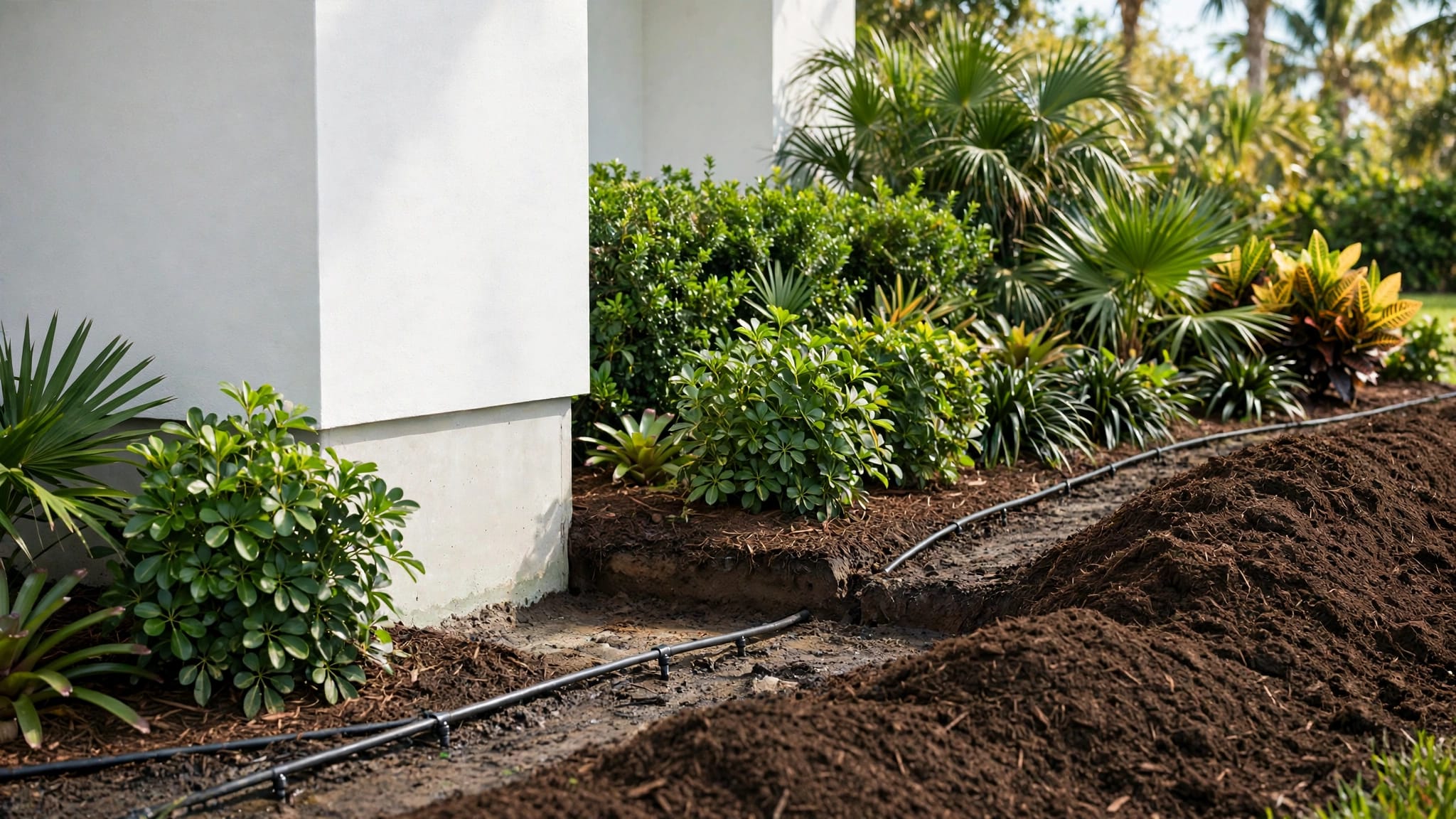
A simple rule: keep an 18 to 24-inch “clear zone” along the home’s foundation with minimal cover through debris removal . Rock or shell can work, but don’t stack it against siding or block drainage.
Store things off the ground
Wood piles , brush piles , lumber, and patio supplies shouldn’t sit directly on soil.
- Elevate wood piles at least 12 inches on a rack.
- Keep it 20 feet away from the house if you can.
- Clear weeds underneath so you can see what’s going on.
Reduce prey without poisoning your whole backyard
If your yard feeds rodents and frogs, it feeds snakes. The cleanest snake prevention often looks like boring household habits done consistently.
Rodent control that supports snake prevention
Start with exclusion and sanitation first:
- Keep trash in bins with tight lids.
- Pick up fallen fruit (citrus and mango can attract rats).
- Don’t leave seed from bird feeders on the ground overnight.
- Avoid pet food outdoors; store pet food indoors, and feed pets inside when possible.
If you’re trapping rodents, place traps where rodents travel (along walls), and keep them protected from pets. Avoid glue boards outdoors. They’re inhumane and can trap non-target wildlife.
If you want to understand what professional pest work typically costs in the area, use this Cape Coral pest control cost guide as a baseline for budgeting.
Cut down on frogs and lizards near the house
You don’t need a sterile yard, you just need fewer “buffet zones” near doors.
- Fix leaky spigots and overspray that keeps soil wet.
- Clean algae and standing water around drains and downspouts.
- Reduce nighttime insect swarms by switching exterior bulbs to warmer tones, insects draw frogs, frogs draw snakes.
When snake-resistant fencing makes sense (and when it doesn’t)
Fencing won’t fix a messy yard. But in certain Cape Coral setups, it helps a lot, especially for small pets and pool areas.
What works for snake-proof fence
If you need a barrier, the details matter:
- Use 1/4-inch hardware mesh or purpose-built wildlife mesh.
- Height: 30 to 36 inches is common for residential deterrence.
- Bury the bottom 4 to 6 inches, or bend it outward at the base before burying to prevent pushing under.
- Keep it tight to the ground, no gaps under gates.
- Trim vegetation off the fence line so snakes can’t climb through plants.
- Check Lanai screening for tears, a common Cape Coral feature.
This is where many DIY installs fail. A single 1-inch gap at a corner can undo the whole project.
What to do if you see a snake anyway
Don’t try to pin it down or “shoo” it with a broom. That’s how bites happen.
- Keep kids and pets inside to ensure pet safety.
- Give it space and a clear exit route.
- If you need help and are uncomfortable handling the situation yourself, seek professional wildlife removal using the local guidance and contacts on Lee County’s nuisance and injured animal resource page.
If you’re hiring help, bring a checklist to the call. This guide on questions to ask before hiring an exterminator in Cape Coral helps you confirm licensing, methods, and what “exclusion” really includes.
Quick cost ranges: DIY vs pro (realistic homeowner numbers)
Costs swing based on yard size, fencing length, and how many entry points you have. Here’s a practical starting point for Cape Coral homeowners.
| Project | DIY typical cost | Pro typical cost |
|---|---|---|
| Door sweeps, weatherstripping, sealants for sealing gaps | $40 to $200 | $150 to $500 |
| Garage door bottom seal + threshold | $60 to $250 | $250 to $800 |
| Weep hole screens with hardware cloth / vent screening | $25 to $150 | $200 to $600 |
| Basic yard cleanup and hauling | $0 to $250 | $200 to $900 |
| Snake-proof fence (materials + posts) | $4 to $12 per linear foot | $15 to $35 per linear foot |
DIY saves money when you’re handy and consistent. Pros earn their keep when you need tight exclusion work, long fence runs, or you’re juggling rodents and other pests at the same time.
Seasonal snake-proofing calendar for Southwest Florida
You don’t need a complicated yard maintenance plan. You need reminders at the right times.
| Season (SWFL) | What to do in your yard and home |
|---|---|
| Jan to Feb (cooler, dry) | Walk the perimeter for gaps, replace door sweeps, clear palm fronds and leaf litter, trim groundcover back from the house. |
| Mar to May (warming up) | Step up mowing and edging, clean shed corners, elevate woodpiles, tighten rodent control habits before rainy season boosts food. |
| Jun to Sep (rainy, high prey activity) | Fix drainage and standing water, keep beds thin and visible, check fences and gate gaps monthly, keep pet food secured, consult a vet regarding the rattlesnake vaccine for pet safety. |
| Oct to Dec (cooling down) | Do a second full perimeter seal check, refresh weatherstripping, remove storm debris, thin plants that grew fast over summer. |
Conclusion
Snake sightings in Cape Coral don’t have to become a regular thing. The most reliable snake proofing yard plan is simple: consistent yard maintenance to reduce hiding spots, eliminate food sources, and close the gaps that let wildlife slip into garages and walls. A cleaner perimeter and better rodent habits do more than any commercial snake repellent or gadget. Start with one area this week, then keep it on a seasonal schedule; your yard should feel like home again, not a hiding place.
Schedule a Free Inspection: